
Cleaning a grill with an onion is a surprisingly simple and natural method that effectively removes grease and burnt-on food without using harsh chemicals. By cutting an onion in half and rubbing it on a hot grill grate, you can lift stuck-on residue and restore the grill's cooking surface quickly.
This technique leverages the natural moisture and acidity of onions to break down grime while the heat sterilizes the surface. It's a handy trick for outdoor enthusiasts who want to keep their grill clean without harsh cleaners that can affect flavor and safety.
In this article, we'll explain why an onion works well for grill cleaning, outline the step-by-step process to do it right, explore the best times to use this method, and compare it with other natural grill cleaning methods. You'll also find useful tips to maintain your grill longer and common questions answered.
Why Cleaning a Grill with an Onion Works Effectively
The Role of Onion’s Natural Properties
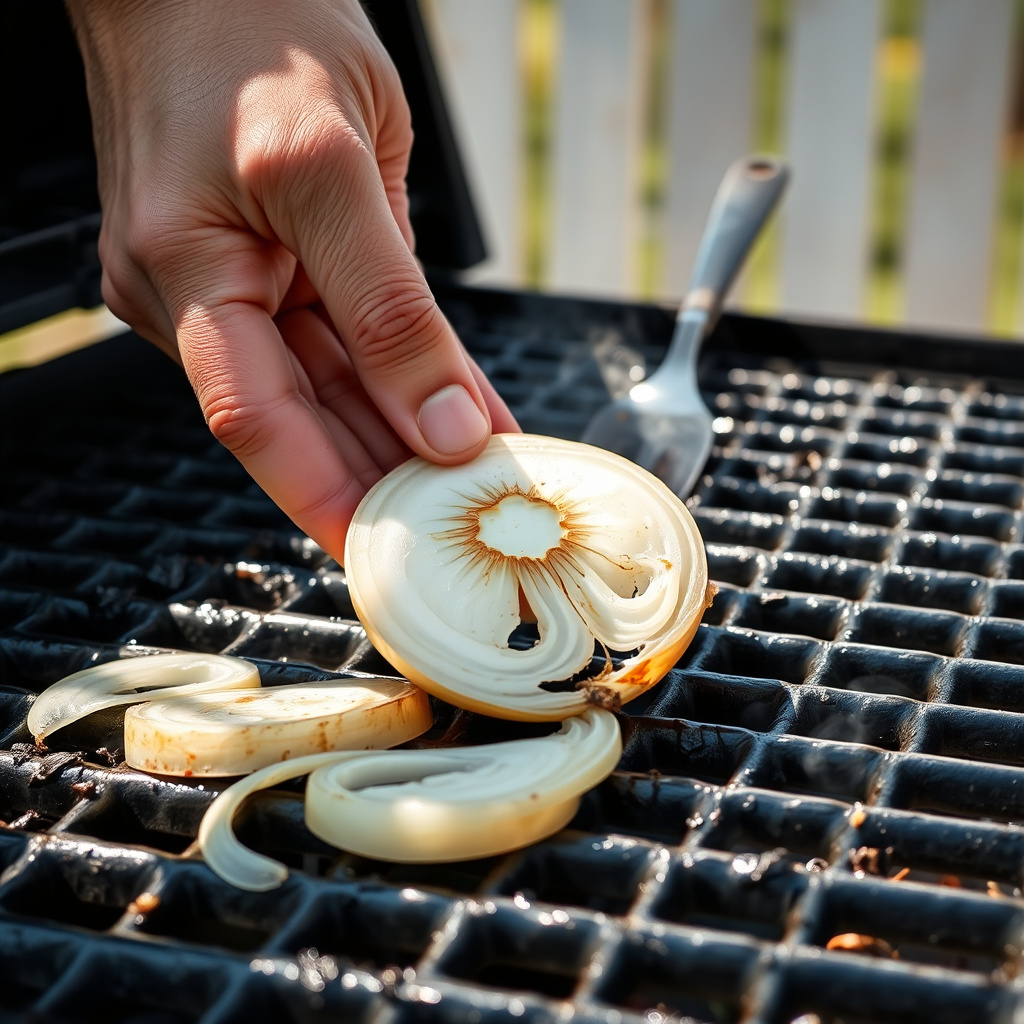
Onions contain sulfur compounds and moisture that help break down grease and food residue on hot grill grates. When heated, these compounds soften baked-on grime, making it easier to scrape off.
This natural chemistry allows the onion to act as both a scrubber and degreaser while imparting no harmful chemicals onto the cooking surface, preserving food safety and taste.
How Heat Enhances the Cleaning Process
The best results come from applying the onion while the grill is still hot. The heat not only loosens carbonized food particles but also kills bacteria, making the cleaning more hygienic.
Hot grates cause the onion's juice to sizzle slightly, improving its ability to dissolve stubborn residues and leaving the surface cleaner with minimal effort.
Step-by-Step Guide to Cleaning Your Grill with an Onion
Preparing the Grill and Onion
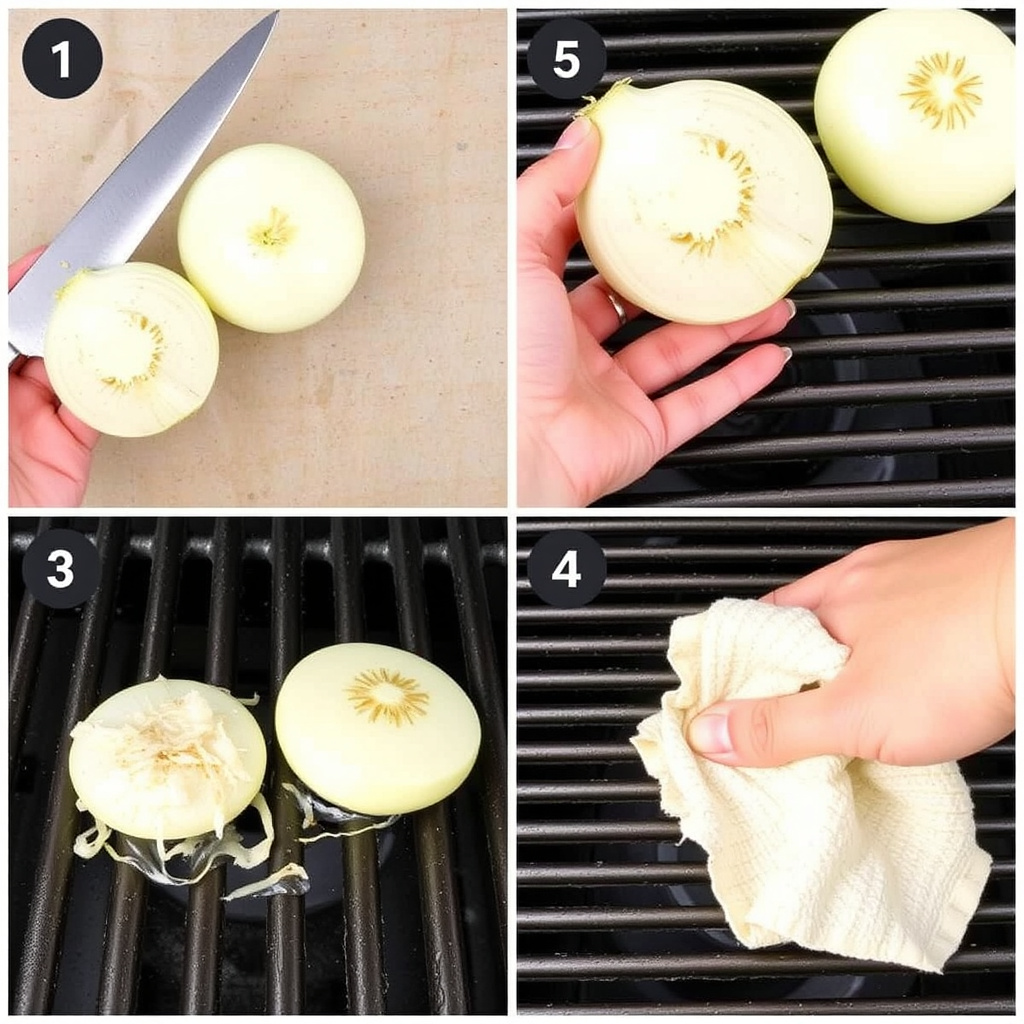
Start by preheating your grill to a medium-high temperature for about 10 to 15 minutes. This makes the residue easier to remove and sterilizes the grates before cleaning.
While the grill heats, cut a large onion in half. You can also use a firm white or yellow onion, which tends to contain enough moisture and firmness for scrubbing.
- Preheat grill to medium-high
- Cut one large onion in half
- Wear gloves to protect hands if desired
Cleaning Process
Hold the onion with the cut side down using a fork or tongs to avoid burning your fingers. Rub it over the hot grill grates firmly, focusing on areas with heavy buildup.
As you scrub, the onion juices will loosen residues and produce steam. Once complete, allow the grill to cool slightly, then wipe grates with a damp cloth or paper towel to remove loosened debris.
- Use tongs or fork to hold onion half
- Rub firmly on hot grill grates
- Wipe with a damp cloth after scrubbing
When and How Often to Use Onion for Grill Cleaning

Ideal Times for Using Onion Cleaning
The onion method works best immediately after grilling when the grill is still hot, making residue removal easier. It’s an excellent quick-clean option between cooking sessions.
Use this method before and after the grilling season to keep your grill in good condition, particularly when preparing vegetables or lighter meals to avoid heavy grease buildup.
Frequency Recommendations
For frequent grill users, cleaning with an onion weekly helps maintain a clean grate without chemical buildup. For occasional chefs, a monthly cleaning after heavy use is sufficient.
Combining onion cleaning with a thorough deep clean using soap and water a few times a year helps prolong grill life and food taste quality.
Comparing Natural Grill Cleaning Methods
Onion Versus Vinegar and Baking Soda
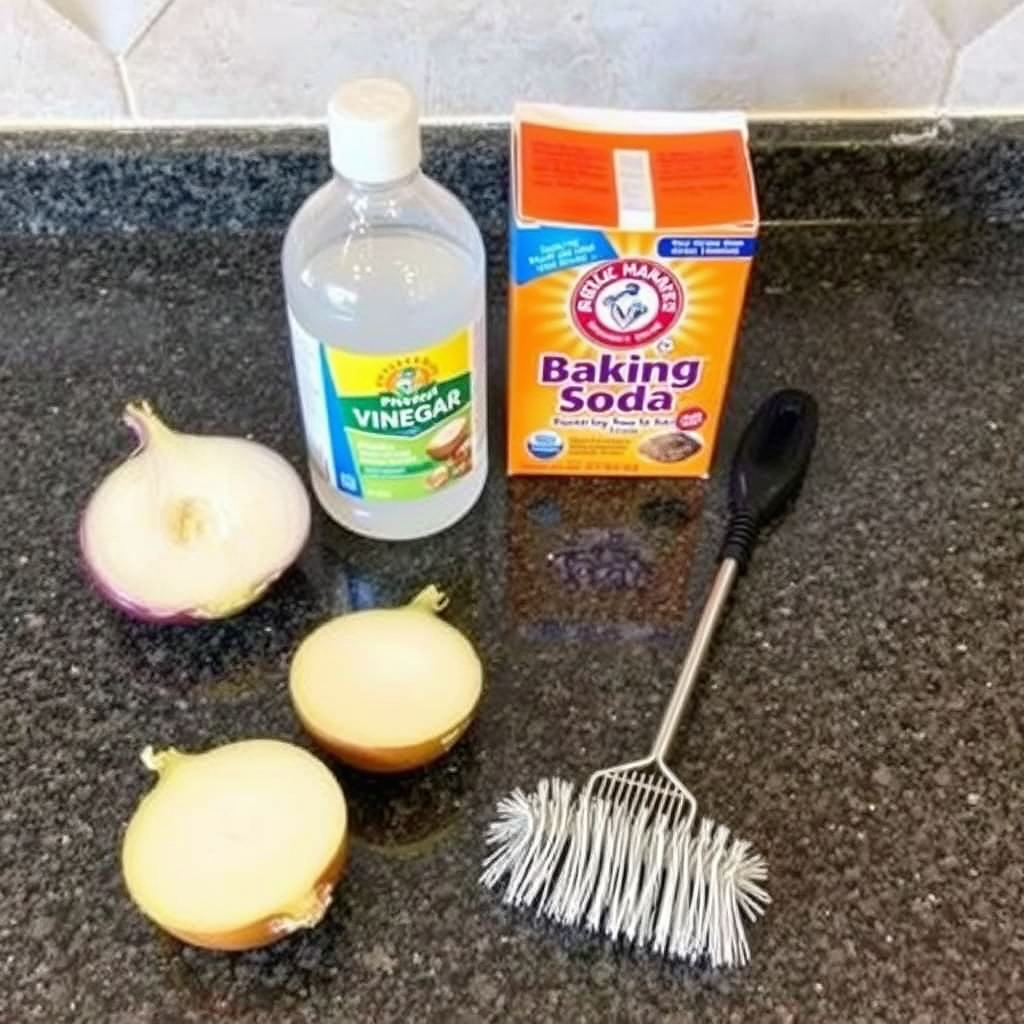
Onions provide a natural scrubbing surface and mild acidity, breaking down grease softly without residue. Vinegar and baking soda also dissolve grime chemically but can leave residues if not rinsed thoroughly.
Onion cleaning avoids lingering smells of vinegar and doesn’t require extra rinsing, making it convenient for quick cleanups during grilling.
- Onion is less abrasive
- Vinegar/Baking soda need rinsing
- Onion leaves no chemical residues
Onion Compared to Wire Brush and Commercial Cleaners
Wire brushes are effective at scraping but can damage grill surfaces or leave metal bristles behind, posing risks. Commercial cleaners may contain harsh chemicals affecting taste and health.
Using an onion is safer for grill integrity and food safety, especially for cast iron and stainless steel grates, providing a gentle yet effective cleaning alternative.
- Wire brushes can scratch grates
- Commercial cleaners contain chemicals
- Onion is food-friendly and gentle
Tips for Maintaining Your Grill After Onion Cleaning
Seasoning the Grill Grates
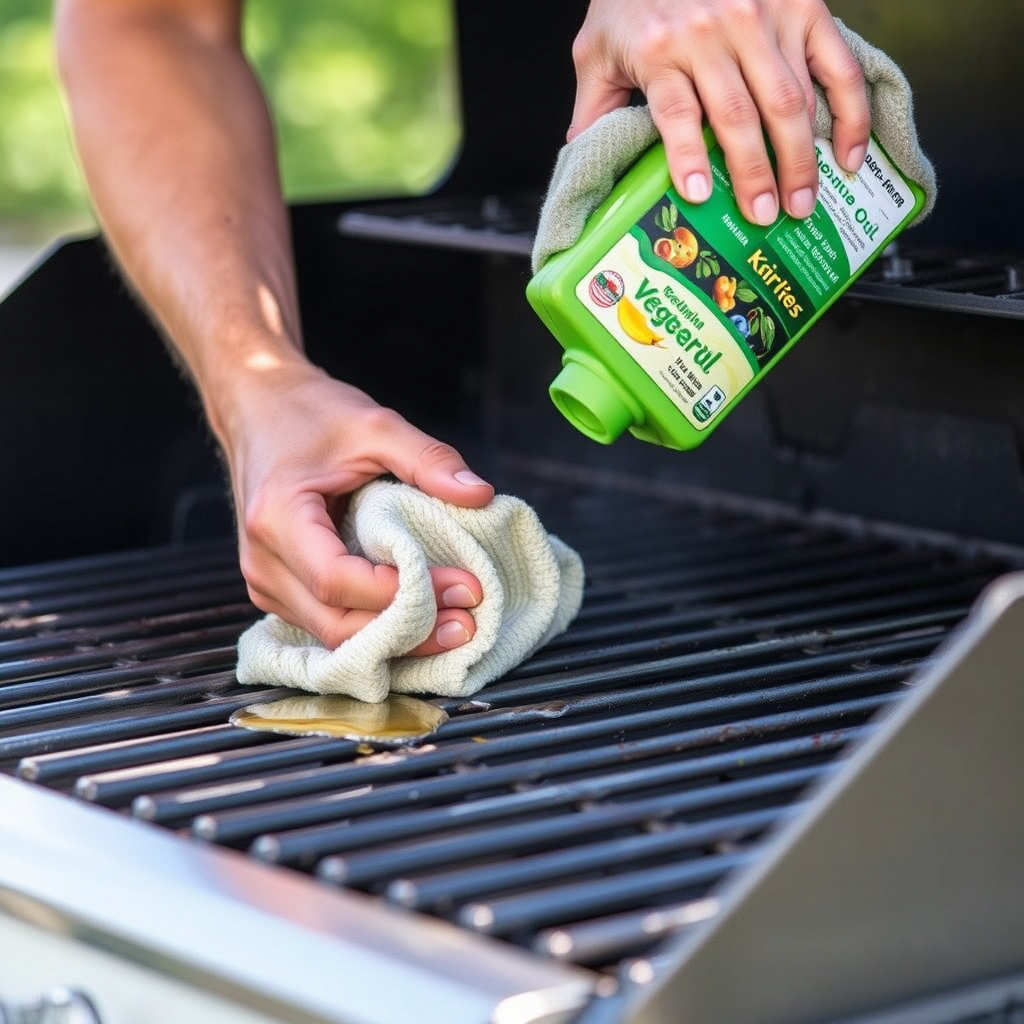
After cleaning with an onion, apply a thin layer of vegetable or canola oil to dry grates. This seasoning prevents rust, maintains a non-stick surface, and prepares your grill for the next use.
Heating the oiled grates briefly allows the oil to bond, creating a protective barrier against moisture and grime buildup.
- Use vegetable or canola oil
- Apply thin, even coat
- Heat grates after oiling
Storing and Protecting Your Grill
Keep your grill covered and shielded from rain and debris when not in use to maintain cleanliness and prevent corrosion.
Regular quick cleanings with onion can reduce deep cleaning needs and keep your grill’s performance consistent with less effort.
Common Mistakes to Avoid When Cleaning a Grill with an Onion

Using a Cold Grill
Cleaning a grill with an onion when the grill is cold greatly reduces the effectiveness, since the heat helps loosen residue and activate the onion’s natural acids.
Always wait until the grill has been on for 10-15 minutes at medium-high heat before applying the onion for best results.
For more detailed insights into grill maintenance, you can explore different grill cleaning techniques on Wikipedia. grill cleaning techniques.
Neglecting to Rinse or Wipe Residue
After scrubbing with an onion, failing to wipe or rinse away loosened grime can leave a sticky residue that attracts more dirt and affects cooking.
Make sure to wipe the grill thoroughly with a damp cloth or grill-safe wipe after the process to leave grates clean and ready.
Natural Grill Cleaning Methods Comparison
Here is a comparison of popular natural methods for cleaning grills, highlighting their pros and cons.
| Method | Effectiveness | Safety for Food | Residue Likelihood | Ease of Use |
|---|---|---|---|---|
| Onion | High for light to medium grime | Very safe | None | Easy |
| Vinegar & Baking Soda | Moderate to high | Safe if rinsed well | Possible residue if not rinsed | Moderate |
| Wire Brush | Very high for tough residues | Risky (metal bristles) | None | Moderate |
| Commercial Cleaners | Very high | Potential chemical risk | Possible chemical residues | Easy |
Frequently Asked Questions
Can I use any type of onion to clean a grill?
Yes, white, yellow, or red onions all work for cleaning a grill, but firmer, juicier onions like yellow or white varieties tend to provide the best cleaning action.
Is it safe to clean my grill with onion if I have food allergies?
Generally, onions used in cleaning do not affect food allergies, but ensure no residue remains on the grate before cooking allergy-sensitive meals.
How does the onion method compare to using a wire brush?
The onion method is gentler and food-safe, avoiding the risk of metal bristles, but a wire brush is more effective on heavy carbon buildup.
Can I prepare the onion in advance for cleaning?
It's best to use fresh onion halves right before cleaning to retain moisture and acidity; storing cut onions can reduce their effectiveness.
Do I need to rinse my grill after cleaning with an onion?
Wiping the grill grates with a damp cloth after cleaning removes loosened residue; rinsing with water is optional but not usually necessary.
Key Takeaways
- Using a hot grill and onion halves effectively removes grease and residue naturally.
- Onion cleaning is safe, chemical-free, and maintains flavor integrity.
- Combine onion cleaning with regular seasoning to protect grates.
- Avoid using onion on cold grates or skipping residue wiping.
Conclusion
Deciding how to clean a grill with an onion boils down to using heat and the onion’s natural properties to lift grime while preserving grill integrity. This method is straightforward, safe, and avoids chemicals, making it an excellent choice for anyone who grills regularly and prefers natural solutions. Incorporating onion cleaning into your maintenance routine can reduce buildup, extend grill life, and keep cooking flavors fresh.
For those who grill often, using the onion method immediately after cooking provides a quick and effective cleanup. Those with heavy carbon buildup might supplement this approach with occasional vinegar cleaning or controlled wire brushing. Combining these natural methods offers a balanced way to maintain cleanliness without compromising safety or flavor. Remember to always season your grates with oil afterwards to prevent rust.
If you want a practical step to try today, heat your grill, slice a fresh onion, and rub it over the grates to experience this simple cleaning method firsthand. It’s a handy trick that can make grill cleanup easier and more eco-friendly, helping you enjoy your next barbecue with less hassle.



