
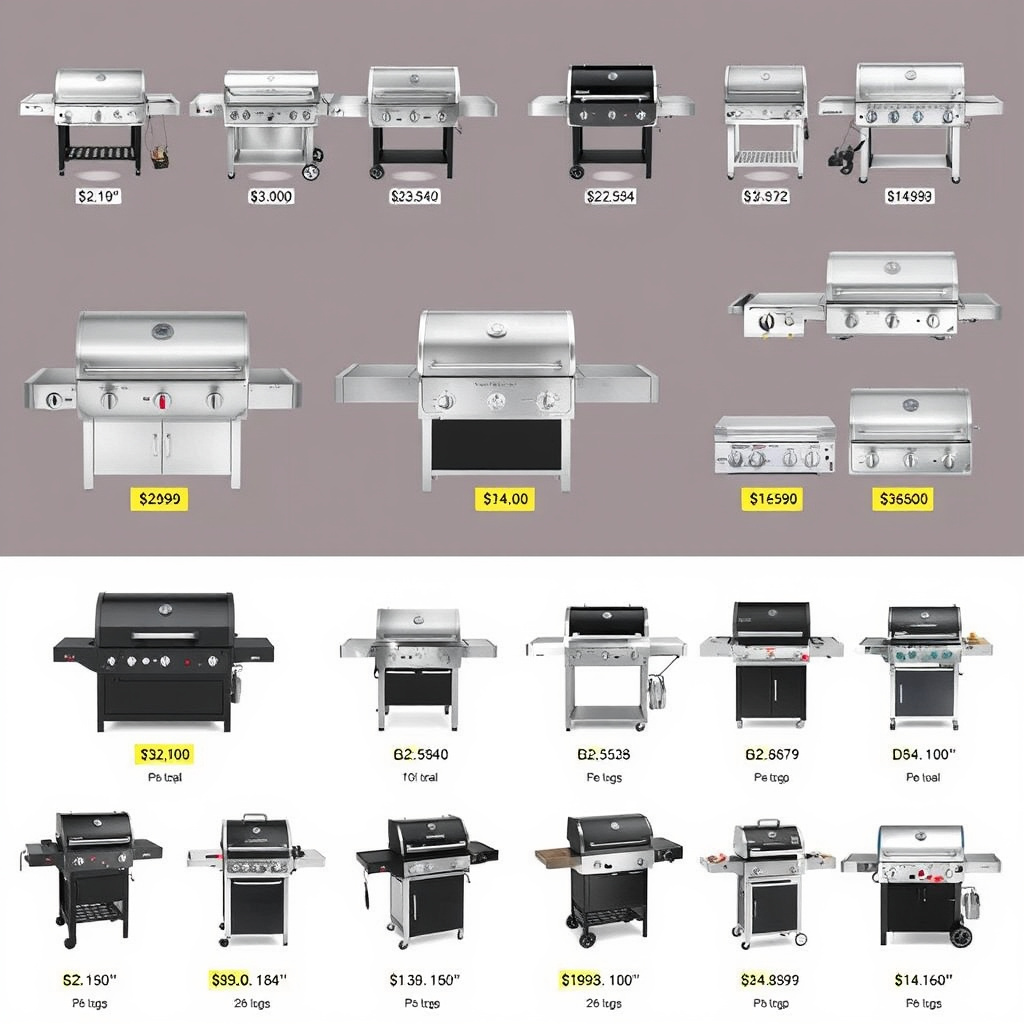
Grill prices vary widely depending on the type, size, and brand, typically ranging from $50 for basic charcoal grills to over $2,500 for high-end gas or electric models. On average, a solid mid-range grill costs between $200 and $600, offering a balance of features and durability. Understanding these price points helps you align your grill purchase with your cooking style and budget constraints.
How much a grill costs matters because grills serve different needs: a casual backyard cooker might not need the bells and whistles that a serious grilling enthusiast would expect. Additionally, grill type—whether charcoal, gas, electric, or pellet—affects both upfront cost and long-term expenses like fuel and maintenance. Your choice influences cooking performance, size, portability, and overall satisfaction.
This article explores how grill prices break down by type and feature, factors influencing cost, and compares options to guide you toward the best grill for your money. We'll also cover how accessories and brands impact pricing and what to watch for to get the most value from your grill purchase.
Price Ranges for Different Grill Types
Charcoal Grills: Affordable and Authentic Flavor
Charcoal grills are often the most budget-friendly option, appealing to those who value a smoky flavor and simpler design. Prices start as low as $50 for portable or basic kettle models and can rise to $500 for larger, premium brands with advanced features.
The minimal mechanical parts in charcoal grills help keep costs down, but quality materials like porcelain-coated steel or cast iron can increase durability and price. Charcoal is inexpensive, but you’ll need to buy fuel regularly, which adds to ownership costs.
- Basic models: $50-$150
- Mid-range with vents and larger cooking area: $150-$350
- Premium with build quality and accessories: $350-$500
Gas Grills: Convenience Meets Price Variation
Gas grills offer faster start times and temperature control but usually come with a higher upfront cost, often between $200 and $2,500 depending on size and brand. Propane or natural gas can be more economical over time, though initial grill price dominates the budget.
Entry-level gas grills start around $200, suitable for small to medium patios, while premium models with features like multiple burners, side burners, and rotisseries push prices well over $1,500. Build material and brand reputation also heavily influence gas grill pricing.
- Entry-level: $200-$500
- Mid-range: $500-$1,000
- High-end: $1,000-$2,500+
Advanced Grill Types and Their Price Points
Pellet Grills: Technology Meets Flavor for a Premium Price
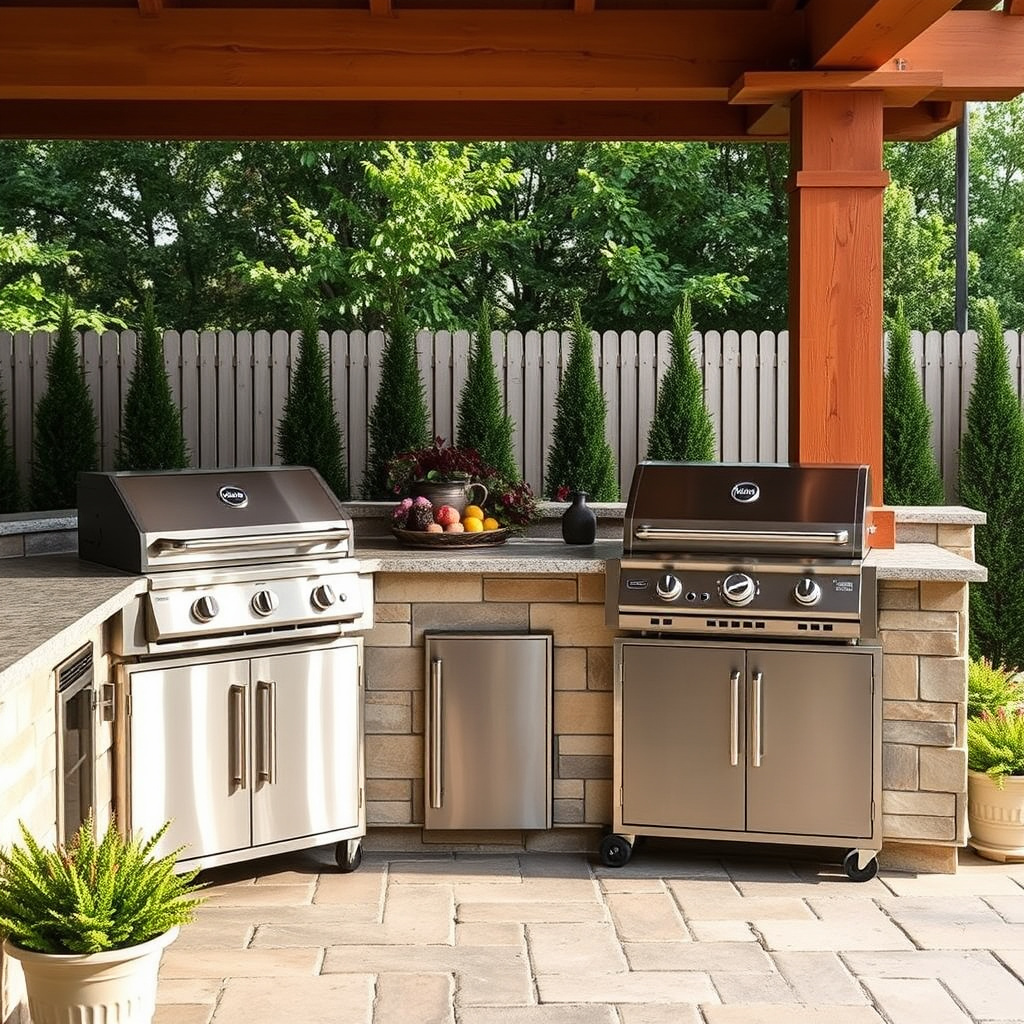
Pellet grills blend the flavor of wood smoke with electronic controls, making them a favorite among serious grillers. These grills typically cost between $600 and $2,500 due to their advanced features like Wi-Fi connectivity and precise temperature control.
The initial price is higher, but pellet grills often offer versatility for smoking, roasting, grilling, and baking, providing multifunctionality that some find justifies the investment. Fuel costs can be moderate since they use wood pellets, which are generally affordable.
Electric Grills: Compact and Variable Pricing
Electric grills are best for those in apartments or where open flames are restricted. Prices range widely from about $100 to $700, reflecting basic tabletop models to more sophisticated indoor and outdoor units with temperature gauges and larger cooking surfaces.
They require minimal setup and fuel costs are negligible since they plug into standard outlets. However, their cooking performance differs from traditional grills, which may justify paying more for models with better heat distribution and surface area.
How Grill Features Influence Cost
Material and Build Quality
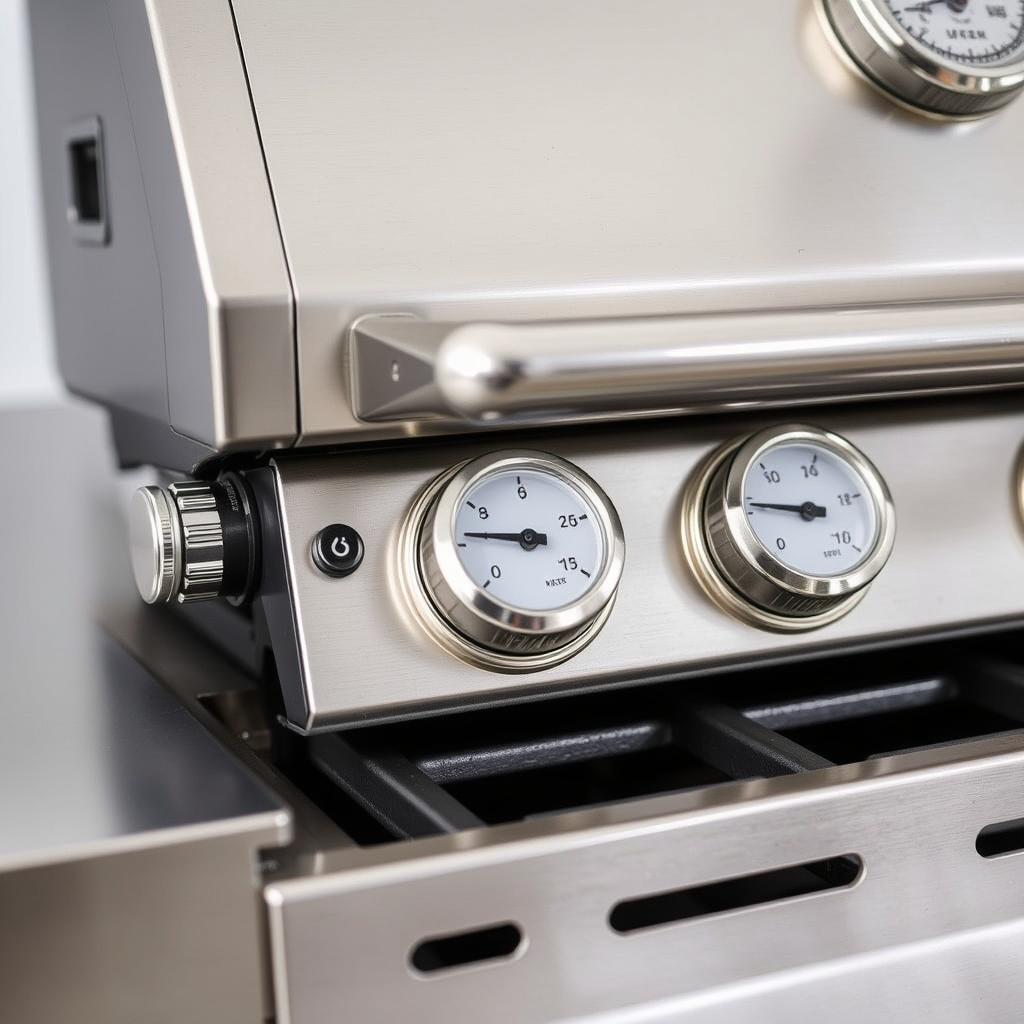
Grill cost is significantly affected by the materials used, with stainless steel models often commanding higher prices due to corrosion resistance and durability. Cheaper grills may use painted steel or aluminum, reducing cost but potentially shortening lifespan.
Heavier gauges of steel or cast iron grates improve heat retention and grilling results. Premium construction often comes with thicker lids, better insulation, and stronger frames that justify higher prices with longevity.
- Stainless steel costs more but lasts longer
- Cast iron grates aid heat retention
- Thicker lids reduce heat loss
For more on this, see our related guide: How to Smoke Meat on a Gas Grill: A Step-by-Step Guide.
Additional Features and Their Price Tags
Extras like side burners, rotisserie kits, infrared burners, and built-in thermometers typically add to the cost but enhance cooking versatility and convenience. Smart grills with app connectivity and automated controls push prices into the premium range.
These features aren't always necessary and can affect how much a grill costs. Understanding which features you will actually use helps prevent overpaying for equipment that stays idle.
- Rotisserie and side burners add $100-$500
- Infrared burners increase price significantly
- Smart controls can add $300+
How Brand and Warranty Impact Grill Pricing
Brand Reputation and Price Differences
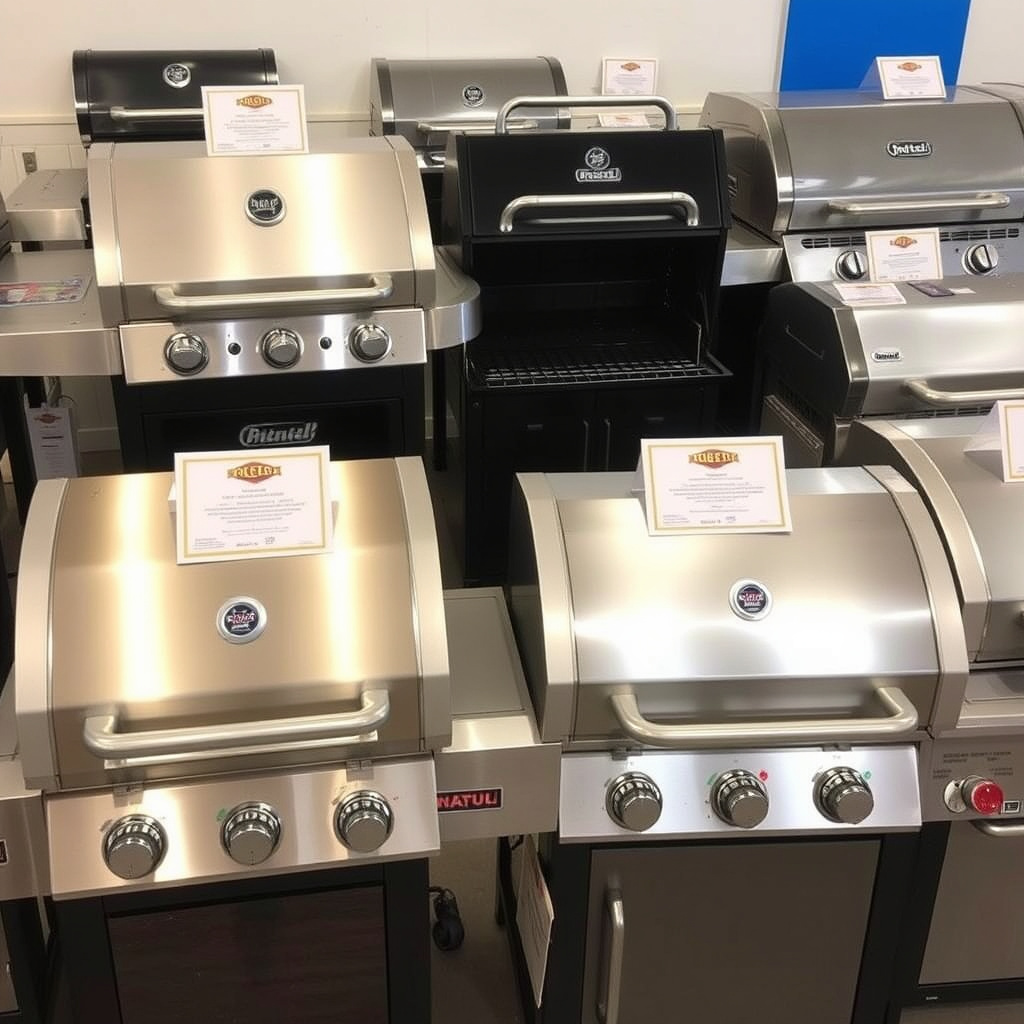
Established brands like Weber or Traeger tend to price their grills higher because they have proven reliability and customer support. Lesser-known brands often offer lower prices but can compromise on materials or warranty terms.
Buying a reputable brand reduces the risk of defects and poor performance, which explains why their prices run higher even for comparable specs.
Warranty Coverage and What It Means for Cost
Longer and more comprehensive warranties can justify a higher grill cost by protecting against premature failure and adding peace of mind. Some premium grills include warranties covering parts and labor for 10 years or more.
Lower-cost grills usually offer shorter warranties limited to a few years or cover fewer components, which could lead to added repair costs down the road.
Accessories and Maintenance Costs That Add Up
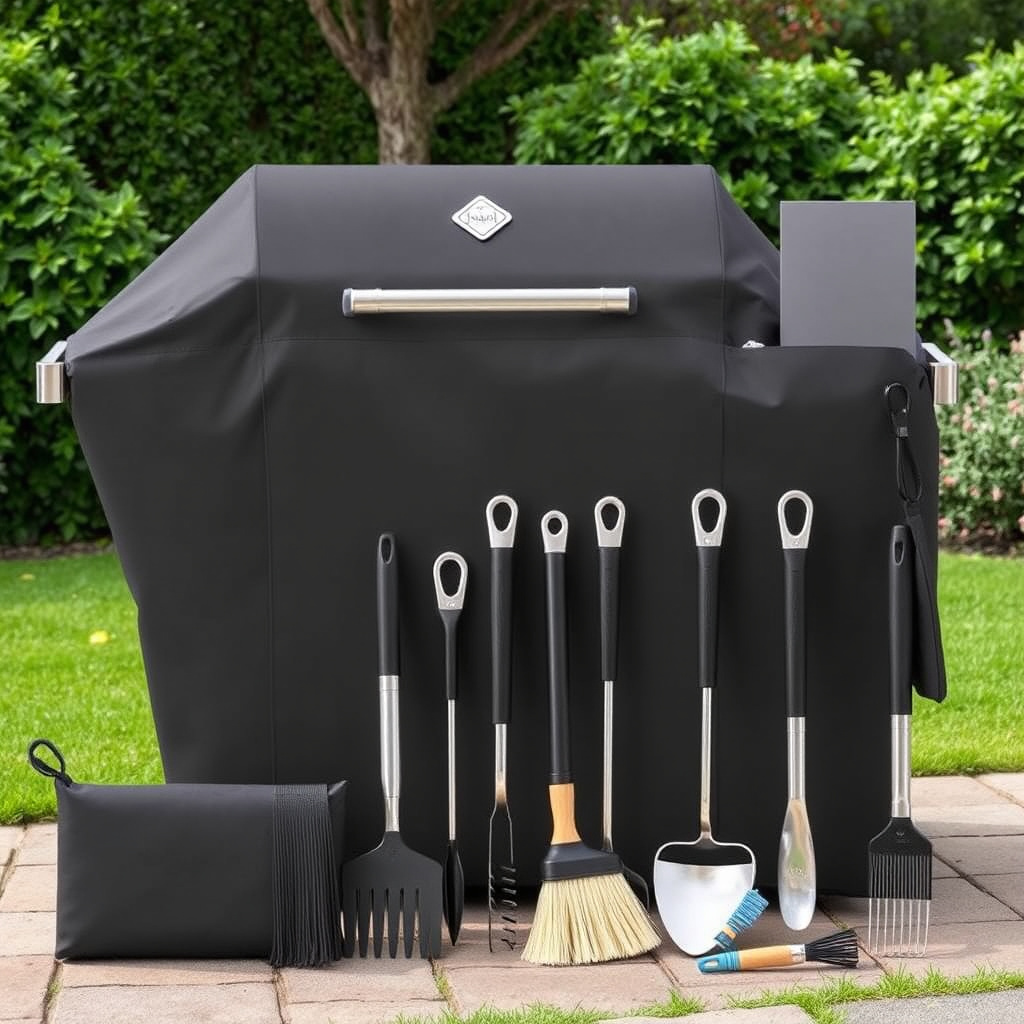
Essential Accessories Affecting Overall Price
Buying a grill isn’t only about the unit itself; accessories like covers, grill brushes, thermometers, and charcoal or gas tanks also add to total cost. Quality accessories can enhance safety and prolong grill life.
For example, a durable grill cover protects the investment from weather damage, usually costing $30-$100 depending on size and material.
- Grill covers: $30-$100
- Thermometers: $15-$50
- Fuel tanks and charcoal bags: ongoing expense
For more on this, see our related guide: How to Keep a Grill from Rusting: Effective Protection Tips.
Maintenance and Operating Costs
Grill maintenance expenses include cleaning supplies, replacement parts like burners or grates, and fuel consumption. Gas grills generally have higher initial costs but moderate ongoing fuel expenses, while charcoal grills require frequent charcoal purchases.
Routine upkeep prolongs the grill’s usability and can reduce unexpected repair costs, making modest maintenance expenses a worthwhile investment.
Where to Buy Grills and When to Get the Best Prices

Retail vs. Online Grill Shopping
Buying grills in-store allows hands-on inspection and expert advice but generally comes at standard prices. Online retailers often offer better deals, especially during sales or holidays, although shipping fees and return policies should be considered.
Some specialty stores focus on high-end or specific grill types, providing knowledgeable staff and sometimes bundle deals that include accessories.
For more detailed information about grill types and history, refer to the grill article on Wikipedia. grill article on Wikipedia.
Best Times for Grill Discounts
Sales often appear around national holidays like Memorial Day, Fourth of July, and Labor Day, with clearance deals at the end of summer. Shopping during these times can reduce grill costs by 10-30%.
Off-season purchases, like in fall or winter, might yield the lowest prices but require storage until grilling season resumes.
- Holiday sales: Memorial Day, 4th of July, Labor Day
- End-of-season clearance
- Black Friday and Cyber Monday deals
Grill Types Cost and Feature Comparison
The table below compares common grill types to highlight differences in price, fuel costs, and cooking versatility.
| Grill Type | Price Range | Fuel Cost | Cooking Versatility | Maintenance |
|---|---|---|---|---|
| Charcoal | $50-$500 | Low (charcoal) | High (smoky flavor) | Low |
| Gas | $200-$2,500 | Moderate (propane/natural gas) | Very High | Moderate |
| Pellet | $600-$2,500 | Moderate (wood pellets) | Very High (smoking & grilling) | Moderate |
| Electric | $100-$700 | Low (electricity) | Moderate | Low |
| Portable | $40-$400 | Varies | Low to Moderate | Low |
Frequently Asked Questions
Why do gas grills cost more than charcoal grills?
Gas grills have more complex components like burners and valves, plus added convenience features, which increase manufacturing costs compared to simpler charcoal grills.
Is a more expensive grill always better?
Not necessarily. A higher price often reflects durability and features, but the best grill fits your needs and budget rather than the highest cost.
Do pellet grills require special maintenance?
Pellet grills need regular cleaning of the hopper and auger to prevent jams, but otherwise maintenance aligns with typical grill upkeep.
How often should I replace grill parts to avoid failures?
Grate and burner replacement depends on use frequency but generally every 2-5 years. Regular inspection helps decide when replacement is needed.
Are there cheaper grills that still offer good performance?
Yes, some budget charcoal and gas grills provide excellent value and grilling performance without expensive features.
Key Takeaways
- Grill cost depends heavily on type, size, and features you choose.
- Charcoal grills are budget-friendly, gas grills offer convenience with higher price ranges.
- Advanced grills like pellet and electric models cost more but provide versatility.
- Accessories, brand reputation, and warranties influence overall grill expenses.
Conclusion
Determining how much a grill costs involves balancing your budget with the features and type of grill that best suits your cooking habits. Focus first on what style of grilling you prefer, then evaluate price ranges accordingly, factoring in durability, fuel, and maintenance. This approach prevents overspending and ensures a satisfying outdoor cooking experience.
For casual users seeking affordability and authentic smoky flavor, charcoal grills under $200 might be ideal. Those prioritizing ease and control might opt for mid-range gas grills between $500 to $1,000. Serious enthusiasts wanting versatility can consider pellet grills or advanced gas models, accepting higher initial prices. Accessories and brand quality will further tune your final cost.
Start by setting a clear budget and researching grills within that range, comparing brands and features carefully. Check for seasonal sales to obtain better prices. Ultimately, picking a grill that fits your lifestyle and offers reliable performance will bring the most satisfaction and best value for your investment.



