
Converting a grill to natural gas involves replacing the propane components with parts designed for natural gas use. This typically requires a natural gas conversion kit that includes new burners, orifices, and a regulator suitable for natural gas pressure. The conversion must be done precisely to guarantee safe and efficient operation.
Many homeowners prefer natural gas over propane for grilling because it offers a continuous fuel supply without the hassle of tank refills, which translates to cost savings and convenience. However, natural gas grills require different gas pressures and fittings, so conversion isn't as simple as swapping tanks. Attention to detail and proper parts are essential for a smooth switch.
This article will cover the necessary tools and materials, safety precautions, detailed conversion steps, and tips for maintenance after conversion. You’ll also find advice on when it’s best to call a professional versus handling the conversion yourself.
Preparing for Grill Conversion
Gathering Tools and Materials
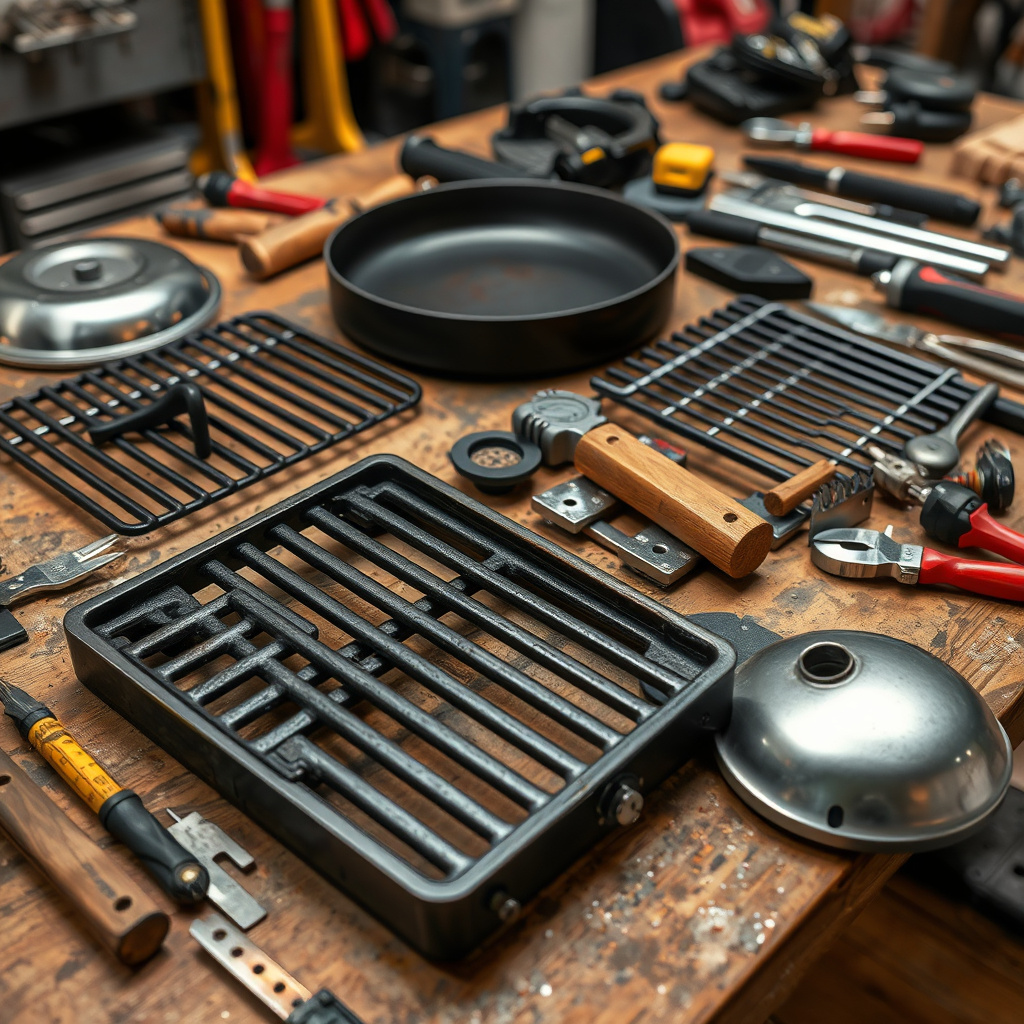
Before starting, assemble a natural gas conversion kit specific to your grill model. Common items include new orifices tailored for natural gas, a regulator designed for natural gas pressure, and connectors that fit your grill’s setup. You'll also need basic hand tools like adjustable wrenches and screwdrivers.
It’s essential to check your grill manufacturer’s guidelines or website for recommended kits and parts. Using the proper conversion kit ensures compatibility and safety, as natural gas operates at a different pressure and flow rate compared to propane.
- Natural gas conversion kit
- Adjustable wrench
- Screwdrivers
- Teflon gas-rated tape
Safety Precautions Before Conversion
Work in a well-ventilated outdoor area and always ensure the grill is completely cool before starting. Shut off all gas supplies, including the propane tank, and disconnect any components carefully to avoid gas leaks. Double-check for leaks after conversion using soapy water on connections.
Review local codes or regulations regarding natural gas installations; some areas require professional handling or permits. If you feel uncomfortable at any point, consulting a licensed plumber or gas technician is advisable.
Step-by-Step Guide to Convert a Grill to Natural Gas
Removing Propane Components
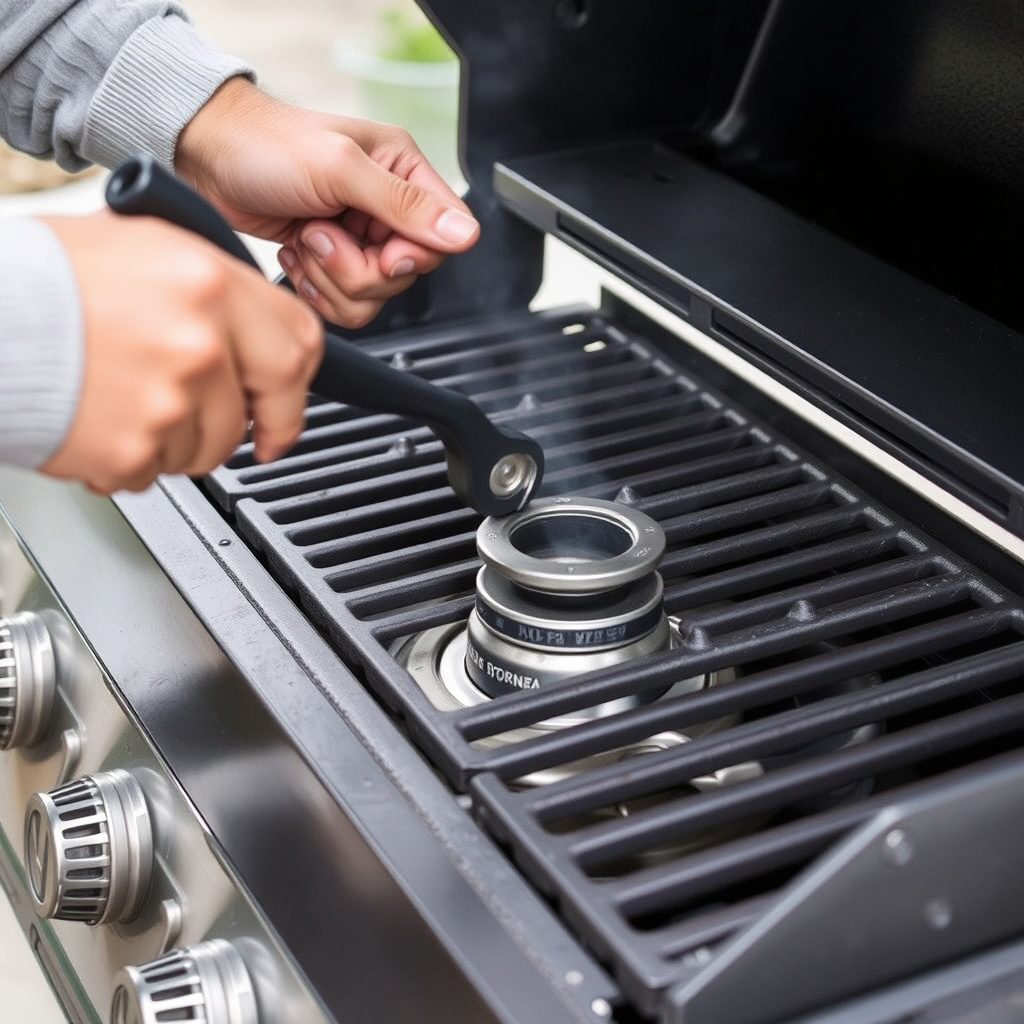
Begin by disconnecting the propane tank and removing any propane-specific parts such as burners, hoses, and regulators. Keep track of screws and fittings, as some may be reused with the new parts. Inspect the frame and burner areas for any damage or rust.
Cleaning the grill interior at this stage helps ensure optimal operation after the conversion. Carefully follow manufacturer instructions to avoid damaging fragile components.
- Turn off and detach propane tank
- Unscrew propane burner connections
- Inspect and clean grill interior
For more on this, see our related guide: How to Convert a Propane Grill to Natural Gas Safely and Easily.
Installing Natural Gas Components
Install the natural gas burners from the conversion kit, making sure the orifice sizes match those supplied. Attach the new natural gas regulator and hose, securing them with gas-rated Teflon tape to prevent leaks. Connect the other end to your natural gas supply line using appropriate fittings.
Verify all connections are tight but avoid overtightening which can damage fittings. Once installed, test the system by slowly turning on the gas and applying a soapy water solution to all joints, watching for bubbles which indicate leaks.
- Fit new natural gas burners
- Attach natural gas regulator and hose
- Use Teflon tape on fittings
- Leak test with soapy water solution
Adjusting Grill Settings Post-Conversion
Checking and Adjusting Flame
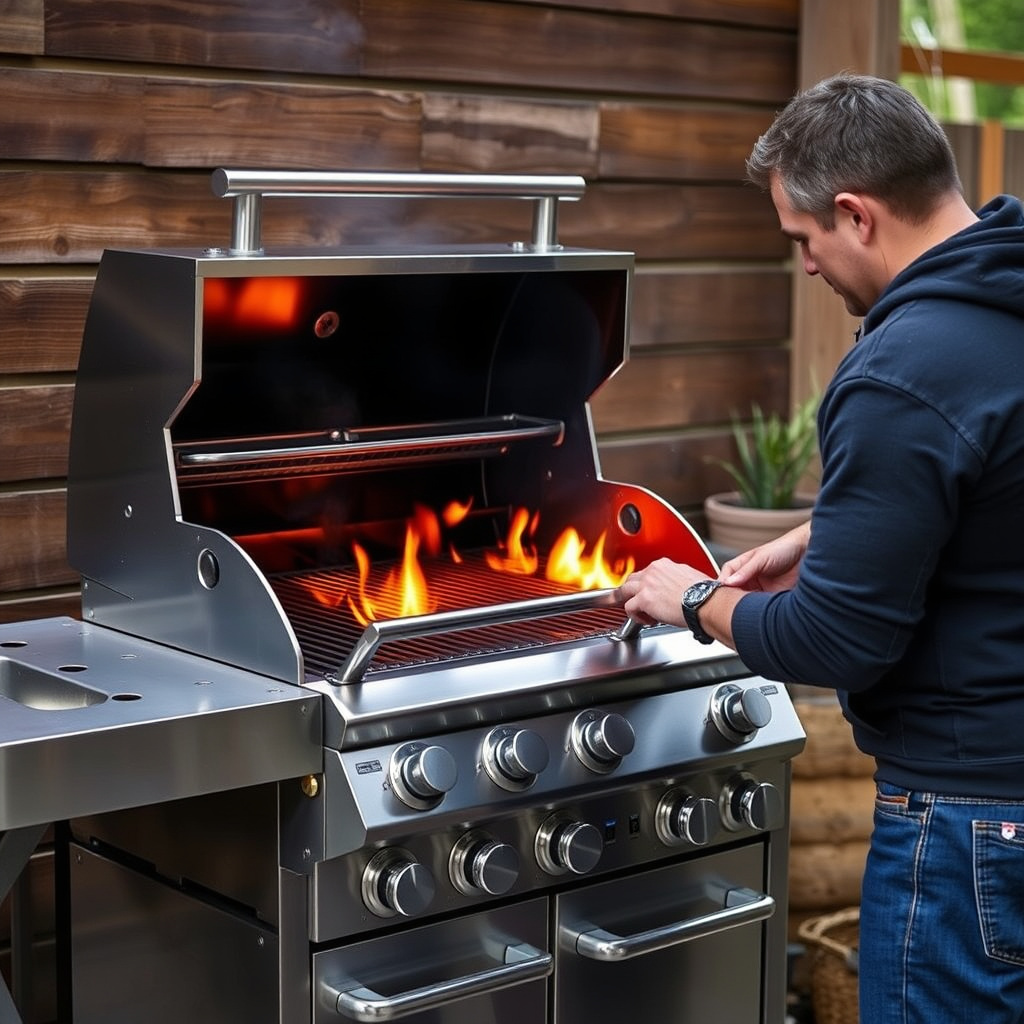
Natural gas produces a different flame than propane. After conversion, ignite the grill and observe the flame color and height. The flame should be blue with minimal yellow tips, steady and properly sized to avoid inefficient burning or soot buildup.
If the flame is too low or flickering, adjusting the air shutter near the burner can help mix gas and air appropriately. Consult the grill’s manual for precise adjustment instructions to optimize combustion.
Testing Grill Functionality
Beyond flame quality, test every burner zone at low, medium, and high settings to ensure even heat distribution. Monitor temperature settings and cooking performance compared to previous propane use. Proper adjustments guarantee that your converted grill operates safely and effectively.
Keep an eye out for unusual odors or noises during initial use, as these may signal an installation issue requiring attention.
Maintenance Tips for Natural Gas Grills
Routine Cleaning and Inspection
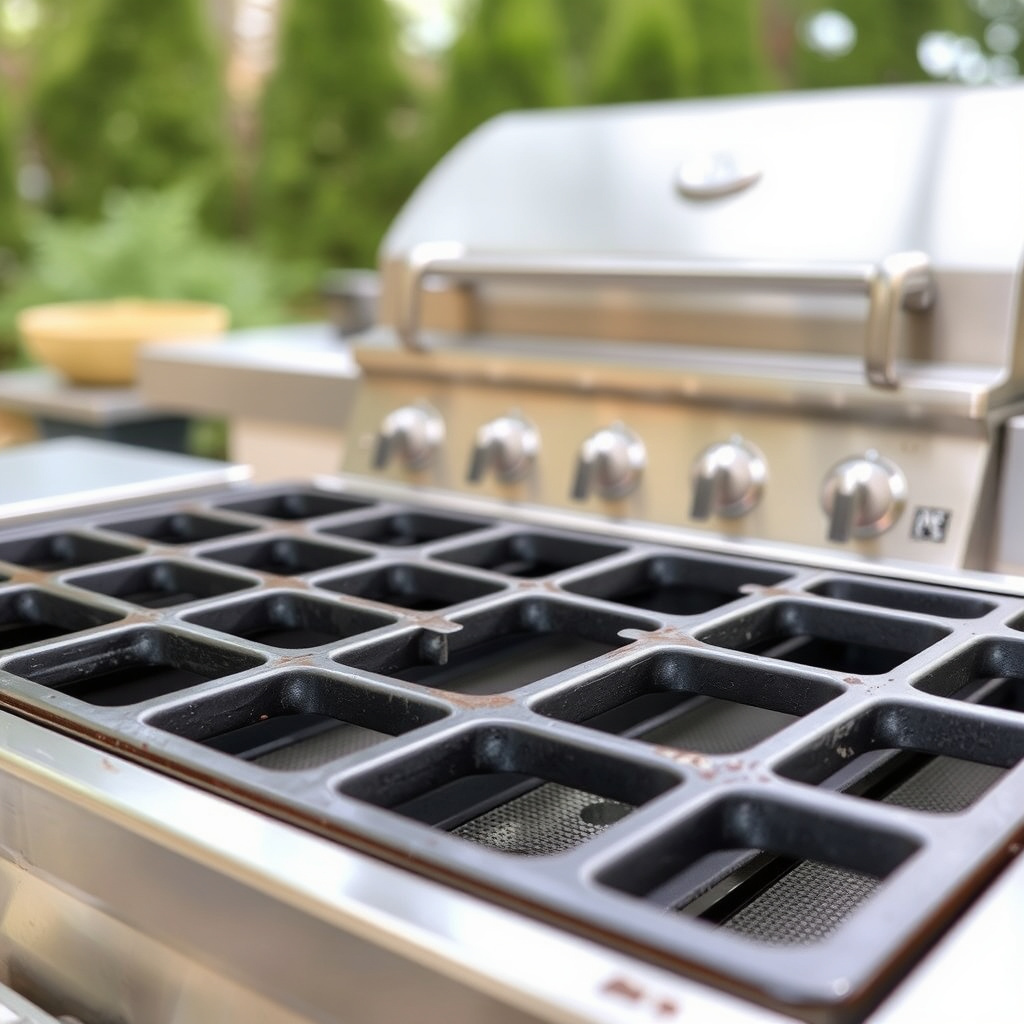
Regular cleaning of burners, grates, and the grill interior prevents blockage and corrosion. Inspect hoses and connections periodically for signs of wear or damage, paying special attention to any indications of gas leaks like strange smells or hissing sounds.
Use a brush suitable for grill components and avoid harsh chemicals that can damage gas lines or metal parts.
- Clean burners and grates monthly
- Inspect hoses for cracks or leaks
- Avoid abrasive chemicals
For more on this, see our related guide: Why Is My Charcoal Grill Not Getting Hot? Troubleshooting Tips and Solutions.
Seasonal Safety Checks
Each grilling season, conduct a thorough check of the entire natural gas setup. Look for regulator and hose integrity and verify that the gas supply pressure matches manufacturer recommendations. Check pilot lights and ignition systems to maintain reliable operation.
Scheduling professional inspections occasionally can catch hidden issues, helping prolong your grill’s lifespan.
When to Hire a Professional for Grill Conversion
Complex Gas Line Installations
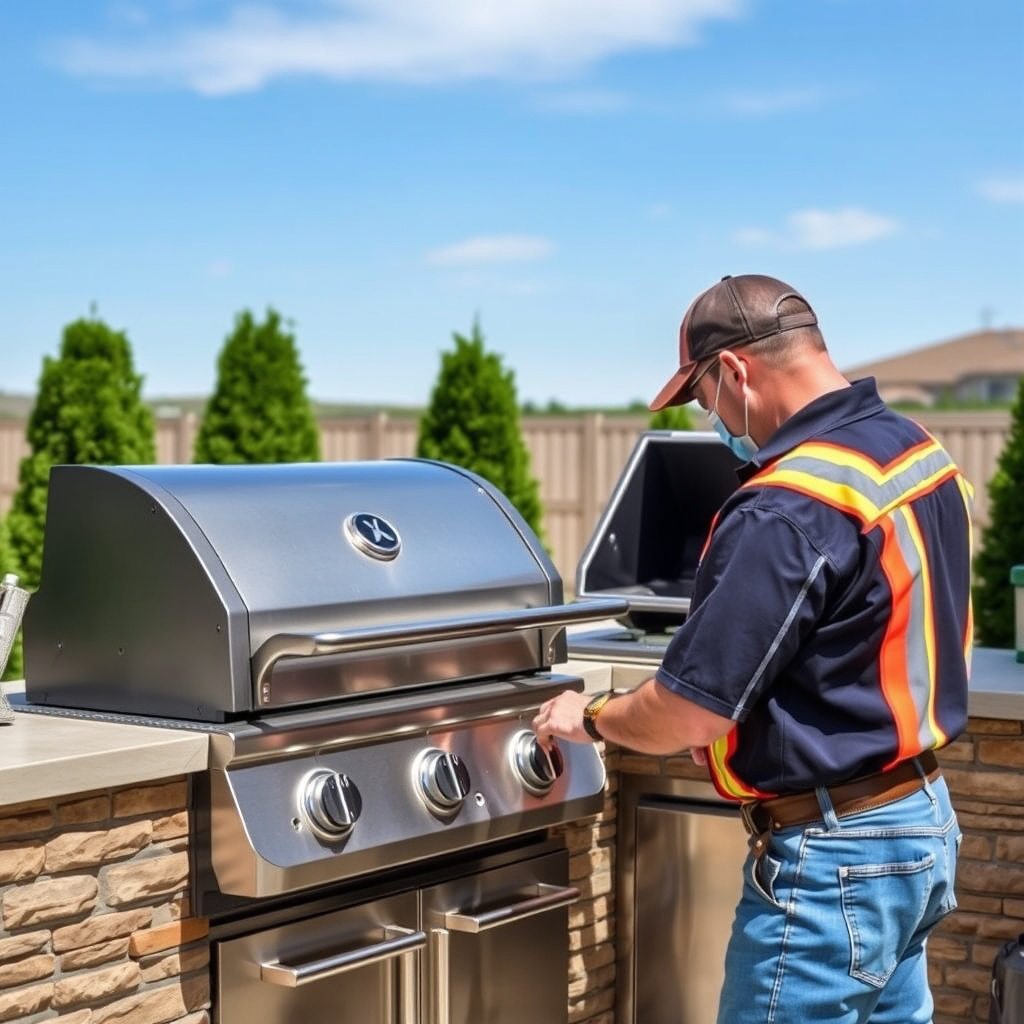
If your property lacks an existing natural gas line near the grill location, installing one requires specialized plumbing skills and permits. Professionals ensure the line meets local codes and that connections to your grill are secure and leak-free.
Attempting such installations without experience risks damage, leaks, or safety hazards, so hiring a licensed gas technician is strongly recommended.
For more technical details on natural gas applications in grills, refer to natural gas grilling information. natural gas grilling.
Handling Unusual Grill Models
Some grills have proprietary components or complex internal gas routing that complicates conversion. If your grill does not have an official conversion kit or you notice unique features, consulting a professional helps avoid voiding warranties or creating unsafe conditions.
Professionals can also provide advice tailored to your grill’s specifics and your home’s gas supply.
Natural Gas Grill Conversion Kit Category Comparison
Here’s a comparison of popular types of natural gas conversion kits to help decide which fits your grill and needs best.
| Kit Type | Compatibility | Included Components | Price Range | Ease of Installation |
|---|---|---|---|---|
| Universal Kit | Most standard grills | Orifices, hoses, regulator | $30-$60 | Moderate |
| Brand-Specific Kit | Single brand/model | Custom orifices, hoses, manuals | $50-$100 | Easy |
| High-End Professional Kit | Premium grills | Full burner replacement, regulator | $100-$150 | Difficult |
| Basic DIY Kit | Simple grills | Orifices and hose only | $20-$40 | Easy |
Frequently Asked Questions
Is converting a propane grill to natural gas safe?
Yes, converting is safe if you use a proper conversion kit and follow safety guidelines carefully. Testing for leaks and ensuring correct installation are key to a safe conversion.
Can I use any natural gas conversion kit on any grill?
No, kits are often specific to grill brands or models. A universal kit may fit many grills, but checking compatibility before purchase is important.
Do I need a permit to convert my grill to natural gas?
Permit requirements vary by location. Consult local regulations or a professional to confirm whether a permit is needed for the gas line or conversion.
How long does it take to convert a grill to natural gas?
A typical conversion takes about 1 to 2 hours if all parts and tools are ready. Complex installations involving new gas lines may take longer.
Will converting to natural gas affect my grill's cooking performance?
Natural gas generally provides a steady fuel supply but produces a slightly cooler flame than propane. Proper adjustments ensure effective cooking performance.
Key Takeaways
- Use a manufacturer-recommended natural gas conversion kit suitable for your grill model.
- Prioritize safety by shutting off gas and testing for leaks after installation.
- Adjust burner air shutters to optimize flame quality post-conversion.
- Hire professionals for complex gas line installations or unusual grill setups.
Conclusion
Converting your grill to natural gas involves a combination of the right tools, careful attention, and adherence to safety protocols. By selecting the appropriate conversion kit designed for your specific grill model and following the installation steps precisely, you can make the switch confidently. The main goal is achieving a safe, leak-free connection that supplies a steady, efficient flame for grilling. This methodical decision-making approach helps prevent future problems and optimizes long-term grill performance.
For straightforward conversions, brand-specific or universal kits often provide an easy path, especially if you have prior experience handling basic tools. However, if your property requires new gas line installation or your grill model is uncommon and lacks a clear conversion kit, engaging a licensed technician is highly advisable. Their expertise ensures compliance with local codes and reduces risks. Routine maintenance after conversion, such as cleaning burners and checking connections, supports safe operation and prolongs your grill’s lifespan.
If you’re ready to proceed, begin by confirming your grill’s compatibility with known natural gas conversion kits and gather all necessary materials. Follow safety steps carefully and test thoroughly before regular use. Whether you decide to tackle it yourself or call in a professional, converting to natural gas can be a rewarding upgrade, offering convenience and potentially lower fuel costs for your grilling enjoyment.



