
To turn on a gas grill, first ensure the propane tank valve is fully open. Then, open the grill lid, turn the burner control knobs to the 'ignite' position, and press the ignition button or use a lighter to light the burners. Always confirm the flame is stable before cooking.
Knowing how to properly turn on a gas grill matters for both your safety and cooking success. Incorrect procedures might lead to gas buildup or flare-ups, posing hazards and ruining your meal. Plus, understanding your grill's ignition system helps you avoid frustration during outdoor gatherings.
This article guides you through the steps of starting a gas grill, explains different ignition types, shares safety tips, and offers solutions for common problems, ensuring you can enjoy grilling anytime with confidence.
Preparing Your Gas Grill for Ignition
Checking the Propane Tank and Connections
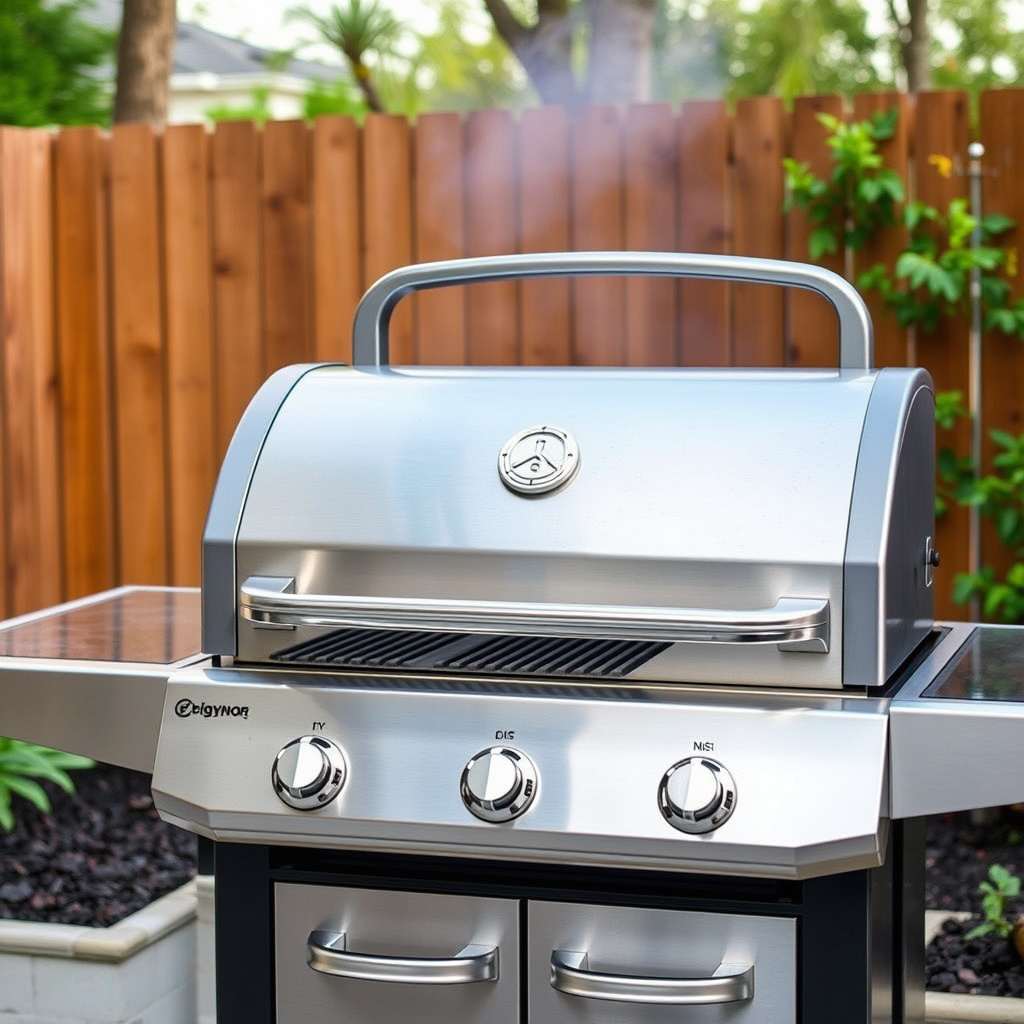
Start by inspecting the propane tank to make sure it has enough fuel. Check that the tank's valve is securely closed before connecting it to the grill. When attaching the hose, ensure the connection is tight without leaks by applying soapy water to look for bubbles.
Proper connections prevent gas leaks which can be dangerous. If you detect a strong smell of gas or bubbles during testing, tighten the fittings or replace faulty components before attempting to light the grill.
- Verify propane level before use
- Securely connect hose to tank and grill
- Use soapy water to check for leaks
Cleaning the Grill and Opening the Lid
Before lighting, clear the cooking grates of any debris or leftover food to avoid flare-ups when you ignite the burners. Open the grill lid fully to prevent gas from accumulating inside, which could lead to a dangerous flashback when the grill ignites.
A clean grill also helps heat distribute evenly and enhances the flavor of your food. Never attempt to light the grill with the lid closed as trapped gas may ignite violently.
- Remove debris from grates
- Open grill lid completely before ignition
Lighting Methods for Gas Grill Ignition
Using an Electronic Ignition System
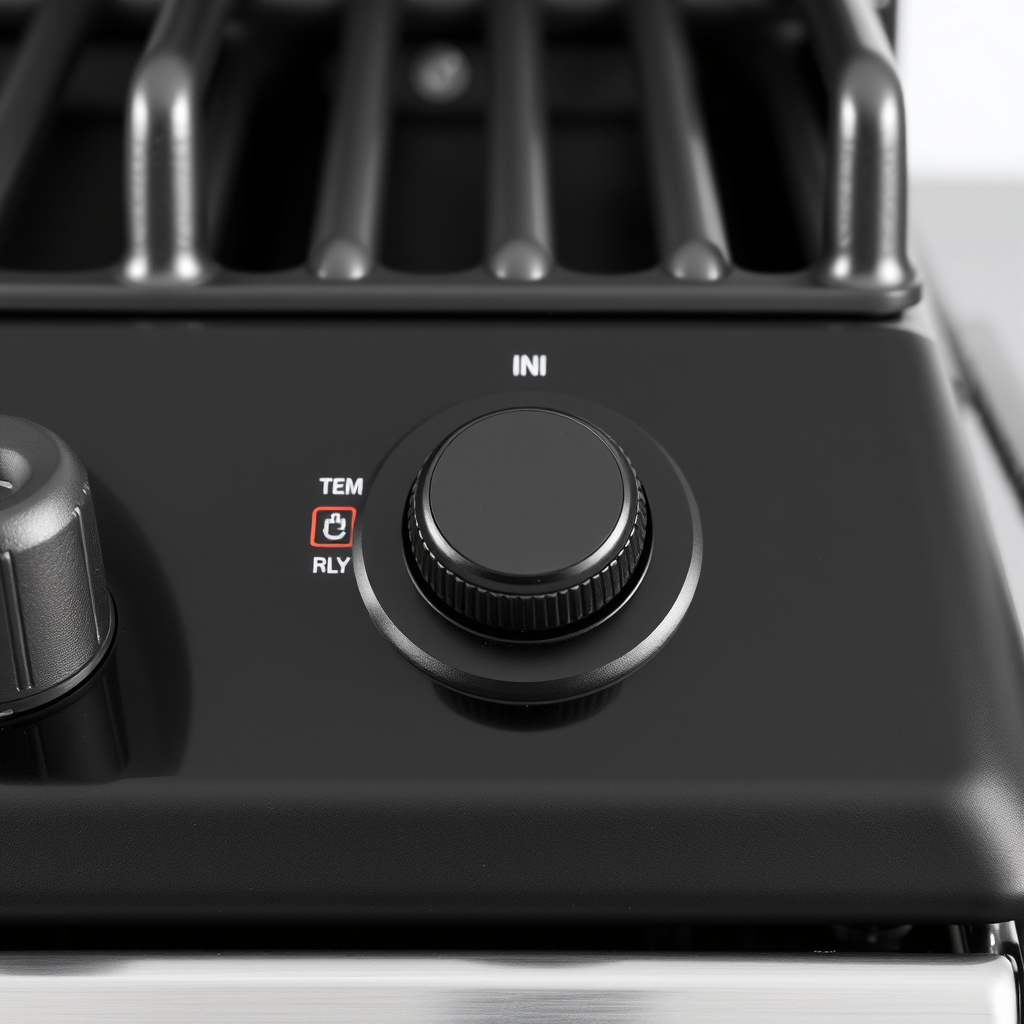
Many modern gas grills feature an electronic ignition button that creates a spark to light the burners. After opening the propane valve and grill lid, turn a burner knob to the ignite position and press the ignition button. You should hear a clicking sound followed by the burner lighting.
If the burner fails to light, repeat the process a few times, ensuring the propane valve is open. If the ignition system seems faulty, you may need to troubleshoot or switch to a manual lighting method temporarily.
- Turn burner knob to ignite
- Press ignition button until flame appears
For more on this, see our related guide: How to Turn Off a Propane Grill Safely and Effectively.
Manual Lighting With a Lighter or Match
If your grill lacks electronic ignition or it malfunctions, use a long-reach lighter or a specially designed grill match. Open the grill lid and turn the burner knob to the ignite position while holding the flame near the burner ports to light the gas flow.
Using a manual method requires care to avoid burns. Always keep your hand and face away from the grill surface, and never try to light the grill with the lid closed, as gas accumulation can cause flare-ups.
- Open lid before lighting
- Turn burner knob while applying flame
- Keep safe distance from burner
Common Troubleshooting for Gas Grill Ignition
Dealing With No Spark or Ignition
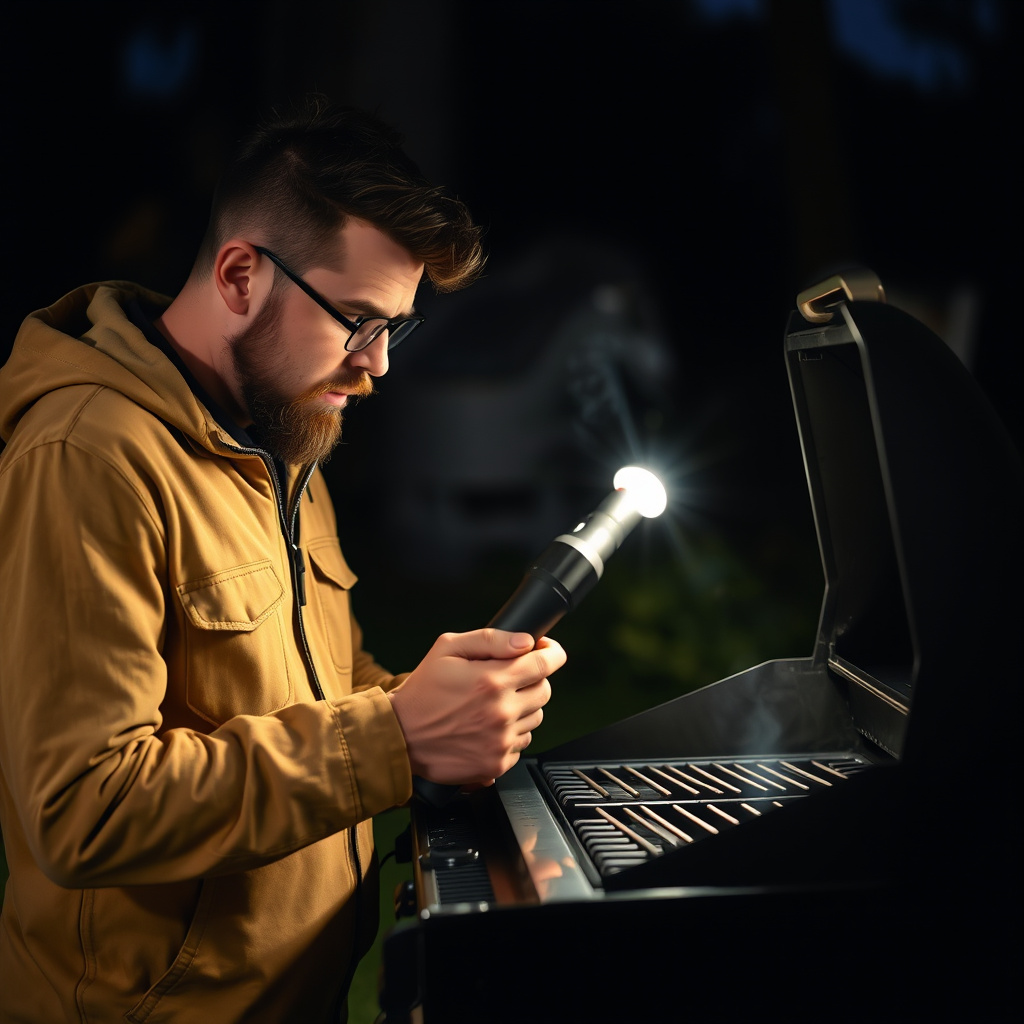
If pressing the ignition button produces no clicking sound or the burner does not ignite, check the battery in the ignition switch if applicable. Also inspect the electrode for dirt or misalignment and clean it carefully. Sometimes, a loose wire inside the ignition system can cause the problem.
If these steps don’t help, relying temporarily on manual ignition can allow cooking while you arrange repairs or parts replacement.
- Replace ignition battery as needed
- Clean and align spark electrode
- Check ignition wiring connections
Handling Weak or Irregular Flames
Weak or flickering flames often indicate clogged burner tubes or low gas pressure. Remove the burners for cleaning and use a wire brush to clear blockages. Confirm propane tank is not near empty, and the valve is fully open.
Regular cleaning and inspection maintain flame stability and safe operation. If irregular flames persist, professional service may be necessary to identify hidden issues.
- Clean burner tubes regularly
- Confirm propane tank pressure
- Ensure valves open fully
Safety Tips When Turning On a Gas Grill
Proper Ventilation and Location
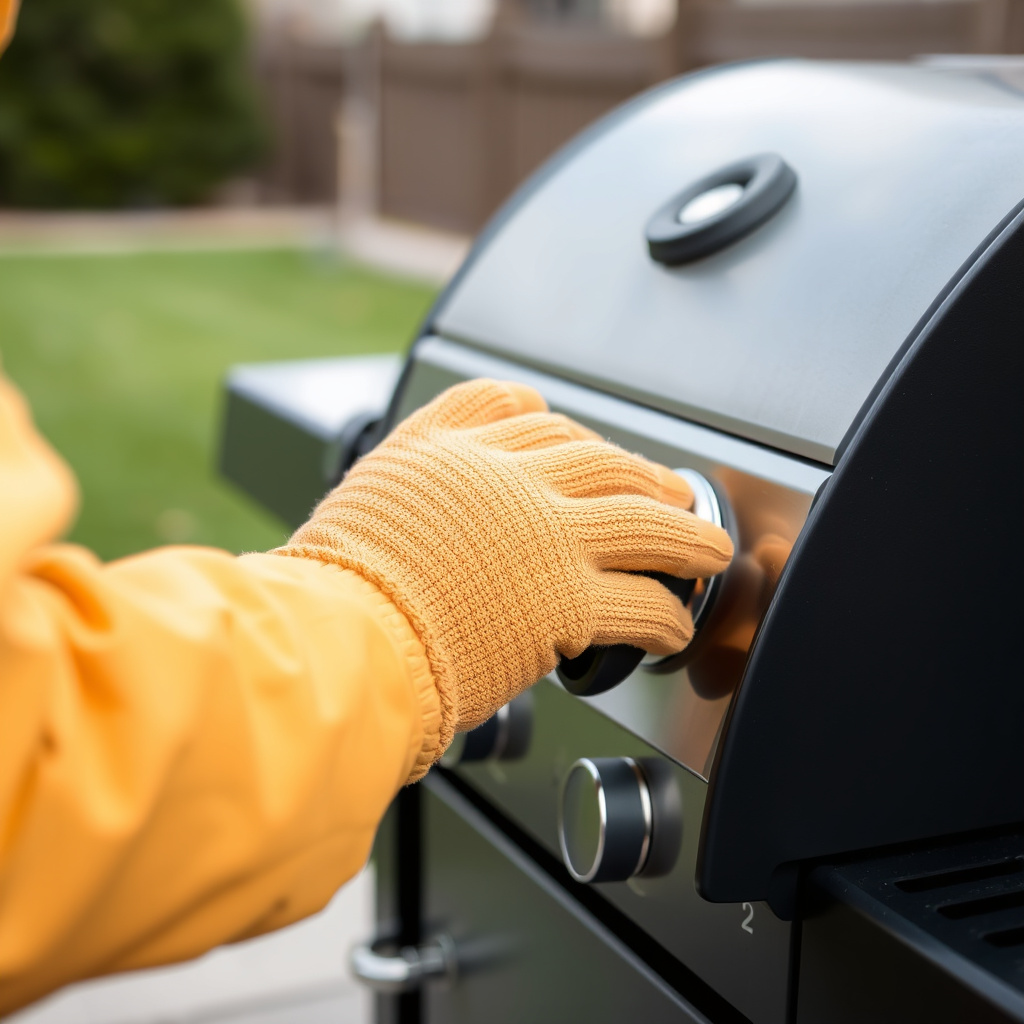
Always use your gas grill outdoors in a well-ventilated area, away from flammable materials, walls, and overhangs. Never attempt to light the grill indoors or inside enclosed spaces as carbon monoxide buildup and gas accumulation are serious hazards.
Keeping the grill on a stable, flat surface helps prevent accidental tip-overs and keeps cooking safe and efficient.
- Use outdoors only
- Place on flat, stable ground
- Keep away from flammable materials
For more on this, see our related guide: How to Check a Propane Grill for Leaks Safely and Effectively.
Handling Gas Leaks and Emergency Steps
If you smell gas when opening the grill or before lighting, immediately close the valve and disconnect the propane tank. Never light the grill if a leak is suspected. Inspect hoses, connections, and valves regularly to detect wear or damage.
Keep a fire extinguisher nearby when grilling. If a gas fire occurs, do not try to extinguish with water; instead, turn off the gas supply and use an appropriate extinguisher.
- Stop if you smell gas
- Inspect hoses before use
- Keep fire extinguisher nearby
Maintaining Your Gas Grill Ignition System
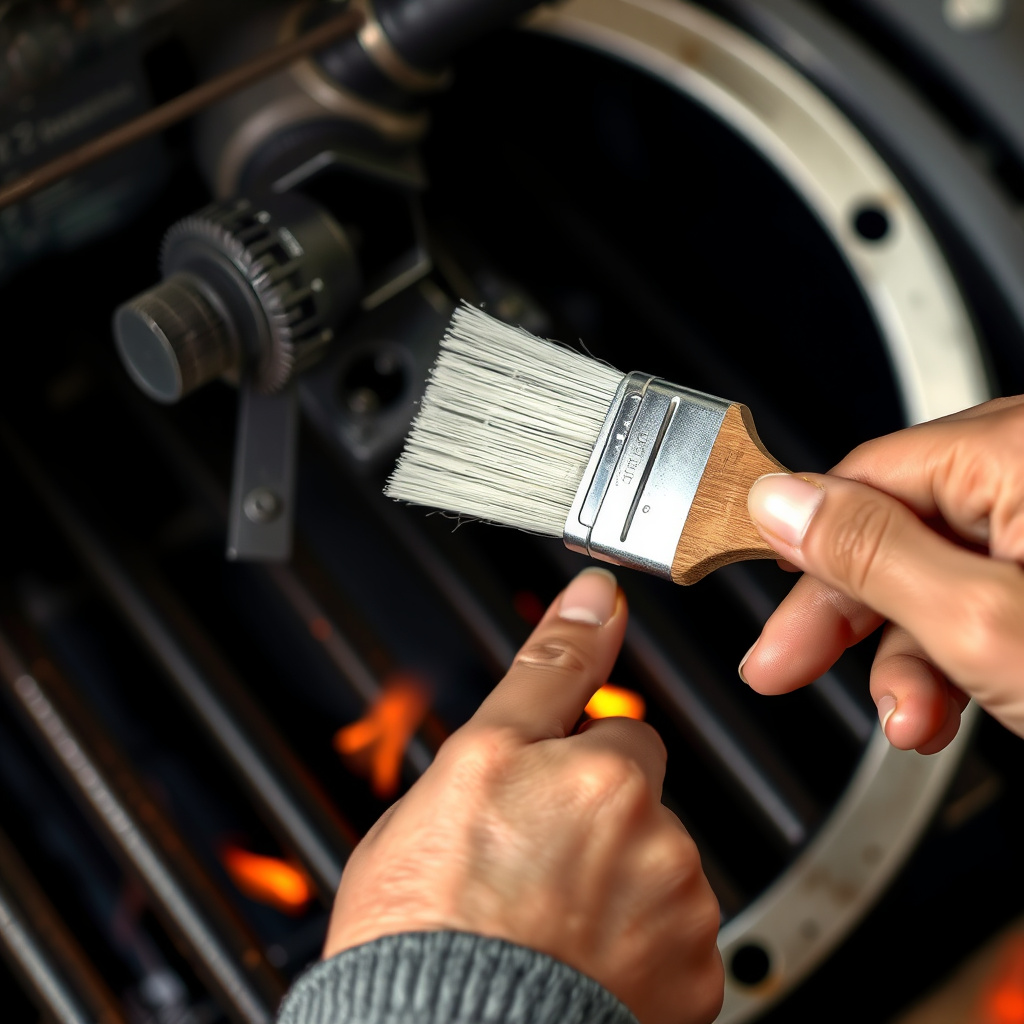
Regular Cleaning of Burner and Ignition Components
Cleaning your grill’s ignition system includes wiping soot from electrodes, brushing debris from burner ports, and clearing any blocked ignition holes. This regular care helps maintain consistent spark and flame.
Inspect ignition wires and battery compartments periodically for corrosion or damage, replacing parts as necessary to avoid ignition failures.
- Clean electrode with fine sandpaper
- Brush burner holes gently
- Check ignition wiring integrity
For further information on safe outdoor grilling practices, consult the grilling safety guidelines from the U.S. Fire Administration. grilling safety guidelines from the U.S. Fire Administration.
Storing Your Grill for Longevity
When you're not using the grill for an extended period, turn off and disconnect the propane tank to reduce wear on valves and hoses. Cover the grill to protect it from elements, which helps preserve ignition components and keeps the grill ready for your next use.
Before winter or rainy seasons, a thorough cleaning and inspection will prolong the lifespan of your ignition system and prevent rust or damage.
- Disconnect propane tank when storing
- Cover grill to protect ignition parts
- Clean thoroughly before long breaks
Gas Grill Ignition Types Compared
Here’s a comparison of common gas grill ignition types highlighting convenience, reliability, and typical issues to help you decide what suits your needs best.
| Ignition Type | Ease of Use | Reliability | Maintenance Needs |
|---|---|---|---|
| Electronic Ignition | High (push-button) | Medium to High | Medium (battery and electrode care) |
| Piezo Ignition | Moderate (manual push) | High | Low (few parts) |
| Manual Lighting | Low (requires lighter) | Depends on user | Low |
| Rotary Ignition | Moderate (twist knob) | Medium | Medium (mechanical parts) |
Frequently Asked Questions
Can I light a gas grill with the lid closed?
No, lighting a gas grill with the lid closed is dangerous because gas can build up inside, potentially causing flare-ups or explosions when ignited. Always open the lid before turning on and lighting the grill.
What should I do if I smell gas when turning on the grill?
If you smell gas, immediately turn off the propane supply and do not attempt to light the grill. Check for leaks using soapy water on connections and fix issues before using the grill again.
How often should I clean my grill’s ignition system?
Cleaning the ignition electrodes and burner ports every few grilling sessions helps maintain consistent performance and reduces ignition problems caused by dirt or grease buildup.
What causes the ignition button to stop clicking?
Common causes include a dead battery in electronic ignitions, dirty or misaligned electrodes, or faulty wiring. Inspect and replace components as needed to restore functionality.
Is it safe to use a lighter for ignition if the electronic system fails?
Yes, using a long-reach lighter or grill match is safe when used carefully with the grill lid open. Keep your hands clear of burner ports and follow safety practices to avoid burns.
Key Takeaways
- Always open the grill lid before lighting to avoid gas buildup
- Check propane connections for leaks regularly using soapy water
- Use the built-in ignition button or a long lighter safely
- Maintain the ignition system through regular cleaning and inspection
Conclusion
Turning on a gas grill involves a few straightforward but essential steps centering on safety and preparedness. Opening the propane tank valve, ensuring all connections are tight, opening the grill lid, and then igniting the burners—whether electronically or manually—forms the core process. Paying attention to these details prevents accidents and ensures your grill heats evenly for great cooking results. Knowing how your grill's ignition system works and spotting when maintenance is needed adds confidence to your grilling routine.
If you are deciding on a grill or troubleshooting, understanding ignition types helps. Electronic ignitions offer quick convenience but require battery and electrode upkeep, while manual methods are simple backups requiring only a lighter. Keeping your grill clean, checking for leaks, and storing it properly protect ignition parts over time and extend the appliance's lifespan. Use the safety guidelines here to handle any ignition issues without risking injury or damage.
The easiest next step is to practice the ignition process with your specific grill while focusing on the safety protocols mentioned. If problems arise, refer to troubleshooting tips or consider professional maintenance. Following this guidance lets you enjoy outdoor cooking with your gas grill ready to ignite reliably whenever you want.



