
To turn off a propane grill, start by turning off the burners using their control knobs, then close the main propane tank valve. This stops gas flow and ensures the grill is fully shut off.
Knowing how to properly shut off your propane grill matters because propane is highly flammable. If the gas supply isn’t turned off correctly, it could lead to leaks or accidents, especially if the grill cools down or is stored afterward.
This article breaks down the exact steps to turn off your grill safely, highlights common mistakes to avoid, and introduces propane grill safety tips to keep outdoor cooking secure and enjoyable.
Basic Steps to Turn Off a Propane Grill
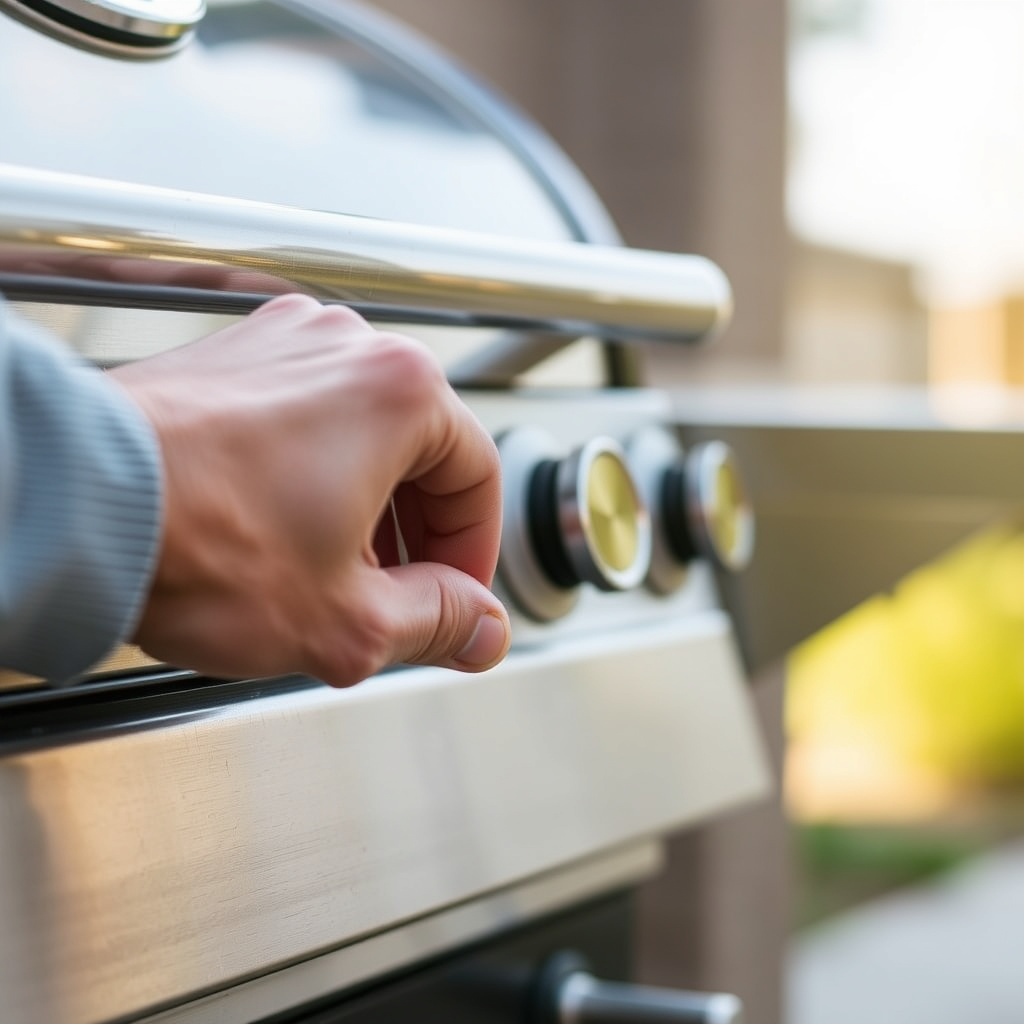
Turning Off the Burners
The first step is to turn all burner control knobs to the off position. This stops gas from flowing to the burners and prevents flame reignition. Wait until the grill grates and internal components cool down before proceeding.
Always turn the knobs clockwise to off, confirming they are fully closed. If your grill has multiple burners, ensure each one is off individually to avoid any residual gas flow.
- Turn knobs fully clockwise
- Wait for grill parts to cool before further actions
- Check all burners are off
Closing the Main Propane Tank Valve
After the burners are off, the critical next step is to close the valve on the propane tank itself. This valve controls the entire gas supply to your grill and stopping it prevents leaks when the grill is not in use.
Slowly turn the tank valve clockwise until it stops. This tight shutoff ensures pressure is relieved and no propane can escape, providing an extra layer of safety after shutting off the burners.
- Turn propane tank valve clockwise
- Confirm valve is fully closed
- Check for any hissing or leaks after closure
Common Safety Mistakes When Turning Off a Propane Grill
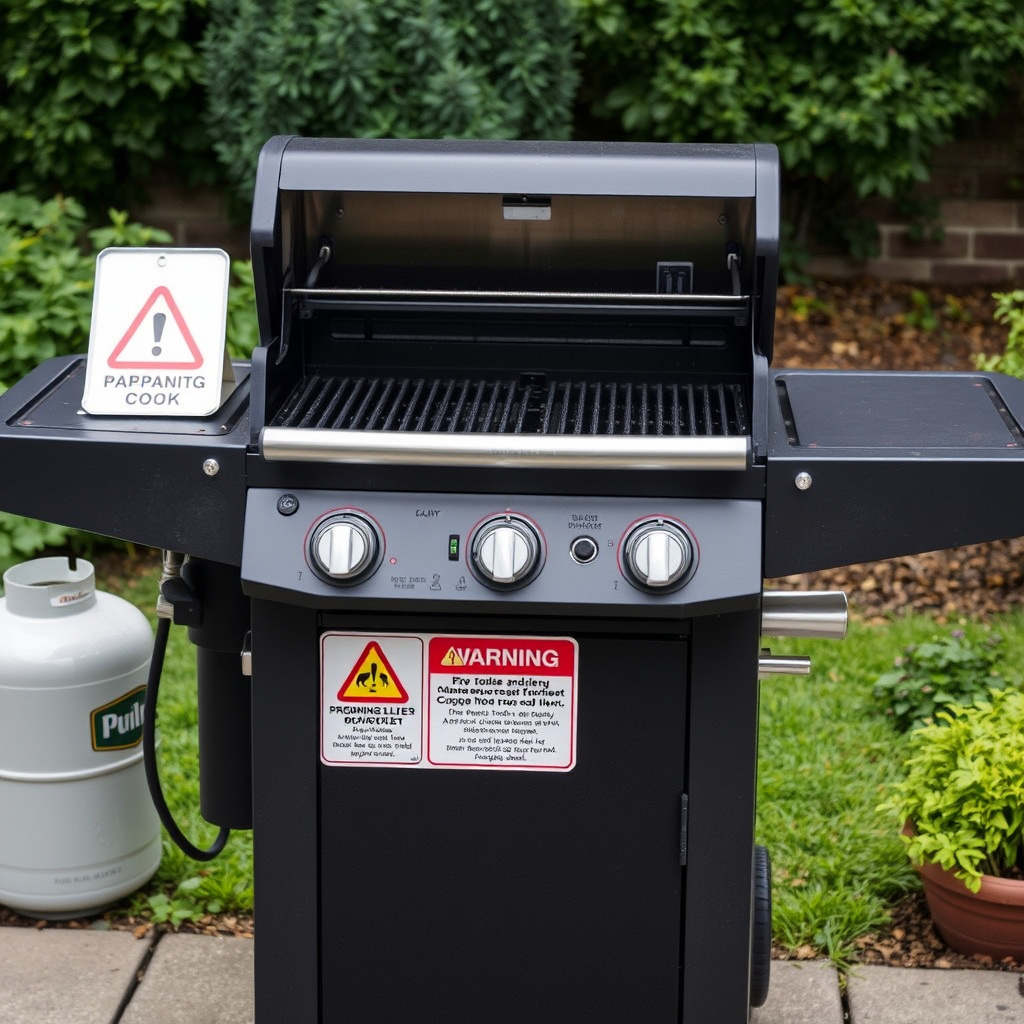
Leaving the Propane Tank Open
A frequent error is turning off only the burners and leaving the propane tank valve open. This can allow gas to continue leaking if the valves aren’t completely sealed or if hoses develop cracks.
Always close the propane tank valve to eliminate any flow of gas. This helps prevent gas buildup around your grill, reducing risk of fire or explosion during and after cooking.
- Never assume burner off means no gas flow
- Always verify propane tank valve position
Ignoring Grill Cooling Times
Turning off the grill hastily before it cools can cause flare-ups or damage to the grill parts. Hot components may ignite residual gas or melt nearby material if abruptly shut down without care.
Allow the grill to cool for 10-15 minutes after turning off burners before closing the propane valve. This reduces heat-related hazards and protects the integrity of your grill.
- Wait 10-15 minutes before closing tank valve
- Avoid touching hot surfaces during shutoff
Propane Grill Maintenance to Support Safe Shutdown
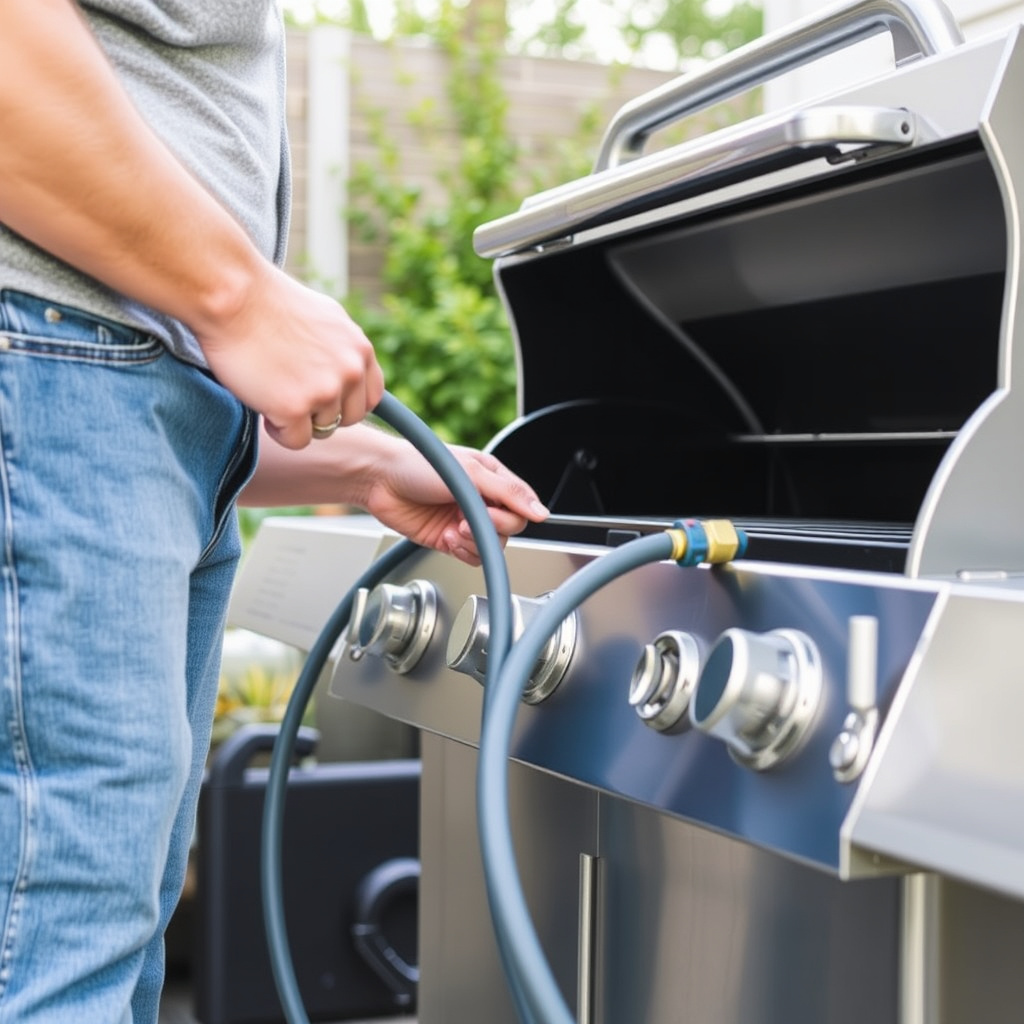
Inspecting Hoses and Connections
Regularly checking hoses for cracks, brittleness, or leaks helps maintain safe propane flow. Faulty hoses can leak gas even when the grill appears off, risking dangerous flare-ups.
Inspect fittings and connectors before every use. Replace any damaged parts promptly to keep your grill safe and ensure shutting off the propane flow works as intended.
- Look for cracks and brittleness
- Check connections for tightness
- Replace damaged hoses immediately
For more on this, see our related guide: How to Check a Propane Grill for Leaks Safely and Effectively.
Cleaning Burners and Valves
Debris buildup can block burners and valves, causing irregular flames or incomplete shutoff. Clean burner ports with a brush after each grilling session to maintain efficient operation.
Ensure valve mechanisms operate smoothly and are free of dirt. This maintenance helps ensure that when you turn knobs to off, gas truly stops flowing.
- Brush burner ports clean
- Wipe valves and knobs free of dirt
- Test valve function regularly
Using Propane Grill Safety Features Effectively
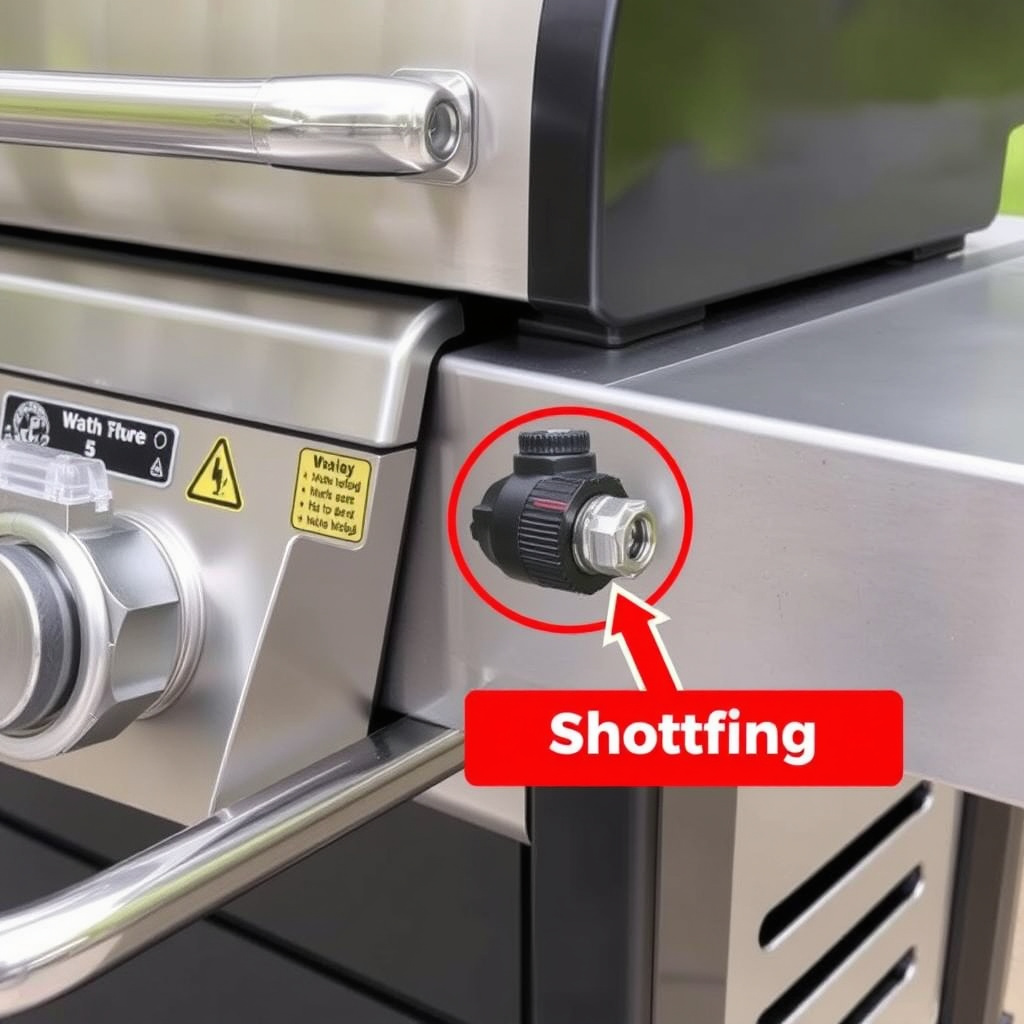
Understanding Automatic Shutoff Valves
Some propane grills include automatic shutoff valves that stop gas flow if flames go out unexpectedly. Familiarize yourself with how this system operates and test it periodically.
Though helpful, automatic systems are not a substitute for manually turning off the propane tank valve after cooking.
- Locate and identify automatic shutoff feature
- Test periodically for proper function
- Continue manual shutoff process after use
Using Grill Covers and Storage Tips
Protecting your grill with a cover helps avoid weather damage that could impair valves or create leaks. Ensure grill covers don’t obstruct ventilation and always store grills away from flammable materials.
After shutting off, disconnect the propane tank if storing the grill for extended periods. Proper storage adds an extra safety measure to your propane grill routine.
- Use weatherproof covers safely
- Store away from flammable areas
- Disconnect tank when not in use long-term
Advanced Tips for Propane Grill Safety
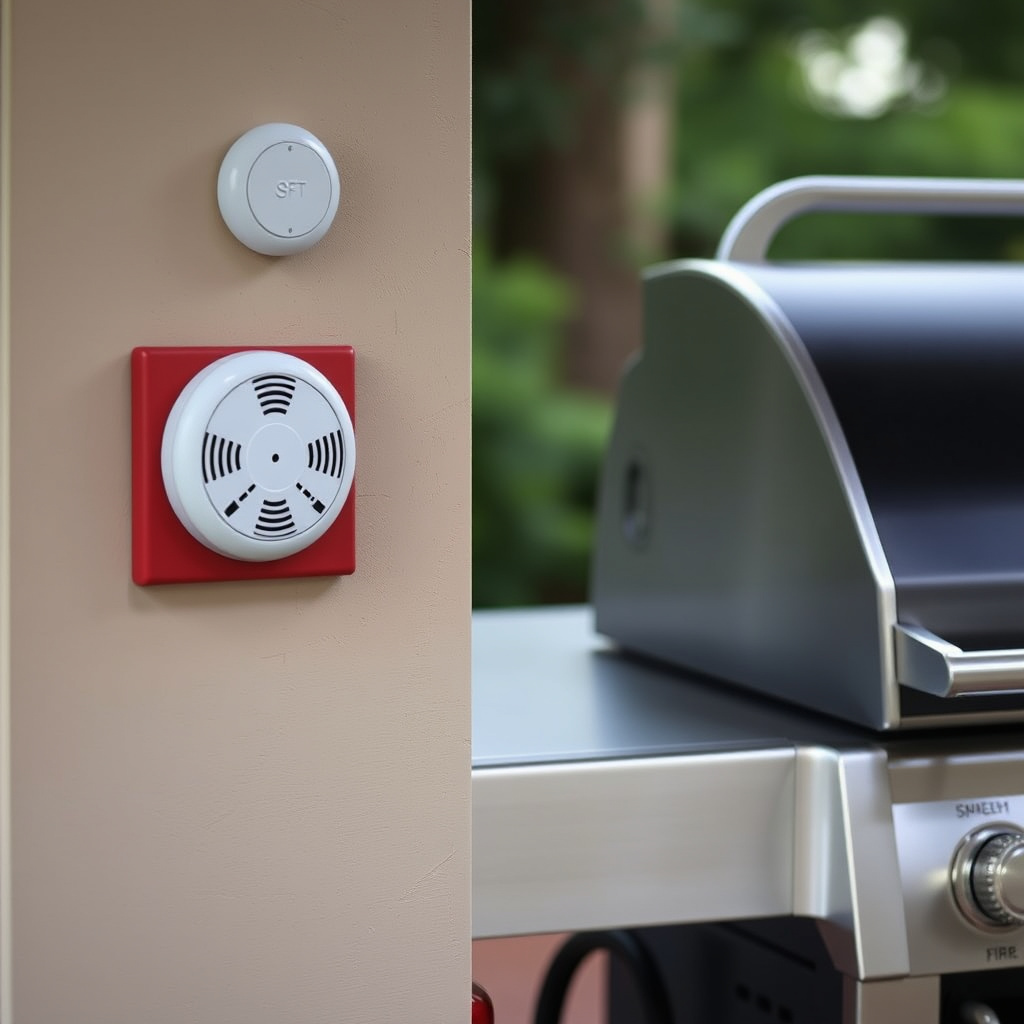
Installing Gas Leak Detectors
Installing a propane gas leak detector near your grill alerts you immediately of any unexpected gas emissions. These devices improve safety especially when grilling in covered or confined outdoor spaces.
Select detectors rated for propane and place them close to the grill but protected from rain or excessive heat for optimal performance.
- Choose propane-specific gas detectors
- Install near grill, sheltered from elements
- Regularly test detector function
For more on this, see our related guide: How to Connect a Propane Tank to a Grill Safely and Efficiently.
Having a Fire Extinguisher Ready
Always keep a fire extinguisher rated for grease and gas fires nearby while operating your grill. It’s a critical last-resort tool to handle flare-ups or unexpected fires quickly.
Check extinguisher expiration dates and train all household members on proper use for enhanced propane grill safety.
- Use Class B or multipurpose extinguishers
- Place extinguisher close to grill area
- Review extinguisher operation regularly
Understanding Propane Grill Safety Regulations
Local Codes and Permit Requirements
Some localities require permits or inspections for propane grill use, especially on balconies or in shared outdoor spaces. Check municipal codes for rules that may affect your grill operation or shutdown steps.
Following local guidelines not only improves safety but also avoids penalties or forced removal of your propane grill.
- Research city or county propane regulations
- Get permits if required
- Schedule professional inspections
For a detailed explanation of how propane works and its uses, including in grills, see this propane fuel overview. Propane Grill Wikipedia.
National Fire Protection Standards
The National Fire Protection Association (NFPA) publishes standards for outdoor gas appliances addressing installation, operation, and safety. Understanding these standards leads to safer grill practices.
Consider NFPA guidelines for installation distances, ventilation needs, and maintenance to reduce risks tied to propane grill use.
- Review NFPA 54 and 58 standards
- Ensure grill installation follows guidelines
- Implement NFPA recommendations for safety
Comparison of Propane Grill Shutdown Methods
Here’s a comparison of various propane grill shutdown approaches to highlight their safety, convenience, and typical use cases.
| Shutdown Method | Safety Level | Ease of Use | Recommended Scenario |
|---|---|---|---|
| Turn Off Burners Only | Low | High | Quick Stops, Risky if Tank Valve Left Open |
| Turn Off Burners + Close Tank Valve | High | Medium | Standard Safe Shutdown for All Grills |
| Disconnect Propane Tank After Closure | Highest | Low | Long-Term Storage or Transport |
| Use Automatic Shutoff Valve | Medium | High | Extra Safety Layer During Cooking |
Frequently Asked Questions
What if I smell gas after turning off my propane grill?
If you smell gas, immediately close the propane tank valve, move away from the grill, and check connections for leaks. Do not ignite any flames until the leak is fixed.
Can I leave the propane tank connected when storing the grill?
It is safest to disconnect the propane tank when storing the grill for extended periods to avoid gas leaks and pressure buildup.
How often should I inspect my propane grill safety features?
Inspect hoses, valves, and safety features before each use, and perform a more thorough maintenance check seasonally to spot wear or damage early.
Is it safe to turn off the grill by turning off the propane tank first?
Turning off the burners first then the tank valve is preferred to prevent residual gas in the hose. Turning off the tank first can leave gas trapped in the lines.
Do propane grills have built-in safety devices?
Some models include automatic shutoff valves and sensors, but these should never replace the manual shutdown procedure for safety.
Key Takeaways
- Always turn off grill burners before closing the propane tank valve.
- Close the propane tank valve fully to stop gas flow and prevent leaks.
- Inspect hoses and connections regularly to maintain propane grill safety.
- Use proper grill covers and store tanks disconnected for long-term safety.
Conclusion
Turning off a propane grill safely revolves around a clear sequence: extinguish burners first, then close the propane tank valve to stop gas flow completely. This method avoids gas buildup in hoses, reducing accident risks. Coupling proper shutdown with routine maintenance like hose inspection and burner cleaning keeps your grill functional and secure for every outdoor cooking session. Understanding this process empowers you to prevent gas leaks and enhance user safety effectively.
When choosing a shutdown routine, consider your grilling frequency and storage habits. If your grill sits idle for days or weeks, disconnecting the propane tank after closing the valve adds extra security against leaks. For regular cooks, the essential steps remain turning off burners and closing the valve immediately after use. Additional accessories like gas leak detectors and qualified fire extinguishers supplement these physical steps with an alert system and emergency control options, ideal for anyone seeking extra protection outdoors.
To bring safe propane grill use into your routine, always verify burner knobs are off post-cooking, turn the propane valve securely, and conduct periodic checks of hoses and fittings for wear signs. If your grill model offers automatic shutoff valves, familiarize yourself with their operation but do not rely solely on them. Taking these practical steps enables you to enjoy your grilling experience with confidence, protecting your home and outdoor area effectively.



