
Checking a propane grill for leaks is straightforward and can be done using a simple soapy water solution applied to the hose and connections. By watching for bubbles while the gas valve is open, you can identify if any leaks exist that could be hazardous.
Propane leaks can pose serious safety risks, including fires or explosions, so it's important to perform leak checks regularly, especially before the grilling season or after installing a new tank. A little preventative effort can help you avoid accidents and costly repairs.
This article will cover step-by-step instructions on how to check for propane grill leaks, highlight common leak sources, discuss additional safety tips, and recommend maintenance habits that extend the life of your grill while keeping you safe.
Preparing Your Propane Grill for a Leak Test
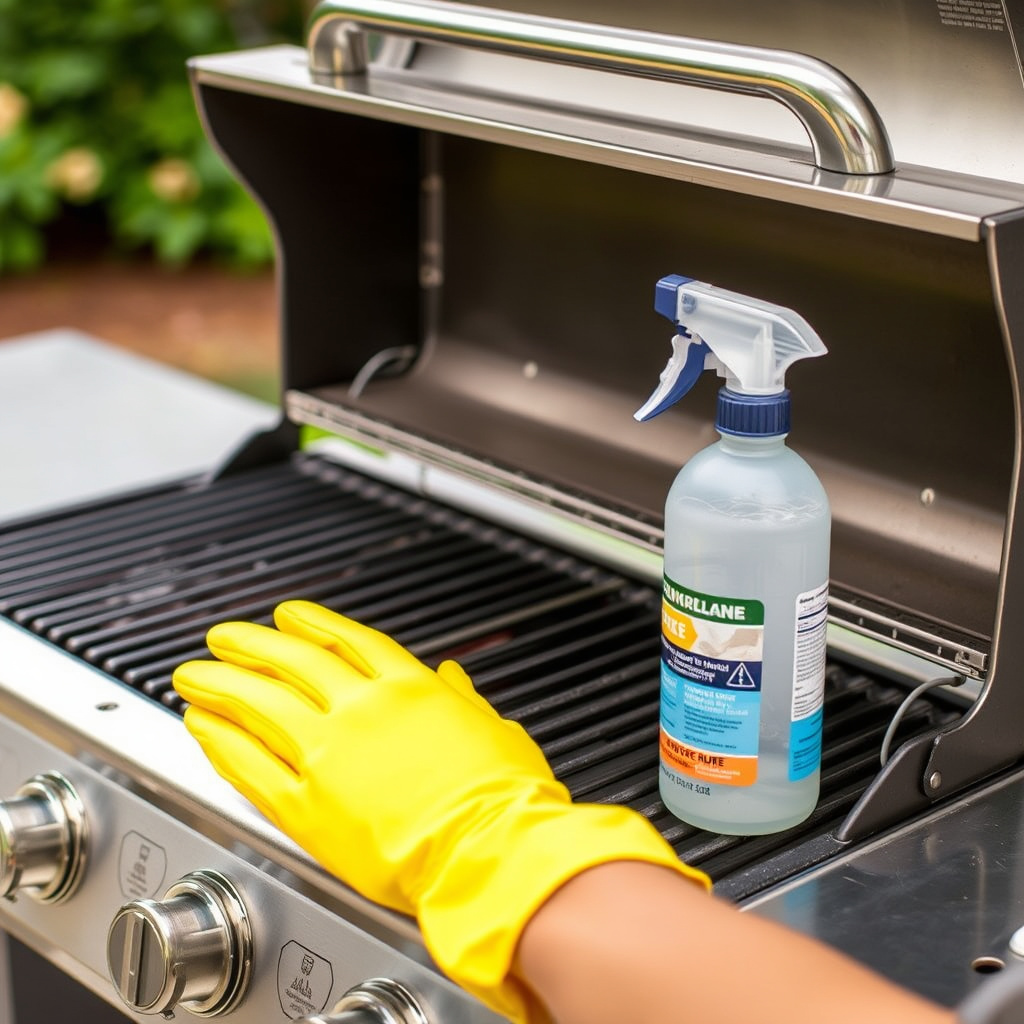
Inspecting the Grill Components
Begin by thoroughly inspecting the propane tank, hoses, and connections for visible signs of wear, cracks, or damage. Look closely at the rubber hose for brittleness or cracks, and ensure that the tank's valve is in good condition with no rust or debris.
Make sure the grill is turned off and disconnected from any power sources before starting the leak test. This initial check helps you identify obvious issues before applying any testing solutions.
Gathering Leak Detection Supplies
For the leak test, prepare a mixture of dish soap and water in a spray bottle or a bowl with a brush. This soapy solution is safe and effective at revealing leaks by causing bubbles to form where gas escapes.
You’ll also want a clean cloth or paper towels for drying and safety gloves to protect your hands when handling the propane tank and connections.
- Dish soap
- Water
- Spray bottle or brush
- Safety gloves
- Clean cloth
Performing the Leak Test on Your Propane Grill
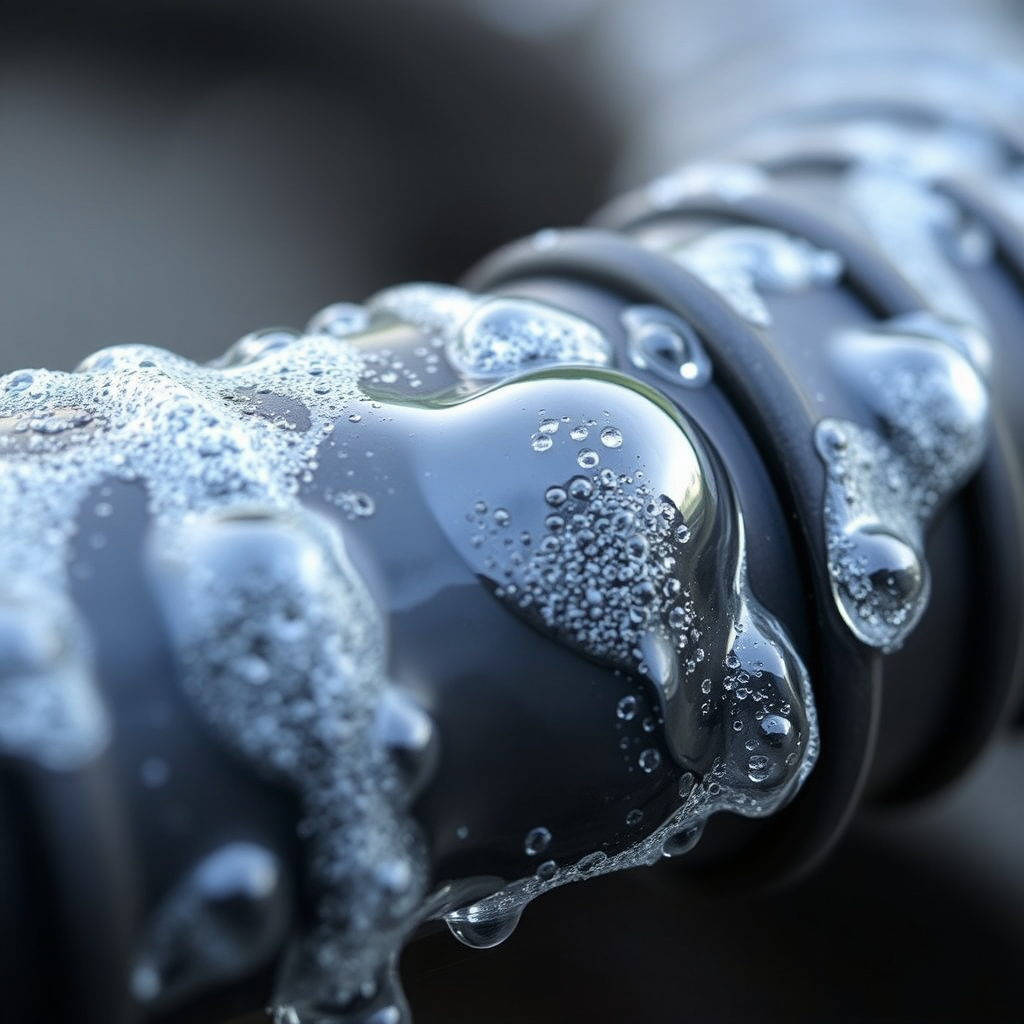
Applying the Soap Solution
Open the propane tank valve slowly to allow gas flow without lighting the grill. Spray or brush the soapy solution generously over all fittings, hose connections, and valves where leaks are most likely to occur.
Pay extra attention to threaded connections and areas where the hose connects to the tank or grill manifold, as these spots are frequent sources of leaks.
Identifying and Responding to Leaks
Observe the areas coated with the soap solution for several minutes, watching carefully for any formation of bubbles. Bubbles indicate escaping gas and therefore a leak that needs addressing.
If you detect bubbling, immediately turn off the propane valve, tighten the connections if possible, or replace faulty parts. Do not use the grill until repairs are made, and if the leak persists, seek professional assistance.
- Turn off propane immediately if leak is detected
- Tighten fittings or hose clamps
- Replace damaged hoses or valves
- Consult a specialist if unsure
Common Causes of Propane Grill Leaks
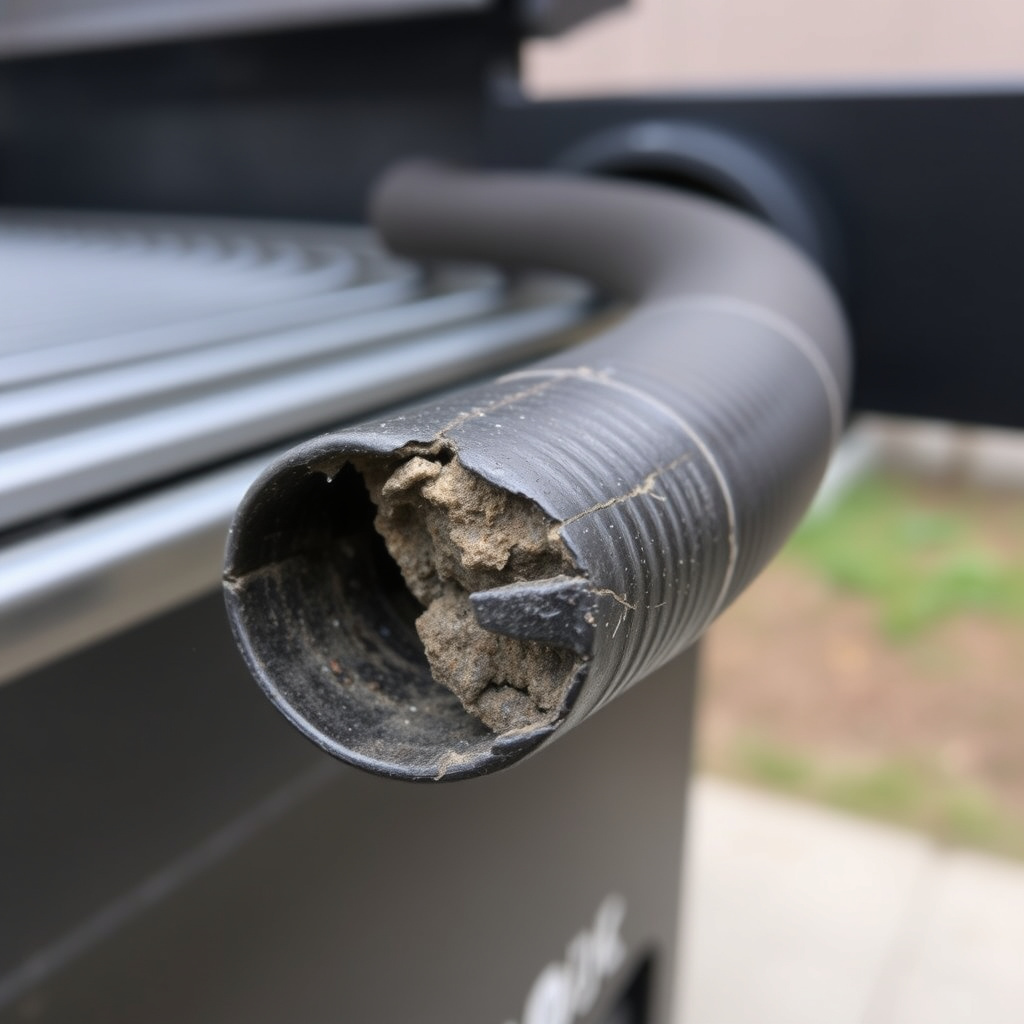
Wear and Tear on Hoses and Fittings
Over time, hoses can wear out due to exposure to heat, weather conditions, and movement during use or transport. Cracks, brittleness, or loose fittings are typical signs that leaks can develop.
Routine inspections and gentle handling are key to avoiding early damage. Replacing hoses every few years or when any deterioration is visible helps maintain grill safety.
- Heat exposure
- Weather damage
- Physical wear and tear
For more on this, see our related guide: How to Check Propane Level in a Tank: Simple Methods Explained.
Improper Connection or Installation
Leaks often arise from connections that are not tightly secured or when parts are incorrectly installed. Using non-compatible fittings or over-tightening can also cause damage leading to leaks.
Always follow manufacturer guidelines when setting up the propane grill and use appropriate tools to tighten connections without damaging the components.
- Loose hose clamps
- Incorrect fittings
- Over-tightened valves
Additional Propane Grill Safety Tips
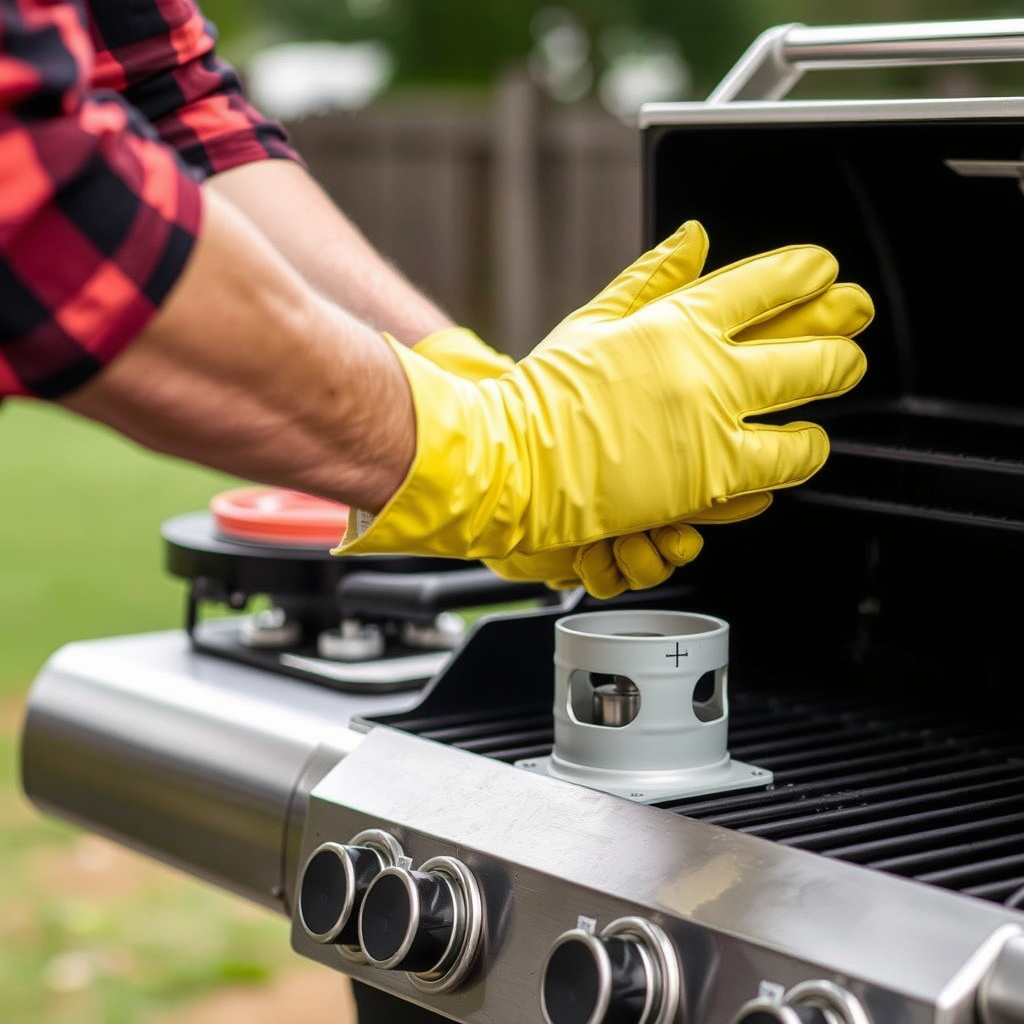
Safe Handling of Propane Tanks
Always store propane tanks in an upright position outdoors in a well-ventilated area. Never keep tanks inside or in enclosed spaces where gas buildup could create hazards.
Check valve caps are securely in place when not in use, and avoid exposing tanks to extreme heat or open flames.
- Store outside upright
- Keep away from heat sources
- Close valve cap when stored
Regular Maintenance Routines
Clean the grill regularly to prevent buildup of grease and debris that can cause flare-ups or hide leaks. Inspect hoses and fittings before each grilling season or after extended storage.
Replacing older hoses and properly securing connections during maintenance reduces risk and ensures smoother operation.
Using Technology for Leak Detection
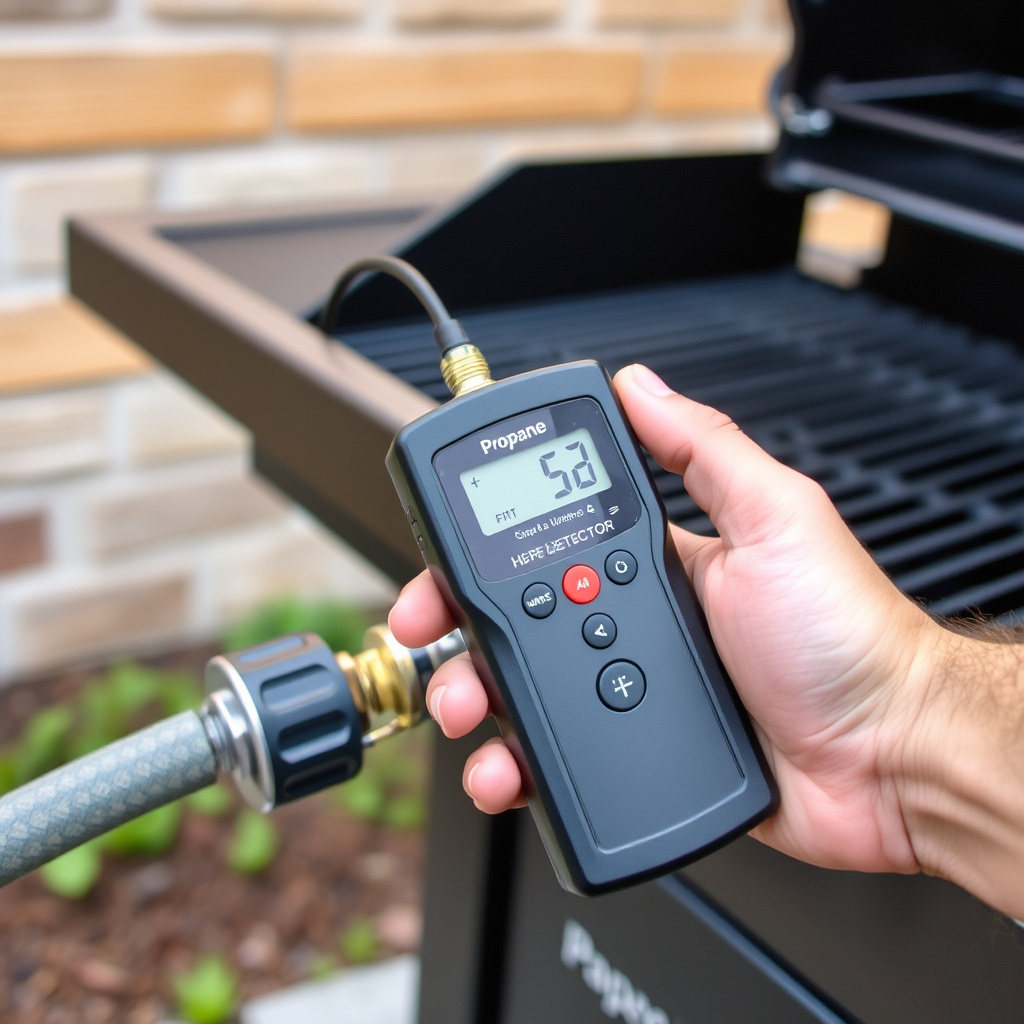
Electronic Leak Detectors
Electronic propane leak detectors offer a sensitive and quick way to identify leaks that might not be easily spotted with soap solution tests. These devices detect propane gas concentrations in the air near connections and hoses.
They provide audio or visual alarms when gas is detected, making them helpful additions for frequent grill users or commercial settings.
For more on this, see our related guide: How to Connect a Propane Tank to a Grill Safely and Efficiently.
When to Use Professional Inspections
If you’re unsure about the integrity of your grill or detect recurring leaks despite your own efforts, having a professional inspect your grill can provide peace of mind.
Professionals may use advanced tools and have expertise to repair or replace parts correctly, ensuring complete safety and compliance with local regulations.
Extending the Life of Your Propane Grill
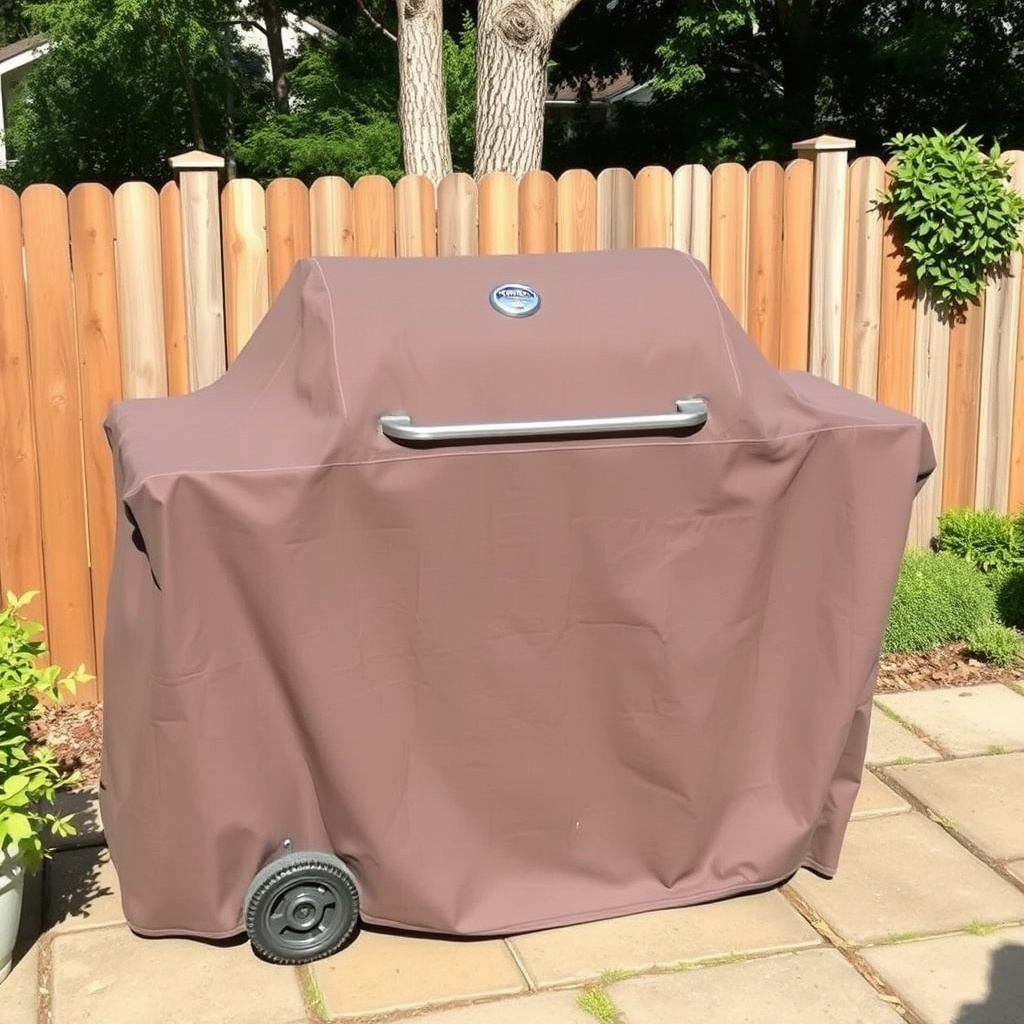
Proper Storage and Covering
Protect your propane grill from weather by storing it under cover or using a weatherproof grill cover. This prevents rust and corrosion that can weaken hoses and connections over time.
Remove the propane tank during long off-seasons and store it safely outdoors to minimize wear.
For more detailed information on maintaining propane grill safety, refer to these government propane grilling safety guidelines. propane grilling safety guidelines.
Routine Component Replacement
Replace grills parts like hoses, valves, and connectors according to manufacturer recommendations or when signs of damage appear. This proactive maintenance keeps your grill safe and reliable across multiple seasons.
Regular servicing also helps maintain efficient fuel flow and consistent cooking performance.
- Replace hoses every 5 years or when damaged
- Inspect valves yearly
- Use manufacturer parts for replacements
Propane Grill Leak Detection Methods Comparison
Here is a comparison of common methods to identify propane grill leaks, showing ease of use, accuracy, and cost considerations.
| Method | Accuracy | Cost | Ease of Use | Safety |
|---|---|---|---|---|
| Soap and Water Test | High | Very Low | Easy | Safe |
| Electronic Leak Detector | Very High | Moderate | Moderate | Safe |
| Professional Inspection | Extremely High | High | Service Based | Very Safe |
| Visual Hose Inspection | Low | Free | Easy | Safe |
Frequently Asked Questions
How often should I check my propane grill for leaks?
You should check your propane grill for leaks before each grilling season and any time you replace the propane tank or disassemble connections.
Can I use a commercial leak detection spray instead of soapy water?
Yes, commercial leak detection sprays are effective and safe alternatives to soapy water and may be easier to apply in some cases.
What should I do if I smell propane near my grill?
If you smell propane, turn off the tank valve immediately, extinguish any flames, and check for leaks before using the grill again.
Are there digital devices that detect propane leaks?
Yes, electronic propane leak detectors are designed to identify propane gas and alert you with sound or light signals for enhanced leak detection.
Is it safe to tighten the grill hose connections myself?
You can tighten fittings if they are loose but avoid over-tightening, which may damage components; replace damaged parts as needed.
Key Takeaways
- Use soapy water to easily check for leaks around hoses and connections.
- Inspect propane grill hoses for damage regularly to prevent leaks.
- Electronic detectors and professionals provide advanced leak detection options.
- Proper storage and maintenance extend grill life and enhance safety.
Conclusion
Knowing how to check a propane grill for leaks is an essential safety skill that protects you, your family, and your home from potential hazards. By conducting a simple test with soapy water and inspecting hoses and fittings before every grilling season, you maintain your grill’s safe operation. Paying attention to subtle signs such as cracks or loose fittings can eliminate risks before they escalate. This approach blends routine inspection with immediate action to fix any issues detected.
Depending on your level of comfort and the grill’s condition, options for leak detection include the traditional soap test, using electronic leak detectors, or seeking professional inspections. For most home grillers, performing the soap and water method periodically alongside visual hose checks will suffice. However, if you grill frequently or suspect hidden leaks, investing in advanced detection tools or expert assessment adds an extra layer of protection.
Ultimately, make leak checking part of your regular propane grill safety routine. Gather your supplies, follow clear testing steps before firing up your grill, and replace worn parts promptly. This practical approach keeps you grilling confidently and safely all year long.



