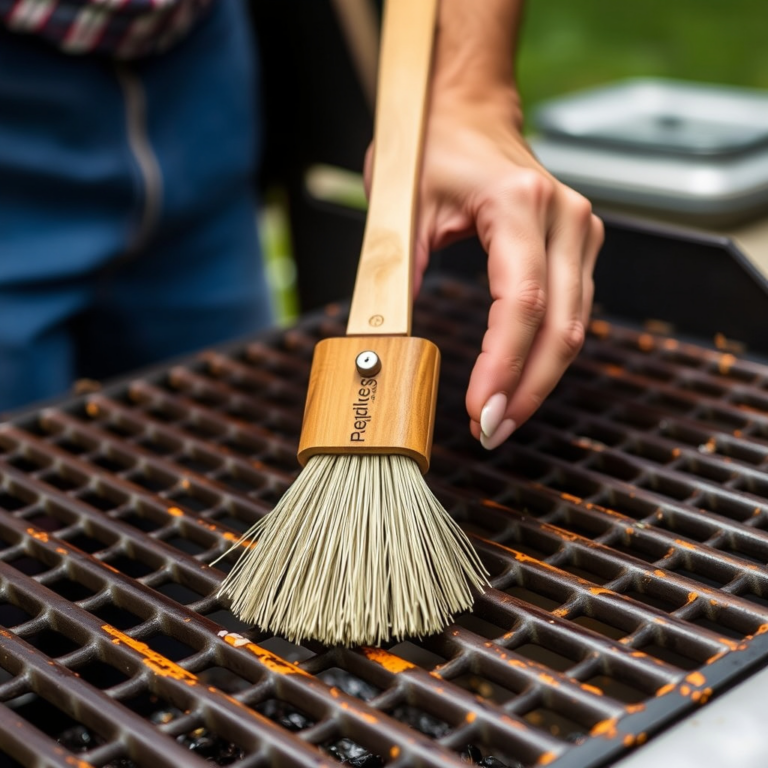
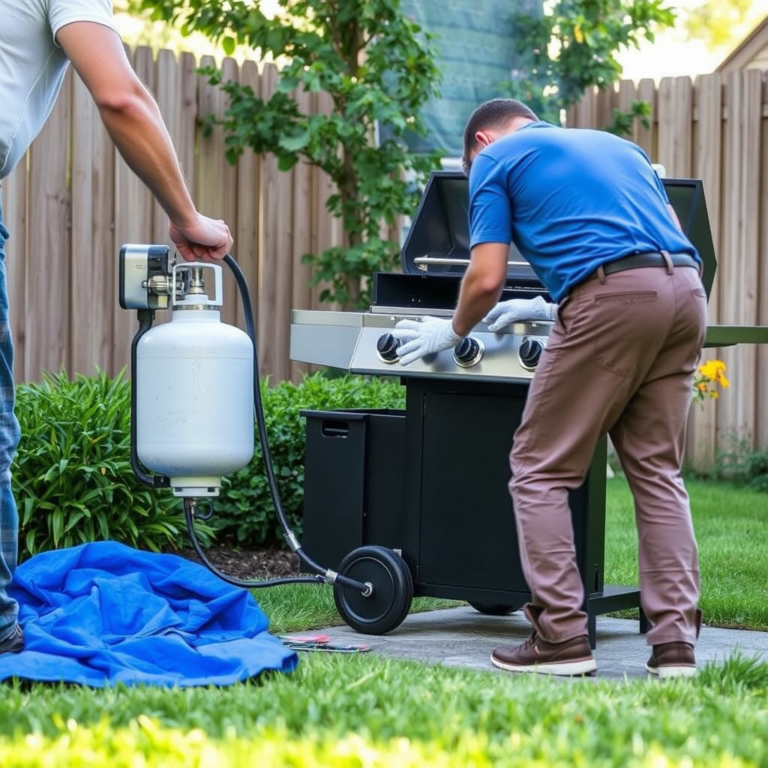
Cleaning a charcoal grill involves removing ashes, brushing the grates thoroughly, and wiping down the exterior to maintain hygiene and improve cooking flavor. Start by letting the grill cool completely, then scoop out the ash and debris into a metal container. Use a stiff wire brush to scrub the grates clean, and rinse if necessary to remove stuck-on residue.
Proper charcoal grill cleaning is essential to prevent flare-ups, maintain heat efficiency, and extend the grill’s lifespan. Grease and food particles can build up quickly, affecting both the taste of your meals and the safety of your grilling sessions. Regular maintenance keeps your equipment performing well and makes your BBQs more enjoyable.
This guide covers every stage of charcoal grill cleaning, from pre-cleaning cool down and ash removal to deep cleaning the grates and interior surfaces. You’ll also learn how to clean the exterior and discover charcoal grill maintenance tips that will keep your grill in prime condition season after season.
Preparing to Clean Your Charcoal Grill
Safety First: Cooling and Ash Disposal
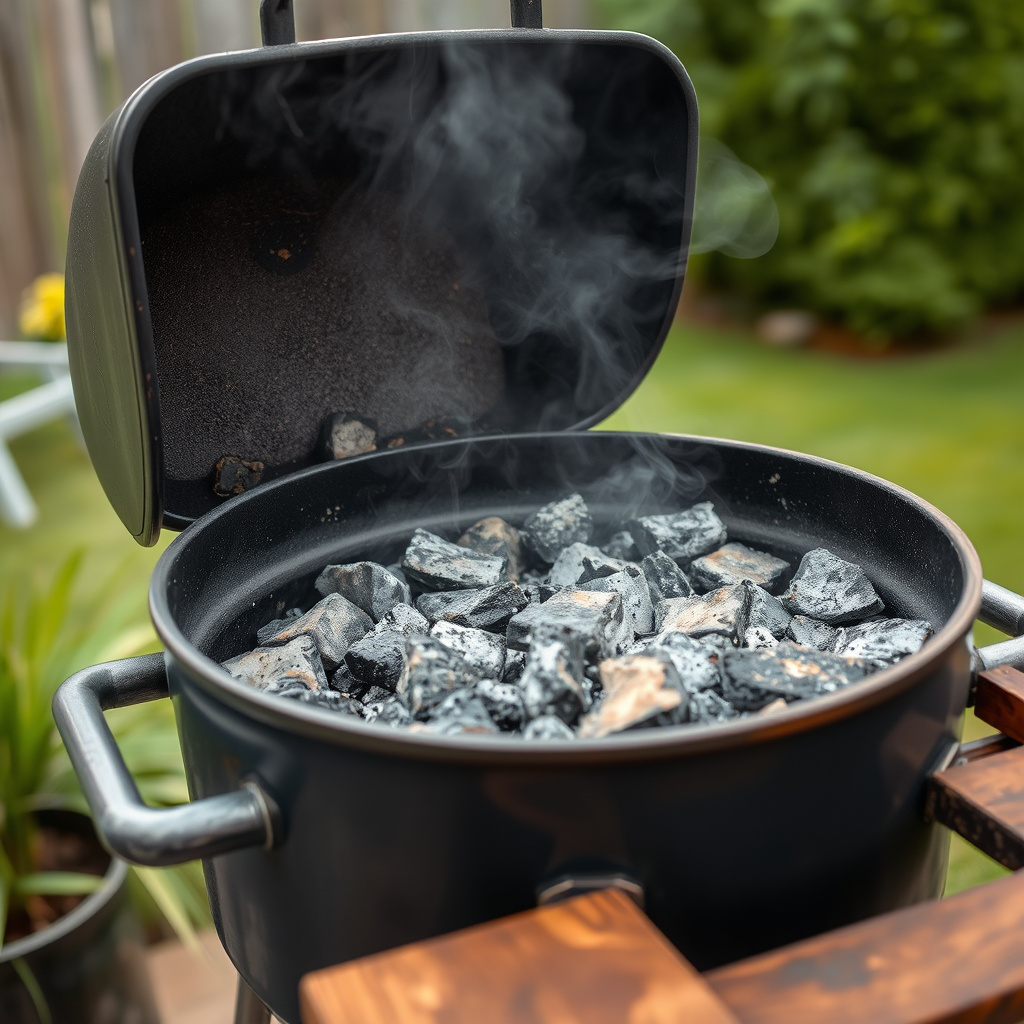
Allow your charcoal grill to cool completely before cleaning to avoid burns or accidental fires. This usually takes at least 24 hours after your last use. Then, use a metal scoop or small shovel to collect the cooled ashes and place them in a non-combustible container, preventing any fire hazards.
Never dispose of ashes while they are still warm, as this could ignite nearby combustibles. Store your ash container away from flammable materials until you can safely discard the contents. This initial step significantly reduces cleanup risks.
- Wait 24 hours after grilling
- Use a metal scoop for ashes
- Store ash in a metal container
- Keep container away from flammables
Gathering the Right Cleaning Tools
Having the right tools makes cleaning your charcoal grill straightforward. Essential items include a sturdy wire grill brush to scrape the grate, a putty knife or scraper for stubborn residue, gloves to protect your hands, a bucket with warm soapy water, and a sponge or cloth for exterior wiping.
A chimney starter or lighter fluid can help remove tough grease before scrubbing. Investing in a good-quality grill brush with replaceable heads can save effort and deliver better results over time.
- Wire grill brush
- Putty knife or scraper
- Heat-resistant gloves
- Bucket with warm soapy water
- Sponge or cleaning cloth
Cleaning the Grill Grates Effectively
Removing Food Residue and Grease
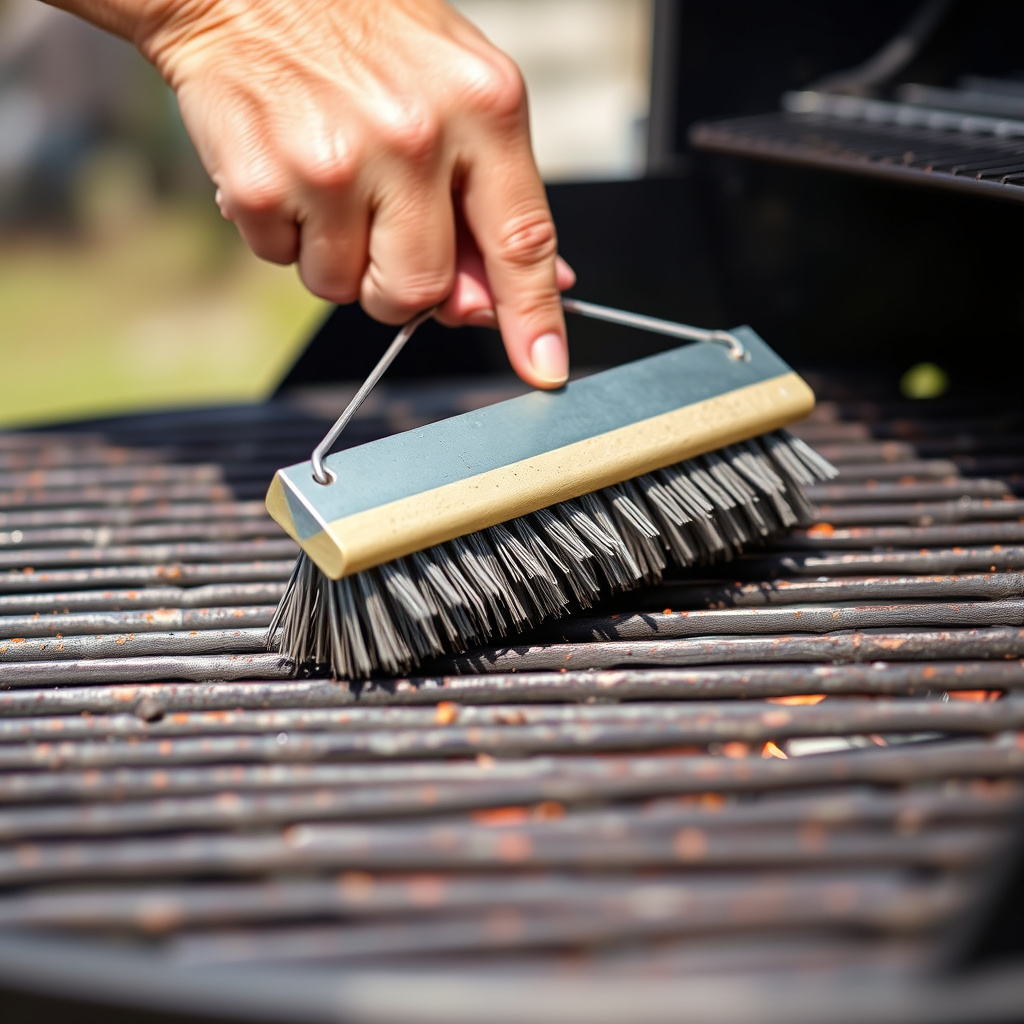
Once the grate is cool and ashes removed, scrub the grill grates vigorously with a wire brush to remove built-up food particles and grease. For extremely stuck residue, apply warm, soapy water, or lightly spray vinegar and let it sit before brushing.
Using a scraper on thick areas is also helpful. After scrubbing, rinse the grates with water to wash away loosened grime and dry thoroughly to prevent rust formation.
- Scrub with wire brush
- Apply warm soapy water or vinegar
- Use a scraper for tough spots
- Rinse and dry grates thoroughly
For more on this, see our related guide: How to Clean Grill Grates for a Safer, Tastier Barbecue.
Deep Cleaning Using Soak or Heat Treatment
For deep cleaning, remove the grates and soak them in a solution of hot water and dish soap or a grill cleaner for at least 30 minutes. This loosens stubborn grease and baked-on debris for easier removal.
Alternatively, place the grates back on the grill, ignite charcoal, and allow the grate to heat up to burn off remnants. Let it cool partially, then scrub again to clear residual residue.
- Soak grates in hot soapy water
- Use commercial grill cleaner if needed
- Burn off residue by heating grates
- Scrub after heat treatment
Maintaining the Interior and Ventilation
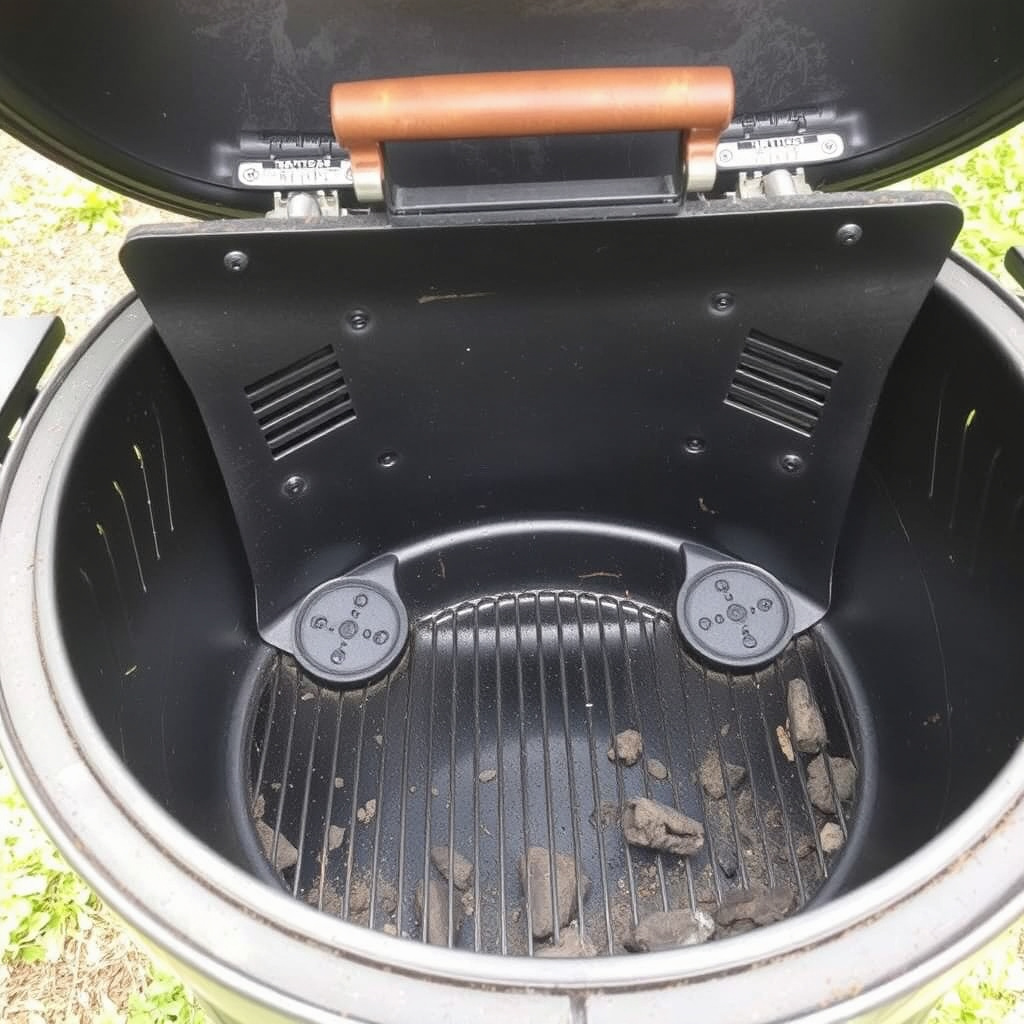
Cleaning the Ash Catcher and Bowl
The ash catcher collects leftover ash and can clog airflow if dirty, so empty and clean it regularly. Use warm soapy water and a scrubbing brush to remove dirt and rust from the ash tray and the grill bowl. For stubborn grease, a vinegar soak helps.
Ensure the ash catcher dries fully before reassembling to avoid rust or corrosion affecting performance.
- Empty ash catcher after every use
- Clean with warm soapy water
- Use vinegar to remove grease and rust
- Dry thoroughly before replacing
Keeping Air Vents Clear for Proper Heat
Ventilation is vital for controlling temperature on a charcoal grill. Clear vents from ash or grease buildup using a wire brush or screwdriver to loosen debris. Blocked vents reduce airflow, causing uneven heat and inefficient cooking.
Check vents regularly, especially after heavy use, to maintain consistent grilling temperatures and better charcoal ignition.
- Check vents after each use
- Remove debris with wire brush or screwdriver
- Keep vents unblocked for optimal airflow
- Lubricate hinges if necessary
Cleaning and Protecting the Grill Exterior
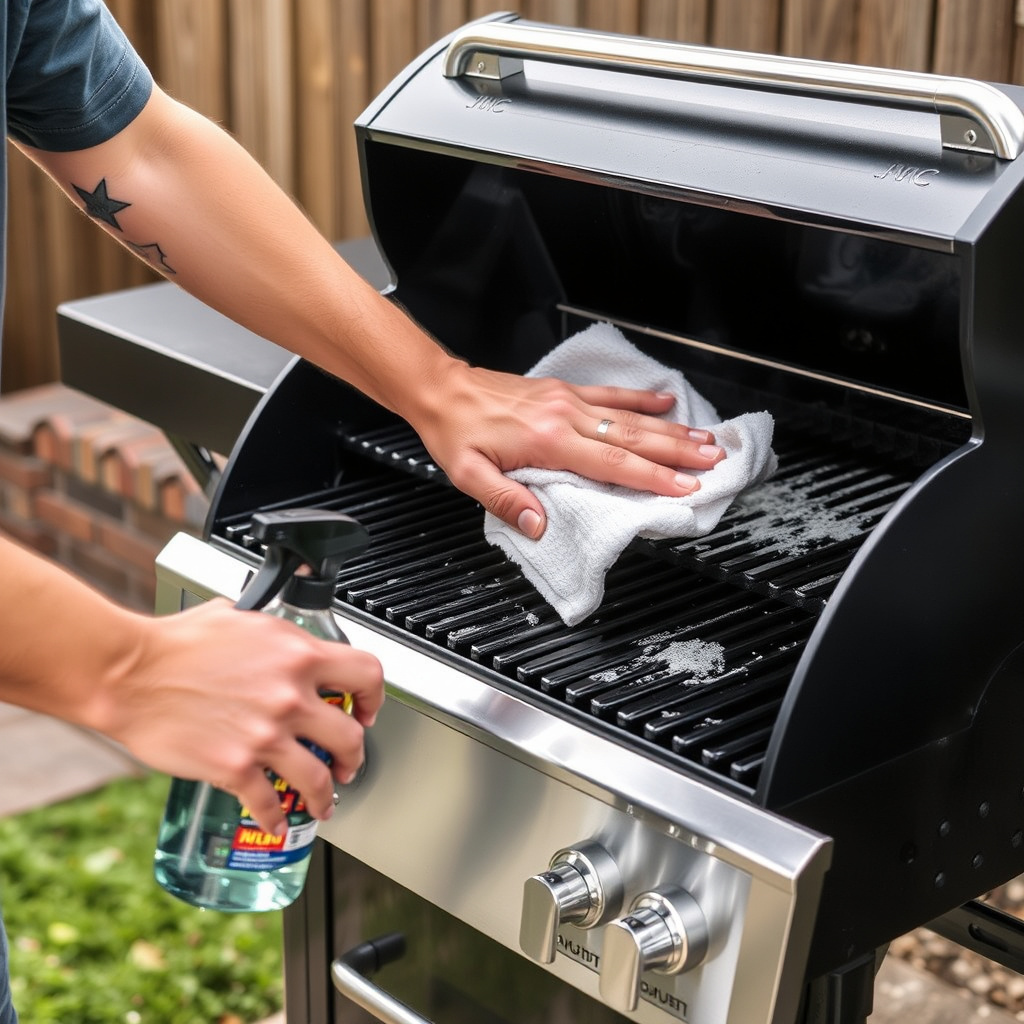
Wiping Down the Outer Shell
Exterior cleaning enhances grill aesthetics and prevents damage. Use mild soapy water with a soft cloth or sponge to wipe down the lid, handles, and legs. Avoid abrasive cleaners that can scratch paint or finish.
Remove grease spots or bird droppings promptly since these can corrode surfaces if left unattended. Rinse with clean water and dry well to avoid water spots.
- Use mild detergent and soft cloth
- Avoid abrasive cleaners
- Clean grease or bird droppings quickly
- Rinse and dry exterior carefully
For more on this, see our related guide: How to Clean a Grill: Effective Methods for Sparkling Results.
Applying Protective Coatings and Covers
Applying a light coat of cooking oil to the grates after cleaning can help prevent rust. Use specialized grill covers made of waterproof materials to shield your charcoal grill from weather elements when not in use.
Store your grill in a sheltered area or garage during winter to extend its life. Regularly check covers for tears or wear and replace them as needed.
- Oil grates lightly to prevent rust
- Use waterproof grill covers
- Store grill indoors during harsh weather
- Inspect and replace worn covers
Routine Charcoal Grill Maintenance Tips
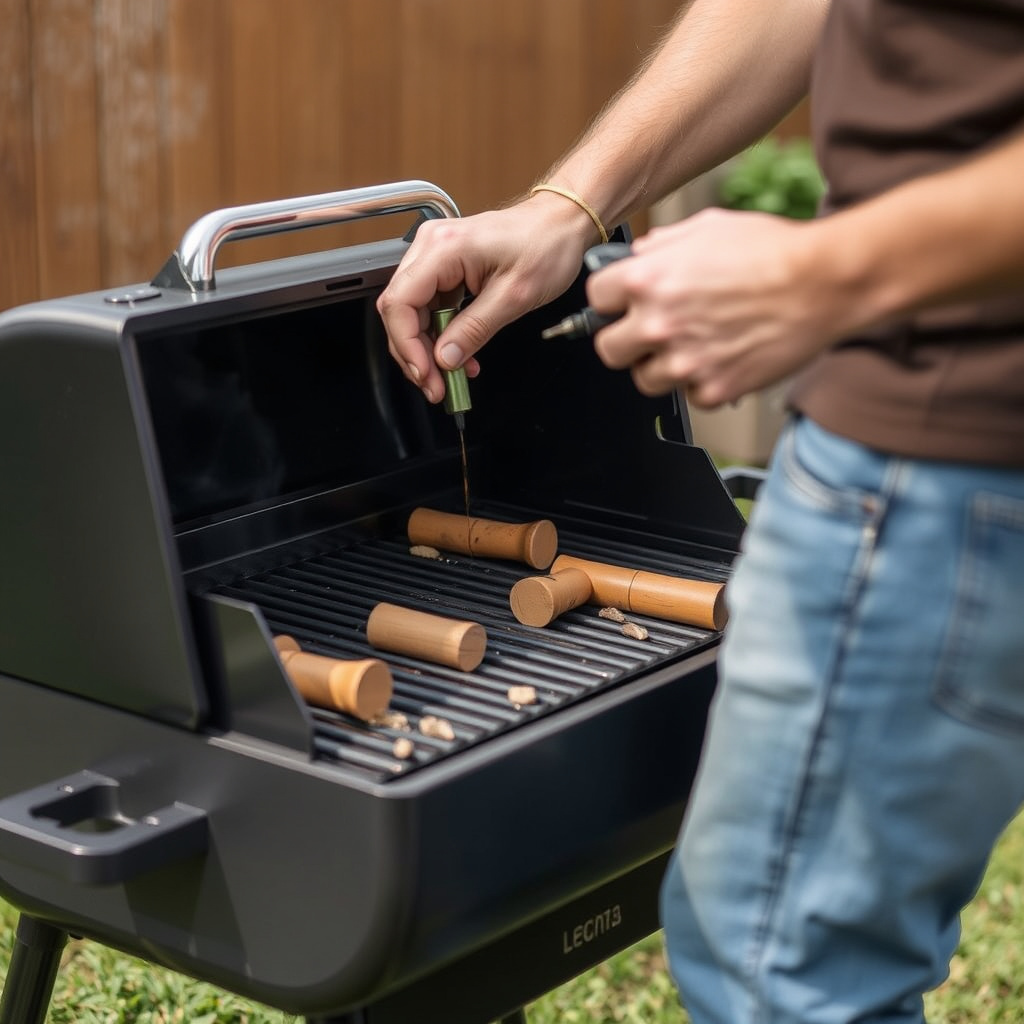
Scheduling Regular Cleanings
To keep your grill in excellent shape, clean the grates after every use and empty ashes frequently. A deep clean involving soaking grates and cleaning interior parts should be scheduled at least once per grilling season or more often if you grill regularly.
Consistent maintenance prevents buildup that could affect flavor and heat distribution, saving time and effort in the long run.
- Clean grates after each use
- Empty ashes regularly
- Schedule deep cleaning seasonally
- Track maintenance dates for consistency
For more detailed information about charcoal grills, including their design and usage, check out this comprehensive overview on Wikipedia. Charcoal Grill Cleaning Techniques.
Inspecting for Wear and Replacement Parts
Periodically inspect parts like grates, vents, ash catcher, and handles for rust, cracks, or damage. Replace worn or broken components promptly to avoid safety hazards or inefficient grilling.
Many manufacturers offer replacement parts specifically for their charcoal grills, making repairs affordable and straightforward.
- Check grates and vents for damage
- Replace worn parts promptly
- Order OEM replacement parts
- Keep tools handy for minor repairs
Types of Charcoal Grills: Cleaning Difficulty and Maintenance Comparison
This table compares common charcoal grill categories based on cleaning ease, maintenance frequency, and durability to help you pick the best model for your needs.
| Grill Type | Cleaning Difficulty | Maintenance Frequency | Durability |
|---|---|---|---|
| Kettle Grill | Moderate – requires regular ash removal | Seasonal deep clean recommended | High – sturdy steel construction |
| Barrel Grill | Challenging – larger grates and interior | Frequent ash cleaning necessary | Very High – heavy-duty materials |
| Kamado Grill | Moderate – ceramic surfaces easier to clean | Less frequent due to design | Exceptional – ceramic resists rust |
| Portable Charcoal Grill | Easy – smaller surface area | Clean after each use | Moderate – lighter materials |
| Offset Smoker | Difficult – multiple chambers | High – frequent ash and grease cleaning | High – thick steel build |
Frequently Asked Questions
How often should I clean my charcoal grill?
You should remove ashes after every use and deep clean the grill grates and interior at least once per grilling season or more frequently with heavy use.
Can I use soap to clean charcoal grill grates?
Yes, mild dish soap with warm water works well for deep cleaning grates, but make sure to rinse thoroughly and dry to avoid soap residue and rust.
What is the safest way to dispose of charcoal ashes?
Wait until ashes are completely cool, then collect them in a metal container and dispose of them in accordance with local guidelines.
How do I prevent rust on my charcoal grill grates?
After cleaning, coat grates lightly with cooking oil and store your grill in a dry area or use a waterproof cover to prevent moisture buildup.
Is it necessary to clean the interior of the grill regularly?
Yes, cleaning the grill interior and ash catcher keeps airflow unobstructed and prevents buildup that can cause flare-ups or uneven heat.
Key Takeaways
- Always let charcoal grill cool completely before cleaning
- Use wire brushes and soapy water to clean grates and interior
- Regular ash removal helps maintain airflow and safety
- Protect grates from rust with seasonal oiling and covers
Conclusion
Approaching how to clean a charcoal grill with a step-by-step, thorough routine ensures your grill remains safe and efficient over many cooking seasons. Starting with ash removal and cooling allows you to work safely while reducing fire hazards. Using the right tools and proper cleaning materials removes residue and grease, preserving grill surfaces and improving cooking performance. Paying attention to ventilation and keeping air vents clear fosters more consistent heat and better fuel usage. Regularly caring for your grill exterior helps preserve its look and resists corrosion caused by weather exposure.
If you grill frequently, aim for routine post-use cleanings of grates and ashes plus deeper cleanings several times yearly. For example, kettle and portable charcoal grills require moderate maintenance but are relatively easy to clean, while barrel and offset smokers need extra care due to size and complexity. Kamado grills benefit from ceramic materials that stay cleaner and resist rust but still require occasional thorough cleaning. Tailoring your maintenance schedule to your grill type and usage frequency keeps equipment working smoothly and food tasting great.
The next step is to incorporate these cleaning practices into your grilling routine. Gather appropriate tools like a durable wire brush and a metal scoop, schedule regular cleaning days, and invest in a quality grill cover for protection when not in use. Over time, your charcoal grill will stay clean, prolong its lifespan, and continue delivering delicious barbecue without excess effort.