
Cleaning a grill involves removing grease, charred food, and residue from the grates, burners, and exterior surfaces to maintain its performance and ensure your food tastes great. The main steps include scraping off debris, applying appropriate cleaning agents, and rinsing thoroughly.
Dirty grills can harbor bacteria and cause unpleasant flavors in your grilled food. Regular cleaning protects your grill components from rust and damage while enhancing safety and efficiency. Knowing how to clean a grill properly can extend its life and simplify cooking.
This article covers detailed cleaning techniques for gas, charcoal, and electric grills, reviews the best grill cleaning tools, and provides maintenance advice to keep your grill in prime condition season after season.
Understanding Grill Components for Effective Cleaning
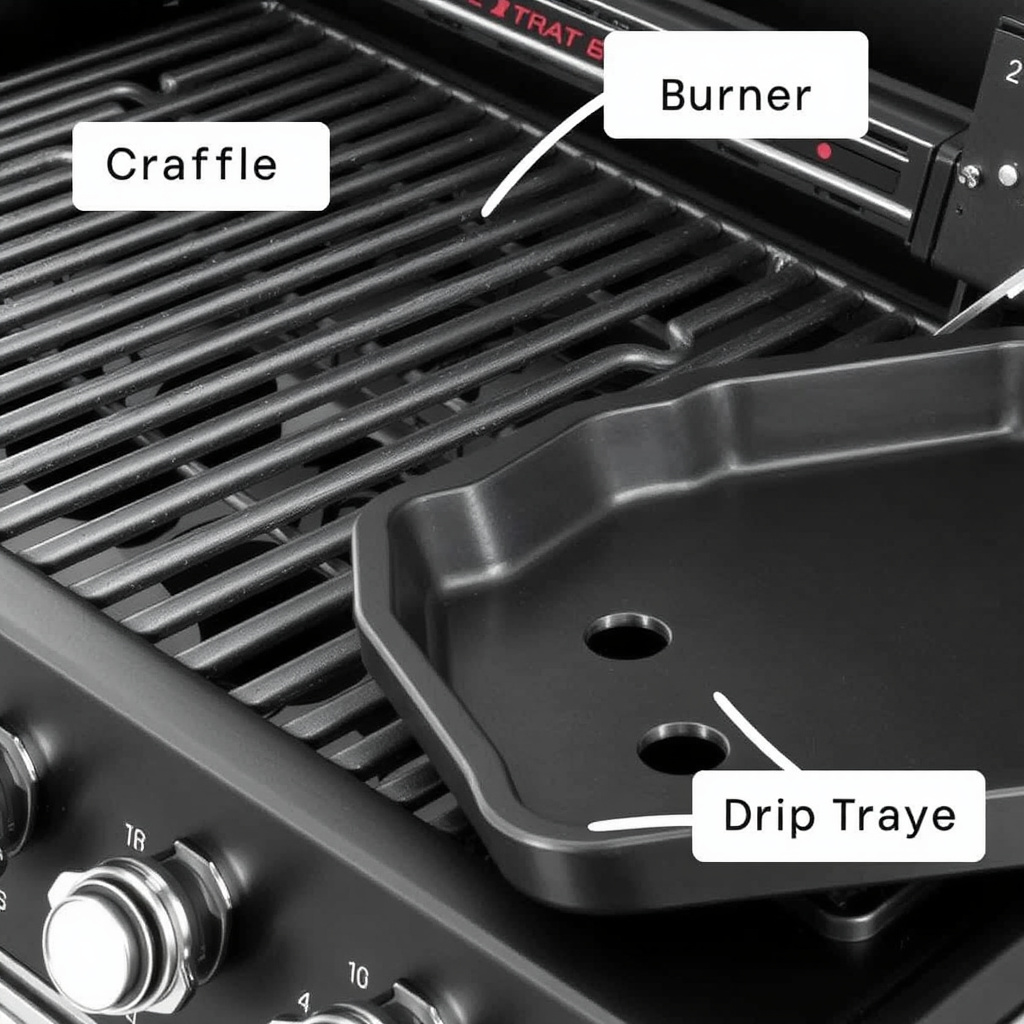
Identifying Key Parts of Your Grill
Knowing your grill's components helps target cleaning efforts and prevents damage. The most commonly cleaned parts include the cooking grates, heat plates or flavorizer bars, burners (in gas grills), drip trays, and the grill's exterior surfaces.
Each component accumulates grease and residue differently. For example, cooking grates gather charred food, while drip trays catch grease. Understanding these distinctions guides the choice of cleaning methods and tools.
- Cooking grates: direct contact with food
- Burners: gas supply and flame distribution
- Drip trays: collects grease and drippings
- Exterior: protects and presents the grill
Materials and Their Impact on Cleaning Approaches
Grills are made from stainless steel, cast iron, porcelain-coated steel or cast iron, and aluminum. Each material requires different cleaning care to avoid scratching or corrosion. For instance, cast iron grates need seasoning after cleaning, while stainless steel benefits from gentle scrubbing.
Porcelain-coated parts are durable but can chip if scraped too harshly. Choosing cleaning tools like brushes with nylon bristles or plastic scrapers helps preserve these finishes.
How to Clean a Grill Grate Properly
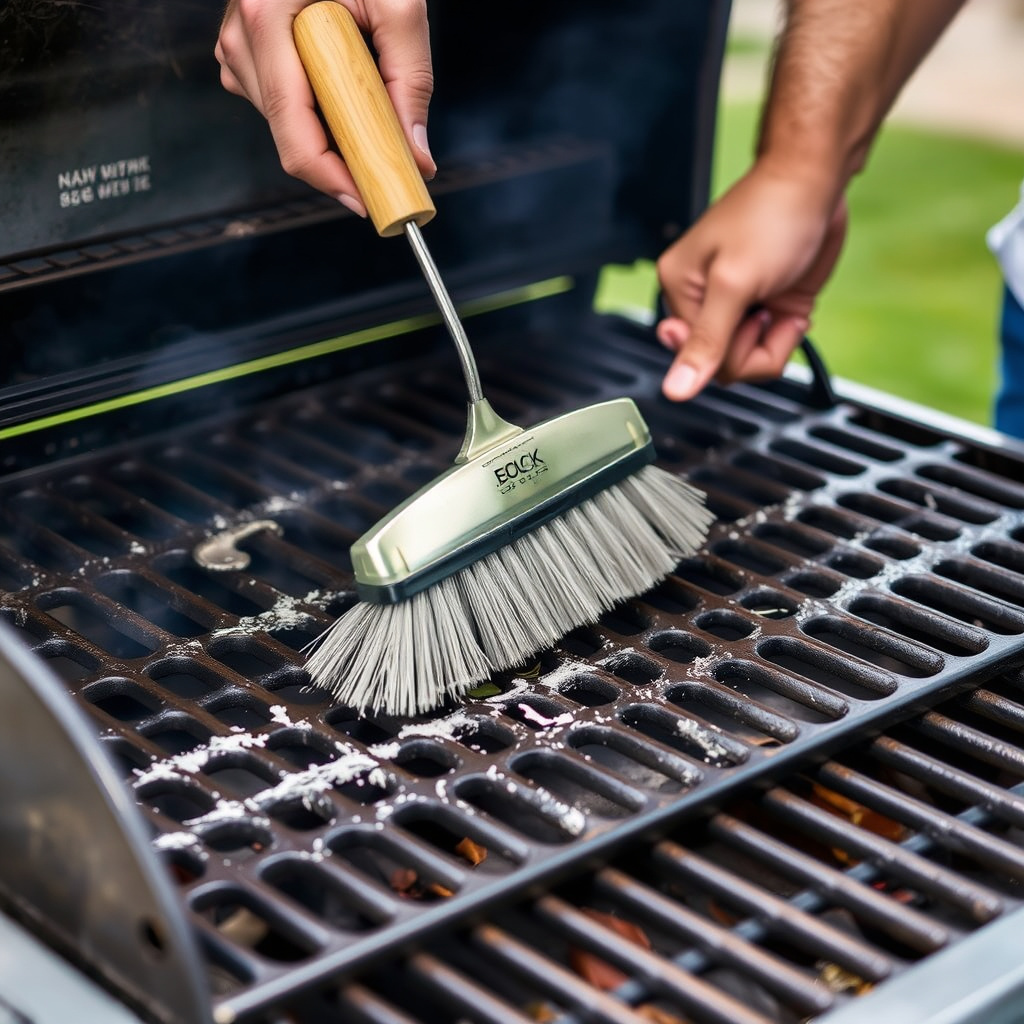
Cleaning Metal Grill Grates
Start by heating your grill on high for 10-15 minutes to burn off excess residue. Then, use a stiff wire brush to scrape carbonized food particles from the grates. For stubborn buildup, soak the grates in warm, soapy water and scrub with a non-abrasive brush.
After cleaning, rinse thoroughly and dry completely. For cast iron grates, apply a thin coat of cooking oil afterward to prevent rust and maintain seasoning.
- Heat grill before cleaning to loosen debris
- Use wire brush or scraper carefully
- Soak in warm soap water if necessary
- Oil cast iron grates after drying
Cleaning Porcelain-Coated Grates
Use a soft nylon brush or sponge with warm water and mild soap, avoiding metal brushes that can chip the coating. For tough spots, a paste of baking soda and water helps lift residue gently. Rinse and dry the grates thoroughly to avoid rust on exposed metal edges.
Handle these grates carefully as the porcelain can crack under impact or harsh treatment.
- Avoid metal wire brushes
- Use baking soda paste for stains
- Dry immediately after rinsing
Cleaning the Interior and Burners of Gas Grills
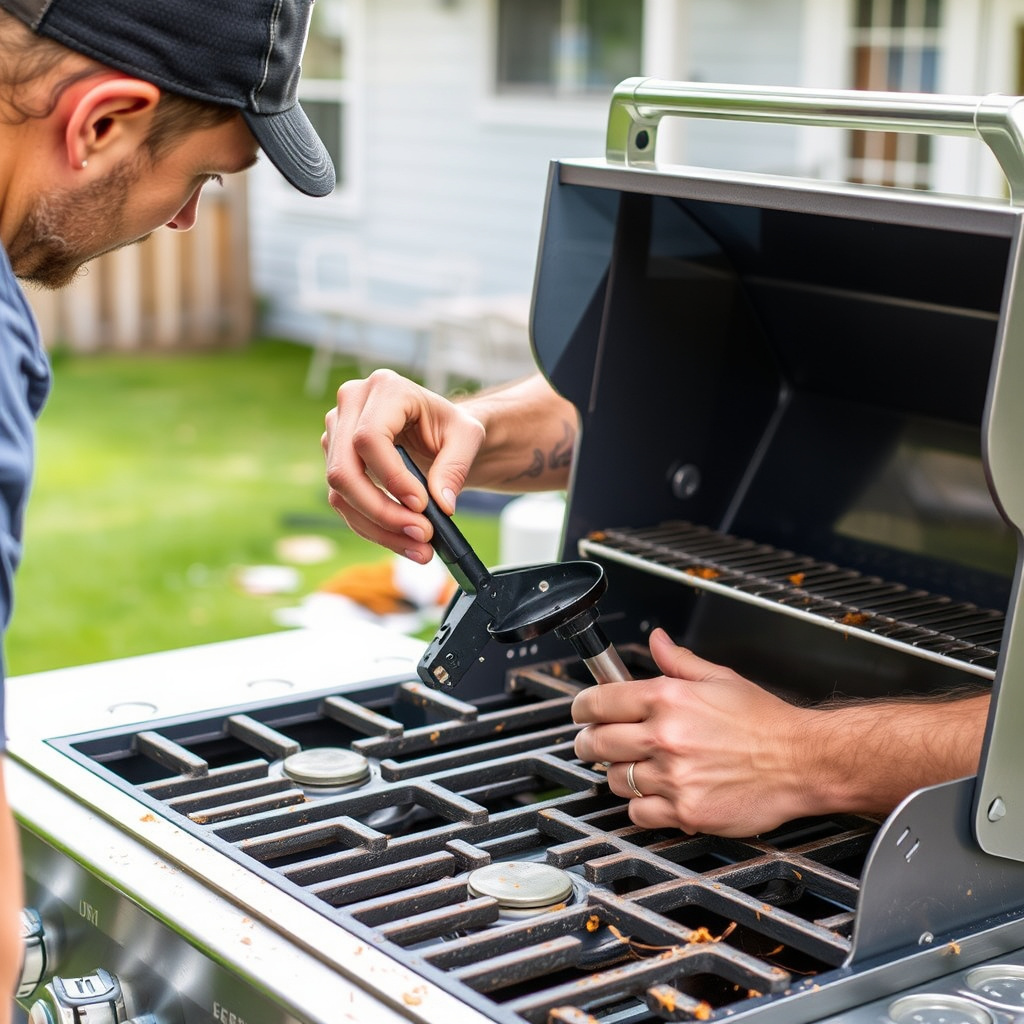
Removing Grease and Residue Inside the Grill
Turn off the gas and detach burners if possible for easier cleaning. Scrape any grease and food residue from the inside walls and heat plates using a putty knife or grill scraper. Clean drip trays regularly to prevent flare-ups caused by excess fat.
Empty grease traps and wash them with dish soap and warm water. Keeping these internal parts clean improves heating consistency and prevents unpleasant smoke.
- Turn off and disconnect gas supply first
- Use non-abrasive scrapers inside the grill
- Clean drip trays and grease traps regularly
Maintaining and Checking Gas Burners
Inspect burners for blockages like spider webs or debris that can clog gas flow. Use a soft brush or compressed air to clear burner ports gently. Avoid damaging ignition components during cleaning. Periodic burner maintenance ensures even heating and reliable ignition.
Replace burners that show rust, holes, or extensive corrosion to keep your grill operating safely and efficiently.
- Check burner holes for clogs
- Use soft brushes or compressed air
- Replace damaged burners promptly
Cleaning Charcoal and Electric Grills
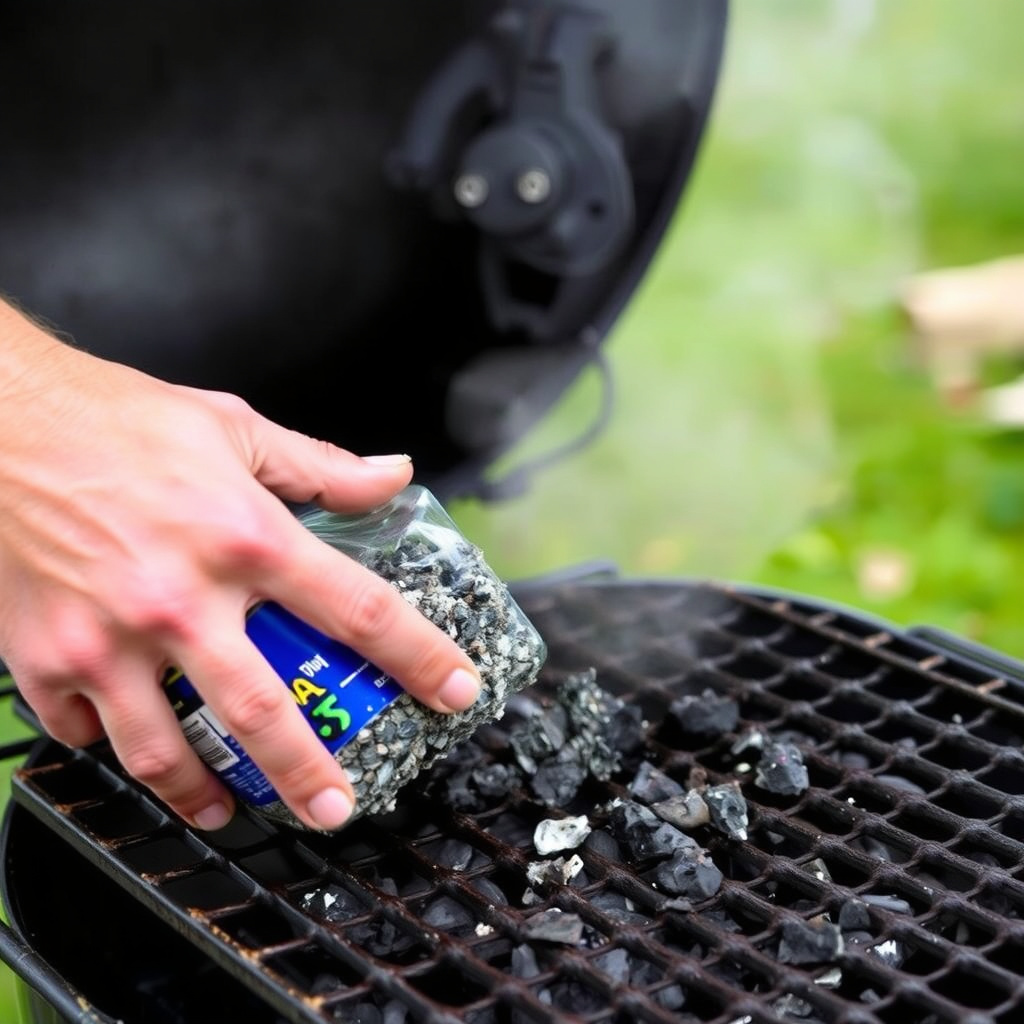
Charcoal Grill Cleaning Tips
After cool down, remove ashes and leftover charcoal carefully. Dispose of ashes in a metal container for safety. Clean cooking grates as explained previously. Scrape the inside chamber to remove soot and grease buildup.
Washing parts occasionally with mild soap and water controls odor and prolongs grill life. Air-dry thoroughly before reassembling.
- Dispose of ashes safely
- Scrape and clean chamber walls
- Wash and dry grates regularly
Electric Grill Cleaning Guidelines
Unplug the grill and detach removable parts such as grill plates or drip trays. Wipe down heating elements carefully without immersing them in water. Clean plates with a warm, damp cloth or non-abrasive scrubber and a mild detergent.
Avoid water contact on electrical components to prevent damage. Regular cleaning prevents grease buildup, improves cooking performance, and extends appliance life.
- Unplug before cleaning
- Avoid wetting electrical parts
- Clean plates and trays with mild soap
Top Grill Cleaning Tools and Products
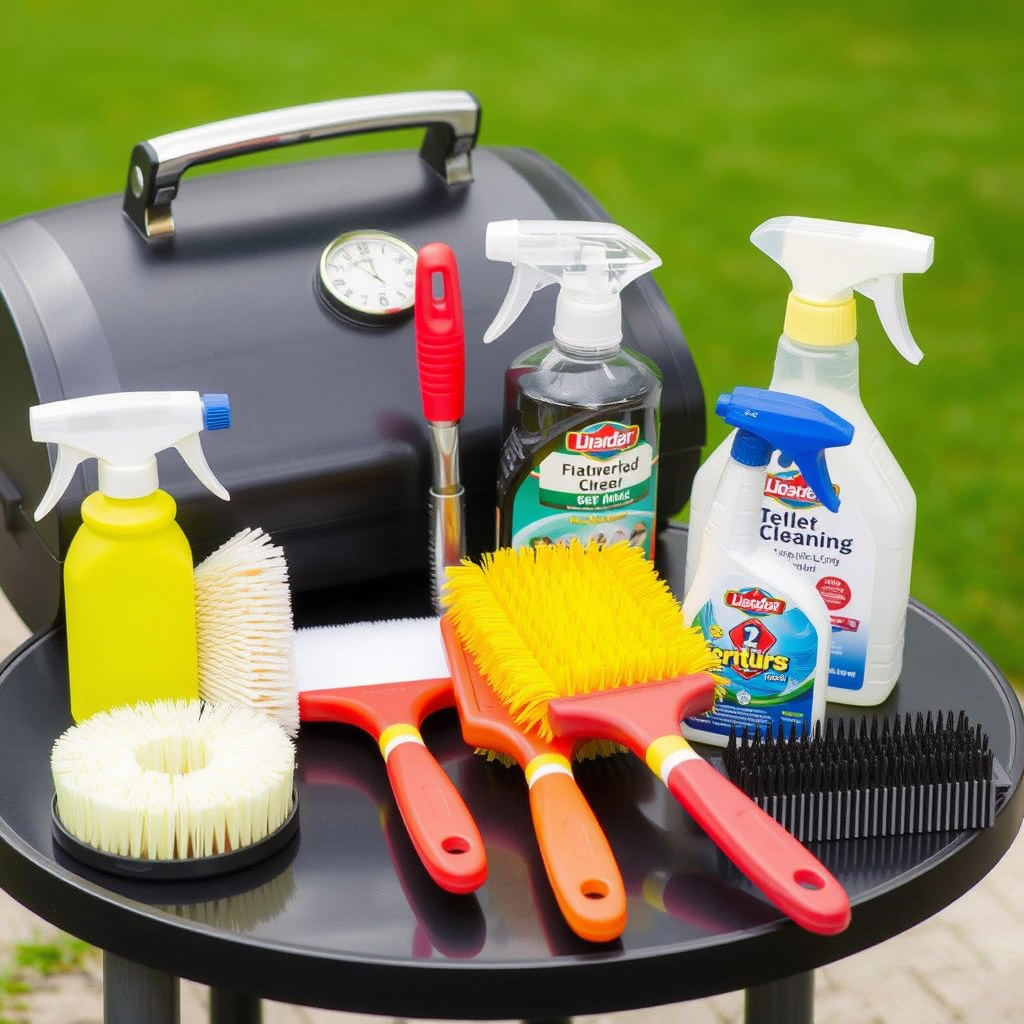
Choosing the Best Grill Cleaning Tools
Selecting the best grill cleaning tools boosts cleaning effectiveness and protects grill surfaces. Heavy-duty wire brushes work well for metal grates but may damage porcelain coatings. Nylon brushes, scrapers, and grill cleaning stones provide gentler options compatible with a wider range of materials.
Other helpful tools include grill cleaning sprays to loosen grease and steam cleaners for deep sanitation without chemicals.
- Wire and nylon bristle brushes
- Scrapers and grill stones
- High-quality grill cleaning sprays
- Steam cleaners for chemical-free cleaning
Safe and Eco-Friendly Cleaning Products
Many commercial grill cleaners contain harsh chemicals that require thorough rinsing. Eco-friendly options made from natural ingredients avoid toxic residues and odors. Ingredients such as vinegar, baking soda, and lemon juice offer effective, safe alternatives.
These natural cleaners work well for routine cleaning and safe food contact surfaces, making them popular choices among health-conscious grillers.
- Vinegar and water mixtures
- Baking soda paste
- Lemon juice for grease cutting
- Plant-based commercial cleaners
Grill Maintenance and Storage Tips
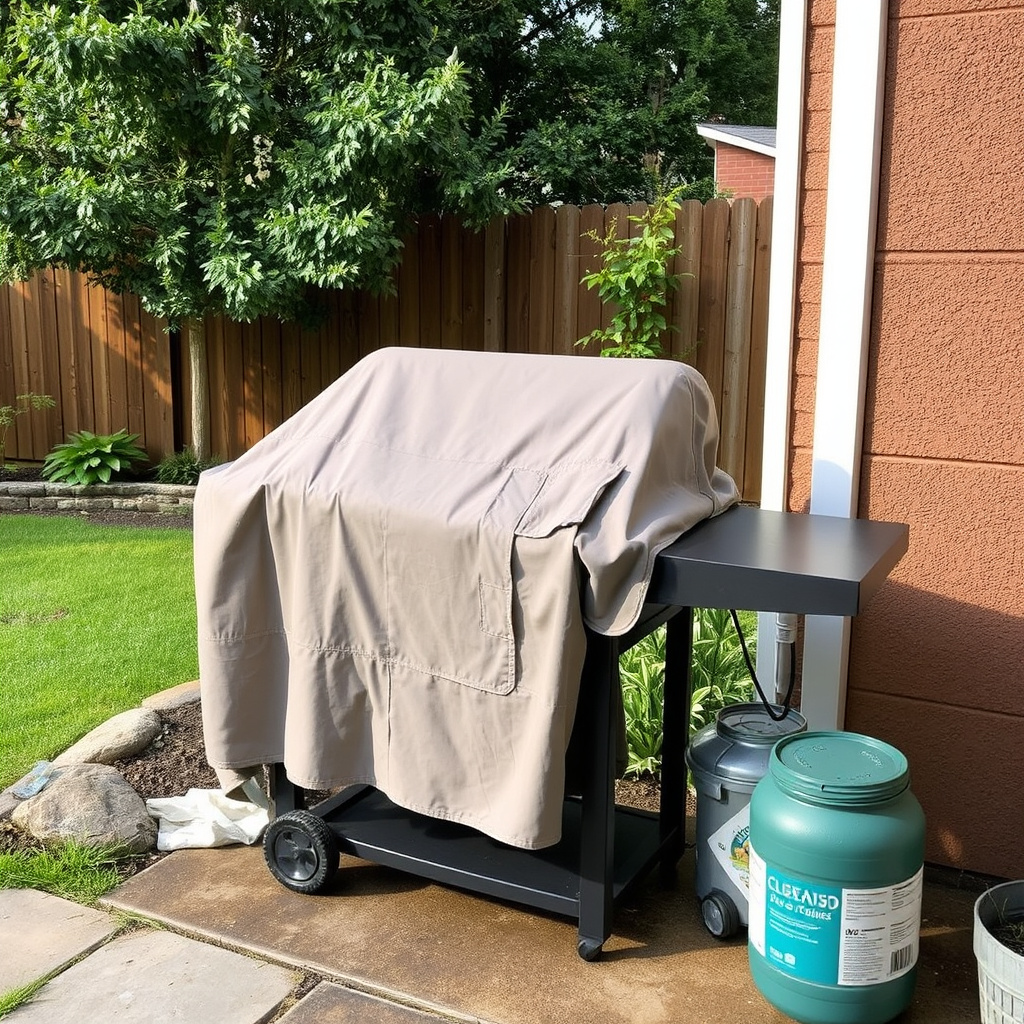
Regular Maintenance for Longevity
Perform routine cleaning after each use, focusing on grates and drip trays to prevent buildup. Seasoning cast iron grates after cleaning stops rust formation. Inspect gas connections and burners before grilling season starts to ensure safety and performance.
Lubricate moving parts and tighten loose screws. Keeping your grill well-maintained avoids costly repairs and improves grilling results.
- Clean grates and drip trays consistently
- Season cast iron grates with oil
- Inspect gas lines and burners seasonally
- Lubricate hinges and tighten screws
For additional details on grilling and maintenance, explore the grill cleaning tips on Wikipedia. grill cleaning tips on Wikipedia.
Proper Storage Practices
Cover your grill with a waterproof, breathable cover to keep moisture and debris out. Store in a sheltered area like a garage or patio when possible to avoid harsh weather exposure. Empty and clean grease traps before long storage periods.
Before storing for extended periods, perform a thorough cleaning and inspection so your grill is ready for efficient, easy use when you next fire it up.
- Use a grill cover outdoors
- Store in sheltered areas if possible
- Clean and empty grease traps before storage
- Perform thorough cleaning before seasonal storage
Grill Cleaning Methods Comparison
This table compares different grill cleaning methods based on convenience, effectiveness, and compatibility with grill types.
| Method | Best For | Effectiveness | Ease of Use | Material Safety |
|---|---|---|---|---|
| Wire Brush | Metal grates | High | Moderate | May damage porcelain |
| Nylon Brush | Porcelain-coated grates | Medium | High | Safe for coatings |
| Soaking and Scrubbing | Removable grates | High | Low | Safe for all materials |
| Steam Cleaning | Deep sanitation | High | Moderate | Safe and chemical-free |
| Chemical Sprays | Grease dissolution | High | High | Requires rinsing |
Frequently Asked Questions
How often should I clean my grill?
For best results, clean grill grates after each use and perform a thorough cleaning of internal parts at least once per grilling season.
Can I use a wire brush on porcelain-coated grates?
It is not recommended because wire brushes can chip the porcelain coating. Use nylon brushes or gentle scrubbing methods instead.
What is the safest method to clean gas grill burners?
Disconnect the gas and use a soft brush or compressed air to clear burner holes. Avoid harsh scraping to prevent damage.
How do I prevent rust on cast iron grill grates?
After cleaning and drying, apply a thin layer of cooking oil to season the grates and protect them from moisture.
Can natural ingredients clean grills effectively?
Yes, natural cleaners like baking soda, vinegar, and lemon juice effectively remove grease and residue without toxic chemicals.
Key Takeaways
- Heat grill before cleaning to loosen debris effectively
- Use nylon brushes for porcelain-coated grates to avoid damage
- Maintain gas burners by regularly checking and clearing blockages
- Apply cooking oil to cast iron grates after cleaning to prevent rust
Conclusion
Knowing how to clean a grill well means understanding your grill’s parts and materials, which directly affects the cleaning techniques and tools you use. This practical approach helps you keep the grill safe, hygienic, and functional. Through regular care, you preserve the grill’s quality, improve cooking performance, and avoid buildup of harmful residues that could affect your food’s flavor.
For gas grills, detailed attention to burners and internal grease traps is key, while charcoal grills benefit from thorough ash removal and chamber scrubbing. Those using electric grills must avoid moisture contact with electrical components during cleaning. Choosing the best grill cleaning tools such as nylon brushes and grill stones enhances cleaning without risking coat damage, while natural cleaners provide a safe, eco-friendly alternative to chemicals—these fit well for routine upkeep.
Taking the time to clean your grill properly after each use and conducting seasonal deep cleaning will ensure longevity and safe operation. Begin with heating the grill, apply the appropriate cleaning method for your grill type, and finish by storing it under cover. This practical routine allows you to enjoy delicious, safe grilled meals with less hassle and extends the life of your equipment.



