
Traeger grills have earned a reputation as reliable pellet grills that simplify outdoor cooking while enhancing flavor. If you're asking whether Traeger grills are worth it, the answer depends on what you value: ease of use, consistent temperature control, and that signature smoky flavor are hallmarks, but the price point and pellet maintenance may matter to you. Traegers excel for those seeking a versatile grilling experience with minimal fuss.
This matters because grills come in many styles and fuel types, each serving different cooking preferences. Traeger’s innovative use of wood pellets fuels precise temperature control and adds authentic smoke flavor, bridging the gap between traditional charcoal grilling and modern convenience. Their user-friendly design attracts both beginners and enthusiasts aiming for that perfect smoky finish without constant tending.
In this article, you will learn about Traeger grills’ key features, performance factors, maintenance demands, and how they compare to other pellet grill brands. We’ll also cover what users commonly say about their experiences and when investing in a Traeger truly makes sense. Read on to make a confident, informed choice about whether Traeger grills fit your outdoor cooking style.
Traeger Grill Design and Build Quality
Materials and Construction
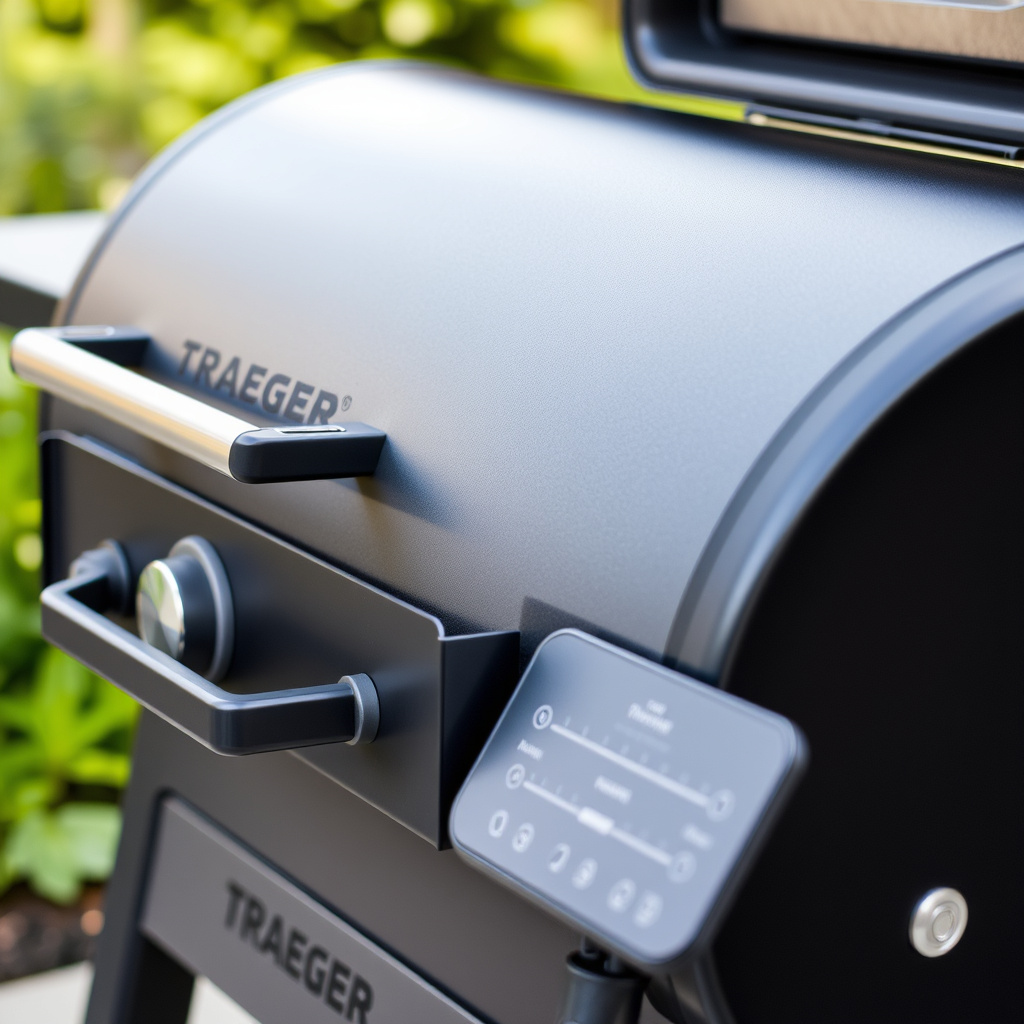
Traeger grills typically feature powder-coated steel construction, designed to withstand outdoor elements with minimal rust or wear. Their thick steel walls also help maintain steady cooking temperatures by providing insulation against ambient temperature fluctuations.
The grill grates are usually made of porcelain-coated steel, which offers a balance between durability and easy cleaning. However, some users upgrade to stainless steel grates for greater longevity and less risk of chipping.
- Powder-coated steel body
- Porcelain-coated cooking grates
- Durable paint finish
- Strong hinge design on lids
User-Friendly Features
Traeger grills come with digital controllers that regulate pellet feed and fan speed, keeping temperatures steady with little user intervention. Some models feature WiFIRE technology, allowing remote temperature monitoring and adjustments via smartphone apps.
Additional conveniences like pellet hopper window indicators, easy-access drip trays, and foldable side shelves enhance user experience and accessibility during cooking sessions.
- Digital temperature controllers
- WiFIRE smartphone connectivity
- Pellet capacity indicators
- Accessible grease management system
Performance: Cooking and Temperature Control
Temperature Accuracy and Range
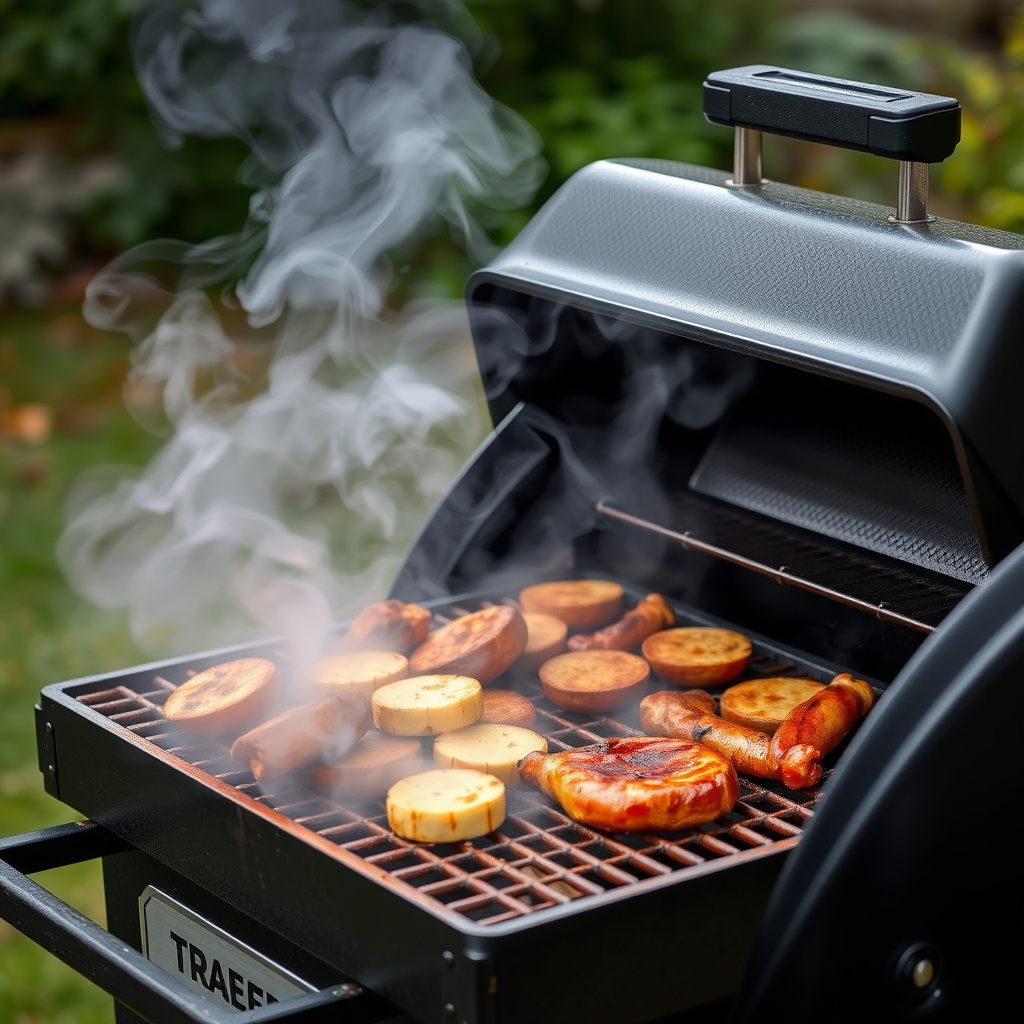
Traeger grills offer temperature ranges commonly from 165°F to 500°F, allowing for techniques like smoking low and slow or direct grilling. The digital controller adjusts pellet feeding and airflow in real-time to maintain set temperatures with minimal fluctuation, usually within ±15°F.
This reliability in temperature is a core reason many users trust Traegers for precision cooking, especially for recipes requiring steady, long-duration heat such as brisket or ribs.
- Temperature range: 165°F–500°F
- Stable heat with minimal deviation
- Suitable for smoking and grilling
- Digital PID controller
Flavor Profile and Smoke Quality
Traeger grills use natural wood pellets made from hardwood, infusing your food with authentic smoky flavors that charcoal grills find harder to replicate without extra steps. The smoke generated is thin and consistent, enhancing taste without overpowering the natural flavor of the meat.
Users often praise the flavor consistency across cooking sessions, which is partially why Traeger grills have a devoted following among backyard chefs seeking traditional smokiness with modern convenience.
- Wood pellet-based smoke
- Authentic hardwood flavors
- Consistent, mild smoke generation
- No need for charcoal or chips
Maintenance and Operating Costs
Cleaning and Upkeep
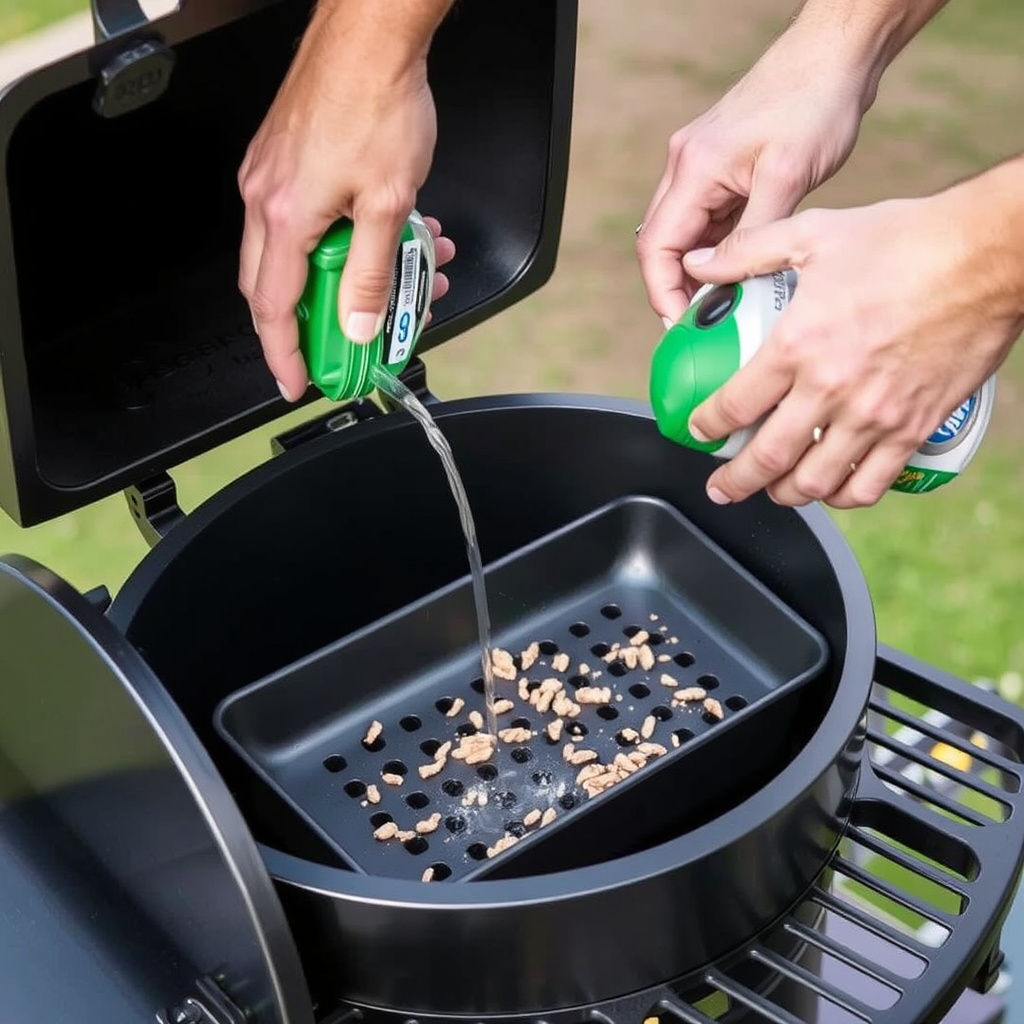
Traeger grills require regular cleaning to keep pellet feeders and ash collectors free from blockage. The drip tray should be emptied and cleaned frequently to prevent buildup and grease fires.
The porcelain-coated grates and grease management system help reduce sticking and make washing easier, but users still need to scrape and clean after each use to prolong grill life and ensure optimal performance.
- Empty ash and drip trays regularly
- Check pellet hopper for jams
- Clean porcelain grates after use
- Inspect and maintain digital controller
For more on this, see our related guide: Are Weber Grills Worth It? An Honest Review to Help You Decide.
Fuel and Pellet Costs
Pellet consumption varies depending on temperature and cooking time but usually ranges between 1 to 3 pounds of pellets per hour. Premium hardwood pellets can cost more than charcoal or propane when considering fuel expenses over time.
Budget-conscious buyers should factor in ongoing pellet costs, but many find the convenience and flavor justify the expense compared to other grilling methods.
- 1-3 lbs pellets per hour
- Cost higher than charcoal or gas
- Requires dry, high-quality pellets
- Simple refills via hopper
Comparing Traeger Grills to Other Pellet Grills
Price and Warranty Differences
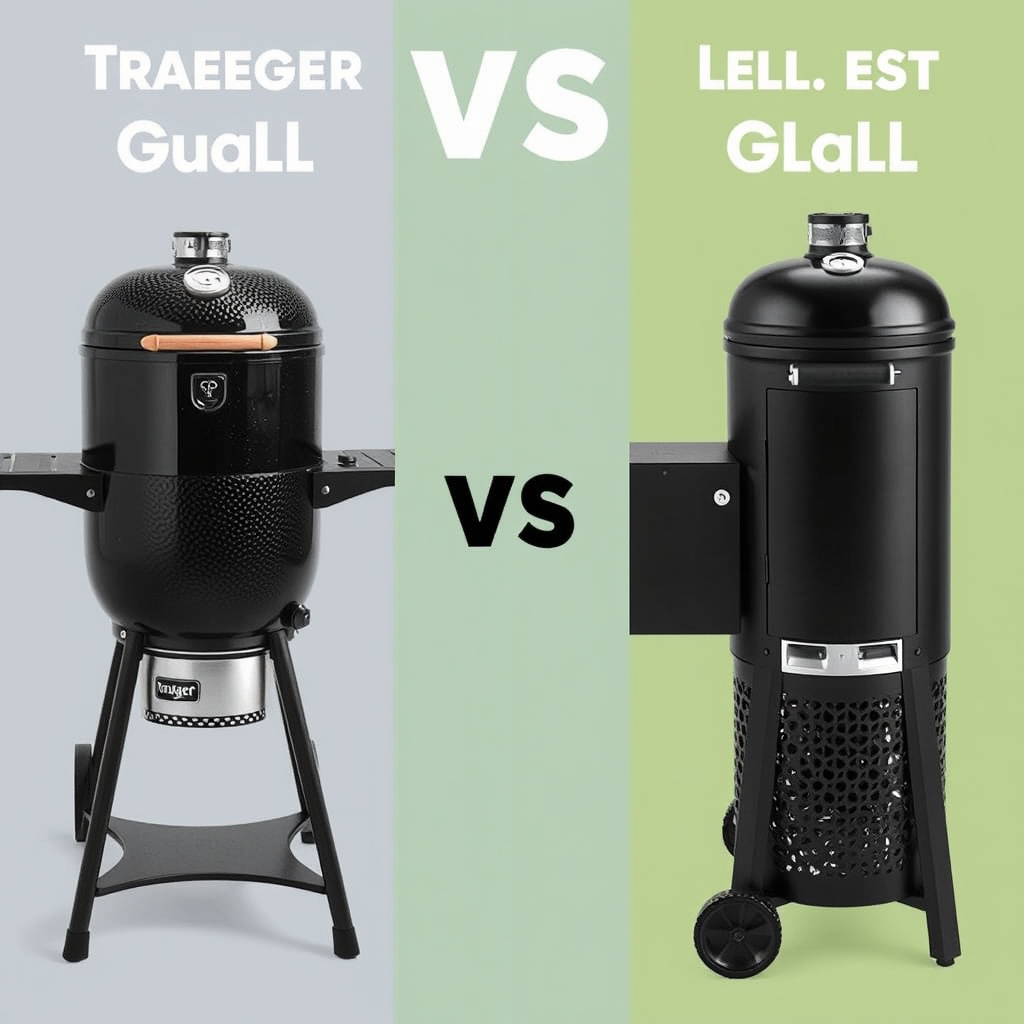
Traeger grills are positioned in the mid to high price range among pellet grills, reflecting their brand reputation, build quality, and features like WiFIRE connectivity. Competing brands may offer lower entry prices but might lack polished electronics or consistent temperature control.
Traeger provides a 3-year limited warranty on most models, which is competitive compared to other brands that may offer shorter coverage or limited components.
- Mid to high price range
- 3-year warranty standard
- Higher initial investment
- Reliable customer support
Feature and Performance Comparison
In side-by-side tests, Traeger grills often outperform similarly priced pellet grills in temperature consistency and build durability. However, some rival brands offer additional features like larger cooking areas or multi-fuel flexibility.
Traeger’s ecosystem of accessories and pellet blends also adds value for users who like customizing their grilling experience.
- Consistent temperature management
- Robust build quality
- Smart grill app integration
- Accessory availability
Who Should Choose a Traeger Grill?
Ideal User Profiles
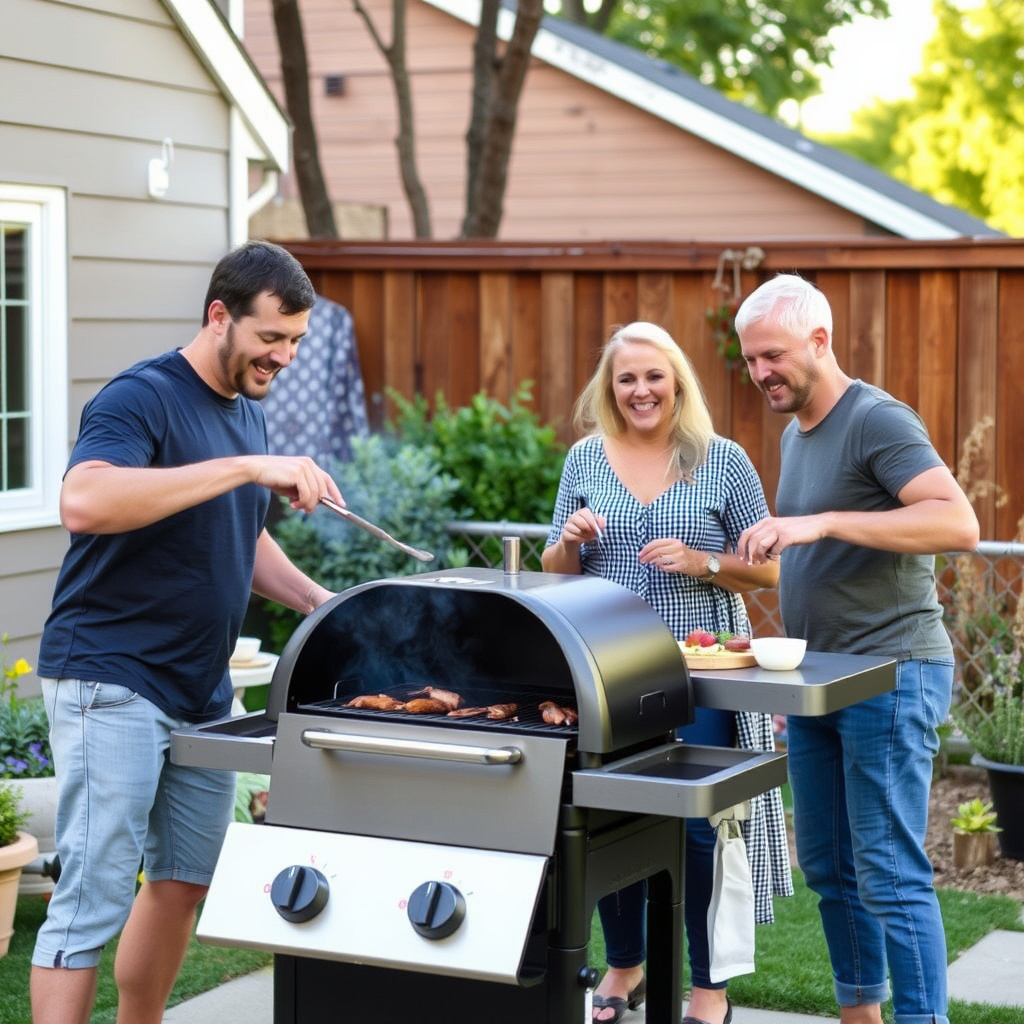
Traeger grills are best suited for home cooks who enjoy an easy-to-use, set-it-and-forget-it style of outdoor cooking with quality smoke flavor. They're particularly advantageous for those who want to expand beyond basic grill and charcoal methods without steep learning curves.
Busy individuals who appreciate smartphone controls or weekend chefs aiming for slow-smoked barbecue find Traeger’s convenience and reliability well matched to their routines.
For more on this, see our related guide: Are Pellet Grills Worth It? A Detailed Guide to Pellet Grill Benefits and Drawbacks.
When to Consider Alternatives
If you prefer quick heat-up times, portability, or don’t want to invest in pellets fuel long term, gas or charcoal grills may be more appropriate. Also, outdoor chefs focused on direct searing over a hot flame sometimes find pellet grills' indirect heat insufficient for very high-heat cooking.
Budget-minded buyers with basic grilling needs might want to explore simpler grills without smart features or high pellet consumption.
Tips for Maximizing Your Traeger Grill Experience
Pellet Selection and Storage
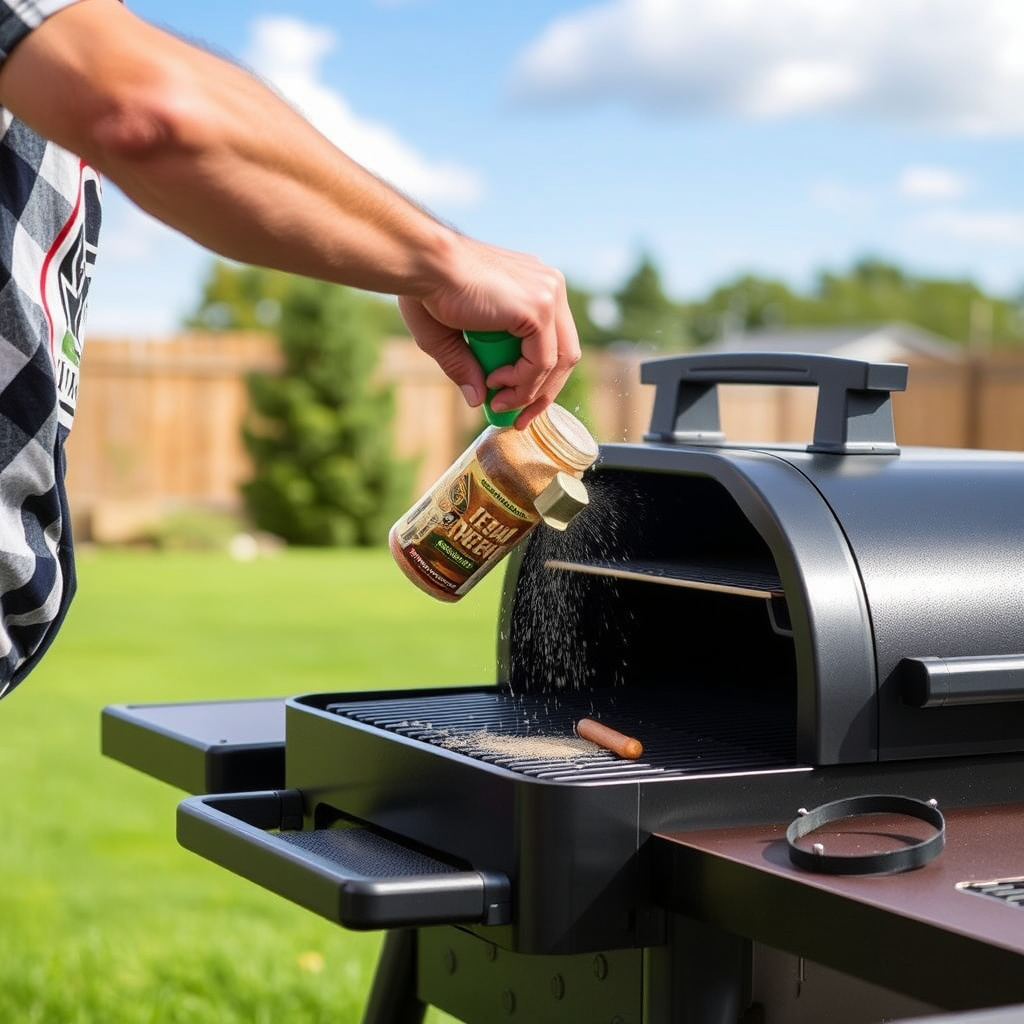
Using high-quality, 100% hardwood pellets is key for optimal flavor and consistent pellet feed. Avoid cheap mixes with fillers that can clog the auger or produce off-flavors. Store pellets in a dry, cool place to prevent moisture absorption that can cause feeding issues.
Experimenting with flavored pellets such as hickory, apple, or mesquite lets you customize smoke intensity and complement different meats.
- Use premium hardwood pellets
- Keep pellets dry and sealed
- Try different wood types for flavor
- Avoid pellets with additives
For a broader understanding of pellet grills in general, check out the Pellet Grill Wikipedia page. Pellet Grill Wikipedia page.
Routine Grill Maintenance
Regularly clean the grease trap and pellet hopper to prevent jams and flare-ups. Periodically check seals and gaskets on the lid to preserve heat retention. After heavy use, a deep clean of the fire pot and internal components enhances lifespan and prevents performance declines.
Investing a little time each season in maintenance greatly improves grilling results and prolongs the life of your Traeger grill.
- Empty ash and grease regularly
- Inspect seals annually
- Clean fire pot after long use
- Use appropriate cleaning tools
Pellet Grill Category Comparison
Here’s how Traeger grills compare to notable pellet grill categories on price, features, and cooking area.
| Category | Average Price | Cooking Area (sq. in.) | Smart Features | Warranty |
|---|---|---|---|---|
| Traeger Mid-Range | $800-$1500 | 300-600 | WiFIRE App Control | 3 years |
| Budget Pellet Grills | $400-$700 | 250-450 | Basic digital controller | 1-2 years |
| Premium Pellet Grills | $1500-$3000 | 600-1000+ | Advanced WiFi + multi-zone | 3-5 years |
| Charcoal Grills | $100-$500 | 200-500 | None | 1-2 years |
| Gas Grills | $200-$1500 | 300-700 | Some with app controls | 1-5 years |
Frequently Asked Questions
Are Traeger grills easy to use for beginners?
Yes, Traeger grills are designed for user-friendliness, featuring digital controllers and temperature presets that simplify smoking and grilling for novices.
How often do I need to clean a Traeger grill?
Cleaning is recommended after every use, especially the grease tray and grill grates. More thorough cleaning should be done seasonally to maintain performance.
Can Traeger grills reach high temperatures for searing?
Traegers generally max out around 500°F, suitable for most grilling but not ideal for intense, direct searing compared to gas or charcoal grills.
Do Traeger grills require special pellets?
Traeger recommends using premium 100% hardwood pellets designed for pellet grills to ensure proper feeding and optimal smoke flavor.
Is WiFIRE really helpful on Traeger grills?
The WiFIRE app provides remote monitoring and precise control, which many users find enhances convenience, especially during long cooks.
Key Takeaways
- Traeger grills offer consistent temperature control with digital ease.
- Wood pellet fuel delivers authentic smoky flavor without charcoal hassle.
- Maintenance includes regular cleaning and pellet storage care.
- They suit home cooks valuing set-it-and-forget-it grilling.
Conclusion
Deciding if Traeger grills are worth it requires balancing convenience, flavor, and cost. Their reliable digital controllers and wood pellet fuel deliver consistent low-and-slow barbecue and versatile grilling options with minimal hassle. For those wanting a user-friendly smoker-grill hybrid that produces authentic smoke flavor, Traeger stands out as a strong choice. Considering build quality, temperature management, and maintenance demands reveals Traeger’s appeal, especially for weekend chefs focusing on smoked meat perfection without constant attention.
Specific recommendations depend on your grilling habits. If you prioritize advanced features like WiFIRE connectivity and a sturdy cooking platform, Traeger's mid-range models will impress. Hobbyists who want a budget-conscious option could examine competitive brands with simpler controls and smaller cooking areas, but may sacrifice build durability. Meanwhile, those emphasizing ultra-high sear heat might complement their Traeger pellet grill with a gas or charcoal setup. Understanding your typical cooking scenarios clarifies whether the investment matches your needs.
For practical next steps, consider visiting a local dealer to test Traeger's usability firsthand. Read user reviews focusing on maintenance ease and pellet consumption to estimate ongoing costs reasonably. If authentic smoke flavor, temperature stability, and remote control appeal to you, investing in a Traeger grill is likely to enhance your backyard cooking experience. Trialing different pellet blends can also elevate your meals once you have the grill set up for consistent performance.



