
Using a charcoal grill on a balcony is often restricted due to fire safety regulations, building codes, and local ordinances. Many residential buildings prohibit open-flame grills on balconies because of the fire hazard risk to surrounding units and the challenges of proper ventilation.
Understanding whether you can use a charcoal grill on your balcony depends on multiple factors including your local laws, your building management’s policies, and how you plan to operate the grill safely. This question is important because improper use can lead to fines, damage, or endangerment of yourself and neighbors.
This article will explore the legality and safety considerations of using charcoal grills on balconies, offer practical safety tips if allowed, review alternatives such as electric grills, and present recommendations to help you enjoy outdoor cooking responsibly.
Legal Restrictions on Using a Charcoal Grill on a Balcony
Building Codes and Fire Regulations
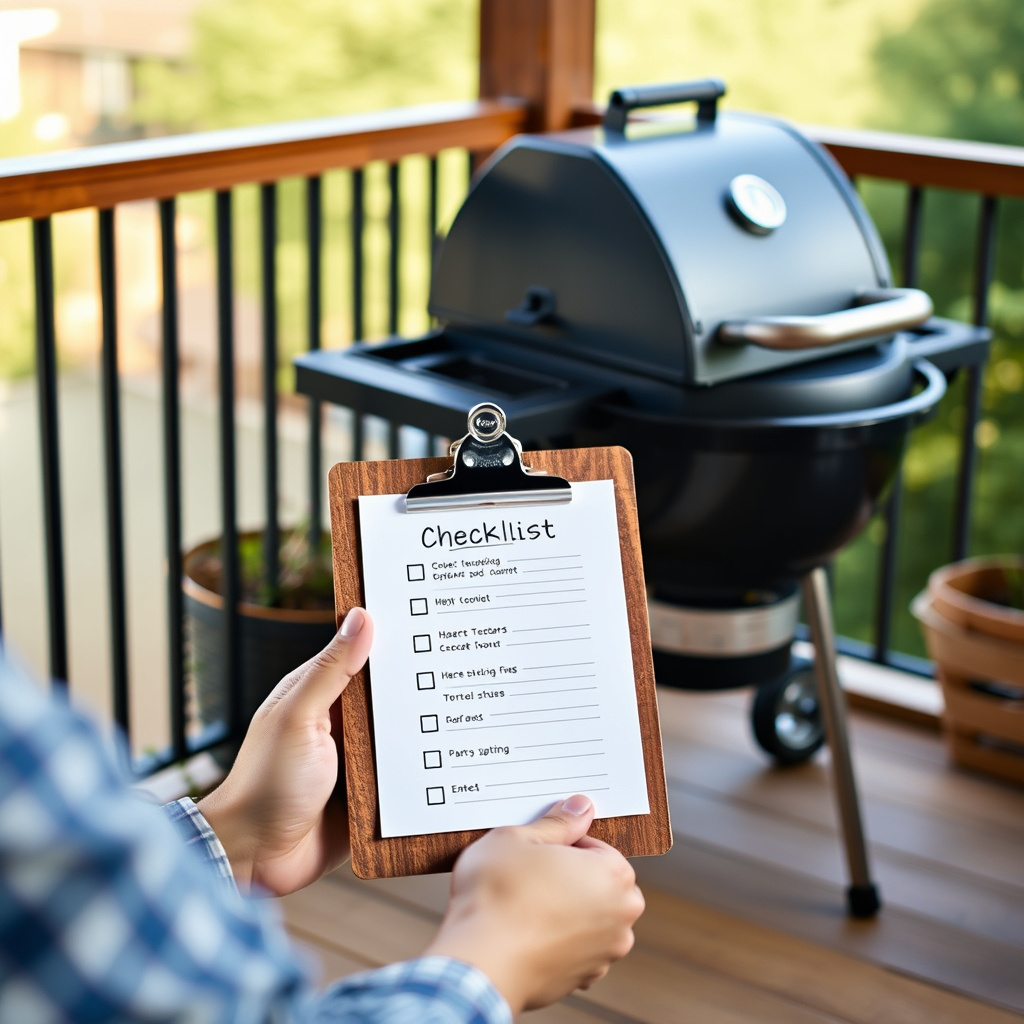
Most local building and fire codes explicitly prohibit charcoal grills on balconies to minimize fire risks. These regulations often stem from historical incidents involving fires caused by open flames too close to combustible building materials.
In addition to laws, many fire departments publish guidelines recommending against any open-flame cooking on balconies, especially in multi-story apartment buildings, due to limited space and inadequate ventilation.
- Common ban on open-flame grills in multi-family dwellings
- Fines and penalties for violations
- Enforcement often includes complaints by neighbors
Policies Set by Property Owners and HOAs
Even if local laws allow limited use, property owners or homeowners' associations (HOAs) frequently establish their own stricter policies banning charcoal grilling on balconies to protect property values and safety.
These policies may be detailed in lease agreements or HOA bylaws, specifying which types of grills are permissible and under what circumstances.
- Lease agreements often explicitly prohibit charcoal grills
- HOAs may allow electric grills but not charcoal
- Violations can lead to eviction or fines
Safety Considerations for Using a Charcoal Grill on a Balcony
Fire Hazards and Ventilation Issues
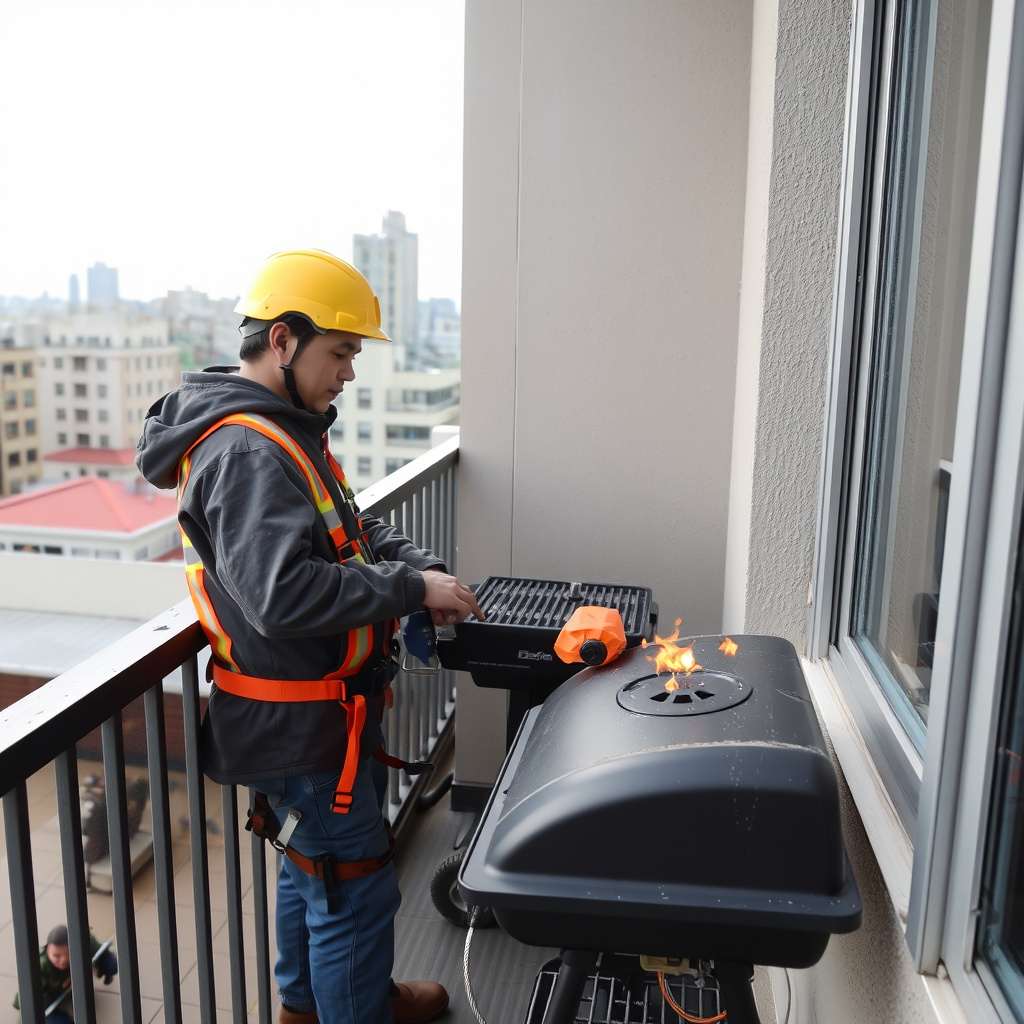
Charcoal grills produce open flames, hot embers, and smoke, all of which present significant fire hazards on balconies. Limited space and proximity to combustible siding or furnishings elevate dangers.
Proper ventilation is critical to prevent smoke buildup, which can cause health issues and disturb neighbors – a challenge in many balconies designed to enclose rather than ventilate.
- Risk of sparks igniting nearby materials
- Smoke accumulation may affect neighbors
- Requires constant supervision while lit
Practical Fire Safety Tips if Allowed
If local laws and management permit charcoal grilling on your balcony, follow strict safety measures such as keeping a fire extinguisher nearby, never leaving the grill unattended, and using charcoal starters safely.
Position the grill away from railings, walls, and flammable items, and avoid grilling during windy conditions which can carry sparks.
- Use a grill mat to protect surfaces
- Keep a water source or extinguisher handy
- Dispose of ashes only when fully cooled
Alternatives to Charcoal Grills for Balcony Cooking
Electric Grills as a Balcony-Friendly Option
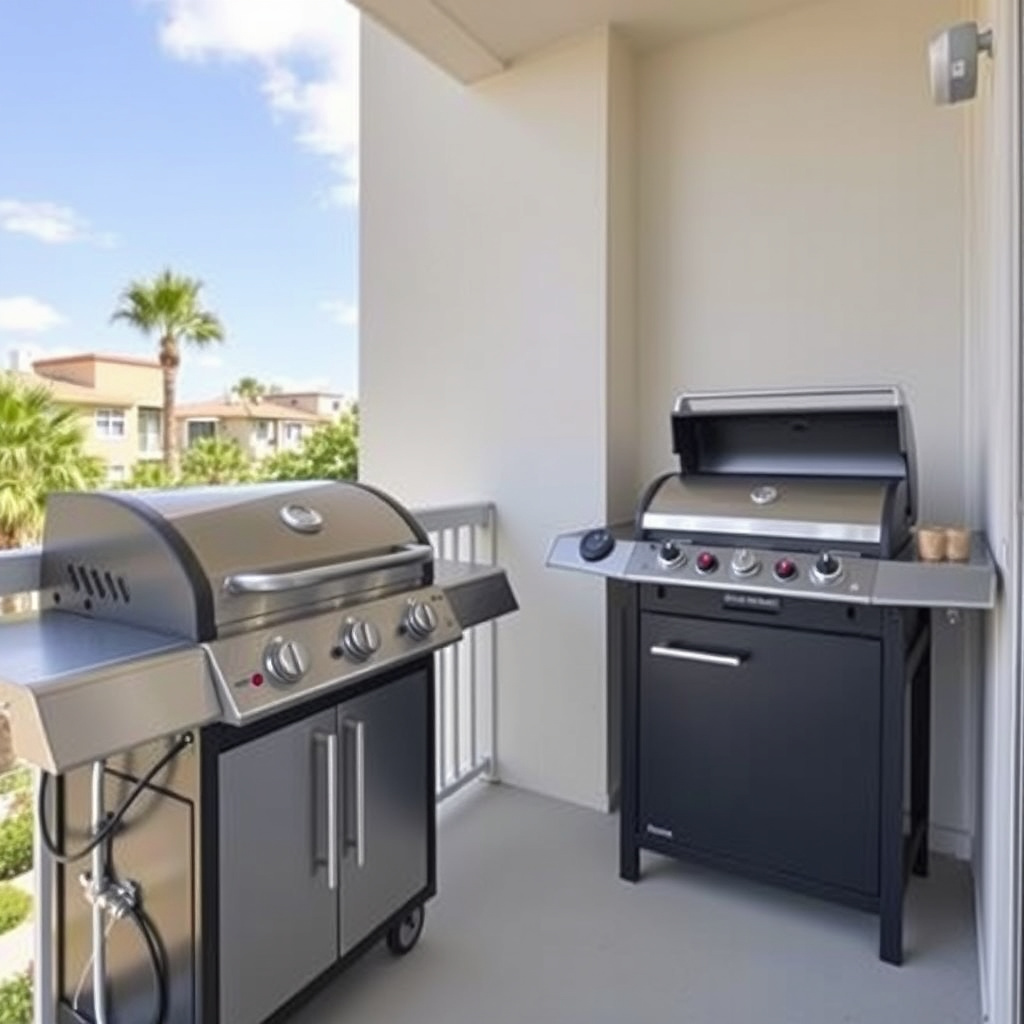
Electric grills are often allowed on balconies where charcoal is banned because they pose fewer fire risks and produce less smoke. They heat quickly and provide a convenient way to grill with less mess.
Electric grills do not require fuel storage or have open flames, greatly reducing potential hazards and often fitting within building policies.
- No open flames or live embers
- Minimal smoke production
- Easy to operate and clean
For more on this, see our related guide: Are Pellet Grills Better Than Gas? A Clear Comparison for BBQ Enthusiasts.
Using Propane or Gas Grills Carefully
Many property managers permit small propane grills on balconies under stringent guidelines including distances from walls and proper ventilation. Propane grills offer authentic grilling flavor with fewer restrictions than charcoal.
However, these grills still require attentive use to avoid gas leaks, flare-ups, and fire hazards, especially in small spaces.
- Confirm if allowed by management before use
- Regularly check hoses and connections
- Avoid use in enclosed or poorly ventilated areas
Environmental and Neighborhood Considerations
Smoke Impact on Neighbors
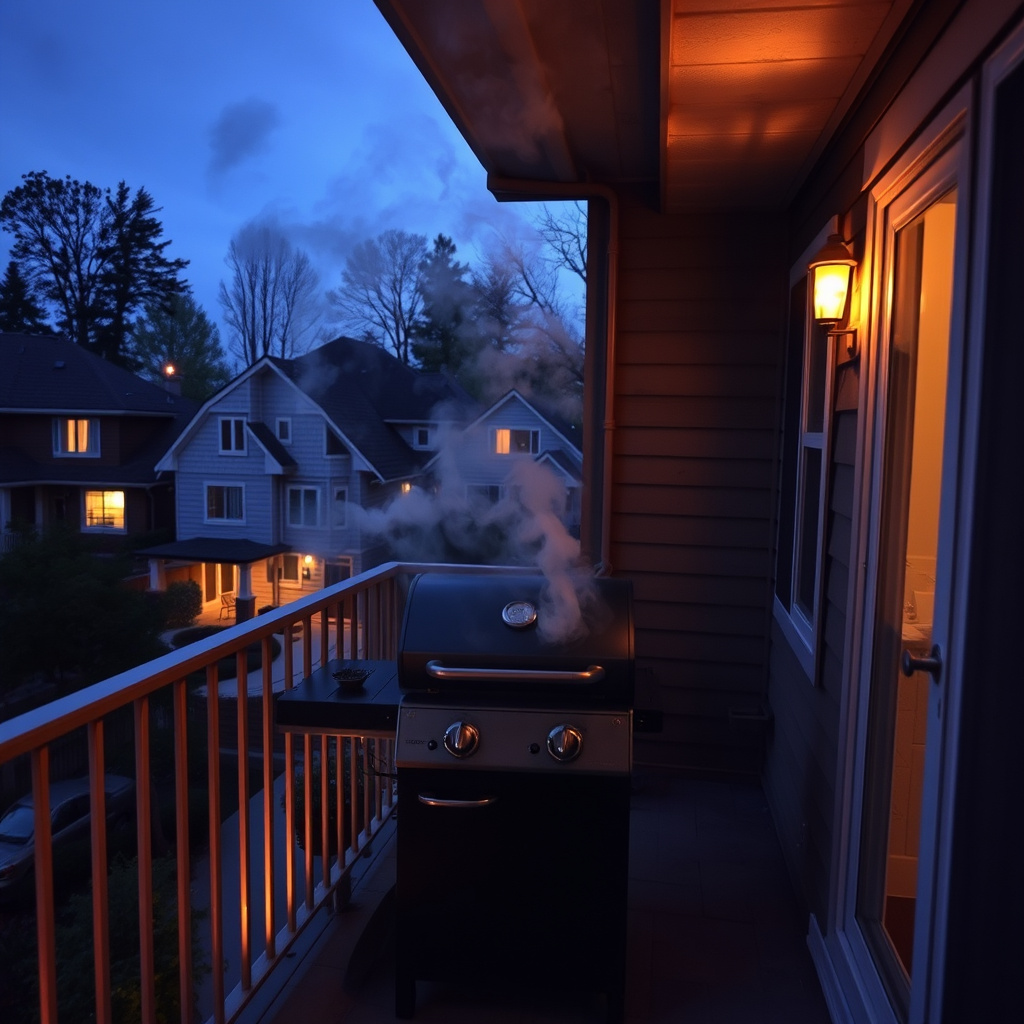
Balcony grilling, especially with charcoal, produces smoke that can enter neighboring apartments, triggering complaints or even health issues for residents with respiratory conditions.
Neighbors' proximity means smoke, odors, and noise from grilling can disrupt shared living spaces, making it a sensitive activity in closely packed urban dwelling.
- Smoke can penetrate windows and air intakes
- Odors linger longer in enclosed areas
- Noise from grills and gatherings may disturb neighbors
Reducing Environmental Impact
Charcoal produces carbon monoxide and particulate matter, which contributes to air pollution even on a small scale within residential settings. Using sustainable fuels and cleaning grills properly helps reduce this impact.
Electric and propane grills provide cleaner alternatives that release fewer emissions and are friendlier options for dense neighborhoods.
- Choose natural lump charcoal over briquettes
- Avoid chemical starters where possible
- Regular maintenance reduces residue and pollution
How to Get Approval for Balcony Grilling

Communicating with Building Management
Discuss your desire to use a charcoal grill openly with your landlord or building manager. Present plans showing safety precautions to demonstrate responsibility and willingness to comply with rules.
Some management may permit grilling if provided evidence of safe practice and no history of complaints.
- Request written permission or policy documentation
- Ask about any specific restrictions
- Offer to cover liability if required
For more on this, see our related guide: Are Gas Grills Safe? Key Safety Tips and Risks Explained.
Understanding Lease Agreements and Insurance
Review your lease or HOA documents for clauses about grills and open flames. Insurance policies might also include penalties or increased premiums for fires linked to balcony grilling.
Being informed about these conditions can prevent legal or financial consequences from unauthorized grilling.
- Check for explicit grill prohibitions
- Clarify insurance implications with your provider
- Keep documentation handy in case of disputes
Maintenance and Cleanup After Balcony Grilling
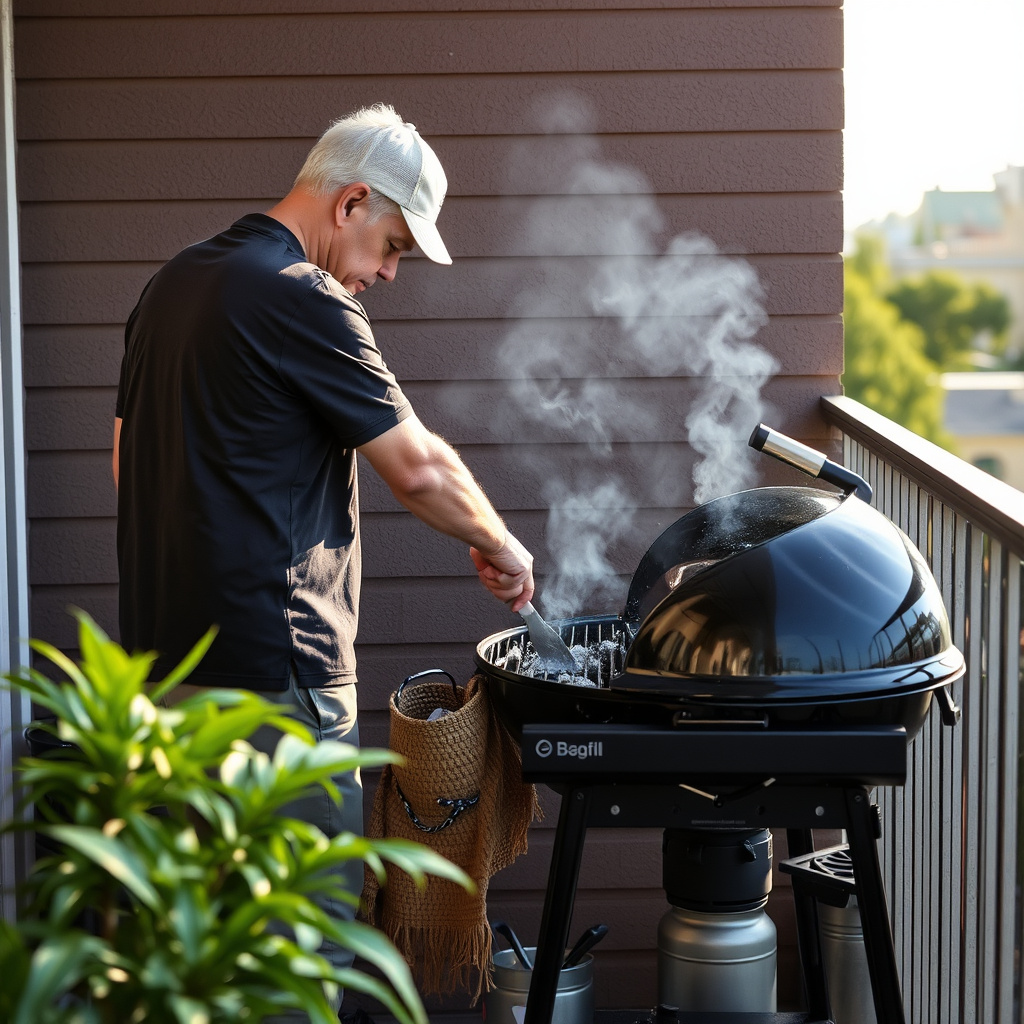
Proper Ash Disposal and Grill Cleaning
After grilling, ensure ashes are completely cooled before disposal to prevent fires. Store grill residues in metal containers and never discard hot ashes into regular trash bins.
Regular cleaning of grill surfaces and drip trays prevents buildup of grease that can ignite or create odors.
- Cool ashes for at least 48 hours
- Use non-toxic cleaners for grills
- Avoid drainage systems when cleaning
For verified safety recommendations regarding grilling, refer to the official charcoal grill safety guidelines provided by the US Fire Administration. charcoal grill safety guidelines.
Preventing Pest and Odor Issues
Balcony grills can attract pests like rodents if grease and food scraps are left behind. Frequent cleaning and securing food waste helps maintain hygiene on tight balcony spaces.
Cleaning also reduces smoke smells that can permeate neighboring apartments.
- Dispose of food scraps immediately
- Cover grill between uses
- Use odor-neutralizing sprays if needed
Comparison of Balcony-Friendly Grill Types
Here's a quick comparison of popular grill categories suitable for balcony use, highlighting safety, ease, and flavor impact.
| Grill Type | Open Flame | Smoke Production | Building Approval Likelihood | Flavor Authenticity |
|---|---|---|---|---|
| Charcoal Grill | Yes | High | Often Prohibited | Best for Smoky Flavor |
| Propane Grill | Yes | Moderate | Sometimes Allowed | Good Grilling Flavor |
| Electric Grill | No | Low | Usually Allowed | Less Smoky Flavor |
| Portable Infrared Grill | Yes | Low to Moderate | Varies | Balanced Flavor |
Frequently Asked Questions
Are charcoal grills generally safe to use on balconies?
Charcoal grills pose significant fire hazards on balconies due to open flames and sparks; they are often not safe or allowed in most residential buildings.
Can I use an electric grill on my balcony instead of a charcoal one?
Yes, electric grills are usually allowed on balconies as they produce less smoke and no open flames, making them safer and more compliant with many building policies.
What should I do if my lease prohibits charcoal grilling on the balcony?
You should follow your lease rules and consider alternative grills, like electric or propane, or ask your management for exceptions; violating lease terms can lead to penalties.
How can I reduce smoke and smell impact when grilling on a balcony?
Using cleaner fuels, maintaining your grill, grilling during wind-allowing times, and keeping grills away from walls help reduce smoke and odors affecting neighbors.
Is it necessary to get written approval for balcony grilling?
Yes, obtaining written permission from your property management ensures you comply with policies and avoid disputes or fines related to balcony grilling.
Key Takeaways
- Using a charcoal grill on balconies is often restricted due to fire risks and regulations.
- Electric grills offer safer, smoke-minimizing alternatives for balcony cooking.
- Always check local laws, lease agreements, and get management approval before grilling.
- Proper safety measures and cleanup minimize hazards and neighbor disturbances.
Conclusion
Choosing whether to use a charcoal grill on your balcony requires careful evaluation of local fire codes, building policies, and safety risks. Charcoal grills create open flames and smoke that can endanger residents and property. Understanding these factors helps guide your decisions to avoid legal trouble and keep your home safe.
For most apartment dwellers, electric grills or certain propane models provide practical alternatives with fewer restrictions. These options still enable enjoyable grilling with less smoke and fire hazards. If you reside in a property with strict grilling policies, discussing your plans with management and following their guidelines increases your chances of safely grilling without conflicts.
Ultimately, prioritizing safety, compliance, and neighbor consideration leads to the best outcomes for balcony grilling. If charcoal grilling isn’t permitted, try an electric grill or propane unit designed for small spaces, and always maintain safety practices such as proper ventilation and fire equipment nearby. Starting with these steps helps you enjoy outdoor cooking responsibly in your urban environment.



