Knowing when meat is done smoking comes down to checking its internal temperature and texture rather than relying solely on time or color. Using a reliable meat thermometer is the most accurate way to determine doneness, so you don’t undercook or over-smoke your meat.
Smoking is a slow cooking process that imparts flavor while gently cooking the meat, which means timing can vary depending on factors like meat thickness, smoker type, and temperature. Recognizing specific visual and tactile cues supplements temperature checks and helps you confidently pull smoky meat at its best.
This article will cover the key signs to look for when meat is done smoking, how to use a meat thermometer effectively, differences in doneness for popular meats like brisket and ribs, and tips for judging texture and resting your smoked meat properly.
Understanding Internal Temperature for Smoking Meat
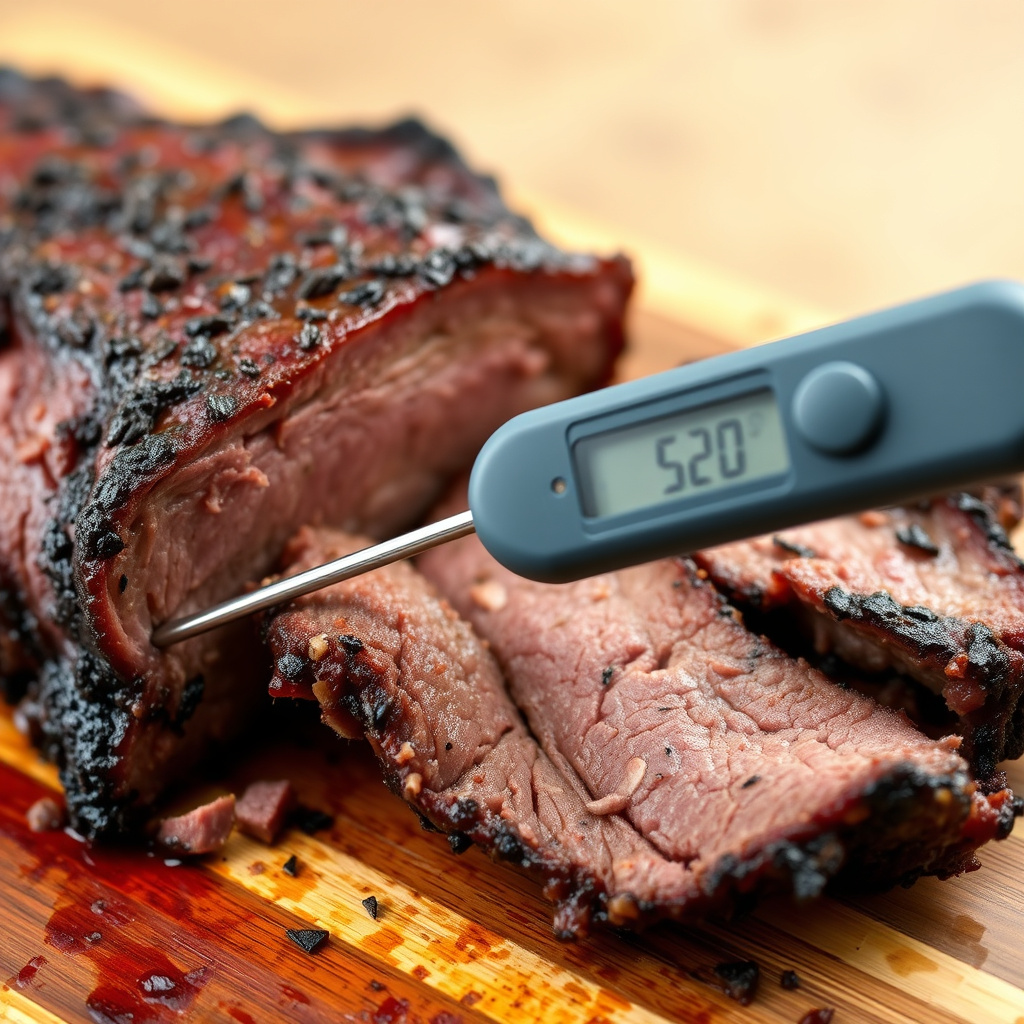
Using a Meat Thermometer Accurately
The best way to confirm smoked meat is done is by measuring its internal temperature. Insert a digital or instant-read meat thermometer into the thickest part, avoiding bone or fat pockets that can skew readings. Most meats require specific temperature targets to be safe and tender.
Monitoring temperature lets you avoid guesswork and improves consistency. For example, smoked pork shoulder is safe at 195-205°F while brisket is typically done at around 203°F. Insert the thermometer during the last stages of smoking so you don’t lose heat by opening your smoker too often.
- Calibrate thermometer regularly
- Insert straight without angling
- Check temperature in multiple spots
Common Temperature Benchmarks
Different smoked meats have distinct temperature ranges signaling doneness. Poultry like smoked chicken should hit 165°F internally, while ribs are tender between 190-203°F depending on preference. Temperature ranges correlate with the breakdown of collagen and connective tissue.
Keeping your smoker steady between 225°F and 275°F helps the meat cook evenly and develop the classic smoke ring. Falls outside this range can prolong smoking or dry out the meat, so use a thermometer combined with visual cues for best results.
- Chicken: 165°F
- Brisket: 195-203°F
- Pork Ribs: 190-203°F
- Pork Shoulder: 195-205°F
Visual and Tactile Signs Meat Is Done Smoking
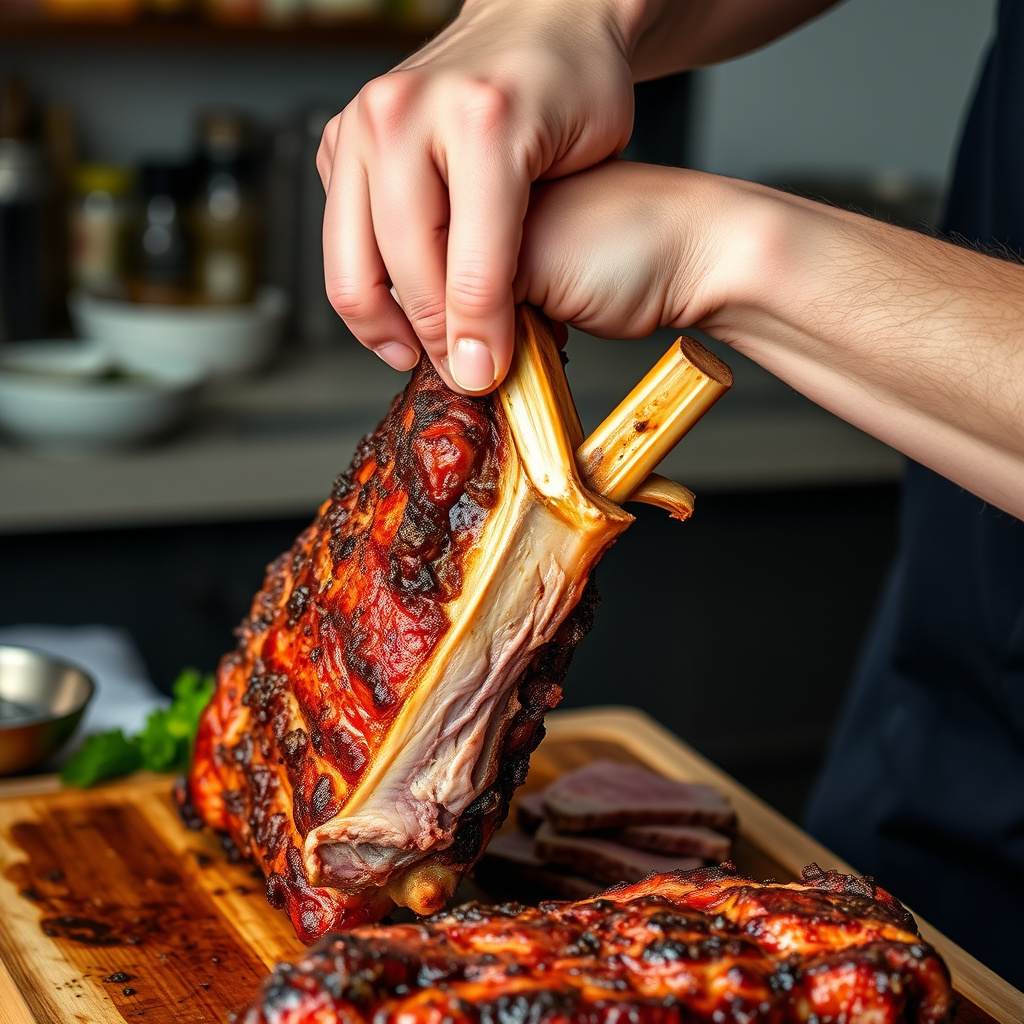
Texture and Flexibility
Gently pressing or picking up smoked meat offers clues to doneness. For ribs, meat should slightly pull away from the bone and feel tender but still firm. Brisket’s bark (outer crust) will be firm and almost springy when poked.
Avoid relying solely on appearance. Sometimes meat looks ready but lacks the internal tenderness, so the tactile check combined with temperature creates confidence. A probe or skewer inserted should slide in with slight resistance without feeling mushy or raw.
Color of the Smoke Ring and Bark
A pink smoke ring just beneath the crust is a hallmark of well-smoked meat, though it doesn’t indicate doneness on its own. The bark should be dark, rich, and flavorful but not burnt. If the bark is too soft or pale, it usually needs more time in the smoker.
While visual cues support doneness assessment, they vary with wood type and smoker conditions. For consistent results, rely primarily on temperature and texture combined with these signs.
Resting and Carryover Cooking After Smoking Meat
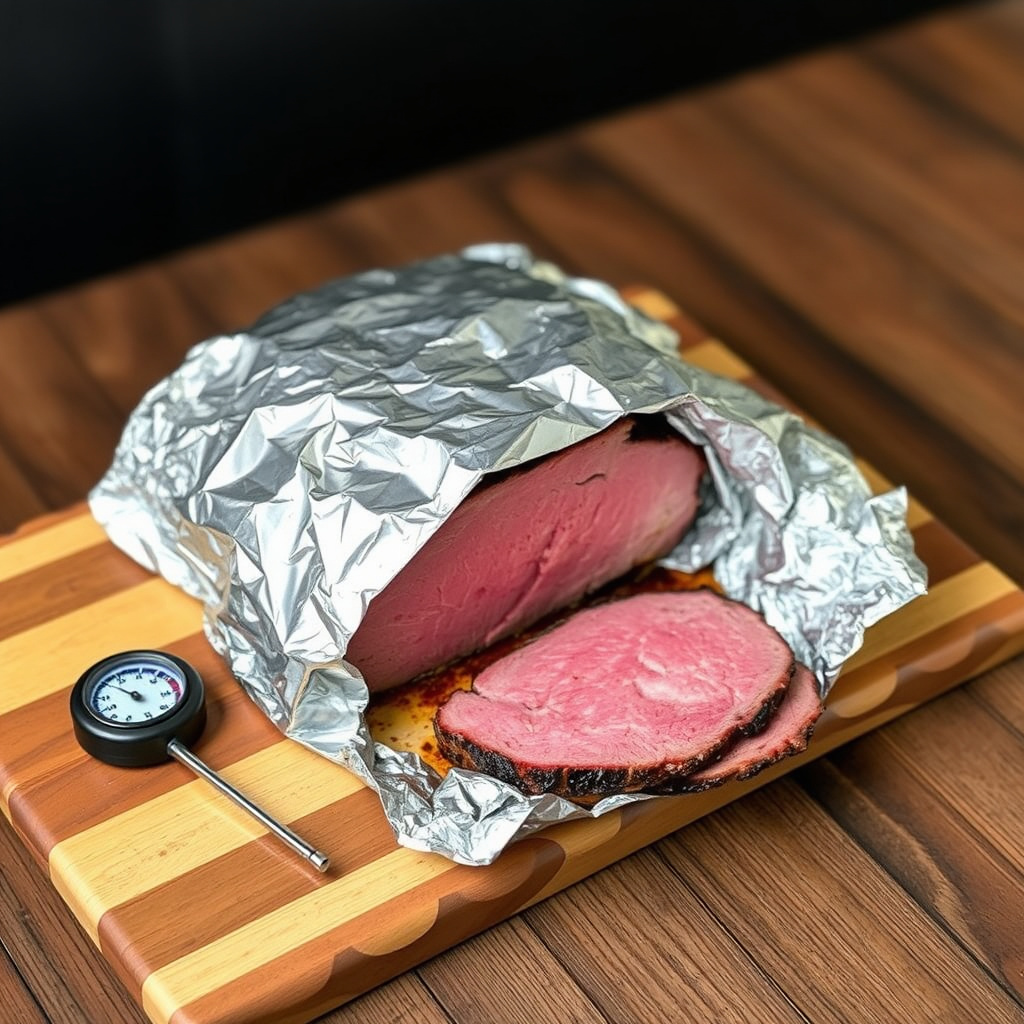
Importance of Resting Smoked Meat
Allowing smoked meat to rest for at least 20-30 minutes after removing it from the smoker redistributes juices, making the meat juicier and more tender. Resting also lets residual heat finish cooking the meat slightly, known as carryover cooking.
If sliced too early, meat will lose more moisture. Wrap the meat loosely in foil or butcher paper during rest to maintain warmth without steaming the bark.
- Rest 20-30 minutes before slicing
- Use foil or butcher paper to wrap
- Avoid cutting immediately to preserve juices
For more on this, see our related guide: How to Use a Grill Thermometer for Perfectly Cooked Meats Every Time.
Carryover Cooking Effects
Carryover cooking happens as meat continues to rise 5-10°F internally after removal from heat. For brisket and pork shoulder, this means removing them just before peak temperature can prevent dryness.
Plan to pull meat from the smoker at about 5°F below your target temperature. This approach accounts for temperature rise during rest and ensures meat is tender and safely cooked.
Time Guidelines for Different Types of Smoked Meat
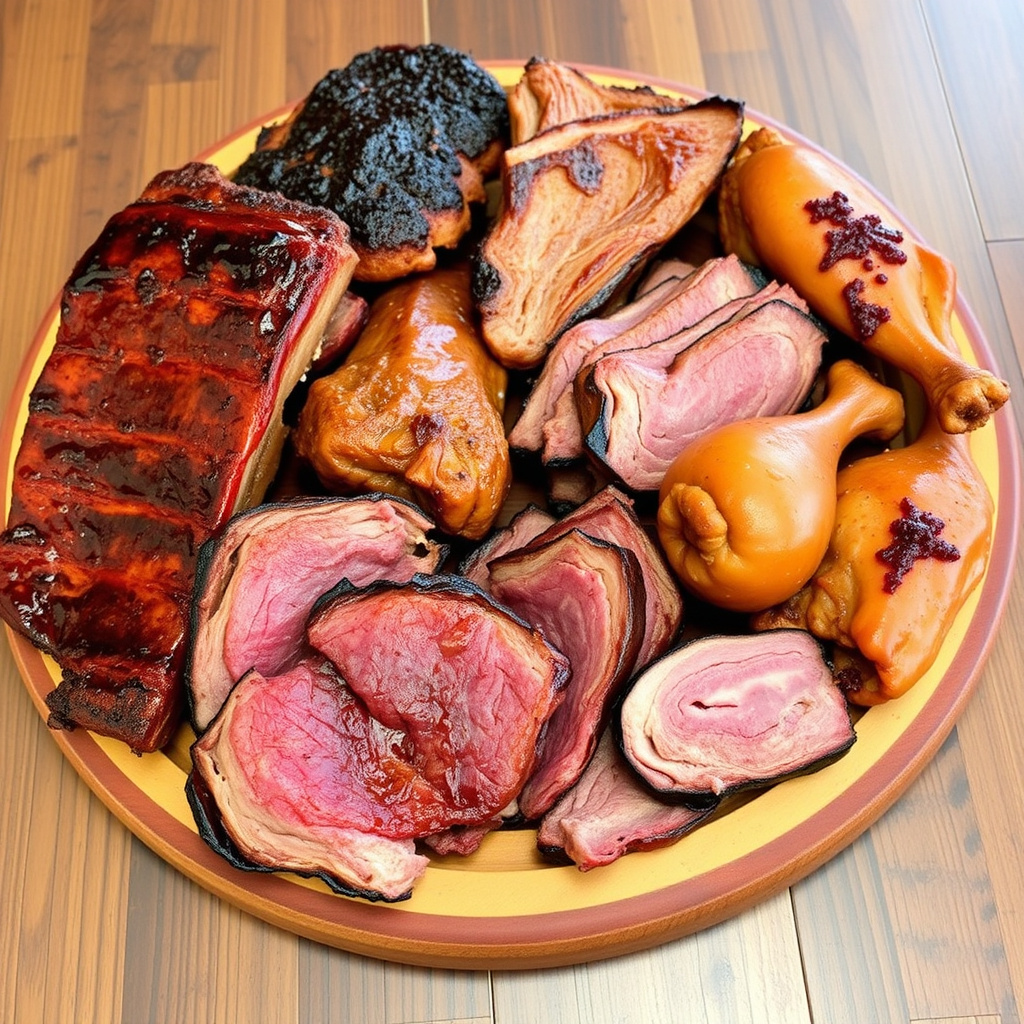
Estimating Smoke Times
While time isn’t a definitive doneness indicator, rough guidelines help plan your smoking sessions. Pork ribs typically take 4-6 hours, brisket can require 10-14 hours, and poultry like chicken often finishes around 3-5 hours depending on size.
These estimates depend on cooking temperature and meat thickness, so combine with temperature checks and other signs. With experience, you’ll develop a better sense of timing but always verify doneness with thermometer.
- Pork ribs: 4-6 hours
- Brisket: 10-14 hours
- Chicken: 3-5 hours
- Pork shoulder: 8-12 hours
Adjusting Time Based on Smoker and Wood Type
A pellet smoker might maintain consistent heat better than a charcoal smoker, leading to more predictable cooking times. Conversely, wood type and moisture content affect smoke intensity and can slow down cooking slightly.
Slower, cooler smokes develop flavor but increase cook time. Plan extra time if cold weather or frequent smoker opening slows the process.
Tools and Techniques for Monitoring Smoking Progress
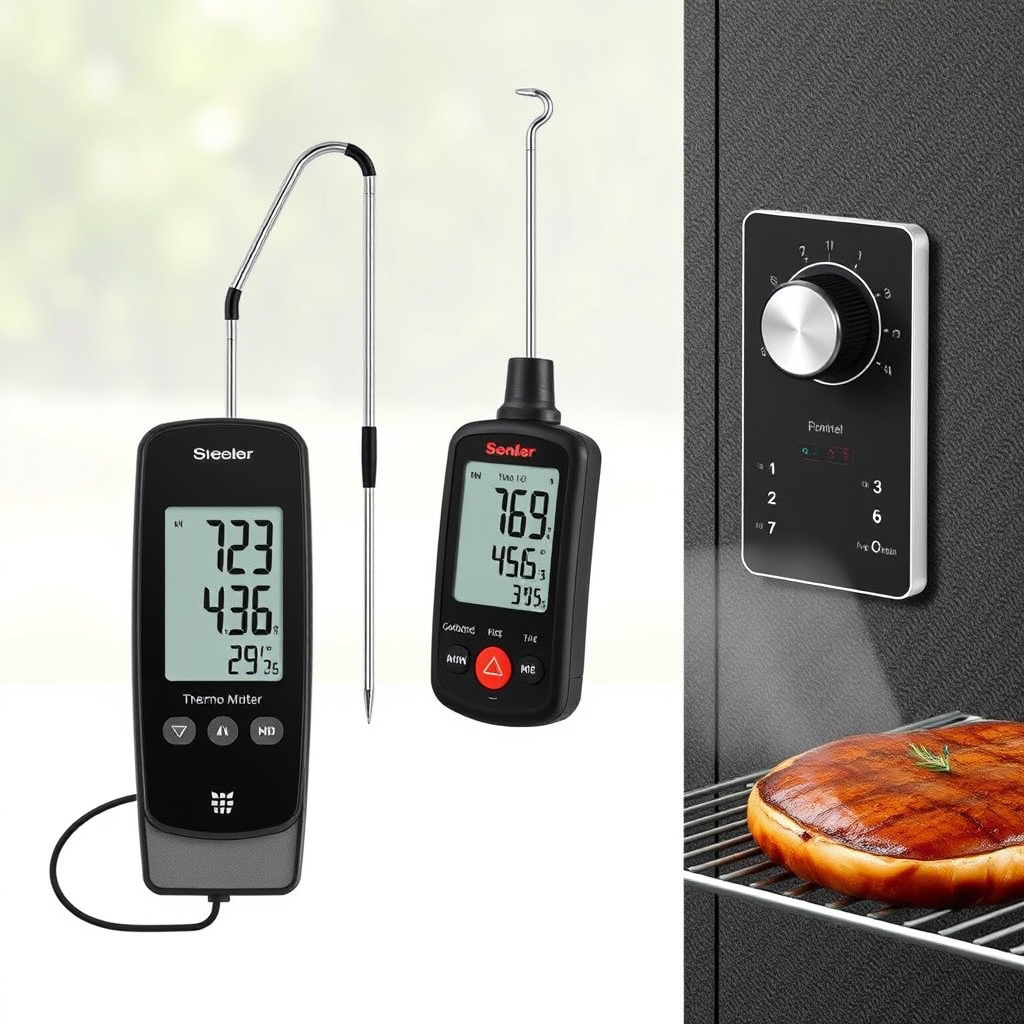
Using Wireless Thermometers and Probes
Wireless or Bluetooth-enabled probes allow monitoring internal meat temperature remotely without opening the smoker, maintaining heat and smoke consistency. Set alerts for specific temperatures to remove guesswork.
These tools are especially helpful for long smokers like brisket because they reduce the risk of heat loss and let you track temperature trends over time remotely.
- Wireless probe thermometers for real-time monitoring
- Temperature alerts to notify doneness
- Multiple probes for different meat spots
For more on this, see our related guide: Understanding the Difference Between a Grill and a Smoker.
Maintaining Smoker Temperature Consistency
Stable smoker temperatures between 225°F and 275°F make it easier to predict when meat will be done and avoid temperature spikes that risk drying out meat. Use vents, fuel adjustments, or digital smoker controls to maintain steady heat.
Consistent heat ensures even cooking throughout and helps develop a uniform smoke ring and bark, key indicators of well-smoked meat.
Special Considerations for Different Meat Cuts
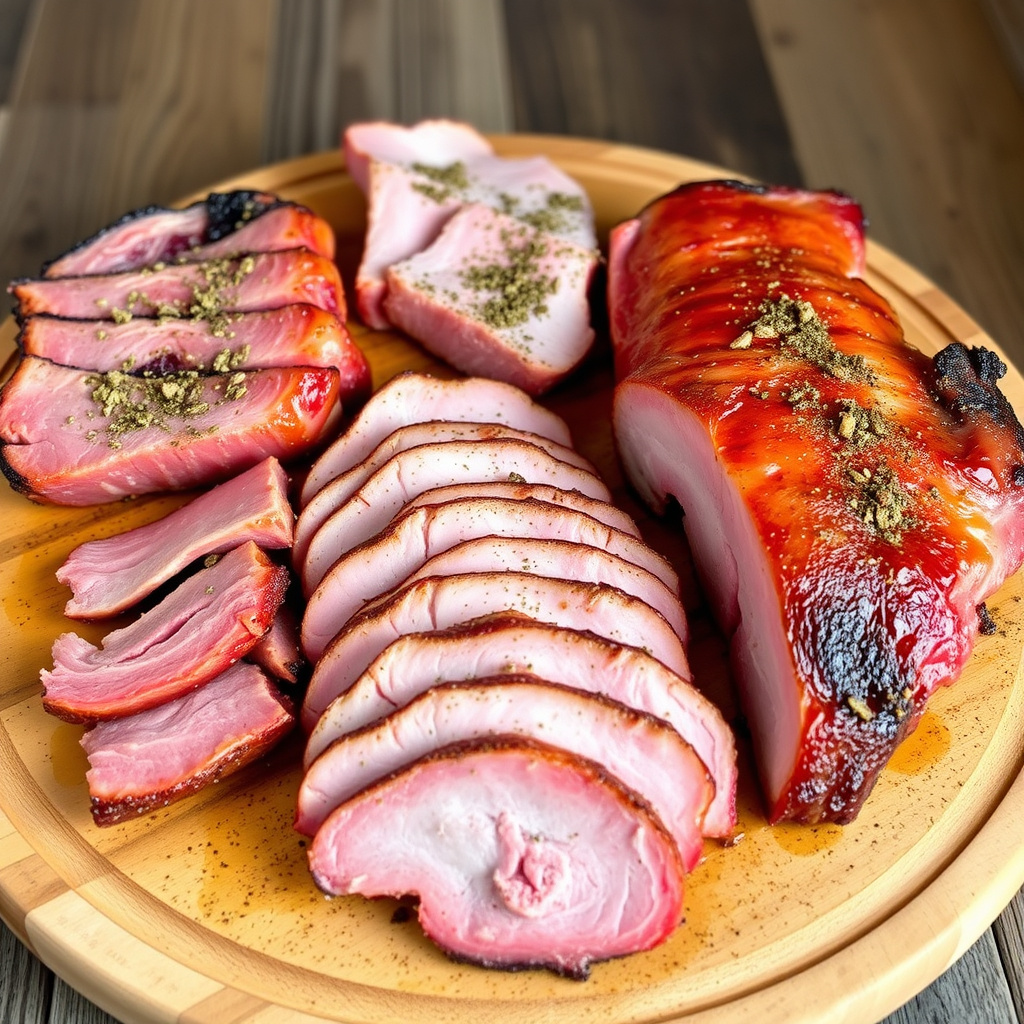
Brisket Specific Doneness Tips
Brisket requires precise temperature and texture checks due to its dense connective tissue. Pull at around 203°F when the probe slides in with little resistance and the bark is firm. Allow resting time for collagen to soften further.
If the probe meets high resistance, the meat likely needs more time. Brisket’s fat cap should be rendered and slightly crispy to confirm doneness.
- Target 200-203°F internal temperature
- Look for probe tenderness
- Check bark and fat rendering
For official advice on safe smoking temperatures and food handling, consult these smoking meat safety guidelines. smoking meat safety guidelines.
Ribs and Poultry Doneness Indicators
For ribs, a slight bend when lifted and meat pulling back from the bones are visual signs, coupled with an internal temperature of 190-203°F based on preference. Chicken is done at 165°F, usually with crispy skin and juices running clear.
Avoid overcooking ribs which dry out quickly; tracking temperature with the smoking meat temperature guide helps find the right balance.
Smoking Meat Category Comparison
This table compares popular smoked meats by typical cooking time, target internal temperature, and key doneness signs.
| Meat Cut | Approximate Smoke Time | Target Internal Temperature | Key Doneness Indicator |
|---|---|---|---|
| Brisket | 10-14 hours | 200-203°F | Probe slides in with slight resistance |
| Pork Ribs | 4-6 hours | 190-203°F | Meat pulls back from bone, slight bend |
| Pork Shoulder | 8-12 hours | 195-205°F | Meat is tender and probe slides easily |
| Smoked Chicken | 3-5 hours | 165°F | Clear juices, firm skin |
| Smoked Sausage | 2-3 hours | 160-165°F | Firm texture, juices run clear |
Frequently Asked Questions
Can I tell if meat is done smoking by color alone?
Color isn’t a reliable indicator since smoke ring and bark vary by wood and time. Internal temperature and texture are better indicators of doneness than appearance.
What happens if I remove smoked meat too early?
Removing meat too early can result in toughness and undercooked texture because collagen hasn’t broken down fully. Resting won’t fix undercooked meat, so accuracy is key.
Is it safe to eat smoked meat without checking temperature?
No, relying on temperature ensures the meat reaches a safe internal level to prevent foodborne illness. Visual and tactile cues alone aren’t enough.
How long should I let smoked meat rest before slicing?
Rest smoked meat for 20-30 minutes wrapped loosely to allow juices to redistribute, improving tenderness and preventing drying.
Does meat keep cooking after I remove it from the smoker?
Yes, carryover cooking raises the internal temperature 5-10°F as heat redistributes, so it’s best to remove meat slightly before your target temperature.
Key Takeaways
- Use a reliable meat thermometer to check internal temperature for doneness.
- Combine temperature readings with tactile checks like tenderness and bark firmness.
- Rest meat after smoking to retain juices and finish cooking.
- Time guidelines vary; always confirm doneness with temperature and texture.
Conclusion
Evaluating when meat is done smoking depends largely on accurately measuring internal temperature alongside observing physical cues like texture and bark appearance. Relying only on smoke time or visual color can lead to inconsistent results since every cut cooks differently based on thickness, smoker type, and wood used. Investing in a quality meat thermometer and learning key temperature benchmarks lets you remove guesswork and serve smoky meats at their best tenderness and flavor every time.
For specific meats like brisket, pork shoulder, ribs, and poultry, following the smoking meat temperature guide will help decide when they reach safe and ideal doneness. For example, brisket is typically done around 203°F with a tender probe feel, while ribs finish between 190-203°F with pulling back from the bone. Time estimates complement these measures but vary greatly with conditions, so always prioritize temperature checks. Resting your smoked meat wrapped loosely is a vital step to allow carryover cooking and juicy slices.
Start by selecting a dependable digital thermometer or wireless probe setup to track your smoking efforts closely. Stick to recommended internal temperatures, observe tactile and visual signs, and give meats adequate resting time after smoking. This approach ensures reliably delicious smoked meats without drying out or undercooking. By applying these practical techniques, your next smoked barbecue will come off perfectly every time.