The best way to tell when brisket is done is to check for tenderness and internal temperature. Ideally, brisket is ready when it reaches approximately 195°F to 205°F and feels soft when probed with a meat thermometer or skewer. This range ensures the connective tissues have broken down, creating a tender and flavorful result.
Many home cooks struggle with knowing exactly when their brisket is ready because timing can vary based on the cut, cooking method, and temperature. Overcooking can dry it out, while undercooking leaves it tough and chewy. Monitoring both the temperature and texture is key to nailing that perfect brisket every time.
This article will explore various ways to identify when brisket is done, including temperature guidelines, texture tests, common mistakes to avoid, equipment recommendations, and tips on resting and slicing for best results.
Understanding Brisket Doneness: Temperature and Texture
Ideal Internal Temperature for Brisket
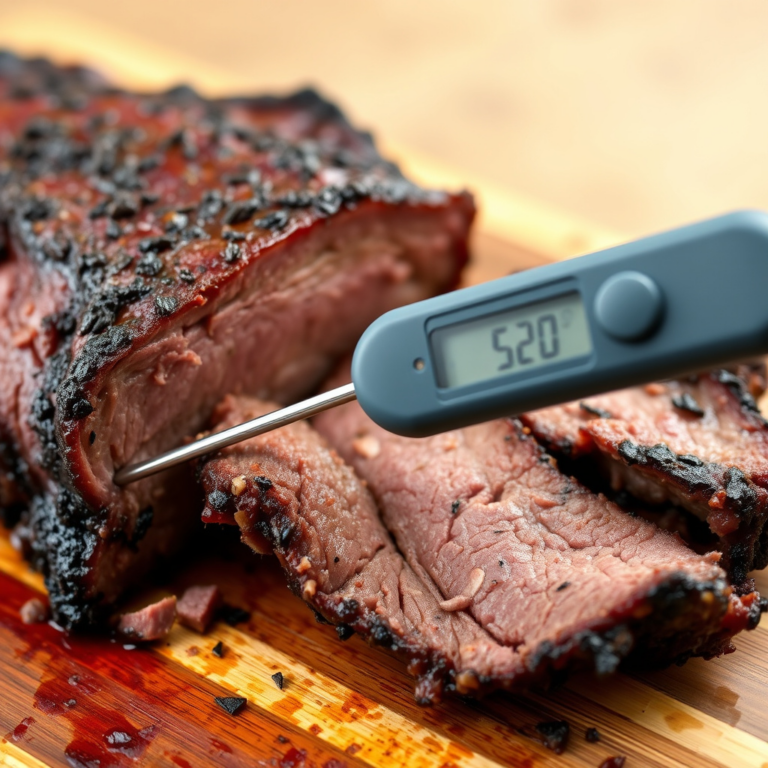
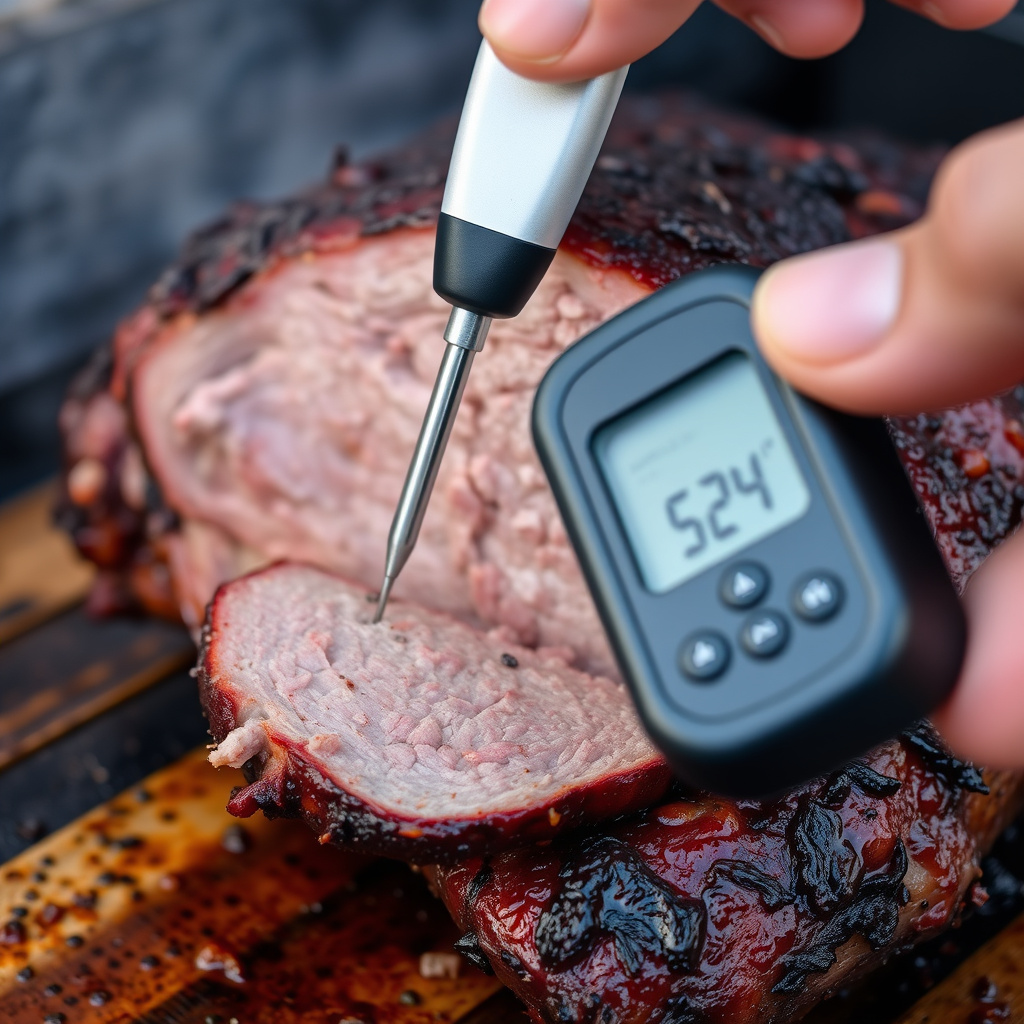
Brisket is typically done when the internal temperature reaches between 195°F and 205°F. This range allows the collagen within the connective tissue to break down, making the meat tender. Lower than 190°F, the brisket is usually too tough and chewy despite being cooked for a long time.
Using a reliable meat thermometer lets you track this temperature accurately. Insert the probe into the thickest part of the brisket, avoiding fat pockets and bones for the best reading. Slow cooking at low temperatures enables the brisket to cook evenly and reach the desired doneness.
- Target temperature: 195°F to 205°F
- Insert probe into thickest area
- Avoid fat pockets and bones
Texture Tests to Confirm Doneness
Beyond temperature, texture is a vital sign of doneness for brisket. A proper test involves inserting a probe, skewer, or toothpick; it should slide in and out with little resistance, similar to the softness of warm butter.
Another test is the 'bend test' where the brisket should bend easily when lifted but not fall apart entirely. This indicates that the internal fibers and connective tissues have softened sufficiently without drying out the meat.
- Probe skewer soft insertion
- 'Bend test' for flexibility
- Avoid excessive crumbling
Tools and Techniques to Determine Brisket Doneness
Choosing the Right Meat Thermometer
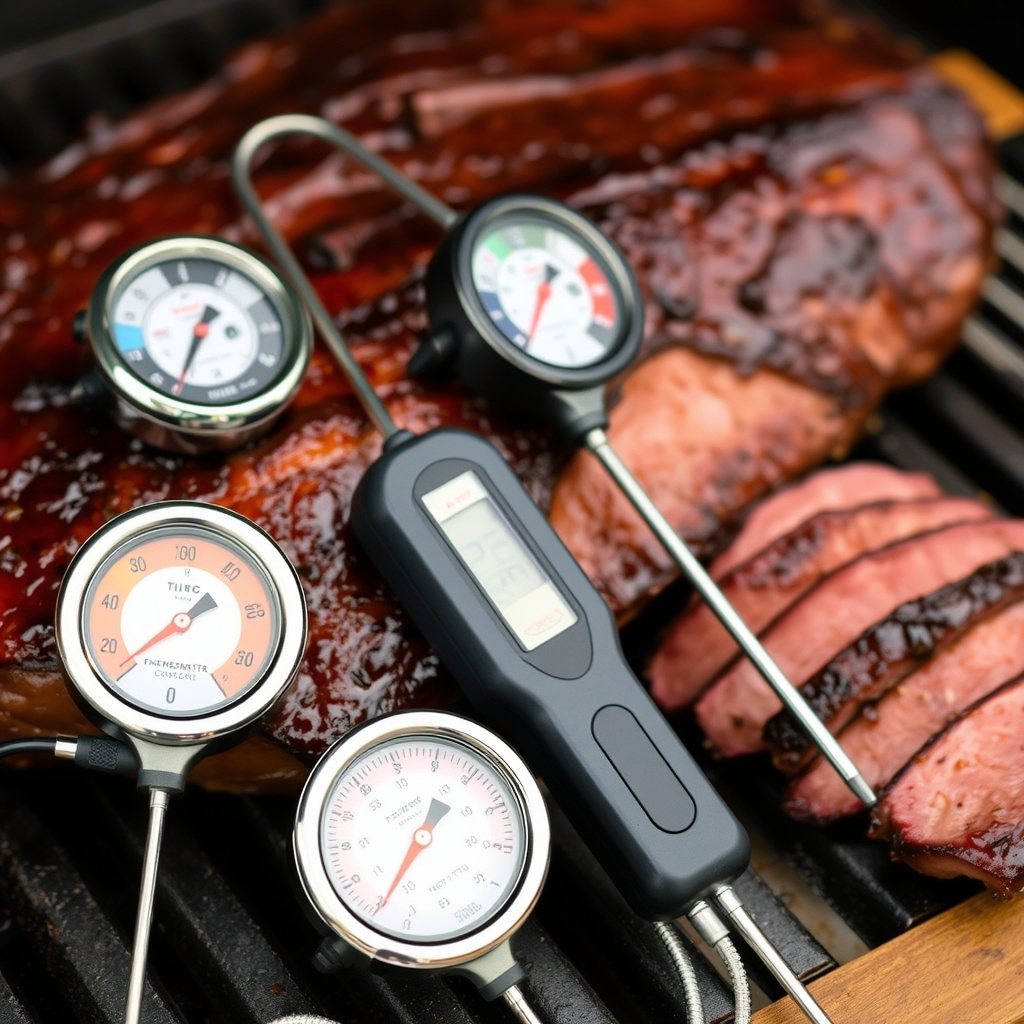
A digital instant-read thermometer offers quick and accurate temperature readings, which is essential for checking doneness without letting heat escape from the cooking vessel.
Wireless or Bluetooth thermometers can provide real-time updates without opening the smoker or oven, preserving cooking temperature and improving results.
- Instant-read digital thermometers
- Wireless meat probe thermometers
- Calibration for accuracy
Using the Skewer Test and Other Hands-On Methods
The skewer or probe test lets you assess the texture without cutting into the brisket, preserving juices. It is an immediate and effective way to tell if the meat fibers have softened.
Experienced pitmasters may also rely on visual cues such as the bark color, shrinkage, and the way the brisket yields under gentle pressure to decide doneness.
- Insert skewer with gentle resistance
- Observe bark texture and color
- Check for meat shrinkage
Common Mistakes When Determining Brisket Doneness
Relying Solely on Time Instead of Temperature
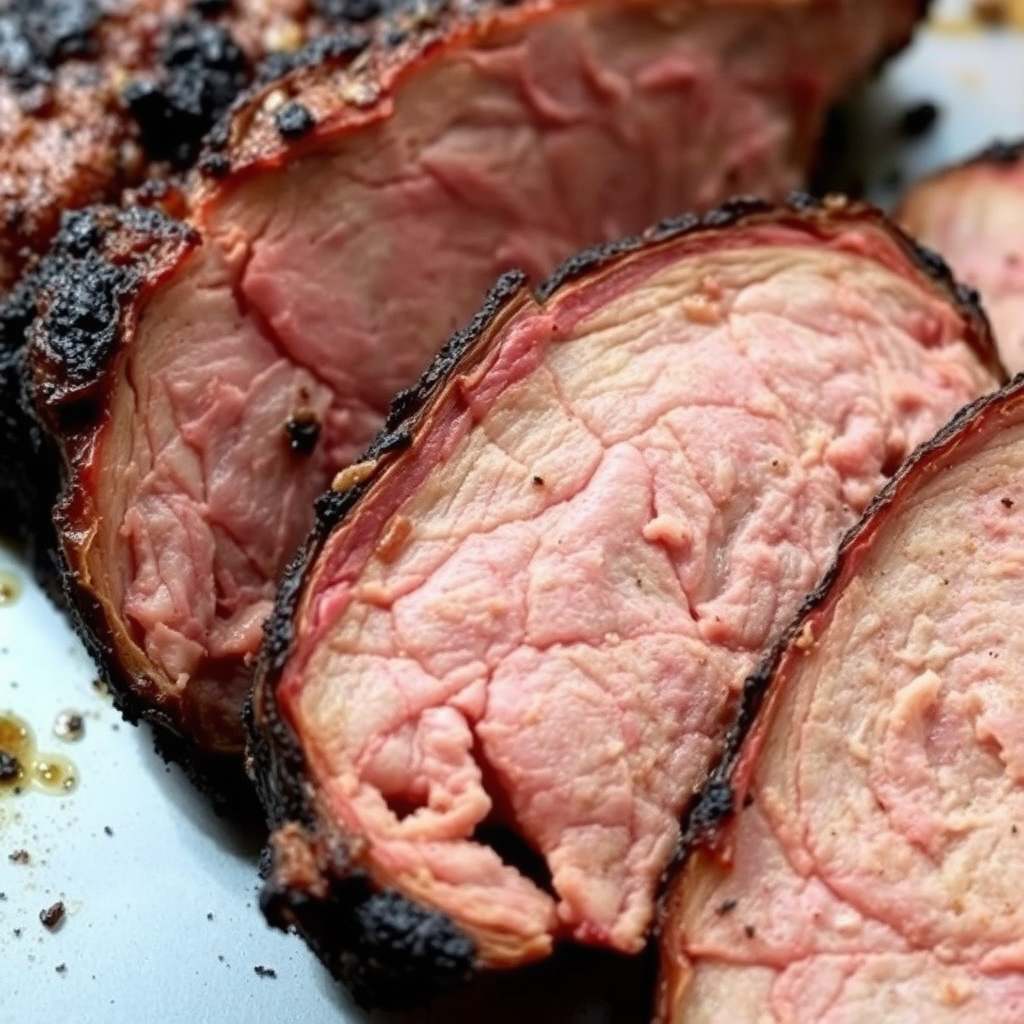
Many cooks set a fixed time and assume the brisket will be done by then. However, factors like meat thickness, smoker temperature fluctuations, and humidity can affect cooking time, making timing alone unreliable.
Using temperature and texture checks instead provides a more consistent and fail-safe method to catch perfect doneness.
Cutting the Brisket Too Early
Cutting into a brisket before allowing it to rest leads to loss of juices and can make meat seem dry. Rest allows juices to redistribute, improving tenderness and flavor.
Waiting at least 30 to 60 minutes after cooking in a warm environment is essential before slicing.
Resting and Slicing: Final Steps for Perfect Brisket
Best Practices for Resting Brisket
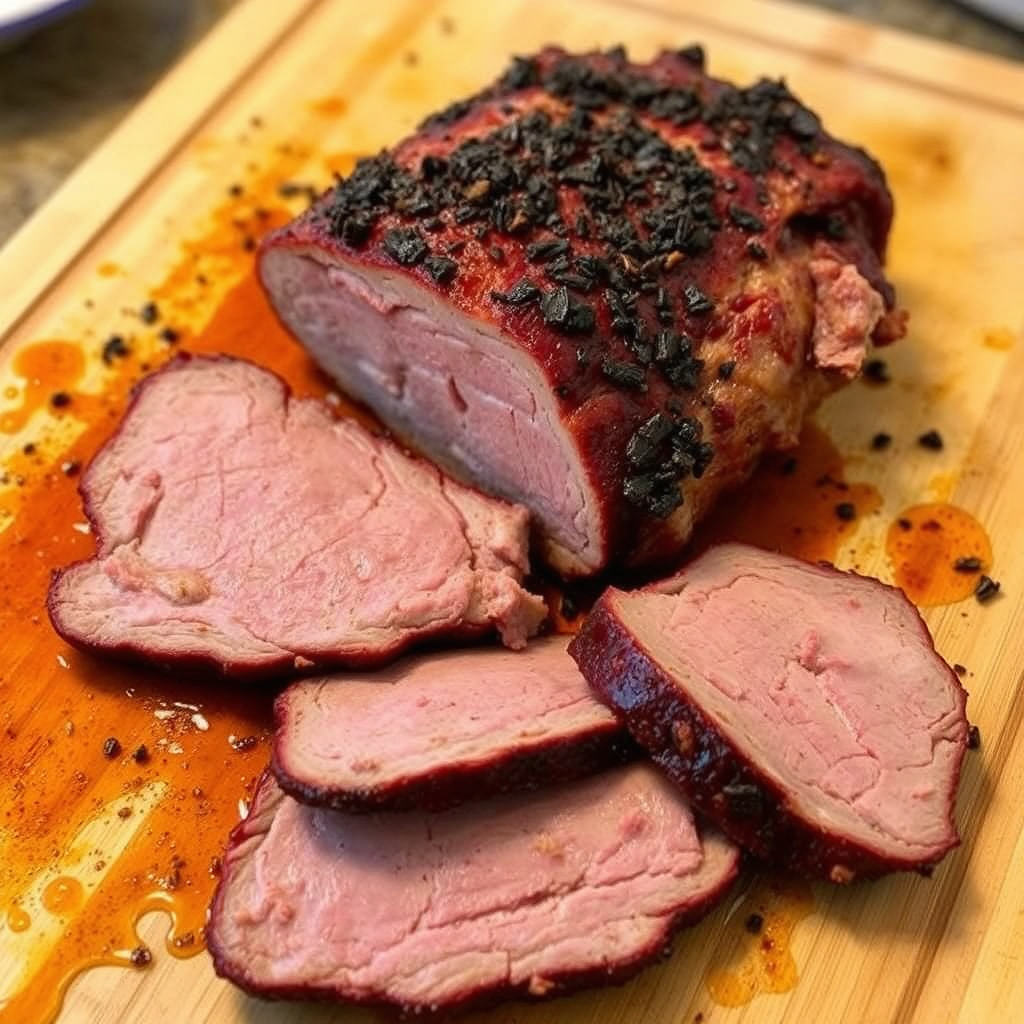
Resting the brisket after cooking is crucial to maintain juiciness. Wrap the meat loosely in foil or butcher paper and keep it insulated in a cooler or warm oven for 30–60 minutes.
This step helps redistribute the juices throughout the meat fibers, so every slice stays moist and tender.
- Use foil or butcher paper to wrap
- Rest for 30 to 60 minutes
- Keep in insulated environment
Slicing for Maximum Tenderness
Slice brisket against the grain in thin, even slices. Cutting with the grain results in tougher bites because the muscle fibers remain long and chewy.
Identify the grain direction carefully, especially as it can change in different parts of the brisket, and slice accordingly for the best mouthfeel.
- Slice against the grain
- Use a sharp knife
- Cut thin slices
Brisket Cooking Methods and Doneness Indicators
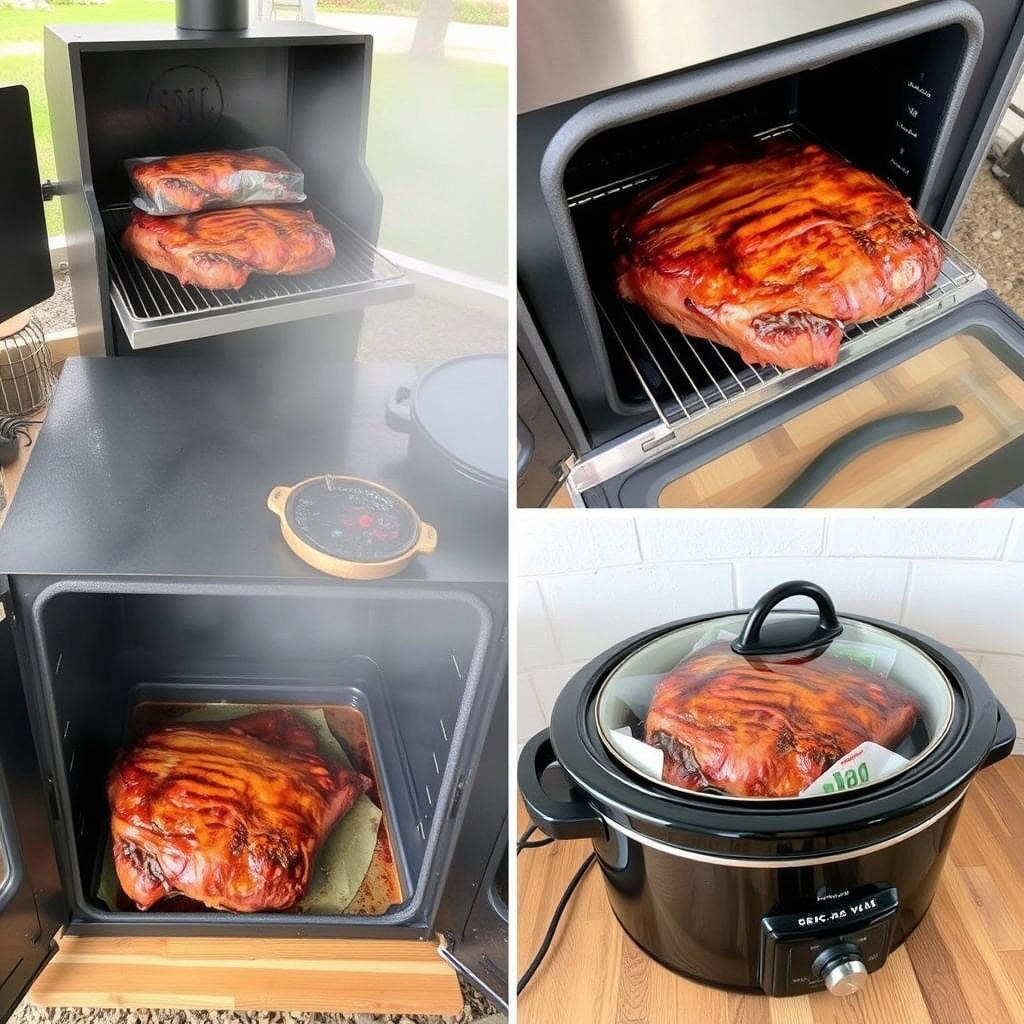
Smoked Brisket Doneness Signs
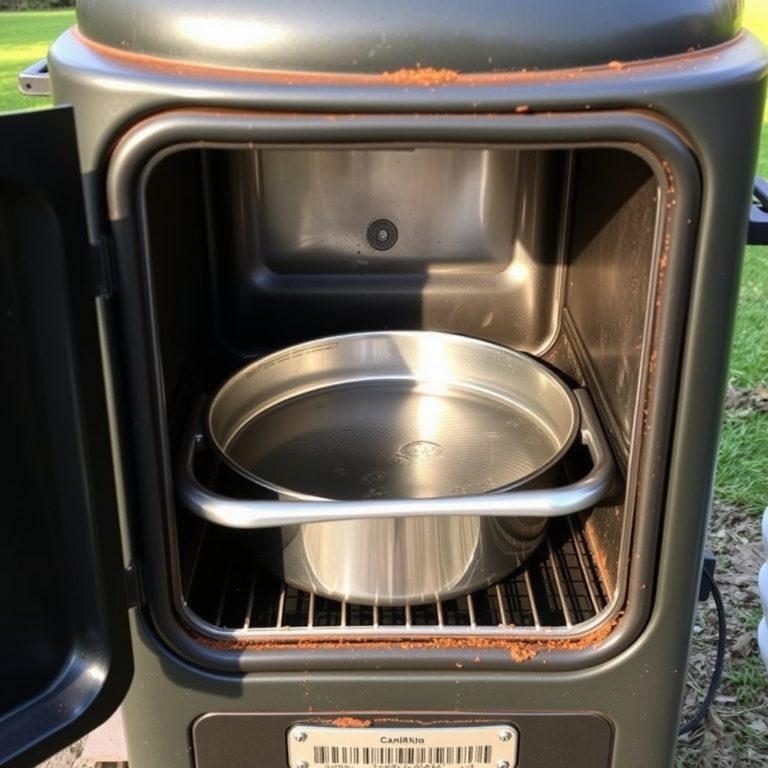
Smoked brisket tends to take longer and requires close monitoring of temperature and texture. Smoke ring formation, bark color, and probe tenderness help indicate doneness along with internal temp.
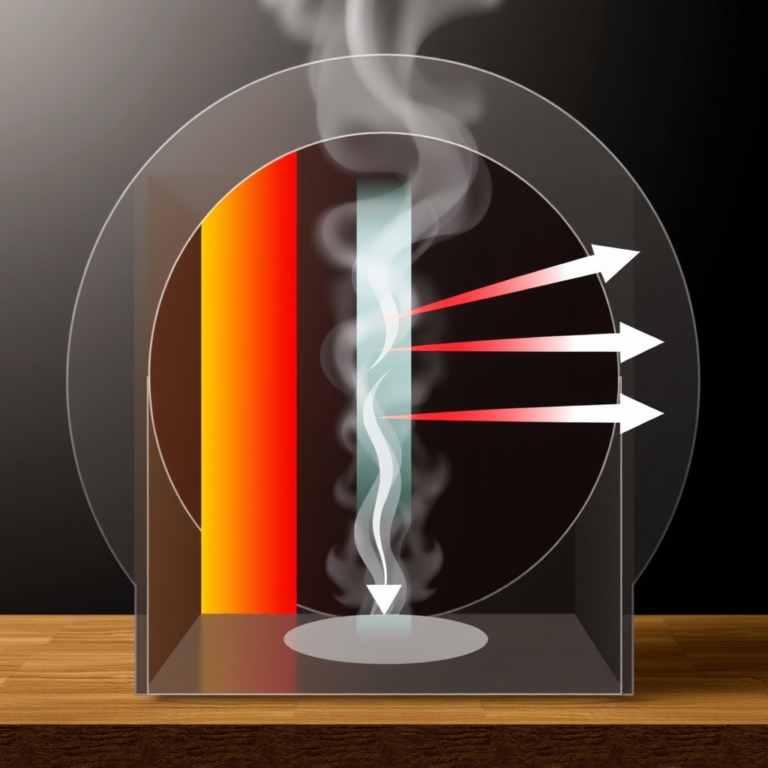
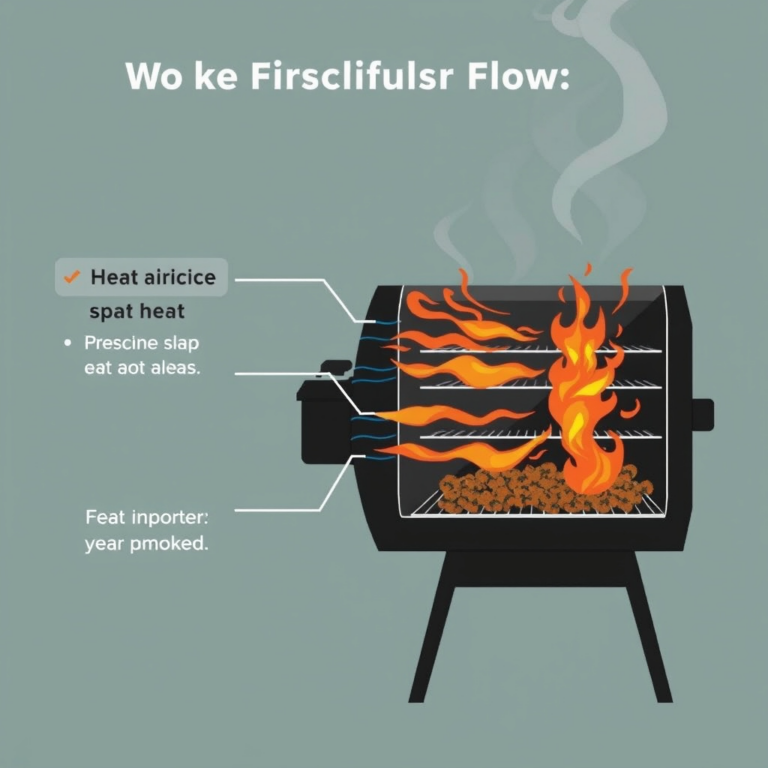
Because smokers often have variable heat zones, frequent checks with a thermometer and skewer are important.
- Look for smoke ring under bark
- Check bark crispness
- Probe tenderness
For more detailed background on brisket and its cooking variations, see the brisket cooking basics on Wikipedia. Brisket cooking basics on Wikipedia.
Oven and Slow Cooker Techniques
When cooking brisket in an oven or slow cooker, maintain a steady low temperature and check doneness primarily by internal temp and fork/tenderness tests since bark and smoke signs won’t apply.
Slow cooker briskets usually finish around the same 195°F to 205°F temperature, but cooking times may vary widely.
Remember that resting time still improves texture substantially.
- Maintain steady low heat (225°F-275°F)
- Use fork tenderness test
- Rest before slicing
Brisket Doneness Methods Category Comparison
Here’s a breakdown comparing popular methods to determine brisket doneness and their pros and cons.
| Method | Accuracy | Ease of Use | Best For |
|---|---|---|---|
| Internal Temperature (Thermometer) | High | Moderate | All Cooking Methods |
| Skewer/Probe Texture Test | Moderate | Easy | Experienced Cooks |
| Visual Cues (Bark Color, Smoke Ring) | Low | Easy | Smoked Brisket |
| Timed Cooking | Low | Easy | Beginners with consistent setup |
| Bend Test | Moderate | Moderate | Smoked Brisket |
Frequently Asked Questions
What temperature should brisket be to consider it done?
Brisket is usually done when it reaches an internal temperature between 195°F and 205°F, which allows collagen to break down and the meat to become tender.
Can I use just time to know when brisket is done?
Using only time is unreliable because different briskets and cooking conditions affect duration. Checking internal temperature and texture is more accurate.
How long should I rest brisket after cooking?
Rest brisket for 30 to 60 minutes wrapped in foil or butcher paper to let juices redistribute, which enhances tenderness and juiciness.
What’s the best way to slice brisket for tenderness?
Slice brisket thinly against the grain. Cutting against the grain shortens muscle fibers, resulting in a more tender bite.
Is the bend test a reliable way to know if brisket is done?
The bend test is a useful indicator for smoked brisket: when it bends easily but doesn’t fall apart, it signals the meat has softened properly.
Key Takeaways
- Check brisket internal temperature between 195°F-205°F for doneness
- Use texture tests like probe softness and bend test along with temperature
- Avoid relying on time alone to determine doneness
- Rest brisket properly before slicing to preserve juiciness
Conclusion
Deciding when brisket is done hinges primarily on monitoring internal temperature combined with assessing texture. While temperature gives you the scientific baseline—mostly between 195°F and 205°F—the best results come from also feeling the softness with a skewer or sensing flexibility with the bend test. These checks help you avoid overcooking, which dries out the meat, or undercooking, which yields toughness. Supplementing thermometer data with texture assessments adds confidence and avoids guesswork.
Depending on your cooking method, different signs take precedence. For smoked brisket, temperature paired with visual clues like bark color and smoke ring enhance your judgment. In ovens or slow cookers, texture and temperature remain the most reliable indicators since bark and smoke characteristics don't develop. Ultimately, the best brisket for everyday cooks blends temperature awareness with simple hands-on testing, not just a fixed time or one single method. Resting and slicing against the grain solidify the final step of serving a moist, tender brisket.
To get started, invest in a good instant-read or wireless meat thermometer and practice the probe and bend tests while cooking different cuts. Track your observations and refine your approach for the specific brisket you have. With practice, identifying when brisket is done becomes intuitive, making every cookout or family dinner a success.