You should clean your smoker after every 3 to 5 uses to maintain optimal cooking performance and flavor quality. Regular cleaning removes grease buildup, ash, and food residue, which can affect smoke circulation and impart off-flavors to your food. Light daily maintenance combined with periodic deep cleanings keeps your smoker working smoothly.
Keeping a smoker clean is essential because accumulated grease and ash can cause flare-ups and uneven heating. A dirty smoker compromises temperature control and can shorten the lifespan of the equipment. Plus, consistent cleaning ensures the smoky flavor remains pure and enjoyable without unwanted burnt or bitter notes.
This article will explore recommended cleaning intervals, step-by-step cleaning processes, materials you need, and how to perform both light and deep cleanings. You'll also learn how cleaning frequency varies based on smoker type and usage patterns.
Understanding Smoker Cleaning Frequency
Why Regular Cleaning Matters
Grease, ash, and food residues build up inside smokers with every use. This buildup not only affects the flavor of your food but also reduces the efficiency and safety of the smoker. Frequent cleaning prevents the buildup of harmful residues that can create flare-ups or block air vents, impacting temperature control.
Even subtle grease accumulation can trap smoke particles that alter flavor profiles negatively. Consistent cleaning protects the smoker's structure from corrosion and maximizes fuel efficiency by allowing proper airflow.
How Often to Clean: General Guidelines
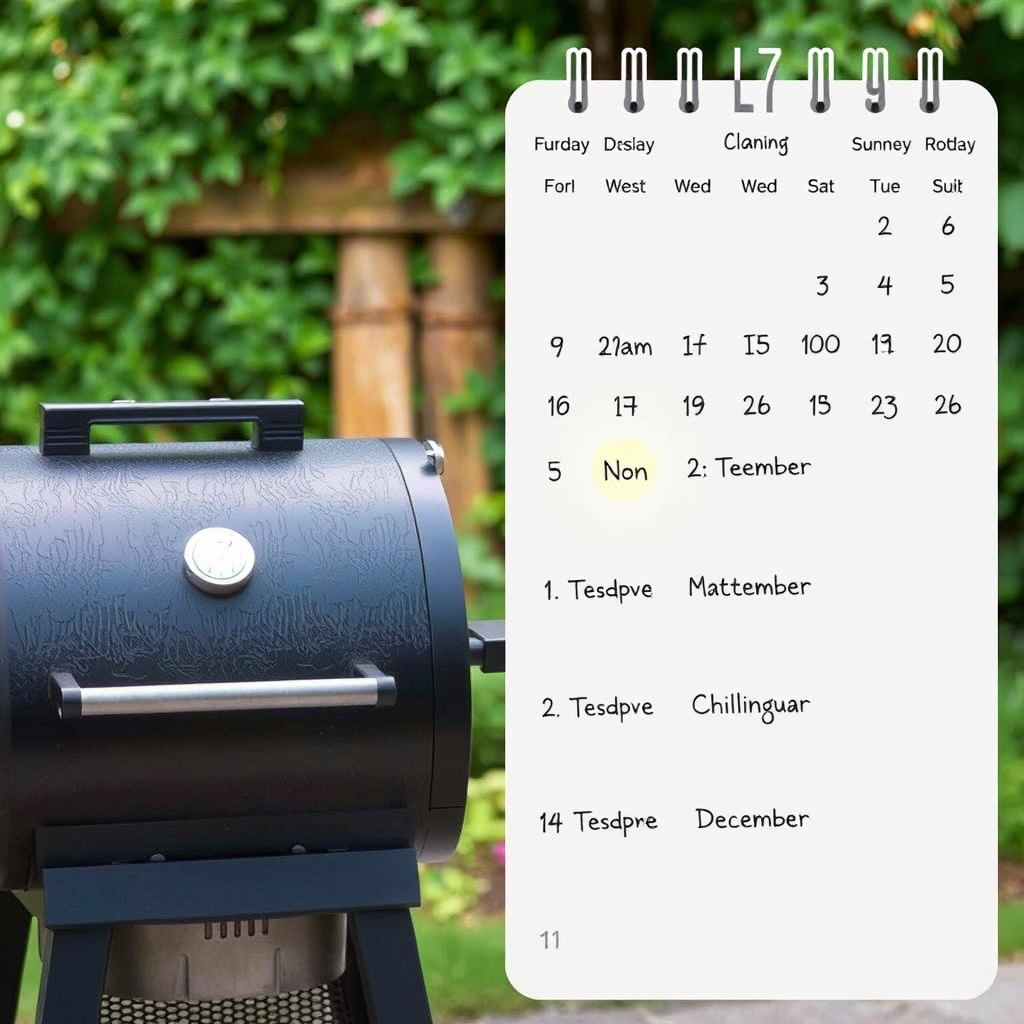
A practical cleaning frequency is after every 3 to 5 uses for general maintenance, which includes emptying the ash, wiping down surfaces, and checking for buildup. A more thorough deep cleaning, involving disassembling parts and scrubbing, should be done every 20 uses or at least twice per season.
However, the exact frequency depends on how often you use the smoker, the type of food cooked, and the smoker model. Heavy use or cooking fatty foods may call for more frequent cleaning.
Routine Cleaning Practices for Your Smoker
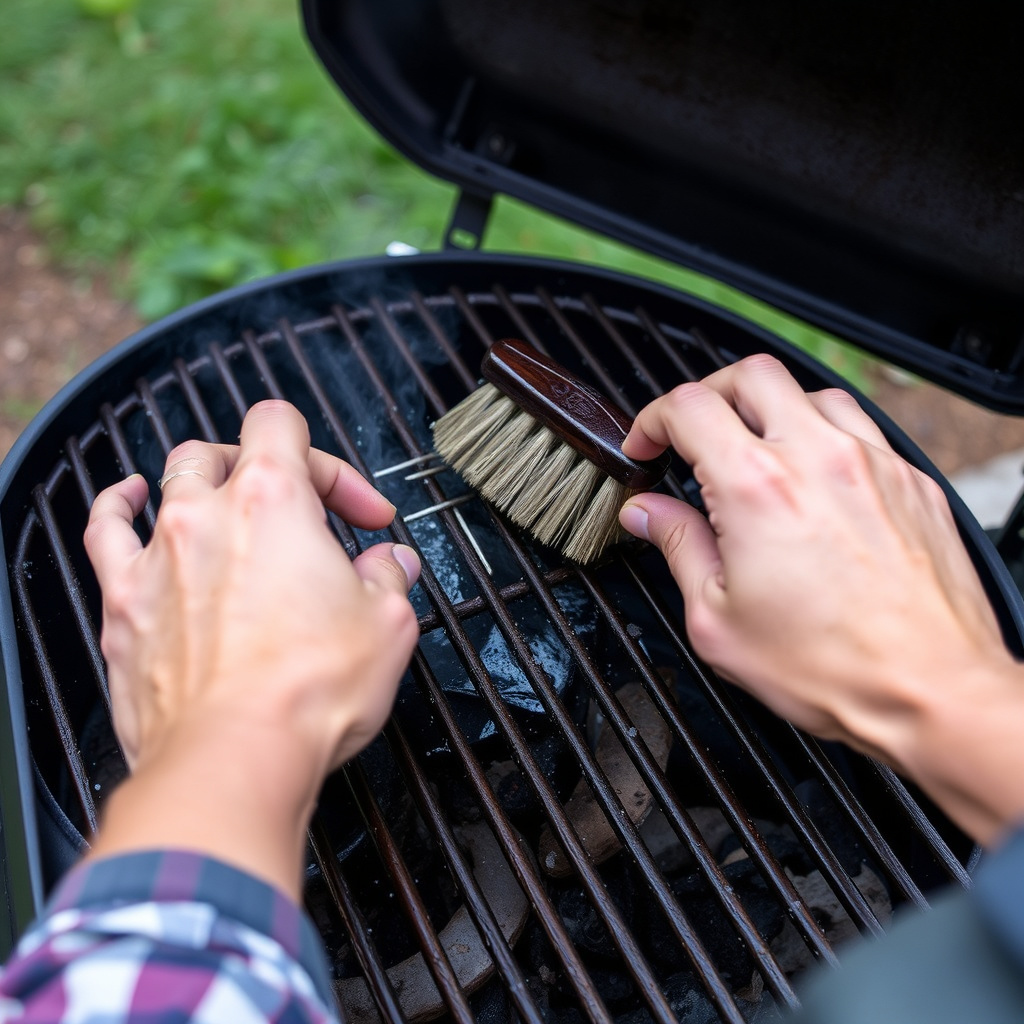
Immediate Post-Cook Cleaning
Right after cooking, while the smoker is still warm, remove ashes and large food debris from the grill grates and firebox. Warm surfaces make it easier to scrape off residue. Use a grill brush or scraper designed for smokers to clear the cooking grates.
Wiping the exterior and lid prevents buildup and helps maintain the finish. Check soot and creosote levels briefly to decide if a deeper clean will be necessary soon.
- Remove ashes from firebox
- Scrape cooking grates warm
- Wipe exterior surfaces
For more on this, see our related guide: Can You Use Wood in a Charcoal Grill? Tips and Safety Advice.
Weekly or After Several Uses Cleaning
Once the smoker has cooled completely, clean the interior surfaces with a mild detergent or specialized smoker cleaner. Remove and wash grates, water pans, and drip trays. This level of cleaning reduces grease buildup and ensures even smoking in future uses.
Regularly check and empty ash catchers to avoid blockage. If you use wood chips or pellets, ensure there's no buildup in the smoke generator or feed tubes.
- Disassemble and clean removable parts
- Wash with mild detergent
- Empty and clean ash catcher
Deep Cleaning Your Smoker for Longevity
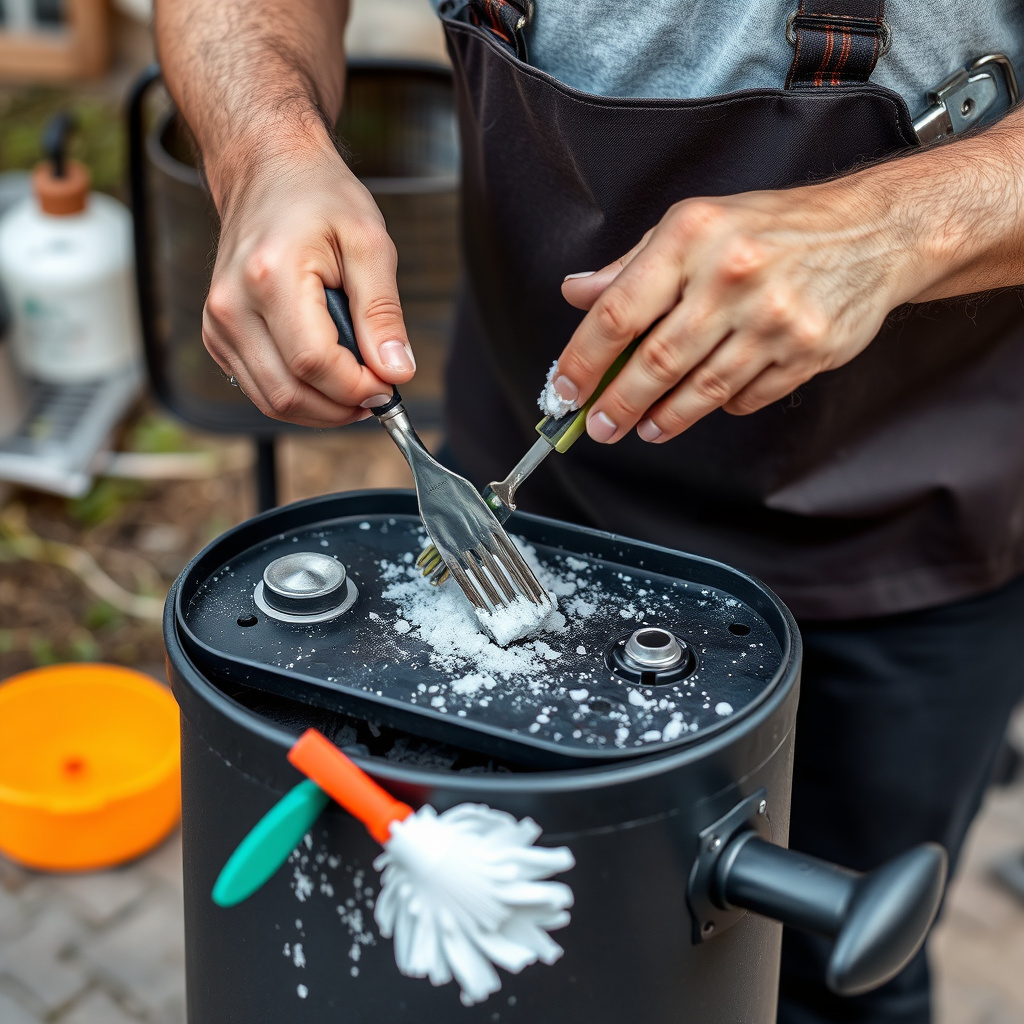
Steps for Thorough Smoker Cleaning
Deep cleaning requires complete disassembly of grates, heat deflectors, water pans, drip trays, and firepot components. Scrub all parts with hot water and a degreaser, removing stubborn carbon deposits and grease.
Use a vacuum or brush to clean ash compartments and air vents. Inspect seals and gaskets for wear during this process to maintain airtight cooking conditions.
- Remove and soak parts overnight if needed
- Scrub with degreaser and non-abrasive brushes
- Clean vents and ash compartments
Frequency and Timing for Deep Cleaning
Plan deep cleanings after intensive use periods or at least twice during the smoking season, such as pre-season startup and post-season shutdown. This minimizes buildup, preserves flavor integrity, and extends smoker lifespan.
If you notice uneven heat distribution, persistent odors, or thick layers of residue, it signals that a deep cleaning is due earlier.
- Deep clean twice per season minimum
- Adjust frequency for heavy use
- Inspect smoker condition post-cleaning
Cleaning Frequency Based on Smoker Type

Charcoal and Wood Smokers
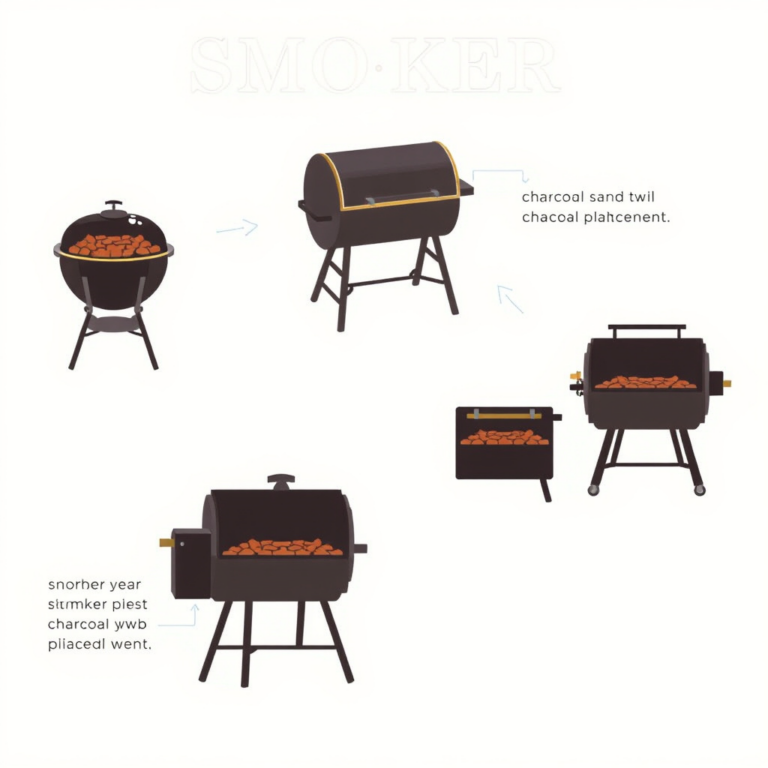
Charcoal and wood smokers typically require more frequent cleaning due to ash buildup and greater grease accumulation from wood smoke. Cleaning after every 3 to 4 uses is advisable to maintain proper airflow and flavor quality.
Ash removal is critical to maintain proper combustion. Also, buildup on wood racks and drip pans should be cleared regularly to prevent smoke contamination.
- Empty ash after every couple of uses
- Wash grates and accessories frequently
For more on this, see our related guide: Understanding the Difference Between a Grill and a Smoker.
Electric and Pellet Smokers
Electric and pellet smokers benefit from less frequent ash cleanup but still need grease and residue removal to avoid flavor deterioration. Cleaning every 4 to 6 uses is usually sufficient.
Pellet feed mechanisms require occasional inspection and cleaning to prevent clogging. Electric components should be wiped carefully to protect wiring and electronics.
- Inspect pellet hopper monthly
- Wipe electric heating elements gently
Tools and Products to Help Cleaning Your Smoker
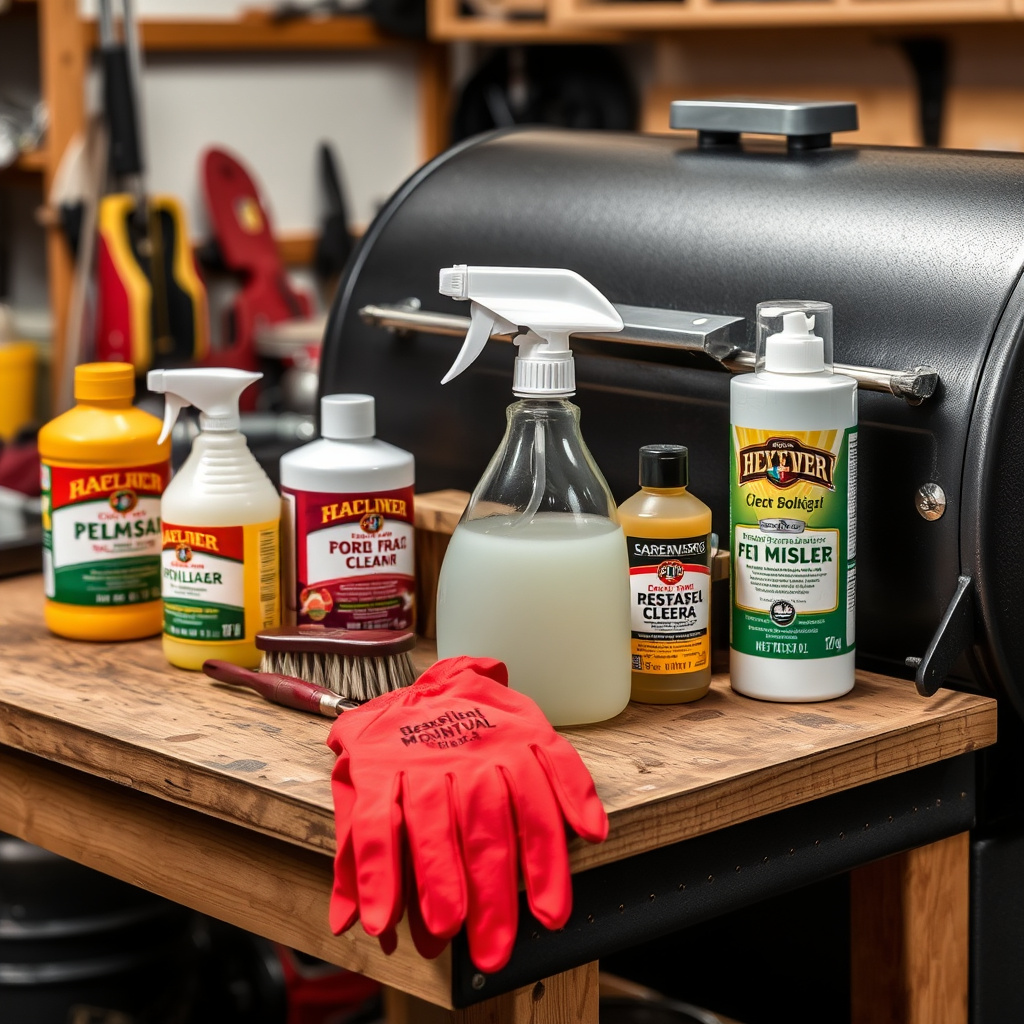
Essential Cleaning Tools
Useful tools include grill brushes with various bristle gauges, scrapers for stubborn carbon, and ash vacuums to remove fine residue safely. Heat-resistant gloves protect your hands during warm cleanings.
Microfiber cloths offer effective wiping without scratching surfaces, while bucket and scrubbers help tackle stubborn grease spots.
- Wire grill brush
- Scraper
- Ash vacuum
- Heat-resistant gloves
For further understanding of the smoking process and how it affects cooking techniques, check out this smoking meat basics resource. smoking meat basics.
Recommended Cleaning Products
Mild dish soap works well for routine cleaning, while specialized smoker cleaners and degreasers remove tough carbon and grease build-up. Avoid harsh chemicals that might leave residues.
For natural options, white vinegar or baking soda paste can loosen stuck-on grime without damaging paint or metal finishes.
- Smoker-specific cleaner
- Mild detergent
- White vinegar/baking soda
Smoker Cleaning Frequency Comparison by Smoker Type
Here’s a comparison of cleaning frequency and maintenance needs across common smoker types to help you plan your cleaning schedule.
| Smoker Type | Routine Cleaning Frequency | Deep Cleaning Frequency | Key Maintenance Notes |
|---|---|---|---|
| Charcoal Smoker | Every 3-4 uses | Twice per season or after 20 uses | Regular ash removal critical for airflow |
| Wood Smoker | Every 3-4 uses | Twice per season | Residue buildup from wood requires thorough cleaning |
| Electric Smoker | Every 4-6 uses | Once or twice per season | Protect electric components from moisture |
| Pellet Smoker | Every 4-6 uses | Twice per season | Pellet feed system needs inspection for clogs |
Frequently Asked Questions
Can I clean my smoker with water?
Yes, but it’s best to use water with mild detergent on cooled parts and avoid soaking electric components. Always dry thoroughly to prevent rust and electrical damage.
What happens if I don’t clean my smoker regularly?
Neglecting cleaning leads to poor smoke flavor, inconsistent cooking temperatures, grease flare-ups, and potential damage or corrosion to the smoker.
Is it necessary to deep clean my smoker every time?
No, deep cleaning is only needed after many uses or when buildup becomes heavy. Routine light cleaning after each few uses is usually sufficient.
What are the best products for smoker cleaning?
Mild dish soap, specialized smoker degreasers, and natural cleaners like vinegar or baking soda are safe and effective for removing grease and grime.
How do I prevent creosote buildup in smokers?
Clean regularly and avoid burning wet or green wood. Also, maintain proper smoking temperatures and airflow to minimize creosote formation.
Key Takeaways
- Clean your smoker after every 3 to 5 uses for best results.
- Deep clean your smoker twice per season or after heavy use.
- Adjust cleaning frequency depending on smoker type and usage.
- Use proper tools and gentle cleaning products to protect your smoker.
Conclusion
Deciding how often to clean a smoker depends on balancing usage frequency, the type of smoker, and the kinds of food you prepare. Regular maintenance after a few uses tackles grease and ash before they accumulate excessively, keeping your smoking sessions flavorful and safe. Deep cleanings should complement routine upkeep, helping prevent structural wear and contamination buildup.
For charcoal or wood smokers, cleaning every 3 to 4 uses is advisable, given their propensity for ash and creosote buildup. Electric and pellet smokers generally require less frequent ash removal but should still be cleaned thoroughly every few sessions. Deep cleanings performed twice per season help keep all smokers in top condition regardless of type. Tailoring your cleanup schedule to your cooking habits and smoker design promotes the best results.
To maintain peak smoker performance and flavor, start with post-use routine cleanings: empty ashes, brush grates, and wipe surfaces. Schedule your deep cleans based on usage intensity and visual residue accumulation. Investing in proper tools like grill brushes and appropriate cleaners will make the process easier and more effective. Consistent care preserves both your smoker and the great tastes it produces.