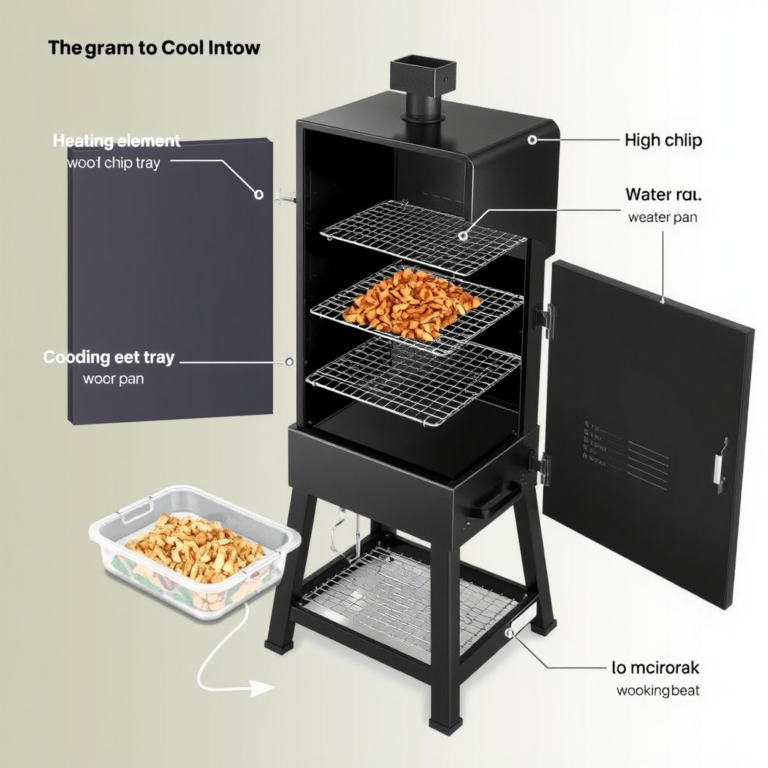
Smokers work by cooking food slowly using indirect heat and smoke generated from burning wood, charcoal, or pellets. This process not only cooks the food but also imparts a deep smoky flavor by exposing it to aromatic compounds in the smoke. Heat and smoke circulate inside the insulated chamber, cooking the meat evenly at low temperatures over several hours.
This technique is essential for producing tender, flavorful dishes like smoked ribs, brisket, or fish. Unlike direct grilling, smoking relies on maintaining steady, low heat, often between 225°F and 275°F, allowing collagen in tougher cuts to break down while simultaneously absorbing smoke. Understanding how smokers work is key to mastering both temperature control and smoke management in your cooking.
This article explores the main components of various types of smokers, how they generate smoke and heat, and factors affecting flavor and texture. We'll also compare popular smoker styles and offer practical tips for achieving the best results in your backyard setup.
Basic Principles Behind How Smokers Work
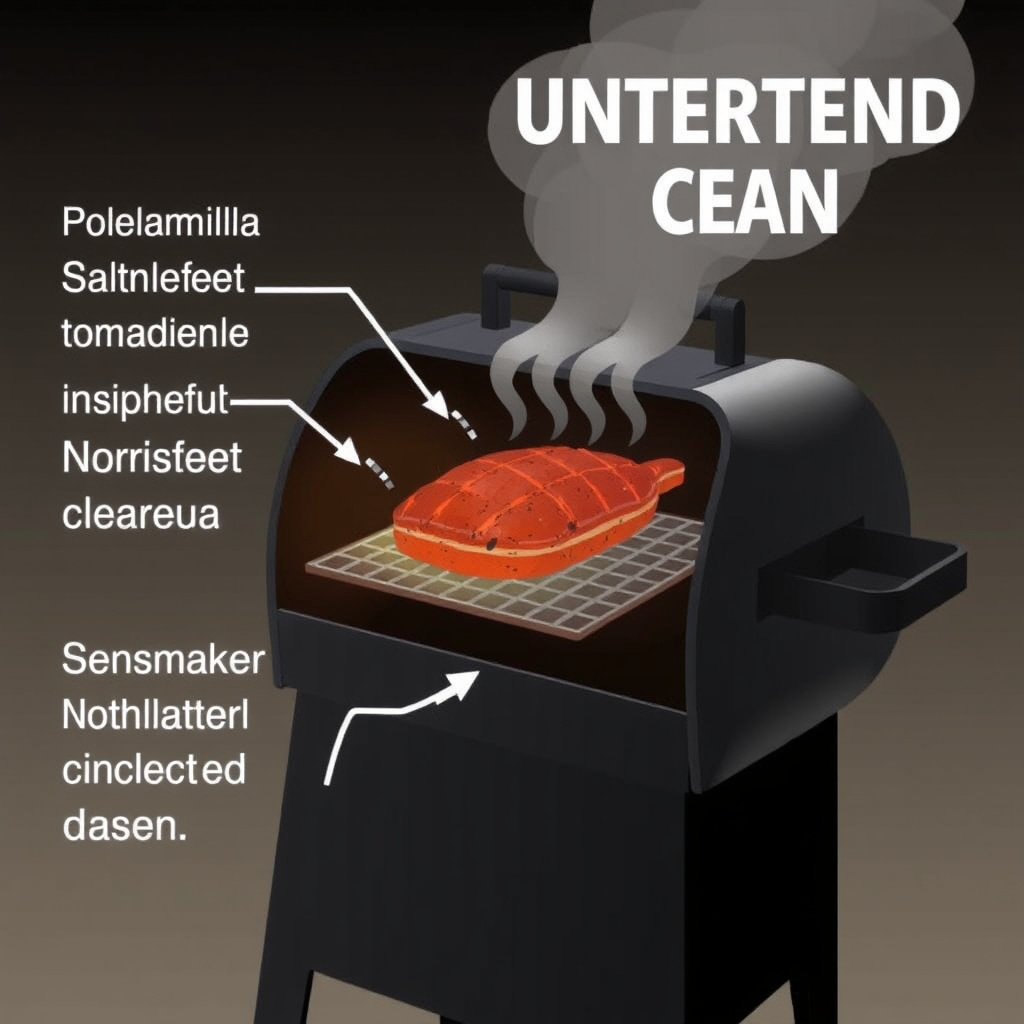
The Role of Heat in Smoking
Heat in a smoker is indirect, meaning the heat source doesn’t touch the food directly. This allows for a slow, gentle cooking process that helps break down tough meats without drying them out. Maintaining consistent heat between 225°F and 275°F is standard for most smoking sessions.
The controlled temperature is crucial because it prevents overcooking while allowing time for the smoke to permeate the meat. Heat sources can vary, but the goal is always steady, even heat circulation within the chamber.
How Smoke Adds Flavor
Smoke is created by burning wood or charcoal at low temperatures, which releases flavor compounds like phenols, carbonyls, and acids. These compounds adhere to the surface of the food and infuse it with distinctive smoky aromas and tastes.
Different wood types (such as hickory, apple, or mesquite) produce unique smoke profiles. Managing smoke intensity is important; too much smoke can make food bitter, while too little results in blandness.
- Phenols add smoky aroma
- Carbonyls contribute sweetness
- Acids provide tanginess
Types of Smokers and Their Mechanics
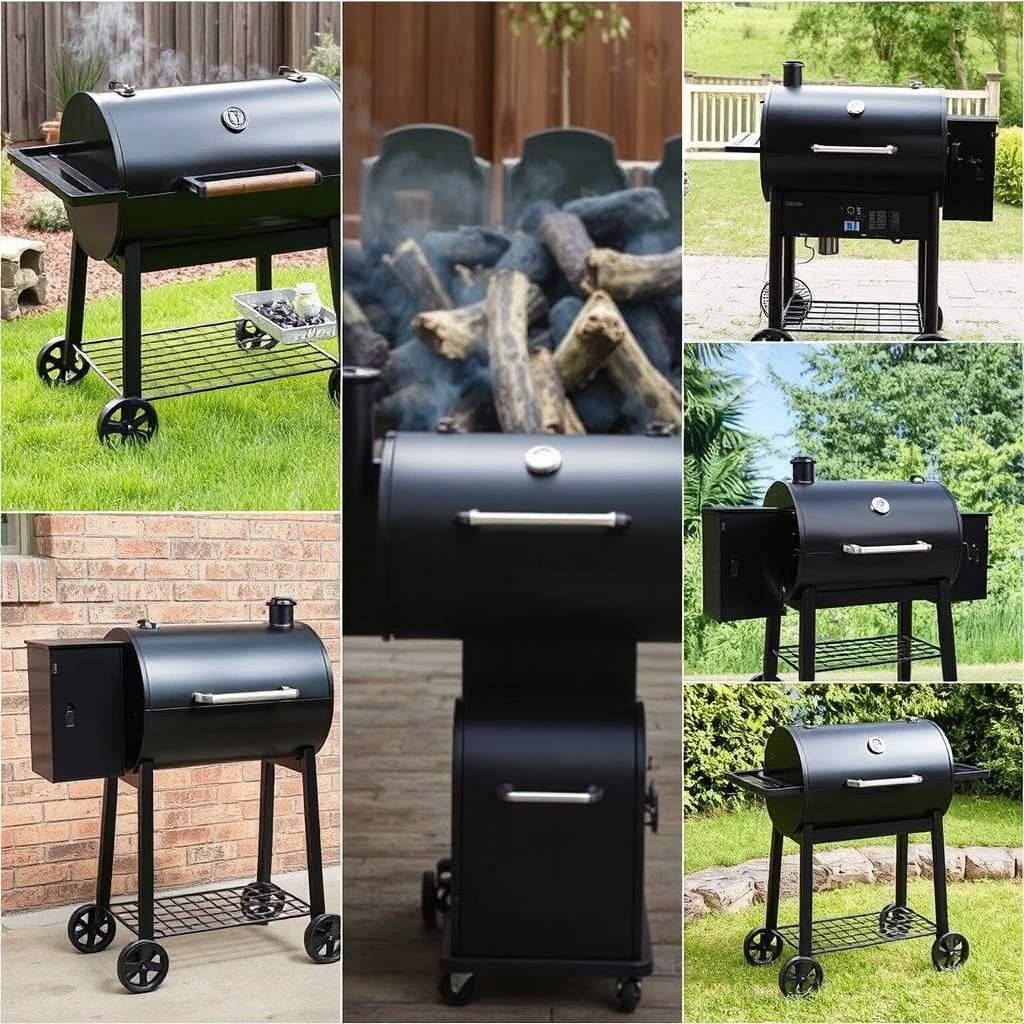
Charcoal Smokers
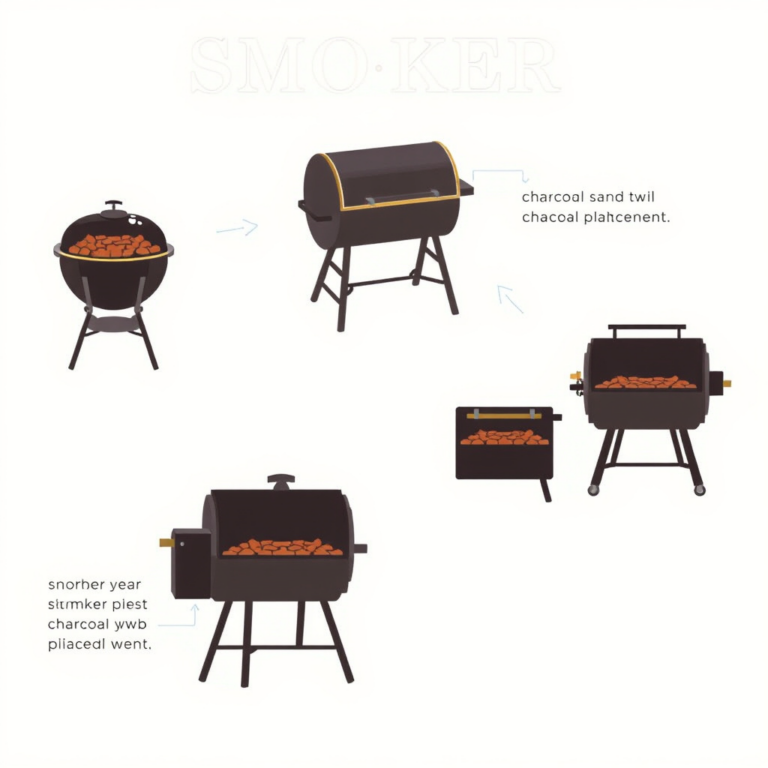
Charcoal smokers use lump charcoal or briquettes as the primary heat and smoke source. The charcoal is ignited and wood chunks are often added on top to create smoke. The smoker’s design, typically a kettle or bullet shape, promotes natural airflow to keep coals burning steadily.
Users manually adjust air vents to regulate oxygen flow, which controls both temperature and smoke production. This hands-on method requires some practice but offers authentic smoky flavor prized by many barbecue enthusiasts.
- Manual temperature control via vents
- Rich, intense smoky flavor
- Requires frequent fuel monitoring
For more on this, see our related guide: How Do Infrared Grills Work: A Complete Guide to Infrared Grilling Technology.
Electric and Pellet Smokers
Electric smokers use heating elements powered by electricity to generate steady heat, while wood chips provide the smoke. Pellet smokers burn compressed wood pellets automatically fed into a firepot, blending heat and smoke generation with digital controls.
Both offer convenience and precise temperature management, ideal for beginners or those preferring convenience. Pellet smokers combine the flavor of wood smoke with automated operation, making them increasingly popular for backyard use.
- Electric smokers offer ease of use
- Pellet smokers provide consistent smoke
- Digital controls offer precise temp settings
Managing Temperature and Smoke for Best Results
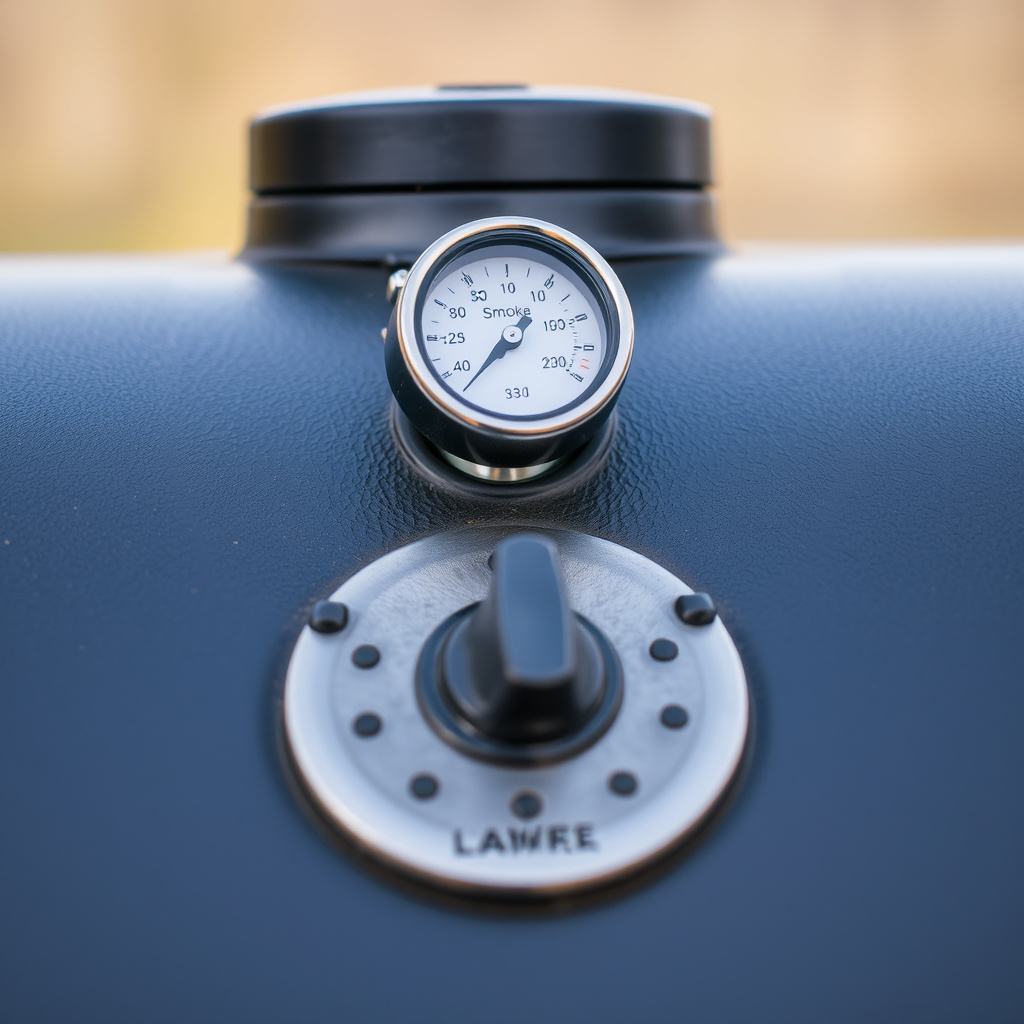
Controlling Heat Sources
Temperature can be managed by adjusting vents on charcoal smokers or using digital controls on electric and pellet models. Using a water pan inside the smoker can also help stabilize temperature by absorbing and radiating heat evenly.
Stable heat prevents cooking flare-ups and dryness. Monitoring with a reliable thermometer, both for the chamber and internal meat temperature, ensures consistent results and food safety.
- Airflow regulates charcoal combustion
- Water pans maintain stable heat
- Digital thermostats automate adjustments
Optimizing Smoke Quality
To produce clean, flavorful smoke, it’s important wood burns at a low temperature without smoldering. Overloaded wood or damp logs generate creosote, a bitter, harsh smoke residue that can ruin flavor.
Choose dry, seasoned hardwoods and add small amounts gradually. Managing smoke intensity throughout the cook ensures a balanced smoky taste without bitterness.
- Use seasoned hardwood for clean smoke
- Avoid thick, heavy smoke buildup
- Add wood chunks sparingly during cooking
Types of Wood and Their Impact on Flavor
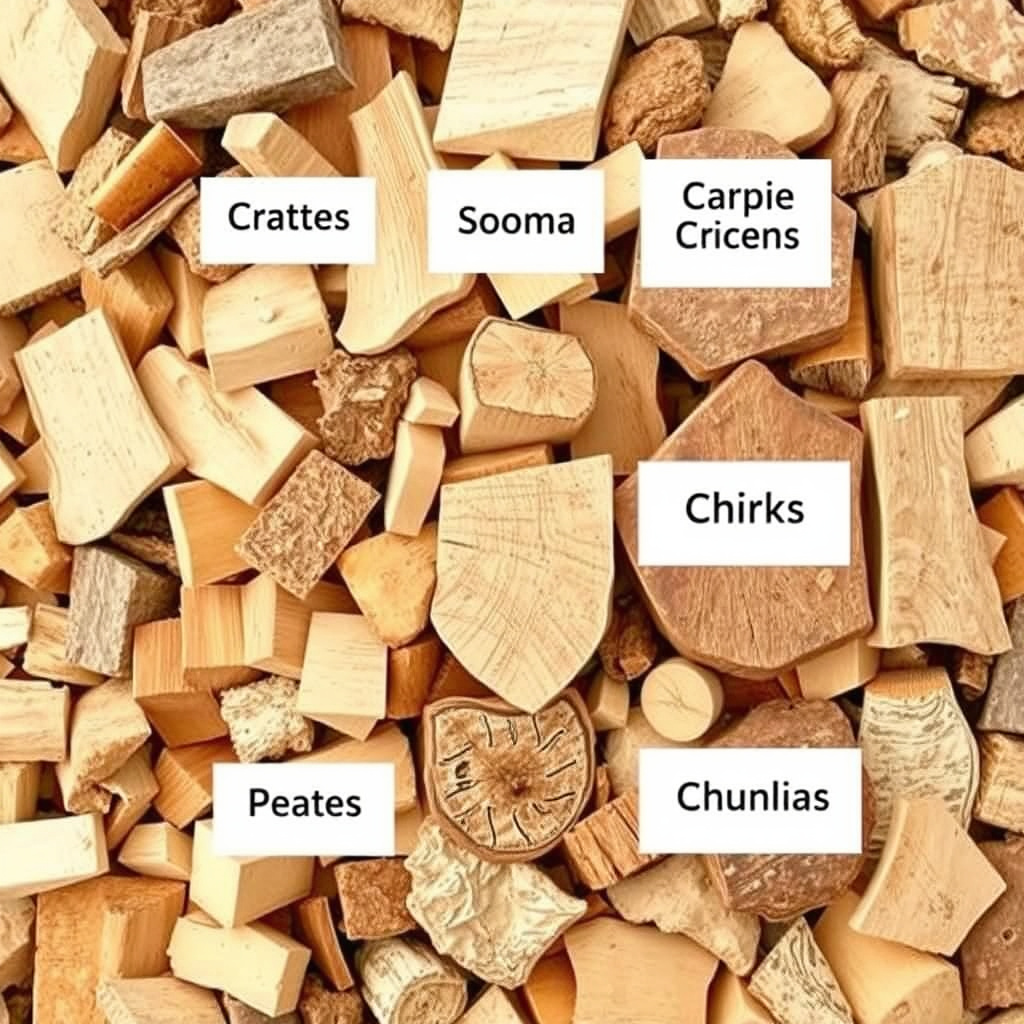
Popular Hardwood Choices
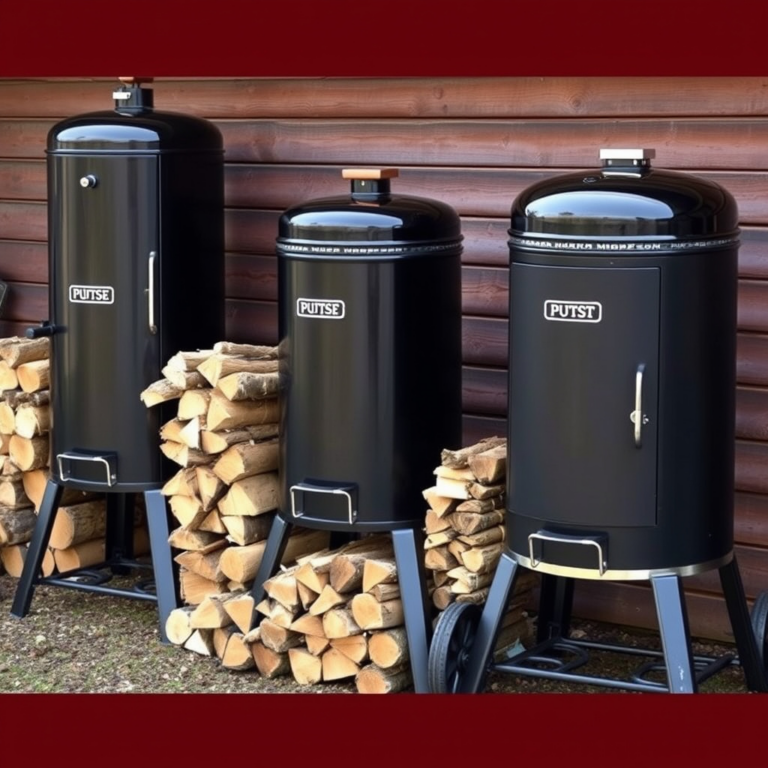
Hickory is a strong, classic choice imparting a bacon-like flavor, perfect for pork and ribs. Apple and cherry woods offer sweeter, fruitier smoke well suited for poultry and fish. Mesquite provides a bold, intense smoke but can overwhelm delicate foods if overused.
Different woods pair better with certain meats, so selecting the right wood enhances the overall taste experience.
- Hickory: strong, smoky, bacon-like
- Apple: mild, sweet, fruity
- Mesquite: intense, earthy
For more on this, see our related guide: How Do Pellet Grills Work? A Clear Guide for BBQ Enthusiasts.
Avoiding Problem Woods and Mixtures
Softwoods like pine, cedar, or fir produce resinous smoke that tastes unpleasant and can be harmful. Therefore, they should never be used in smokers. Additionally, mixing too many wood types can create conflicting flavors.
Sticking to one or two complementary woods per cook maintains clarity and balance in smoked flavors.
- Softwoods produce harsh, unpleasant smoke
- Avoid mixing multiple wood species randomly
- Use hardwoods specifically for smoking
Maintenance and Safety Tips for Smokers
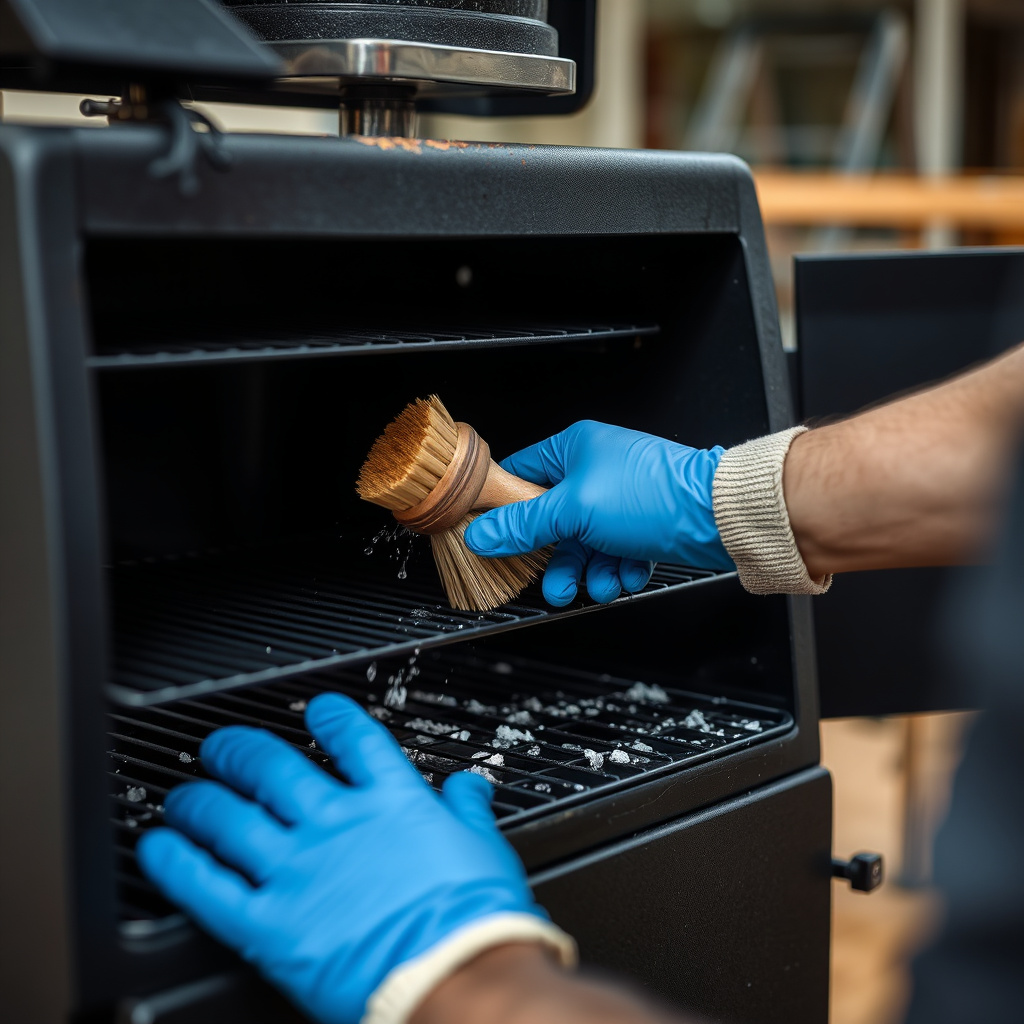
Regular Cleaning Practices
Keeping the smoker clean prevents buildup of grease and ash which can disrupt airflow and affect smoke flavor. After each session, clean grates, remove ash from burn chambers, and wipe down surfaces to extend the smoker’s lifespan.
Proper maintenance also reduces fire hazards and keeps the smoker working efficiently.
- Remove ash after cooling
- Scrub grates to prevent residue buildup
- Wipe grease traps regularly
For more detailed explanations on smoking food techniques, the Wikipedia article provides comprehensive background information. smoking food techniques.
Safety Precautions While Smoking
Always place the smoker on a flat, stable surface away from flammable materials. Use heat-resistant gloves and tools to avoid burns. Never leave the smoker unattended during operation, and keep a fire extinguisher nearby in case of emergencies.
Using quality fuel and well-ventilated areas enhances safety during smoking.
- Maintain distance from combustibles
- Use protective gear for handling
- Keep extinguisher on hand
Smoker Types Category Comparison
This table compares key aspects of popular smoker types to help you choose the right option for your needs.
| Category | Heat Source | Temperature Control | Flavor Profile | Ease of Use | Typical Price Range |
|---|---|---|---|---|---|
| Charcoal Smokers | Charcoal & wood | Manual vents | Rich, intense smoke | Moderate | $100-$400 |
| Electric Smokers | Electric heating element | Digital controls | Mild smoke | Easy | $150-$500 |
| Pellet Smokers | Compressed wood pellets | Automated digital | Flavorful, consistent | Easy | $400-$1200 |
| Offset Smokers | Charcoal or wood firebox | Manual vents | Robust smoke flavor | Challenging | $300-$1000 |
| Gas Smokers | Propane or natural gas | Manual or digital | Moderate smoke | Moderate | $200-$600 |
Frequently Asked Questions
What temperature do smokers usually operate at?
Most smokers cook foods at low temperatures ranging between 225°F and 275°F to allow slow cooking and smoke absorption without drying out the meat.
Can I use any type of wood in a smoker?
No. Only seasoned hardwoods like hickory, apple, cherry, and mesquite should be used. Avoid softwoods like pine, which create unpleasant and harmful smoke.
How long does smoking food typically take?
Smoking can take several hours to as long as 12 to 16 hours depending on the type and thickness of the meat, and the temperature maintained inside the smoker.
Is it necessary to soak wood chips before smoking?
Soaking wood chips is optional and a matter of preference. While it can extend the smoking duration, some pitmasters prefer dry chips for more consistent smoke generation.
How do I know when smoked meat is done?
Use a reliable meat thermometer to check internal temperature based on the meat type, for example, 195°F-205°F for brisket is ideal to ensure tenderness.
Key Takeaways
- Smokers cook food slowly via indirect heat and aromatic smoke infusion.
- Temperature control between 225-275°F is essential for tender, flavorful meat.
- Hardwoods like hickory and apple create distinctive smoky flavors.
- Different smoker types offer trade-offs in flavor authenticity and convenience.
Conclusion
Understanding how smokers work involves recognizing the balance between heat and smoke. The slow, indirect heat breaks down tough meat fibers while smoke infuses aroma and flavor, which is why managing temperature and smoke density is key. Selecting the right type of smoker depends heavily on your willingness to manage fuel manually versus automated convenience, as well as the flavor profile you desire. The science of how smokers work helps cooks elevate their barbecue skills for consistent, satisfying results.
If you enjoy the authentic smoky flavor and hands-on cooking experience, a charcoal or offset smoker combined with seasoned hardwoods like hickory or apple is ideal. For backyard cooks seeking simplicity and control, electric or pellet smokers offer excellent options with digital temperature management and consistent smoke delivery. Each style can produce delicious smoked dishes, but matching the smoker to your taste and lifestyle will yield the best cooking enjoyment.
Start by deciding how much effort you want to put into controlling your smoking environment, then choose a smoker type accordingly. Experimenting with wood types and smoke durations will further refine your results. Remember, practice and patience are just as important as the equipment. Dive into the world of smoking food armed with this knowledge and enjoy crafting flavorful meals in your own backyard.