
Grilling lobster tail is a straightforward way to bring out its sweet, tender flavor while adding subtle smoky notes. To grill lobster tail, start by splitting the shell down the center, brush the meat with melted butter or oil, season as desired, and cook over medium heat for about 8-12 minutes until opaque and lightly charred.
This method matters because lobster tail meat is delicate and prone to drying out quickly if overcooked. Grilling creates a perfect balance by quickly sealing in juices and infusing a smoky aroma that enhances the natural taste. Knowing how to grill lobster tail properly elevates your seafood dishes with minimal effort.
This article will cover essential preparation steps, seasoning options, grilling techniques, timing, different grill types, and post-grilling tips to help you master grilling lobster tail. You’ll also find a comparison of popular lobster tail cooking methods and answers to common grilling questions.
Preparing Lobster Tail for Grilling
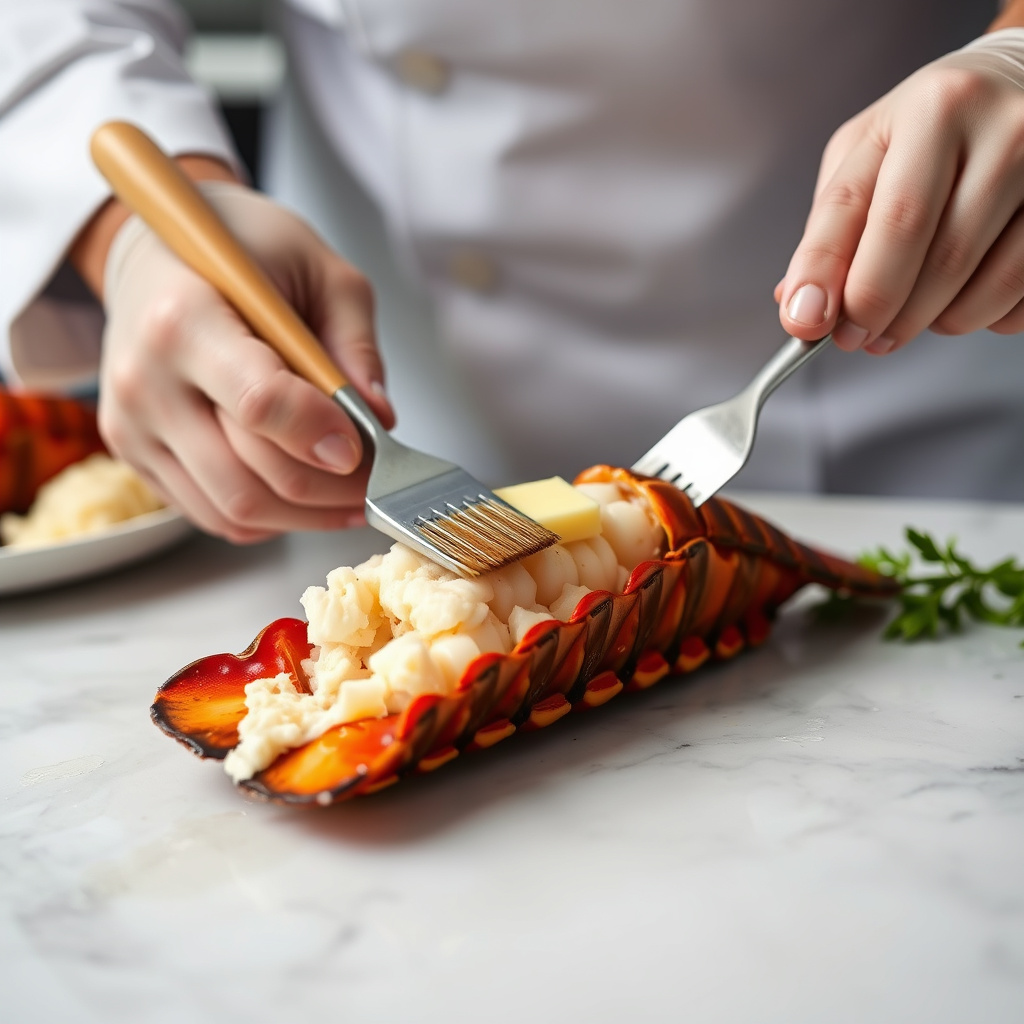
How to Butterfly Lobster Tail
Butterflying is the process of cutting through the top shell lengthwise without severing the underside, then gently pulling the meat up and out to rest on top of the shell for even cooking and attractive presentation. Use kitchen shears to carefully cut along the middle of the shell until you reach the tail fin.
Once cut, use your fingers or a spoon to loosen the meat from the shell base, lifting it while keeping it attached at the end. This exposes the meat directly to the heat while preventing it from curling during grilling.
- Use sharp kitchen shears for clean cuts
- Cut only through the shell, not the meat
- Handle the meat gently to keep it intact
Seasoning and Basting Before Grilling
Before placing lobster tails on the grill, brushing them with melted butter, olive oil, or a garlic herb mixture helps keep the meat moist and flavorful. Season simply with salt, pepper, and lemon juice or add spices like smoked paprika for more depth.
Basting during grilling with flavored butter adds richness and prevents drying. Combine butter with fresh herbs, minced garlic, or chili flakes for a basting sauce to brush every few minutes.
- Prepare butter-based basting sauce
- Apply seasoning evenly over exposed meat
- Use a brush to baste during grilling
Grilling Techniques for Lobster Tail
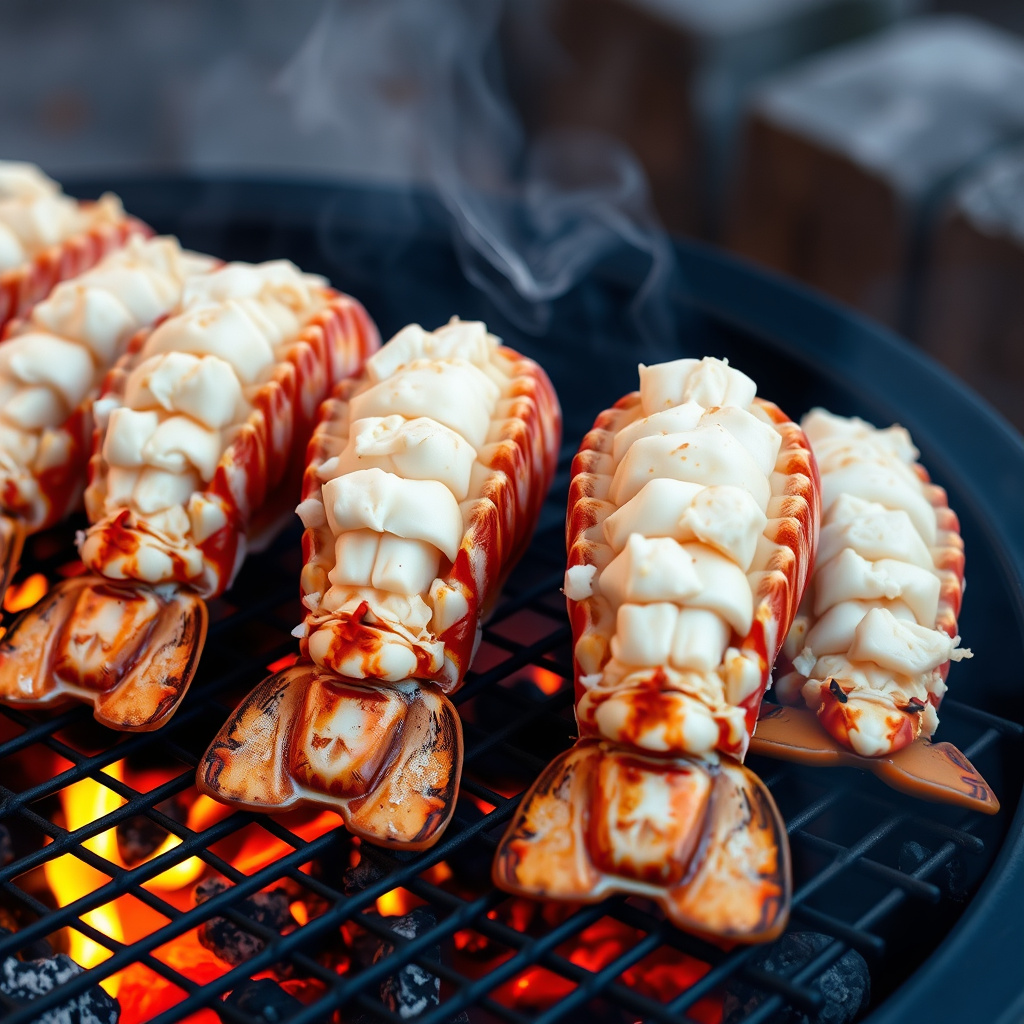
Direct vs Indirect Grilling
Direct grilling involves placing lobster tails directly over the flame or heat source, providing quick cooking and pronounced grill marks. This method works well for smaller tails or when you want a charred exterior.
Indirect grilling places the lobster tails off to the side or on cooler parts of the grill, allowing slower cooking that helps larger tails cook evenly without burning. Indirect heat is preferable for thick or large lobster tails.
- Direct heat = fast cooking, charred flavor
- Indirect heat = gentler, even cooking
- Use indirect for tails thicker than 3 inches
Optimal Grill Temperature and Timing
Set your grill to medium heat, about 350°F to 400°F, for ideal cooking. Too high a temperature risks burning the shell before the meat is cooked through. Grill lobster tails flesh-side down for 5-7 minutes, then flip and grill shell side down for an additional 3-5 minutes.
Total grill time typically ranges from 8 to 12 minutes, dependent on tail size. You'll know it's done when the meat is opaque white and firm to the touch but still juicy.
- Maintain medium grill temperature (350°F–400°F)
- Monitor cooking closely to avoid overcooking
- Use a timer for consistent results
Types of Grills Suitable for Lobster Tail
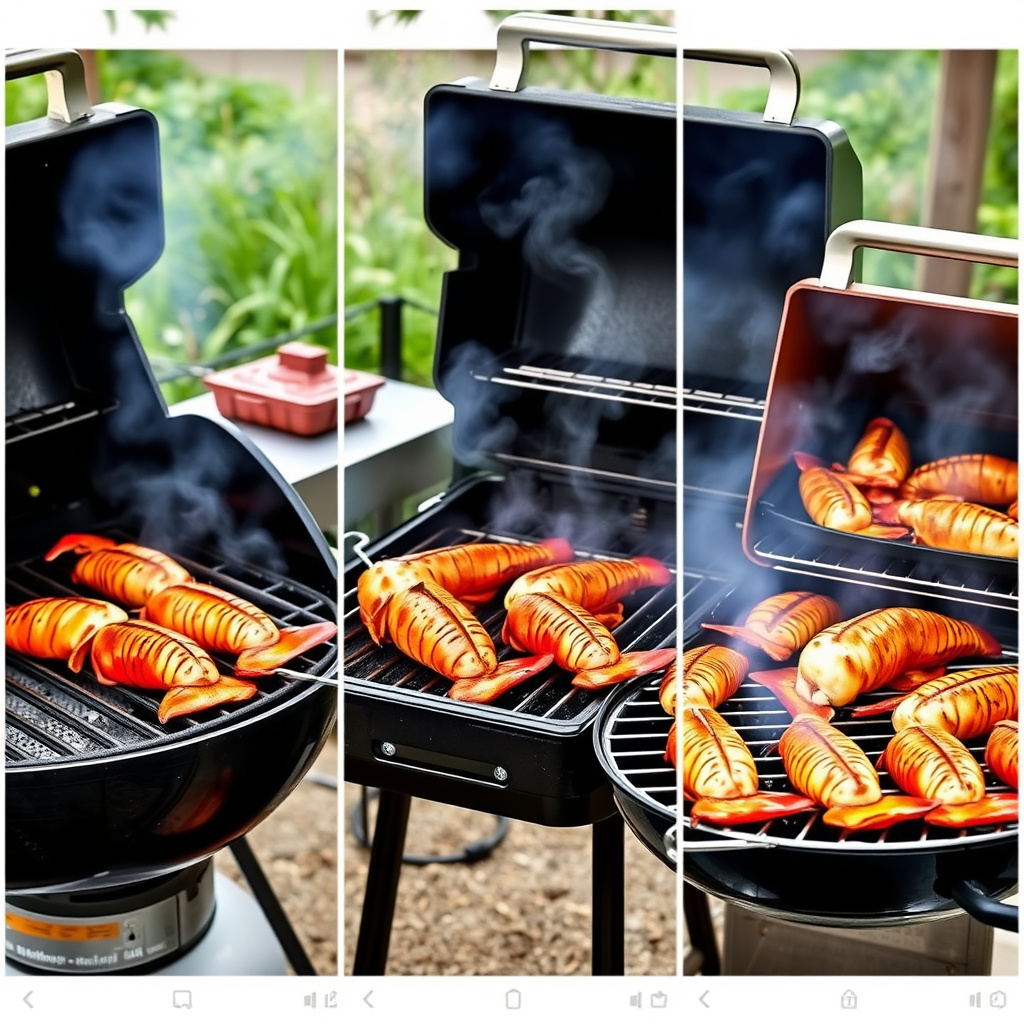
Charcoal Grill Benefits and Tips
Charcoal grills infuse lobster tails with a distinctive smoky flavor that enhances the seafood's natural sweetness. Control heat by adjusting charcoal placement and using vents for airflow.
Because charcoal can create hot spots, reposition lobster tails as needed during cooking to prevent flare-ups and burning. Using a grill basket or foil can ease handling.
- Use lump charcoal for cleaner smoke
- Position tails away from direct coals if too hot
- Keep a spray bottle handy for flare-ups
Gas and Electric Grill Considerations
Gas grills provide steady, easily controllable heat, making grilling lobster tail simpler, especially for novices. They also heat up faster and require less cleanup.
Electric grills lack the smoky flavor but offer convenience, especially for indoor or small-space grilling. Use flavored butter or smoke-infused seasoning to compensate for missing smoke taste.
- Preheat grill thoroughly for even cooking
- Adjust burners to medium-low for delicate grilling
- Add wood chips in smoker box for gas grills if desired
Finishing Touches After Grilling
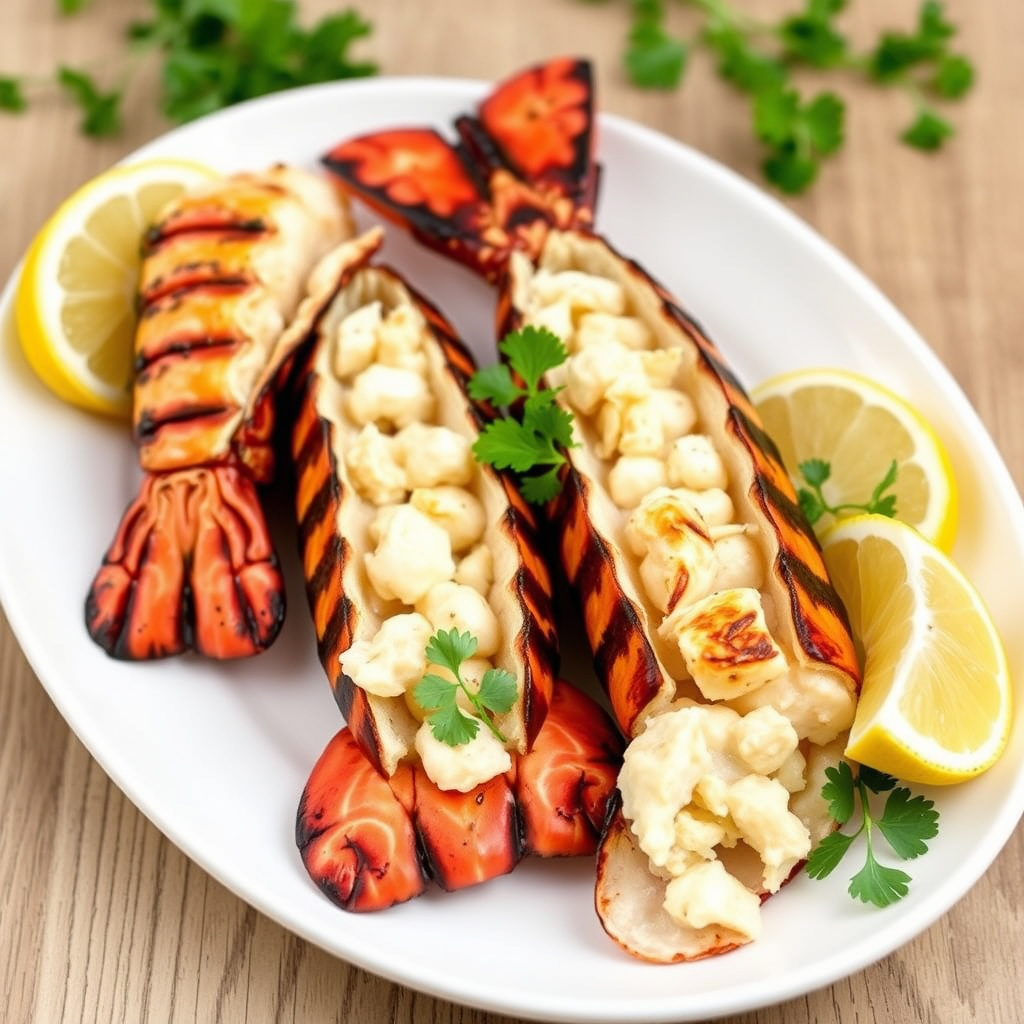
Resting Lobster Tail for Maximum Juiciness
Allow grilled lobster tails to rest 3-5 minutes after removal to let juices redistribute within the meat, resulting in a moist, tender bite. Cover loosely with foil to keep warm during resting.
Resting also prevents juice loss when cutting or serving, preserving flavor and texture.
- Rest under foil for 3–5 minutes
- Do not skip this step to maximize juiciness
Serving Suggestions and Sauces
Serve grilled lobster tails with simple garnishes like lemon wedges, melted herb butter, or garlic aioli. Complement lobster with sides such as grilled vegetables, rice pilaf, or fresh salad.
A squeeze of fresh lemon or a drizzle of flavored butter just before serving enhances brightness and richness.
- Classic lemon and butter pairing
- Garlic or chili-infused dipping sauces
- Light, fresh vegetable sides
Safety and Handling Tips for Grilling Lobster Tail
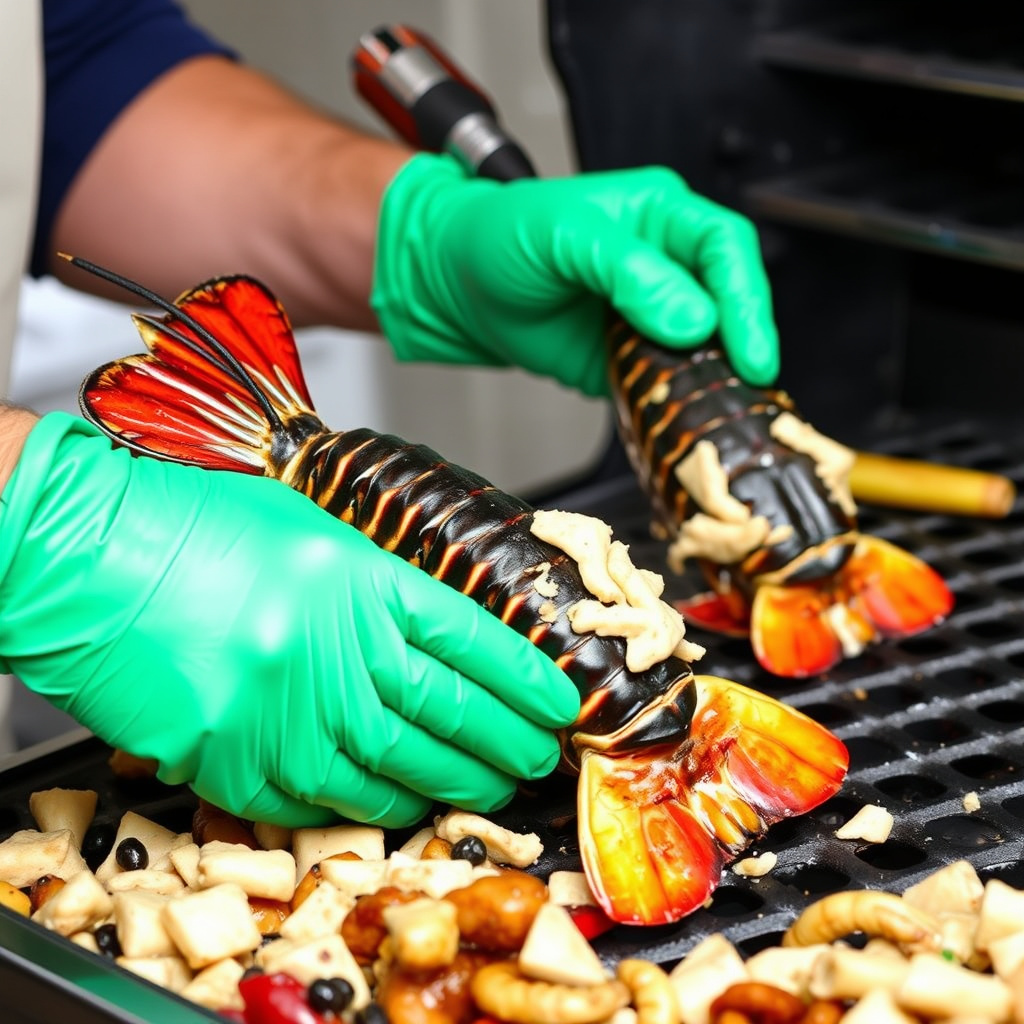
Proper Storage and Thawing
Keep lobster tails refrigerated and use within 1-2 days of purchase or freeze for longer storage. Thaw frozen tails overnight in the refrigerator or under cold running water just before grilling to maintain texture.
Avoid thawing at room temperature, which risks bacterial growth.
- Refrigerate or freeze promptly
- Thaw slowly in refrigerator for best results
- Use cold water thawing for quick preparation
For a deeper understanding of lobster as a culinary ingredient, you can explore detailed grilling lobster tail techniques on Wikipedia. Grilling lobster tail techniques on Wikipedia.
Safe Handling on the Grill
Use long-handled tongs or spatula to turn lobster tails carefully on the hot grill, preventing burns or dropping. Clean grill grates to avoid flare-ups and cross-contamination.
Wear heat-resistant gloves if needed and keep a fire extinguisher nearby when grilling outdoors.
- Handle with appropriate grilling tools
- Keep grill clean and manageable
- Wear protective gloves if necessary
Lobster Tail Cooking Method Comparison
Here is an overview comparing popular lobster tail cooking methods including grilling, boiling, broiling, and steaming, focusing on flavor, texture, and time.
| Method | Flavor Profile | Texture Outcome | Typical Cook Time | Ease of Preparation |
|---|---|---|---|---|
| Grilling | Smoky, charred | Firm, juicy | 8–12 minutes | Moderate |
| Boiling | Mild, natural sweetness | Tender but slightly waterlogged | 6–10 minutes | Easy |
| Broiling | Caramelized, buttery | Firm with crispy edges | 10–15 minutes | Moderate |
| Steaming | Delicate, pure | Soft, moist | 8–12 minutes | Easy |
Frequently Asked Questions
How do I know when lobster tail is done on the grill?
The lobster meat becomes opaque white and firm to the touch. It should reach an internal temperature of 140°F. Avoid overcooking to prevent toughness.
Can I grill frozen lobster tails?
It's best to fully thaw lobster tails before grilling to ensure even cooking and prevent cold spots that can leave parts undercooked.
Should I salt lobster tail before grilling?
Light salting before grilling enhances flavor. Be cautious with the amount, as too much salt can draw moisture out and dry the meat.
What is the best butter mixture for grilling lobster tails?
A simple blend of melted butter, minced garlic, lemon juice, and fresh herbs like parsley or thyme works exceptionally well to enhance lobster flavor.
Can I reuse the basting butter after grilling?
It’s unsafe to reuse basting butter that has been in contact with raw lobster. Prepare fresh butter for basting and serving.
Key Takeaways
- Butterflying lobster tails exposes meat for even grilling.
- Medium heat (350°F–400°F) helps prevent drying out.
- Basting with herb butter enhances flavor and moisture.
- Rest lobster tails before serving to retain juiciness.
Conclusion
Knowing how to grill lobster tail effectively involves balancing flavor, heat, and timing to maintain moisture and enhance natural sweetness. Preparation, from butterfly cutting to seasoning, lays the foundation, while careful temperature control ensures the meat cooks evenly without toughness. These combined steps result in seafood that impresses with smoky notes and tender texture.
For those new to grilling lobster tail, starting with smaller tails over direct medium heat and a garlic herb butter basting is highly advisable. Charcoal grills offer authentic smoky flavor, but gas grills provide reliable control for consistent results. With practice, you can move to larger tails requiring indirect heat for perfect doneness. Comparing grilling with boiling or broiling highlights its distinct advantage in flavor profile and textural appeal.
Your next step is to acquire fresh lobster tails, prepare your preferred butter mixture, and choose a suitable grill type. Pay attention to resting the meat post-grilling and serve with simple sides to highlight your perfectly grilled lobster tail. This method brings restaurant-quality seafood to your backyard table without complicated techniques.



