
Grilling pizza involves cooking pizza dough directly on a hot grill, creating a crispy, smoky crust that’s hard to achieve in a regular oven. By preheating your grill and carefully managing cooking times, you can enjoy a rustic, restaurant-quality pizza in your own backyard. The key is balancing heat so the dough crisps without burning, while the toppings melt perfectly.
Grilling pizza matters because it offers a distinct flavor and texture that conventional ovens can’t replicate. The grill’s open flame imparts a subtle smokiness and a crunchy base, making homemade pizzas both impressive and flavorful. Plus, grilling keeps the oven off and the heat outdoors—a great benefit in warm weather.
In this article, you’ll find a detailed walkthrough of preparing your dough for the grill, mastering grill temperature, and tips for topping and cooking your pizza evenly. We'll also cover equipment essentials, common pitfalls, and different styles of grilling pizza so you can confidently create an outdoor pizza feast.
Preparing Your Dough for Grilling Pizza
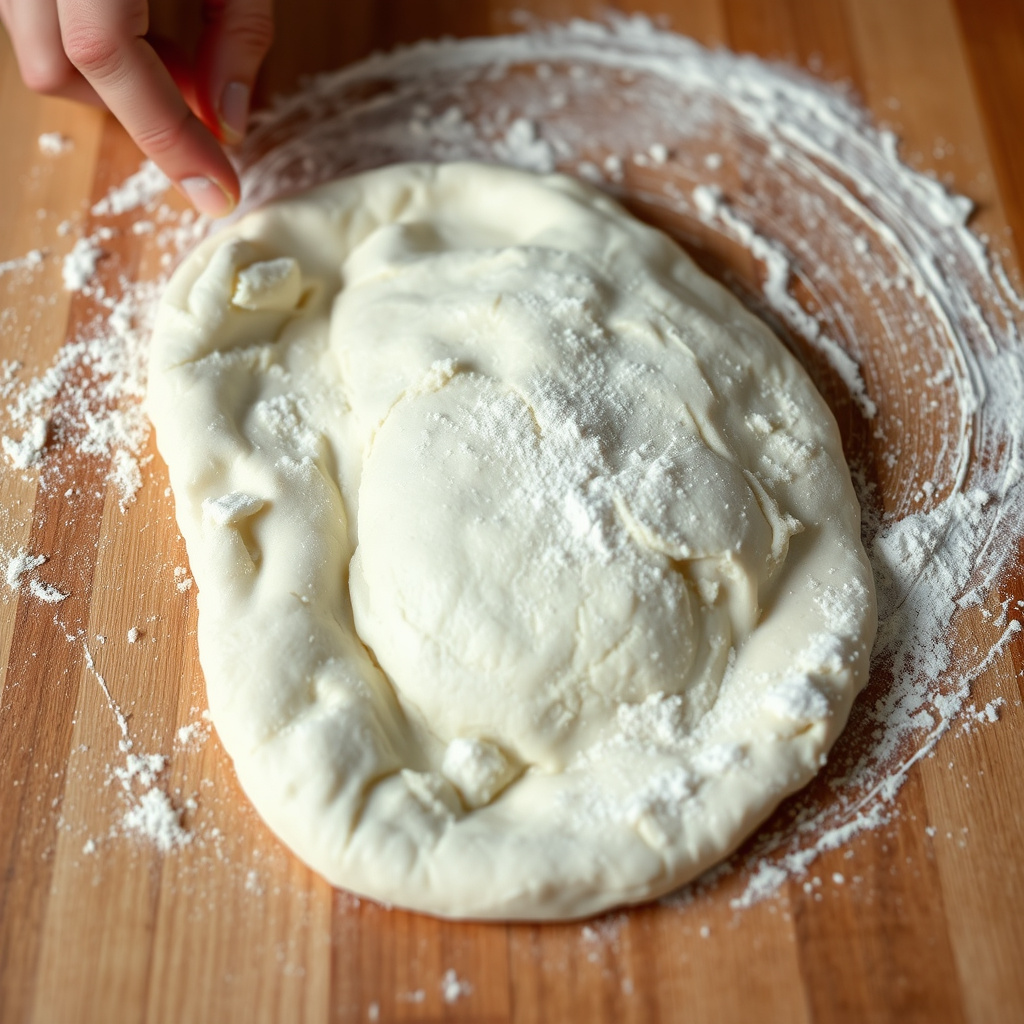
Choosing the Right Dough Consistency
For grilling pizza, a slightly firmer dough that can hold its shape when transferred to the grill works best. Dough should be elastic but not too sticky, allowing for easy stretching without tearing. Using high-protein flour like bread flour improves structure and chewiness on the grill.
Avoid overly wet dough since it tends to stick and can be difficult to manage on the grill. A well-hydrated dough with about 60-65% water content strikes the right balance for pliability and crisping when grilled.
- Use bread flour for better gluten development
- Aim for 60-65% hydration ratio
- Knead dough thoroughly to develop elasticity
- Rest dough covered to relax gluten before grilling
Pre-stretching Versus Stretching on the Grill
Stretching your dough into shape before placing it on the grill lets you have better control over size and thickness. Lightly flour the surface and your hands to prevent sticking, and stretch gently to maintain an even thickness to avoid floppy spots.
Some prefer partially stretching and then finishing shaping directly on the grill, adjusting with tongs once it softens. However, fully shaping the pizza beforehand usually reduces handling that can cause tearing or uneven cooking.
- Pre-stretched dough reduces grill handling risks
- Light dusting with cornmeal prevents adhesion
- Avoid making dough too thin to prevent burning
Mastering Grill Temperature for Grilled Pizza
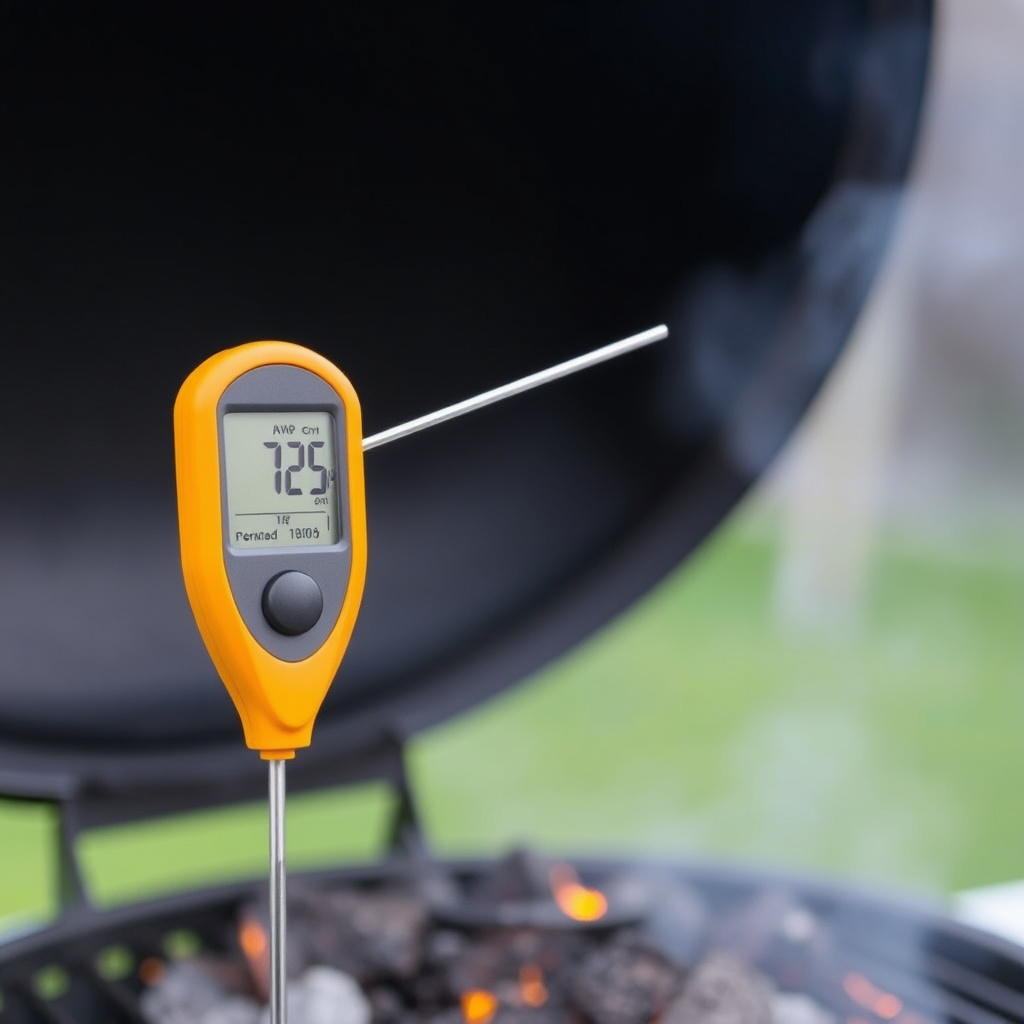
Ideal Temperature Range to Grill Pizza
Maintaining your grill temperature between 500°F to 600°F (260°C to 315°C) gives the best balance of a crisp crust and properly cooked toppings without burning. Too low a temperature results in chewy or soggy crust, while too high causes rapid burning.
If you use a charcoal grill, spread coals evenly for consistent heat. On a gas grill, preheat with all burners on high, then reduce slightly after placing the pizza to avoid flare-ups that can char your food.
- Target 500-600°F for balanced cooking
- Use a grill thermometer for accuracy
- Adjust burner settings after pizza goes on grill
- Manage flare-ups by moving pizza away if flames rise
Direct Versus Indirect Heat Grilling Methods
Grilling pizza directly over the heat source produces a nicely charred, crispy crust but requires constant attention to avoid burning. This method suits thin-crust pizzas and shorter cooking times, about 3-5 minutes per side.
Indirect grilling uses heat from the side burners or charcoal pushed aside, cooking the pizza more gently. This method is better for thicker crusts or pizzas with heavier toppings, although it takes slightly longer, usually 8-12 minutes.
- Direct heat: quick, crispy crust, watch closely
- Indirect heat: gentler, better for thick crusts
- Flip pizza carefully if cooking directly over coals
- Use a pizza stone for indirect cooking for even heat
Toppings and Assembly Tips for Grilling Pizza
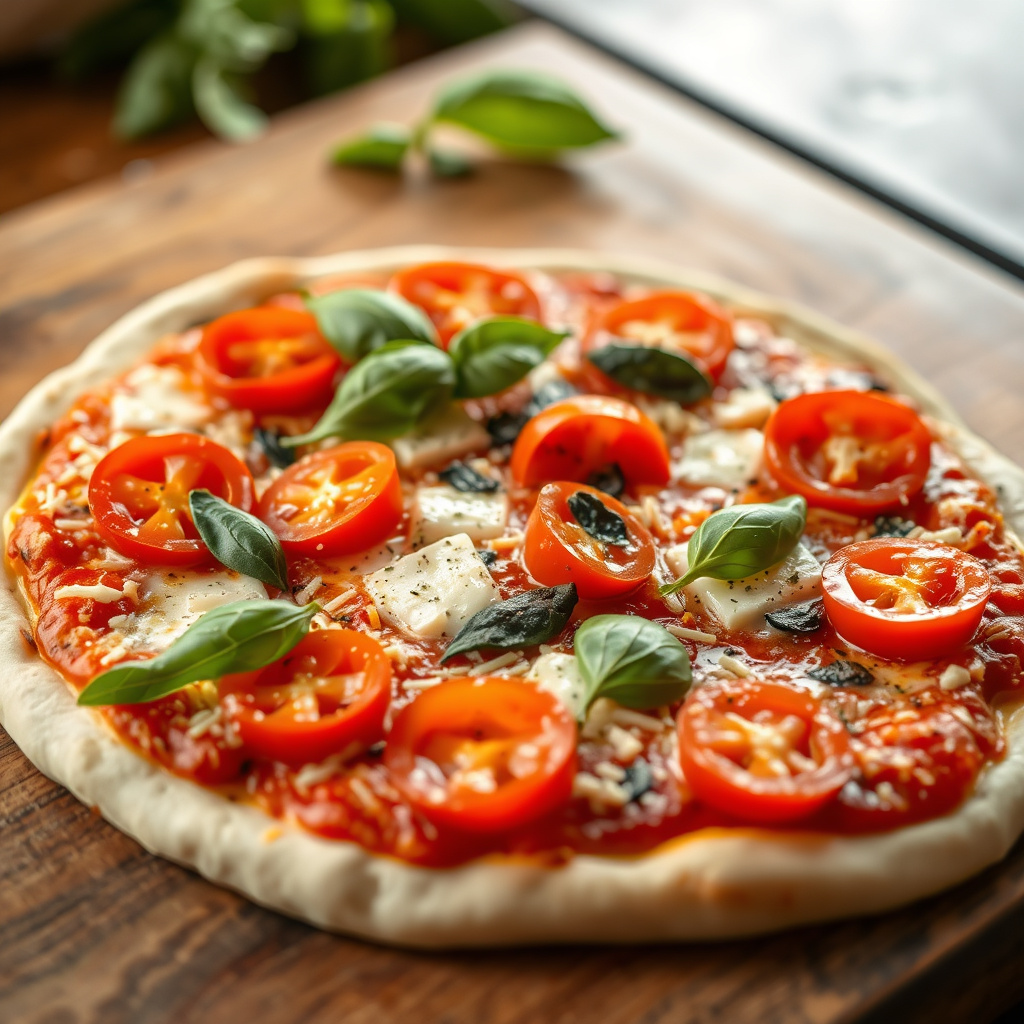
Selecting Toppings Suitable for Grilling
Choose toppings that cook quickly or are pre-cooked, as the grilling window is short. Thinly sliced vegetables, cured meats, fresh herbs, and shredded cheeses cook uniformly and avoid soggy textures underneath.
Avoid heavy sauce application; instead, use a light brush of olive oil or a thin layer of sauce to prevent sogginess. Fresh mozzarella should be patted dry to reduce moisture escaping during grilling.
- Pre-cook raw veggies or meats if necessary
- Use shredded or sliced cheese for fast melting
- Avoid watery toppings to keep crust crisp
- Light, even topping distribution prevents uneven cooking
For more on this, see our related guide: How to Use a Pellet Grill: A Step-by-Step Guide for Perfect Outdoor Cooking.
Best Practices for Putting Together Your Pizza
Apply toppings after partially cooking the dough on the grill for 1-2 minutes. This method helps prevent sticking and creates a strong base. Add sauce, cheese, and toppings quickly, then close the grill lid to melt and cook toppings evenly.
Rotate the pizza occasionally to avoid hot spots and monitor bottom crust doneness. Using a pizza peel to transfer the pizza on and off the grill keeps handling minimal and shape intact.
- Par-cook dough before adding toppings
- Add toppings swiftly to maintain grill heat
- Close lid to trap heat and melt cheese
- Use pizza peel for easy moving and flipping
Tools and Accessories Needed to Grill Pizza
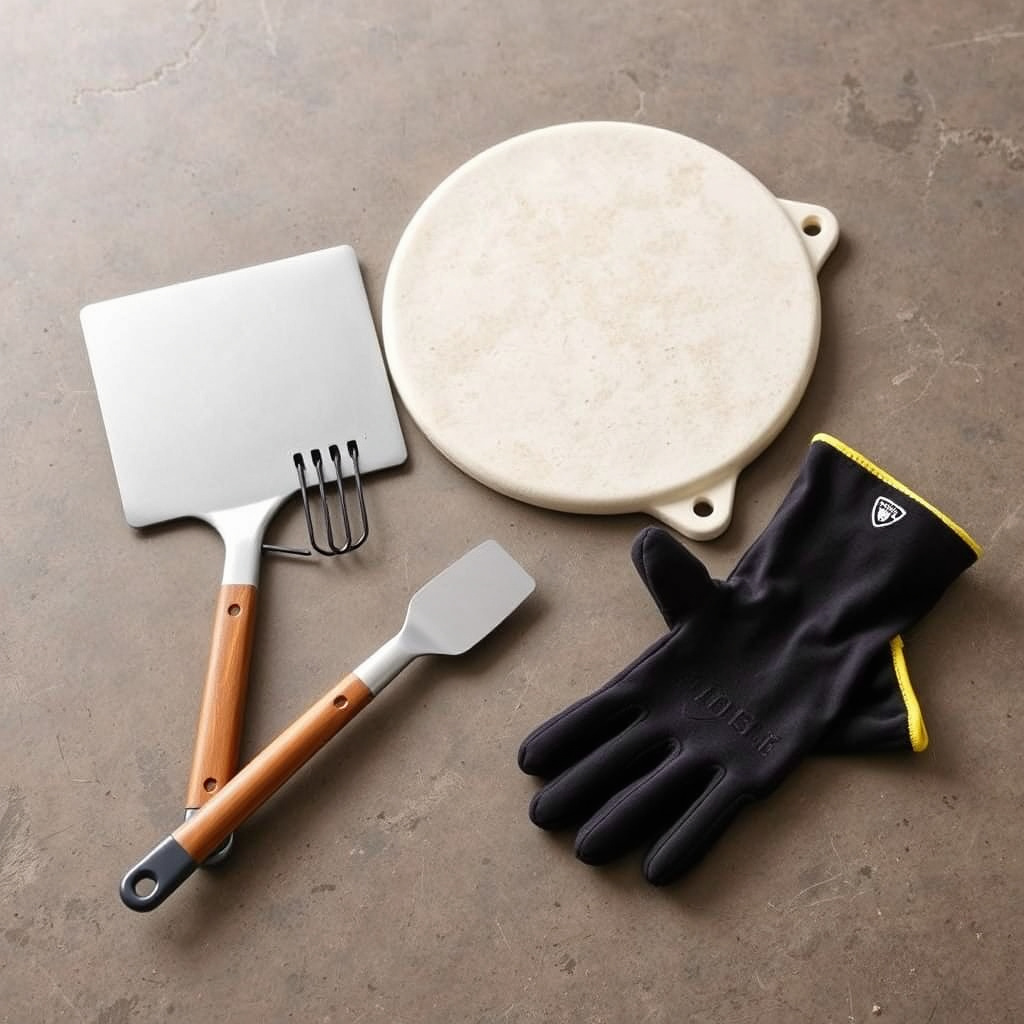
Essential Grill Tools for Pizza
A long-handled pizza peel is essential for transferring pizzas on and off the grill safely and easily. It helps maneuver the dough without stretching or tearing. A grill spatula can assist when flipping the pizza or moving it around the grill surface.
Heat-resistant gloves protect your hands during handling hot surfaces. Additionally, a grill brush helps clean the grates before cooking to prevent sticking and flare-ups.
- Long-handled pizza peel for transferring dough
- Grill spatula for adjustments and flipping
- Heat-resistant gloves for safety
- Grill brush for cleaning grates
Using Pizza Stones and Screens
A pizza stone distributes heat evenly and prevents dough from burning in spots. It absorbs moisture from the dough while providing a firm, hot cooking surface on the grill. When using a pizza stone, preheat it for 20-30 minutes for best results.
Pizza screens offer airflow and reduce sticking without the weight of a stone. They’re suitable for thinner crusts and faster cooking but do not retain heat as well as stones do.
- Preheat pizza stone 20-30 mins before use
- Pizza screens allow air flow and reduce sticking
- Stone gives thicker crust better rise and bake
- Choose tools based on crust style preference
Common Challenges When Grilling Pizza
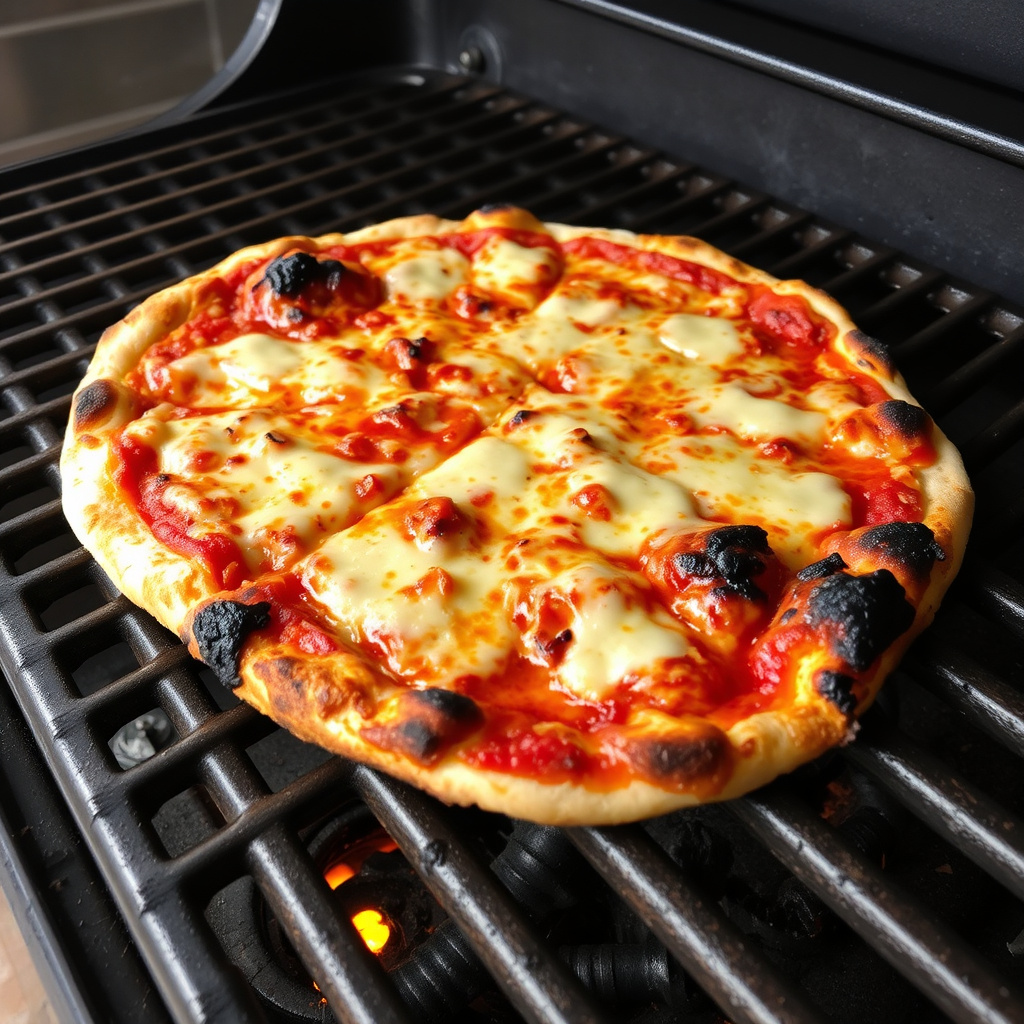
Preventing Dough from Sticking to the Grill
To avoid dough sticking, clean your grill grates thoroughly before starting and oil them lightly using a paper towel dipped in vegetable oil. Placing cornmeal or flour on the dough’s underside also helps create a barrier between dough and metal.
Ensure the grill is sufficiently hot before placing dough down. If dough sticks, gently work a spatula underneath to lift it off without tearing.
- Clean and oil grates before cooking
- Dust dough underside with cornmeal or flour
- Preheat grill adequately
- Use gentle tools to lift stuck dough
Managing Flare-ups and Burnt Crusts
High-fat toppings or dripping oil can cause flare-ups that char your pizza. Keep a spray bottle of water handy to douse sudden flames. Move pizza away from direct flames if flare-ups persist.
If crust burns too quickly, adjust grill temperature by lowering burners or moving coals aside. Indirect heat methods help regulate cooking when flare-ups are frequent.
- Control flare-ups with water spray bottle
- Shift pizza away from direct flames if needed
- Lower grill temperature to prevent burning
- Use indirect heat to manage cooking speed
Creative Variations of Grilled Pizza
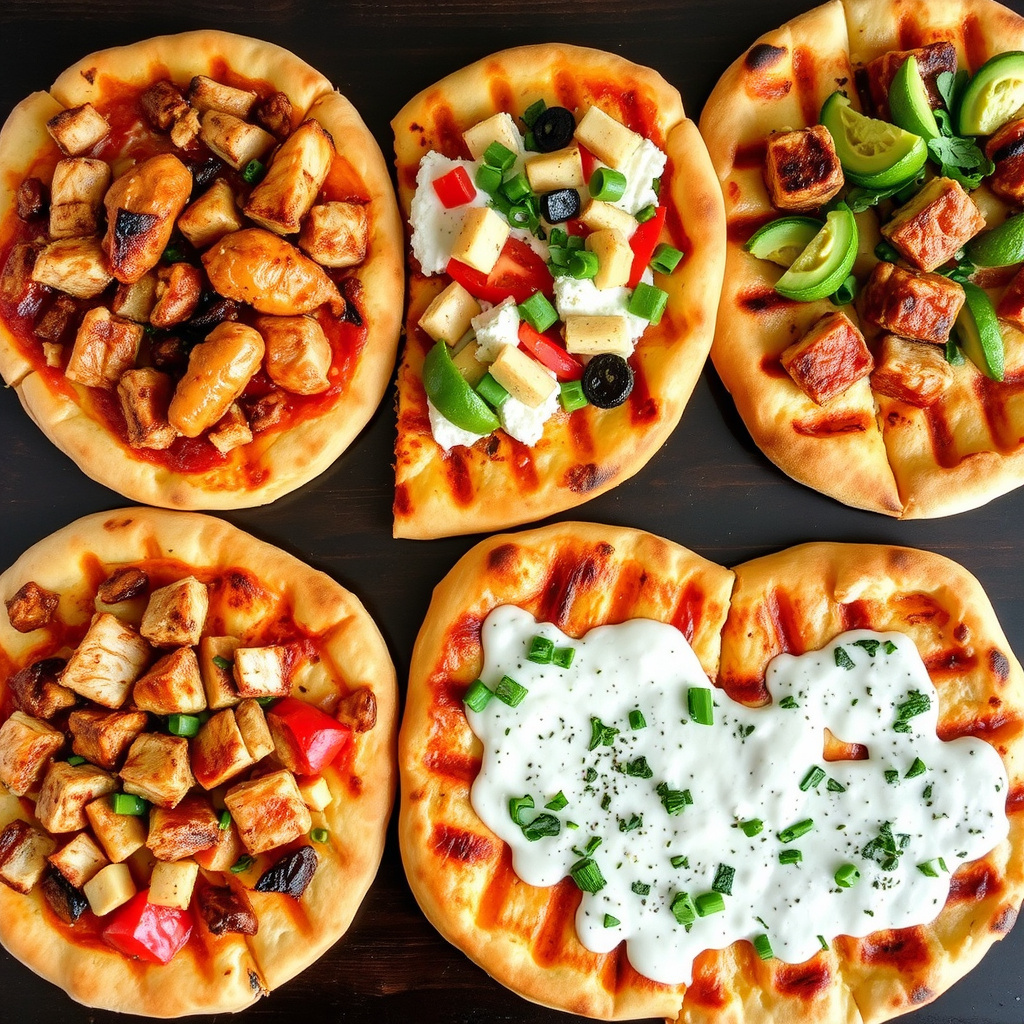
Using Different Crust Recipes for Grilled Pizza
Experiment with whole wheat, cauliflower, or gluten-free dough recipes on the grill for variety. Whole wheat dough adds nuttiness and a chewier texture, while cauliflower crust provides a low-carb alternative but needs careful handling due to its fragility.
No matter the dough type, follow basics of preheating and partial cooking before adding toppings to get the best results on the grill.
- Whole wheat for added flavor and nutrition
- Cauliflower crust is fragile, grill gently
- Gluten-free dough requires careful stretching
- Maintain hydration balance for each dough type
For more on different pizza cooking methods, including grilling, check out grilling pizza techniques on Wikipedia. grilling pizza techniques on Wikipedia.
Exploring Regional Styles on the Grill
Try recreating Neapolitan-style pizzas on the grill, with thin, soft crusts and fresh basil, or go Chicago-style with deeper-dish dough cooked over indirect heat. Grills offer versatility to innovate beyond oven-based regional styles.
Adding smoky BBQ sauces or using smoked cheeses enhances flavor profiles unique to grilling, expanding traditional pizza boundaries.
- Neapolitan style: thin crust, quick grill
- Chicago deep-dish: indirect heat, longer cook
- Add smoky toppings for grill-specific flavors
- Tailor pizza style to grill temperature and method
Grilled Pizza Cooking Methods Compared
This table compares popular grilled pizza methods to help you choose the best approach for your needs and dough style.
| Method | Heat Type | Cooking Time | Best For | Equipment Needed |
|---|---|---|---|---|
| Direct grilling | Direct heat over coals or gas | 3-5 minutes per side | Thin crust, quick cooking | Grill grates, pizza peel |
| Indirect grilling | Heat from side burners or coals moved aside | 8-12 minutes | Thicker crust, heavily topped pizza | Pizza stone, grill with lid |
| Using pizza stone | Indirect heat through stone | 8-12 minutes | Even baking, medium-thick crust | Preheated pizza stone, pizza peel |
| Using pizza screen | Direct heat with airflow | 4-7 minutes | Thin and crispy crust | Pizza screen, grill grates |
| Two-zone grilling | Combination of direct and indirect heat zones | 6-10 minutes total | Mixed crust styles, control over doneness | Two-zone grill setup, pizza peel |
Frequently Asked Questions
Can I use store-bought pizza dough for grilling?
Yes, store-bought dough works well if it has good elasticity. Let it rest and come to room temperature before stretching to avoid tearing on the grill.
Do I need to preheat the grill before making pizza?
Absolutely. Preheating ensures consistent cooking temperature and helps prevent sticking, making it easier to achieve a crisp crust.
What’s the best way to flip pizza on the grill?
Use a large pizza peel or spatula to lift gently and flip the pizza quickly. Flipping too early or roughly can cause toppings to fall off or dough to tear.
How do I prevent my grilled pizza from becoming soggy?
Use less sauce and choose toppings with low moisture. Partially cooking the dough first helps form a barrier that keeps it crispy.
Can I grill frozen pizza dough directly?
It’s better to thaw frozen dough completely and let it rest before grilling to ensure even cooking and flexibility during stretching.
Key Takeaways
- Maintain grill temperature between 500°F and 600°F for best results
- Preheat and oil grates to prevent dough sticking
- Partially cook dough before adding toppings
- Choose quick-cooking and low-moisture toppings for grilling
Conclusion
Grilling pizza offers an exciting outdoor cooking alternative that brings smoky flavors and crispy textures unreachable by traditional ovens. When deciding how to grill pizza, focus on well-prepared dough, controlling grill heat precisely, and selecting toppings that match quick cook times. This balance creates pizzas with satisfying crusts and evenly cooked toppings in a matter of minutes.
For those starting out, direct heat grilling is ideal for thin crusts and quick meals, while indirect heat with a pizza stone suits thicker, deeper pizzas requiring gentler cooking. Experimenting with regional styles like Neapolitan or Chicago deep-dish expands your pizza repertoire and allows you to tailor grilled pizza to personal preferences.
Next time you plan an outdoor meal, gather your dough, toppings, and basic grilling tools to try grilling pizza yourself. With careful attention to technique and temperature, you'll craft delicious grilled pizzas that impress friends and family and make summer evenings around the barbecue memorable.



