
Grilling ribs to perfection means balancing heat, time, and seasoning to achieve tender meat that falls off the bone with rich, smoky flavor. To grill ribs well, start with choosing the right rib cut, apply a flavorful dry rub or marinade, and slow-cook them over indirect heat for several hours, often finishing with a glaze or sauce.
The appeal of grilled ribs lies in the combination of smoky aroma, juicy texture, and deeply developed flavors. Whether you prefer baby back ribs or St. Louis style, mastering the grilling process can transform ordinary meat into a culinary standout that impresses at backyard cookouts or weekend dinners.
This guide will cover selecting the best ribs for grilling, prepping your meat, essential grilling methods including managing the heat, seasoning strategies, finishing techniques, troubleshooting common problems, and how to pair your ribs with complementary sides and sauces.
Choosing the Best Ribs for Grilling
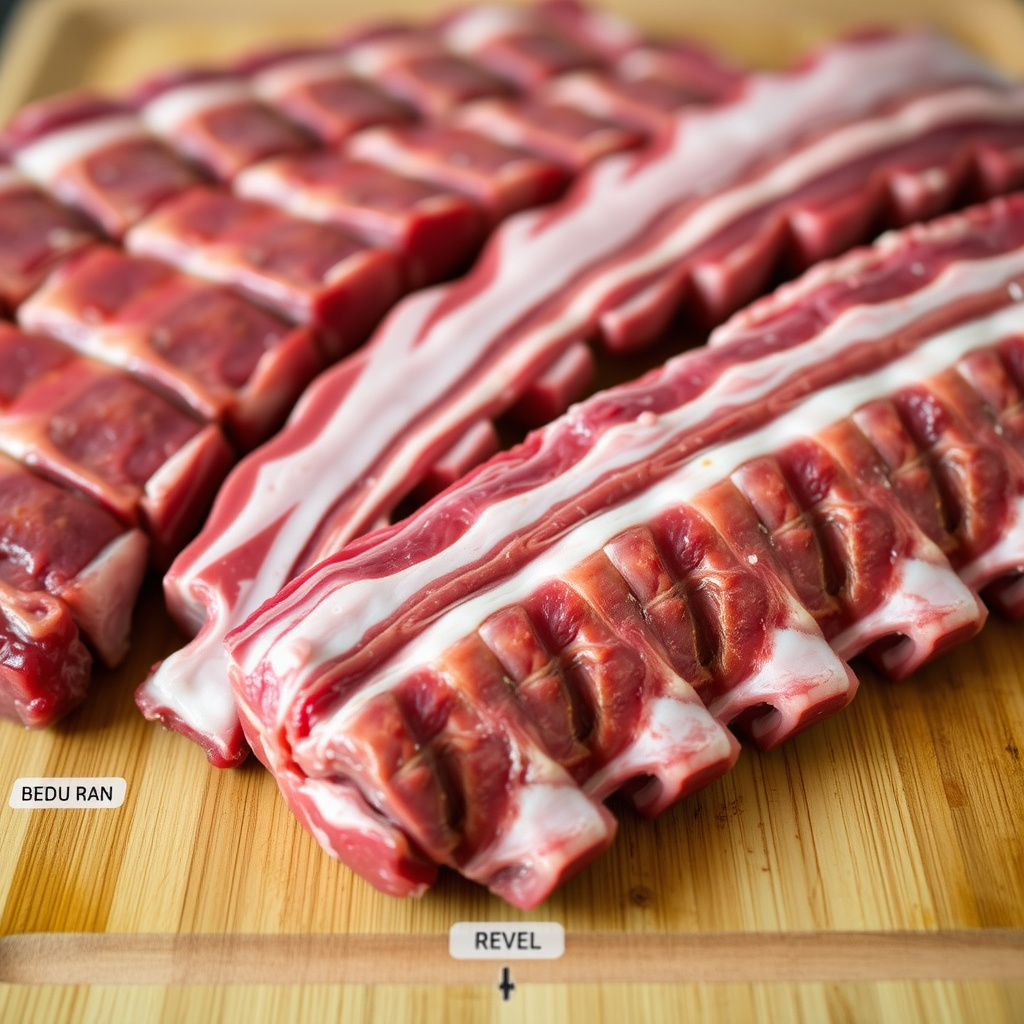
Baby Back Ribs vs. Spare Ribs
Baby back ribs come from the upper ribs near the spine and tend to be smaller, leaner, and more tender. They cook faster and are often considered easier for beginners. Meanwhile, spare ribs are larger, meatier, and include more fat, which can enhance flavor but requires longer cooking times to become tender.
Selecting between these ribs depends on your preferences for texture and cooking duration. Baby backs often deliver a delicate chew and less cook time, while spare ribs offer robust taste and a more substantial bite, making them popular for slow, low grilling.
- Baby back ribs: lean, tender, cook ~2-3 hours
- Spare ribs: fattier, richer flavor, cook ~3-4 hours
Understanding Rib Grades and Preparation
Quality ribs start with good marbling and a clean membrane on the bone side. Removing the thin silver skin membrane is essential, as it can be tough and block seasoning absorption. Also, opt for ribs with consistent thickness to ensure even cooking.
Some butchers offer pre-trimmed ribs or ribs enhanced with a light injection of flavor. Knowing your source helps determine if you want to prepare the ribs yourself or purchase ready-to-grill cuts.
- Look for pink muscle with good marbling
- Remove the silver skin membrane
- Consistent rib thickness for even grilling
Prepping Ribs for the Grill
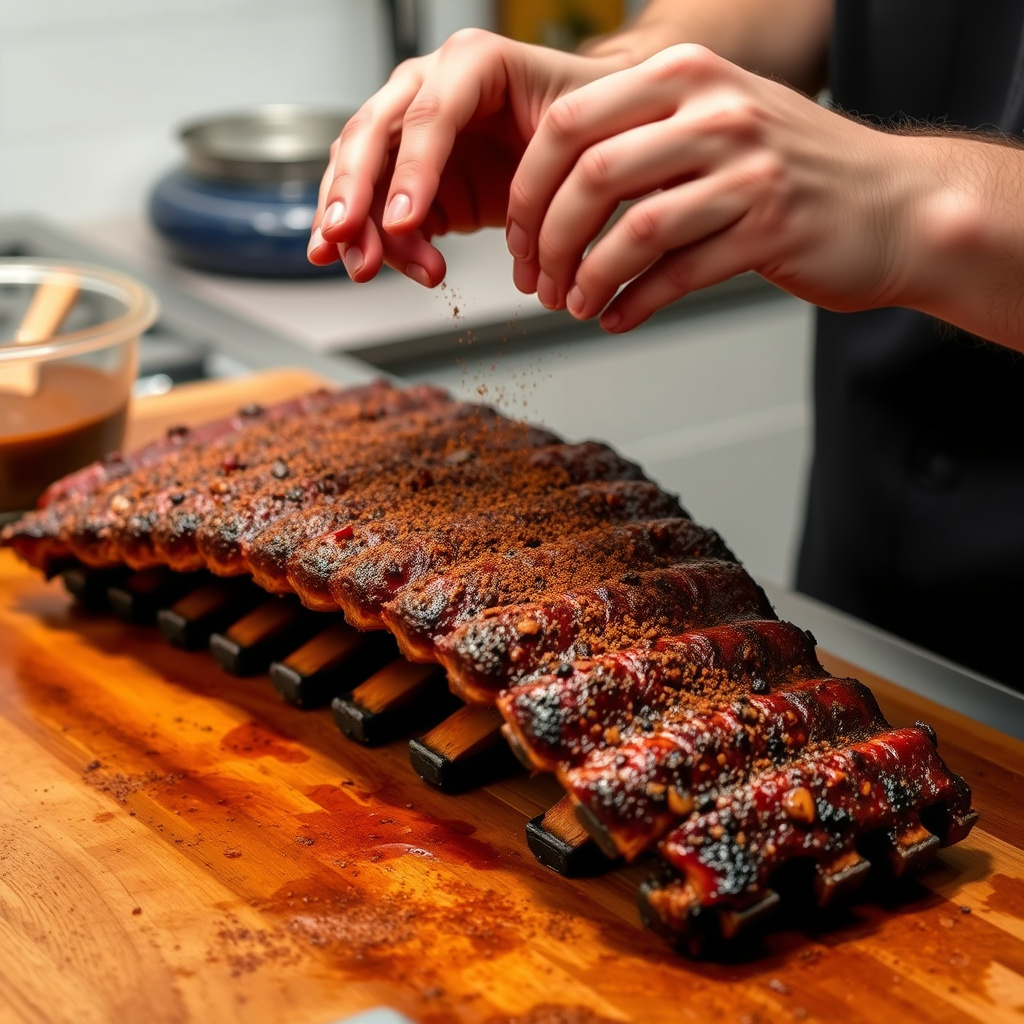
Dry Rubs and Marinades
Applying a dry rub consisting of salt, sugar, paprika, garlic powder, and other spices creates a flavorful crust called bark that forms during grilling. Alternatively, marinating ribs in a mix of acidic liquids like vinegar or citrus juice plus spices can tenderize and infuse the meat with flavor.
For best results, apply dry rub generously and allow the ribs to sit uncovered in the fridge for several hours or overnight. Marinades require fewer hours but still benefit from at least an hour of soaking before grilling.
- Dry rub ingredients: salt, sugar, smoked paprika, black pepper, garlic powder
- Marinade bases: apple cider vinegar, lemon juice, soy sauce
Removing the Membrane and Trimming
Prior to seasoning, remove the silvery membrane on the bone side by sliding a knife edge underneath and peeling it off. This step helps ribs become tender and allows seasoning to penetrate better.
Trimming excess fat or uneven edges improves airflow and heat distribution on the grill. A neat rack cooks more evenly and looks more appetizing when served.
- Use a butter knife or paper towel to grip the membrane
- Trim excess fat but leave some for flavor
Grilling Techniques for Ribs
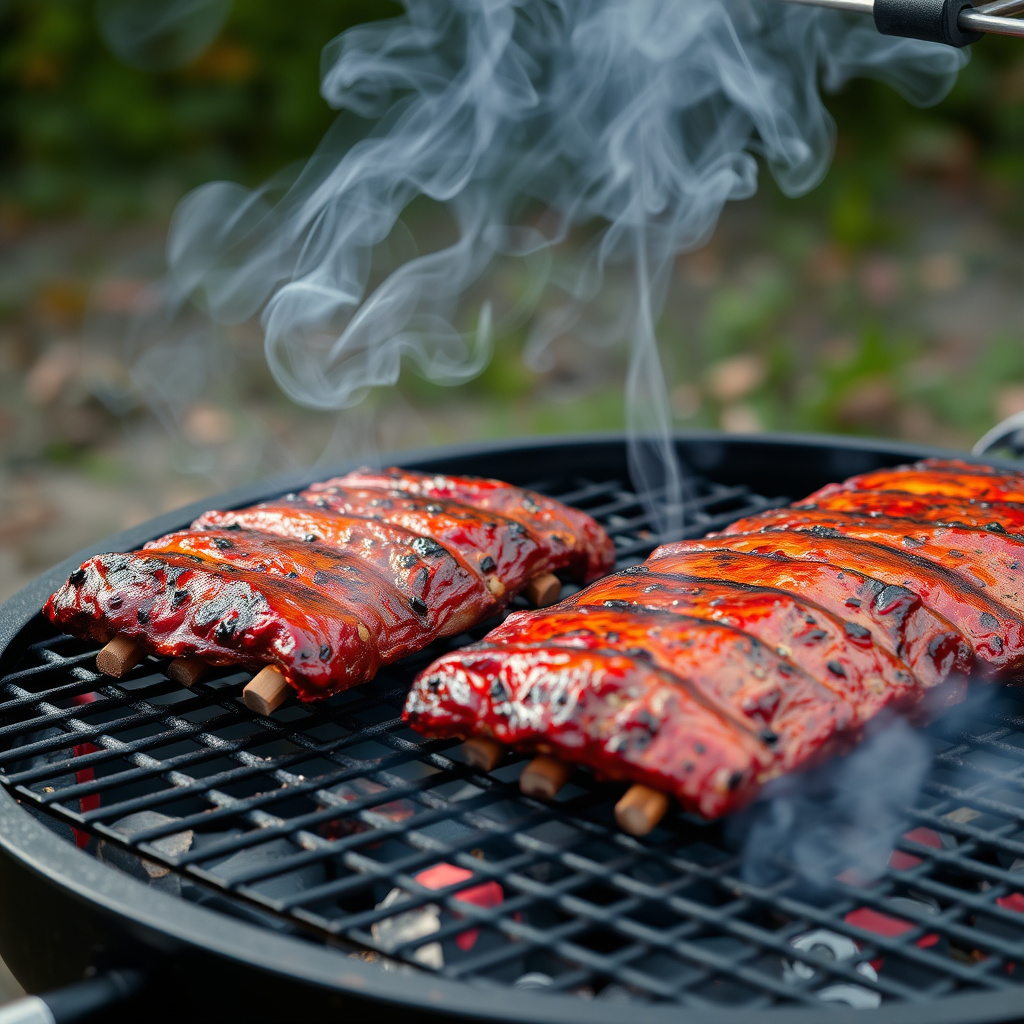
Indirect Heat and Temperature Control
Grilling ribs low and slow over indirect heat—usually around 225°F to 250°F—allows collagen in the meat to break down, making it tender. Set up the grill with coals or burners on one side, and place ribs on the cooler side to avoid direct flames.
Maintaining steady temperature is key to preventing toughness or dryness. Use a meat thermometer or grill thermometer regularly and adjust vents, burners, or charcoal placement to keep consistent heat.
- Target grill temp: 225°F to 250°F for slow cooking
- Use indirect heat zone away from flames
- Monitor temperature every 30 minutes
For more on this, see our related guide: How to Use Wood Chips on a Gas Grill for Enhanced Flavor.
Using Smoke for Flavor
Adding wood chips or chunks such as hickory, apple, or cherry wood introduces aromatic smoke that penetrates the ribs, enhancing taste with a natural smoky profile. Soak chips in water and place them near the heat source to produce steady smoke without burning too fast.
Keep the grill lid closed as much as possible to trap smoke and heat around the ribs. Open only briefly to check temperature or spray with apple juice for moisture.
- Use fruitwoods for mild, sweet smoke
- Avoid heavy smoke which can taste bitter
- Soak wood chips before adding to coals
Finishing and Serving Grilled Ribs
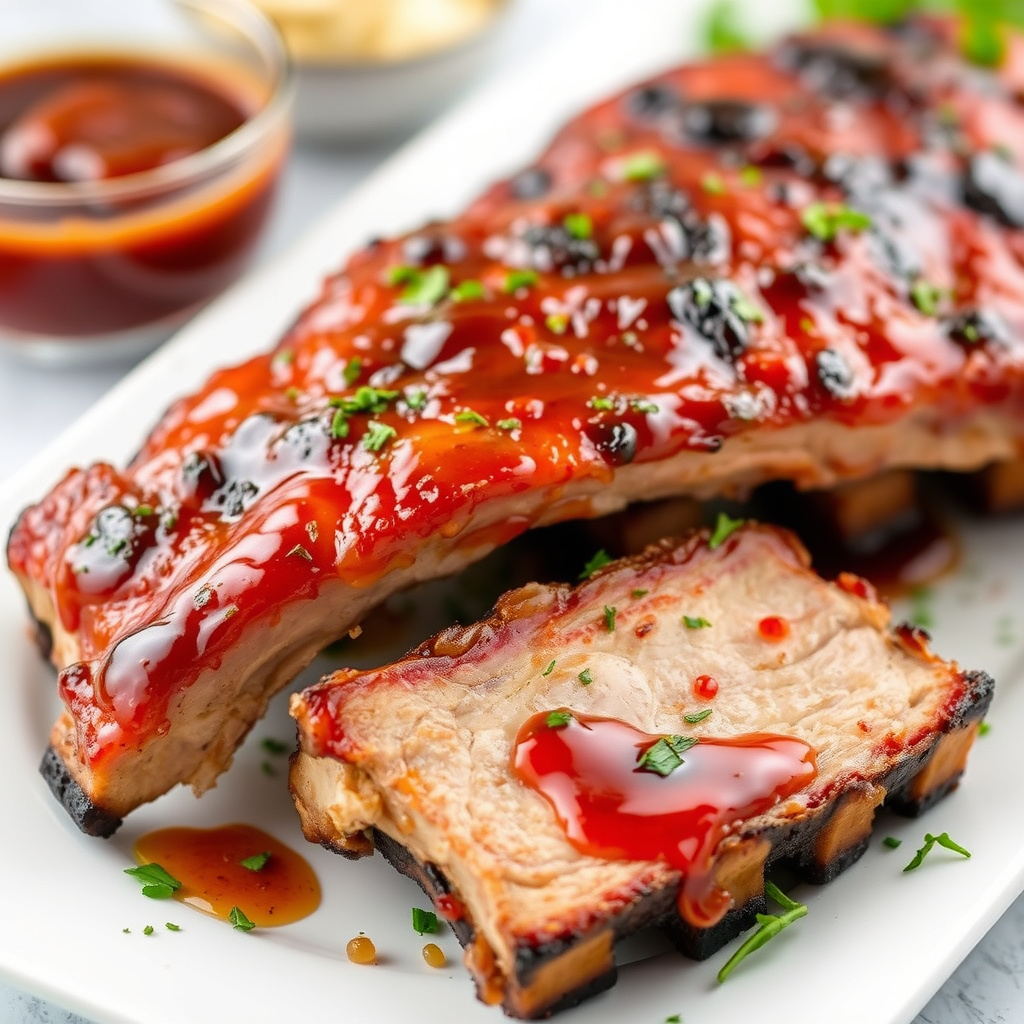
Applying Sauce and Glazing
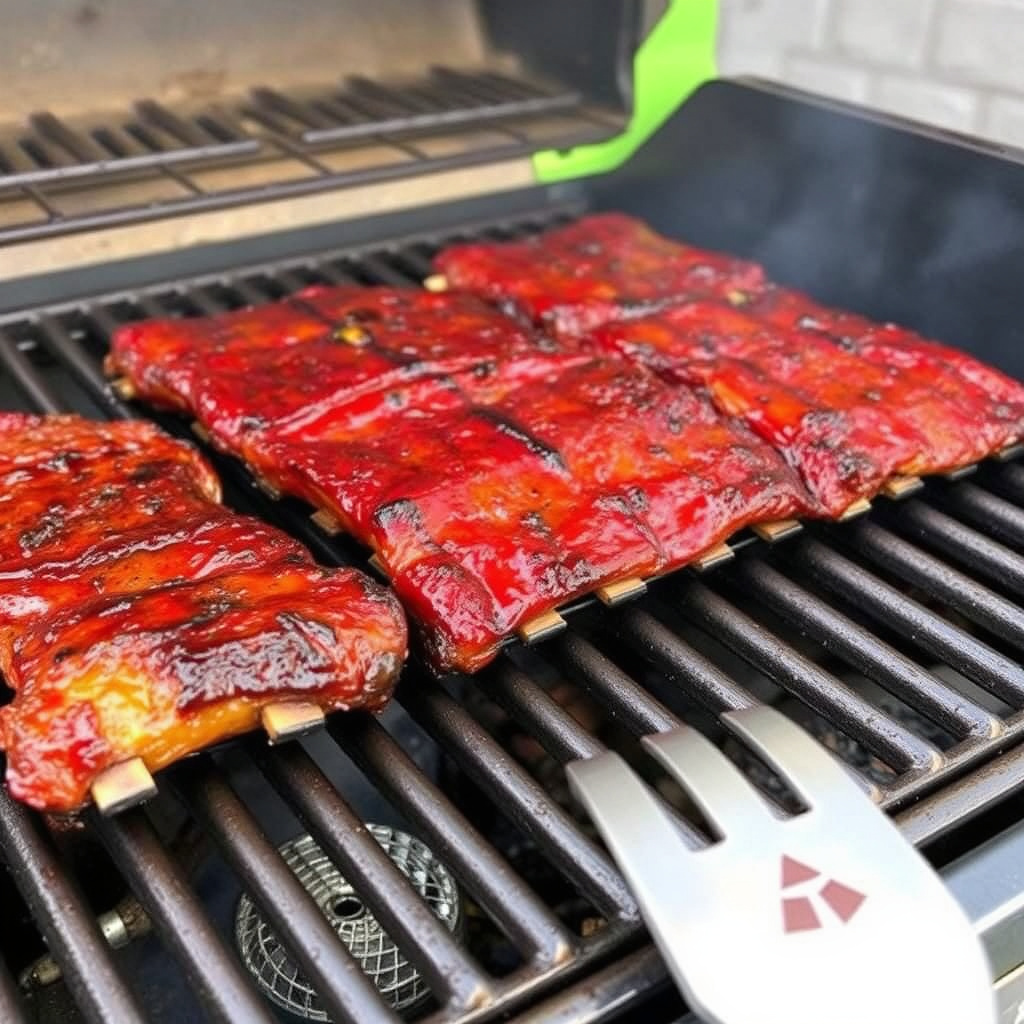
Saucing ribs toward the end of cooking prevents sugars in barbecue sauce from burning. Brush on sauce during the last 15-20 minutes and allow it to caramelize into a sticky, flavorful glaze. Multiple thin coats create a better finish than one thick layer.
Alternatively, serve sauce on the side if you prefer to showcase the dry rub flavors or maintain the smoky bark texture without added sweetness.
- Brush sauce in last 15-20 minutes only
- Apply multiple thin layers for best glaze
- Offer extra sauce as a dip
Resting and Slicing
After grilling, let ribs rest for about 10 minutes covered loosely with foil to allow juices to redistribute and stabilize. This resting step improves moistness and tenderness when sliced.
Cut ribs between the bones into individual portions and serve immediately with favorite sides. Rested ribs also reheat well if you need to prepare ahead.
- Rest ribs for 10 minutes before slicing
- Slice between bones for neat portions
Troubleshooting Common Grilling Issues
Dry or Tough Ribs
Dryness often results from cooking at too high a temperature or not enough fat in the ribs. To salvage slightly dry ribs, wrap them in foil with some apple juice and continue heating gently to rehydrate meat.
Longer, slower cooking at controlled temps reduces toughness and promotes tenderizing collagen breakdown.
- Avoid temperatures above 300°F for ribs
- Wrap in foil with liquid to restore moisture
For more on this, see our related guide: How to Use a Smoker Grill: A Practical Guide for Perfect BBQ.
Lack of Smoke Flavor
Inadequate smoke flavor can happen if wood chips burn too quickly or the grill lid remains open too much. Use soaked chips, monitor smoke production, and keep lid closed to trap flavor.
Experiment with different wood types and chip placement to balance smoke intensity without overpowering.
- Use soaked wood chips for steady smoke
- Keep grill lid closed as much as possible
Best Side Dishes and Beverage Pairings
Classic BBQ Side Dishes
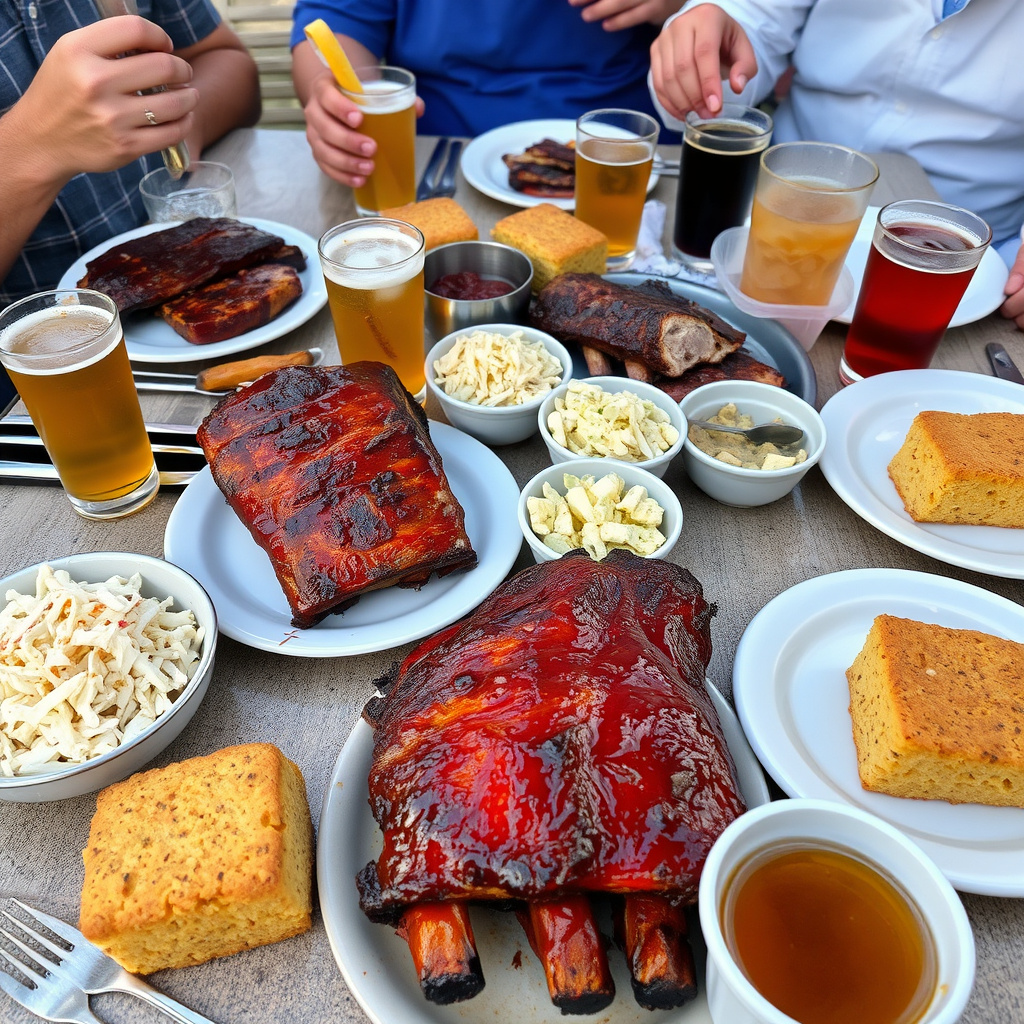
Ribs pair well with traditional barbecue sides like creamy coleslaw, baked beans, corn on the cob, and cornbread. These dishes complement the smoky, savory ribs with textures that balance richness.
Adding fresh, crisp salads or pickled vegetables can offer brightness and contrast, uplifting the overall meal experience.
- Coleslaw and baked beans
- Cornbread and grilled corn
- Pickled cucumbers and fresh salad
For an overview of rib types and barbecue history, check out this detailed article on grilling ribs on Wikipedia. Grilling ribs on Wikipedia.
Ideal Beverage Choices
Full-bodied beers such as IPAs or stouts hold up well against smoky ribs, while fruity red wines like Zinfandel or Shiraz can complement sweet and savory glaze notes. For non-alcoholic options, iced tea or sparkling lemonade refresh the palate.
Serving drinks chilled balances out the warmth and spice of grilled ribs for a satisfying meal.
- IPA, stout, or porter beers
- Zinfandel or Shiraz wines
- Iced tea and sparkling lemonade
Rib Types for Grilling: Comparison Chart
Here’s a comparison of popular rib types to help you choose the best option depending on flavor, cooking time, and tenderness.
| Rib Type | Flavor Profile | Cooking Time | Tenderness | Typical Weight |
|---|---|---|---|---|
| Baby Back Ribs | Mild, lean | 2-3 hours | Tender | 1.5-2.5 lbs per rack |
| Spare Ribs | Rich, fatty | 3-4 hours | Very Tender | 2.5-3.5 lbs per rack |
| St. Louis Style Ribs | Balanced fat and meat | 3-3.5 hours | Tender with chew | 2-3 lbs per rack |
| Country Style Ribs | Meatier, pork shoulder | 2-2.5 hours | Firm but juicy | 1.5-2.5 lbs per rack |
Frequently Asked Questions
Can I grill ribs without a smoker?
Yes, you can achieve smoky flavor on a regular grill by using soaked wood chips and maintaining indirect heat with the grill lid closed to trap smoke around the ribs.
How do I know when ribs are done grilling?
Ribs are done when the internal temperature reaches about 190°F to 203°F and the meat starts pulling away from the bones, becoming tender yet not falling apart completely.
Should I marinate ribs before grilling?
Marinating ribs can add moisture and flavor, but dry rubs are more traditional for grilling ribs and develop a better crust. Choose based on your flavor preference.
Is it necessary to remove the membrane from ribs?
Removing the membrane improves tenderness and prevents a chewy texture. Although optional, it is highly recommended for the best grilled rib experience.
Can I cook ribs on a gas grill instead of charcoal?
Absolutely. Gas grills can handle indirect, low-temperature cooking effectively. Adding wood chips in a smoker box enhances smoky flavor on gas grills.
Key Takeaways
- Choose ribs based on flavor preference and cooking time.
- Removing the membrane and applying a dry rub improves texture and flavor.
- Grill ribs low and slow over indirect heat for tender results.
- Finish ribs with sauce near the end to prevent burning.
Conclusion
Grilling ribs well requires a patient approach that balances the right cut, seasoning, and gentle cooking over steady, indirect heat. Understanding the differences between baby back ribs, spare ribs, and other styles helps tailor your grilling method to achieve the desired tenderness and flavor. Managing smoke carefully adds a tasty layer without overpowering, and finishing techniques like glazing create the perfect rib crust.
For casual weekend barbecues or special meals, baby back ribs offer a quicker, tender option ideal for those new to grilling. If time allows, spare ribs or St. Louis style provide a richer, fattier profile suited for slow smokers or grill setups that can hold lower temperatures longer. Applying dry rubs and removing membranes improves seasoning penetration, while sauces applied in the final grilling phase offer a sticky, savory finish.
Starting your rib grilling with a clear plan—from selecting the best ribs for grilling to controlling temperature and smoke—ensures satisfying results every time. Experiment with rubs, wood types, and sides to find your preferred style. Begin with preparing a rack of baby back ribs using a simple dry rub and an indirect heat setup to master the basics before moving onto more complex recipes.



