When choosing how to enhance the flavor of meat, many wonder: are rubs better than marinades? The answer depends largely on your cooking goals and preferences. Rubs, typically dry mixtures of spices and herbs, create a concentrated flavor crust on the meat's surface, while marinades use liquids to infuse moisture and often tenderize muscle fibers more deeply. Both methods add delicious taste but impact texture and cooking times differently.
Understanding whether rubs or marinades are better matters because the way you season affects not only flavor intensity but also how the meat cooks and feels in your mouth. Rubs tend to be quicker to apply and more suited for grilling or roasting, whereas marinades usually require several hours or overnight soaking. Choosing between them influences your meal’s taste profile, preparation time, and even the juiciness of your final dish.
This article compares rubs and marinades side by side, covering their composition, application techniques, effects on various types of meat, and flavor results. We’ll also discuss when each seasoning style shines and offer practical tips for pairing them with cooking methods and meat cuts to help you decide which approach fits your culinary needs.
Understanding Rubs: Composition and Application
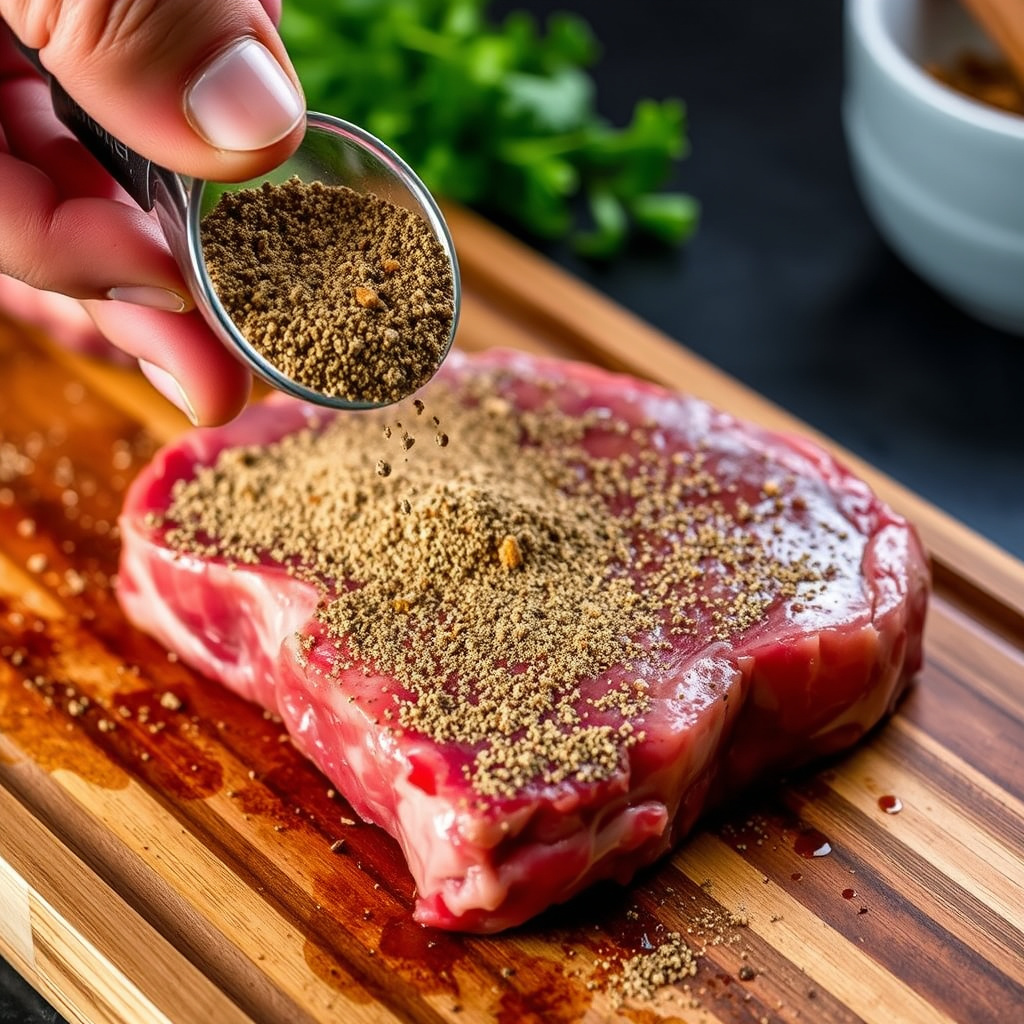
What Are Rubs Made Of?
Rubs are blends of dry spices, herbs, salt, sugar, and sometimes powdered aromatics like garlic or onion. These ingredients combine to form a thick coating that adheres to the meat's surface. Unlike marinades, rubs do not include liquids, so they don't penetrate deeply but instead create a flavorful crust when cooked.
Ingredient proportions vary depending on the desired flavor profile, from smoky paprika and cumin bases to sweet cinnamon and brown sugar mixes for barbecue styles. Some rubs include coarse salts that draw out surface moisture, helping the spices stick better and improving caramelization during cooking.
- Common spices: paprika, cumin, chili powder
- Herbs: thyme, oregano, rosemary
- Flavor enhancers: salt, sugar, garlic powder
How to Apply Rubs Effectively
Applying a rub requires patting the meat dry, then massaging the spice mixture evenly over all surfaces, sometimes letting it sit briefly before cooking. Unlike marinades, rubs work best when applied minutes to a few hours in advance; they don’t need extensive time to infuse flavor.
For thick meat cuts, rubs mainly flavor the outer layer, so even coverage is key. They are ideal for grilling, smoking, or roasting, where high heat creates a desirable crust and intensifies the spices. Rubs also reduce prep mess since they don’t involve liquids that can drip or spill.
- Dry meat surface before applying rub
- Redistribute spice mixture evenly by hand
- Let rest at room temperature or refrigerate briefly before cooking
Marinades: Ingredients and Flavor Penetration
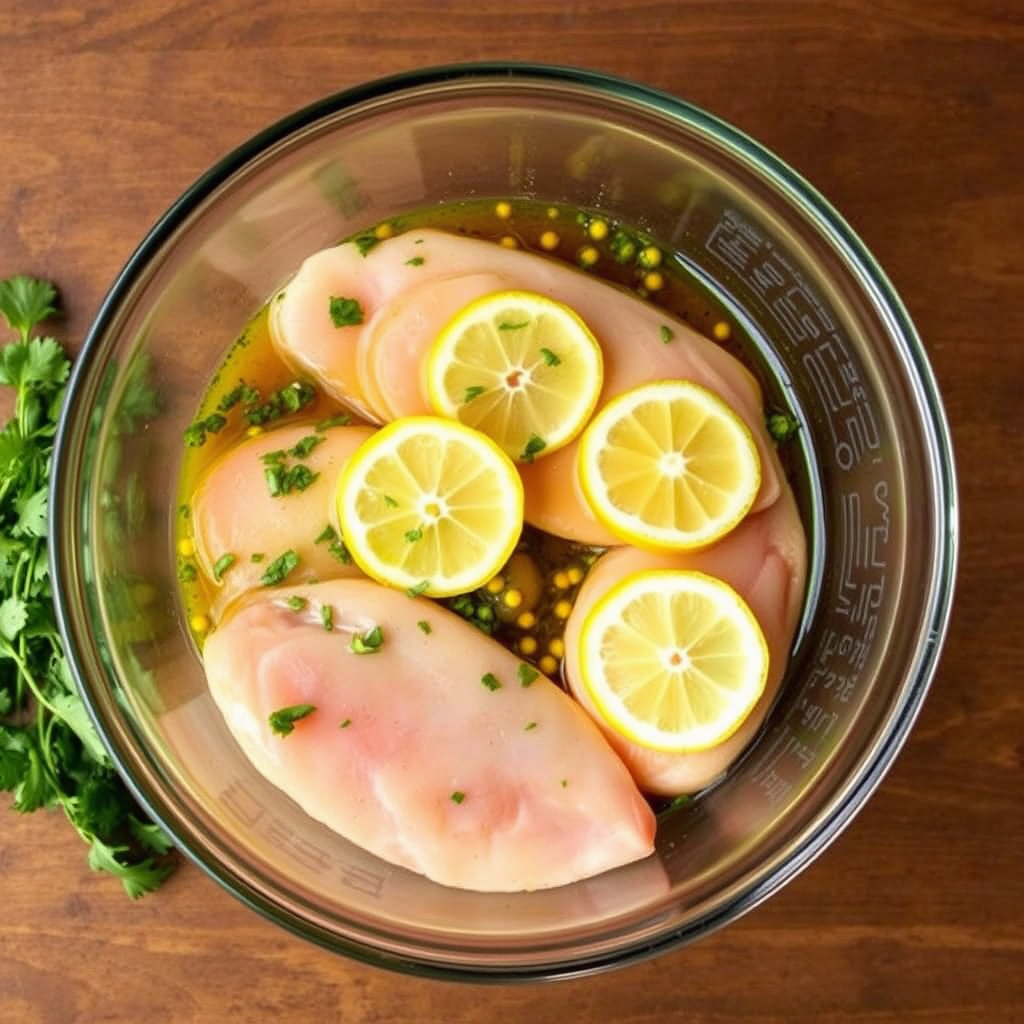
Typical Marinade Ingredients
Marinades usually consist of an acidic component like vinegar, citrus juice, or wine combined with oil, herbs, spices, and sometimes sugar or soy sauce. The acid breaks down muscle proteins to help tenderize tougher cuts while the oil and herbs transport flavor deep into the meat.
Ingredients must be balanced carefully; too acidic a marinade for too long can lead to mushy textures. Sweeteners counteract acid sharpness and aid caramelization. Aromatics like garlic and onion add pungent notes, while salt enhances overall flavor penetration.
- Acid: lemon juice, vinegar, wine
- Oil: olive oil, vegetable oil
- Flavorings: garlic, ginger, herbs, soy sauce
How Marinades Impart Flavor and Tenderness
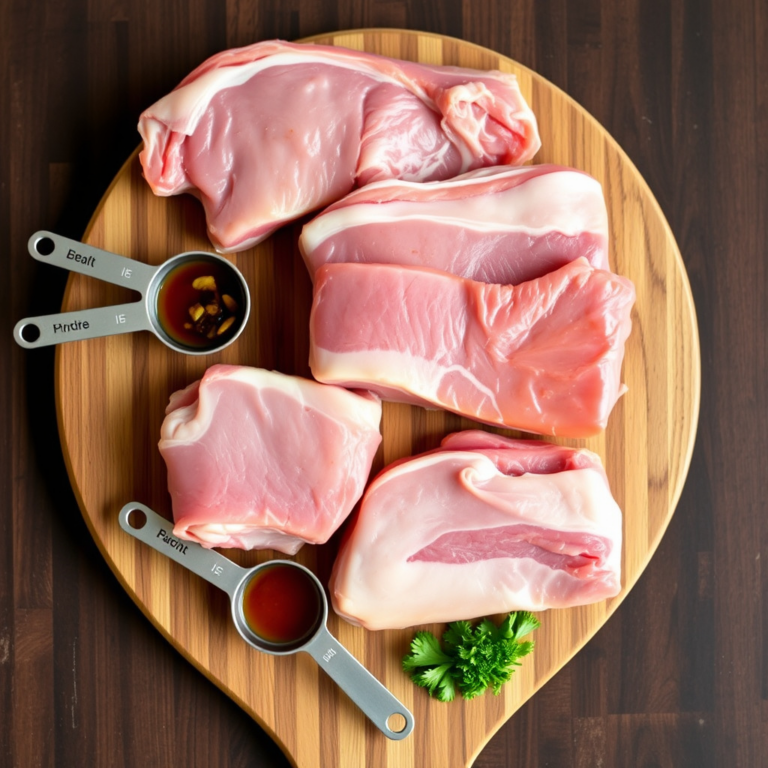
Marinating involves soaking meat in the marinade for anywhere from 30 minutes to 24 hours depending on cut thickness and desired texture. The liquid medium allows flavor molecules and acids to penetrate beneath the surface, tenderizing and seasoning the interior as well as the outside.
This method works especially well with tougher cuts like flank steak or pork shoulder that benefit from protein breakdown. However, marinating too long can lead to a spongy texture if acids deteriorate muscle fibers excessively.
- Soak meat fully submerged in marinade
- Adjust marinating time based on cut and acid strength
Flavor Profiles and Texture Outcomes
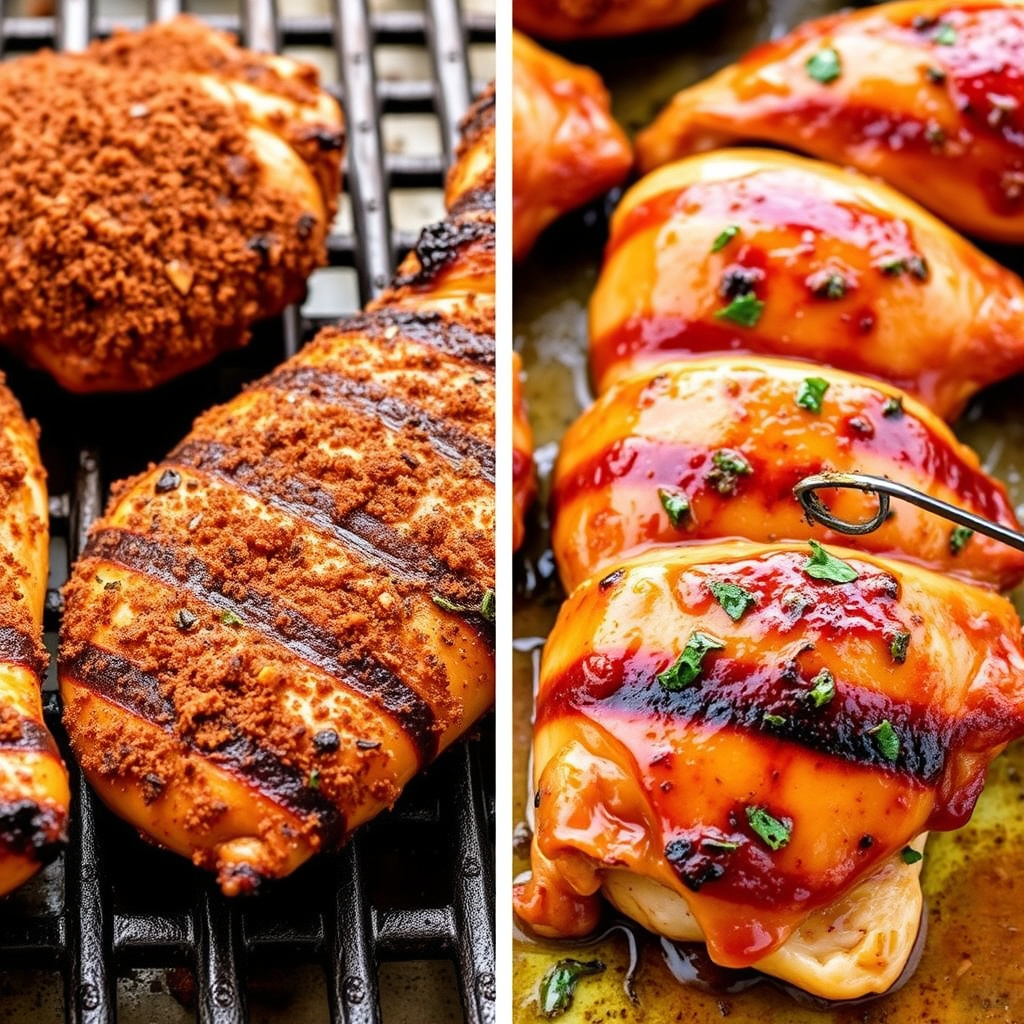
Impact of Rubs on Taste and Texture
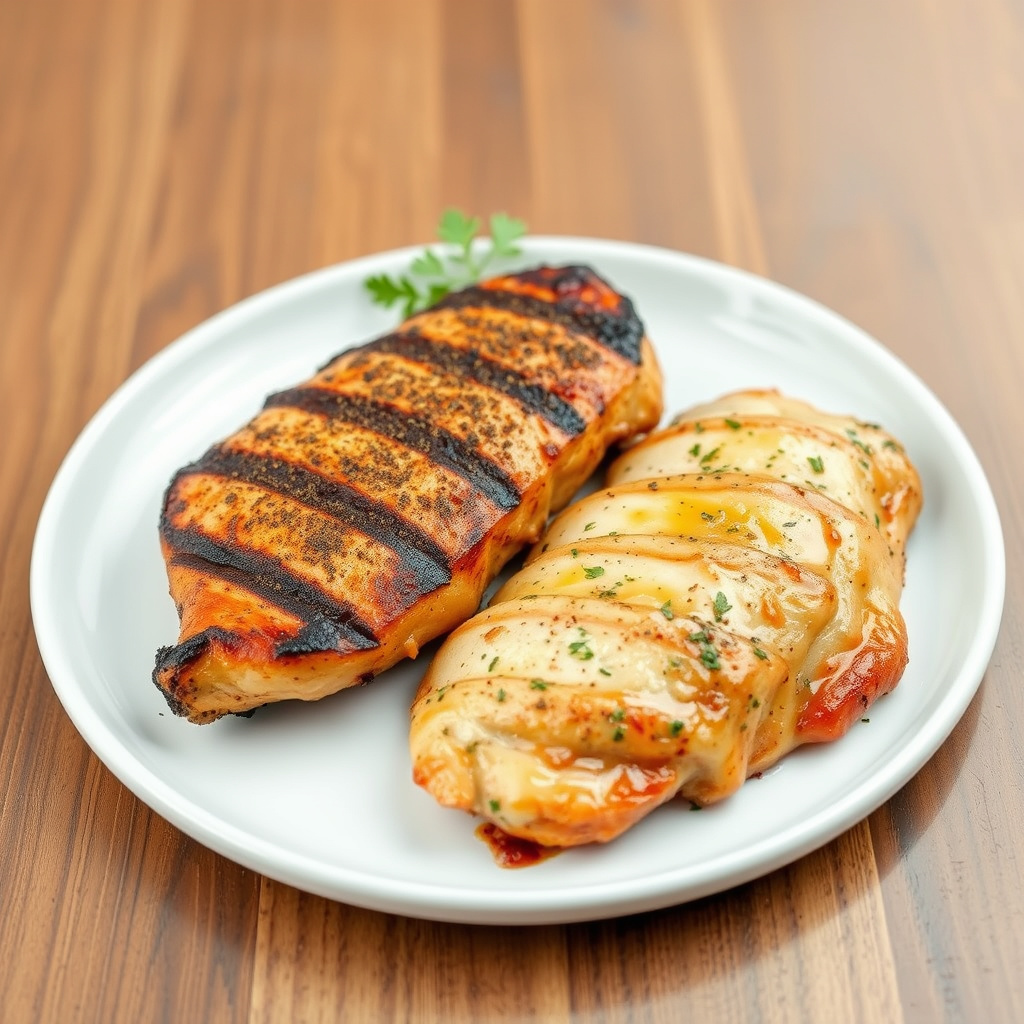
Rubs concentrate intense, surface-level flavors that crisp up during cooking due to caramelization of sugars and spices. They produce a savory crust that enhances texture contrasts, delivering bold bursts of flavor with each bite but less flavor depth inside the meat.
Because rubs don't penetrate deeply, the interior texture remains largely unaffected, maintaining the meat's natural tenderness or chewiness. This makes them ideal for quicker cooking methods where a flavorful exterior matters most.
For more on this, see our related guide: Are Marinades Worth It? A Practical Guide to Enhancing Your Meals.
Influence of Marinades on Meat
Marinated meat tastes more uniformly flavored throughout since the liquid transfers spices and acidic notes inside the muscle fibers. Additionally, the tenderizing effect of acids can soften otherwise tough cuts, improving juiciness and complexity of texture.
This results in a moister bite, although sometimes the surface doesn’t develop as pronounced a crust compared to rubs. Choosing marinades with balanced acidity helps keep the meat juicy without compromising exterior texture.
Best Meat Types for Rubs vs. Marinades
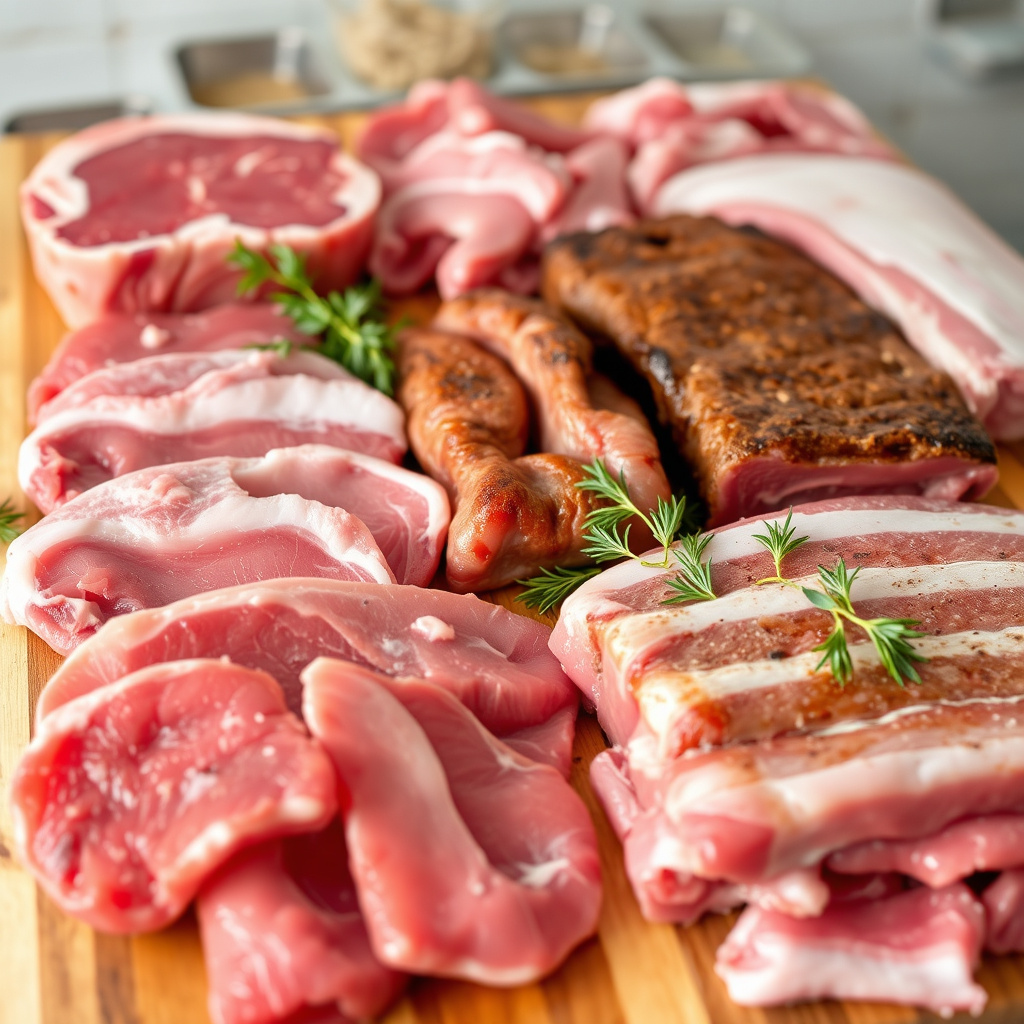
Meats Suited for Rubs
Rubs complement steaks, ribs, and chicken thighs well, where the goal is a flavorful crust and quick cooking. Thick cuts with moderate fat marbling hold rubs nicely and develop a pleasing textured exterior when grilled or smoked.
Lean cuts can sometimes lose moisture if over-rubbed with salt-based blends, so milder spice mixtures work better for delicate meats like fish or tenderloin that benefit from subtle enhancement.
- Steak cuts (ribeye, sirloin)
- Pork ribs and chops
- Chicken thighs and drumsticks
Meats Ideal for Marinades
Marinades excel with tougher or lean meats such as flank, skirt steak, pork shoulder, and chicken breasts. Their tenderizing acids soften dense muscle fibers while infusing flavor deep inside, elevating chewiness and moisture retention.
Marinating also suits game meats and turkey, which may lack the fat content needed for natural juiciness, helping prevent dryness during cooking.
- Flank and skirt steaks
- Pork shoulder and tenderloin
- Chicken breasts and game meats
Practical Considerations: Time, Convenience, and Cleanup
Time Commitment and Preparation
Rubs require minimal prep time, often just a few minutes to coat the meat before cooking or brief resting. This suits last-minute meal plans or grilling sessions where extended soaking isn't feasible.
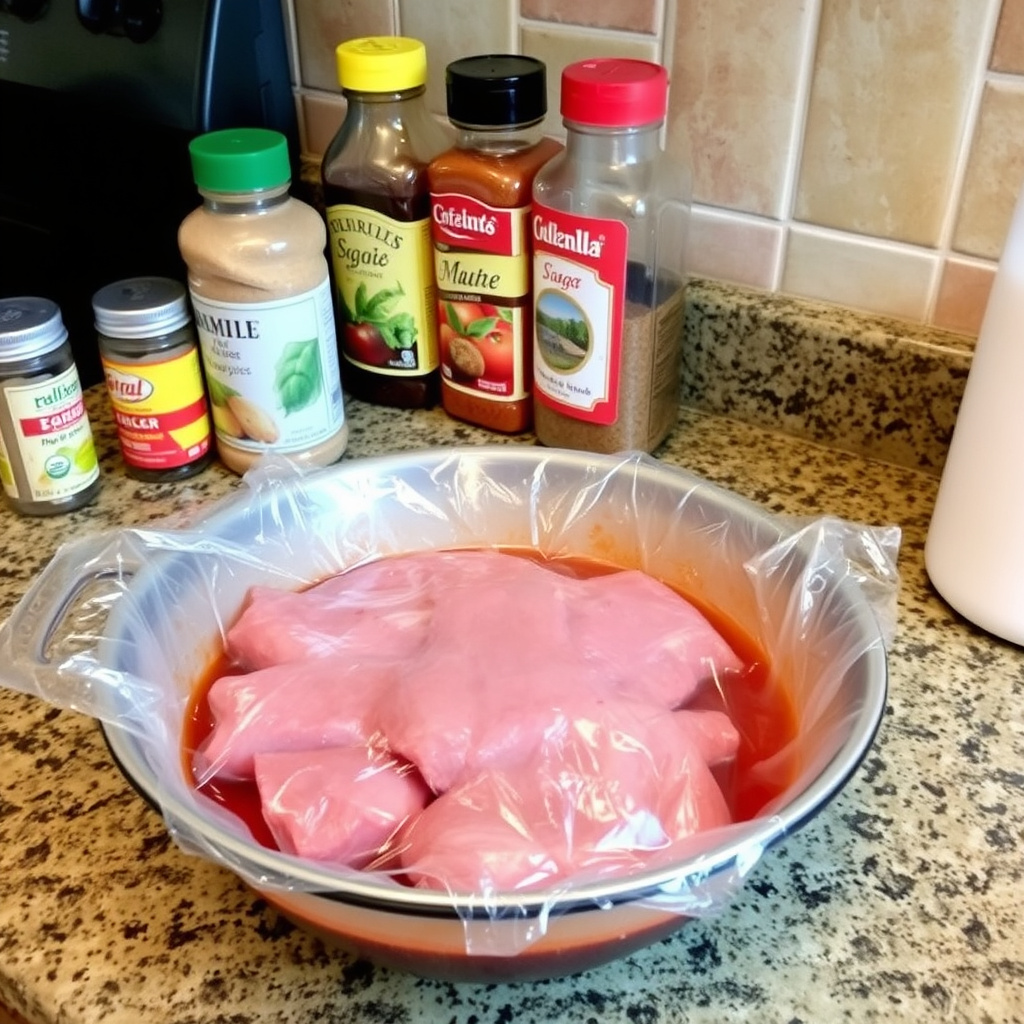
Marinades need hours or overnight to achieve flavor infusion and tenderizing effects. Planning ahead and ensuring proper refrigeration are essential, making them less convenient for spontaneous cooking.
- Rubs: quick application, short wait
- Marinades: long soak times, fridge storage
For more on this, see our related guide: Should You Season Steak Before Grilling? Expert Tips for the Best Flavor.
Cleanup and Kitchen Practicalities
Rubs create less mess since dry spices don’t drip or leak liquids. They also save refrigerator space as meats don’t require large containers to hold marinade.
Marinades can be messy, with dripping liquids requiring cleaning of bowls and surfaces to avoid cross-contamination. Proper disposal of leftover marinade is critical to food safety.
- Rubs: low mess, easy cleanup
- Marinades: need for containers, spill control
Health and Nutritional Differences
Nutritional Impact of Using Rubs
Rubs generally add very few calories or nutrients since they primarily consist of dry herbs and spices. Salt and sugar amounts vary but remain relatively low compared to sauces or marinades.
Using rubs allows control over sodium and sweetness levels, which benefits those monitoring salt intake or sugar consumption while still enhancing flavor robustly.
For a detailed explanation of marinating and its effects on meat tenderness, check this thorough review of marination techniques. Marinating and meat tenderization information.
Health Aspects of Marinades
Marinades may contain oils, sugars, and acids that contribute extra calories or sodium depending on the recipe. Acidic ingredients can aid digestion by partially breaking down proteins before eating.
Avoiding heavy sugary or salty marinades improves healthfulness. Homemade marinades let you tailor the ingredients for balanced nutrition without additives found in commercial sauces.
Rubs vs. Marinades: Key Differences at a Glance
This table highlights main attributes of rubs and marinades, helping you quickly compare how each seasoning method influences flavor, texture, and cooking needs.
| Category | Rubs | Marinades |
|---|---|---|
| Flavor Delivery | Surface-level, intense crust flavor | Deep, uniform flavor infusion |
| Tenderizing Effect | Minimal impact | Softens tougher cuts with acids |
| Preparation Time | Minutes to 1 hour | Several hours to overnight |
| Mess and Cleanup | Low mess, dry spices | Requires containers, liquid cleanup |
| Best Meat Types | Steaks, ribs, chicken thighs | Flank steak, pork shoulder, chicken breasts |
| Cooking Methods | Grilling, roasting, smoking | Grilling, baking, sautéing |
Frequently Asked Questions
Can I use both rubs and marinades together?
Yes, some recipes combine marinades for tenderness with a final rub application to build a flavorful crust. The marinade infuses inside, and the rub adds surface texture before cooking.
How long should I marinate meat for safe and effective seasoning?
Typical marinating times range from 30 minutes for thin cuts up to 24 hours for thicker, tougher meats. Always refrigerate meat while marinating to prevent bacterial growth.
Are rubs suitable for seafood and delicate proteins?
Rubs can be used on seafood but should be lighter and applied just before cooking to avoid overpowering delicate flavors or drawing out too much moisture.
Do marinades affect cooking times?
Marinated meat may cook slightly faster due to tenderization, but differences are generally minor. Monitor internal temperature rather than timing alone for best results.
Is it safe to reuse leftover marinade as a sauce?
Unused marinade that has touched raw meat should be boiled thoroughly before serving as a sauce to eliminate harmful bacteria and prevent foodborne illness.
Key Takeaways
- Rubs create intense surface flavors and a crispy crust ideal for quick cooking.
- Marinades tenderize and flavor meat deeply but require longer soaking times.
- Choosing rubs or marinades depends on meat type, cooking method, and time available.
- Using both rubs and marinades together can combine benefits of each method.
Choosing Between Rubs and Marinades for Your Next Meal
Deciding whether rubs or marinades are better comes down to understanding your desired flavor intensity, texture, and cooking timeline. Rubs deliver a bold, crunchy exterior suited for fast grilling or roasting, while marinades allow acids and aromatics to infuse and tenderize tougher meats over several hours. Recognizing these distinctions helps target the seasoning method best aligned with your meal goals.
For example, rubs shine on ribeye steaks or pork ribs when you want a smoky, spice-packed crust with minimal prep time. Marinades excel with lean chicken breasts or flank steaks that benefit from deeper flavor penetration and enhanced tenderness. In some cases, a short marinade followed by a rub application produces a juicy interior and flavorful crust, marrying the strengths of each approach effectively.
When planning your next dish, consider the meat cut, available time, and cooking technique before selecting a rub, marinade, or a combination. Start with simple rubs for last-minute grilling or try balanced marinades when preparing tougher cuts ahead of time. Both methods offer rewarding flavor upgrades, making seasoning a more creative and flavorful process.