Pink pork can be safe to eat as long as it has reached the proper internal cooking temperature of 145°F (63°C) followed by a three-minute rest. The pink color alone does not indicate undercooking; pork can retain a pinkish hue even when fully cooked and safe.
Understanding pork's safety depends more on temperature and handling than on color alone. This matters because relying on color as a stopgap for doneness can lead to overcooking and dry meat or, conversely, eating pork that is actually unsafe.
This article will explain why pink pork is not always dangerous, how to properly check pork doneness using temperature, guide you through safe pork handling practices, and provide cooking tips to enjoy juicy and safe pork dishes.
Understanding Pork Color and Its Relation to Safety
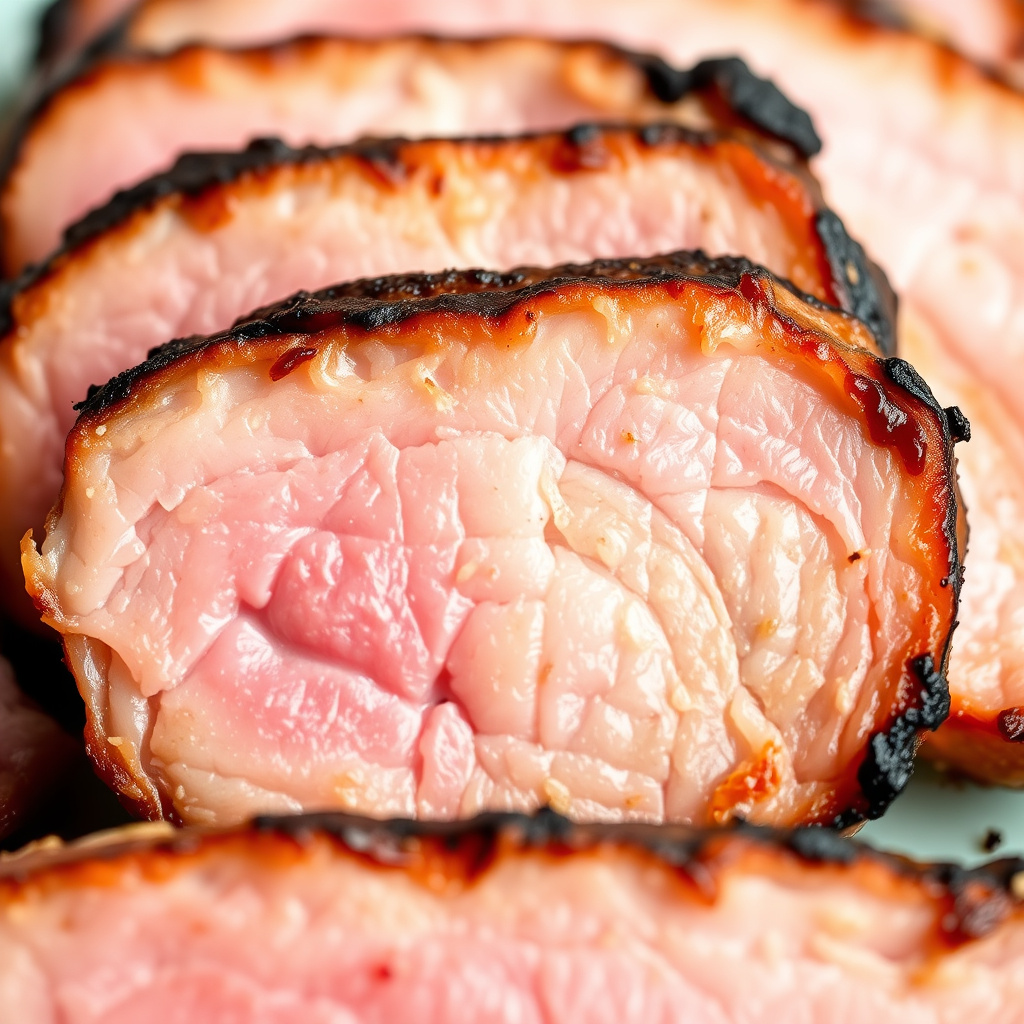
Why Pork Can Remain Pink After Cooking
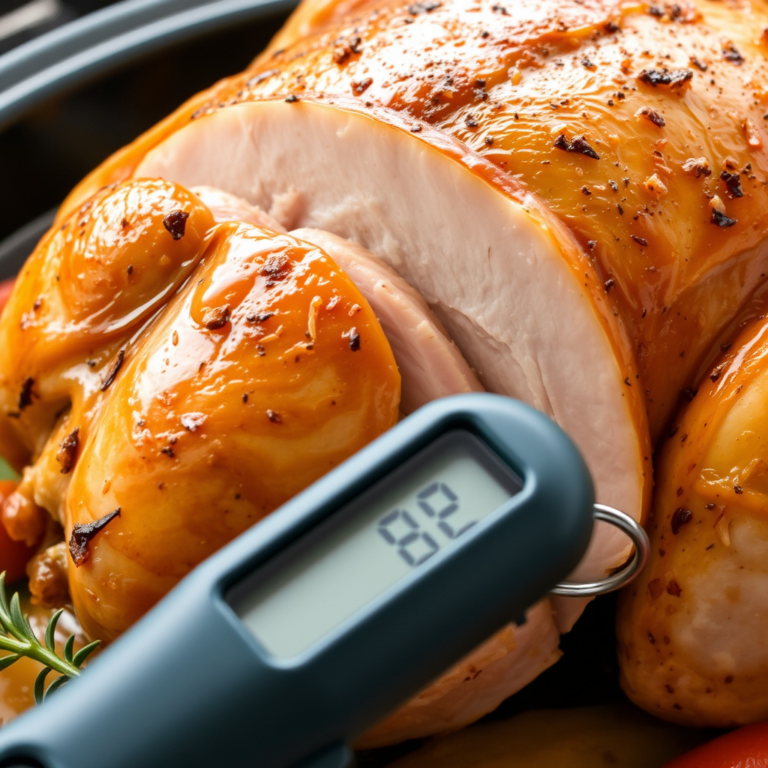
Pork's pinkness after cooking is often due to the presence of myoglobin, a protein that carries oxygen to muscle tissue. When heated to just the right temperature, some myoglobin retains its pink color despite the meat being safe to eat.
Other factors include the cut of pork and its curing or smoking process, which can influence color. The pink hue doesn't always mean harmful bacteria remain; safe cooking practices are more reliable.
Common Misconceptions About Pork Doneness
Many believe all pork must be stark white with no pink at all to be safe, leading to unnecessary overcooking. This misconception risks drying out the meat and losing flavor.
Food safety experts stress using a meat thermometer instead of relying on color, since internal temperature directly correlates with pathogen destruction.
Using Pork Cooking Temperature to Guarantee Safety
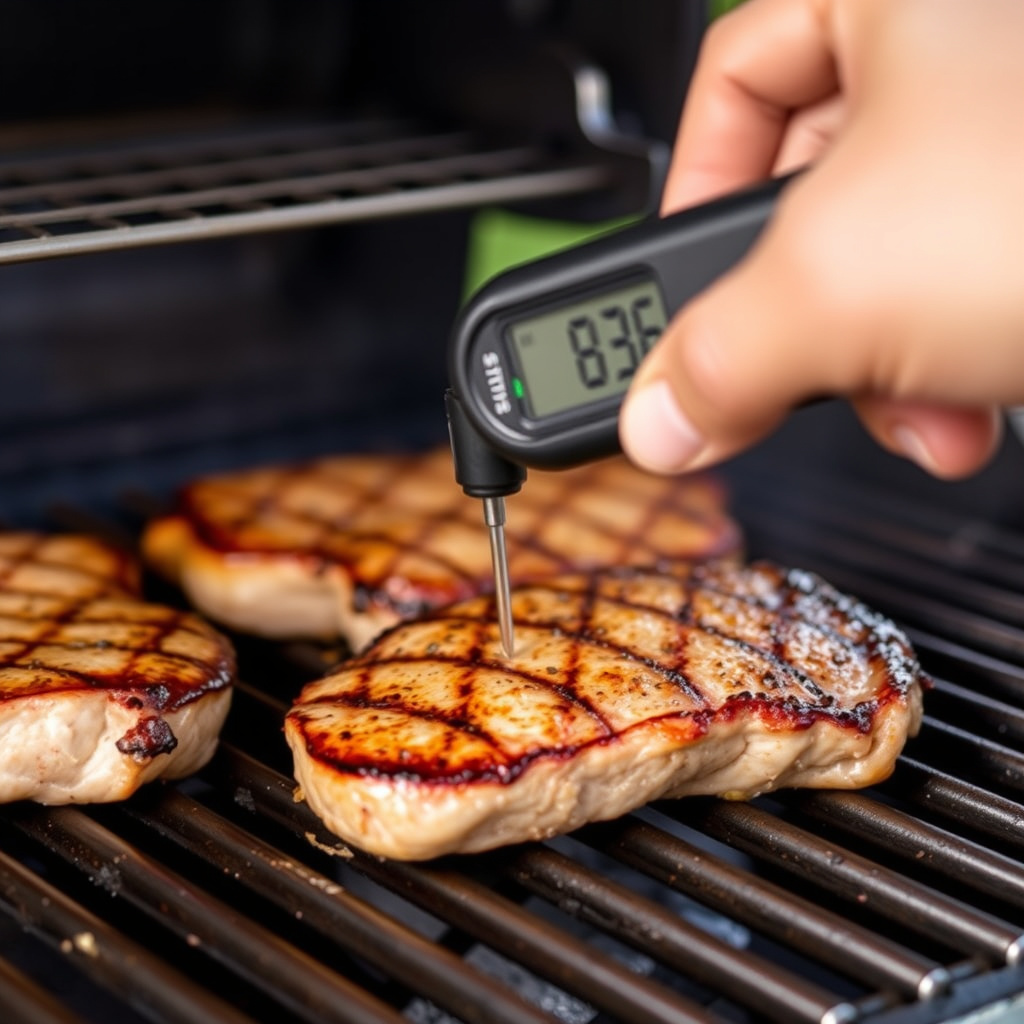
Recommended Internal Temperature for Pork
The USDA recommends cooking whole cuts of pork to a minimum internal temperature of 145°F (63°C) followed by a three-minute rest period, which allows residual heat to destroy any remaining bacteria.
Ground pork requires a higher temperature, 160°F (71°C), because grinding can introduce bacteria throughout the meat.
- Whole cuts: 145°F (63°C) + 3-minute rest
- Ground pork: 160°F (71°C) with no rest needed
How to Accurately Measure Pork Temperature
Insert the thermometer into the thickest part of the pork, away from bone and fat, to get an accurate reading. Wait a few seconds until the temperature stabilizes before recording it.
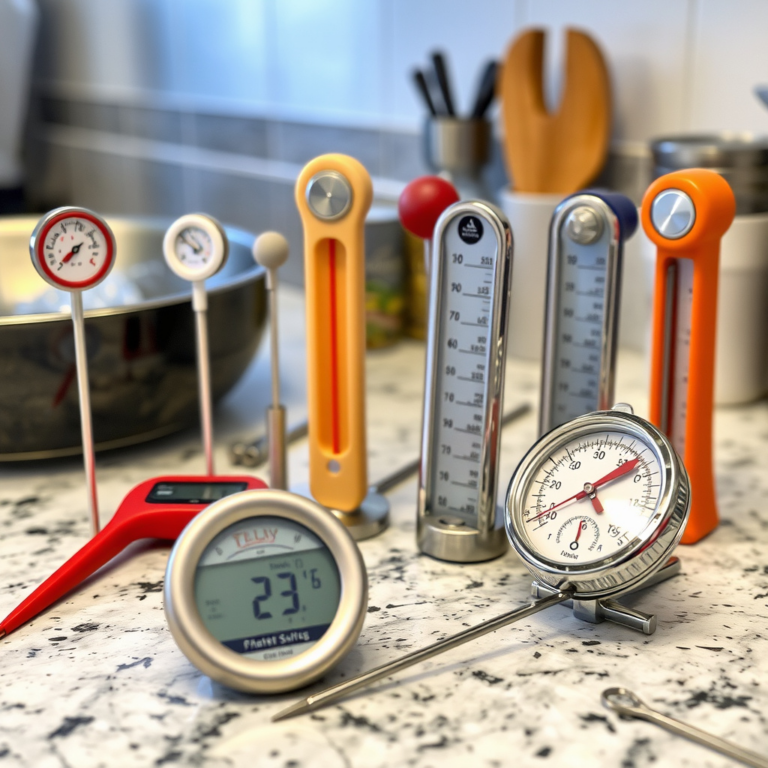
Digital instant-read thermometers are convenient and reliable tools that help confirm pork is safe regardless of appearance.
- Insert in thickest area
- Avoid bone contact
- Use digital instant-read thermometers
Safe Handling and Storage Practices for Pork
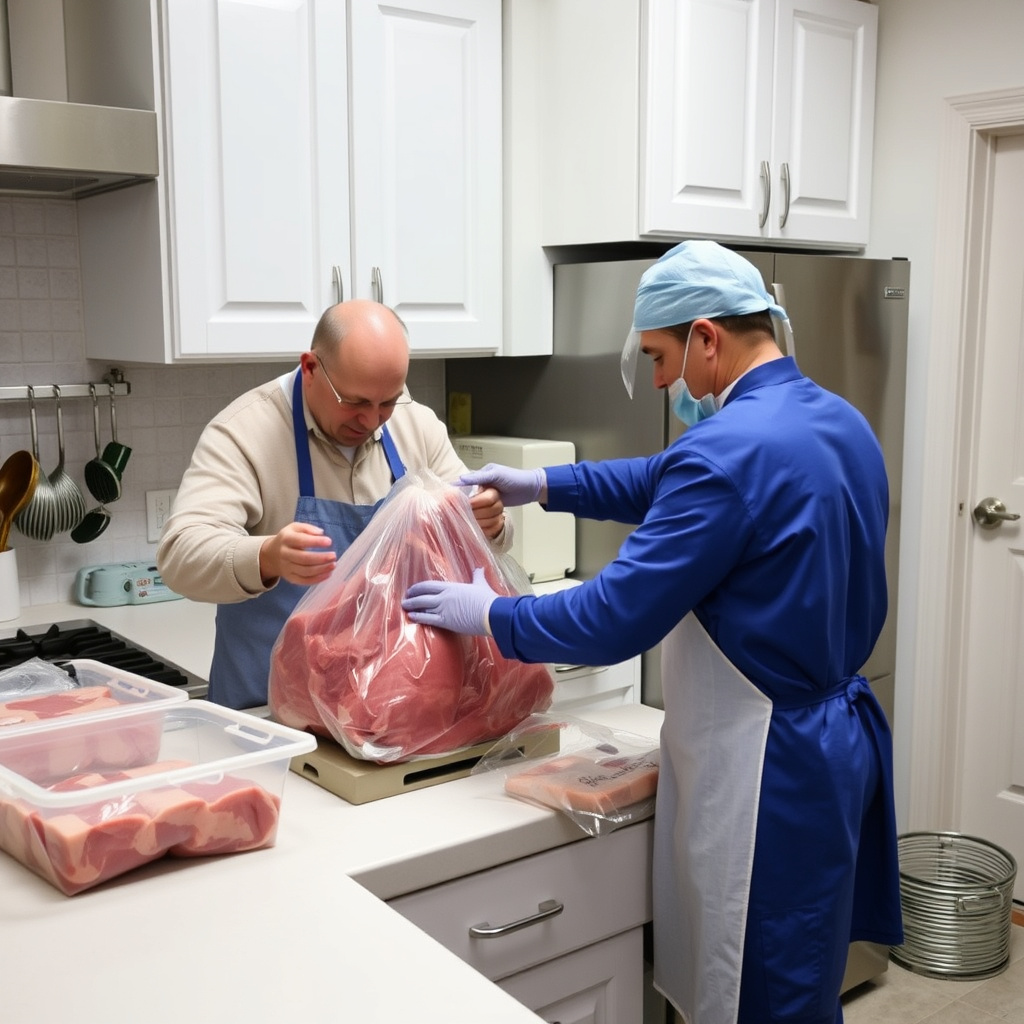
Preventing Contamination Before Cooking
Always store pork at or below 40°F (4°C) to slow bacterial growth. Use separate cutting boards and utensils for raw pork to avoid cross-contamination.
Wash hands with soap and water after handling raw pork and clean surfaces thoroughly to reduce the risk of foodborne illness.
- Keep pork refrigerated promptly
- Use separate equipment for raw meat
- Clean surfaces and hands after contact
For more on this, see our related guide: What Is the Internal Temp for Pork? Safe Cooking Temperatures Explained.
Proper Storage of Cooked Pork
Refrigerate cooked pork within two hours of cooking, wrapping it tightly to prevent drying and contamination. Consume within three to four days for freshness.
When reheating, bring the pork to an internal temperature of 165°F (74°C) to safely eliminate bacteria.
- Refrigerate within 2 hours
- Consume within 3-4 days
- Reheat to 165°F (74°C)
Visual and Sensory Clues to Check Pork Doneness
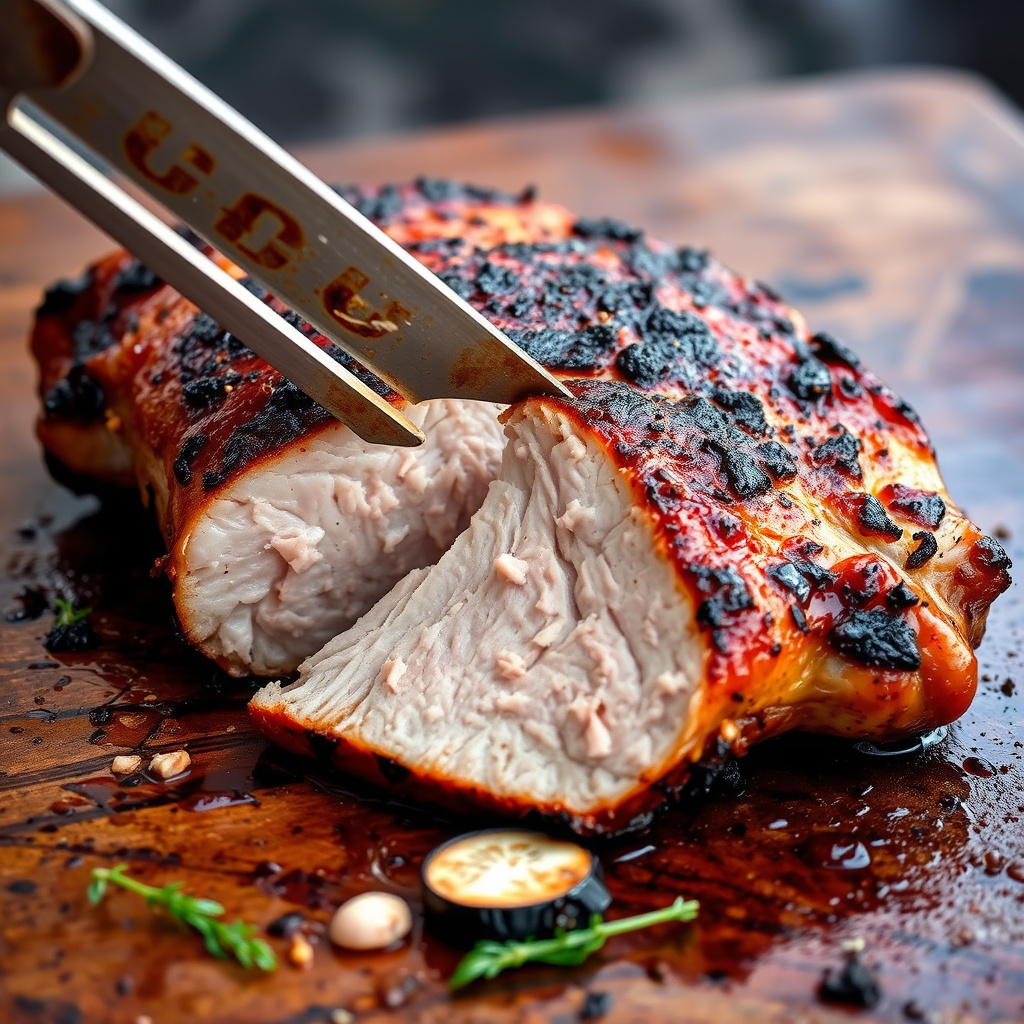
Color and Juices as Indicators
Cooked pork juices running clear is generally a good sign, though a slight pink tint in juices does not necessarily mean rawness. The surface may brown while the interior remains safely pink as per the recommended temperature.
Other factors such as curing or smoking can affect juice color and meat appearance.
Texture and Firmness Tests
Properly cooked pork should feel firm but springy to the touch. Pressing the meat to check resistance provides an additional clue alongside temperature readings.
Overly soft pork likely means undercooked, while very hard or dry meat suggests overcooking.
- Use touch to check firmness
- Firm but springy texture ideal
Cooking Techniques That Maintain Safe, Juicy Pork
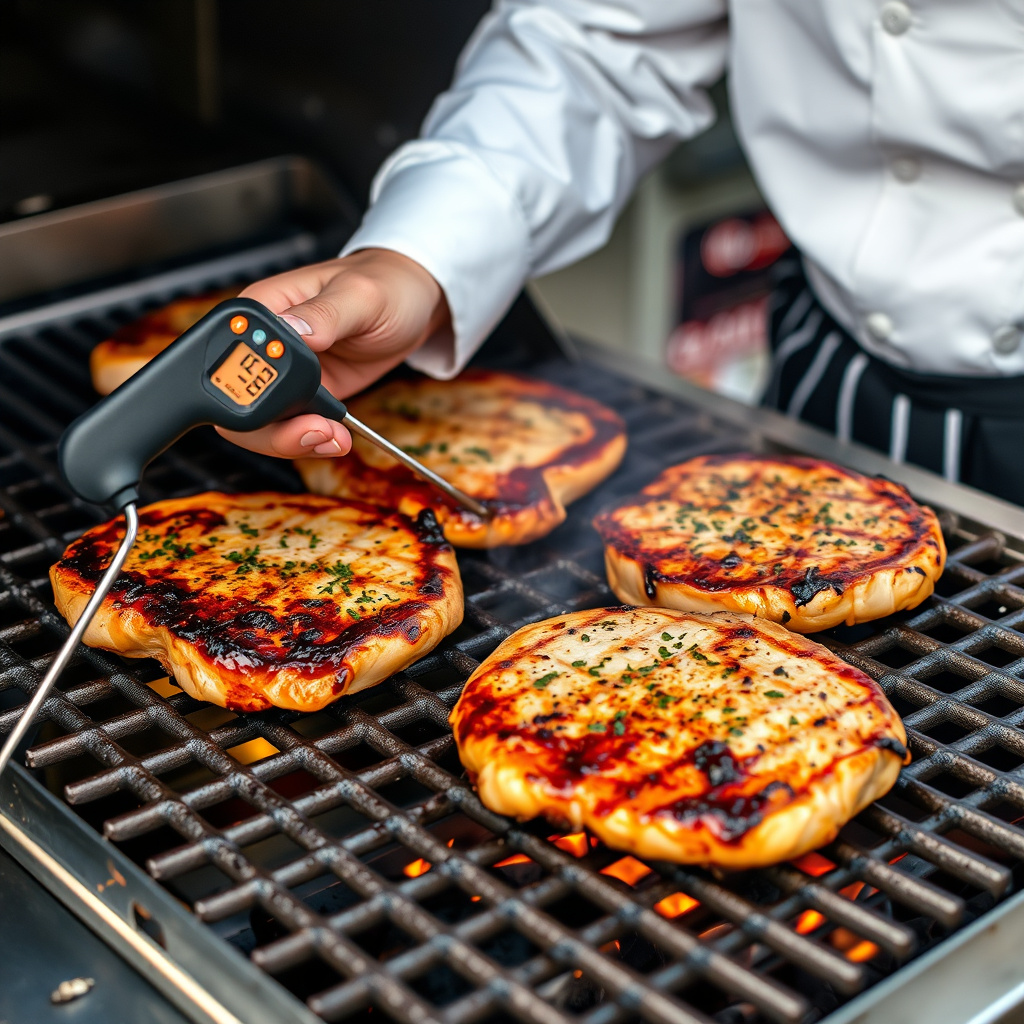
Using Thermometers in Various Cooking Methods
Whether roasting, grilling, or pan-searing, consistently check the pork's internal temperature to hit 145°F safely without guessing. This precise method prevents over- or undercooking.
Thermometers are crucial for thick cuts and unfamiliar recipes to maintain juiciness and safety.
For more on this, see our related guide: What Temperature to Grill Pork Chops for Juicy, Perfect Results.
Resting Meat After Cooking
Allowing pork to rest for three minutes after cooking enables carryover cooking, raising temperature slightly while redistributing juices within the meat for a moist bite.
Skipping rest can cause juices to leak out immediately, drying the pork and impairing flavor.
- Rest pork 3 minutes post-cooking
- Retains juices and enhances flavor
Identifying Unsafe Pork and When to Discard
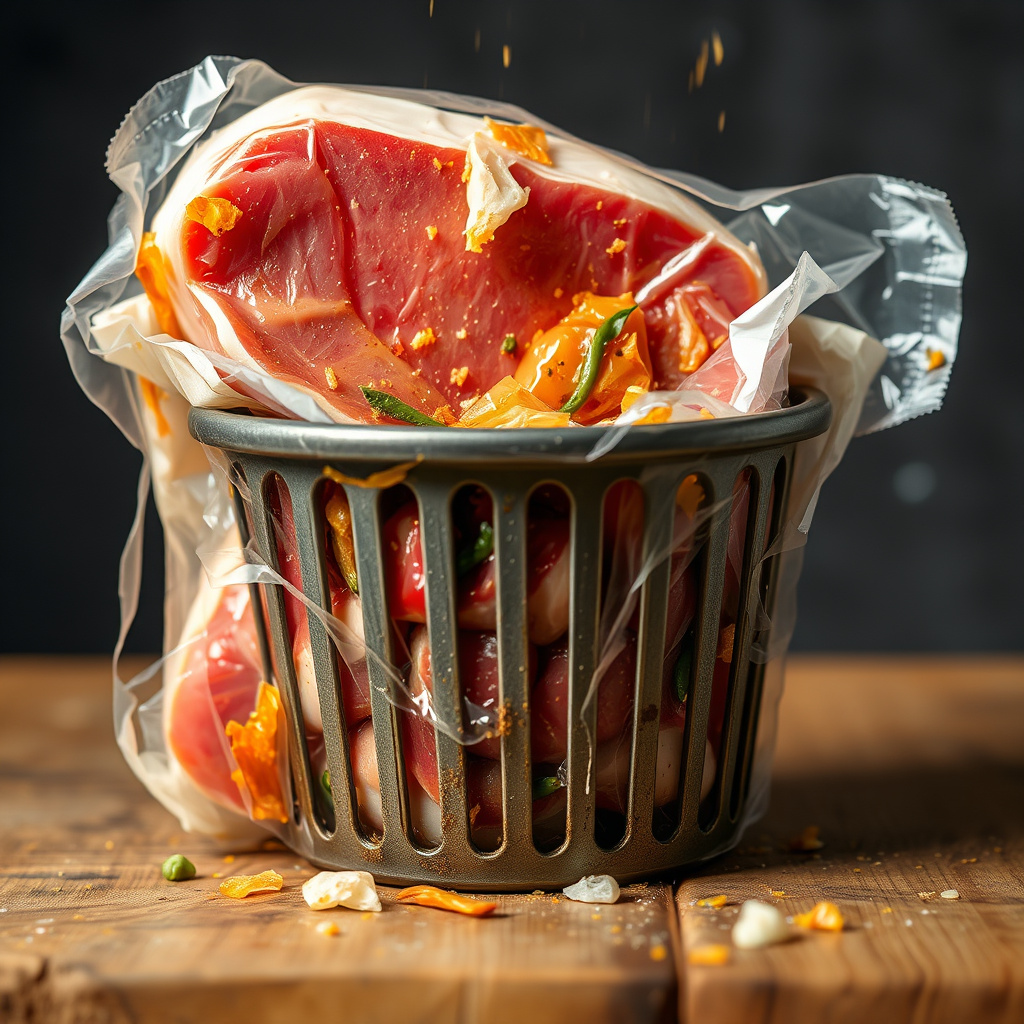
Signs of Spoiled Pork
Pork that smells sour or ammonia-like, has a slimy texture, or has changed to a gray-green color should be discarded immediately as these are clear spoilage indicators.
Do not taste test questionable pork to check safety.
- Off or sour odor
- Slimy or sticky texture
- Discoloration like gray or green
For official temperature guidelines for safe pork cooking, refer to the USDA on pork safety guidelines. USDA on pork safety guidelines.
Risks of Eating Undercooked or Spoiled Pork
Consuming improperly cooked or spoiled pork can lead to foodborne illnesses including trichinosis and bacterial infections presenting with nausea, vomiting, or diarrhea.
Following proper temperature guidelines and trusting a thermometer reduces these risks significantly.
Pork Doneness Category Comparison
This table compares pork doneness categories by internal temperature, color, texture, and safety to help you understand when pork is safe to eat.
| Doneness Level | Internal Temperature | Color | Texture | Safety |
|---|---|---|---|---|
| Rare | Below 145°F (63°C) | Bright pink to red | Soft and squishy | Unsafe |
| Medium | 145°F (63°C) with rest | Light pink | Firm but springy | Safe |
| Well Done | 160°F+ (71°C) | Mostly white or gray | Firm and dry | Safe but less juicy |
| Overcooked | Above 170°F (77°C) | Dull grayish | Very firm, dry | Safe but poor quality |
Frequently Asked Questions
Can pork be pink and still be safe to eat?
Yes, pork can remain pink when it reaches the USDA-recommended internal temperature of 145°F with a rest period, which means it is safe to eat.
How can I tell if pork is fully cooked besides color?
The most reliable way is to use a meat thermometer to check for the correct internal temperature rather than relying on color alone.
Is it safe to eat pork that is very pink inside?
If pork is cooked to 145°F and rested properly, even if pink inside, it is safe. However, pork cooked below this temperature can pose a health risk.
What temperature should ground pork be cooked to?
Ground pork should be cooked to an internal temperature of 160°F (71°C) since grinding can spread bacteria throughout the meat.
Why does pork sometimes look pink even when raw?
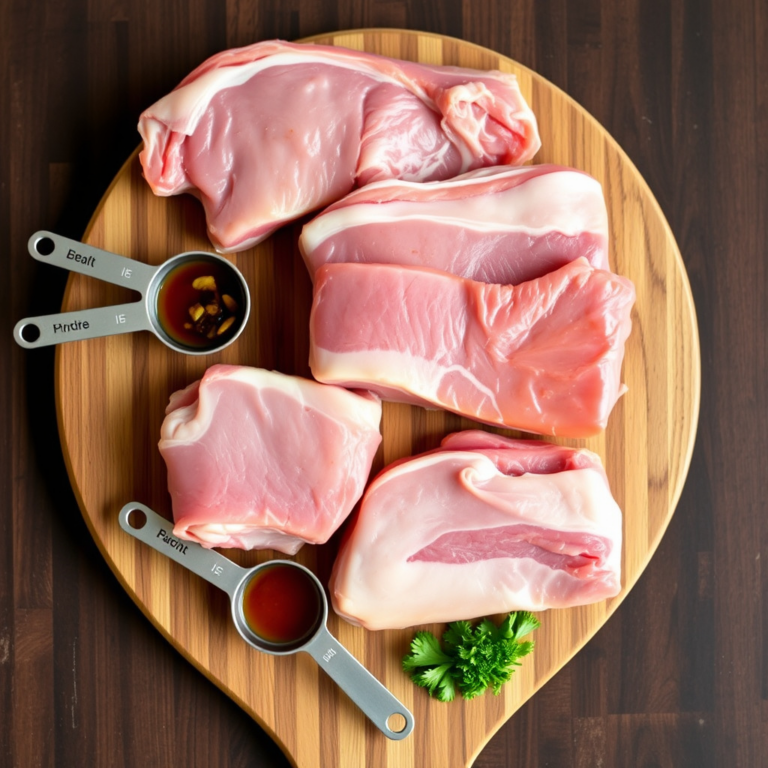
Fresh pork can naturally have a pinkish color due to myoglobin levels in the muscle, which is normal and unrelated to safety.
Key Takeaways
- Pink color in pork does not automatically mean it is unsafe.
- Use a meat thermometer to check pork cooking temperature accurately.
- Cook whole pork to 145°F with a three-minute rest for safety.
- Proper handling and storage prevent foodborne illnesses.
Conclusion
Determining if pink pork is safe to eat revolves around precise temperature control rather than color alone. Following USDA recommendations ensures that pork reaches a safe internal temperature of 145°F followed by a rest period, killing harmful pathogens even if some pink remains. Utilizing a meat thermometer provides reliable confirmation over relying on appearance, which can be misleading due to factors like myoglobin. Balancing proper cooking temperatures with attentive handling and storage habits forms the best defense against illness while preserving flavor and moisture.
Different cooking scenarios demand specific attention: thick pork chops or roasts benefit hugely from the secondary keyword—the pork cooking temperature—to achieve safety without drying out meat. Ground pork, on the other hand, requires higher temperature targets for safety. Visual and texture clues supplement thermometer readings but should not replace them. When done correctly, pork can maintain juiciness with a light pink center and remain safe—a preferable alternative to overcooked, dry white pork that many fear as the only safe option.
For anyone preparing pork, the next step involves investing in a reliable digital thermometer and adopting safe kitchen practices. Cooking pork to the right temperature and allowing it to rest helps maximize taste while protecting health. Checking pork temperature routinely and learning to recognize acceptable color and texture variations fosters confidence in serving delicious and safe pork every time.