The best BBQ sauce is the one that matches your personal taste preference and complements the type of meat or vegetables you're grilling. Whether you favor a tangy vinegar-based sauce, a rich tomato-based style, or a spicy mustard blend, identifying your ideal BBQ sauce depends on flavor balance, sweetness, acidity, and heat levels.
BBQ sauces enhance grilled dishes by adding layers of flavor and moisture. Since regional styles vary widely—from smoky and sweet Kansas City sauces to the sharp, vinegar-forward Carolina varieties—the right choice can elevate your barbecue to the next level or mask the natural taste if mismatched.
This article breaks down the most popular BBQ sauce types, explores flavor profiles, discusses what to look for in ingredients, and offers tips on pairing sauces with different meats and cooking methods. By the end, you'll be ready to pick the best BBQ sauce for your needs and create standout grilled dishes.
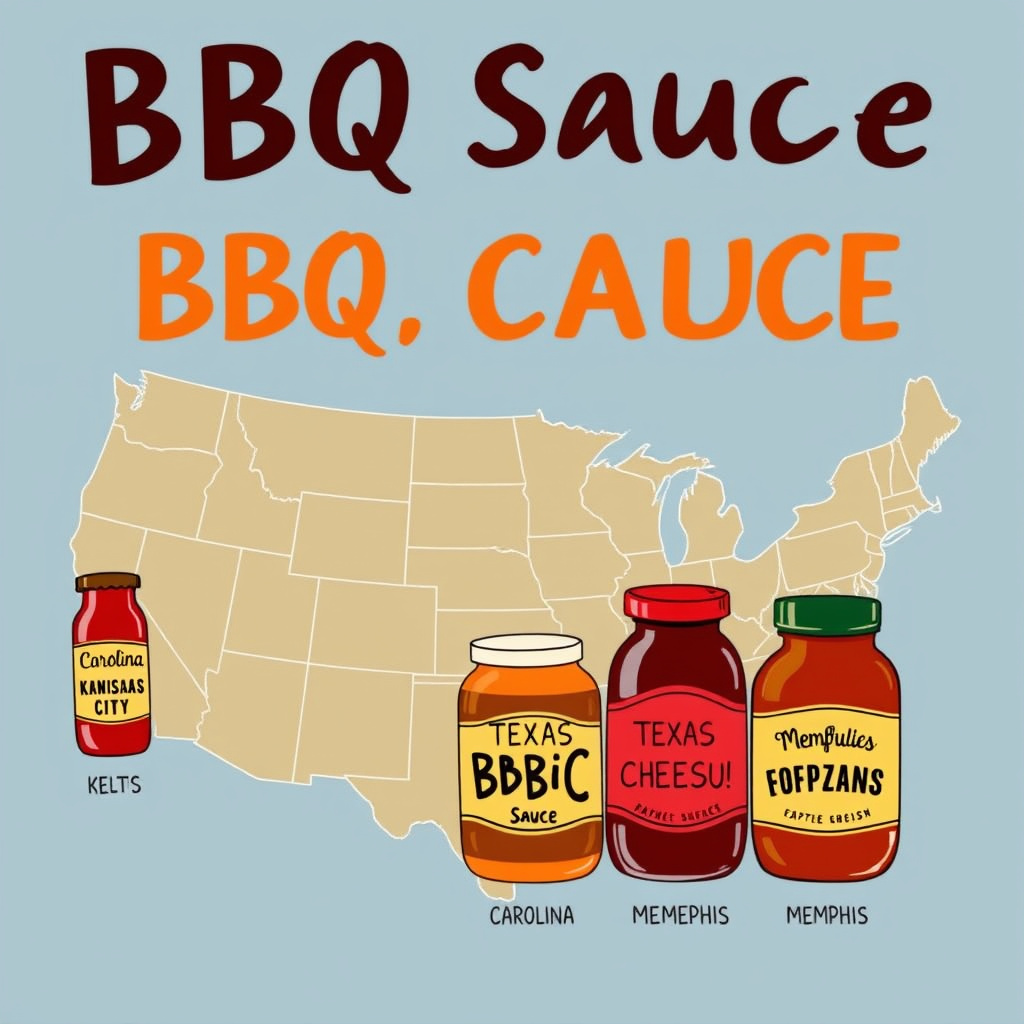
Understanding Regional BBQ Sauce Styles
Kansas City Style
Kansas City BBQ sauce is famous for its thick, sweet, and tomato-based character. It typically includes molasses, brown sugar, and a blend of spices, providing a rich and sticky coating that caramelizes well on ribs and brisket.
This sauce balances sweetness with a tangy tomato base, allowing it to pair beautifully with pork and beef. Its viscosity helps it cling to grilled surfaces, creating a flavorful crust that many grilling enthusiasts crave.
- Thick and sweet
- Tomato and molasses base
- Pairs well with ribs and brisket
Carolina Style
Carolina BBQ sauce is typically vinegar-based and much thinner than Kansas City sauces. There are variations like Eastern North Carolina’s clear vinegar and pepper blend versus Western and South Carolina sauces that add mustard or tomato elements.
The bright acidity cuts through rich pork flavors, offering a refreshing zing that complements pulled pork and whole hog barbecue. Spiciness varies by recipe but often includes black pepper and red pepper flakes.
- Vinegar and pepper forward
- Thin consistency
- Great for pork shoulder and pulled pork
Key Ingredients That Define the Best BBQ Sauce
Sweeteners and Bases
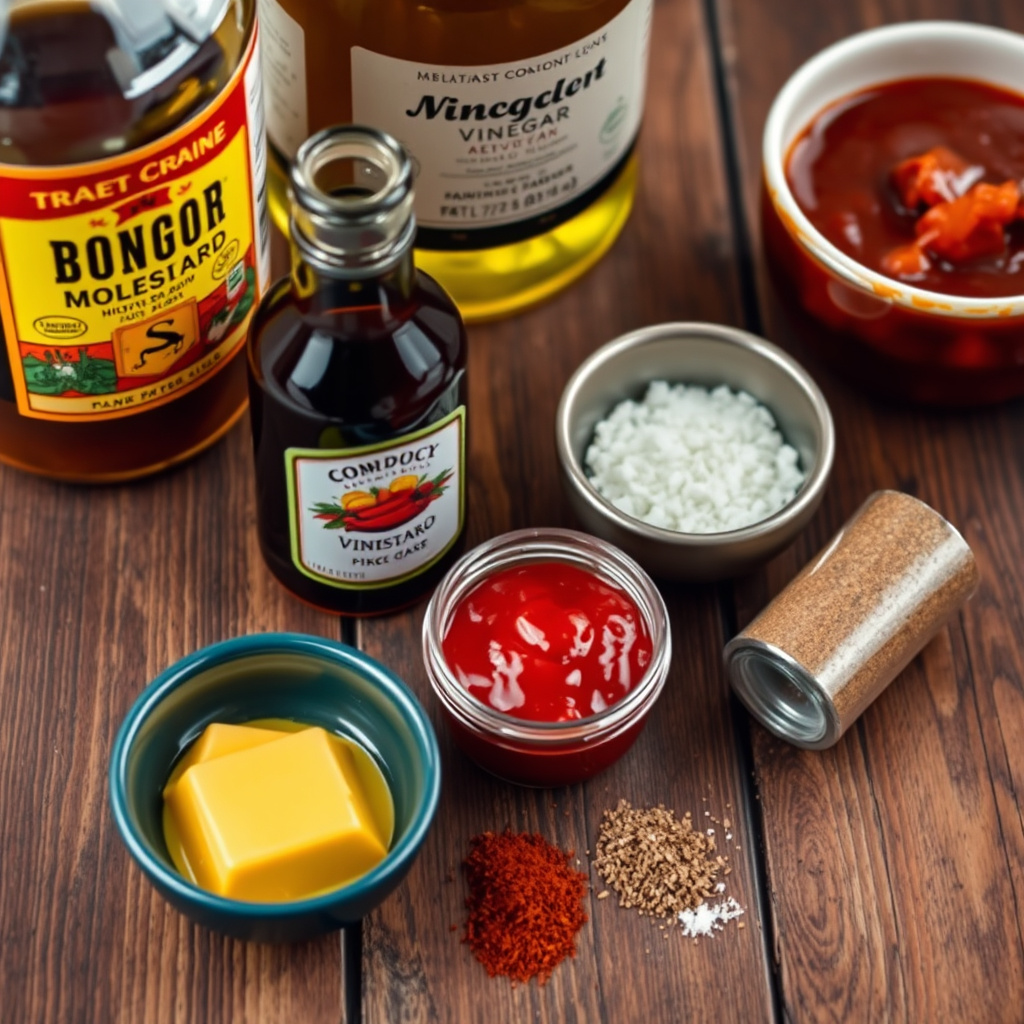
The sugar component often establishes a BBQ sauce’s identity and how it caramelizes during cooking. Common sweeteners include brown sugar, honey, molasses, and corn syrup, each contributing different sweetness levels and textures.
The base ingredient generally falls into categories like tomato-based (ketchup or paste), vinegar-based, or mustard-based sauces. Tomato bases provide a rich body, while vinegar bases add sharpness, and mustard bases offer tang and spice.
- Brown sugar for molasses-like sweetness
- Vinegar for acidity and tang
- Mustard for sharpness and complexity
For more on this, see our related guide: The Best Seasoning for Burgers: Elevate Your Patty’s Flavor Perfectly.
Spices and Flavor Enhancers
Spices such as smoked paprika, garlic powder, black pepper, cayenne, and onion add depth and heat. Some sauces incorporate liquid smoke or Worcestershire sauce for a smokier or umami kick.
Balancing saltiness, heat, and sweetness is key; too much heat can overpower the meat, and an excess sweetener can mask natural flavors, so choose sauces where spices complement rather than dominate.
- Smoked paprika for smoky notes
- Cayenne for heat
- Worcestershire for umami
Matching BBQ Sauce Flavor Profiles to Different Meats
Pork Pairings
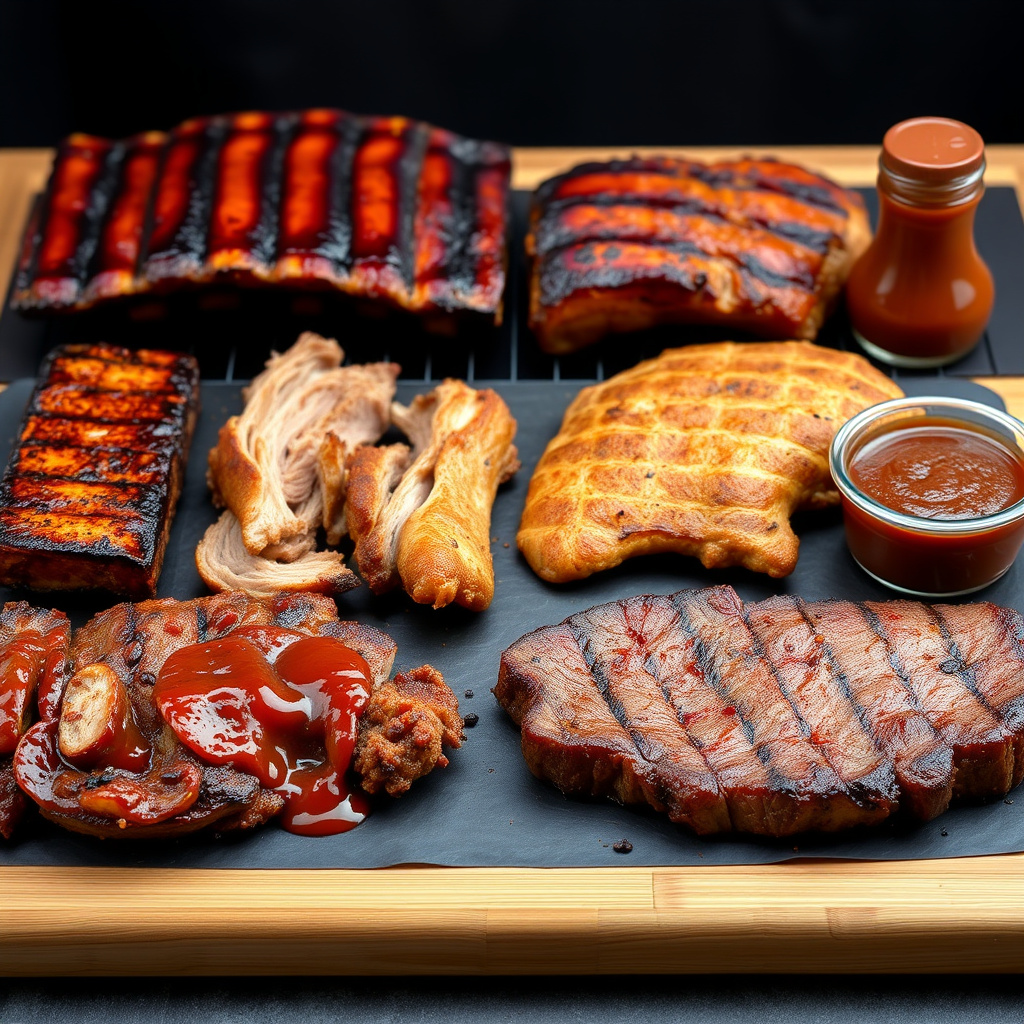
Pork works well with a variety of BBQ sauces, but vinegar-based or mustard-based sauces are traditional favorites especially with pulled pork or pork shoulder. Their acidity cuts the fattiness and keeps the palate fresh.
Sweet and smoky sauces also complement pork ribs nicely, where the sugar helps achieve a caramelized crust while enhancing meat flavors without overpowering.
Beef Pairings
Beef brisket and steaks often pair best with Kansas City-style thick, tomato-based BBQ sauces that add richness and a slightly sweet finish. Spicy and smoky sauces also work well, reflecting the robust flavors of the beef.
Some pitmasters prefer dry rubs when cooking beef but add BBQ sauce during serving for an added flavor layer without overshadowing the meat's natural taste.
How to Evaluate BBQ Sauce Quality
Reading Labels and Ingredients Lists
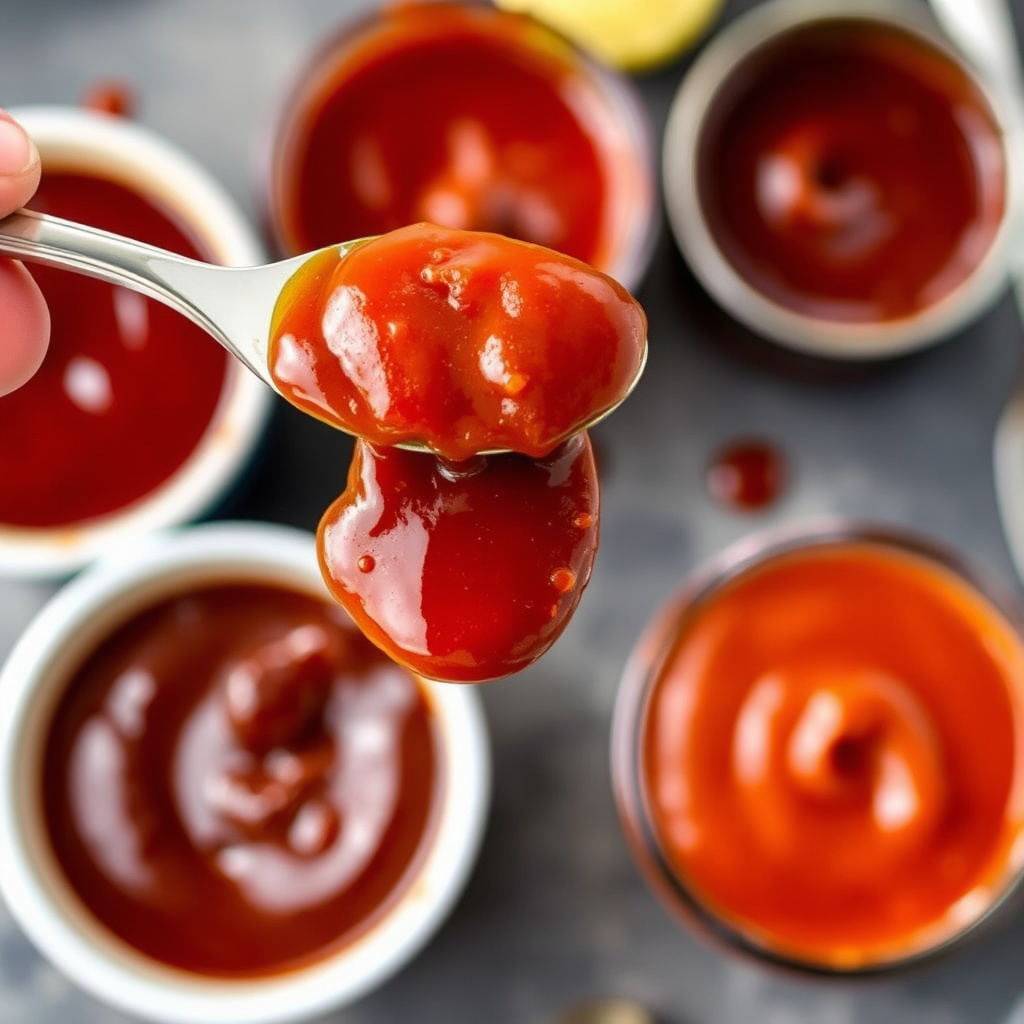
High-quality BBQ sauces usually list simple, recognizable ingredients without excessive preservatives or artificial flavors. Whole food components like natural tomato paste, raw vinegar, and real spices indicate fresher, more flavorful sauces.
Avoid sauces with high fructose corn syrup or ingredients labeled vaguely as 'natural flavors,' as these tend to be less authentic and can impact taste negatively.
For more on this, see our related guide: The Best Marinade for Steak: How to Enhance Flavor and Tenderness.
Consistency and Aroma
Good BBQ sauce should have a nice balance of thickness – not too watery and not overly gelatinous. The texture affects how it clings and caramelizes on grilled foods.
A strong, inviting aroma with hints of smoke, spice, and sweetness usually indicates a well-made sauce that will add real flavor complexity to your dishes.
Tips for Using and Storing BBQ Sauce
Cooking with BBQ Sauce
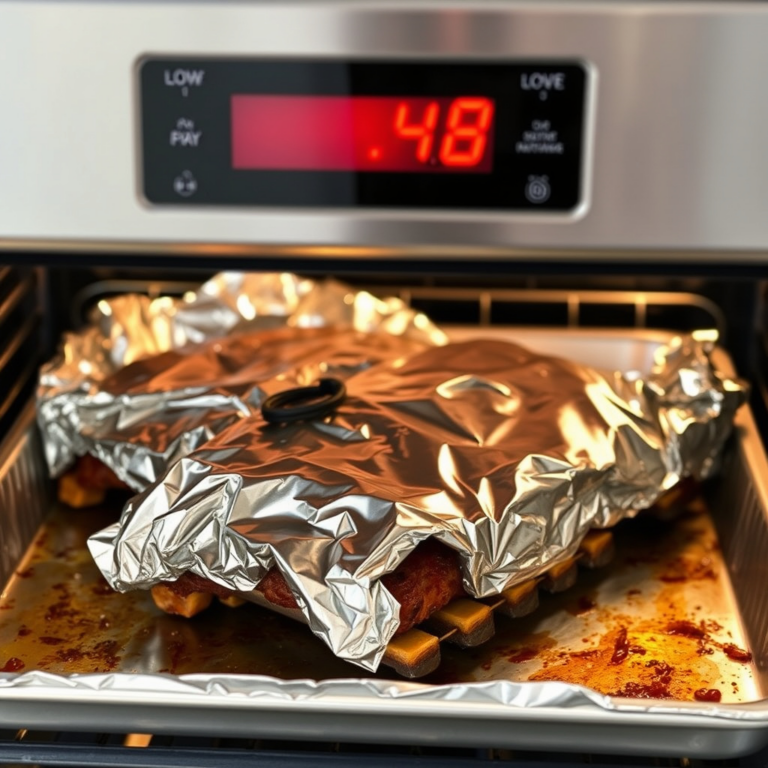
Apply BBQ sauce during the last 10-15 minutes of grilling to prevent burning due to sugars caramelizing too quickly. It can also be served on the side for dipping to control flavor intensity.
Experiment with layering sauces—using a dry rub initially, then finishing with sauce brushing—to develop a complex taste and texture.
For an in-depth explanation of the history and varieties of barbecue sauce, see the Barbecue sauce Wikipedia article. Barbecue sauce Wikipedia article.
Proper Storage Practices
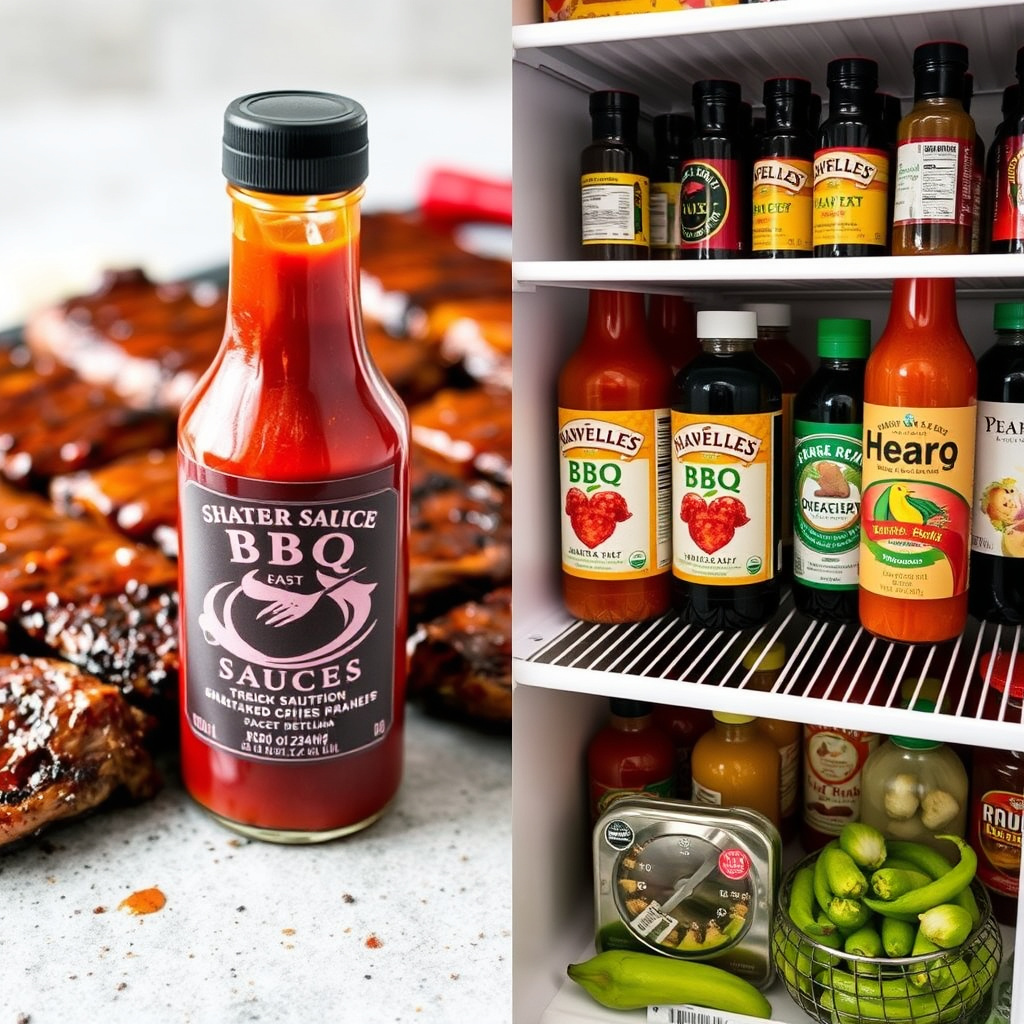
Store opened BBQ sauce in the refrigerator to maintain freshness and prevent spoilage. Most bottled sauces last several months refrigerated, but homemade sauces should be consumed within 1-2 weeks.
Always check for mold, separation, or off smells as signs of spoilage, and keep bottles tightly sealed after use.
BBQ Sauce Style Comparison
Here's a side-by-side look at popular BBQ sauce styles, highlighting their base ingredients, flavor characteristics, and best meat pairings.
| Style | Base Ingredients | Flavor Profile | Best For |
|---|---|---|---|
| Kansas City | Tomato, molasses, brown sugar | Sweet, thick, smoky | Ribs, brisket, grilled beef |
| Carolina (Eastern) | Vinegar, pepper | Tangy, thin, spicy | Pulled pork, pork shoulder |
| Carolina (Western/South) | Vinegar, mustard, tomato | Tangy, slightly sweet, medium thickness | Pork, chicken |
| Texas | Tomato, beef stock, chili, spices | Spicy, smoky, savory | Brisket, smoked beef |
| Memphis | Tomato, vinegar, spices | Mildly sweet, balanced tang | Pork ribs, pulled pork |
Frequently Asked Questions
What makes a BBQ sauce the best for smoking meat?
The best BBQ sauce for smoking meat should have a smoky flavor, balanced sweetness, and moderate thickness to complement the smoky meat without overpowering it. Kansas City-style sauces often fit this profile well.
Can I use BBQ sauce as a marinade?
While BBQ sauce can be used as a marinade, its sugar content can cause burning if cooked too long over high heat. It’s better applied during the last stages of cooking or served as a finishing sauce.
How long does homemade BBQ sauce last in the fridge?
Homemade BBQ sauce typically lasts 1 to 2 weeks in the refrigerator due to lack of preservatives. Store it in an airtight container and check regularly with smell and appearance before use.
Is vinegar-based BBQ sauce healthier than sweet styles?
Vinegar-based BBQ sauces usually contain less sugar and fewer calories compared to thick, sweet sauces. They offer a tangier flavor with less added sweetness, making them a lighter option.
How do I stop BBQ sauce from burning on the grill?
Apply BBQ sauce during the last 10-15 minutes of grilling to avoid burning caused by the sugars caramelizing too quickly. Alternatively, use indirect heat when basting.
Key Takeaways
- Pick BBQ sauce based on flavor preference and meat type for best results.
- Regional styles like Kansas City and Carolina offer distinctly different taste profiles.
- High-quality ingredients and balanced spice enhance overall flavor.
- Applying sauce late during cooking prevents burning and preserves taste.
Conclusion
Selecting the best BBQ sauce is ultimately a matter of knowing your flavor preferences and the meats you plan to grill. Understanding the foundational differences in sauce bases—whether tomato, vinegar, or mustard—and the characteristic flavor profiles of regional styles brings clarity to this choice. Taste testing different sauces and paying attention to ingredient quality can help you find one that complements rather than overpowers your dishes. Keep in mind how sauce texture affects its interaction with heat and meat to perfect your culinary results.
For those who enjoy sweeter, thicker sauces, Kansas City-style options offer a reliably rich and smoky experience suitable for ribs and brisket. Fans of tangier, sharper sauces should explore Carolina-style vinegar-based and mustard-enhanced varieties, especially for pulled pork. Texas and Memphis sauces provide spicy and savory depth that pairs wonderfully with beef and pork alike. Experimenting with different bottles or crafting your own sauce allows customization to fine-tune flavor balance to your liking.
Once you've identified your preferred BBQ sauce style, practice applying it thoughtfully during the final stage of grilling or offer it alongside as a dipping sauce. Proper storage in cool conditions preserves its freshness and taste. By integrating these guidelines, you’ll elevate your grilling experiences with BBQ sauces that turn everyday meals into flavorful celebrations.