The best salt for steak is coarse kosher salt, prized for its texture and clean flavor that enhances the meat without overpowering it. Its larger grains resist dissolving too quickly, allowing for an even seasoning that locks in juices and creates a desirable crust when seared. Many chefs prefer kosher salt for this reason, as it provides control and a natural boost to the steak’s taste.
Salt is a fundamental seasoning that can make or break a steak, affecting both flavor and texture. Using the wrong salt type can lead to uneven seasoning or an overly salty experience. Kosher salt’s flakiness and mineral purity offer the ideal balance between saltiness and mouthfeel, which is why it is favored in kitchens worldwide. Understanding why certain salts perform better is key to masterful steak preparation.
This article explores the various types of salt suitable for cooking steak, comparing their characteristics and effects. We’ll cover how different salts interact with meat, the impact on flavor development, and practical tips on seasoning techniques. By the end, you’ll know how to pick and use the best salt to achieve an expertly seasoned steak every time.
Understanding Salt and Its Role in Steak Seasoning
How Salt Enhances Steak Flavor and Texture
Salt draws moisture to the surface of the steak, where it dissolves and helps create a savory crust during cooking. Internally, it breaks down muscle proteins, improving tenderness. This dual action is why timing and salt type are essential to flavor and texture outcomes.
The right salt works as a flavor amplifier without overwhelming the natural beef taste, balancing salty notes with the meat's rich umami. Over-salting or using fine table salts too early can cause excessive moisture loss, resulting in a dry steak.
Common Types of Salt for Cooking Steak
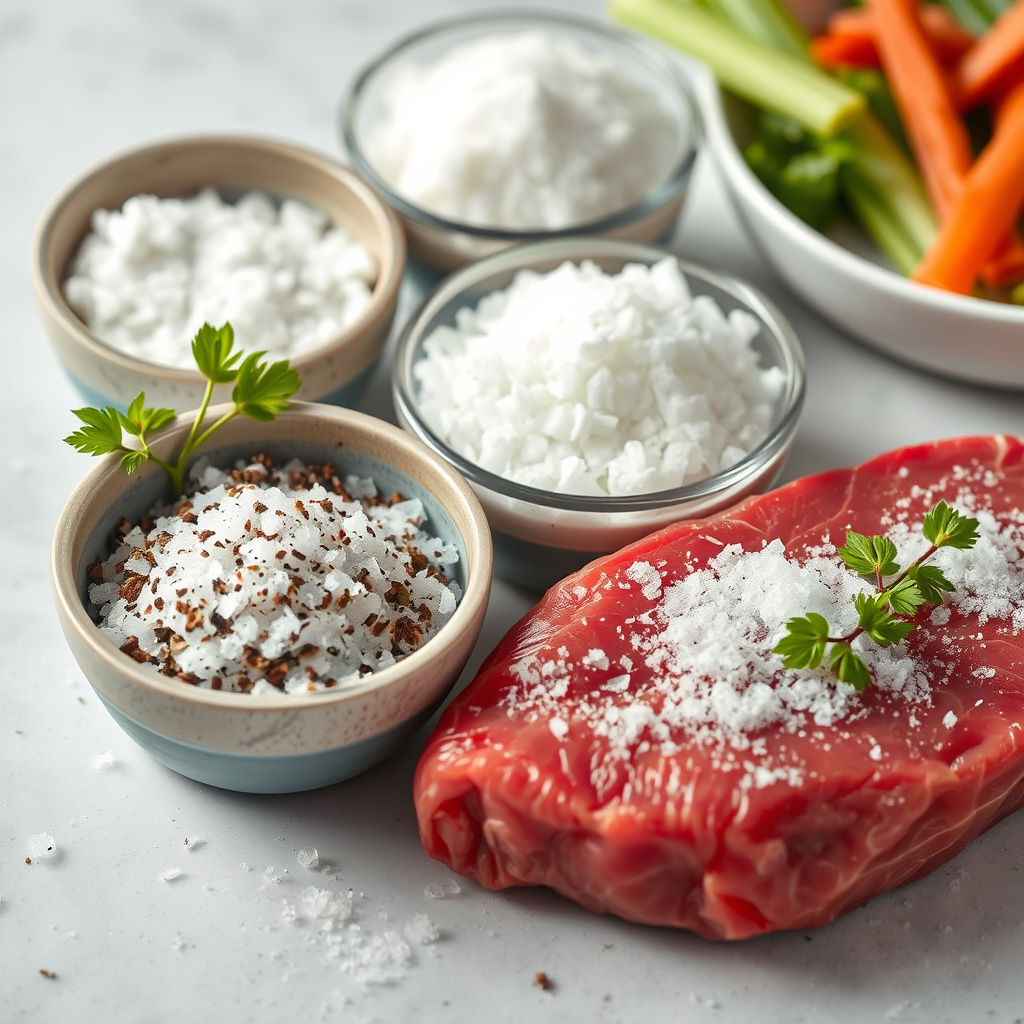
Several salt varieties exist, but kosher salt, sea salt, and finishing salts are the main contenders for steak seasoning. Each differs in crystal size, mineral content, and how quickly it dissolves.
Table salt, while common, is less ideal due to its fine grains and additives that can impart a metallic taste. Kosher salt’s purity and flake size make it easier to control seasoning, while sea salts can add subtle mineral complexity.
- Kosher salt: coarse, clean taste, easy to pinch
- Sea salt: mineral-rich, variable grain sizes
- Table salt: fine grains, often iodized
- Finishing salt: flaky crystals, used post-cooking
Why Kosher Salt Stands Out as the Best Salt for Steak
Grain Size and Texture Advantages
Kosher salt’s larger, flaky crystals slow the salt’s absorption, allowing gradual seasoning that prevents the steak from becoming too salty. The texture also enhances the crust’s crunch, delivering satisfying mouthfeel.
Its grain size makes it easier for chefs to gauge seasoning quantity by hand, reducing the risk of over-salting. Kosher salt doesn’t contain additives, ensuring pure salt flavor that complements rather than competes with the beef.
- Coarse flakes for control and texture
- No additives or anti-caking agents
- Improves crust formation on seared steak
Practical Use Tips with Kosher Salt
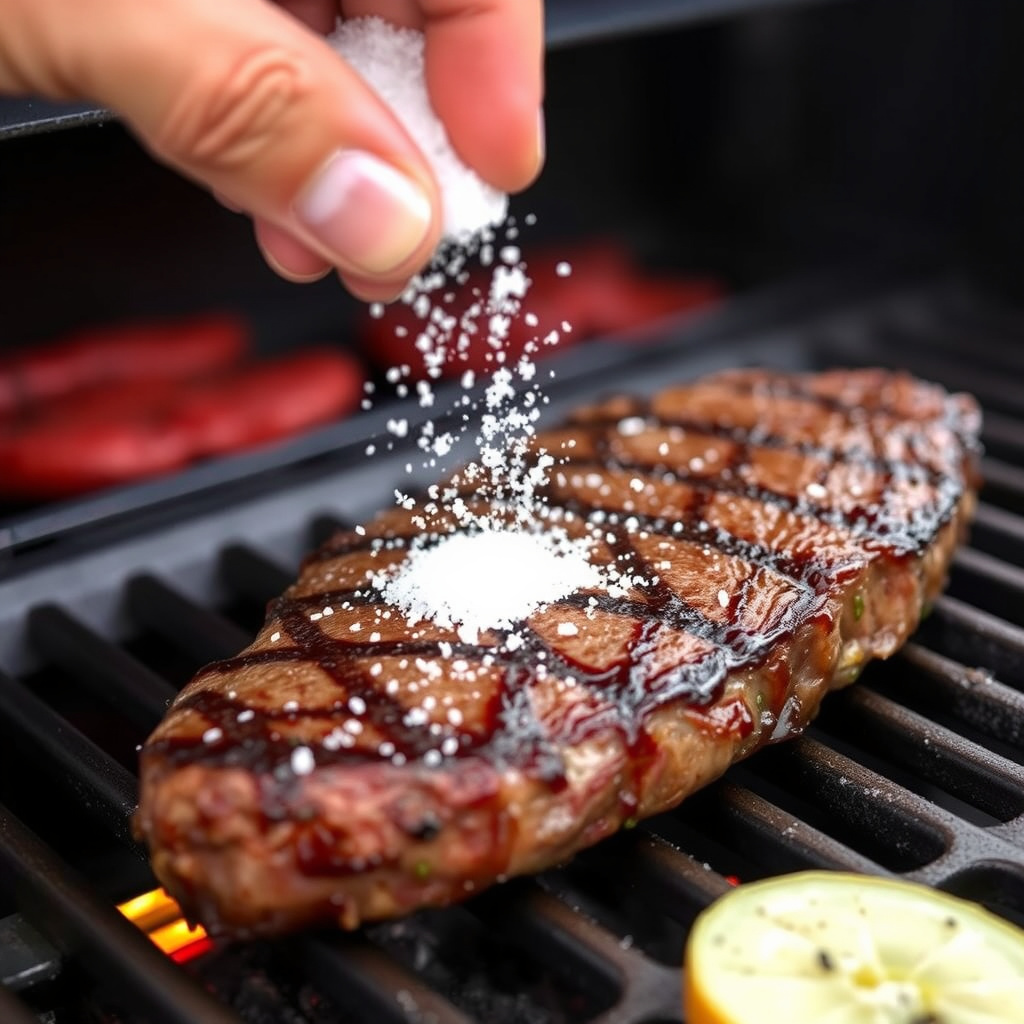
Apply kosher salt evenly at least 40 minutes before cooking to allow moisture to be drawn out and reabsorbed, tenderizing the meat. For quicker preparation, salt right before grilling but use slightly less.
Adjust salt quantity based on steak thickness and personal preference, starting with a light hand and adding more if needed after cooking. Kosher salt’s purity ensures the intended salty flavor hits without bitterness.
- Season steak 40+ minutes before cooking for best results
- Use pinching method for controlled application
- Can be used pre- or post-cooking for flavor boost
Exploring Sea Salt as an Alternative for Steak
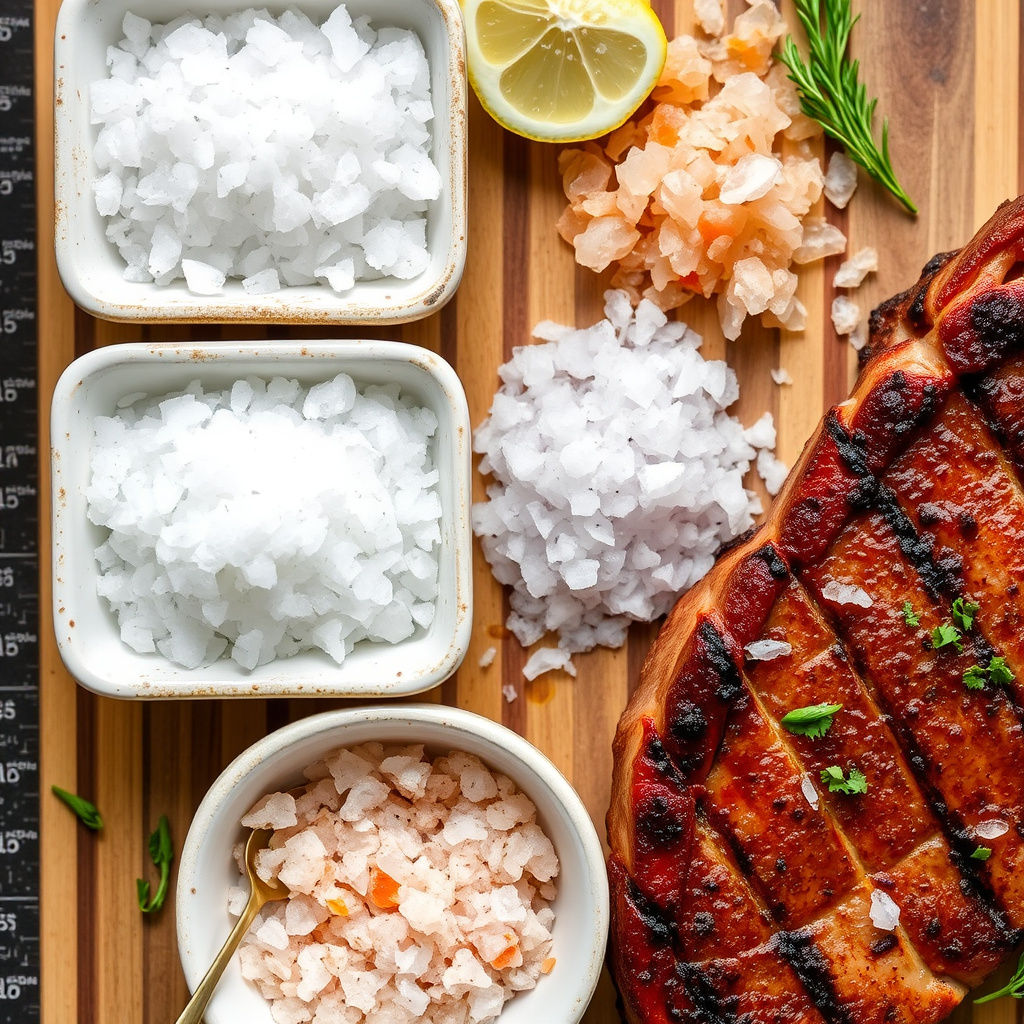
Flavor and Mineral Impact of Sea Salt
Sea salt, harvested through evaporation of seawater, often contains trace minerals like magnesium and calcium that add subtle flavor nuances. This can enrich steaks with a mild complexity not always present in pure salts.
However, the flavor differences depend on the source and processing method. Artisanal sea salts may bring a mild briny or earthy profile, appealing to cooks wanting distinct seasoning characteristics beyond simple saltiness.
For more on this, see our related guide: How to Choose the Best BBQ Sauce for Your Grilling Needs.
Choosing the Right Sea Salt for Steak
When using sea salt for steak, opt for coarse flakes similar in size to kosher salt to achieve even seasoning and a crisp crust. Fine-grained sea salts dissolve too quickly and may lead to uneven salt distribution.
Finishing sea salts like Maldon or fleur de sel are best used just before serving, as they offer texture and delicate bursts of salty flavor, enhancing the final bite rather than seasoning throughout the cooking.
- Use coarse sea salt for pre-cooking seasoning
- Apply finishing sea salts post-cooking
- Avoid overly fine sea salts for steak preparation
When to Use Table Salt or Finishing Salt for Steak
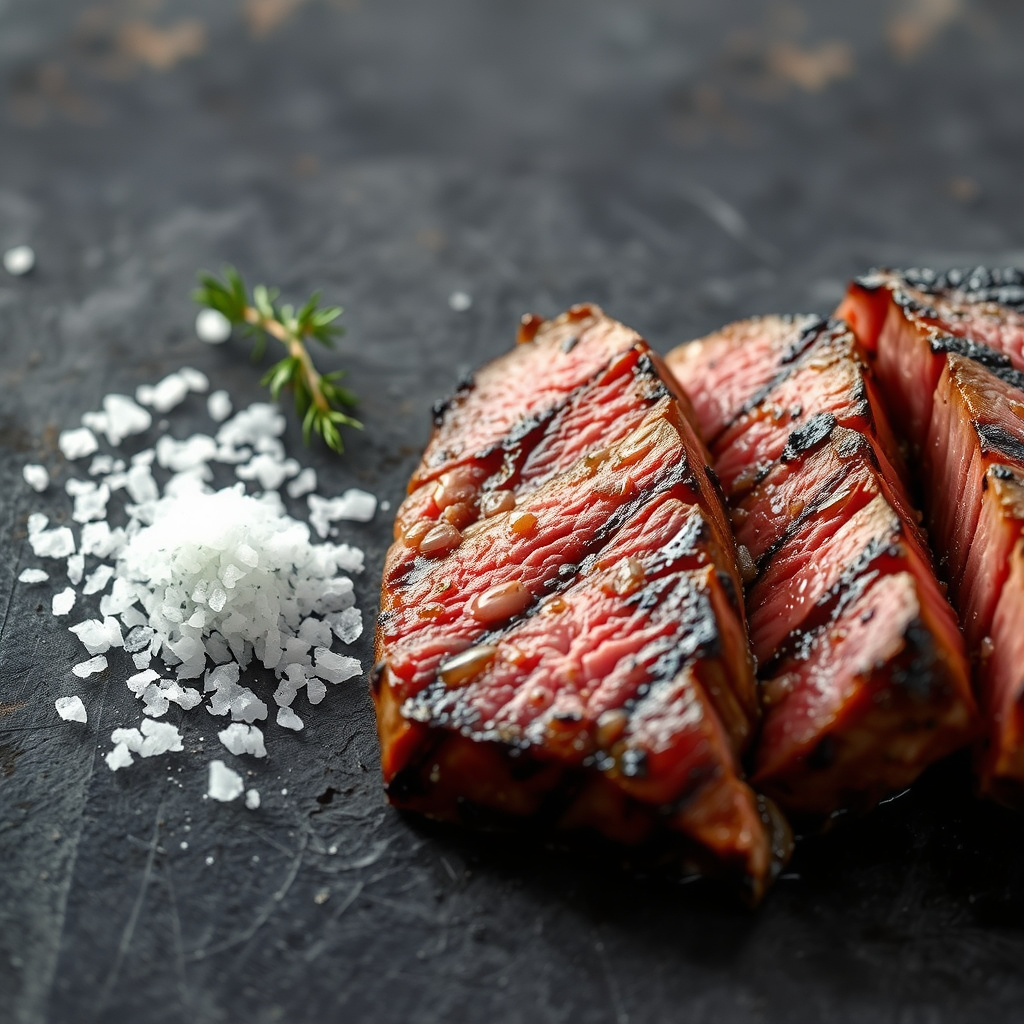
Limitations of Table Salt on Steak
Table salt’s fine grains can over-salt the steak quickly and dissolve too fast to aid crust development effectively. Additives like iodine or anti-caking agents may impart undesirable off-flavors.
Due to its density, measuring by volume can easily lead to excessive salt use, making it less predictable for seasoning a steak where precision matters.
Finishing Salt Uses and Benefits
Finishing salts feature large, flaky crystals that add a pleasant crunch and sparkle when sprinkled on cooked steaks just before serving. Their texture accentuates the steak’s natural flavors and provides a gourmet touch.
Their use is purely aesthetic and flavor-enhancing after searing; they should not be used as the main seasoning before cooking due to cost and texture considerations.
- Add finishing salt seconds before eating
- Enhances texture and visual appeal
- Use sparingly due to intense salt bursts
How to Season Steak Effectively Using the Best Salt
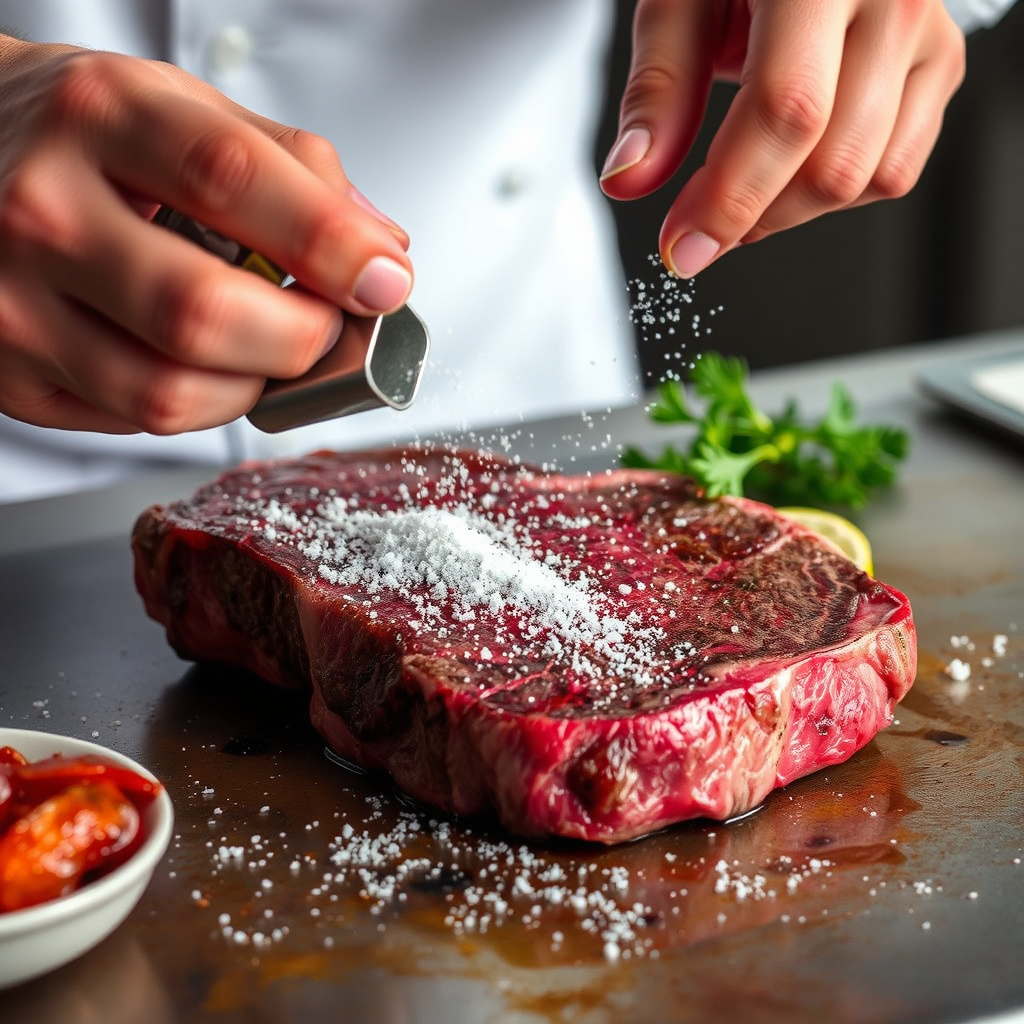
Timing and Technique for Salt Application
Salting steak at least 40 minutes before cooking grants time for salt to penetrate deeply, drawing juices out and then reabsorbing them, which tenderizes the meat and intensifies flavor. Alternatively, salting right before cooking is acceptable if short on time.
Use an even sprinkling motion to cover all visible surfaces, followed by gentle patting rather than rubbing to avoid damaging the meat fibers unevenly.
- Salt 40+ minutes ahead or just before cooking
- Sprinkle evenly and gently pat to distribute
- Adjust amount based on cut thickness
For more on this, see our related guide: The Best Marinade for Steak: How to Enhance Flavor and Tenderness.
Combining Salt with Other Seasonings
Salt pairs well with freshly ground black pepper, garlic powder, and herbs like rosemary to build complex flavors. Season lightly with these after initial salting to avoid overpowering the steak.
Avoid seasoning blends with excessive salt content to maintain control over salt levels, especially when using kosher salt as the primary seasoning.
- Use salt as a base before adding other spices
- Season simply for steak’s natural flavor to shine
- Be cautious with pre-mixed seasoning blends
Storing and Selecting Quality Salt for Steak
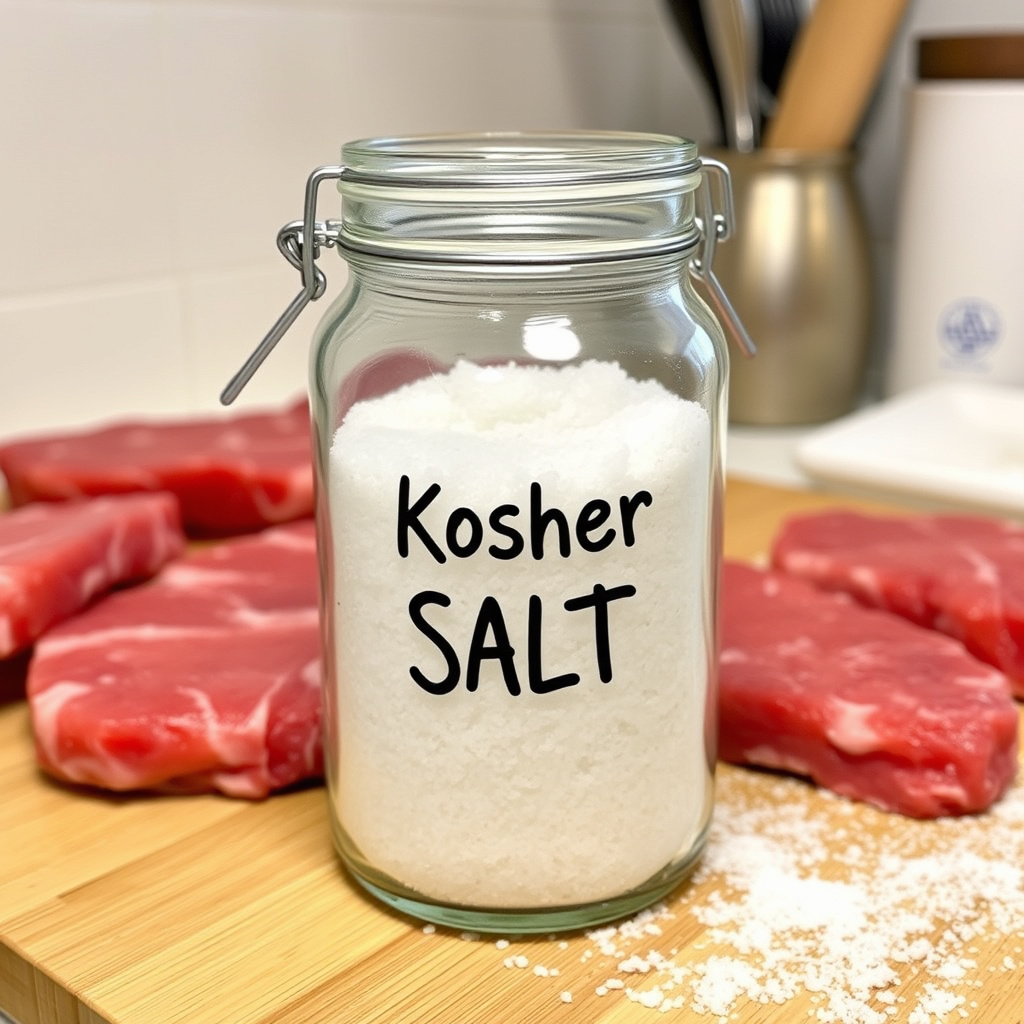
Quality Indicators for Salt Selection
Choose salts that are free of additives and have consistent crystal size for even seasoning. Kosher salt should be flaky and dry, not clumpy or oily, indicating freshness and good handling.
Sea salts should come from reputable producers with minimal processing to preserve mineral content and natural flavor. Packaging in airtight containers helps maintain quality.
- Look for additive-free salts
- Check for dry, uniform crystals
- Buy from trustworthy brands or sources
For more detailed information on salt and its culinary applications, see this guide on salt seasoning techniques for meat. salt seasoning techniques for meat.
Proper Storage Practices
Store salt in a cool, dry place in airtight containers to prevent moisture absorption and clumping, which can affect seasoning precision. Avoid storing near strong-smelling spices to prevent flavor contamination.
Label salts if you keep multiple types to avoid confusion during cooking, ensuring you pick the right salt for steak preparations.
- Use airtight jars or containers
- Keep away from humid environments
- Separate different salt types clearly
Salt Types Comparison for Steak Seasoning
Here’s a concise comparison of popular salt types used for seasoning steak, detailing their characteristics and ideal uses.
| Salt Type | Grain Size | Flavor Profile | Best Use | Cost |
|---|---|---|---|---|
| Kosher Salt | Large, flaky | Clean, pure salty taste | Pre-cooking seasoning, crust enhancement | Affordable |
| Sea Salt | Coarse or fine flakes | Mild mineral complexity | Finishing salt or seasoning depending on grain size | Moderate to expensive |
| Table Salt | Fine granules | Salty with slight metallic taste | Not recommended for steak seasoning | Very affordable |
| Finishing Salt (e.g., Maldon) | Large flaky crystals | Delicate salty bursts | Post-cooking garnish for texture and flavor | Expensive |
Frequently Asked Questions
Can I use table salt instead of kosher salt for steak?
Table salt’s fine grains dissolve quickly and can over-salt a steak easily. It often contains additives that may alter flavor. Kosher salt is preferred for better control and a cleaner taste.
Is sea salt better than kosher salt for steak?
Sea salt can add subtle mineral flavors, but kosher salt’s texture and purity usually make it better for seasoning and forming a crust on steak.
When should I salt my steak for best results?
Salting steak at least 40 minutes before cooking allows salt to draw out and reabsorb juices, tenderizing the meat and enhancing flavor. Salting just before cooking is also acceptable for quicker prep.
What is finishing salt and when is it used?
Finishing salt has large, flaky crystals added after cooking to provide a crunchy, delicate salty burst and improve visual appeal. It’s not used for pre-cooking seasoning.
How much kosher salt should I use on steak?
A light, even sprinkle using the pinch method is usually enough. Adjust based on steak thickness and personal taste, but avoid heavy salting to prevent overpowering the beef's flavor.
Key Takeaways
- Kosher salt’s coarse flakes make it the best salt for steak seasoning
- Sea salt offers mineral nuances but works best as finishing salt
- Avoid fine table salt for steak due to quick dissolution and additives
- Season steak 40+ minutes before cooking for optimal tenderness and flavor
Conclusion
Choosing the best salt for steak requires understanding its effects on flavor and texture. Kosher salt stands out for its crystal size and purity, offering control and an ideal balance when seasoning. Salt isn’t just about adding saltiness; it changes how the meat cooks and tastes. Applying salt correctly enhances juiciness and develops a flavorful crust, transforming steak from average to exceptional. By factoring in salt type, timing, and technique, achieving steak perfection becomes more accessible.
For cooks focused on practical results, kosher salt remains the go-to choice, especially for thick steaks where gradual salt absorption improves texture. Sea salt can complement this as a finishing touch adding subtle mineral flavors and crunch, enhancing the dining experience. Avoid table salt or use it sparingly to prevent overpowering the meat. Ultimately, the best salt choice depends on the cooking method and desired flavor complexity, but kosher salt covers most bases reliably.
To improve your steak seasoning today, select a high-quality kosher salt and experiment with timing your seasoning process. Try salting steak 40 minutes before grilling or pan-searing and observe the changes in juiciness and crust development. Consider finishing with a pinch of flaky sea salt for texture contrast. With these practical steps, you can elevate your steaks easily and enjoy consistently tasty results.