A Texas crutch is a BBQ smoking method where you wrap meat—typically brisket or ribs—in foil or butcher paper partway through the cooking process. This technique helps lock in moisture and speed up cooking by reducing surface evaporation and stabilizing internal temperature.
Understanding why the Texas crutch matters can transform your smoked meats from dry and tough to tender, juicy, and flavorful. It helps bypass the stall—the period during smoking when the meat’s temperature plateaus due to moisture evaporation—getting you to a finished product faster without sacrificing texture.
In this article, we will explore the origins of the Texas crutch, the materials used, when and why wrapping works best, alternatives to wrapping, and practical tips for incorporating this technique to elevate your BBQ results.
Origins and Purpose of the Texas Crutch
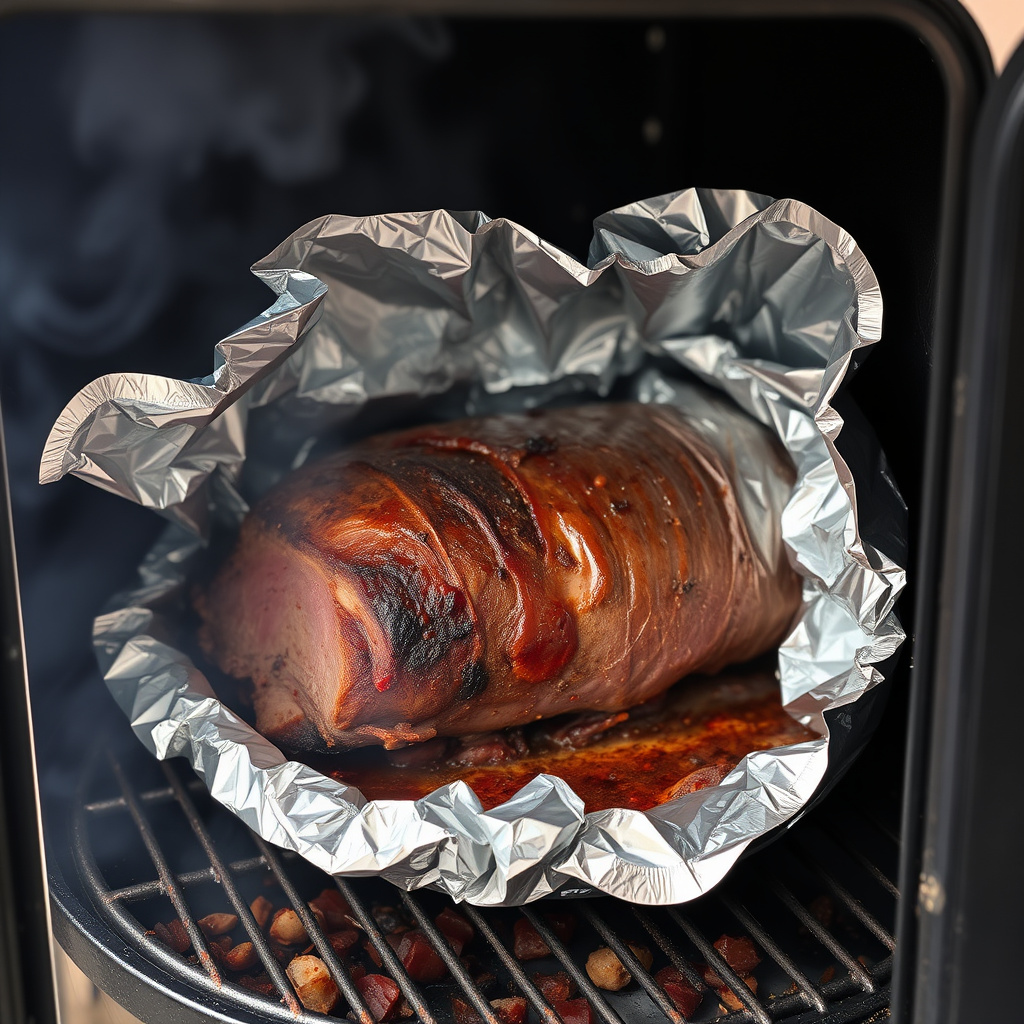
History of the Texas Crutch in Barbecue
The Texas crutch originated in Texas barbecue culture as a practical solution to speed up the cooking of large cuts like brisket without drying them out. Pitmasters discovered that wrapping meat during the stall phase helped retain moisture and heat, yielding tender results quicker.
This method became popular because it solved a common problem—long cooking times and tough bark—making it easier for backyard smokers and competitions alike to produce reliably succulent meats.
The Purpose Behind Wrapping Meat
Wrapping creates a mini steam environment inside the foil or butcher paper, reducing evaporative cooling. This traps moisture released from the meat, which helps maintain internal juiciness and prevents bark from becoming overly hard.
Additionally, the wrap speeds the cooking process by improving heat conduction and limiting oxygen exposure, which reduces drying. The result is a tender interior while preserving enough bark flavor.
Materials Used for the Texas Crutch
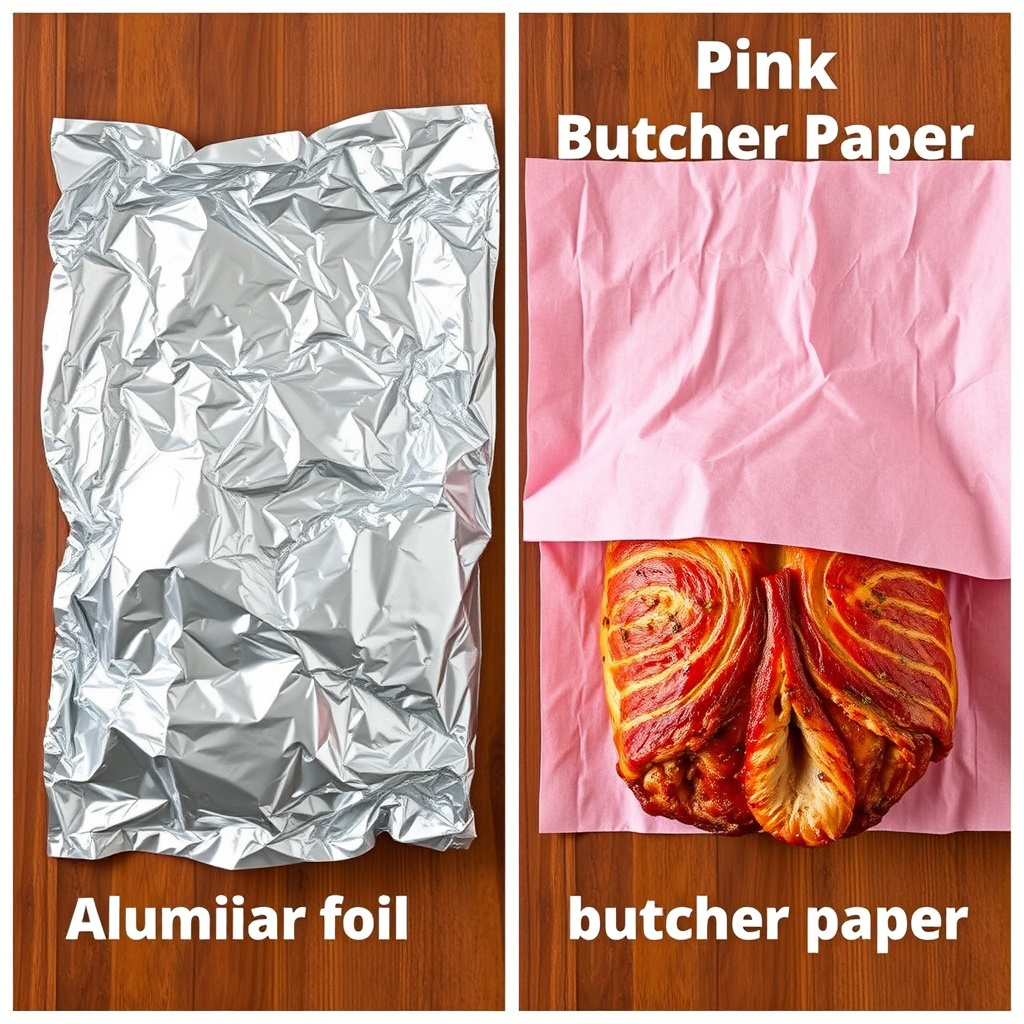
Aluminum Foil: The Classic Wrap
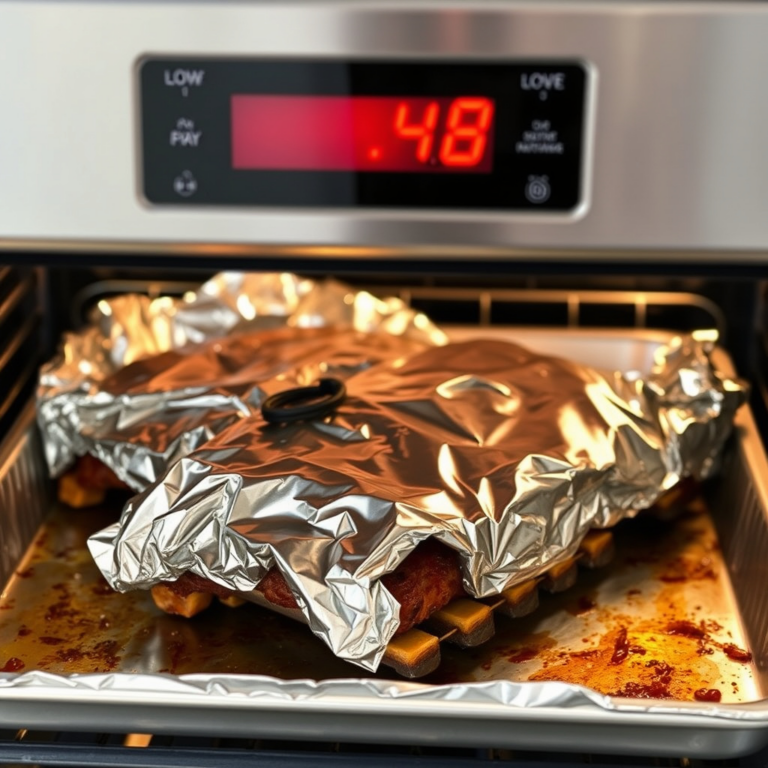
Aluminum foil is the most common choice for a Texas crutch due to its airtight seal and ability to retain moisture and heat efficiently. Its malleability allows for a snug wrap around the meat, maximizing steam retention.
However, foil can soften or partially dissolve bark, sometimes leaving it less crispy. It’s ideal when tenderness is prioritized over bark texture.
- Creates airtight seal
- Retains moisture efficiently
- May soften bark
Butcher Paper: A Woodsy Alternative
Pink butcher paper is favored by many BBQ enthusiasts because it allows the meat to breathe while still retaining moisture. This preserves more bark texture compared to foil while preventing excessive drying.
It also adds a subtle smoky quality due to its porous nature and is especially popular for competition-style brisket cooks aiming for both bark and tenderness.
- More breathable than foil
- Preserves bark texture
- Enhances smoky flavor
When and How to Apply the Texas Crutch
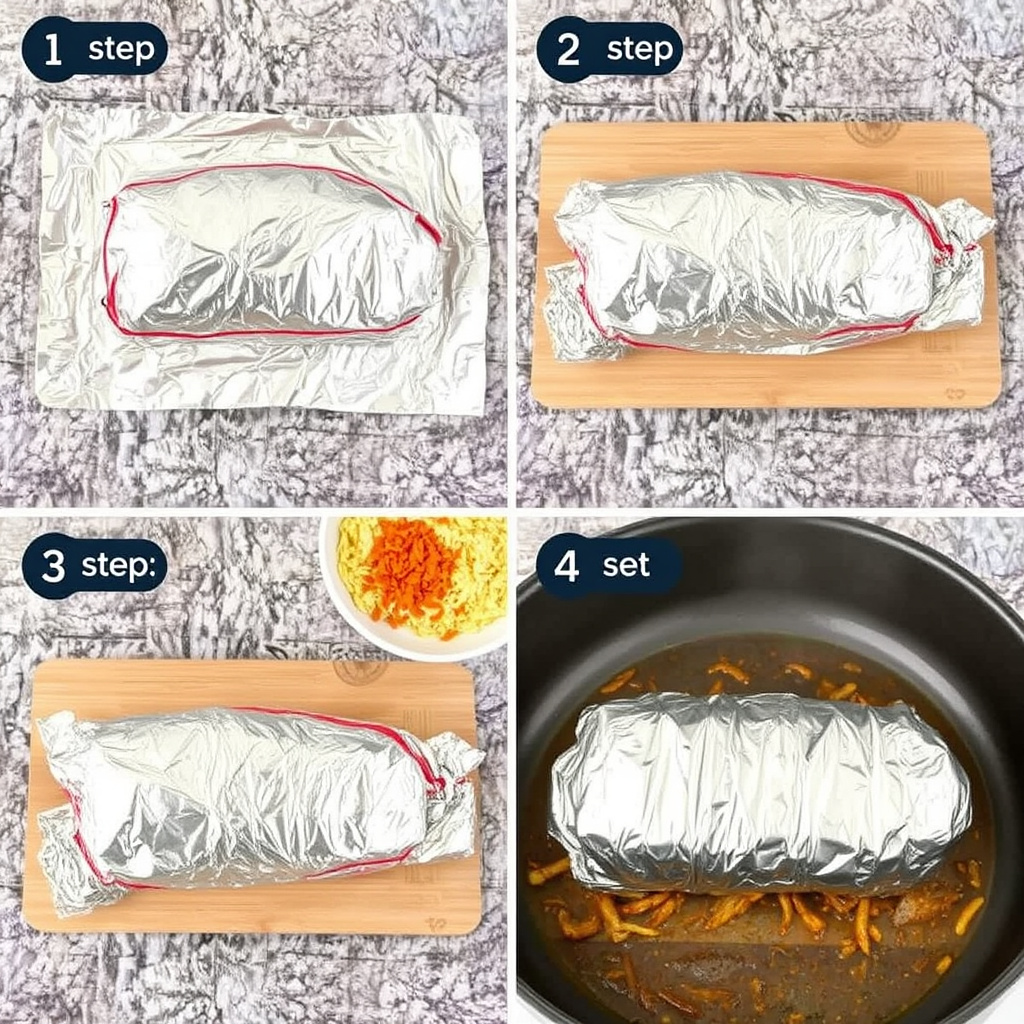
Timing the Wrap During the Stall
The Texas crutch is typically applied when the meat’s internal temperature hits around 150-165°F, during the stall phase where cooking seems to plateau. Wrapping at this stage helps push the internal temperature past the stall more quickly.
Waiting too long to wrap may result in excessive drying, while wrapping too early can prevent good bark formation. Timing it right maximizes moisture retention and texture balance.
- Wrap around 150-165°F internal temp
- Avoid wrapping too early or too late
For more on this, see our related guide: What Is the Internal Temperature for Ribs? A Practical Guide.
Wrapping Technique for Best Results
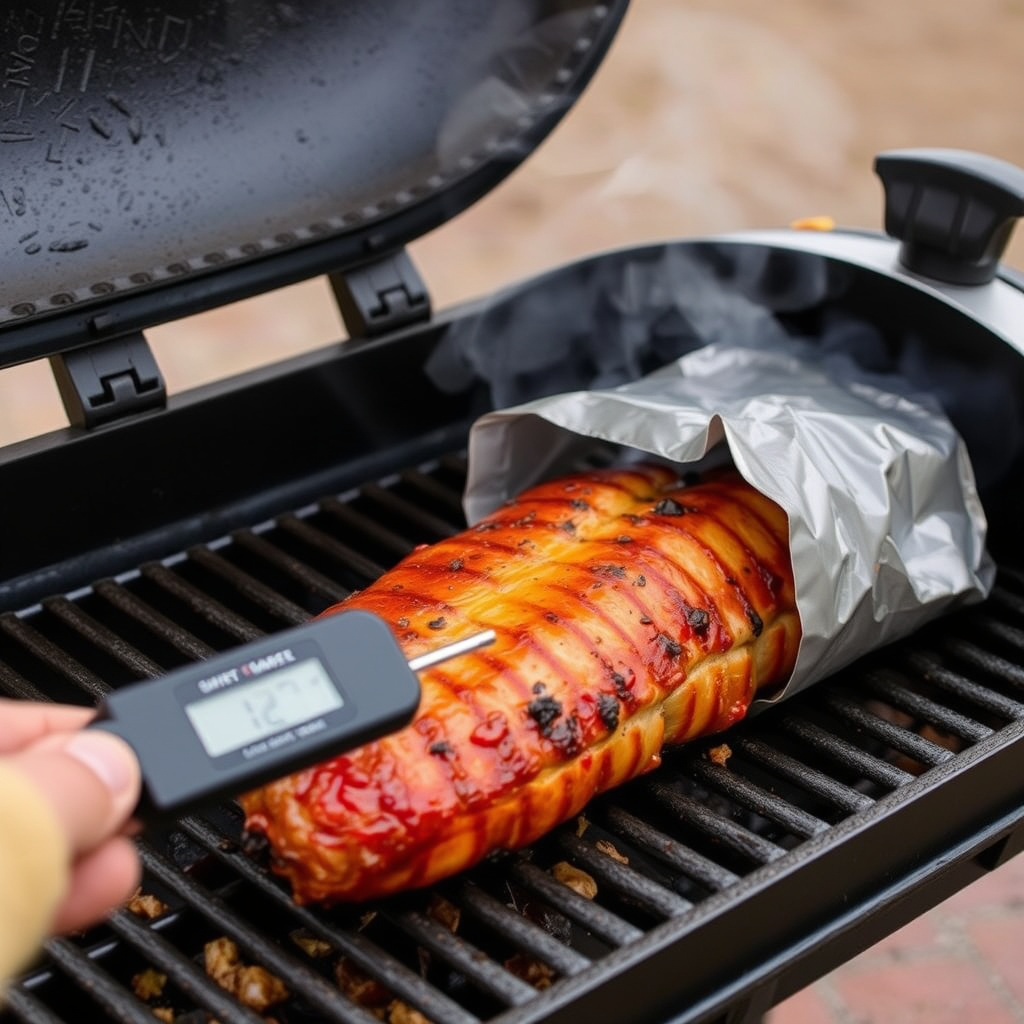
Use enough foil or butcher paper to completely envelop the meat with a tight seal. Fold edges carefully to trap steam inside and prevent leaks that could cause drying.
After wrapping, return the meat to the smoker and continue cooking until the desired tenderness is reached, usually between 195-205°F. Let the meat rest before unwrapping to redistribute juices.
- Use full coverage wrap
- Seal edges tightly
- Rest meat after cooking
Alternatives and Variations to the Texas Crutch
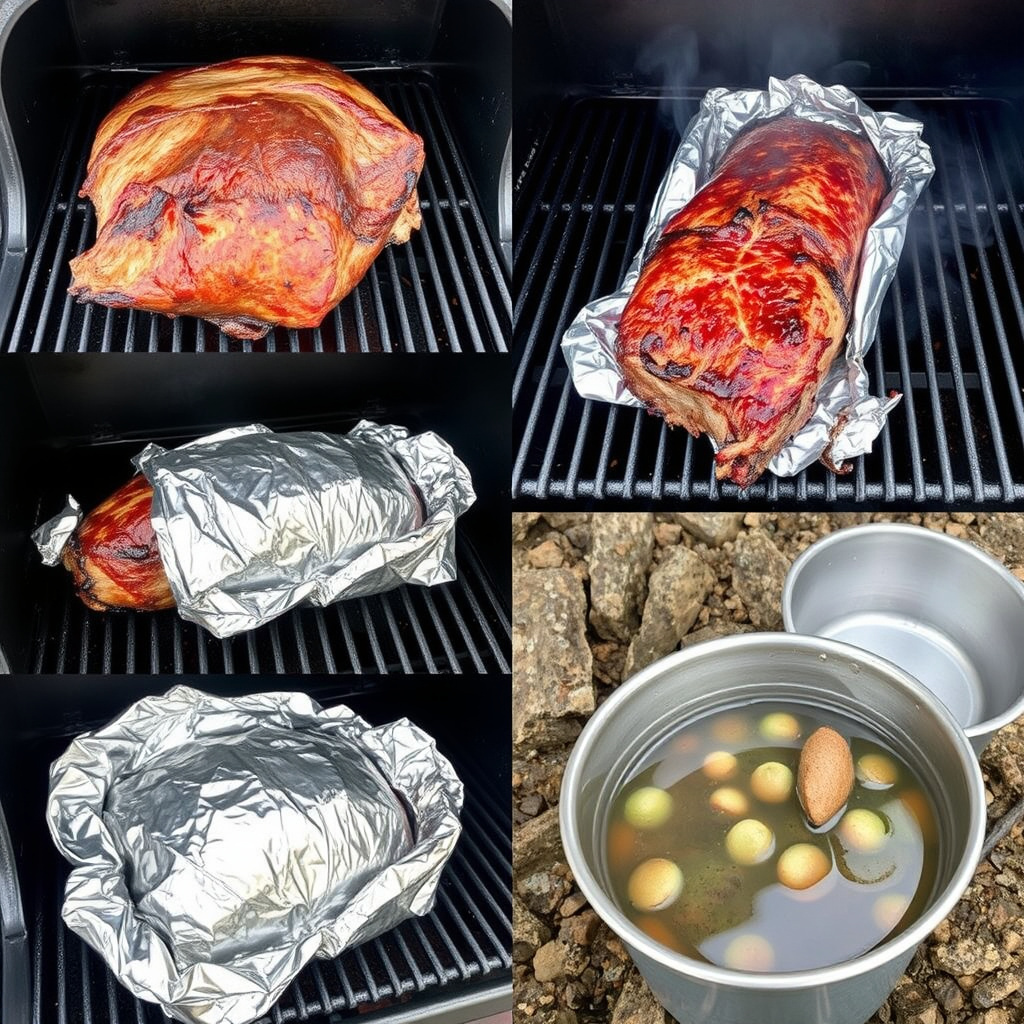
Cooking Without Wrapping
Many pitmasters prefer not to use the Texas crutch, relying on long, slow cooking and moisture management through smoke and water pans instead. This method preserves a very firm bark but requires patience and attention to avoid dryness.
Without wrapping, controlling temperature and humidity is critical to prevent meat surface drying during the extended cook.
- Longer cook times
- Firm bark retention
- Requires careful temp/humidity control
Using Alternative Wraps and Liquids
Some cooks inject or mop the meat with flavorful liquids before wrapping to boost moisture and add flavor. Sometimes parchment paper or even a double layer of butcher paper is used as a hybrid between airtight and breathable wraps.
These variations can be tailored to personal taste preferences and smoking equipment.
- Inject or mop before wrapping
- Parchment paper wrap option
- Hybrid wrapping styles
How the Texas Crutch Affects Smoke Flavor
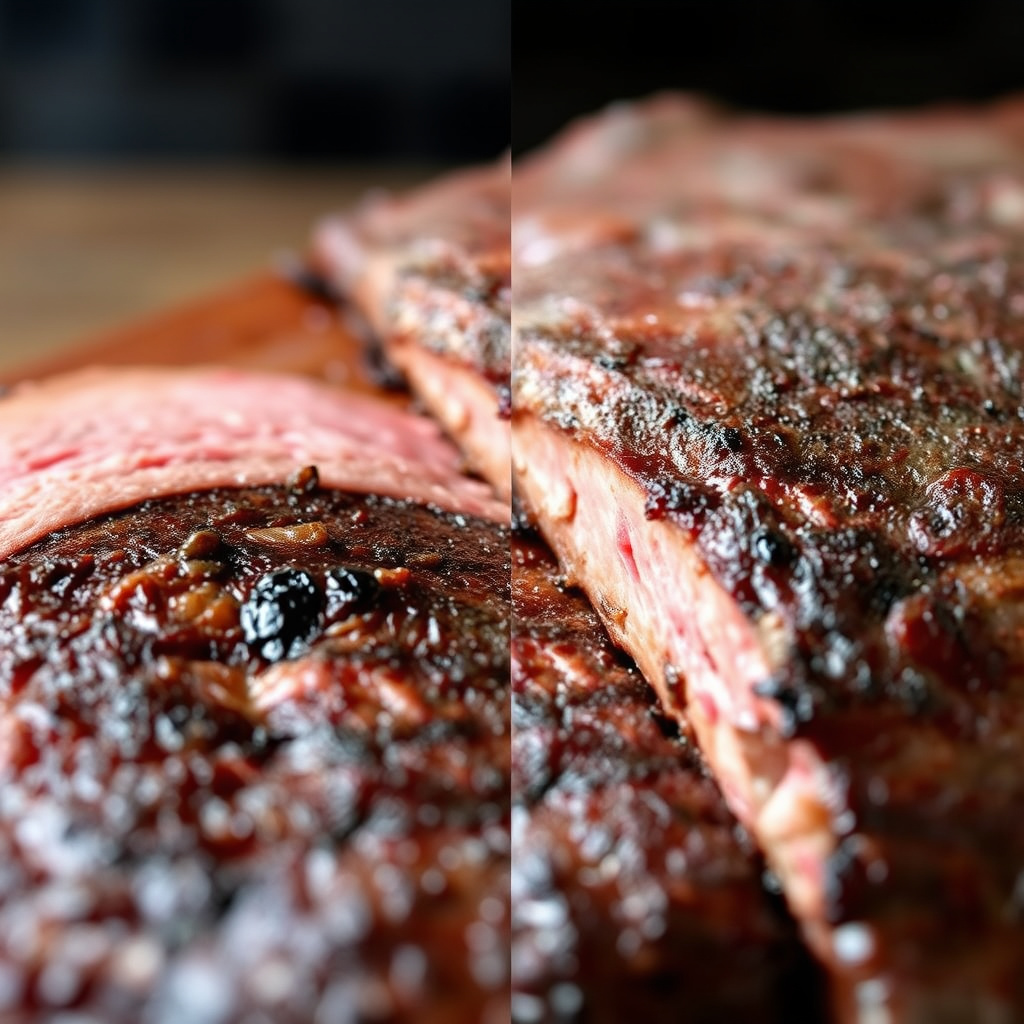
Impact on Smoke Ring and Flavor Penetration
Wrapping meat can slightly diminish smoke ring formation because the foil or paper limits direct smoke exposure. However, much of the smoke flavor is absorbed before wrapping if timed properly.
Maintaining a good smoke flavor depends on how long the meat smokes unwrapped before the Texas crutch is applied.
For more on this, see our related guide: What is the Internal Temp for Brisket? A Complete Guide for Perfect Smoking.
Balancing Tenderness and Smokiness
The Texas crutch balances tenderness and smokiness by saving moisture without completely blocking smoke. Choosing butcher paper helps maximize smoke penetration compared to foil.
Smokers aiming for bold smoke flavor may adjust wrap timing or avoid wrapping altogether, while those focusing on juiciness lean on the crutch method.
Common Mistakes and How to Avoid Them
Wrapping Too Early or Too Tightly
Wrapping before the bark sets can trap moisture that prevents proper bark development and even create a steamed texture. Wrapping too tightly can also squeeze juices out, leading to dry spots.
It’s best to let the meat develop some bark and reach the stall temperature before wrapping loosely but snugly.
For more background on Texas-style barbecue practices, including the Texas crutch, see this detailed Wikipedia article. Texas crutch barbecue technique.
Neglecting Rest Time After Wrapping
Unwrapping meat immediately after cooking lets juices escape too soon. Resting wrapped meat for at least 30-60 minutes allows juices to redistribute evenly, improving tenderness and moisture retention.
Skipping this rest may undo many benefits of the Texas crutch.
- Rest 30-60 minutes post-cook
- Keep wrapped during rest
Texas Crutch Wrapping Materials Comparison
Here’s a quick comparison of common wrapping materials used in the Texas crutch method to help you choose the best option for your BBQ style.
| Material | Moisture Retention | Bark Preservation | Smoke Flavor Impact | Ease of Use |
|---|---|---|---|---|
| Aluminum Foil | High | Softens bark | Moderate | Easy |
| Pink Butcher Paper | Moderate | Preserves bark well | Low impact | Moderate |
| Parchment Paper | Moderate | Moderate bark preservation | Low | Moderate |
| No Wrap | Low | Max bark | High | Easy |
Frequently Asked Questions
What types of meat benefit most from the Texas crutch?
Large, tough cuts like brisket, pork shoulder, and ribs benefit most because wrapping helps retain moisture during long cook times and speeds through the stall phase.
Can I use the Texas crutch on chicken or smaller cuts?
While possible, smaller cuts or poultry generally cook faster and do not require wrapping. Over-wrapping can make skin soggy rather than tender.
How long should I leave the meat wrapped during the Texas crutch?
Typically, meat is wrapped during the stall and cooked wrapped until it reaches target internal temperatures, often 1-3 hours depending on cut size and smoker heat.
Will wrapping the meat reduce the smoky flavor?
Some smoke flavor is lost after wrapping, but most smoke absorption occurs beforehand. Using butcher paper instead of foil preserves more smoke flavor.
Is it necessary to rest meat after unwrapping from the Texas crutch?
Yes, resting wrapped meat for 30-60 minutes before slicing redistributes juices and improves tenderness.
Key Takeaways
- Texas crutch reduces cooking time by wrapping meat during the stall phase.
- Aluminum foil and pink butcher paper are the primary wrapping materials, each affecting bark and moisture differently.
- Timing the wrap at 150-165°F internal temp preserves texture and juiciness.
- Resting meat wrapped after cooking helps retain tenderness and moisture.
Conclusion
Deciding whether and how to use the Texas crutch depends on your BBQ goals—whether you prioritize tenderness, bark texture, or smoky flavor. Understanding the technique’s roots and mechanics gives you flexible options to manage moisture and speed up cooking for challenging cuts. By wrapping during the temperature stall, you bypass one of the slowest phases of smoking and retain juicy results without sacrificing the overall cooking process.
For those who want very tender brisket with slightly softer bark, aluminum foil is an efficient wrap choice. Pink butcher paper suits cooks wanting a balance of moisture with bark preservation and enhanced smoke aroma. If you prefer maximal smoke flavor and firm bark, forgoing wrapping entirely remains a valid approach, although it requires more careful temperature control. Experimenting with the timing and wrap materials allows you to tailor the Texas crutch to your personal smoking style.
To try the Texas crutch, monitor your meat’s internal temperature closely and apply the wrap around 150-165°F to bridge the stall period efficiently. Ensure a tight seal and allow meat to rest after cooking still wrapped to seal in juices. This method is a practical way to consistently produce tender, mouthwatering smoked meats with manageable cooking times—and a technique versatile enough for both novices and seasoned pitmasters to enhance their BBQ crafts.