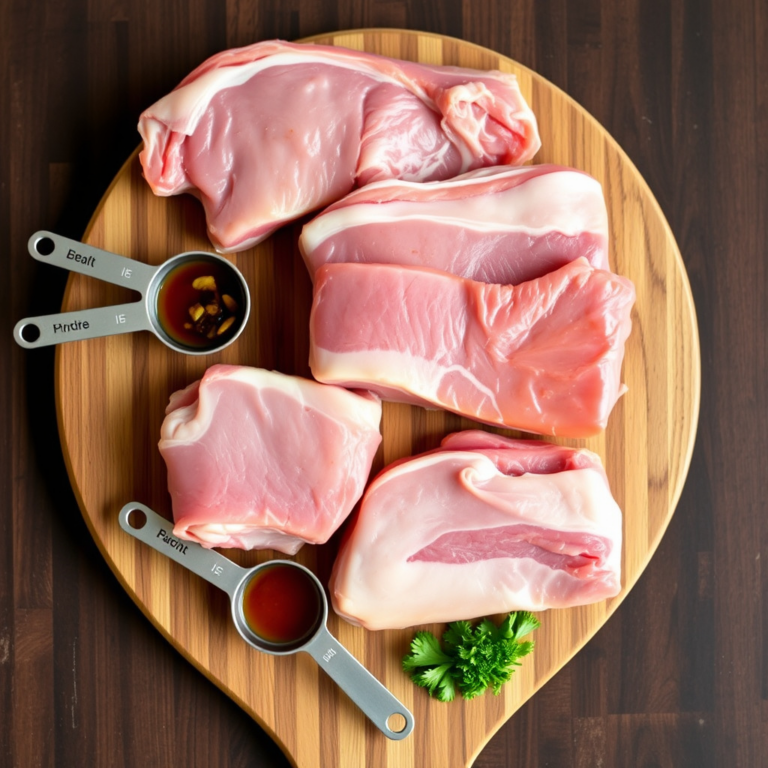
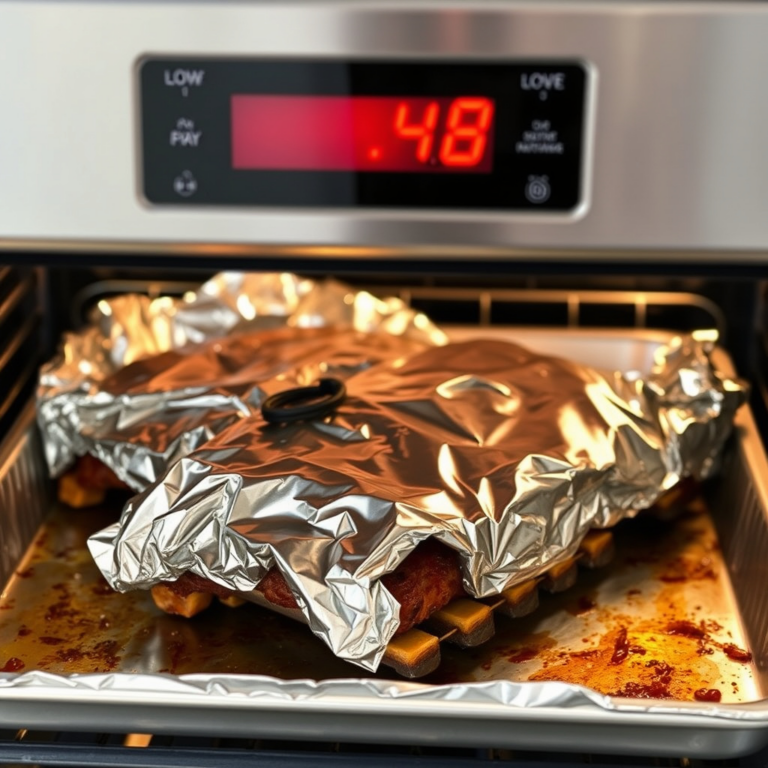
To make pulled pork sandwiches, start with a pork shoulder or butt slow-cooked until tender enough to easily shred. The meat is seasoned with a dry rub or marinade, then cooked low and slow using a slow cooker, oven, or smoker. Once cooked, pull the pork apart with forks and mix it with barbecue sauce before serving on sandwich buns.
Pulled pork sandwiches are popular for their juicy, tender texture and rich smoky or spiced flavor, making them a favorite at barbecues and casual meals. The slow cooking process breaks down connective tissues, resulting in melt-in-your-mouth meat that pairs well with various sauces and toppings.
This article will explain how to prepare the pork, different cooking techniques, seasoning options, sauce pairings, sandwich assembly tips, and ways to customize your pulled pork sandwich to suit your taste and occasion.
Choosing and Preparing the Pork for Pulled Pork Sandwiches
Selecting the Right Cut of Pork
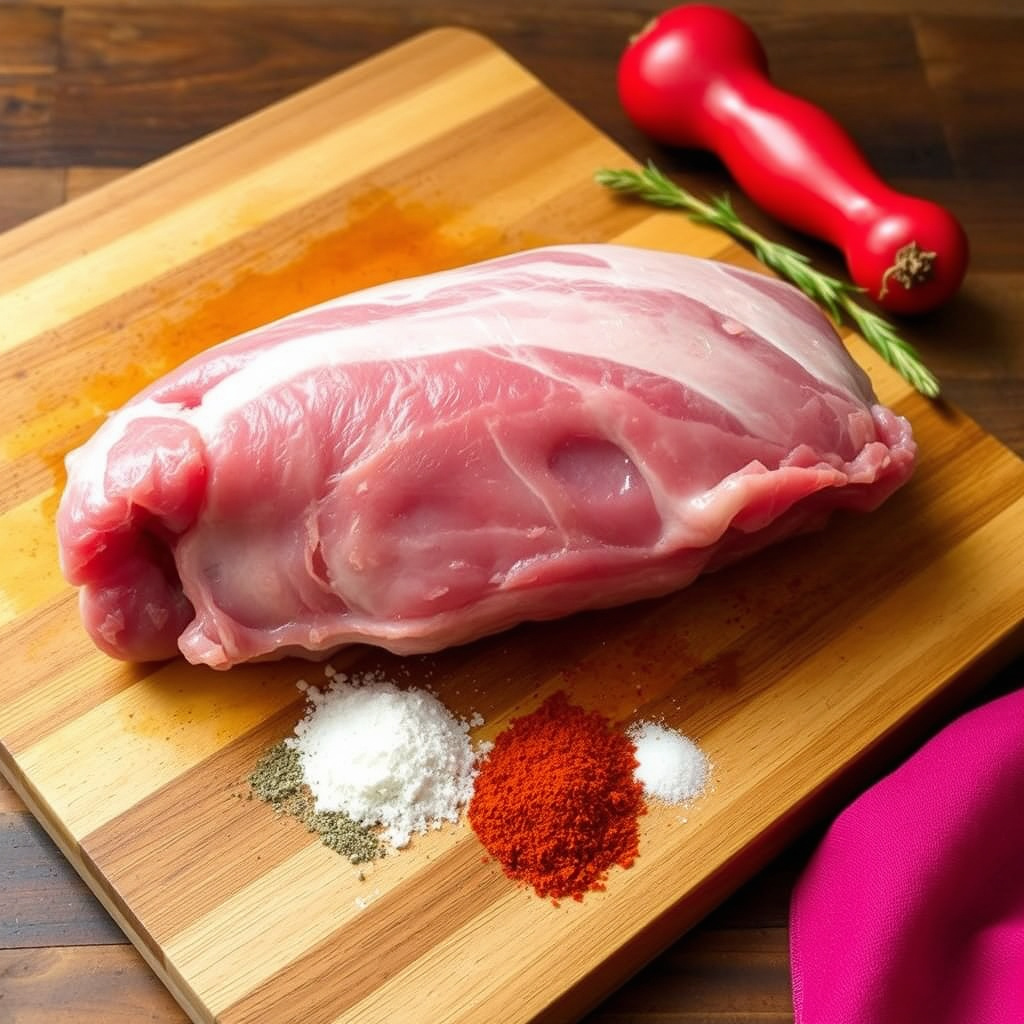
The best pork for pulled pork sandwiches is the pork shoulder or pork butt, also known as Boston butt. These cuts have enough fat and connective tissue to break down during slow cooking, providing moist and flavorful meat.
Avoid lean cuts like pork loin or tenderloin, as they dry out quickly and won’t shred well. Aim for a 4 to 8-pound cut to feed several sandwiches or a larger crowd.
Preparing the Pork with a Dry Rub or Marinade
Before cooking, apply a dry rub made from brown sugar, paprika, salt, black pepper, garlic powder, onion powder, and cayenne for a balanced smoky-sweet flavor. Allow the rub to rest on the meat for at least an hour or ideally overnight to enhance flavor penetration.
Alternatively, use a marinade or brine to add moisture and tenderness prior to cooking. Pat the meat dry before applying rubs to encourage bark formation during cooking.
Cooking Methods for Pulled Pork Sandwiches
Slow Cooker Technique for Tender Pulled Pork
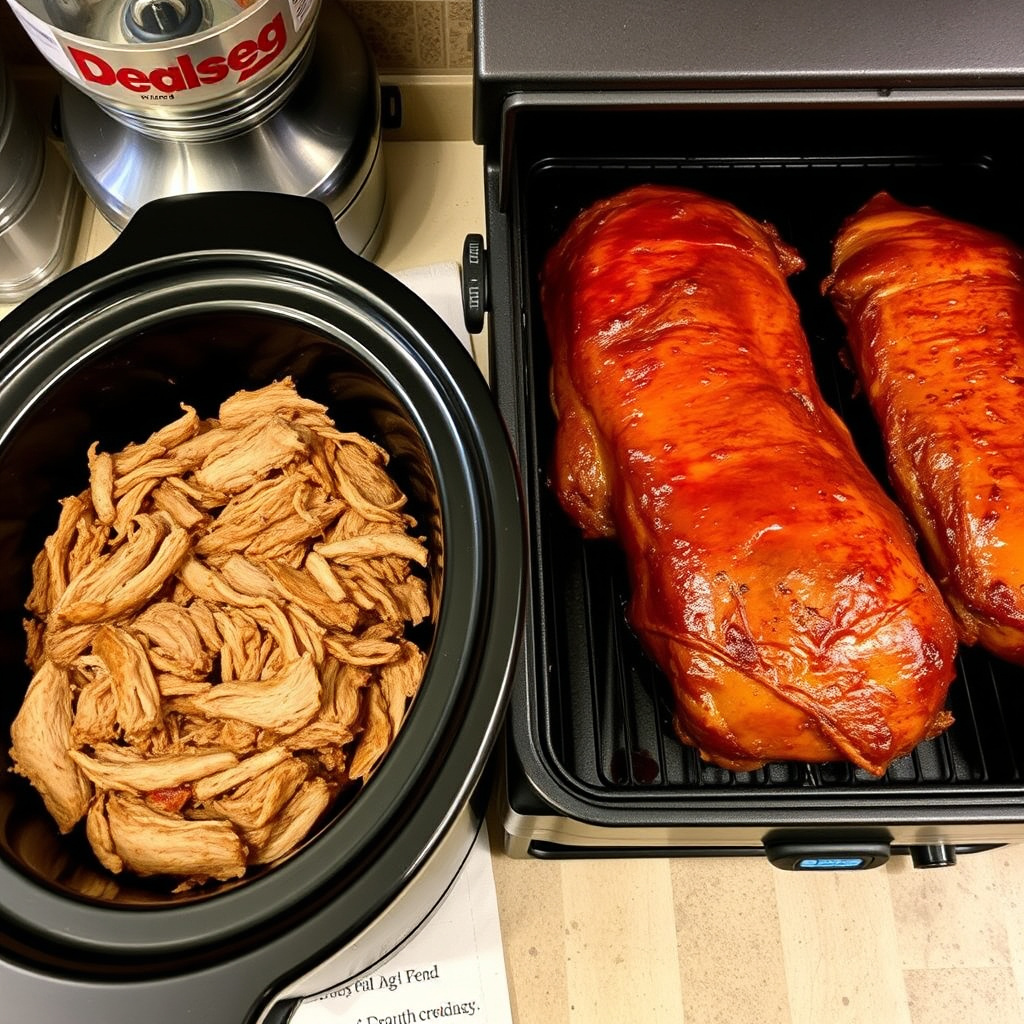
Using a slow cooker allows for hands-off cooking at low temperatures for 8 to 10 hours, making the meat tender enough to shred easily. Add a cup of liquid such as broth, apple juice, or vinegar to keep the pork moist during cooking.
After cooking, the pork can be pulled directly in the slow cooker and mixed with barbecue sauce for easy serving.
- Set slow cooker on low for 8-10 hours
- Use liquid to maintain moisture
- Shred meat with forks inside cooker
For more on this, see our related guide: How to Make Coleslaw for Pulled Pork: A Simple and Delicious Recipe.
Smoking and Oven Cooking Options
Smoking pork at 225-250°F for 6 to 12 hours imparts authentic smoky flavor. Maintain steady temperatures and use wood chips like hickory or applewood for best results. After smoking, wrap in foil and rest before shredding.
Alternatively, cook pork in a low oven at 275°F covered with foil or in a roasting pan with liquid for 4 to 6 hours. This method yields flavorful, tender meat but with less smoke taste.
- Smoke at 225-250°F for 6-12 hours
- Use wood chips for authentic flavor
- Roast at 275°F for 4-6 hours as a quick alternative
Seasoning and Sauces for Pulled Pork Sandwich Flavor
Flavor Profiles of Dry Rubs and Marinades
Pulled pork enjoys bold flavor from dry rubs with spices such as paprika, cumin, mustard powder, and chili powder. The spice mix creates a crust known as bark when cooked low and slow.
Marinades with acidic components like vinegar or citrus balance the pork’s richness and can add tang or sweetness, depending on ingredients.
- Paprika, brown sugar, salt, pepper
- Vinegar or citrus-based marinades
- Smoked paprika or chipotle for heat
Popular Barbecue Sauces for Pulled Pork
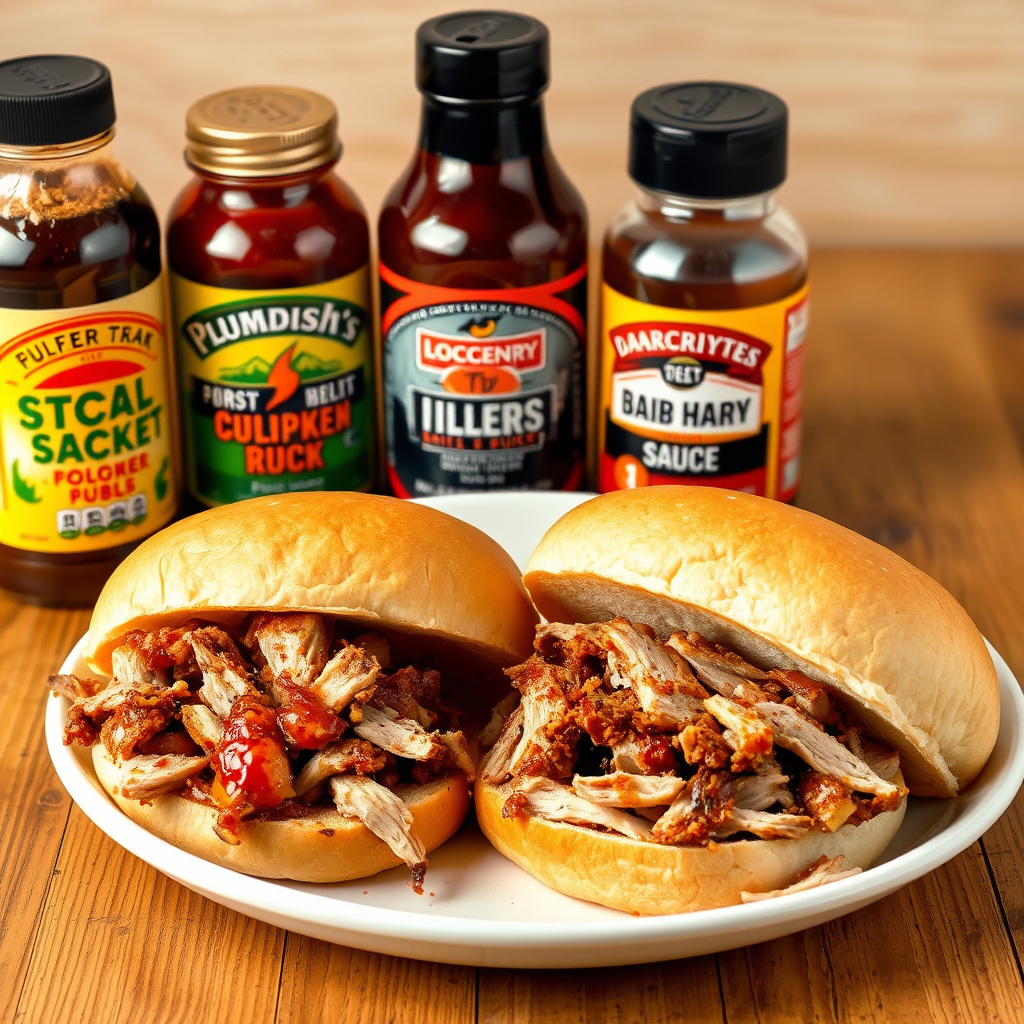
Classic barbecue sauces for pulled pork include vinegar-based North Carolina style, sweet tomato-based Kansas City style, and mustard-based South Carolina style. Choose a sauce according to your preference for tangy, sweet, or sharp flavors.
Sauce the pulled pork lightly to keep it moist without overwhelming tenderness and texture.
- Vinegar sauce: tangy and sharp
- Tomato-based sauce: thick and sweet
- Mustard sauce: tangy with a mustard bite
Assembling and Serving Pulled Pork Sandwiches
Choosing the Right Bread and Toppings
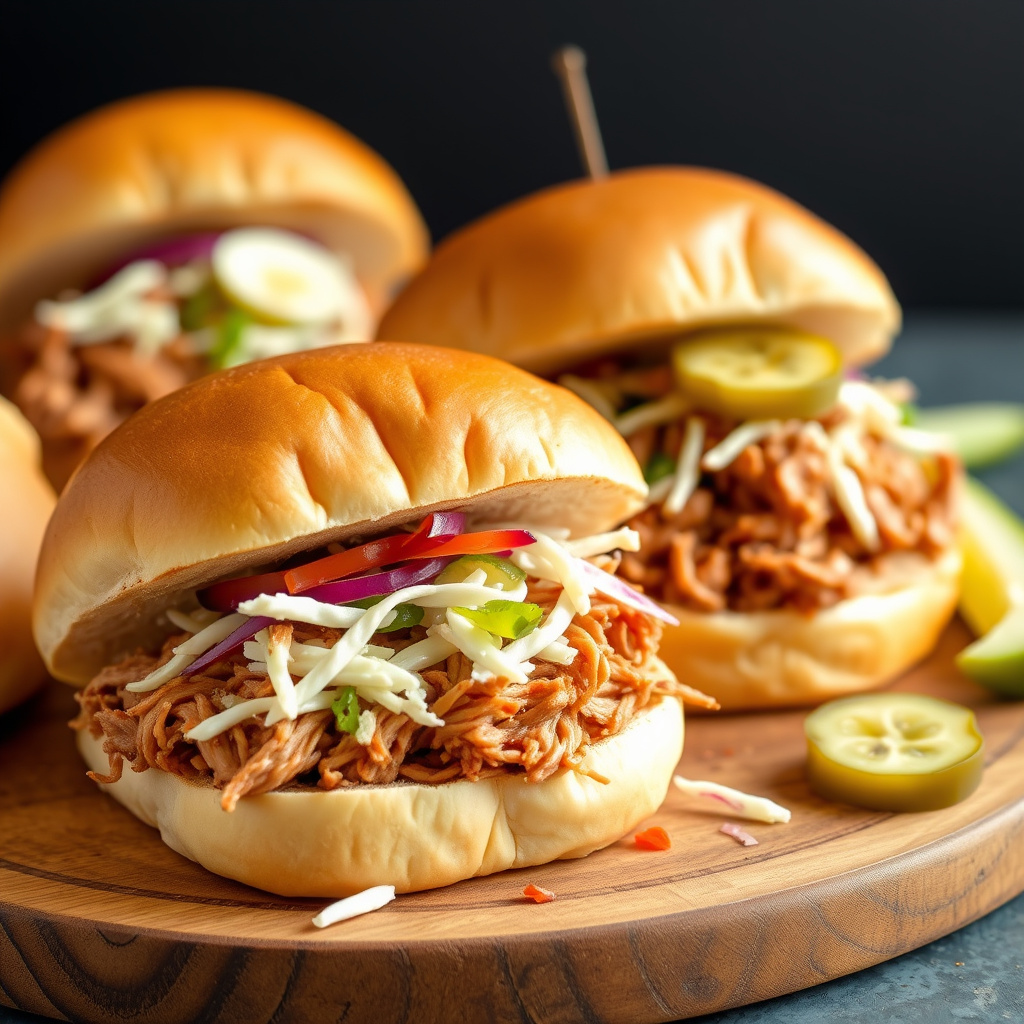
Soft hamburger buns or brioche buns are ideal for pulled pork sandwiches because they hold juices without breaking apart. Toasting the bun slightly adds texture and prevents sogginess.
Typical toppings include coleslaw, pickles, sliced onions, and jalapenos. The crunch and acidity from toppings balance the richness of the pork.
- Soft hamburger or brioche buns
- Coleslaw or pickles for crunch
- Optional sliced onions or jalapenos
For more on this, see our related guide: How to Make Baked Beans for BBQ: A Flavorful and Easy Recipe.
Techniques for Layering and Serving
Spread a layer of sauce on the bottom bun before adding pulled pork to keep the sandwich saucy yet manageable. Add toppings last to maintain their texture and freshness.
Serve sandwiches with side dishes like baked beans, corn on the cob, or potato salad to complete a hearty meal.
- Sauce on bottom bun
- Add pulled pork layer
- Top with crunchy vegetables last
Customizing Your Pulled Pork Sandwich Experience

Incorporating Regional Styles and Ingredients
Pull from regional barbecue traditions to craft unique pulled pork sandwiches. For example, add Texas-style dry rubs for a smoky heat or incorporate Alabama white sauce for tangy creaminess.
Experiment with toppings like sautéed peppers, crispy onions, or different cheeses to create new flavor combinations.
- Texas dry rubs with smoky spice
- Alabama white barbecue sauce
- Cheese or sautéed vegetables
For more detailed information on the history and preparation of pulled pork, you can visit the Wikipedia page on pulled pork. Pulled pork.
Serving Options Beyond Classic Sandwiches
Pulled pork can be served beyond sandwiches—in tacos, on loaded fries, or as a pizza topping. This versatility makes it great for casual parties or family dinners.
Adjust sauce amount and textures based on serving style for the best eating experience.
- Pulled pork tacos with fresh salsa
- Loaded fries topped with pulled pork
- Pulled pork pizza with barbecue sauce base
Pulled Pork Cooking Methods Comparison
Here’s a comparison of popular pulled pork cooking methods, looking at time, flavor intensity, and ease of preparation.
| Method | Cooking Time | Flavor Intensity | Ease of Preparation |
|---|---|---|---|
| Slow Cooker | 8-10 hours | Mild, tender | Very easy, hands-off |
| Smoker | 6-12 hours | High, smoky | Requires attention, skill |
| Oven Roasting | 4-6 hours | Moderate, less smoky | Moderate effort |
| Pressure Cooker | 1-2 hours | Tender, less flavor depth | Quick, convenient |
Frequently Asked Questions
What cut of pork is best for pulled pork sandwiches?
Pork shoulder or Boston butt is best due to its fat content and connective tissue that break down during slow cooking to create tender, juicy meat.
Can I make pulled pork sandwiches without a smoker?
Yes, using a slow cooker or oven roasting can produce tender pulled pork. For smoky flavor, add smoked paprika or liquid smoke if no smoker is available.
Should I use barbecue sauce in the cooking process or only when serving?
It's best to apply barbecue sauce after shredding the pork to maintain texture. Adding sauce too early can make the meat soggy.
How long does pulled pork last in the fridge?
Cooked pulled pork can be stored in an airtight container in the refrigerator for 3 to 4 days safely.
What sides go well with pulled pork sandwiches?
Classic sides include coleslaw, baked beans, potato salad, and cornbread, all complementing the flavors and texture of the sandwich.
Key Takeaways
- Choose pork shoulder for tender, shred-ready meat
- Slow cooking develops rich flavor and soft texture
- Use complementary barbecue sauces and crunchy toppings
- Experiment with regional flavors and serving styles
Conclusion
The best approach to making pulled pork sandwiches balances quality pork, appropriate seasoning, and a suitable cooking method to achieve tender, flavorful pulled pork. Whether you prefer the ease of a slow cooker or the authentic smoky taste from a smoker, the process requires patience but pays off with satisfying results. Proper preparation and seasoning enrich the meat before cooking, while carefully applied sauces and toppings complete the sandwich experience.
For those seeking convenience and consistent tenderness, slow cooker pulled pork is a reliable choice that can be ready with minimal supervision. For enthusiasts aiming for traditional barbecue flavor, smoking the pork at low temperatures with wood smoke infuses a deeper aroma and taste. Oven roasting offers a middle ground for those without smokers, while pressure cookers can speed up the process if time is limited. Consider pairing your pulled pork with North Carolina or Kansas City style barbecue sauces depending on your flavor preference.
Next, gather your ingredients starting with a fresh pork shoulder, decide on your preferred cooking method, and prepare a flavorful rub or marinade. Allow ample cooking and resting time to maximize tenderness. Finally, assemble your sandwich on toasted buns with crisp coleslaw or pickles to add texture and tang. With these steps, you’re ready to enjoy a classic pulled pork sandwich that’s sure to be a hit at any table.