The key to cooking the perfect burger lies in a combination of quality ingredients, proper seasoning, and precise cooking techniques. Starting with fresh ground beef, ideally with 20% fat content, you shape patties that are not too compact, allowing for juiciness. Season simply with salt and pepper just before cooking, then use medium-high heat to sear and develop a flavorful crust without drying out the center. This method consistently yields burgers with a delicious balance of texture and taste.
Why does this matter? A poorly cooked burger can quickly become dry, tough, or bland, ruining the experience. Understanding how to balance the cooking temperature, timing, and ingredients lets you impress guests or simply enjoy a superior homemade burger. The classic burger is as much a test of technique as it is of ingredient quality.
This guide will walk you through selecting the right beef blend, shaping and seasoning the patties, exploring cooking methods like grilling and pan-frying, incorporating cheeses and toppings, and even making delicious buns to accompany your masterpiece. With these details, you’ll elevate your burger beyond basic grilling.
Choosing the Right Beef for the Perfect Burger
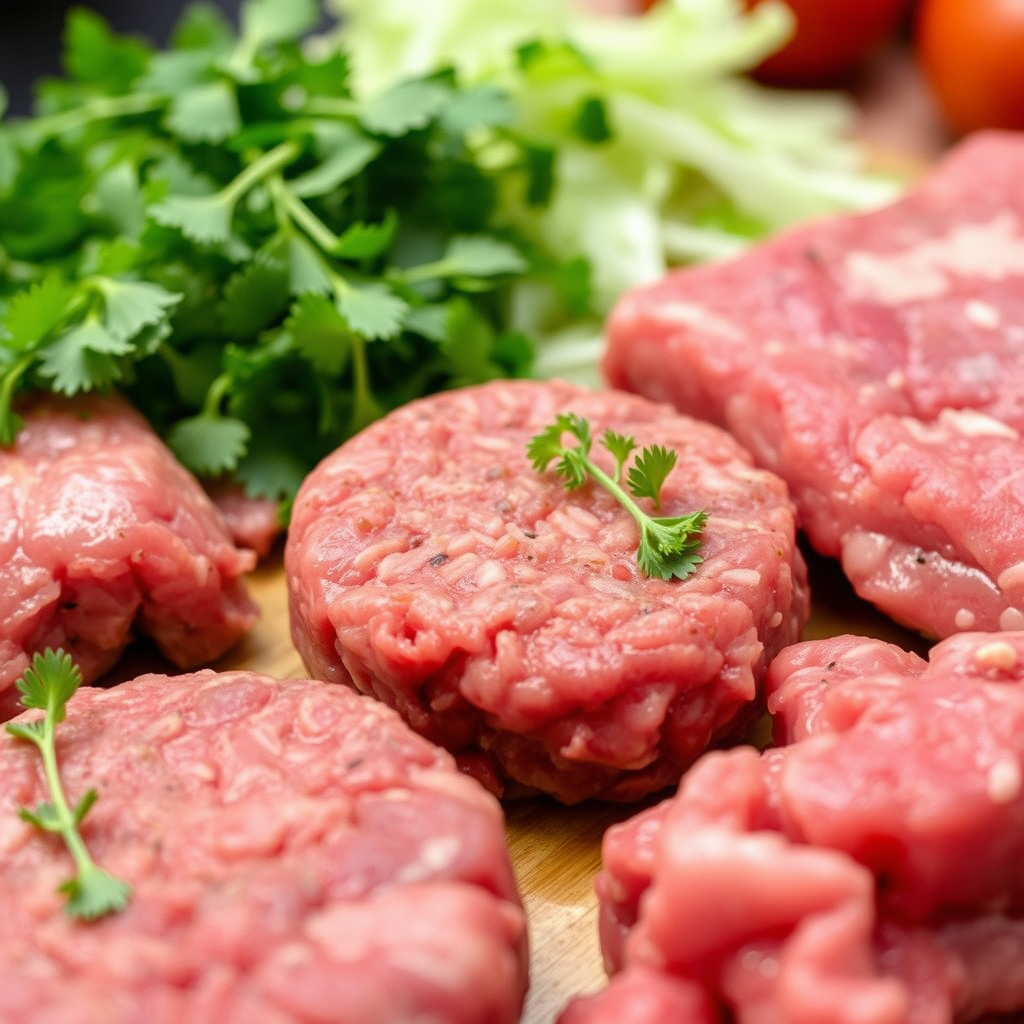
Understanding Beef Fat Content
Fat is essential for a juicy burger. Ground beef with about 20% fat, known as an 80/20 blend, provides a good balance. Too lean, and the burger will dry out during cooking; too fatty, and it may cause flare-ups on the grill or become greasy.
Grass-fed beef tends to be leaner and has a different flavor profile compared to grain-fed beef, which is more commonly used in burgers. Blending different cuts like chuck and brisket can enhance flavor and texture.
- 80/20 ground chuck is the standard choice
- Avoid lean mixes under 15% fat
- Consider blends with brisket or short rib for richer taste
Freshness and Quality Considerations
Buy fresh ground beef from a trusted source to reduce contamination risk and enhance flavor. Packaging dates matter; fresher meat produces tastier results. Some prefer freshly ground meat from whole cuts if available, as it retains better muscle structure.
Avoid pre-formed patties bought from the store that may contain fillers or preservatives. Forming burgers yourself allows control over shape, thickness, and seasoning consistency.
Preparing and Seasoning Burger Patties
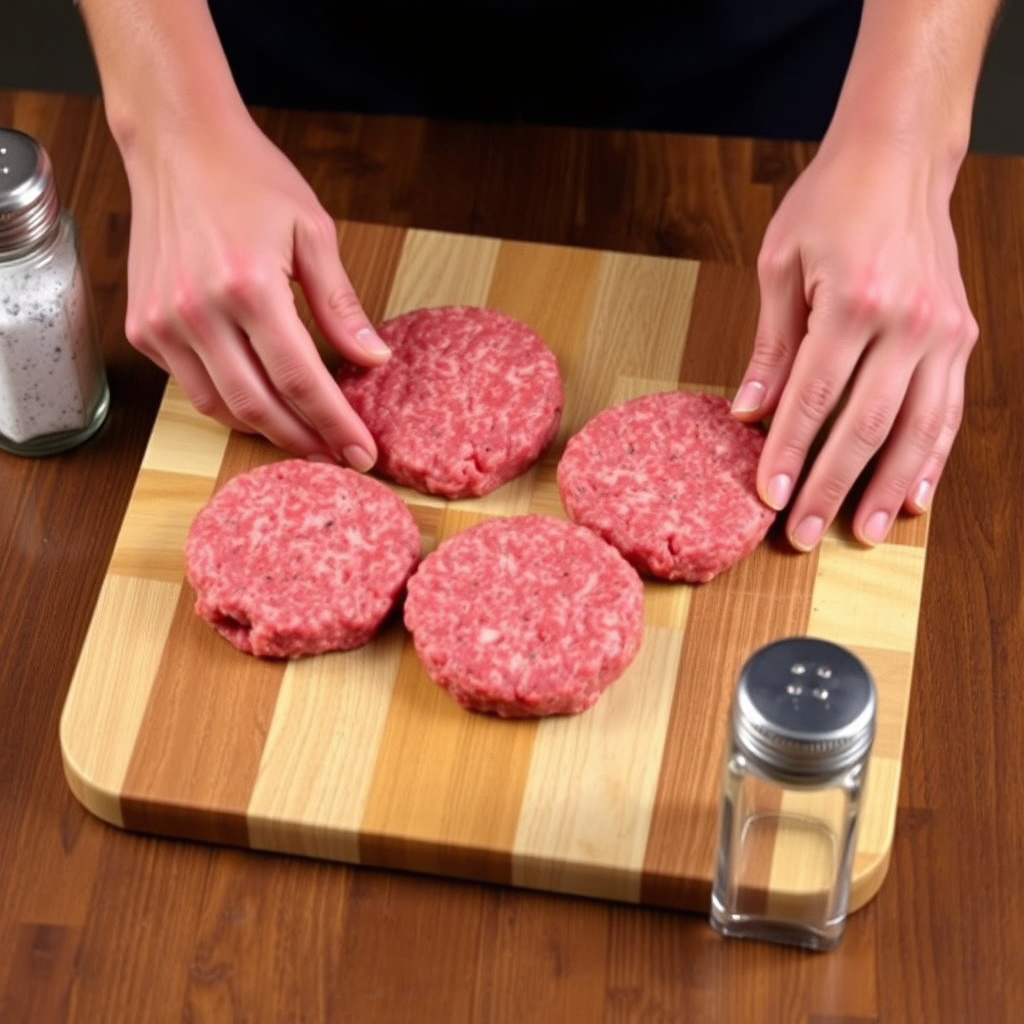
Proper Patty Shaping Techniques
Shape patties gently without compressing the meat too much; overworking can lead to dense burgers. Aim for about ¾-inch thickness to allow even cooking through the center without burning the exterior.
Make a slight indentation in the center of each patty with your thumb to prevent bulging as it cooks. This also helps the patty stay flat and cook evenly.
- Avoid over-packing the meat
- Use uniform size for consistent cooking
- Indent the center slightly
Seasoning the Patties for Maximum Flavor
Season patties with salt and freshly ground black pepper immediately before cooking. Salt draws moisture out, so applying it too early can dry the meat. Avoid mixing in too many spices into the patty as it can affect texture.
Some cooks add a pinch of garlic powder or onion powder, but classic burger flavor shines best with simple seasoning, allowing the beef flavor to dominate.
- Season just before cooking
- Keep seasoning simple to highlight beef
- Use coarse salt and fresh pepper
Mastering Cooking Methods for the Perfect Burger
Grilling Techniques for Flavorful Results
Grilling over medium-high heat creates a smoky, charred crust that enhances the flavor. Preheat the grill well, oil the grates lightly to prevent sticking, and cook the patties 3 to 4 minutes per side for medium doneness.
Avoid pressing down on the patties while cooking; this squeezes out juices and leads to dryness. Letting the burger rest after grilling helps retain moisture.
- Preheat grill before cooking
- Cook 3-4 minutes per side for medium
- Do not press during cooking
- Rest burger before serving
For more on this, see our related guide: How to Keep Burgers from Shrinking: Practical Tips to Retain Juiciness.
Pan-Frying and Searing for Juicy Burgers
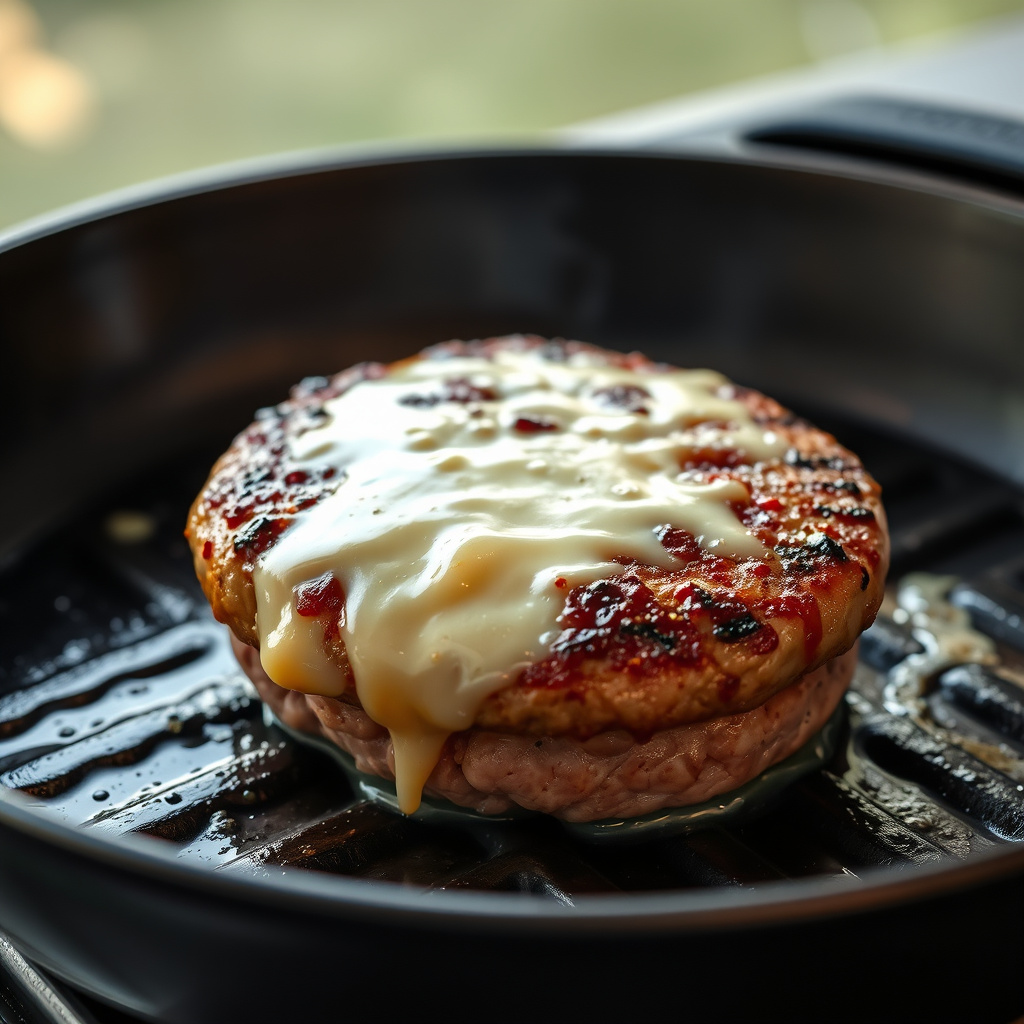
A cast iron skillet offers excellent heat retention to sear burgers perfectly. Heat the pan on medium-high, add a small amount of oil, and place patties, cooking 3-4 minutes per side. The skillet’s even heat prevents flare-ups and allows tight temperature control.
Butter or oil can be added near the end to build flavor. Melt cheese in the last minute of cooking by covering the pan with a lid to encourage even melting.
- Use cast iron or heavy skillet
- Medium-high heat for searing
- Add cheese last minute with lid on
- Avoid overcrowding the pan
Selecting and Adding Cheese and Toppings
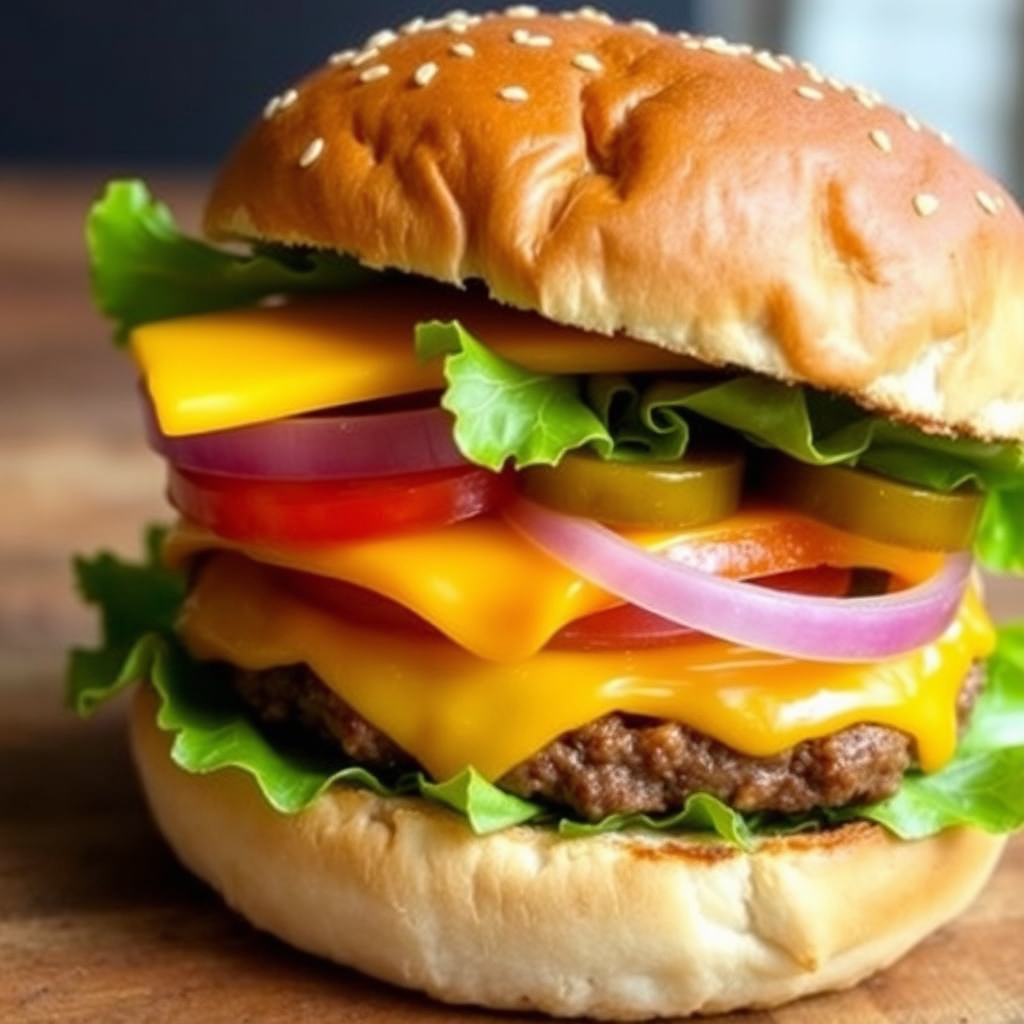
Types of Cheese to Melt Perfectly
Classic choices like cheddar, American, Swiss, and pepper jack melt well and complement the burger’s savory taste. Choose slices that are neither too thick nor too thin to melt evenly without overpowering.
To ensure optimal melting, add cheese during the last minute of cooking and cover the burger to trap heat. This method works for both grilled and pan-fried burgers.
- Cheddar and American for traditional flavor
- Swiss for milder taste
- Pepper Jack for a spicy kick
Fresh Toppings to Enhance Texture and Flavor
Classic toppings include crisp lettuce, juicy tomato slices, thinly sliced onion, and dill pickles, offering contrasts in texture and freshness. Avoid soggy or watery vegetables which can make the bun soggy.
Condiments like ketchup, mustard, mayo, or specialty sauces add richness and balance. Layer toppings in order to prevent dripping, starting with sauces, then greens, and finally pickles or onions.
- Use fresh, crisp vegetables
- Layer toppings for bun stability
- Choose condiments that balance richness
Choosing and Preparing the Perfect Bun
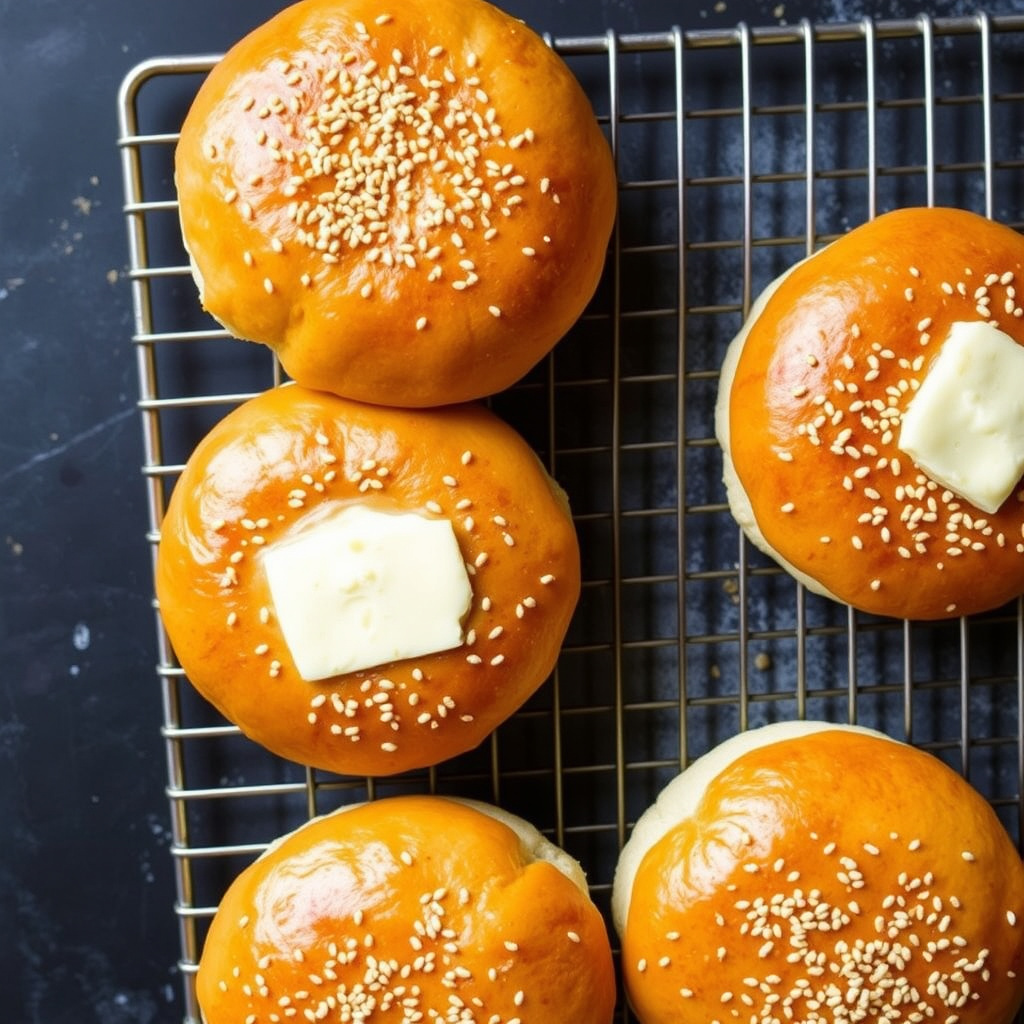
Bun Types and Their Impact on the Burger
Buns like brioche, potato rolls, or classic sesame seed buns provide different textures and flavors. Brioche is soft and slightly sweet, perfect for juicy burgers; potato rolls offer a tender, moist bite; sesame seed buns add nuttiness and a firmer hold.
Avoid buns that are too dense or crusty, which can overpower the burger or fall apart easily.
- Brioche for rich flavor
- Potato rolls for softness
- Sesame seed for texture contrast
For more on this, see our related guide: How to Keep Burgers from Falling Apart: Expert Tips for Perfect Patties.
Toasting and Preparing Buns
Lightly toasting the buns on the grill or in a pan with butter creates a crispy, buttery surface that resists sogginess and adds flavor. Toast both cut sides just until golden brown before assembling.
This simple step improves structure and adds an appealing crunch to every bite.
- Butter the buns lightly before toasting
- Toast just until golden and crisp
- Avoid over-toasting to prevent dryness
Serving and Storing Your Burger
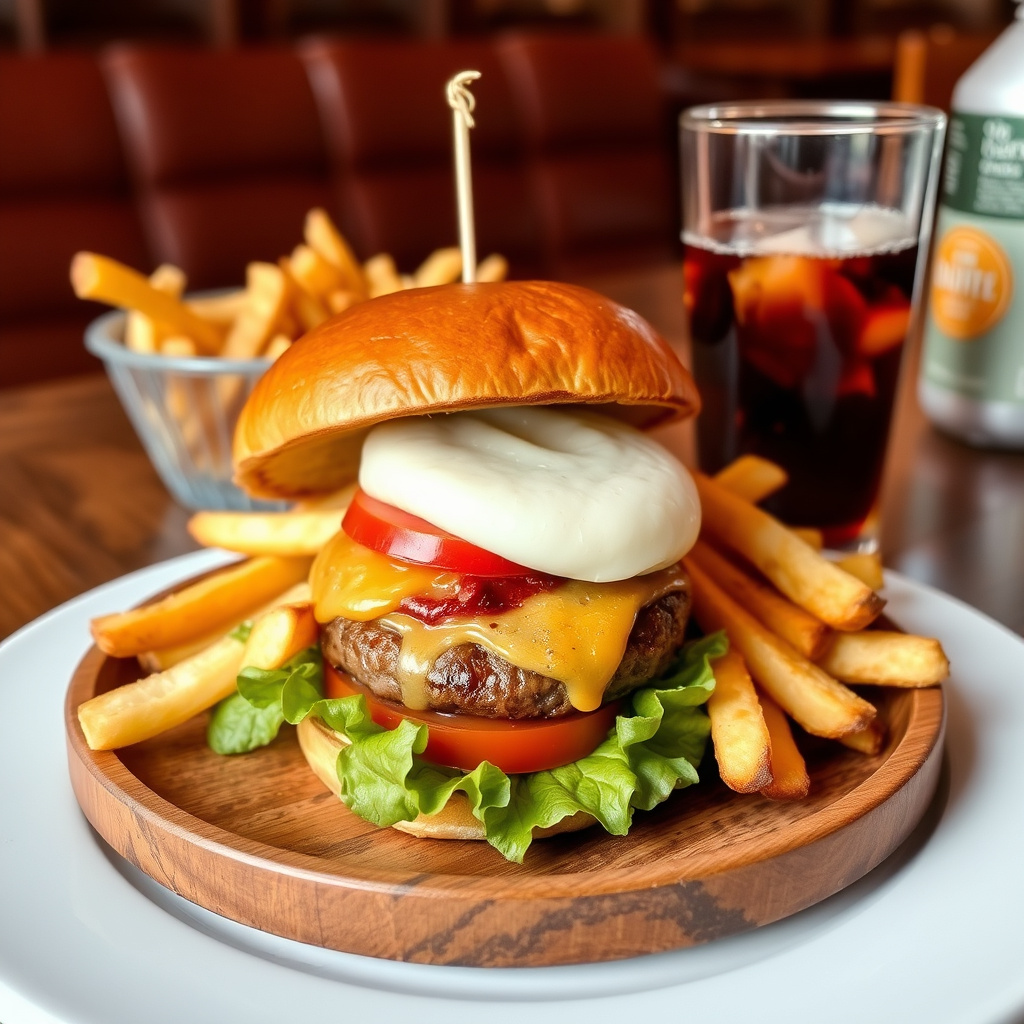
Best Practices for Serving Hot and Fresh
Serve burgers immediately after assembling to preserve warmth and freshness. Provide napkins and lock-in sauces so the burger holds together during eating.
Pair with complementary sides such as fries, coleslaw, or pickled vegetables to round out the meal.
For additional information about ground beef and its various types, the ground beef Wikipedia page offers detailed insights. ground beef Wikipedia page.
Storing Leftover Burgers Safely
Use airtight containers to store leftover patties and buns separately in the refrigerator. Reheat gently, preferably in a skillet or oven to retain texture, avoiding microwaves that can make burgers rubbery.
Consume leftovers within 2 days to maintain quality and prevent foodborne illness.
- Store patties and buns separately
- Reheat in skillet or oven
- Consume within 48 hours
Burger Cooking Method Comparison
Here's how grilling, pan-frying, broiling, and sous vide compare when cooking burgers, helping you choose the best approach.
| Method | Flavor Profile | Ease of Use | Juiciness | Control over Doneness |
|---|---|---|---|---|
| Grilling | Smoky, charred | Moderate | High | Moderate |
| Pan-frying | Rich, seared crust | Easy | High | High |
| Broiling | Even browning | Easy | Medium | Good |
| Sous Vide | Uniform doneness | Complex | Very High | Excellent |
| Oven Baking | Mild flavor | Easy | Medium | Moderate |
Frequently Asked Questions
What is the best type of beef fat content for burgers?
An 80/20 mix, meaning 80% lean beef and 20% fat, strikes a good balance for juicy, flavorful burgers without excessive grease.
Should I mix seasonings into the burger meat or just season the outside?
It is best to season the patties with salt and pepper immediately before cooking rather than mixing seasonings into the meat to avoid altering texture.
How do I know when my burger is cooked perfectly?
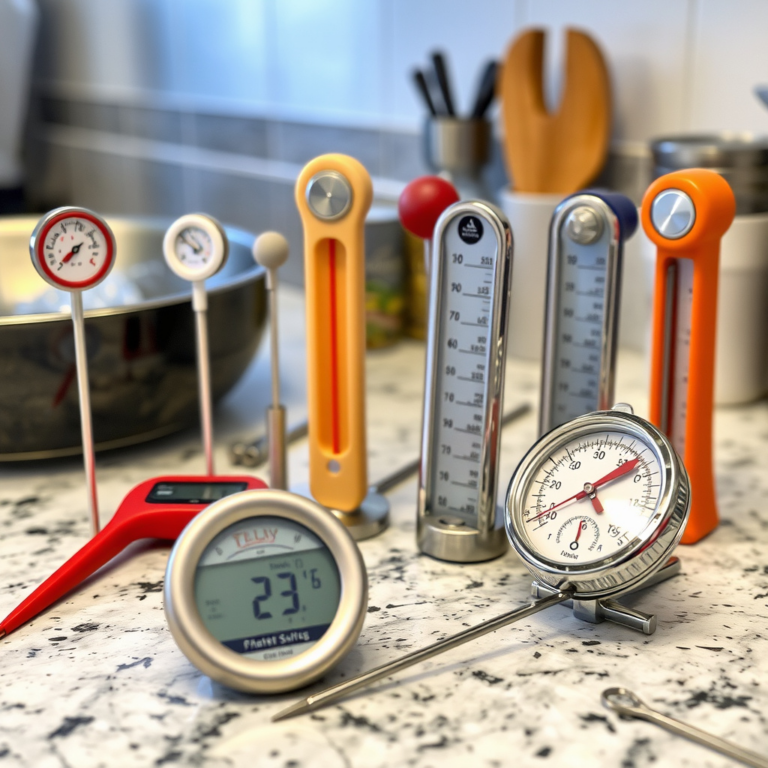
Use a meat thermometer; 160°F (71°C) is recommended for ground beef ensuring safety and doneness with juicy results.
Can I prepare burger patties in advance?
Yes, but store uncooked patties in the refrigerator for no more than 24 hours. Overhandling can toughen the meat.
What is the best way to melt cheese on a burger?
Add the cheese slice during the last minute of cooking and cover the pan or close the grill lid to trap heat and melt cheese evenly.
Key Takeaways
- Use fresh 80/20 ground beef for juicy burgers
- Shape patties gently with a slight center indentation
- Cook over medium-high heat without pressing down
- Toast buns lightly to prevent sogginess
Conclusion
Cooking the perfect burger involves attention to detail, from selecting quality beef with the right fat content to mastering cooking techniques that retain juiciness and develop flavor. Balancing seasoning, patty shaping, and cooking method is essential for a satisfying result. This process demands understanding how temperature and timing influence moisture retention and crust formation, which together define a memorable burger experience.
For practical application, grilling remains the classic way to impart smoky flavor and appealing char, while pan-frying offers excellent control and a rich sear. Choosing the right cheese—from cheddar to pepper jack—and fresh, crisp toppings enhances the burger’s taste and texture. Pairing with a moderately toasted brioche or potato bun completes the ensemble, providing softness and structure. By applying these strategies, home cooks can replicate restaurant-quality burgers effortlessly.
If trying these steps feels overwhelming, start with simple seasoning and pan-frying before moving on to more advanced techniques like grilling or experimenting with fresh buns. Taking incremental steps allows learning and confidence building, resulting in reliable, delicious burgers every time. Remember that careful preparation and patience are key; the perfect burger rewards thoughtful cooking with rich satisfaction.