Making Cajun seasoning at home is straightforward and requires just a few common spices you likely already have. This vibrant blend combines paprika, cayenne, garlic powder, onion powder, oregano, thyme, black pepper, and salt to bring a rich, spicy flavor to any dish.
Homemade Cajun seasoning gives you the flexibility to adjust the heat and saltiness to suit your taste, which makes it a valuable addition to your kitchen arsenal. It’s perfect for seasoning meats, seafood, vegetables, and even rice or pasta dishes, adding a tasty kick with a unique Southern flair.
This article will walk you through a classic Cajun seasoning recipe, explain the role of each spice, offer tips on customizing your blend, and suggest ways to store and use your seasoning for maximum flavor.
Essential Ingredients for Cajun Seasoning
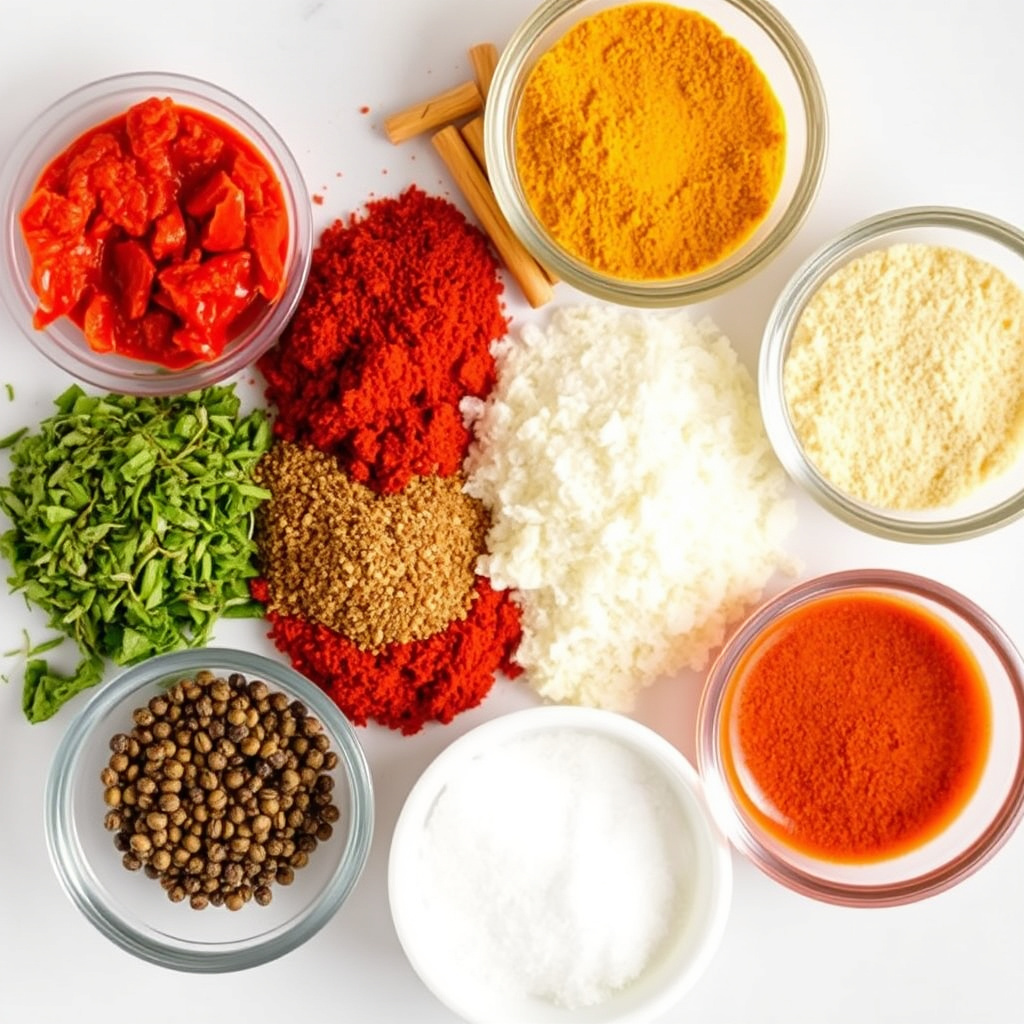
Core Spices and Their Roles
Paprika forms the base of Cajun seasoning, providing a warm, smoky flavor and vibrant color. Cayenne pepper adds the heat that gives Cajun dishes their signature kick. Garlic and onion powders bring savory depth and enhance the overall flavor profile.
Dried herbs like oregano and thyme introduce fragrant, earthy notes that balance the spiciness. Black pepper gives a sharp spiciness, while salt intensifies all the other flavors, making the seasoning well-rounded.
Choosing Quality Spices
Using fresh, high-quality spices is key to making an aromatic Cajun seasoning. Look for paprika that is bright red with no clumps, and cayenne powder that is vibrant and finely ground for even heat distribution.
Avoid pre-ground spices that have been sitting too long as they lose potency. Whole dried herbs that you grind yourself can enhance flavor, but pre-ground oregano and thyme also work fine.
- Use fresh, bright-colored paprika and cayenne
- Grind whole herbs, if possible
- Store spices in airtight containers away from light
Basic Cajun Seasoning Recipe
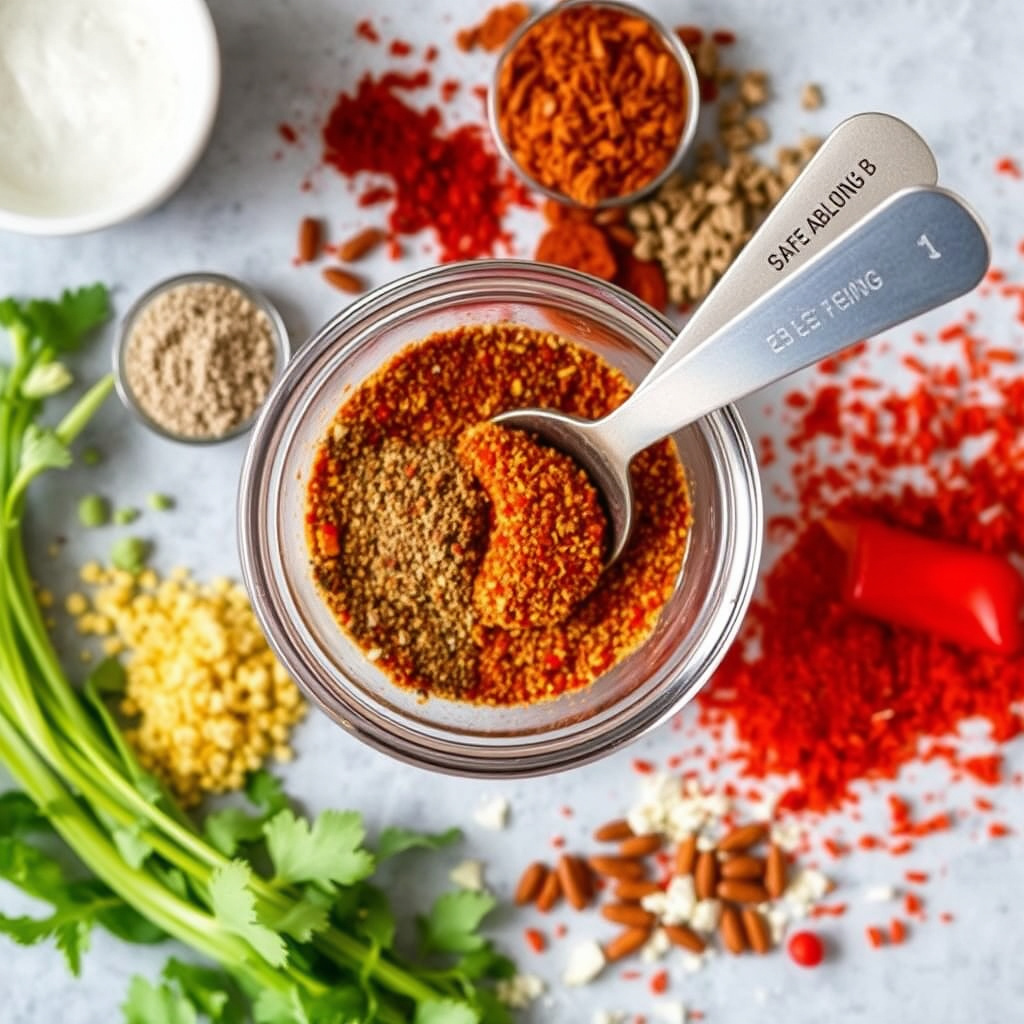
Step-by-Step Mixing Instructions
Combine 2 tablespoons of paprika, 1 tablespoon of salt, 1 tablespoon of garlic powder, 1 tablespoon of onion powder, 1 tablespoon oregano, 1 tablespoon thyme, 1 teaspoon cayenne pepper, and 1 teaspoon black pepper in a bowl. Stir well until evenly mixed.
Adjust cayenne pepper to increase or decrease spice level. This mixture can be stored in an airtight container for up to six months, maintaining its vibrant flavors.
- 2 tbsp paprika
- 1 tbsp salt
- 1 tbsp garlic powder
- 1 tbsp onion powder
- 1 tbsp dried oregano
- 1 tbsp dried thyme
- 1 tsp cayenne pepper
- 1 tsp black pepper
Customizing Your Blend
If you prefer a smokier taste, consider using smoked paprika instead of regular paprika. For milder heat, reduce the cayenne pepper or omit it entirely.
Some cooks like adding a pinch of white pepper or celery salt for extra complexity. Feel free to experiment to develop a homemade Cajun spice mix that matches your personal preferences.
- Swap regular paprika for smoked paprika
- Adjust cayenne pepper for heat level
- Add white pepper or celery salt
Using Cajun Seasoning in Cooking
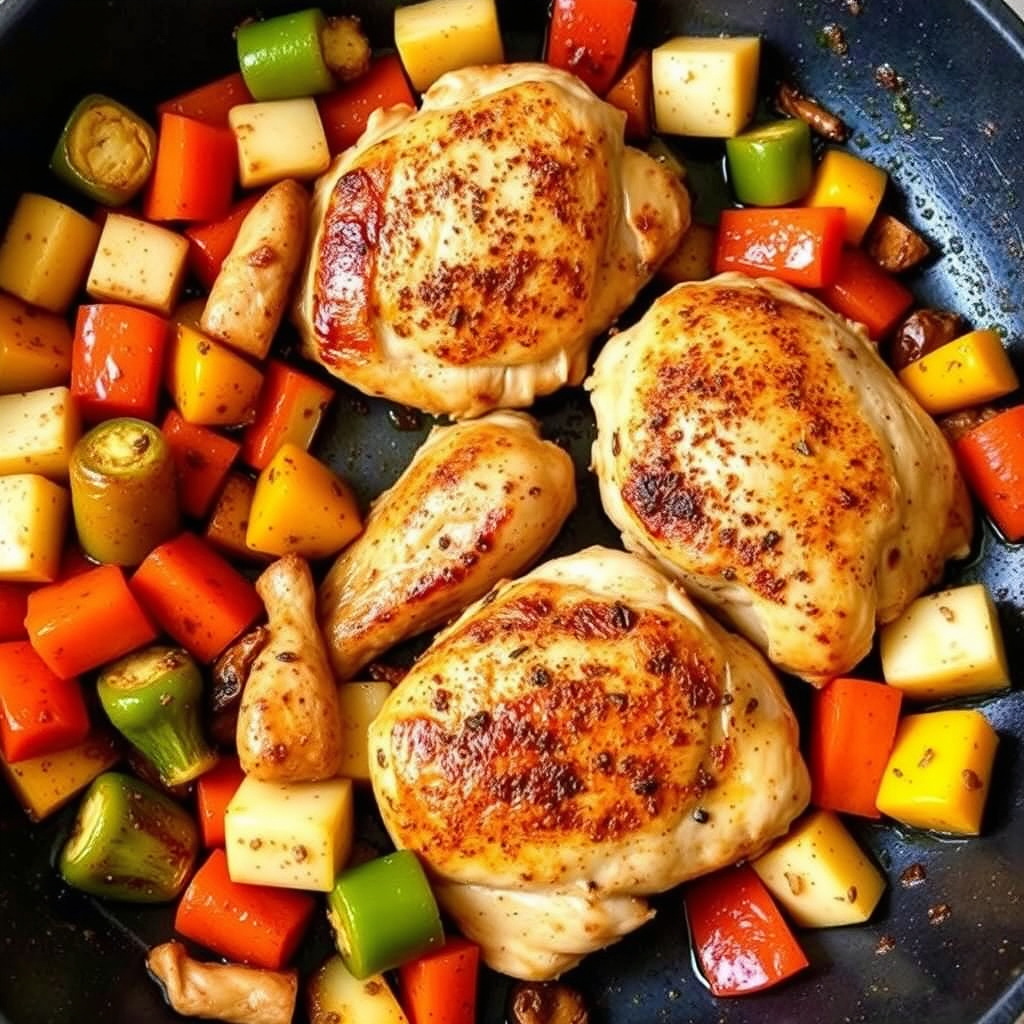
Seasoning Proteins
Cajun seasoning is excellent for spicing up proteins like chicken, shrimp, pork, and fish. Simply rub or sprinkle the seasoning evenly over the meat before grilling, roasting, or sautéing for robust flavor.
It also makes a flavorful dry rub for barbecues or can be combined with oil to create a marinade. The seasoning crisps up nicely, forming a delicious crust that locks in juices.
Adding Flair to Vegetables and Staples
Beyond meats, Cajun seasoning brightens roasted vegetables, potatoes, rice, and even cream-based dishes. Toss veggies with olive oil and seasoning before roasting to infuse them with spicy, herbal notes.
A pinch sprinkled over pasta or eggs can add an unexpected flavor kick, making everyday meals more exciting and flavorful.
Storage Tips for Homemade Cajun Seasoning
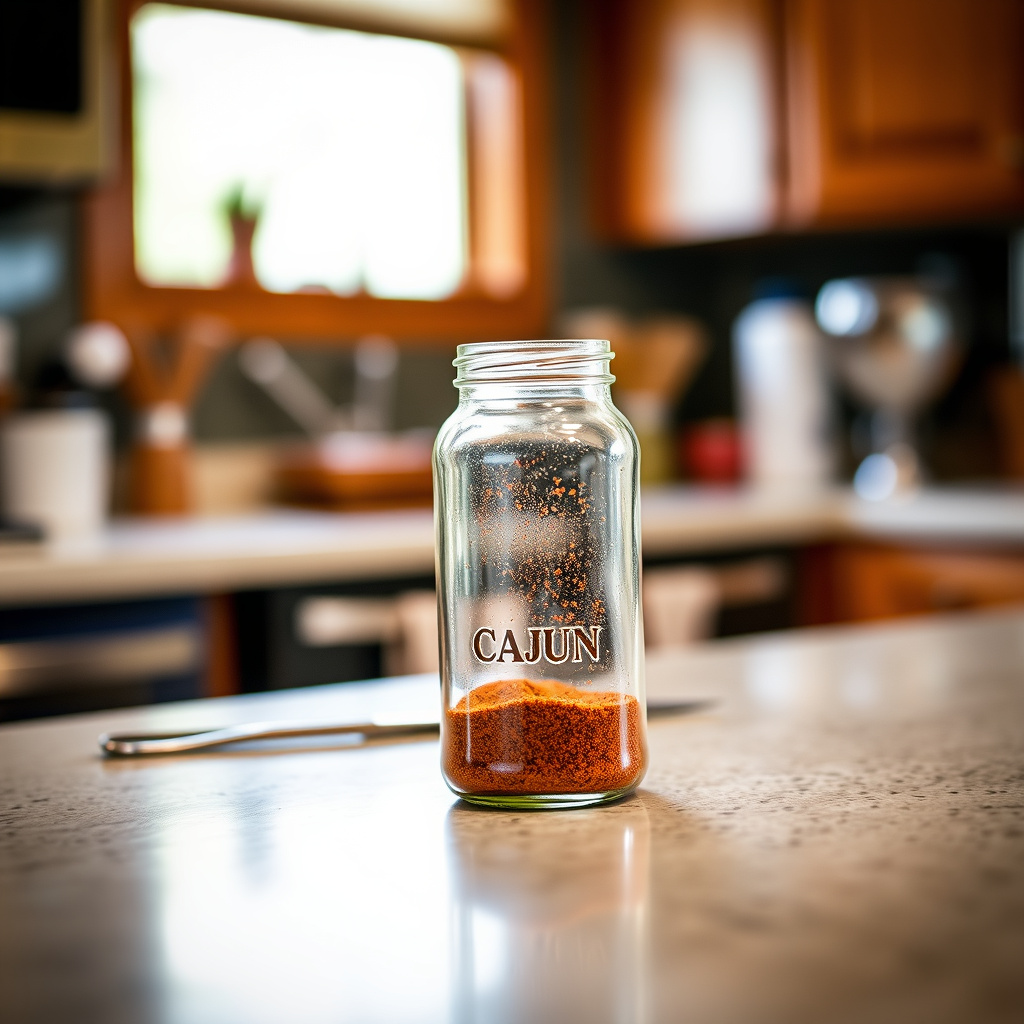
Proper Containers and Environment
Store your Cajun seasoning in an airtight container such as a glass jar with a tight lid to maintain freshness. Keep it in a cool, dark cupboard away from heat and sunlight, which can degrade the spices over time.
Avoid storing in humid areas like above the stove as moisture will cause clumping and reduce potency.
- Use airtight glass or plastic containers
- Keep away from direct sunlight and heat
- Store in a dry place for best shelf life
Shelf Life and Signs of Spoilage
While dried spices last a long time, homemade Cajun seasoning is best used within six months for maximum flavor impact. Over time, the aroma and spiciness diminish.
If the seasoning has lost its vibrant color or tastes bland, it’s a sign to make a fresh batch for best results.
Differences Between Cajun and Creole Seasonings
Cajun Seasoning Characteristics
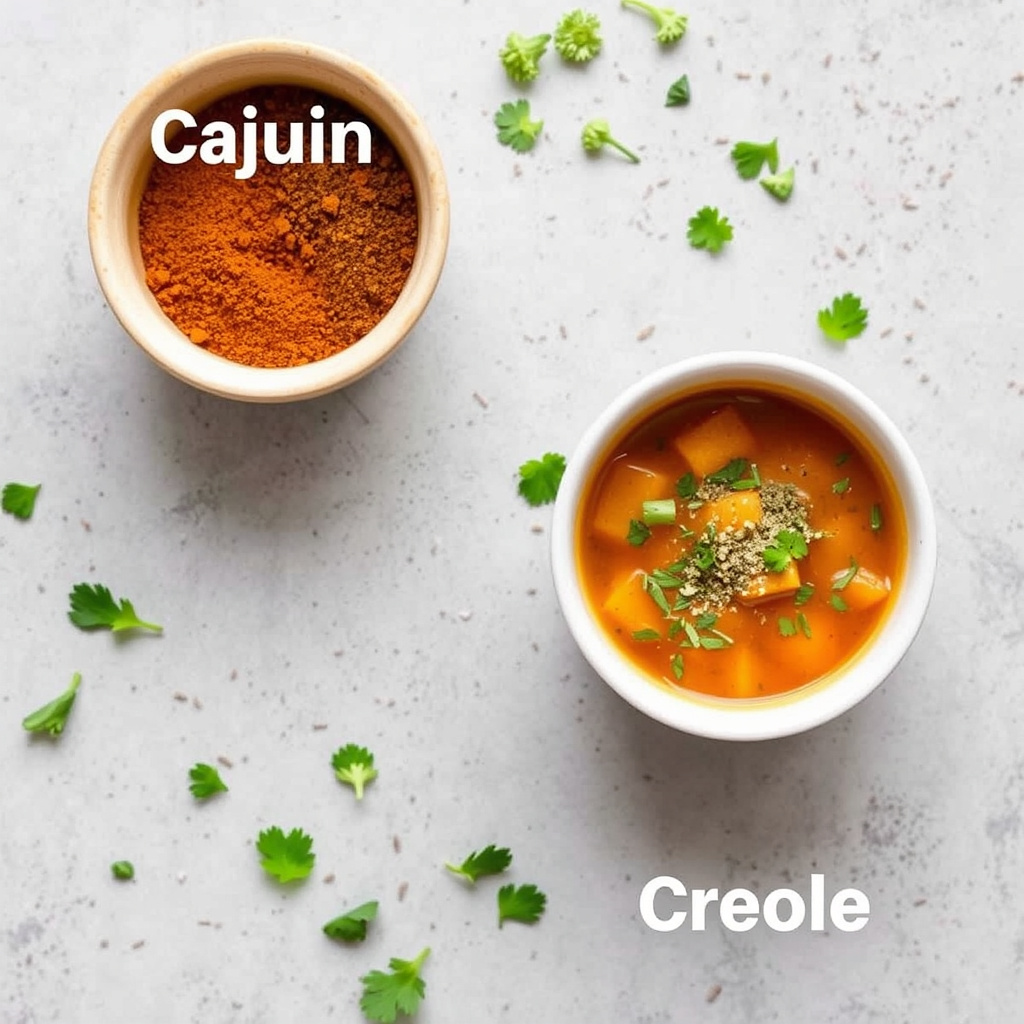
Cajun seasoning centers on smoky paprika and fiery cayenne with a simple herb mix, reflecting rustic, hearty cooking traditions from Louisiana’s countryside. It tends to be more straightforward and bolder in heat.
It’s designed for grilling and robust flavor profiles, often used on meats and vegetables without much sauce or additional ingredients.
What Makes Creole Seasoning Different
Creole seasoning often incorporates additional ingredients like celery salt, dried bell pepper flakes, and sometimes sugar, creating a more complex flavor with a touch of sweetness.
It reflects the more cosmopolitan, French-influenced cuisine of New Orleans, suited for use in sauces, stews, and dishes requiring layered seasoning.
Health Considerations of Cajun Seasoning
Sodium Content and Alternatives
Many traditional Cajun seasoning recipes include salt, which can add significant sodium to your diet if used excessively. Consider using low-sodium or no-salt versions to manage intake, especially if you have dietary restrictions.
You can also rely on herbs and spices alone to maintain flavor while reducing added sodium.
For more background on the culture and culinary traditions behind this seasoning, explore the Cajun cuisine details at Wikipedia. Cajun cuisine details.
Allergy and Sensitivity Notes
Though generally safe, some people may be sensitive to cayenne pepper or paprika, which can cause irritation. If you have spice allergies or digestive concerns, reduce the cayenne or opt for milder substitutions like smoked paprika without heat.
Always check individual spice blends for additives or fillers that might cause reactions.
Cajun Seasoning Variants Comparison
Here’s how different Cajun seasoning styles stack up based on flavor profile, heat level, and typical uses.
| Variant | Flavor Profile | Heat Level | Common Uses |
|---|---|---|---|
| Classic Cajun | Smoky, herbal | Medium to high | Grilling, roasting meats and vegetables |
| Mild Cajun | Smoky with less heat | Low | Family-friendly dishes and seafood |
| Smoked Cajun Blend | Smoky and rich | Medium | Barbecue and slow-cooked dishes |
| Salt-Free Cajun | Herbal and slightly smoky | Medium | Low-sodium diets, everyday seasoning |
Frequently Asked Questions
Can I make Cajun seasoning without cayenne pepper?
Yes, omitting cayenne pepper produces a milder blend suitable for those who prefer less heat while maintaining the essential smoky and herbal flavors.
How long does homemade Cajun seasoning last?
Stored properly in an airtight container away from heat and light, homemade Cajun seasoning retains its best flavor for about six months.
What dishes go well with Cajun seasoning?
Cajun seasoning works well with chicken, shrimp, pork, roasted vegetables, rice dishes, and even egg-based meals to add bold, spicy flavor.
Is Cajun seasoning gluten-free?
Pure Cajun seasoning made with basic spices is naturally gluten-free, but always check labels for pre-made mixes to confirm no cross-contamination.
Can I use smoked paprika in Cajun seasoning?
Absolutely, smoked paprika enhances the flavor by adding a richer, more complex smoky taste to the Cajun spice blend.
Key Takeaways
- Cajun seasoning mixes paprika, cayenne, garlic, onion, oregano, and thyme for a spicy, smoky flavor.
- Adjust cayenne pepper to control heat and try smoked paprika for a deeper smoky taste.
- Store in airtight containers in a dark, cool place to keep spices fresh up to six months.
- Use it to season proteins, vegetables, and starches for flavorful Southern-inspired meals.
Conclusion
Making your own Cajun seasoning is a rewarding way to add authentic, bold flavor to your cooking without relying on pre-packaged mixes. By blending just a handful of easily available spices, you create a versatile seasoning that elevates a wide array of dishes. Understanding the individual spices lets you customize the heat and complexity to match your preference, making homemade Cajun seasoning a valuable staple in your kitchen.
For those who enjoy a robust spicy kick, the classic Cajun blend with regular paprika and cayenne pepper delivers that signature Southern fire. If you prefer something milder, you can reduce the cayenne or opt for a smoked Cajun blend to add richness without overpowering heat. Salt-free variations work well for low-sodium diets while still providing a flavorful punch. Whether seasoning grilled chicken or roasted vegetables, this DIY Cajun spice mix brings vibrant taste and aroma in every sprinkle.
As a practical next step, gather the core spices listed and try the simple recipe provided here. Experiment by adjusting the heat or swapping in smoked paprika and refine the blend to your liking. Keep your seasoning fresh in an airtight container, and don't hesitate to use it often—its bold flavors make everyday meals more exciting and flavorful, bringing a taste of Louisiana’s culinary tradition right to your home kitchen.