Making smash burgers starts with a simple but powerful technique: pressing a ball of ground beef onto a hot griddle or cast-iron pan to create a thin, crispy-edged patty. This method sears the meat quickly, locking in juices while forming those irresistible browned edges. You can use basic ingredients and three essential tools to get restaurant-quality smash burgers right in your kitchen.
The smash burger style gained fame for its distinctive combination of texture and flavor, which differs from traditional thicker patties. The thin crust forms because of the intense contact with the pan and direct smashing. This produces a satisfying crunch outside paired with tender, juicy meat inside, making it a favorite for burger enthusiasts who crave extra texture in every bite.
In this article, you'll learn how to choose the right beef, prepare the patties, and master the smashing technique. We'll also cover essential cooking tips, seasoning ideas, bun and topping choices, and troubleshooting common issues so you can confidently make authentic smash burgers at home.
Selecting the Best Ground Beef for Smash Burgers
Understanding Fat Content and Its Impact
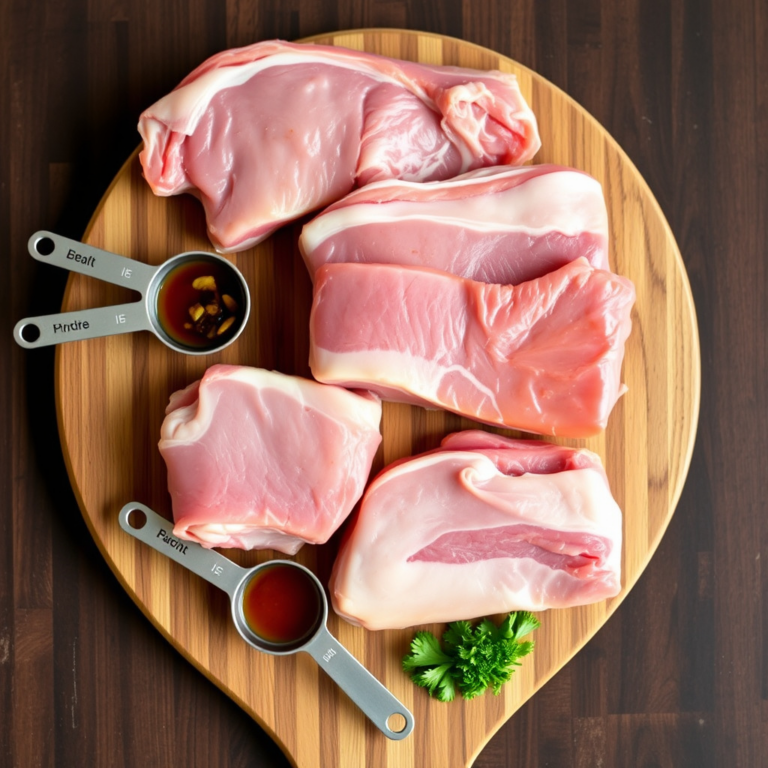
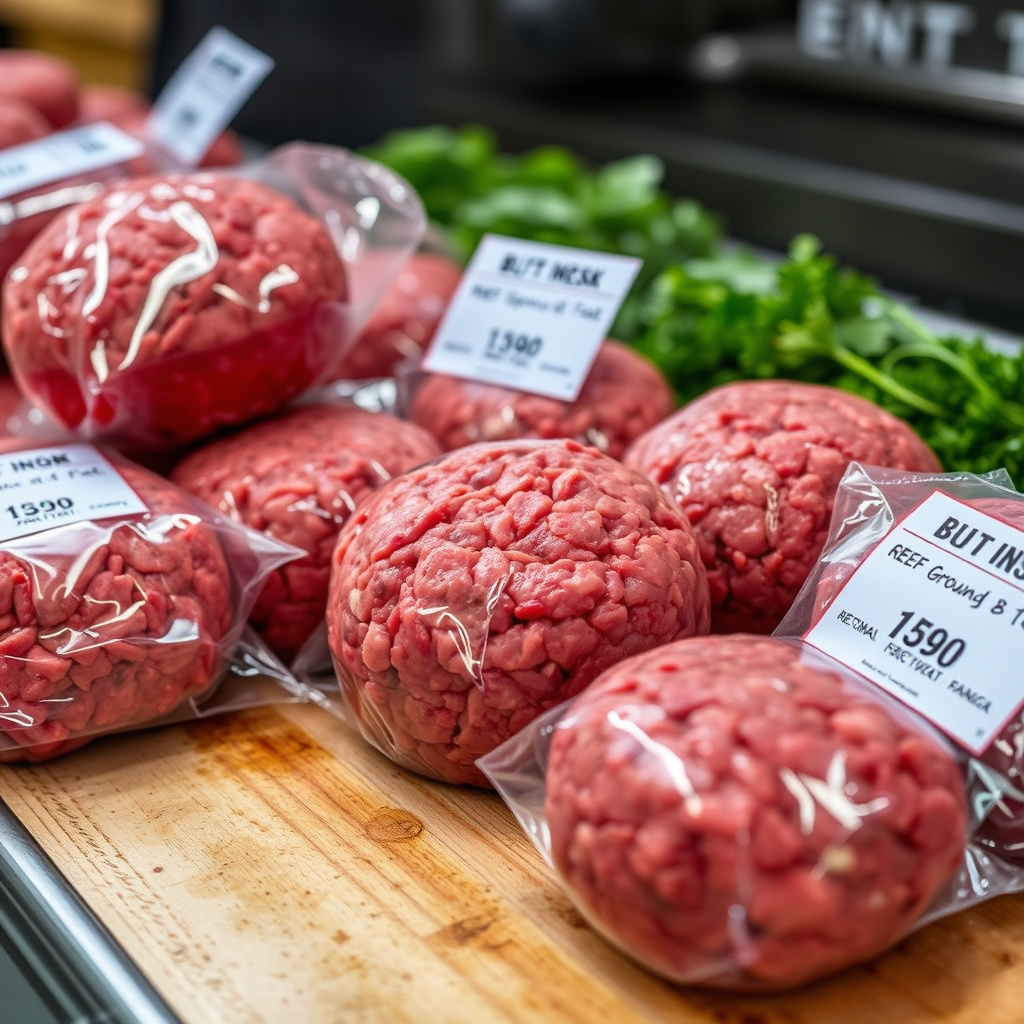
Fat percentage plays a critical role in both flavor and texture. Smash burgers require ground beef with enough fat to stay juicy after being pressed thin and cooked quickly. A ratio of 80/20 (80% lean meat, 20% fat) is widely recommended because it strikes a good balance between moisture and richness without producing excessive flare-ups on the pan.
Lower fat content like 90/10 can result in drier, less flavorful patties, especially given the intense heat and quick cooking process. Conversely, very high fat blends can be greasy and harder to handle during smashing. Aim for freshly ground beef or grind your own to maximize freshness and control the fat ratio perfectly.
- 80/20 ground beef recommended for best juiciness
- Avoid leaner blends for smash style
- Freshly ground beef enhances flavor and texture
Choosing the Cut of Beef for Grinding
Common cuts used for smash burger ground beef include chuck, brisket, and short rib, which provide fattiness and robust flavor. Chuck is often the base due to its balanced fat and beefy taste, while brisket and short rib add complexity and richness if blended together.
Some purveyors sell pre-blended mixes specifically for smash burgers or burger enthusiasts who want that exact taste profile. If grinding at home, combining cuts based on fat content and flavor can customize your burger’s character and deliver the ideal smash burger meat.
- Chuck: balanced beef flavor and fat
- Brisket: adds tenderness and depth
- Short rib: contributes richness
Preparing and Forming the Patties for Smash Burgers
Portioning Ground Beef into Even Balls
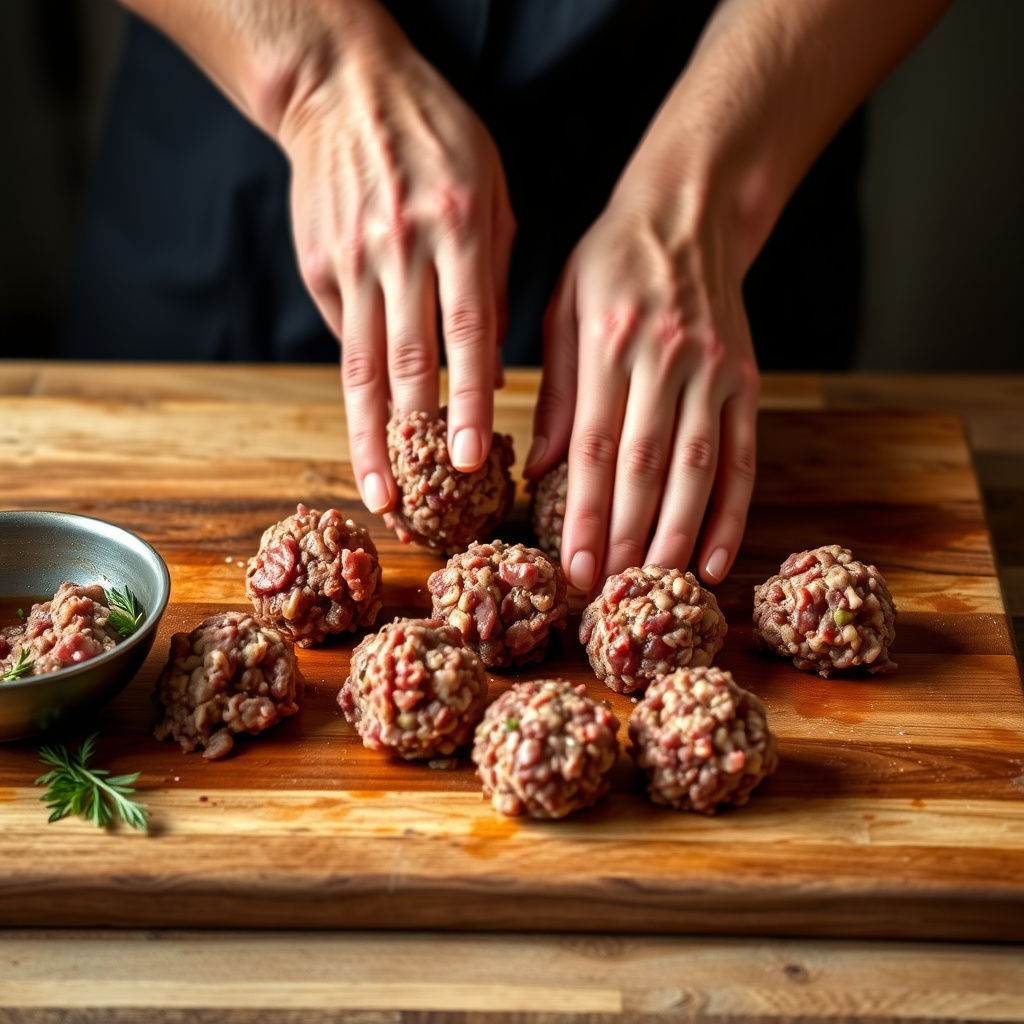
Start by dividing your ground beef into small balls weighing about 3 to 4 ounces each. These bite-sized portions allow for thinner patties once smashed, which is essential for achieving the signature crispy edges without overcooking the center.
Using a kitchen scale helps maintain consistency and ensures uniform cooking times, resulting in evenly cooked burgers. Overhandling or compressing the meat before cooking can make the patties dense, so gently form balls without packing them too tightly.
- Use 3-4 oz balls for thin patties
- Avoid overworking the meat
- Consistent sizing ensures even cooking
Seasoning Methods Before Cooking
Salt and pepper remain the classic seasoning for smash burgers, typically applied immediately prior to smashing on the hot surface. This allows the salt to enhance the crust formation and flavor without drawing out moisture prematurely.
Some cooks prefer to season after smashing to keep the meat juicy. Meanwhile, experimenting with garlic powder, onion powder, or smoked paprika can add subtle flavor layers, but simplicity often lets the beef’s natural taste shine in smash burgers.
- Season right before or after smashing
- Classic salt and pepper recommended
- Optional mild spices for flavor boost
Mastering the Smash Burger Cooking Technique
Equipment Needed for Optimal Searing
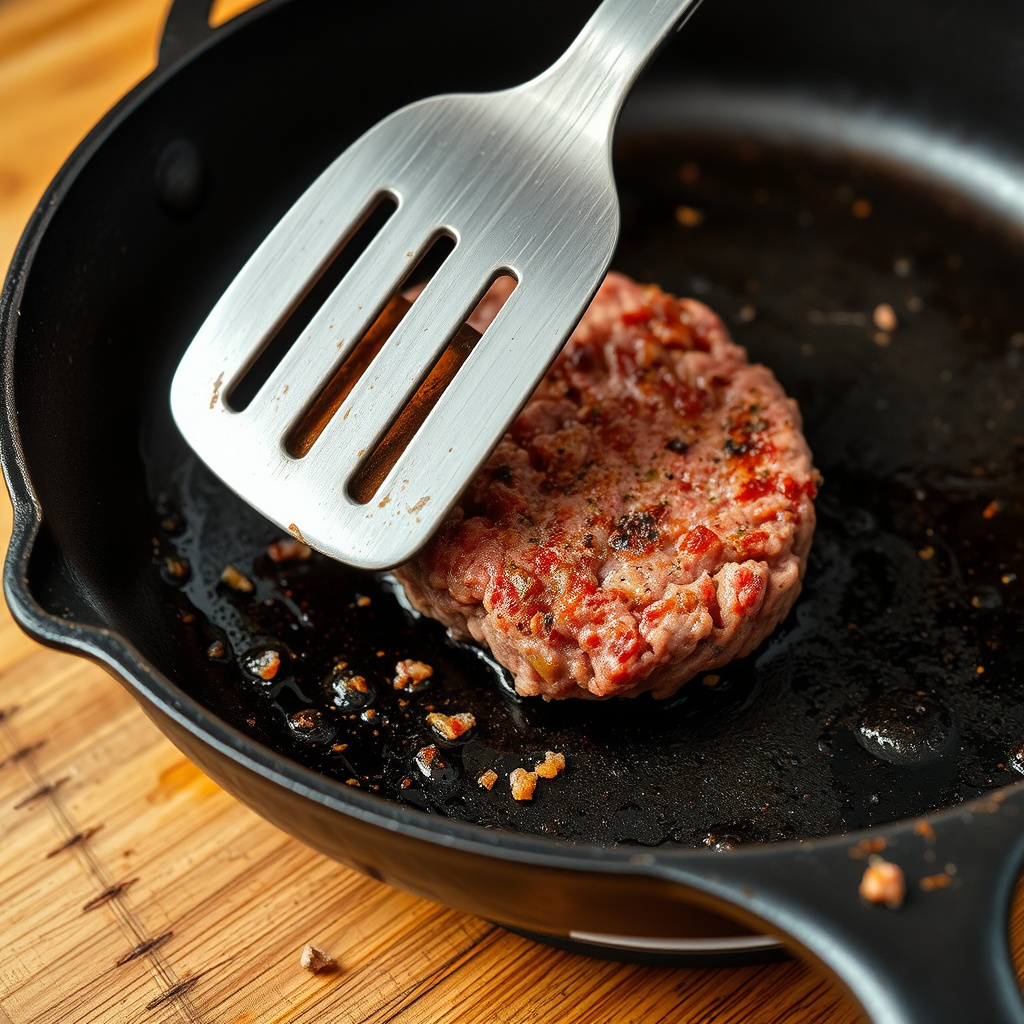
A heavy cast-iron skillet or flat top griddle is ideal because it retains and distributes heat evenly, creating a consistent sear. A sturdy metal spatula with a flat edge and a wide surface area is essential to press the beef firmly and evenly without breaking the patty apart.
Heating the pan to medium-high ensures the beef sizzles immediately upon contact, prompting Maillard reaction, which forms the flavorful crust critical to smash burgers. Avoid non-stick surfaces as they don't develop the same sear and texture.
- Cast-iron skillet or flat top griddle
- Heavy-duty metal spatula for smashing
- Medium-high heat for perfect searing
Step-by-Step Smashing and Flipping Process
Place each beef ball onto the hot pan and press down firmly with your spatula to about 1/4-inch thickness. Hold the pressure for 10-15 seconds to create maximum surface contact. Leave the patty undisturbed to develop a brown crust for about 1-2 minutes.
Once the edges turn crispy and release easily, scrape under the patty and flip quickly. Cook for another 30-60 seconds to finish the center while keeping that crunchy edge. Avoid excessive pressing after flipping, which can squeeze out juices and dry the patty.
- Press burger thin within first 15 seconds
- Cook undisturbed for 1-2 minutes to brown
- Flip carefully; cook briefly to finish
Choosing Buns, Toppings, and Condiments
Selecting the Right Bun for Smash Burgers
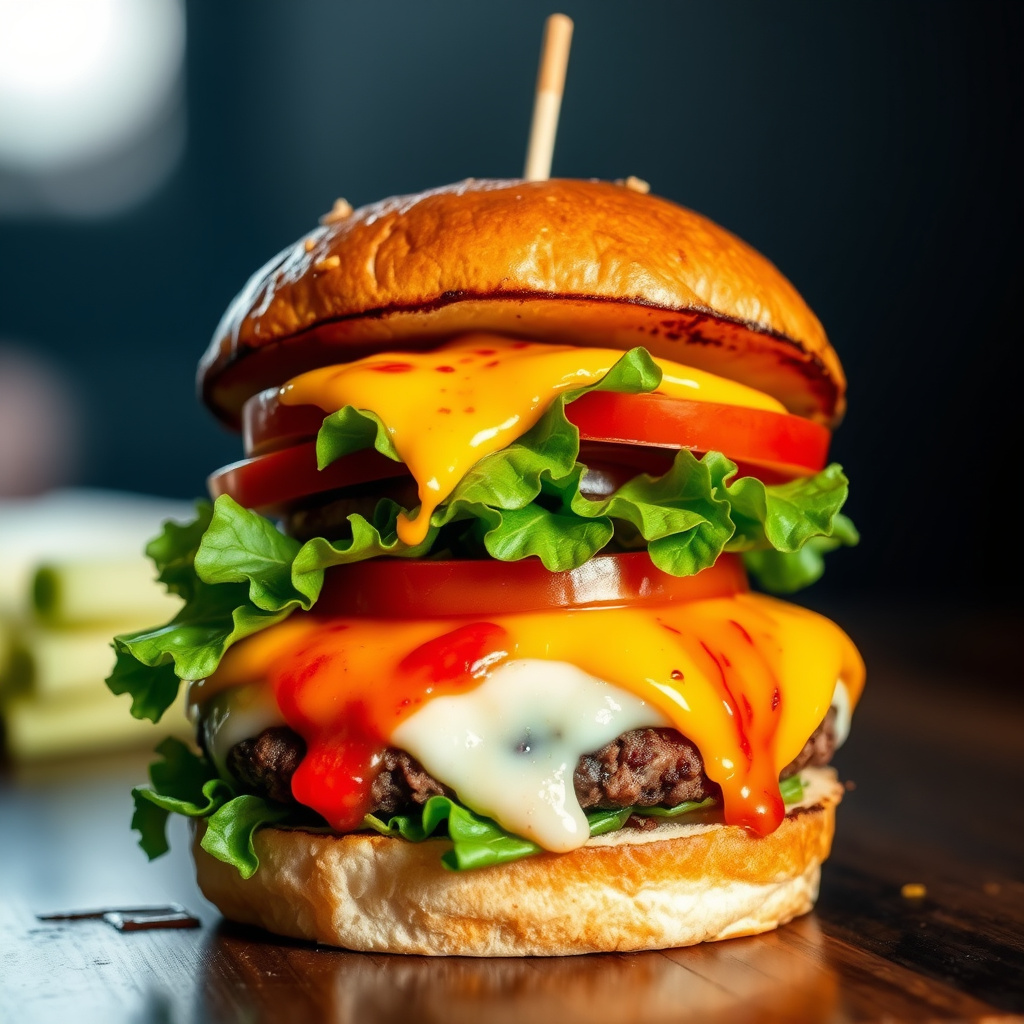
Soft, slightly sweet buns such as potato buns or brioche complement smash burgers well by absorbing juices without falling apart. Toasting or buttering the buns before assembly adds texture and prevents sogginess from the beef’s moisture and condiments.
Avoid overly dense or large buns that overpower the thin patties; the goal is balance between bun and meat in every bite. Single or double buns work depending on how many patties you stack and your preference for heft.
- Potato or brioche buns preferred
- Lightly toast for crunch and moisture barrier
- Choose size to match patty thickness
Popular Toppings and Sauce Combinations
Classic toppings like American cheese (added immediately after flipping to melt), pickles, sliced onions, lettuce, and tomato enhance texture and flavor contrast. Many enjoy a special burger sauce blending mayo, ketchup, mustard, and spices for creamy tanginess.
Some crisper additions include shredded iceberg lettuce or thinly sliced red onions to complement the burger’s richness. Experimentation with jalapeños, avocado, or smoked bacon also pairs well with smash burger flavor profiles.
- Melt American cheese on patty after flipping
- Pickles, onions, lettuce add crunch
- Classic special sauce enhances overall taste
Troubleshooting Common Smash Burger Challenges
Avoiding Dry or Overcooked Patties
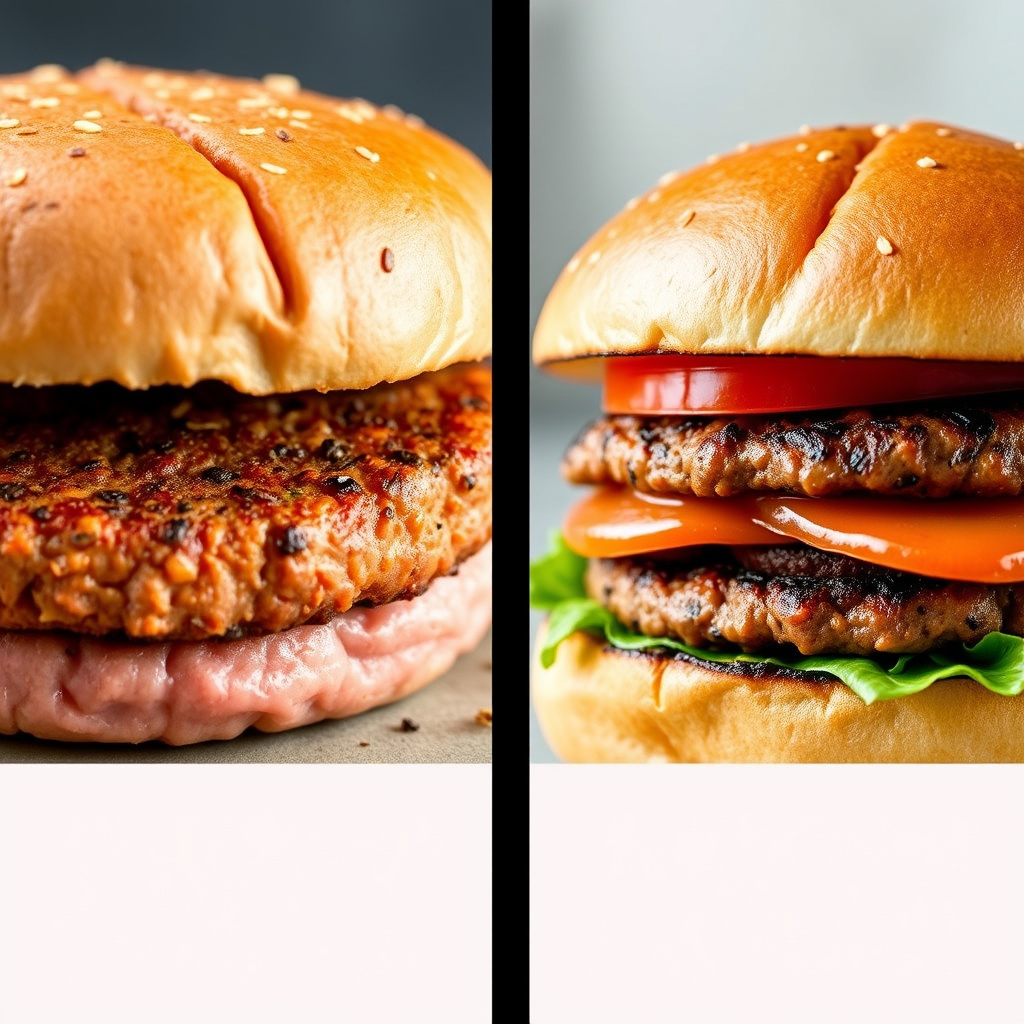
Dryness usually occurs if patties are smashed too thin or cooked too long. Timing is key: press firmly but don’t flatten beyond 1/4 inch thickness, and flip promptly once the crust forms. Using ground beef with adequate fat reduces drying, and seasoning just before cooking helps retain moisture.
Rest your burgers briefly after cooking to let juices redistribute. Overcooking can also be prevented by cooking on medium-high rather than excessively high heat for duration control.
- Do not over-smash beyond 1/4 inch
- Flip when crust easily releases
- Use 80/20 beef and season properly
Preventing Smashed Patties From Sticking
Ensuring your cooking surface is properly preheated is vital to prevent sticking. Cast iron seasoned well or a griddle slicked briefly with high-smoke-point oil will create a natural release surface. Press the beef on just after placing it down and avoid trying to move or flip the patty prematurely.
If sticking occurs, gently scraping under the edges with your spatula and waiting a few more seconds usually helps release the burger without tearing. Maintaining consistent heat also limits sticking.
- Preheat pan thoroughly
- Use a small amount of high-heat oil
- Wait for crust before flipping or moving
Serving and Enjoying Your Smash Burgers
Plating and Presentation Tips
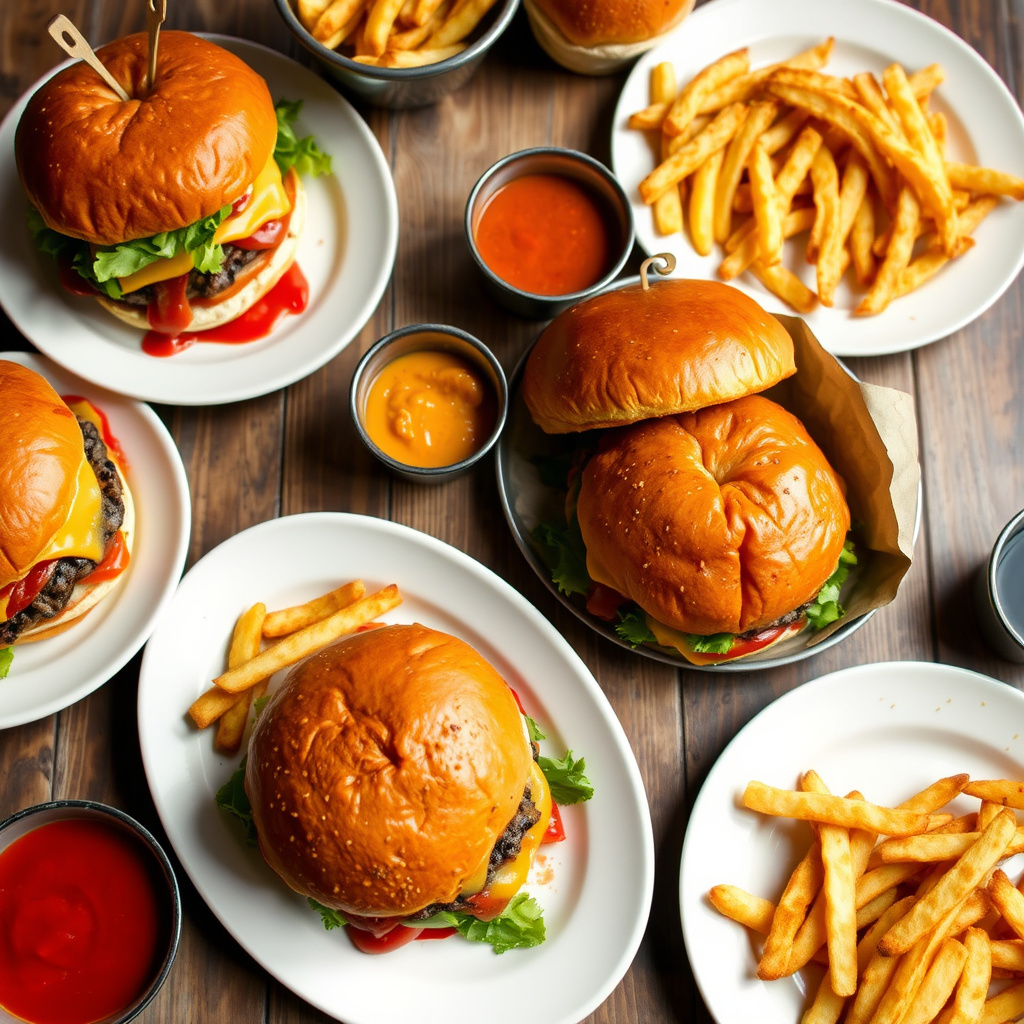
Serve smash burgers hot off the griddle on a toasted bun to preserve crunch and warmth. Minimal garnishing around the plate such as fresh pickles, fries, or a simple side salad keeps the focus on the burger itself.
Cutting burgers in half can showcase the juicy texture and crispy edges to guests. Wrapping burgers lightly in parchment paper is useful for casual or takeaway-style presentation, preventing steam buildup that softens the crust.
- Serve immediately to enjoy texture contrast
- Use parchment for easy handling
- Pair with fries or simple sides
For a detailed overview of the smash burger technique and origins, see the smash burger technique on Wikipedia. Smash burger technique on Wikipedia.
Storing and Reheating Leftover Smash Burgers
If you have leftovers, store patties and buns separately in airtight containers or wrapped tightly in plastic wrap to maintain freshness. Leftover smash burgers reheat best in a hot skillet or oven to re-crisp the edges rather than microwave, which makes them soggy.
Reheating briefly on medium heat and covering with foil helps redistribute heat evenly. Avoid overcooking during reheating to keep patties moist and flavorful.
- Store meat and buns separately
- Reheat using skillet or oven for crispness
- Avoid microwave to prevent sogginess
Smash Burger Ground Beef Fat Content Comparison
This table compares popular ground beef fat ratios for smash burgers, highlighting juiciness, flavor, and cooking considerations.
| Fat Content | Juiciness | Flavor Intensity | Handling Ease | Ideal Use |
|---|---|---|---|---|
| 70/30 | Very juicy | Rich, fatty | Greasy, harder to handle | Occasional use, richer patties |
| 80/20 | Juicy | Balanced beef flavor | Easy to form and smash | Most recommended for smash burgers |
| 85/15 | Moderately juicy | Mild beef flavor | Easier to handle, less grease | Leaner option but risks dryness |
| 90/10 | Less juicy | Lean, less flavor | Very easy to handle | Not ideal for smashing, drier results |
Frequently Asked Questions
Can I use frozen ground beef for smash burgers?
Using frozen beef can make forming balls easier but may affect searing quality. Thaw thoroughly before cooking to ensure the patty smashes evenly and achieves the distinctive crust.
How thick should smash burger patties be?
After smashing, patties should be around 1/4 inch thick to achieve ideal crisp edges and cook quickly while remaining juicy inside.
Do smash burgers require a special cooking pan?
A heavy cast-iron skillet or flat top griddle is preferred for its heat retention and ability to develop the signature crust, though other heavy pans can work if well-heated.
Is seasoning before smashing better than after?
Seasoning right before or immediately after smashing is best to avoid drawing moisture out prematurely while enhancing crust flavor.
Can I double smash burgers by using two smashed patties?
Yes, stacking two thin smashed patties creates a flavorful double burger while maintaining the crispy edge texture each patty offers.
Key Takeaways
- Use 80/20 ground beef for juicy, flavorful smash burgers
- Form small balls and press thin for the signature crispy crust
- Cast iron skillet and sturdy spatula are essential tools
- Simple seasoning and proper timing maximize taste
Conclusion
Making smash burgers is a straightforward process anchored in selecting the right ground beef and mastering a simple smashing technique that transforms basic ingredients into a burger with irresistibly crispy edges and juicy center. Focusing on the meat’s fat content, portion size, and temperature control allows anyone to replicate restaurant-quality smash burgers at home with consistent results. Patience during searing and minimal handling preserve the meat’s integrity and flavor.
For those new to making smash burgers, start with an 80/20 ground chuck and use small 3-4 ounce balls. Rely on a cast-iron skillet heated to medium-high, and press firmly with a metal spatula for about 10-15 seconds per patty. Toasted potato or brioche buns balance the thin patties well. Classic toppings like American cheese, pickles, and special sauce create an authentic smash burger experience. If dry or sticking issues arise, adjust thickness or pan temperature accordingly.
Ultimately, making smash burgers at home requires practice and attention to simple details like beef choice, smashing pressure, and cooking time. Once comfortable with these factors, you can experiment with blends, toppings, and serving styles. Start with these foundational steps, and you’ll soon enjoy delicious smash burgers that rival your favorite burger joints.