Making a great burger patty starts with choosing the right meat, forming it gently, and seasoning properly to keep it juicy and flavorful. You’ll need about 80% lean ground beef for the perfect balance of fat and taste. Shape the meat into loose, round patties about three-quarters of an inch thick, pressing a small indentation in the center to prevent puffing up during cooking. Season lightly with salt and pepper right before cooking for the best crust and internal flavor.
The quality of your burger patty really affects the overall taste and texture of your burger. Overworking the meat or seasoning too heavily can result in tough, dry patties. Understanding the proper technique for mixing, shaping, and cooking your burger patties ensures you get that tender bite everyone loves. Also, using fresh ground beef with good fat content helps maintain moisture as it cooks.
This article will guide you through the entire process of making burger patties—from meat selection, forming and seasoning techniques, to cooking tips and variations. You’ll also find troubleshooting advice, comparisons of beef grades, and answers to common burger questions to help you master homemade patties with confidence.
Selecting the Right Meat for Burger Patties
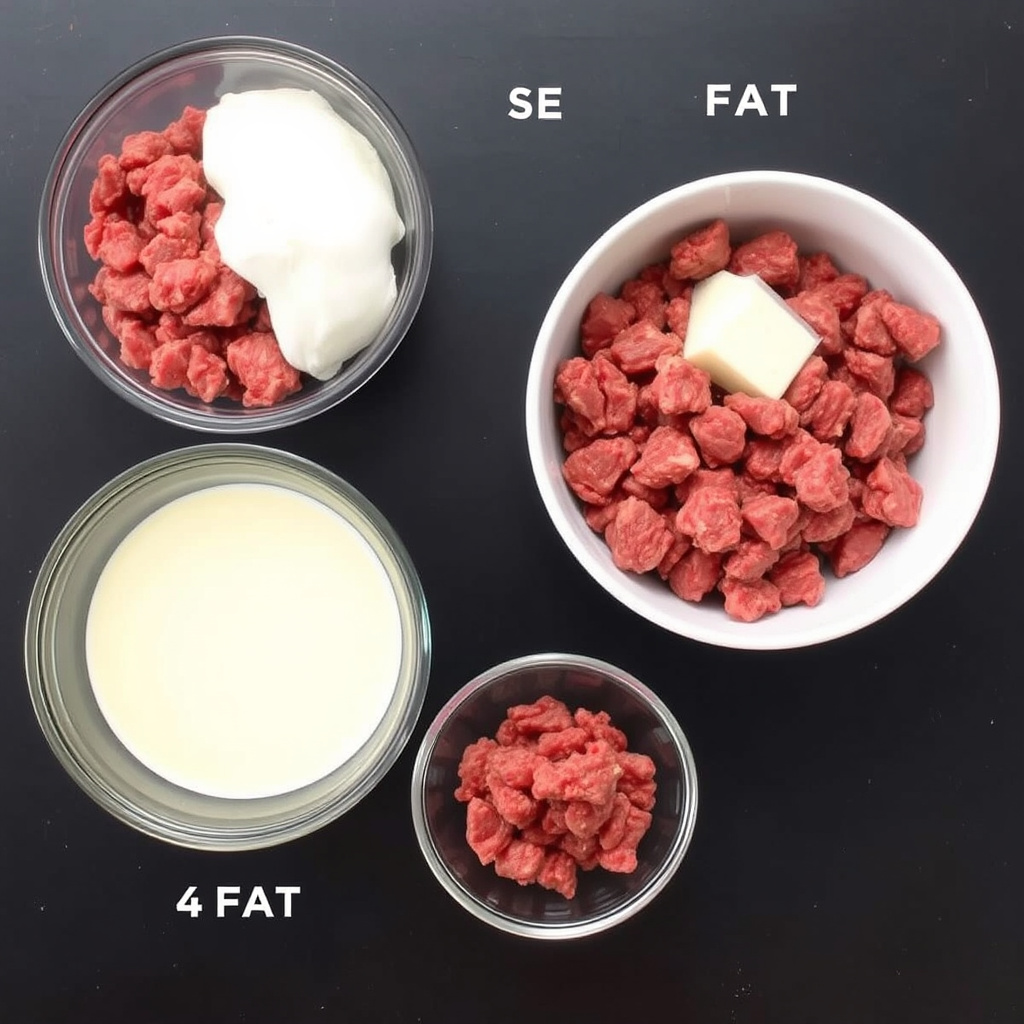
Choosing the Best Ground Beef for Burgers
Ground beef with roughly 80% lean meat and 20% fat is widely considered ideal for juicy burgers. This fat ratio keeps patties moist without excessive shrinkage when cooked. Avoid extra-lean beef; it tends to produce drier burgers lacking richness.
You can use chuck, sirloin, or brisket blends depending on your flavor preference. Chuck is economical and flavorful, while sirloin is leaner with a beefier taste. Some butchers offer custom blends optimized for burger patties.
- 80/20 lean-to-fat ratio is ideal
- Chuck for flavor and moisture
- Sirloin for leaner patties
- Custom blends at local butcher shops
Considerations When Buying and Handling Meat
Freshness matters greatly. Buy ground beef from a trusted source, preferably the same day you plan to cook. Keep it refrigerated at all times to prevent bacterial growth. Use promptly or freeze if storing longer.
Avoid pre-mixed ground beef with additives or preservatives. Pure, freshly ground meat allows better flavor control. When handling, wash your hands and utensils properly to maintain food safety.
- Purchase fresh on cooking day
- Refrigerate or freeze promptly
- Avoid premixed or processed ground beef
- Practice good hygiene during prep
Forming Burger Patties the Right Way
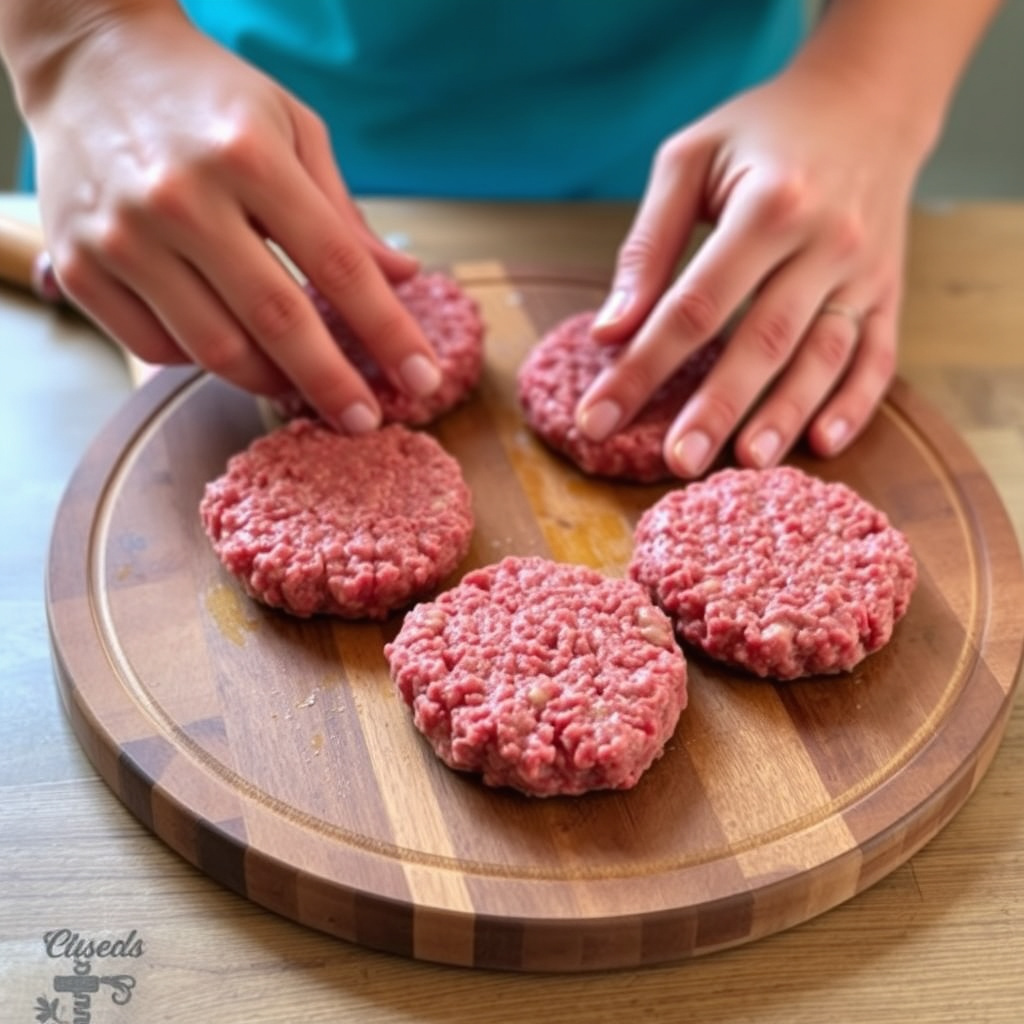
Techniques for Even Burger Patty Shaping
Gently shape the meat into uniform patties about 3/4 inch thick and 4-5 inches in diameter. Avoid compressing the meat too much; a light touch keeps the texture tender and prevents density.
Making a shallow depression or dimple in the center of each patty minimizes puffing while cooking, helping the burger stay flat and cook evenly across the surface.
- Use gentle pressure to avoid over-compression
- Shape patties uniformly for even cooking
- Press a small indentation in the center
Portioning and Handling for Consistent Results
Portion your ground beef using a kitchen scale for consistent weight, typically about 4-5 ounces per patty for standard burgers. Consistency aids in even cooking times and presentation.
Handle patties carefully when transferring to the cooking surface to keep shape intact. If freezing, separate patties with parchment for easy thawing and prevent sticking.
- Use kitchen scale for uniform size
- 4-5 oz per patty is standard
- Use parchment paper between patties if freezing
- Handle delicately when cooking
Seasoning Burger Patties for Maximum Flavor
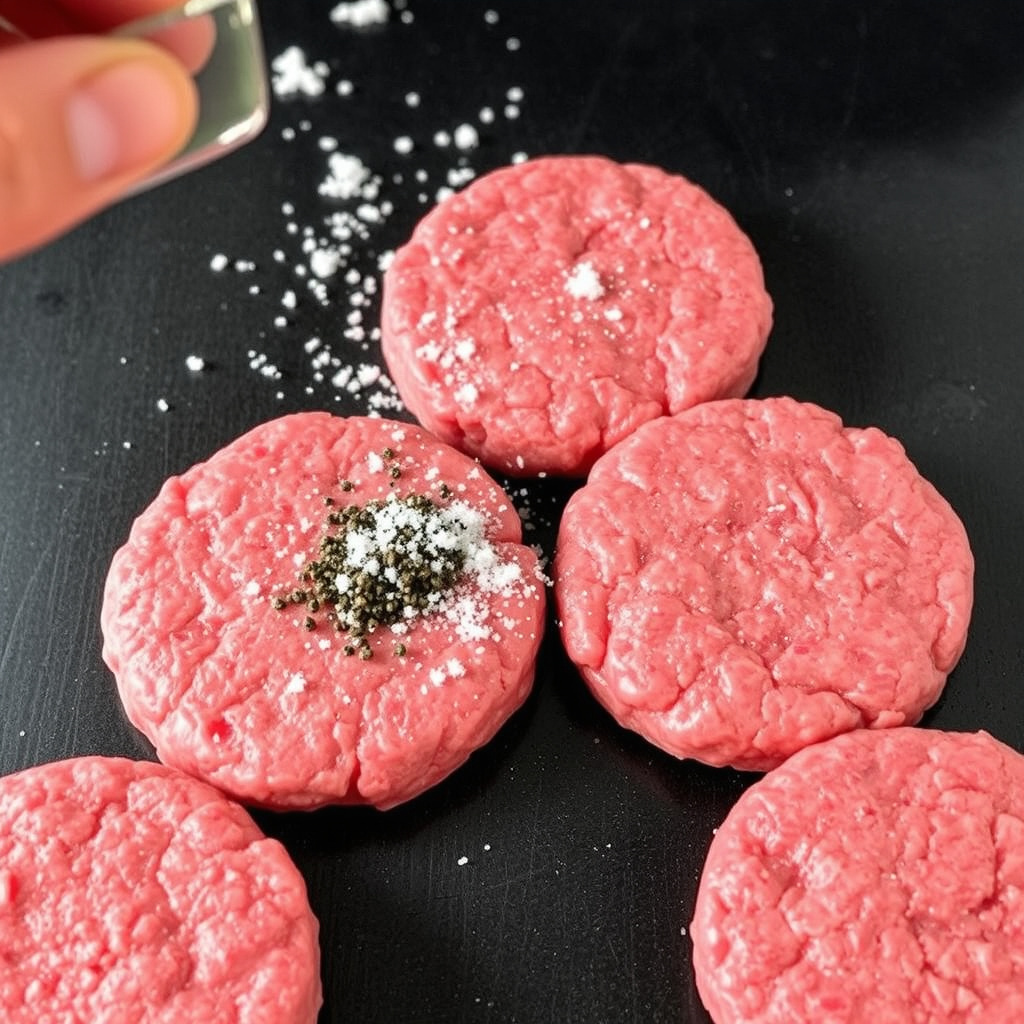
When and How to Season Burger Patties
Season burger patties just before cooking with coarse salt and freshly ground black pepper. Adding salt too early draws moisture out, leading to drier burgers. Pepper enhances flavor and crust formation.
Avoid mixing seasoning into the raw meat, which can cause tougher texture. Instead, sprinkle seasoning evenly on both sides right before the patty hits the grill or pan.
- Season immediately before cooking
- Use coarse salt and fresh black pepper
- Avoid mixing seasoning into raw meat
For more on this, see our related guide: What Temperature to Grill Burgers: Perfect Heat for Juicy Burgers Every Time.
Additional Seasoning Options
Beyond basic salt and pepper, consider garlic powder, onion powder, smoked paprika, or Worcestershire sauce for unique flavor profiles. When using wet ingredients, apply sparingly to avoid impacting patty texture.
Mix-ins like diced onions or chopped herbs are best cooked separately or added in burger toppings rather than directly into the patty to maintain structural integrity.
- Garlic and onion powder add depth
- Smoked paprika for smoky notes
- Use wet seasonings sparingly
- Add onions and herbs as toppings
Cooking Burger Patties Perfectly
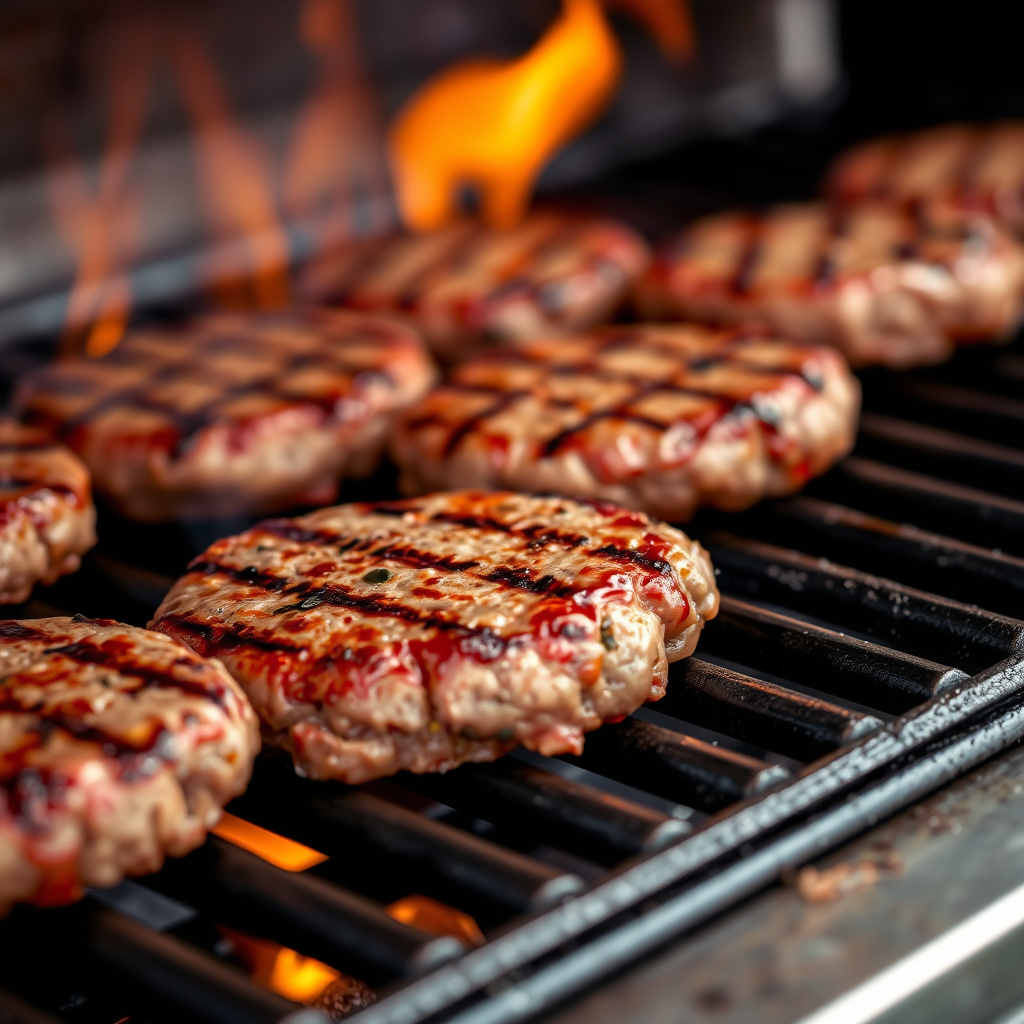
Grilling Burger Patties for Juiciness
Preheat the grill to medium-high heat to achieve a good sear and nice crust. Cook patties about 3-4 minutes per side for medium rare, adjusting time for thicker or thinner patties. Avoid pressing down on burgers to lock in juices.
Rest cooked patties for 3-5 minutes before assembling burgers to allow juices to redistribute inside, enhancing texture and flavor.
- Use medium-high heat
- Cook 3-4 minutes per side for medium rare
- Do not press patties while cooking
- Rest patties before serving
Pan-Frying and Other Cooking Methods
Cast-iron skillets or heavy pans are ideal for pan-frying burger patties to develop a flavorful crust. Use medium-high heat and a small amount of oil. Flip only once to maintain juiciness.
Oven-baking or broiling are good alternatives but typically yield less crust. For stovetop griddles, ensure even heat distribution for consistent cooking.
- Use cast-iron skillet for best crust
- Flip burgers once during cooking
- Oven broiling yields less crust
- Ensure even heat on stovetop griddles
Troubleshooting Common Burger Patty Issues
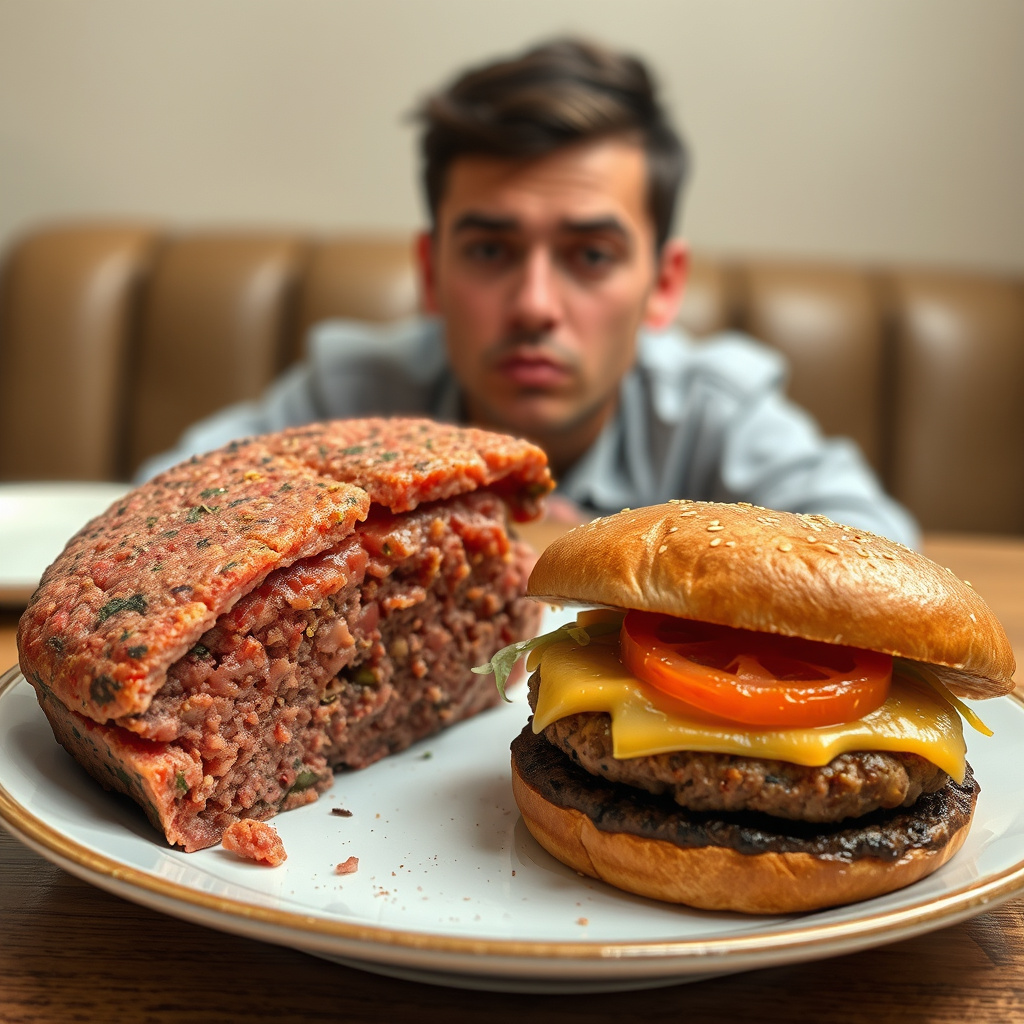
Why Burger Patties Shrink or Puff Up
Shrinking usually happens due to excess pressure when forming patties or cooking at too high heat, which tightens the meat protein fibers. To minimize shrinkage, handle the meat lightly and cook at moderate temperature.
Puffing up occurs when juices build up inside the patty center during cooking, pushing it upward. Pressing a center dimple before cooking counters this effect.
- Avoid over-compressing meat when shaping
- Cook on moderate heat to reduce shrinkage
- Create center dimple to prevent puffing
For more on this, see our related guide: How to Grill Frozen Burgers Perfectly Every Time.
Fixing Dry or Tough Patties
Dry patties often result from using lean beef or overcooking. Opt for meat with adequate fat content and monitor cooking times carefully. Rest patties post-cooking to keep juices sealed inside.
Avoid mixing seasoning or binders into raw meat that can cause dense patties. Keeping mixing minimal preserves tenderness.
- Use 80/20 ground beef
- Do not overcook burgers
- Rest patties after cooking
- Limit mixing and additives in raw meat
Variations and Customizations for Burger Patties
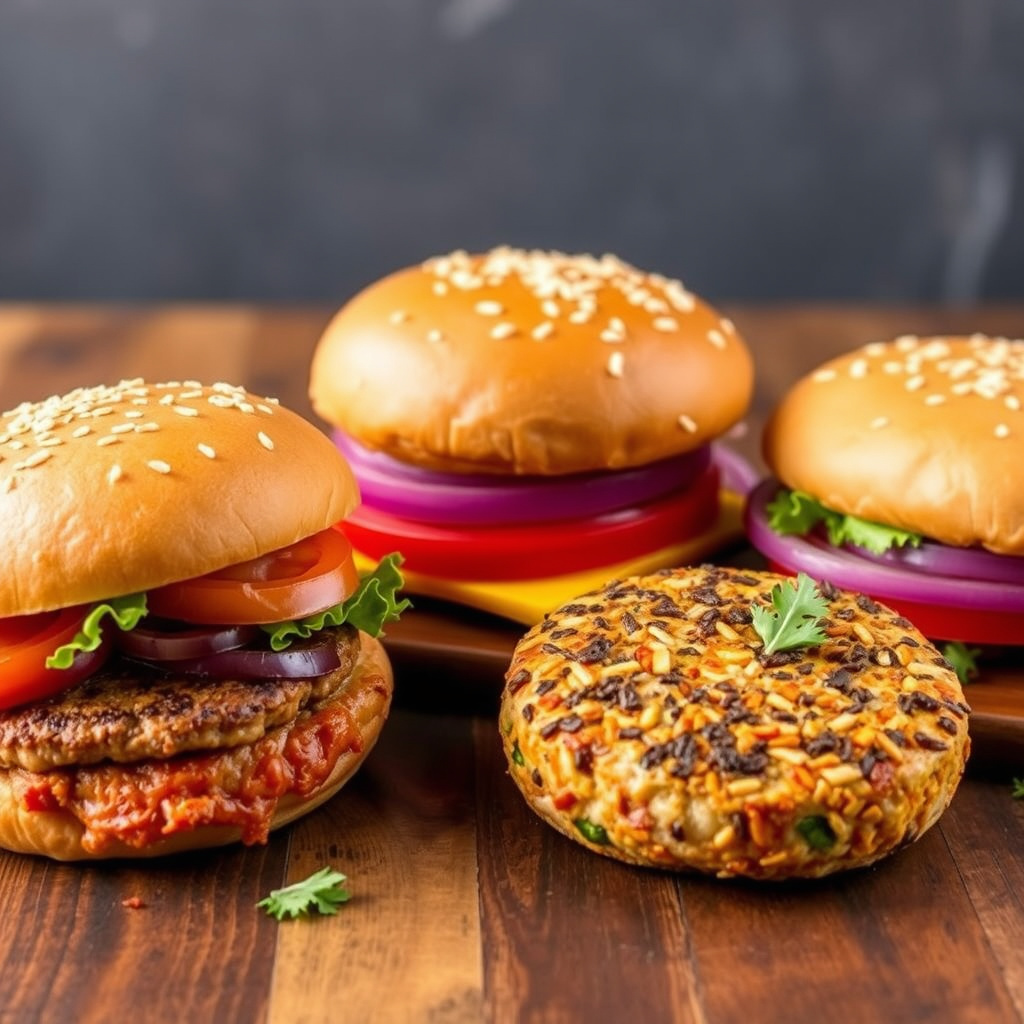
Alternative Meats and Blends
Try blending beef with pork or adding ground lamb for richer flavors. Turkey and chicken are leaner alternatives but require added moisture and careful cooking to avoid dryness.
Experimental blends with sausage meat also add spice and fat content, creating juicy patties with distinct tastes.
- Blend beef with pork or lamb
- Use turkey or chicken with moisture add-ins
- Sausage blends for spice and fat
For more detailed information on types of ground beef and their uses, check out the ground beef on Wikipedia. ground beef on Wikipedia.
Vegetarian and Vegan Patty Options
Plant-based patties often combine beans, grains, and vegetables with binders like flaxseed or bread crumbs to mimic texture. Popular commercial options include soy and pea protein blends that grill well.
Seasoning and cooking methods differ to suit these alternatives, focusing on maintaining moisture and flavor without animal fat.
- Bean and grain patties with binders
- Soy and pea protein commercial options
- Focus on moisture retention
Burger Patty Types Comparison
Here’s a quick comparison of common burger patty options highlighting their typical fat content, cooking ease, and flavor profile.
| Patty Type | Typical Fat Content | Ease of Cooking | Flavor Profile |
|---|---|---|---|
| Classic ground beef (80/20) | 20% | Easy | Juicy, beefy, rich |
| Ground sirloin (90/10) | 10% | Moderate | Lean, slightly dry, beefy |
| Ground turkey | 7-10% | Moderate | Lean, mild, needs moisture |
| Beef and pork blend | 18-22% | Easy | Juicy, savory, rich |
| Plant-based (soy/pea protein) | Varies | Moderate | Umami, varied |
Frequently Asked Questions
Why should I make a dimple in the burger patty?
Creating a small dimple in the patty center helps keep the burger flat during cooking by preventing the middle from puffing up due to heat and juices.
Can I mix seasoning into the ground beef before forming patties?
It’s best not to mix seasoning into raw beef since overworking the meat can cause tough texture. Instead, season patties just before cooking.
How do I prevent my burger patties from drying out?
Use ground beef with at least 20% fat, avoid overcooking, and allow patties to rest after cooking to retain juices.
What is the recommended thickness for a burger patty?
A thickness of about 3/4 inch is ideal for even cooking and retaining juiciness without undercooking or overcooking the inside.
Can I prepare burger patties ahead of time and freeze them?
Yes, form patties and separate them with parchment paper before freezing. Thaw fully in the refrigerator before cooking.
Key Takeaways
- Use 80/20 ground beef for juicy, flavorful patties
- Shape patties gently with a center dimple to avoid puffing
- Season just before cooking to maximize flavor
- Cook on medium-high heat and rest patties after cooking
Conclusion
Making a great burger patty boils down to balancing meat quality, gentle handling, and proper seasoning. Selecting ground beef with about 20% fat content provides the richness and moisture that define a juicy burger. Avoid overworking the meat when forming patties to keep them tender and prevent shrinkage. Seasoning right before cooking preserves moisture and generates a flavorful crust. With these factors in mind, you can confidently approach burger preparation and adjust techniques to suit your taste and cooking style.
For those aiming to craft classic burgers, using an 80/20 chuck ground beef blend is a smart choice paired with simple salt and pepper seasoning. If leaner meat is preferred, sirloin blends or alternative options like ground turkey can work well with added moisture and care. Experimental blends of beef with pork or choice seasonings allow customization for richer flavor complexity. Ultimately, the cooking method — grilling, pan-frying, or broiling — impacts texture and taste, so choosing the right technique for your setup is key.
To start making your own burger patties, purchase fresh, quality ground beef from a trusted butcher or market. Portion and shape your patties with the recommended thickness and dimple indentation. Season immediately before placing them on a preheated grill or skillet, then allow them to rest after cooking. Experiment with different blends and seasonings as you refine your approach. This process opens up many flavorful homemade burger possibilities to enjoy with your preferred buns and toppings.