Making a dry rub for chicken is straightforward and requires just a handful of spices to boost your chicken’s flavor without extra effort. The base consists of salt and pepper combined with aromatic herbs and spices tailored to your taste, creating a flavorful crust when cooked.
A good dry rub matters because it locks in moisture while imparting layers of bold flavors, whether you’re grilling, roasting, or smoking chicken. It transforms simple chicken pieces into a savory delight without needing additional sauces or marinades.
This guide covers essential ingredients for a dry rub, tips on balancing flavors, and variations you can try depending on your preferred cooking method and flavor profile. By the end, you’ll know exactly how to craft the perfect rub for your chicken dishes.
Choosing the Right Ingredients for Your Dry Rub
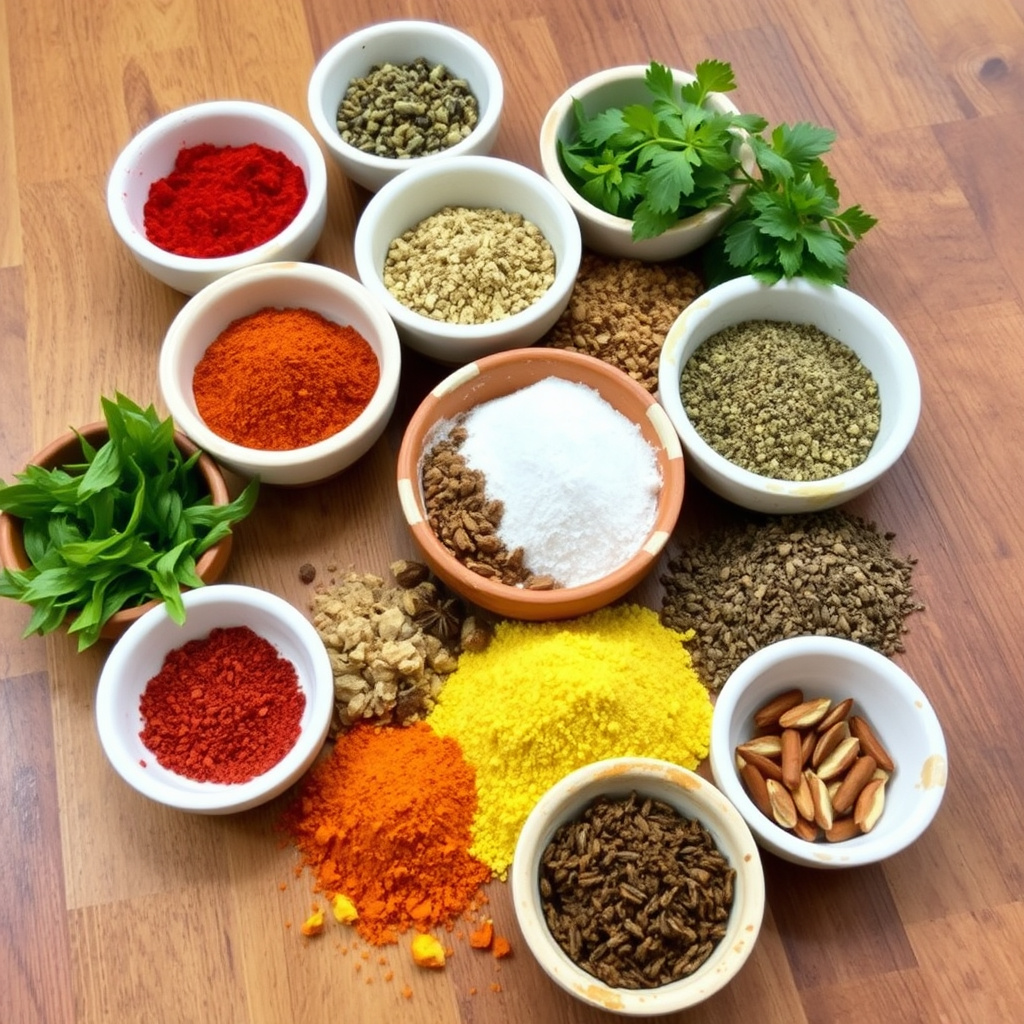
Common Base Spices
Salt is a fundamental element in any dry rub since it enhances flavor and helps retain moisture during cooking. Black pepper adds a subtle heat and depth that pairs well with chicken’s mild taste.
Other frequent ingredients include paprika, which provides smokiness and color, garlic powder for savory notes, and onion powder for sweetness that balances spice levels.
- Salt
- Black pepper
- Paprika
- Garlic powder
- Onion powder
Herbs and Additional Spices
Dried herbs like thyme, oregano, and rosemary complement the savory profile and add complexity without overpowering the chicken’s natural flavor. Spices such as cumin or chili powder introduce warmth and a hint of earthiness.
For those who prefer some heat, cayenne pepper or crushed red pepper can be added in small amounts. Sweet spices like brown sugar can create a mild caramelized crust, balancing spicier notes in the rub.
- Thyme
- Oregano
- Rosemary
- Cumin
- Chili powder
- Cayenne pepper
- Brown sugar
Preparing and Applying Your Dry Rub
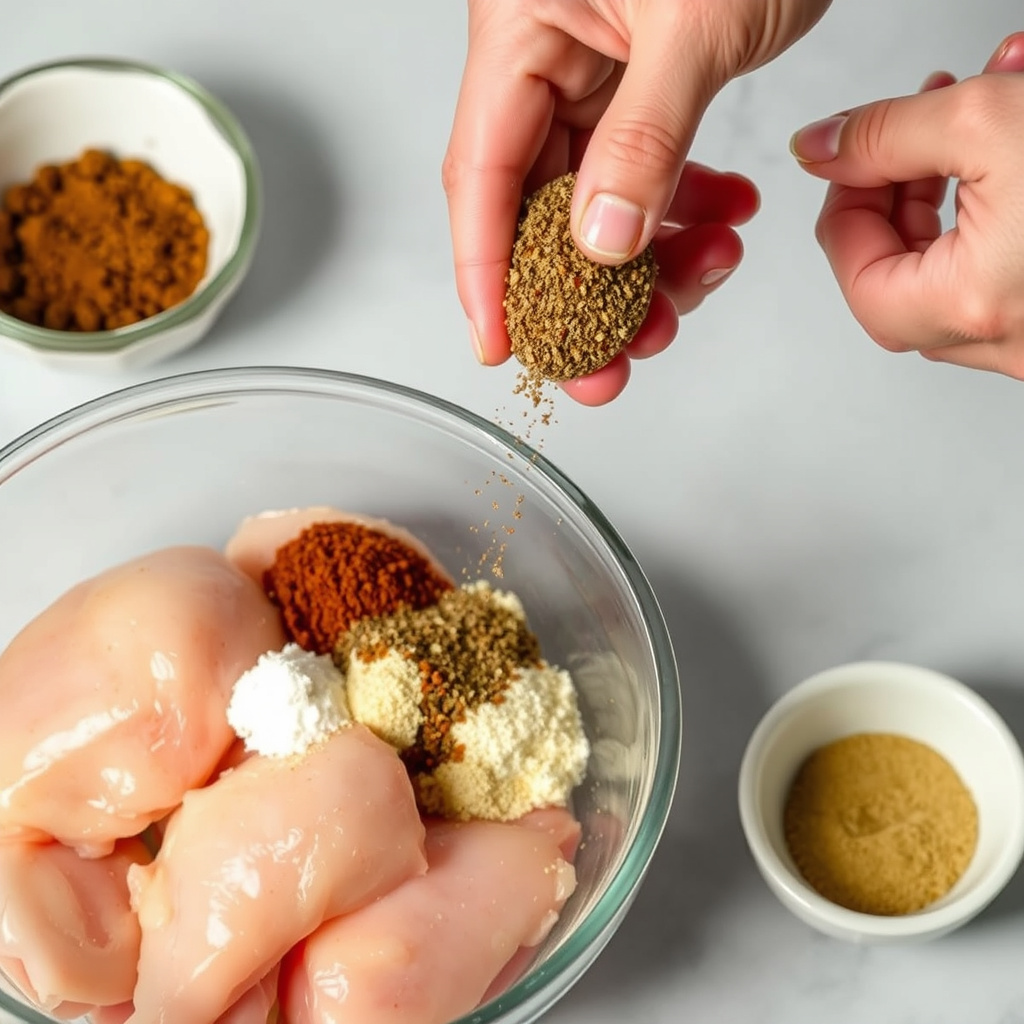
Mixing the Spice Blend
Combine your chosen spices in a small bowl, ensuring an even mixture by stirring thoroughly. It’s important to measure ingredients carefully, especially salt and hot spices, to maintain balance in flavor.
Once mixed, the dry rub can be stored in an airtight container to keep its potency for several weeks, making it a handy premade seasoning for quick meal preparation.
For more on this, see our related guide: How to Make a Dry Rub for Ribs: A Simple and Flavorful Guide.
Applying the Rub to Chicken
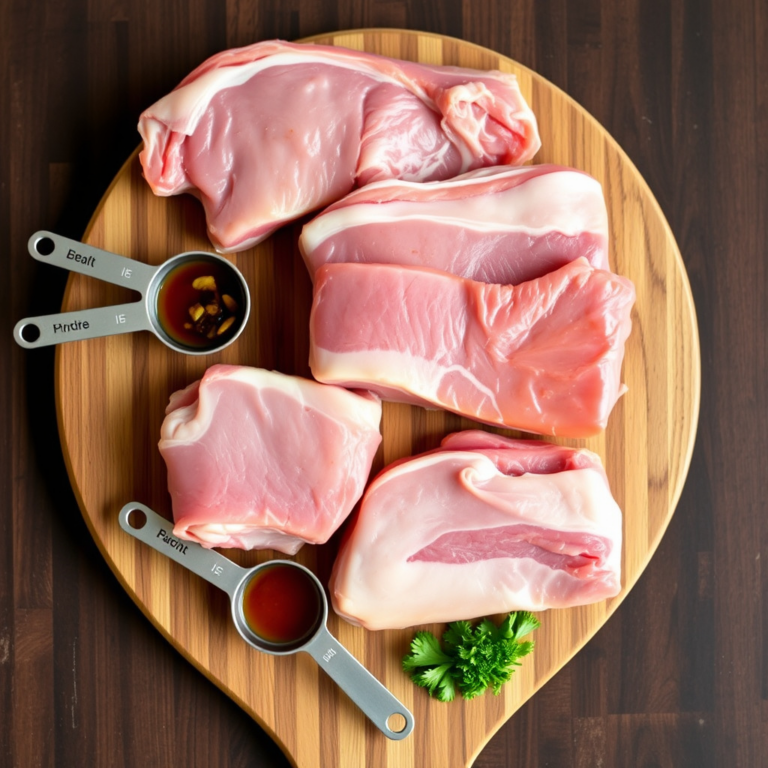
Pat the chicken dry before applying the rub to help the spices adhere better. Generously coat all sides of the chicken with the dry rub, massaging it into the meat with your hands for a thorough seasoning.
For best results, let the seasoned chicken rest for 30 minutes to an hour at room temperature or refrigerate for several hours to allow the rub to penetrate deeper, enhancing flavor and juiciness.
Customizing Your Dry Rub for Different Flavors
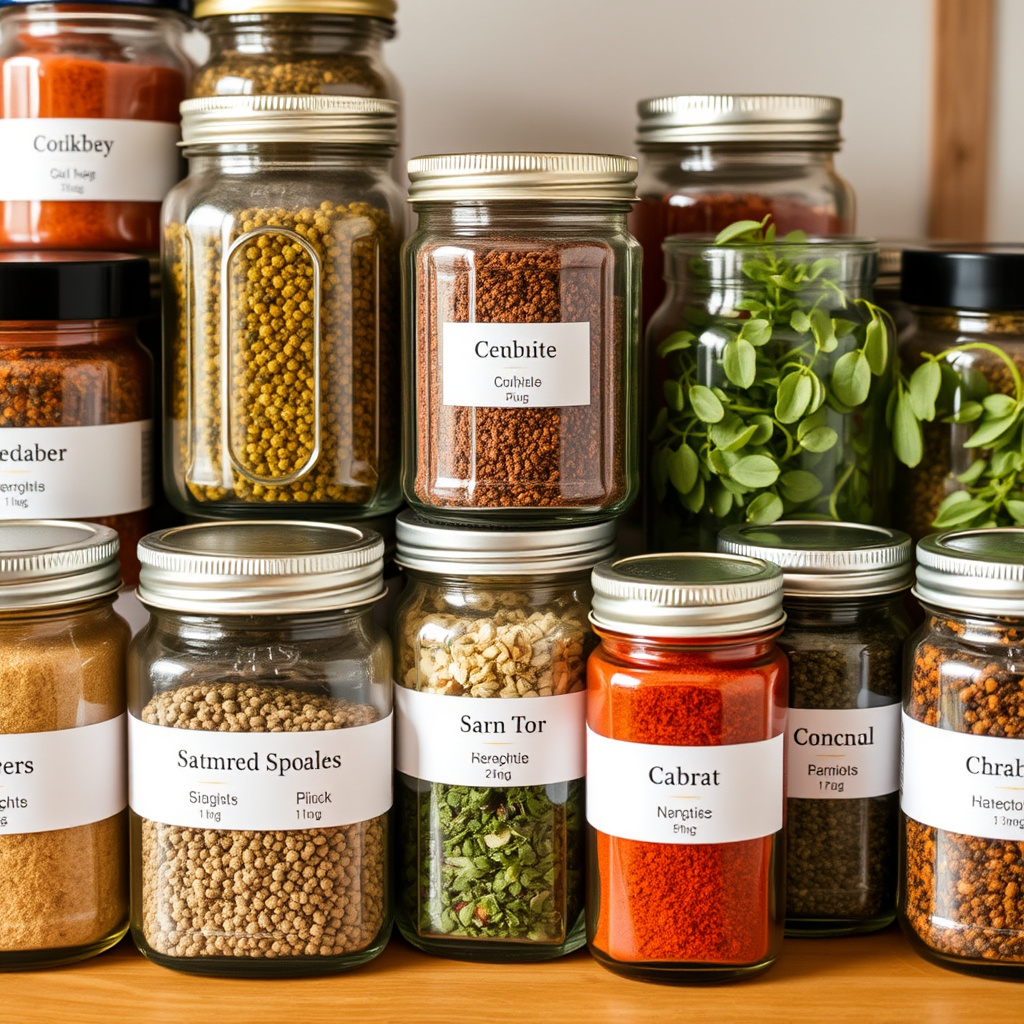
Smoky and Spicy Variations
To achieve a smoky flavor without a grill, add smoked paprika and a pinch of chipotle powder. Increasing cayenne pepper will heighten heat levels, balancing smoky and spicy tones.
You can also experiment with chili powders like ancho or guajillo for different smoky profiles that integrate well into your chicken rub.
Sweet and Herbaceous Blends
Brown sugar mixed with cinnamon and nutmeg introduces a subtle sweetness and warmth that caramelizes when cooked, perfect for oven-roasted chicken.
For an herb-focused rub, increase dried rosemary, thyme, and sage. These add an aromatic freshness that works especially well with grilled or baked chicken dishes.
Using Your Dry Rub with Different Cooking Methods
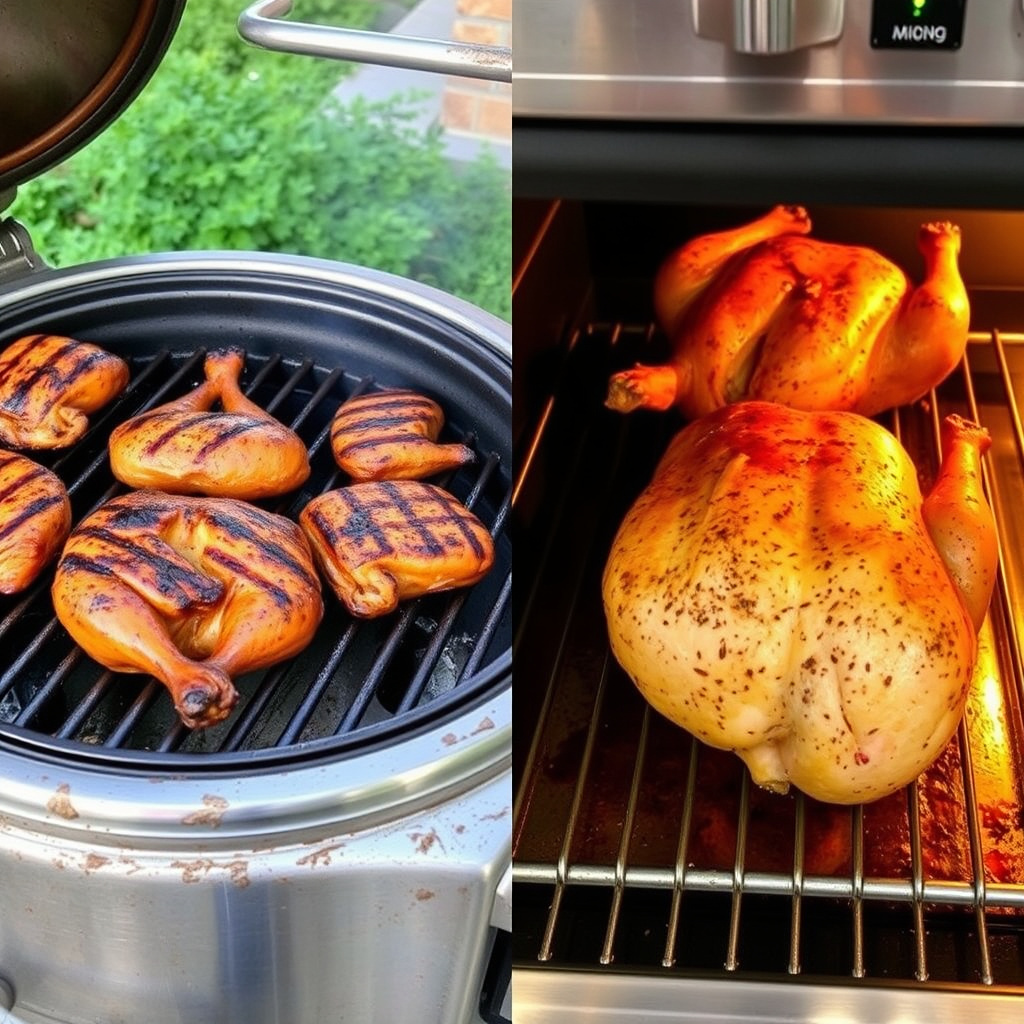
Grilling with a Dry Rub
When grilling, a dry rub helps form a flavorful crust that seals in juices. Apply the rub at least 30 minutes before grilling and cook over medium heat to avoid burning spices.
Pay attention to flare-ups from dripping fat; choosing a rub with less sugar helps prevent excessive charring on the grill.
- Apply rub 30+ minutes prior
- Use medium heat
- Choose low-sugar blends for grilling
For more on this, see our related guide: How to Make Grill Marks Like a Pro on Your Food.
Oven Roasting and Baking
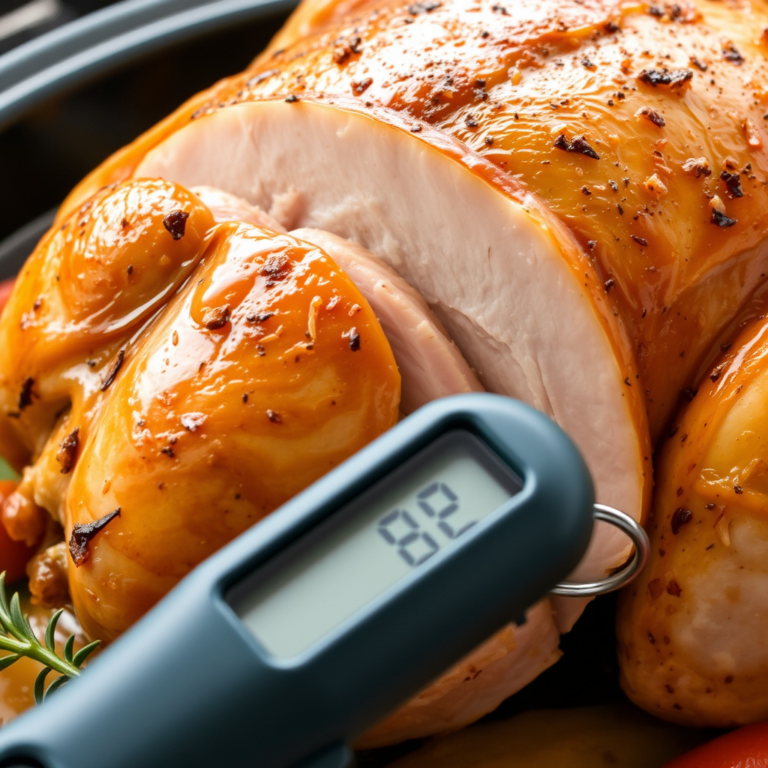
Oven-roasted chicken benefits from a dry rub by developing a golden, flavorful crust as it cooks evenly. Apply rub liberally and roast uncovered for crisp skin and tender meat.
Baking at moderate temperatures around 375°F (190°C) allows the spices to meld into the chicken without drying it out, enhancing natural flavors.
- Roast uncovered
- Bake at 375°F (190°C)
- Apply rub generously
Storing and Reusing Your Dry Rub
Proper Storage Techniques
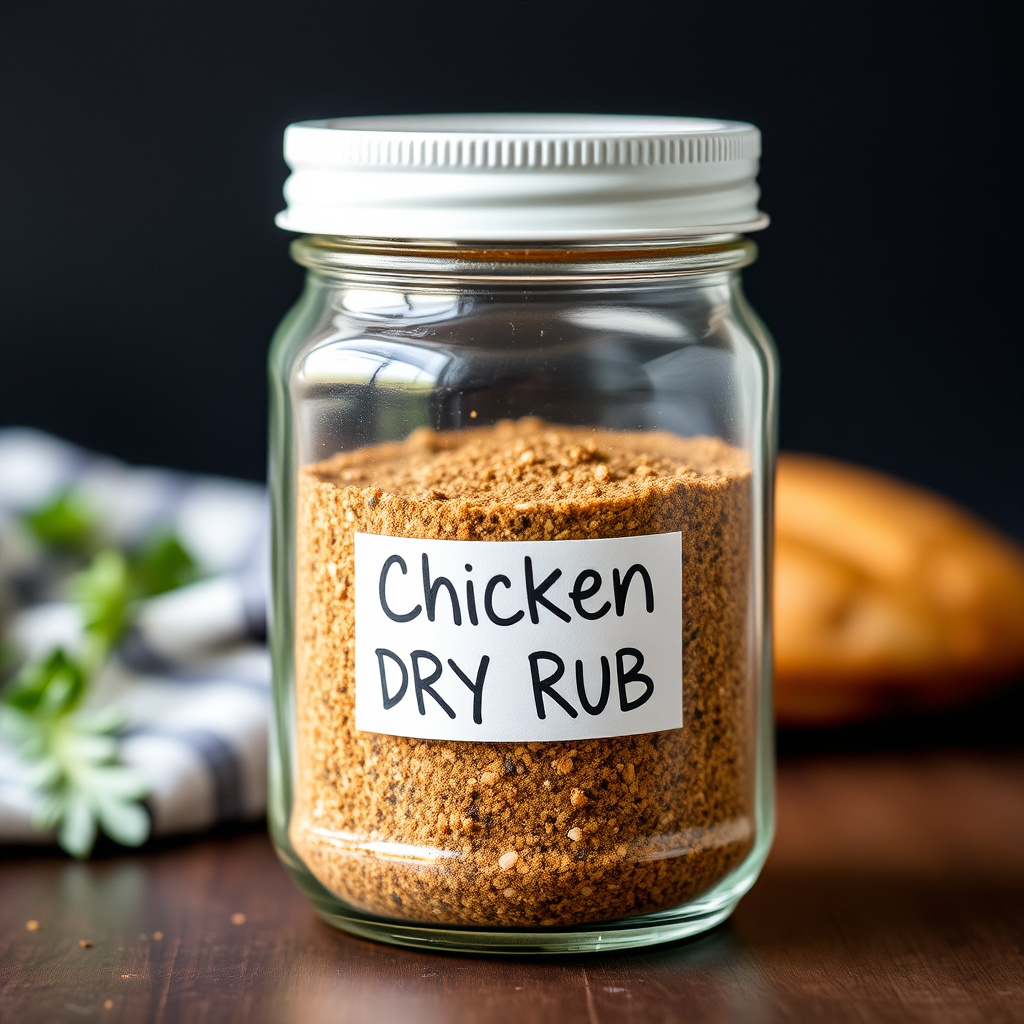
To maintain the potency of your dry rub, store it in an airtight container away from direct sunlight and heat sources. A cool, dry pantry or spice drawer is ideal.
Avoid exposing spices to moisture, which can cause clumping and loss of texture. Label your rub with the preparation date to track freshness.
- Airtight container
- Cool, dark storage spot
- Label with date
For more information on the science and history behind dry rubs, you can reference dry rubs for chicken on Wikipedia. dry rubs for chicken on Wikipedia.
Shelf Life and When to Replace
Homemade dry rubs retain their flavor best for about 3 to 6 months. Over time, volatile oils in spices fade, lessening flavor impact.
If the rub smells weak or has changed color or texture, it’s time to prepare a fresh batch to ensure your chicken dishes taste vibrant and delicious.
- Use within 3-6 months
- Replace if aroma fades
- Check for texture/color changes
Dry Rub Types for Chicken Comparison
Here’s a quick look at various dry rub styles, highlighting their flavor profiles and best uses.
| Dry Rub Type | Primary Flavor Profile | Best Cooking Method | Heat Level |
|---|---|---|---|
| Classic | Savory with mild spice | Baking, roasting | Low |
| Smoky & Spicy | Smoky with medium heat | Grilling, smoking | Medium |
| Sweet & Herbaceous | Sweet with aromatic herbs | Roasting, baking | Low |
| Bold & Hot | High chili heat and spices | Grilling, frying | High |
| Citrus & Herb | Tangy with fresh herbs | Roasting, grilling | Low |
Frequently Asked Questions
Can I use a dry rub on frozen chicken?
It’s best to apply a dry rub to thawed chicken because the spices adhere better to dry surfaces, ensuring even seasoning and better flavor absorption.
How long should I let the dry rub sit on chicken before cooking?
Allow the chicken to rest with the dry rub for at least 30 minutes. For stronger flavors, refrigerate it for up to 4 hours or overnight.
Can I add oil to the dry rub for chicken?
While oil is not part of a dry rub, adding a light coat of oil can help the rub stick and promote browning during cooking, especially on the grill.
What spices make the best chicken dry rub?
Essential spices include salt, black pepper, paprika, garlic and onion powder, with optional herbs like thyme and rosemary for added flavor.
Is brown sugar necessary in a dry rub for chicken?
Brown sugar isn’t required but adds sweetness and helps create a caramelized crust. Use it according to your desired flavor profile and cooking method.
Key Takeaways
- A balanced blend of salt, pepper, and aromatic spices forms the foundation of any dry rub for chicken.
- Applying the rub to dry, thawed chicken allows optimal adherence and flavor penetration.
- Different cooking methods may require slight adjustments in rub composition, especially sugar and heat levels.
- Store dry rubs properly to maintain freshness and flavor for several months.
Conclusion
Crafting an effective dry rub for chicken is a straightforward process that enhances the dish’s flavor significantly with minimal ingredients. You start with a balance of salt and pepper to preserve moisture and add depth, then build complexity by incorporating herbs and spices that suit your taste preferences. Paying attention to how you apply the rub influences how deeply the flavors penetrate, ensuring each bite is tasty and juicy. This hands-on approach gives you control over the flavor intensity and heat, making it easier to adjust for different recipes and cooking styles.
If you prefer a smoky, mildly spicy taste for barbecued chicken, combining smoked paprika with chili powder creates excellent results. For oven roasting, sweeter rubs with brown sugar and herbs like rosemary complement roast chicken beautifully. Those who enjoy bold and spicy flavors might opt for higher cayenne levels and cumin-based mixes for grilling. Homemade rubs stored airtight retain their potency well, so preparing them in batches sets you up for quick and consistent seasoning whenever you cook.
To start, experiment with a basic blend of salt, black pepper, garlic and onion powder, and paprika. Adjust herb and spice amounts based on your preferred profile, then apply to dry chicken and let it rest before cooking. Whether you grill, roast, or bake, a good dry rub transforms plain chicken into a delicious meal with rich flavor and appealing texture. With some practice and creativity, you'll have a signature chicken rub that elevates any dish.