Thin blue smoke is a sign that small amounts of burning oil are escaping into the combustion chamber or exhaust system. It is typically seen as a faint, bluish color coming from the tailpipe or machinery and indicates oil combustion alongside fuel combustion.
Recognizing thin blue smoke matters because it often points to engine wear, valve seal leaks, or piston ring problems. While not always an immediate emergency, persistent blue smoke can signal components in need of repair to avoid more serious damage or loss in performance.
This article will explain the specific reasons thin blue smoke occurs, how to differentiate it from other smoke types, the typical mechanical issues behind it, and what action steps to take if you notice it from your vehicle or equipment.
Causes of Thin Blue Smoke
Valve Seal and Guide Wear
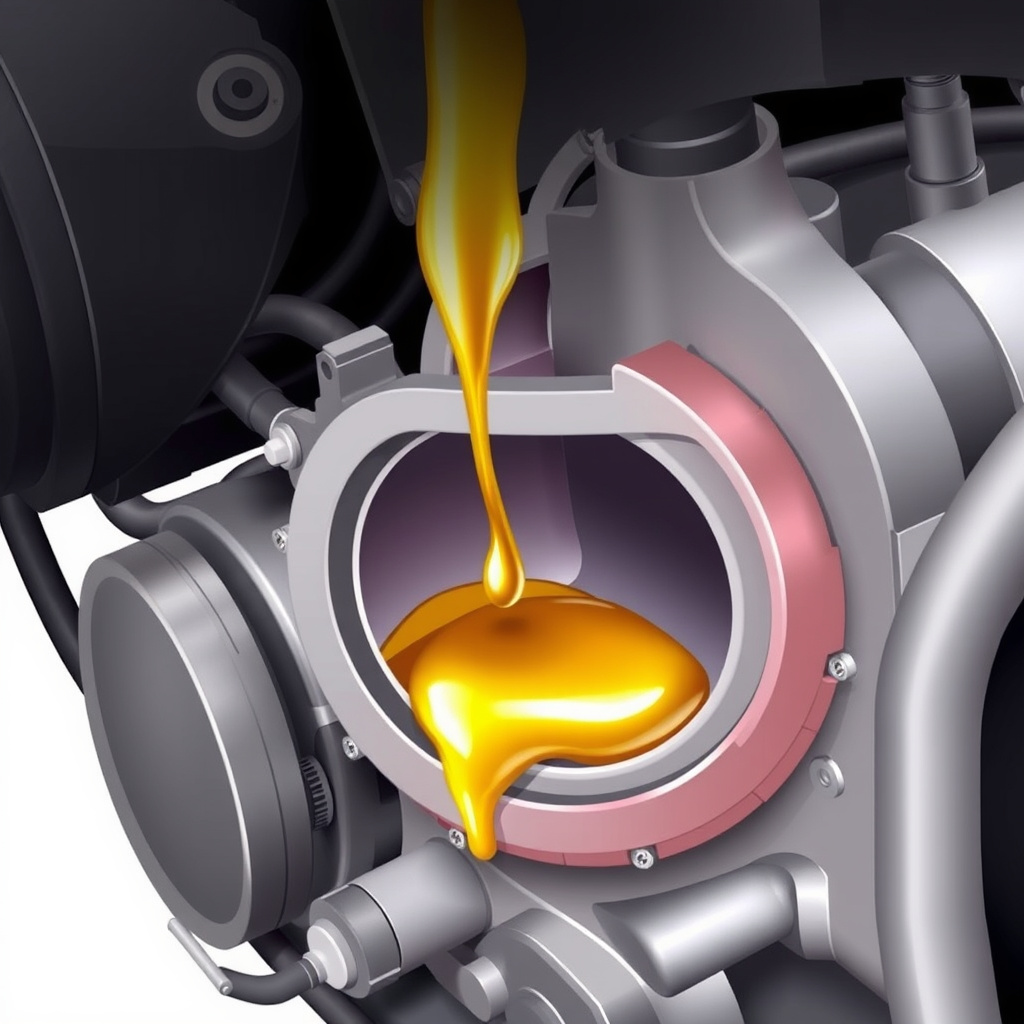
Valve seals prevent oil from leaking into the combustion chamber where fuel is burned. When valve seals or guides wear out, oil can seep past and burn along with fuel, producing thin blue smoke.
This type of oil consumption usually occurs during engine start-up or deceleration when vacuum pressure changes allow oil to enter the combustion process through the worn seals.
- Common in older engines
- Smoke often appears briefly and is more visible on cold starts
Piston Ring Issues
Damaged or worn piston rings lose their ability to seal the combustion chamber, allowing oil to bypass and burn. This can produce a more persistent thin blue smoke during all engine speeds.
Loss of compression from faulty rings may also reduce engine power and efficiency alongside the smoke.
- Indicates internal engine wear
- Usually requires engine disassembly to repair
How to Identify Thin Blue Smoke
Color and Density
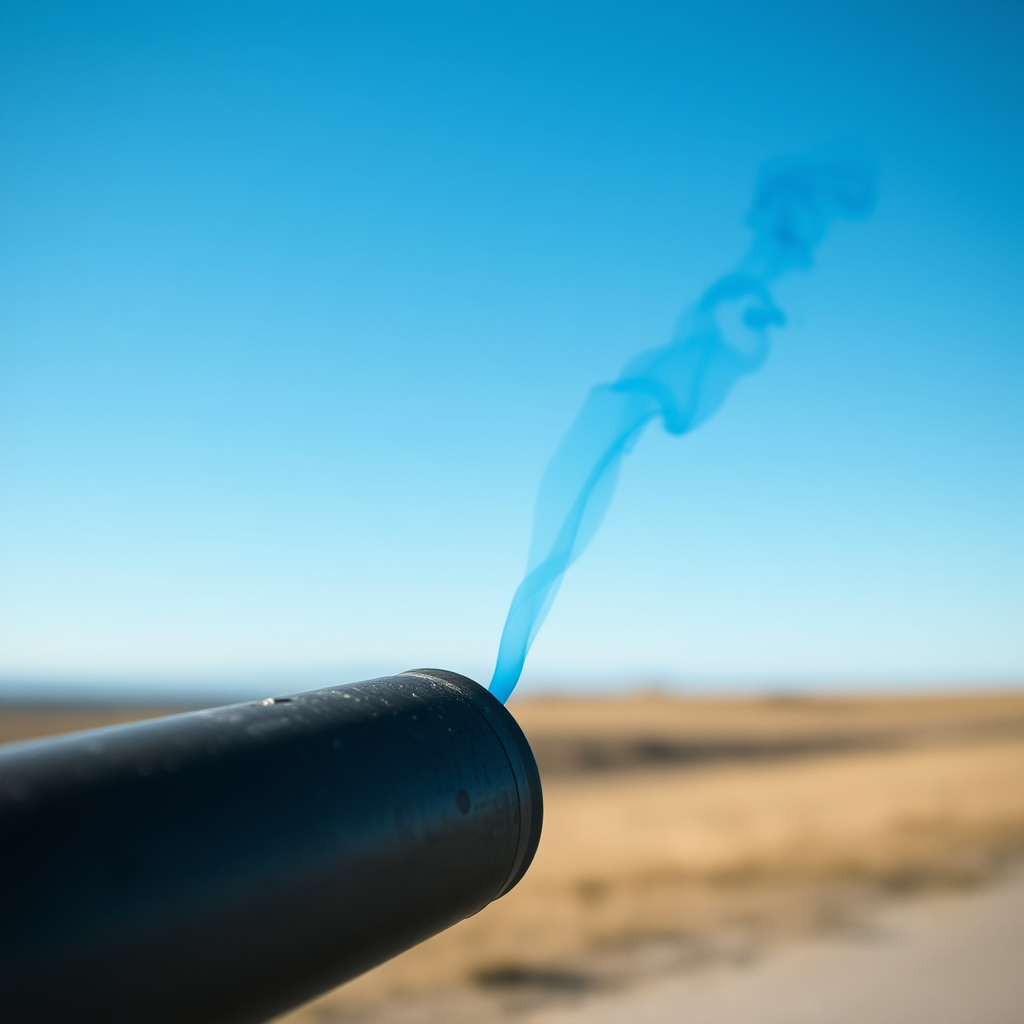
Thin blue smoke has a light, translucent blue tint differentiating it from thick white or black smoke. It usually appears wispy and less dense, often dispersing quickly in the air.
Unlike black smoke from excessive fuel, thin blue smoke reflects burning oil in small quantities and is less likely to linger or produce a strong smell.
When and Where It Appears
Thin blue smoke typically appears during engine startup, acceleration, or deceleration and is expelled through the exhaust pipe.
Its occurrence under specific conditions assists in diagnosing whether oil leaks result from valve seals, piston rings, or other components.
Implications of Thin Blue Smoke on Engine Health
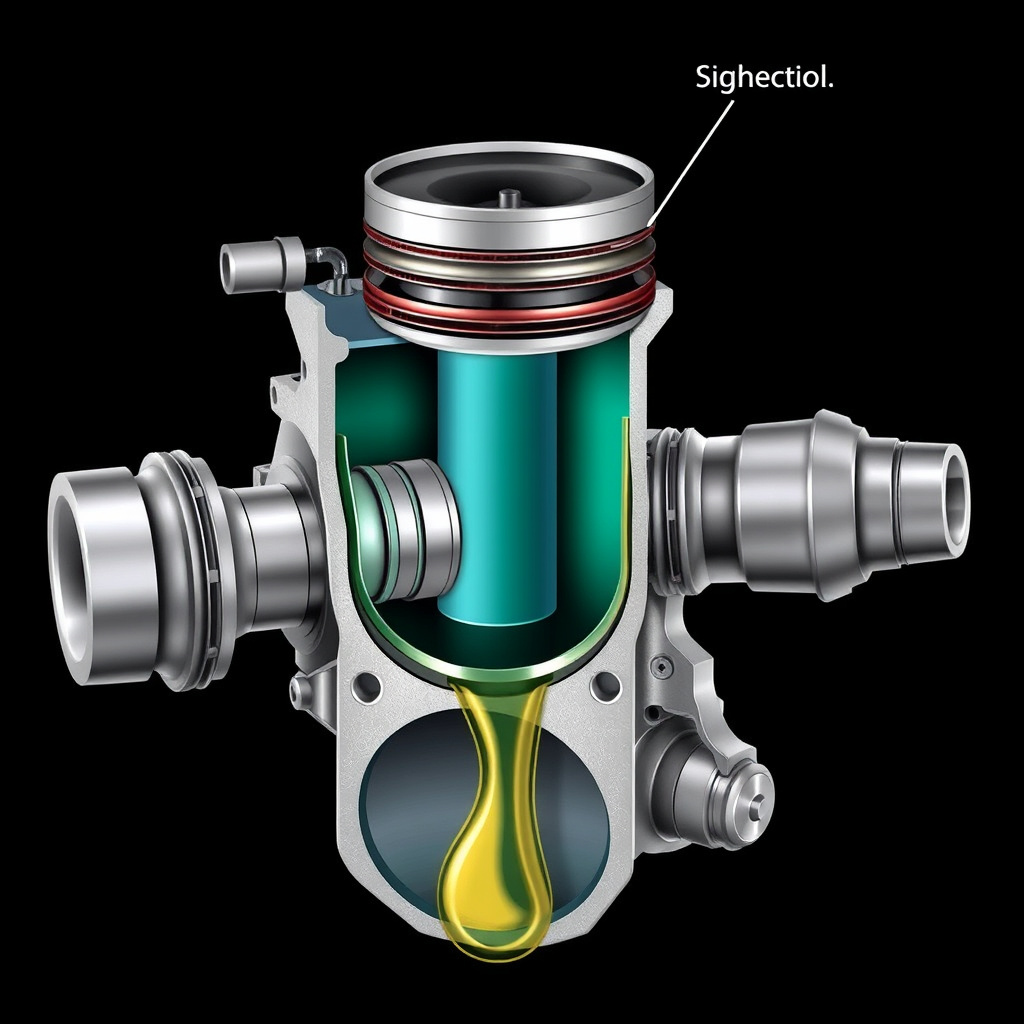
Oil Consumption and Engine Wear
The presence of thin blue smoke means oil is being burned, which leads to increased oil consumption and potential lubrication issues in the engine.
Continued oil burning causes faster engine wear and can impair performance if left unresolved.
For more on this, see our related guide: How to Know When Your Grill Is Hot Enough for Perfect Cooking.
Potential Environmental Impact
Burning oil produces pollutants like hydrocarbons and particulates, contributing to environmental harm and potential tailpipe emissions test failure.
Addressing thin blue smoke early can reduce your vehicle’s ecological footprint and meet regulatory standards.
Diagnostic Methods for Thin Blue Smoke
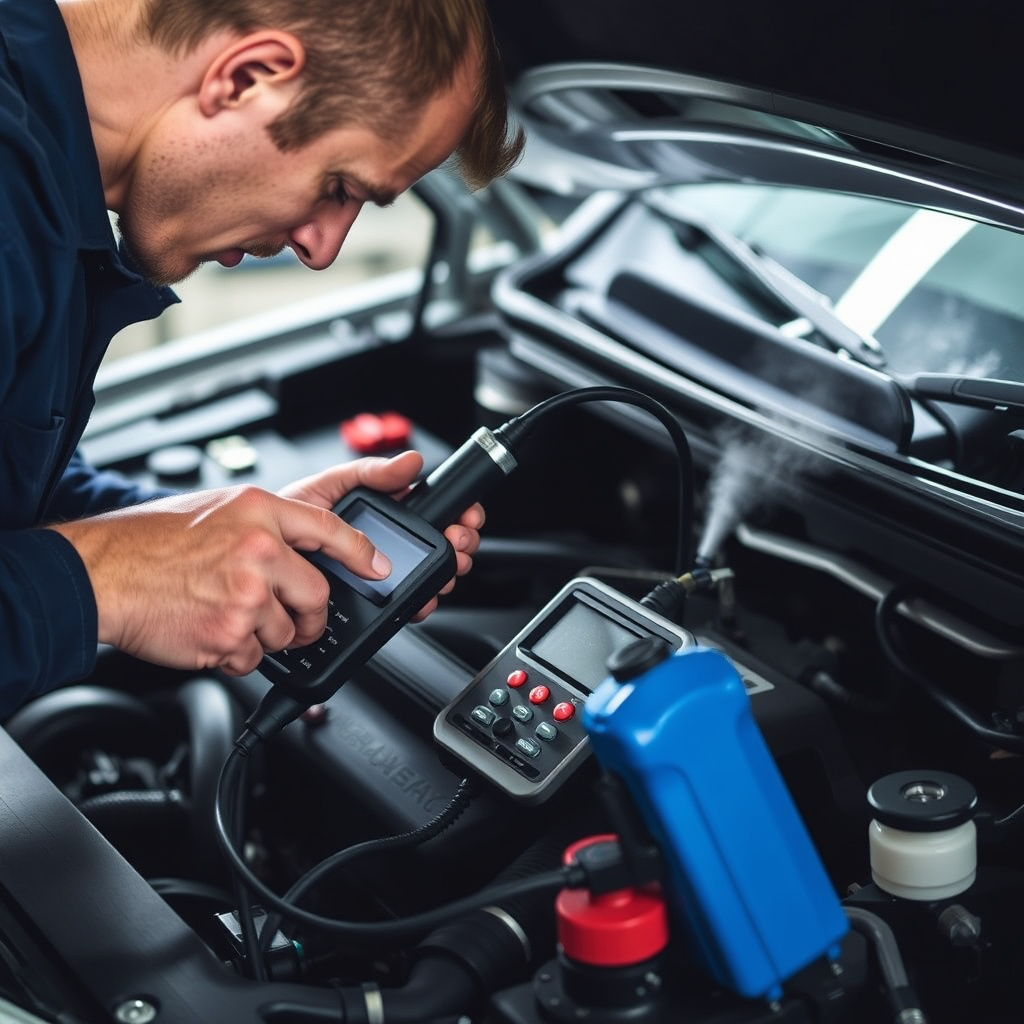
Visual and Smell Tests
Observing the smoke's color, density, and smell helps distinguish thin blue smoke from other exhaust emissions, providing initial clues about oil burning.
A burnt oil odor and consistent light blue smoke usually confirm oil combustion rather than fuel or coolant issues.
Mechanical and Engine Tests
Compression tests, leak-down tests, and oil analysis support identifying piston ring or valve seal deterioration causing thin blue smoke.
Advanced diagnostics may include inspecting spark plugs for oil deposits or using specialized cameras to check engine internals.
- Compression pressure measurements
- Oil condition analysis
Repair and Maintenance Options

Valve Seal Replacement
Replacing faulty valve seals can stop oil leakage into the combustion chamber and eliminate thin blue smoke caused by seal wear.
This repair is less invasive than piston ring replacement but requires removing valve train components.
- Improves oil control
- Restores cleaner exhaust
For more on this, see our related guide: How to Choose a Pellet Grill: A Detailed Buyer’s Guide.
Piston Ring Repair and Overhaul
Severe oil burning from worn piston rings often requires engine disassembly and ring replacement or a complete engine rebuild.
Though costly, addressing piston ring issues prevents more serious engine failure and excessive oil consumption.
- Extends engine life
- Restores compression and power
Preventive Measures Against Thin Blue Smoke
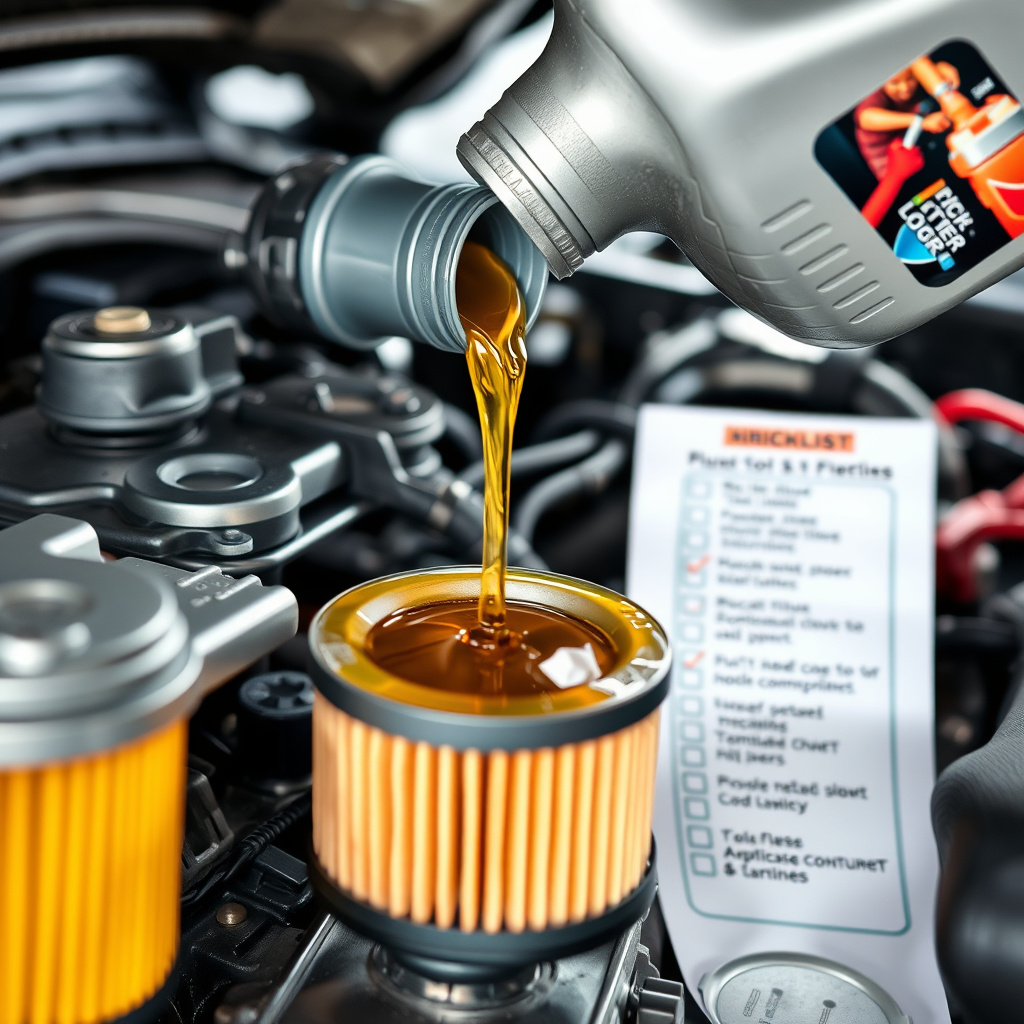
Regular Oil Changes and Quality
Using high-quality oil and conducting regular changes reduce engine wear that leads to valve seal and piston ring damage causing thin blue smoke.
Fresh oil maintains proper lubrication and minimizes deposits that could harm seals or rings.
- Follow manufacturer oil change intervals
- Use recommended oil grades
For a broader understanding of exhaust smoke and emissions, refer to the detailed overview of vehicle emission types available on Wikipedia. exhaust smoke on Wikipedia.
Timely Engine Inspection and Service
Promptly addressing engine noises, performance changes, or smoke can limit damage progression that causes thin blue smoke.
Routine inspections catch early signs of oil leaks or internal wear for easier maintenance.
- Routine spark plug checks
- Periodic compression testing
Types of Exhaust Smoke Comparison
The following table compares common exhaust smoke types and their key characteristics to help identify thin blue smoke.
| Smoke Type | Color | Common Cause | Engine Condition | Typical Repair |
|---|---|---|---|---|
| Thin Blue Smoke | Light blue | Oil burning from valve seals or piston rings | Indicates oil consumption and wear | Valve seal or piston ring repair |
| White Smoke | Thick white | Coolant burning due to head gasket leak or cracks | May indicate overheating or damage | Gasket replacement or head repair |
| Black Smoke | Dense black | Excess fuel combustion or clogged air filter | Poor fuel-air mixture or filter issues | Fuel system adjustment or filter replacement |
| Gray Smoke | Grayish | Transmission fluid burning or turbocharger issues | Sometimes related to transmission or turbo failure | Transmission or turbo repair |
Frequently Asked Questions
Can thin blue smoke be dangerous to the engine?
Yes, thin blue smoke indicates oil burning inside the engine, which can cause increased wear and reduced lubrication, potentially leading to serious engine damage if ignored.
Is thin blue smoke the same as black smoke from the exhaust?
No, thin blue smoke results from burning oil, whereas black smoke typically comes from excess fuel combustion or air intake problems.
Does cold weather cause thin blue smoke?
Cold weather can make thin blue smoke more noticeable during engine startup because oil is thicker and may bypass seals more easily at low temperatures.
Can regular oil changes prevent thin blue smoke?
Regular oil changes help maintain good engine lubrication and reduce wear on seals and rings, lowering the chance of thin blue smoke from oil burning.
What should I do if I notice thin blue smoke from my vehicle?
Inspect your engine for possible valve seal or piston ring wear, and schedule a diagnostic check to identify and repair the root cause promptly.
Key Takeaways
- Thin blue smoke indicates oil burning inside the engine.
- Valve seal wear and piston ring damage are common causes.
- Early diagnosis helps prevent engine wear and costly repairs.
- Regular maintenance reduces the risk of thin blue smoke.
Conclusion
Understanding the presence of thin blue smoke is essential for maintaining engine health. It is a clear sign that oil is entering the combustion chamber, often due to valve seal or piston ring wear. While it might not always immediately impair function, ongoing oil burning reduces engine lubrication and accelerates component wear. Recognizing this symptom early allows for more straightforward repairs that can avoid total engine failure.
When deciding how to address thin blue smoke, consider the likely cause. If valve seals are responsible, replacing these seals can restore proper operation with moderate effort. However, if piston rings are damaged, expect a more complex and expensive repair or rebuild. Practical common scenarios include older vehicles exhibiting smoke at startup due to valve seals or high-mileage engines producing smoke consistently from piston ring wear. Selecting a repair approach depends on severity and cost versus the vehicle's value and usage.
For anyone noticing thin blue smoke, the next step is to perform or seek an engine inspection to diagnose the specific cause. Consistent maintenance such as timely oil changes and attentive performance monitoring reduces the chance of developing this issue. If repairs are needed, prompt action prevents further engine damage and keeps your vehicle running efficiently. Keeping an eye out for thin blue smoke and understanding its significance empowers better vehicle upkeep.