The best wood for smoking brisket is typically hardwoods like oak, hickory, or mesquite because they provide a strong, savory smoke flavor that pairs well with the rich, fatty nature of brisket. These woods burn consistently and help create a deep, complex smoky taste, enhancing the meat without overpowering it.
Choosing the right wood for smoking brisket matters because the wood’s flavor profile directly impacts the end result. Softer woods or fruit woods tend to produce sweeter, lighter smoke that works better with delicate meats, but brisket benefits from bold flavor woods that complement its robust texture and fat content. The right wood can help balance the flavors and create a memorable barbecue experience.
This article will break down popular wood options for smoking brisket, explaining their flavor characteristics and burning qualities. We’ll also cover how to select wood based on your taste preferences and smoking method, plus essential tips for preparing and using wood effectively.
Popular Woods for Smoking Brisket

Hickory: The Classic Choice
Hickory is often considered the go-to wood for smoking brisket due to its strong, robust flavor. It produces a bacon-like aroma and imparts a hearty smoky taste that complements the beef’s natural richness. Hickory burns evenly and maintains consistent heat, making it ideal for long cooking sessions.
However, it’s important to manage hickory smoke levels carefully—too much can make the brisket taste bitter or overly intense. Many pitmasters combine hickory with milder woods to achieve a balanced smoke flavor.
- Strong, savory smoke
- Burns hot and steady
- Can be overpowering if overused
Oak: A Versatile Hardwood
Oak wood provides a medium to strong smoke flavor that’s less intense than hickory but still bold enough for brisket. It’s one of the most forgiving woods, offering a clean, earthy smoke that complements beef without harsh bitterness.
Oak’s steady burn rate and moderate smoke production make it beginner-friendly and widely favored among barbecue enthusiasts who want good depth of flavor without overwhelming their meat.
- Balanced, earthy smoke
- Easy to control burn
- Pairs well with most meats
Bold Flavor Woods for Smokier Brisket

Mesquite: Intense and Aromatic
Mesquite wood generates a strong, somewhat sweet and tangy smoke that produces a very pronounced flavor. It’s best for brisket lovers who prefer a more aggressive smoky profile and faster burn times, which can be helpful for charcoal grills or offset smokers.
Due to its intensity, mesquite is often used sparingly or mixed with milder woods to prevent the meat from acquiring a harsh, acrid taste.
- Very strong, sweet smoke
- Fast burning wood
- Best for shorter smoke times or blends
For more on this, see our related guide: Can You Use Wood in a Charcoal Grill? Tips and Safety Advice.
Pecan: Sweet and Nutty
Pecan wood offers a gentle, sweet, and nutty smoke that enhances the natural flavors of brisket without overpowering. It’s softer than hickory or mesquite and adds a subtle complexity.
Pecan is excellent for those who want a mild smoke flavor that melds well with the richness of brisket, producing a smooth finish with hints of sweetness.
- Mild, sweet smoke
- Burns slowly and evenly
- Good for balanced smoking
Fruit Woods: Lighter Smoke for Subtle Flavor

Apple Wood: Mild and Sweet
Apple wood is prized for its delicate, fruity smoke that delicately enhances brisket flavors. It’s much lighter than traditional hardwoods and lends a subtle sweetness without masking the beef’s character.
Because apple wood burns gently, it’s ideal for lower temperature, longer smokes or for mixing with stronger woods to soften the overall flavor profile.
- Light, sweet smoke
- Sweet fruit aroma
- Best for blending with hardwoods
Cherry Wood: Rich and Fruity
Cherry wood adds a mild, fruity smoke with a reddish hue to smoked brisket. It produces a slightly sweet, sophisticated flavor that pairs well with other woods like oak or hickory to create a complex smoke profile.
It burns evenly and enhances the brisket’s crust color, making it both a flavorful and aesthetic addition to your smoking woods.
- Mild, fruity flavor
- Improves meat color
- Works well in wood blends
Choosing the Best Wood for Your Smoking Setup

Match Wood Type to Smoker Style
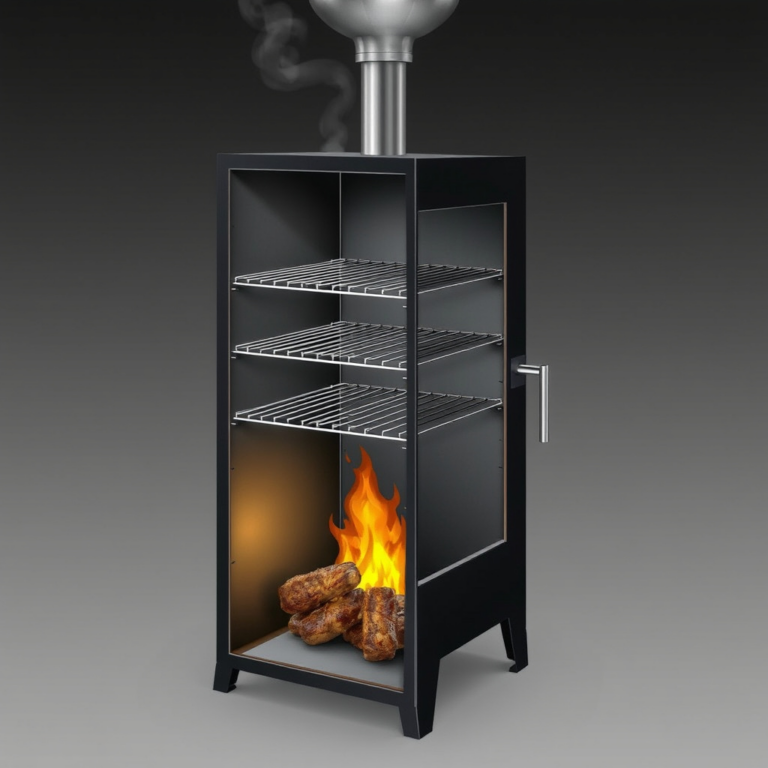
Different smokers and grills respond to wood types uniquely. For example, offset smokers, which require sustained heat, work well with oak or hickory for long-burning smoke, while pellet smokers allow for precise blending and control of lighter woods like apple.
Electric or gas smokers typically benefit from wood chips or pellets that burn cleanly and generate consistent smoke without the unpredictability of logs.
- Offset smokers suit hardwoods
- Pellet smokers offer easy wood variety
- Gas/electric smokers use chips/pellets
For more on this, see our related guide: How to Use Wood Chips on a Gas Grill for Enhanced Flavor.
Wood Preparation and Usage Tips
Properly preparing your smoking wood includes drying it well to reduce moisture and prevent bitter smoke. Use chunks for slower burn or chips for shorter smoke bursts, depending on your cooking duration and flavor goals.
Control smoke intensity by adjusting the amount and frequency of adding wood. Always avoid smoldering green wood, which produces unpleasant flavors.
- Use kiln-dried or well-seasoned wood
- Adjust chunk or chip size based on cook time
- Avoid green or resinous wood
Balancing Smoke Flavor with Brisket Fat and Texture

How Fat Content Affects Smoke Absorption
Brisket’s significant fat content absorbs smoke compounds differently than lean meats. Rich woods like hickory and oak complement the beef fat, enhancing the mouthfeel and smoky richness without turning harsh.
Choosing woods that burn cleanly with balanced smoke prevents the fat from absorbing bitter or acrid flavors, preserving the brisket’s natural flavor and tenderness.
For more detailed information on types of wood used in smoking, you can visit this comprehensive resource on smoking meat wood types. Smoking meat wood types explained.
Developing the Perfect Smoke Ring and Bark
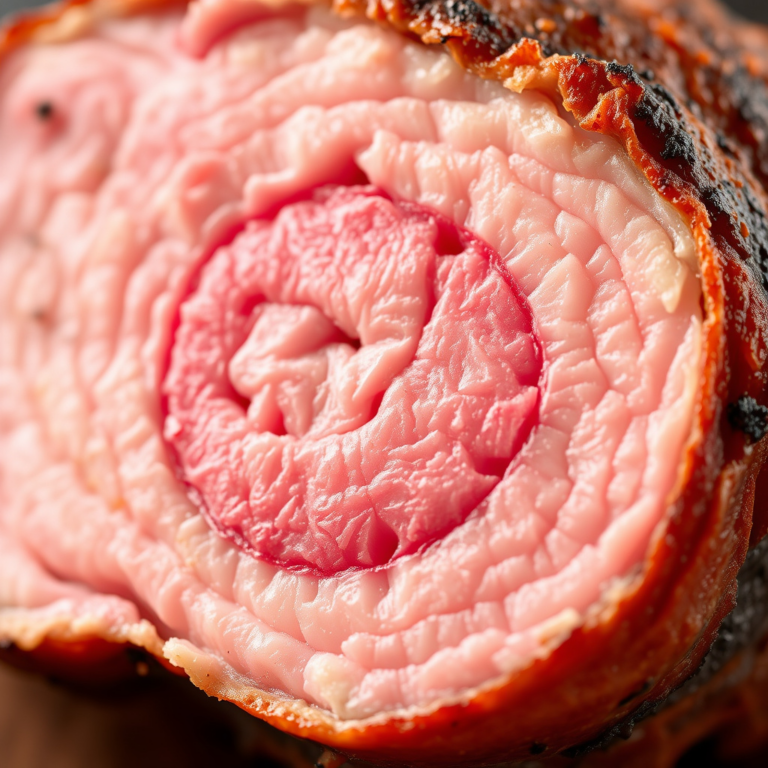
The choice of wood impacts the development of the smoke ring and bark, which are key indicators of good barbecue. Hardwoods like oak and hickory produce the nitrogen oxides needed to form a pink smoke ring, while their steady smoke encourages a crusty bark formation.
Using milder woods may yield a thinner bark and less pronounced smoke ring, so blending woods can help achieve both flavor and visual appeal.
Comparison of Common Smoking Woods for Brisket
This table compares popular woods for smoking brisket by flavor strength, burn time, and ideal usage scenarios.
| Wood Type | Flavor Strength | Burn Time | Best Usage |
|---|---|---|---|
| Hickory | Strong, smoky, bacon-like | Long | Traditional brisket smoking, strong flavor lovers |
| Oak | Medium, earthy | Long | Balanced flavor, versatile smoker types |
| Mesquite | Very strong, sweet, tangy | Short | High-heat smoking, mesquite fans |
| Pecan | Mild, sweet, nutty | Medium | Mild smoke seekers, balanced blends |
| Apple | Light, fruity, sweet | Medium | Subtle flavor, mix with hardwoods |
| Cherry | Mild, fruity | Medium | Color enhancement, mild blends |
Frequently Asked Questions
Can I mix different woods when smoking brisket?
Yes, mixing woods like oak and apple can create balanced smoke flavors, combining bold and mild notes to complement brisket more precisely.
Is mesquite too strong for smoking brisket?
Mesquite is very strong and can overpower brisket if overused, so it’s best used sparingly or mixed with milder woods.
How does the wood affect brisket cooking time?
Wood type mainly influences flavor rather than cooking time, though faster-burning woods like mesquite may require more frequent replenishing.
Should I use wood chips or chunks for brisket?
Wood chunks are better for long cooks like brisket because they burn slower and create steadier smoke, while chips burn quickly and suit shorter smokes.
Can softwoods be used for smoking brisket?
Softwoods like pine should be avoided because they produce resinous, harsh smoke that can ruin the flavor of brisket and be unpleasant.
Key Takeaways
- Hardwoods like oak, hickory, and mesquite are best for smoking brisket.
- Mixing woods allows customization of smoke flavor strength and complexity.
- Proper wood preparation and control of smoke intensity are essential.
- Choose wood based on your smoker type and flavor preferences.
Conclusion
Selecting the best wood for smoking brisket hinges on understanding how different hardwoods influence flavor and burn characteristics. Hickory, oak, and mesquite stand out as popular choices due to their strong, appealing smoke profiles that enhance brisket’s rich texture. Considering your smoker type and how long you’ll smoke is crucial; long burns require woods that maintain steady heat and smoke without bitterness. By balancing smoke strength and cooking conditions, you set the stage for tender, flavorful brisket every time.
For pitmasters wanting a classic robust smoke, hickory or oak delivers dependable results with bold flavor and steady burn. Those seeking a stronger aromatics punch can try mesquite carefully blended with pecan or apple woods to temper intensity. Meanwhile, fruitwoods like apple or cherry work best when combined with hardwoods, providing a nuanced, sweeter smoke that highlights the brisket’s natural richness. Experimenting with wood blends lets you tailor the smoking experience to fit specific taste goals.
Ultimately, the best wood for smoking brisket depends on personal taste and your cooking setup. Start with quality, seasoned hardwoods like oak or hickory, prepare your wood properly, and adjust smoke by adding wood gradually throughout the cook. With practice and patience, you’ll discover the wood combination that yields your perfect brisket, rich with that memorable smoky flavor that defines great barbecue.