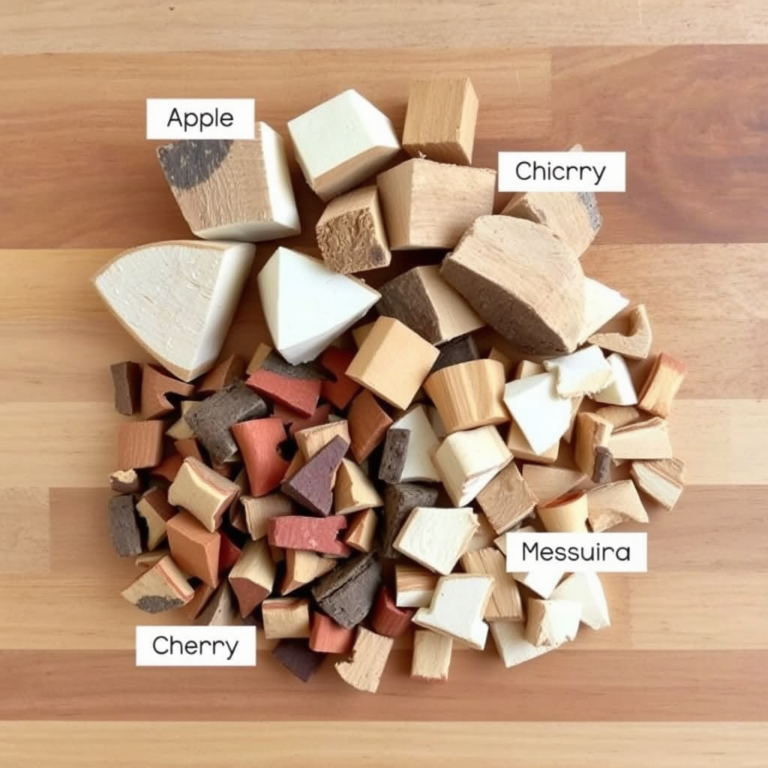
The best wood for smoking chicken depends on the flavor profile you want, but generally, mild and slightly sweet woods like apple, cherry, and pecan produce the most appetizing results. These woods impart a subtle smoky flavor that complements chicken without overpowering its natural taste. Using a hardwood with a gentle aroma ensures the chicken remains juicy and flavorful rather than bitter or harsh.
Selecting the right wood matters because chicken has a delicate flavor and porous texture that absorbs smoke intensely. Some woods, like mesquite or hickory, can be overpowering for poultry, masking chicken's subtle nature or even contributing a bitter taste. Conversely, fruitwoods add a pleasant sweetness, while nutwoods bring a mild richness that pairs well with various seasonings and marinades.
In this article, you'll learn about popular woods for smoking chicken, how different wood types influence flavor, wood preparation techniques, and tips for balancing smoke to create delicious, tender results. We'll also provide comparisons of wood categories and answer common questions to help you master smoking chicken like a pro.
Understanding Wood Types for Smoking Chicken
Fruitwoods: Mild and Sweet
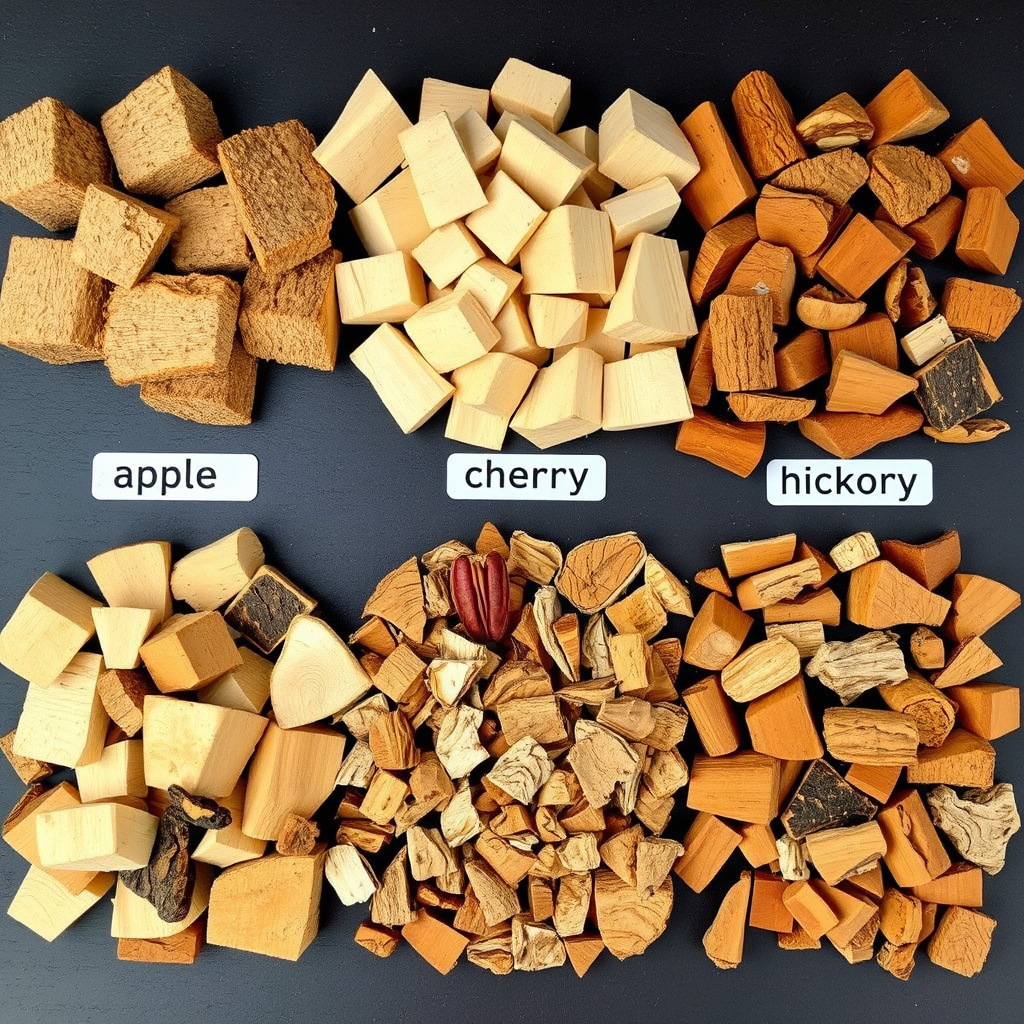
Fruitwoods such as apple, cherry, and peach are preferred for smoking chicken because they offer a sweet, mild smoke flavor that enhances the meat’s natural taste without overwhelming it. Applewood provides a subtle fruity aroma and is well-suited for longer smokes where a gentle smoke profile is desirable.
Cherry wood adds a deeper sweetness with a slightly tangy undertone that complements seasoned or marinated chicken very well. Peach wood, although less common, contributes a fragrant, soft sweetness, creating layers of flavor that elevate smoked chicken recipes.
- Applewood: mild, fruity, light smoke
- Cherry wood: sweet, rich, slightly tart
- Peach wood: soft, sweet aroma
Nutwoods: Rich and Balanced
Pecan and hickory are popular nutwoods offering richer, nuttier flavors while still being lighter than stronger hardwoods like mesquite. Pecan realizes a sweet, nutty smoke that pairs exceptionally with chicken’s mild flesh, delivering complexity without harshness.
Hickory is a robust wood that can be used for chicken when applied sparingly. It imparts a smoky, bacon-like flavor but has the potential to overwhelm if used too heavily. Hickory works well mixed with fruitwoods to balance intensity.
- Pecan: sweet, nutty, moderate intensity
- Hickory: strong, smoky, bacon-like flavor
How Different Woods Impact Chicken Flavor
Mild Woods for Delicate Flavor Enhancement
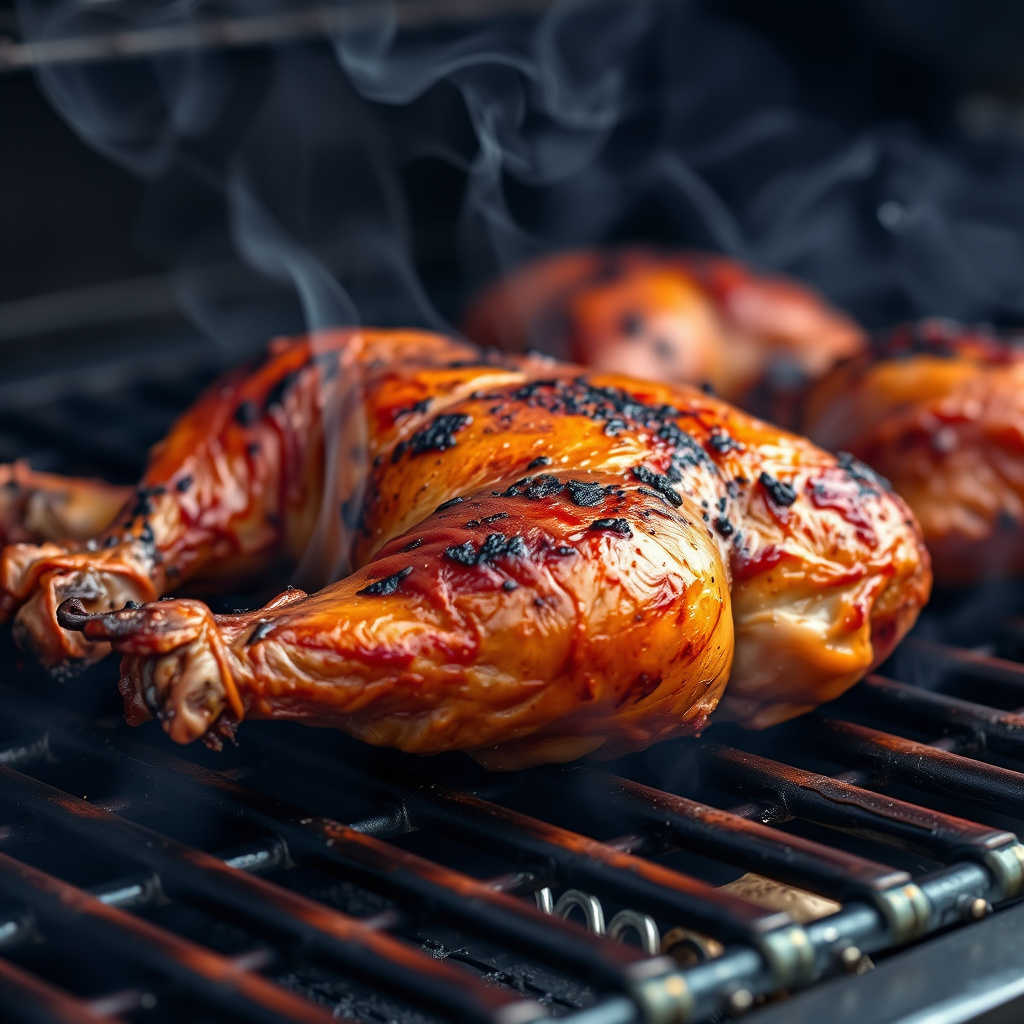
Milder woods like apple and cherry infuse chicken with gentle smokiness, enhancing rather than masking the meat’s flavor. This allows the marinade or seasoning to shine while the smoke adds depth and a pleasant sweetness.
These woods also produce lighter smoke particulates that coat the chicken evenly without causing bitterness, resulting in tender, juicy meat with attractive smoke ring coloration.
Stronger Woods and Their Risks
Using stronger woods such as mesquite or hickory in large quantities can create intense smoke that overwhelms chicken's subtle flavor. Excessive smoke exposure risks bitterness and astringency if not carefully controlled.
For poultry, it's best to use these woods sparingly or blend them with milder woods to achieve balanced smoke. Understanding smoke density and adjusting burn time preserves the chicken’s tenderness and ensures pleasant flavor.
Preparing Wood for Smoking Chicken
Using Wood Chips, Chunks, and Logs
Wood chips ignite and produce smoke quickly, ideal for shorter smoking sessions and adding bursts of flavor. By contrast, wood chunks burn longer and more steadily, fitting extended smoking times required for whole chickens or larger cuts.
Logs are more common in large smokers or pit setups and provide long-lasting smoke but require more skill to manage temperature and smoke output.
- Wood chips: fast smoke, quick flavor
- Wood chunks: longer burn, steady smoke
- Logs: extended smoke, requires management
For more on this, see our related guide: Can You Use Wood in a Charcoal Grill? Tips and Safety Advice.
Soaking and Drying Practices
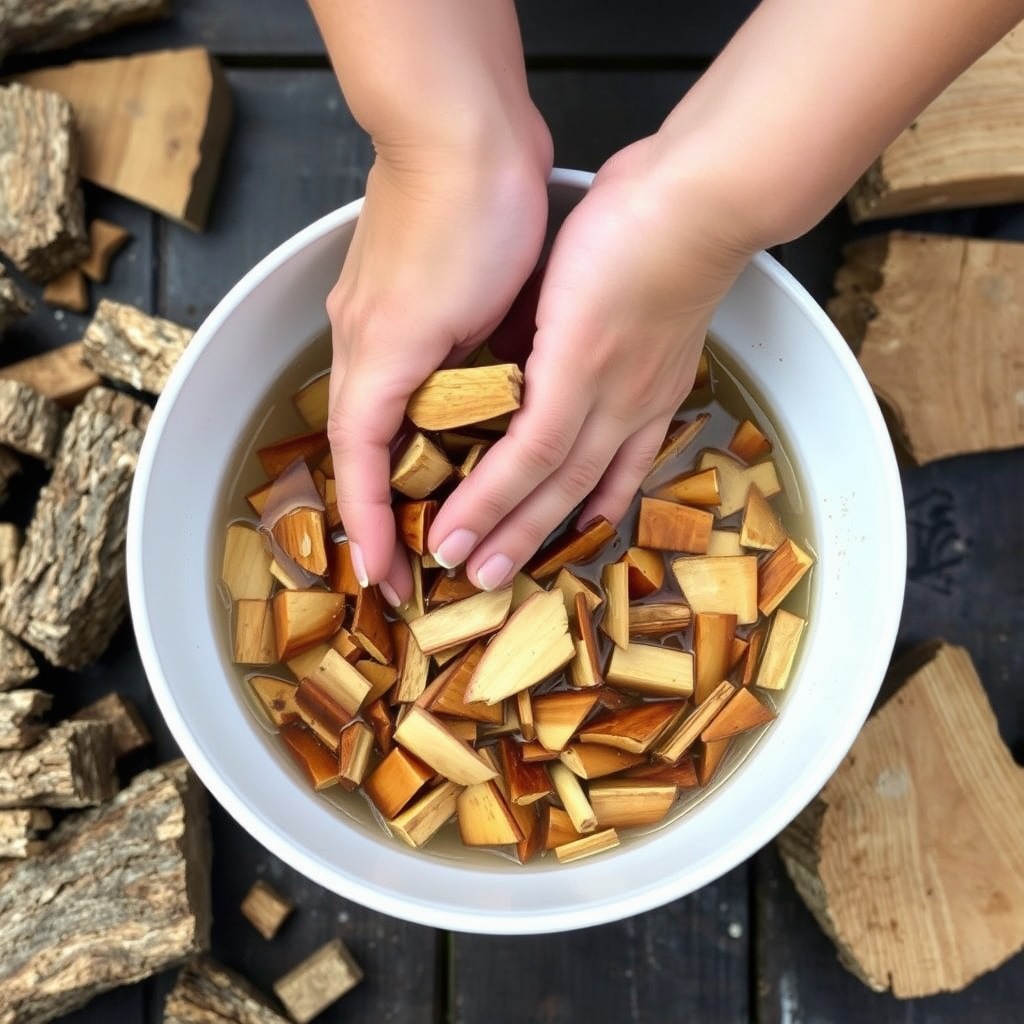
Soaking wood chips or chunks in water before use can slightly slow their ignition, producing steadier smoke and preventing too-rapid burn which can cause acrid flavors. However, some pitmasters argue dry wood produces cleaner smoke with less steam dilution.
Experimenting with soaked versus dry wood can help tailor smoke characteristics. Always ensure wood is properly seasoned and free of bark or chemicals to avoid off-flavors.
- Soak for 30 minutes to an hour to regulate smoke
- Dry wood burns hotter and cleaner but faster
Techniques for Balancing Smoke and Heat

Temperature Control in Smoking Chicken
Maintaining a steady temperature between 225°F and 275°F allows wood to smolder slowly, producing consistent smoke ideal for chicken. Temperatures too low cause unclean smoke and greasy flavor, while excessively high heat dries out meat and burns wood too fast.
Using smoker vents, water pans, and careful fuel addition helps control both heat and smoke quantity, crucial when balancing delicate chicken flavor with desired smoky notes.
- Ideal range: 225°F to 275°F
- Use vents to manage airflow and temperature
Smoke Duration and Timing
Chicken absorbs smoke flavor efficiently, so heavy smoke exposure should be limited to the first 2-3 hours of cooking. Prolonged smoke tends to intensify bitterness and mask natural juices.
Many cooks apply wood chunks or chips early then finish cooking with indirect heat alone for tender, moist results that retain pleasing smoky aroma.
- Smoke first 2-3 hours, then reduce
- Avoid excessive smoke for mild poultry
Complementing Wood Choice with Marinades and Rubs
Pairing Wood with Flavor Profiles
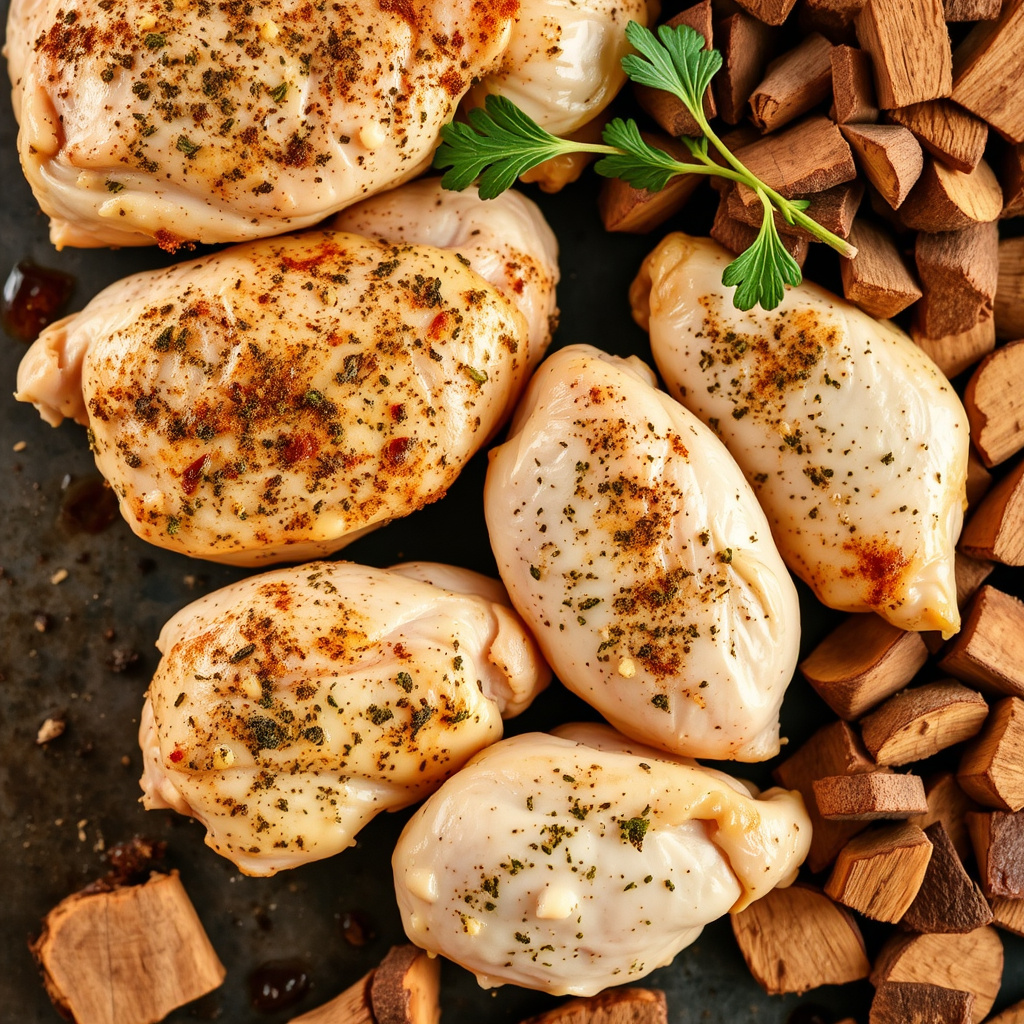
Sweet fruitwoods like apple or cherry marry especially well with sweet or tangy marinades containing honey, citrus, or fruit juices. These combinations accentuate smoke’s subtle sweetness and add complexity.
Pecan and hickory pair nicely with spicier rubs or barbecue sauces, their nutty and smoky notes supporting bold seasoning without overpowering.
For more on this, see our related guide: Can You Grill Frozen Chicken? A Safe and Delicious Guide.
Avoiding Flavor Overlap and Conflict
When using delicate herbs such as thyme or rosemary, milder woods prevent competing flavors. Conversely, heavy woods combined with savory or peppery rubs may produce harsh results.
Balancing marinade sweetness, spice intensity, and wood type can help create harmony in smoked chicken dishes that highlight rather than mask each element.
Maintenance and Safety Tips for Wood Smoking
Proper Wood Storage
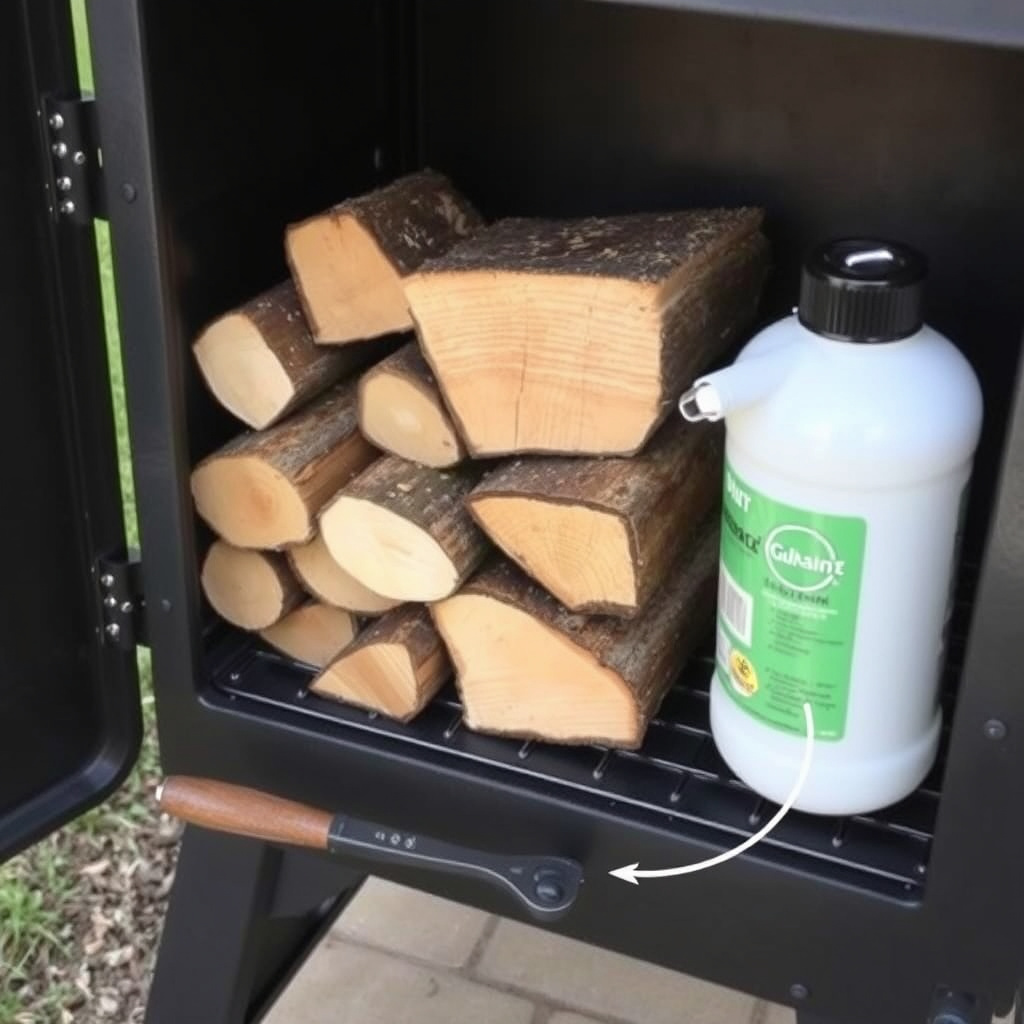
Store smoking wood in a dry, well-ventilated area to prevent mold and maintain seasoning. Avoid damp or treated woods to ensure clean-burning smoke. Properly seasoned wood produces steady smoke and richer flavor.
Keep wood in airtight containers or covered bins to protect from rain and humidity.
- Store wood off the ground in dry spaces
- Cover or seal wood to protect from moisture
For a detailed overview of wood types used in smoking meat, this Wikipedia article offers valuable insights. Smoking meat wood types.
Handling Smoke and Fire Safety
Always monitor your smoker to prevent flare-ups and excessive smoke that can create bitter flavors or unsafe conditions. Keep a fire extinguisher nearby and use heat-resistant gloves when adding wood or tending coals.
Ensure chimneys and vents are clean to allow proper smoke flow. Avoid using softwoods or resinous woods that may emit harmful toxins.
- Use heat-resistant gloves and tools
- Avoid softwoods like pine for smoking
- Regularly clean smoker components
Best Wood Types for Smoking Chicken Category Comparison
This table contrasts common wood types by flavor profile, burn time, and ideal smoking duration to help select the best wood for smoked chicken.
| Wood Type | Flavor Profile | Burn Duration | Best For | Smoke Intensity |
|---|---|---|---|---|
| Apple | Mild, fruity, sweet | Medium (1-2 hours chips) | Whole chicken, breasts | Low to medium |
| Cherry | Sweet, rich, slightly tart | Medium (1-2 hours chips) | Chicken thighs, drumsticks | Medium |
| Pecan | Nutty, sweet, rich | Long (2-3 hours chunks) | Whole chicken, spiced rubs | Medium |
| Hickory | Strong, smoky, bacon-like | Long (2-3 hours chunks) | Bold flavored chicken, BBQ | High |
| Mesquite | Very strong, earthy | Short (less than 1 hour chips) | Not recommended for chicken | Very high |
Frequently Asked Questions
Can I use mesquite wood for smoking chicken?
Mesquite wood is very strong and tends to overpower chicken's mild flavor. If used, it should be mixed sparingly with milder woods or used for short smoke periods to avoid bitterness.
How long should I smoke chicken over wood?
Chicken typically smokes best for about 2 to 4 hours at 225°F to 275°F, with active smoking during the first 2-3 hours to impart flavor, followed by indirect cooking to finish.
Is it better to soak wood chips before smoking chicken?
Soaking wood chips can slow their burn and produce steadier smoke, but some prefer dry chips for a more consistent smoke. Both methods are valid depending on desired smoke intensity.
What woods should I avoid for smoking chicken?
Avoid softwoods like pine, cedar, or fir as they produce resinous, unpleasant smoke. Also, avoid woods treated with chemicals or paint to keep chicken safe and tasty.
Can blending woods improve chicken smoking?
Yes, blending mild fruitwoods with stronger nutwoods can create balanced flavors. For example, mixing applewood with a bit of hickory offers complex smokiness without overwhelming the chicken.
Key Takeaways
- Choose mild woods like apple or cherry for delicate smoked chicken flavor
- Use nutwoods such as pecan or hickory sparingly to add richness
- Control smoke duration and temperature to avoid bitterness
- Pair wood types thoughtfully with marinades and rubs for best results
Conclusion
Selecting the best wood for smoking chicken involves balancing flavor intensity, burn characteristics, and the natural subtlety of poultry meat. Mild fruitwoods like apple or cherry add sweet, pleasant smoke that complements chicken without overpowering it. Rich nutwoods like pecan and hickory introduce deeper, nutty flavors but need measured application to keep chicken tasting juicy and tender. Keeping temperature controlled and smoke moderate prevents harsh, bitter notes. The key is matching wood flavor with your seasoning approach and cooking method to create a harmonious smoked chicken experience.
For those seeking versatile woods, applewood serves well across smoking styles, offering gentle flavor for both whole chickens and cuts. Cherry wood enriches color and sweetness, especially suited for marinated or spiced chicken thighs. If desiring more robust notes, pecan provides a mellow nutty accent, while hickory fits bold barbecue flavors when balanced with fruitwoods. Avoid very strong woods like mesquite unless blending carefully to protect the chicken’s delicate taste. Experimenting in small batches can help refine wood selection toward your preferred smoky taste.
To start smoking chicken, acquire quality seasoned wood chips or chunks of apple or cherry, and maintain smoker temps around 225°F to 275°F. Use smoke for the first few hours then finish cooking indirectly to retain moisture. Pair this with your favorite rubs or marinades for enhanced depth. Over time, exploring different wood blends and smoke timings will help you develop the perfect balance unique to your palate and cooking style.