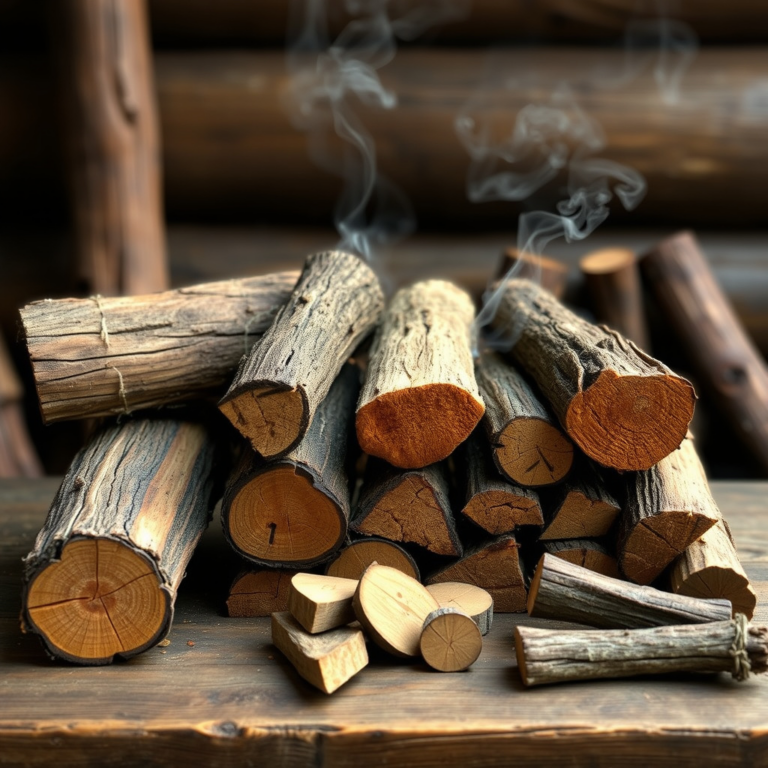
The best wood for smoking ribs depends on the flavor profile you want to achieve, but fruit woods like apple and cherry are widely regarded as excellent choices due to their mild sweetness and ability to complement pork without overpowering it. Hickory is another popular option, offering a stronger smoke flavor that many rib enthusiasts prefer.
Wood type matters because it directly influences the taste and aroma of your smoked ribs. Using the right wood can enhance the meat’s natural flavors and produce that classic smoky crust that defines well-smoked ribs. Conversely, the wrong wood might add bitterness or too much smokiness, masking the ribs' juicy tenderness.
This article covers various wood types suitable for smoking ribs, highlighting their flavor characteristics and how they interact with different cooking methods. We'll also compare popular wood categories, discuss smoking techniques that pair well with each wood, and answer common questions about smoking ribs using wood.
Flavor Profiles of Popular Woods for Smoking Ribs
Fruit Woods: Apple, Cherry, and Peach
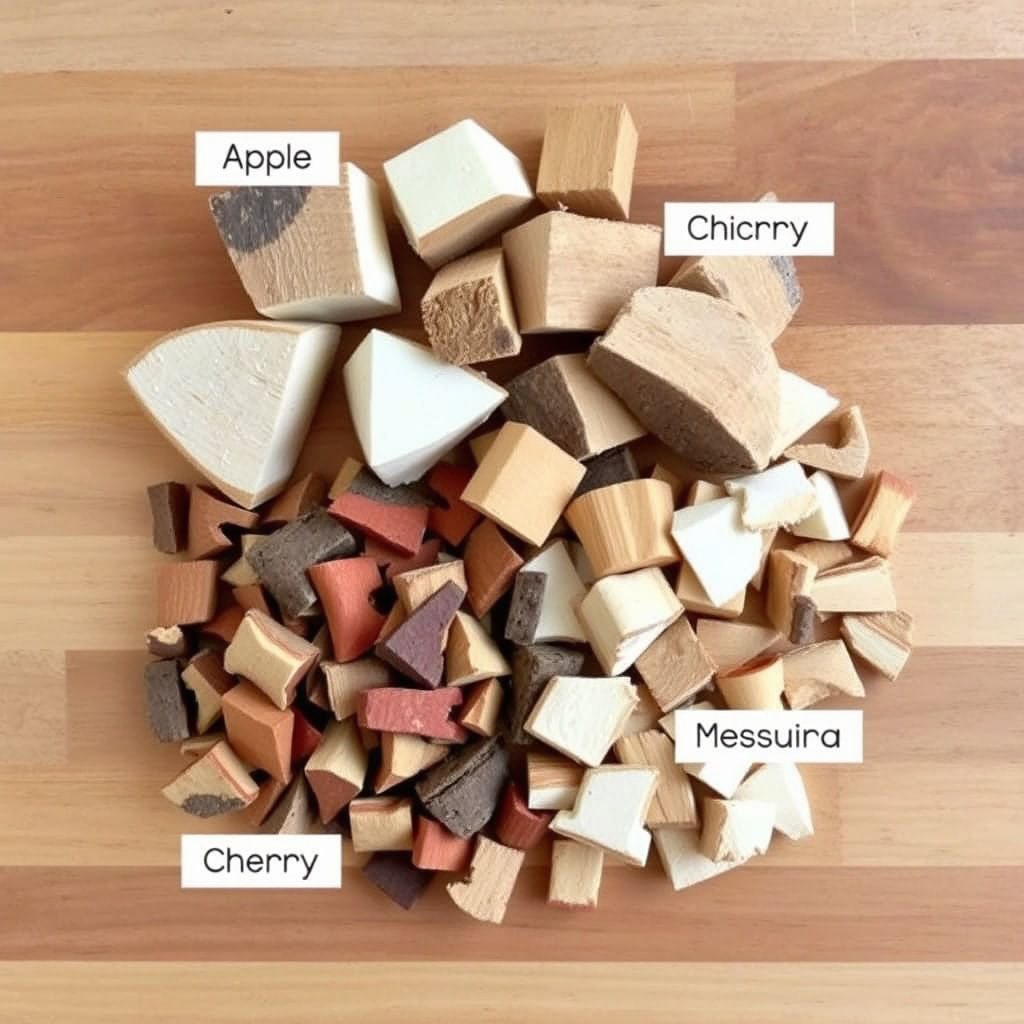
Fruit woods such as apple, cherry, and peach produce a mild and slightly sweet smoke that enhances the natural pork flavor without overwhelming it. Apple wood offers subtle sweetness and a light fruity aroma, making it a favorite for low and slow rib smoking.
Cherry wood adds a deeper, richer red color to the ribs while contributing a fruity, slightly tart smoke. Peach wood is less common but shares similar characteristics, giving ribs a gentle smoky flavor with noticeable sweetness.
- Apple: Mild, sweet, subtle fruity notes
- Cherry: Sweet with richer color impact
- Peach: Gentle smoky sweetness
Stronger Woods: Hickory and Mesquite
Hickory is one of the most popular woods for smoking ribs due to its strong, smoky flavor that pairs well with pork. It imparts a robust bacon-like taste, but if used excessively, can become bitter, so balance is essential.
Mesquite is intense and earthy, providing a powerful smoke flavor that can overshadow ribs if used in large quantities. It works best for shorter smoking times or when mixed with milder woods to keep flavors balanced.
- Hickory: Bold, bacon-like, intense smoke
- Mesquite: Earthy, strong, best in small amounts
How Wood Choice Affects Rib Smoking Techniques
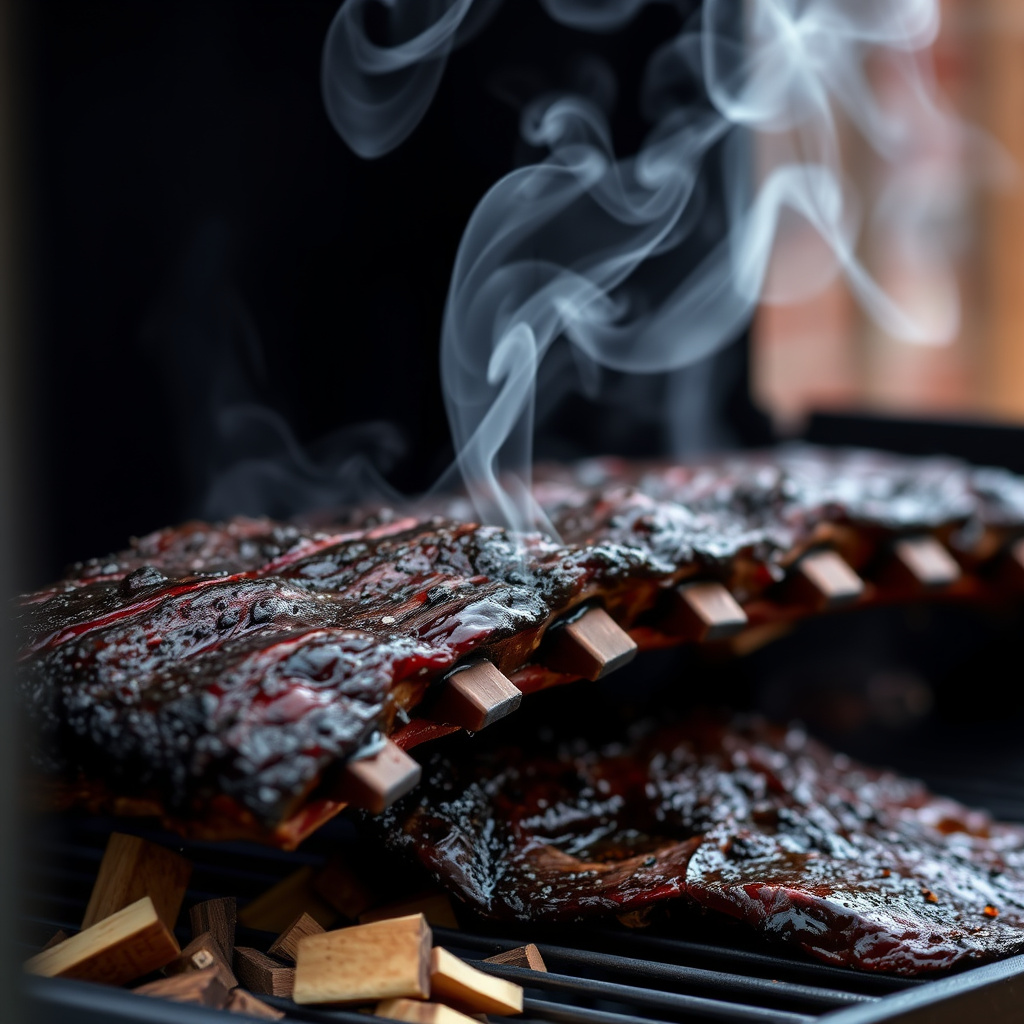
Low and Slow Smoking with Fruit Woods
When smoking ribs low and slow over 225-250°F for several hours, fruit woods like apple and cherry are ideal. Their gentle smoke infuses flavor gradually, allowing the meat to absorb the subtle sweetness without becoming bitter.
These woods pair well with indirect smoking setups and foil wrapping techniques that keep the ribs moist. The sweeter smoke from fruit woods complements the natural pork taste and enhances tenderness through slow cooking.
For more on this, see our related guide: Can You Use Wood in a Charcoal Grill? Tips and Safety Advice.
Using Strong Woods for Quick or Hot Smoking
Stronger woods like hickory and mesquite suit hotter smoking or grilling, often above 275°F, where the shorter cooking time limits the risk of bitter smoke buildup. Hickory works well in smoky dry rubs, bringing savory depth.
Mesquite is prized in southwestern barbecue for its punchy flavor, but it should be balanced with milder woods or used sparingly. Hot smoking with these woods requires careful air and smoke management to avoid overwhelming the ribs.
Wood Preparation and Usage Tips
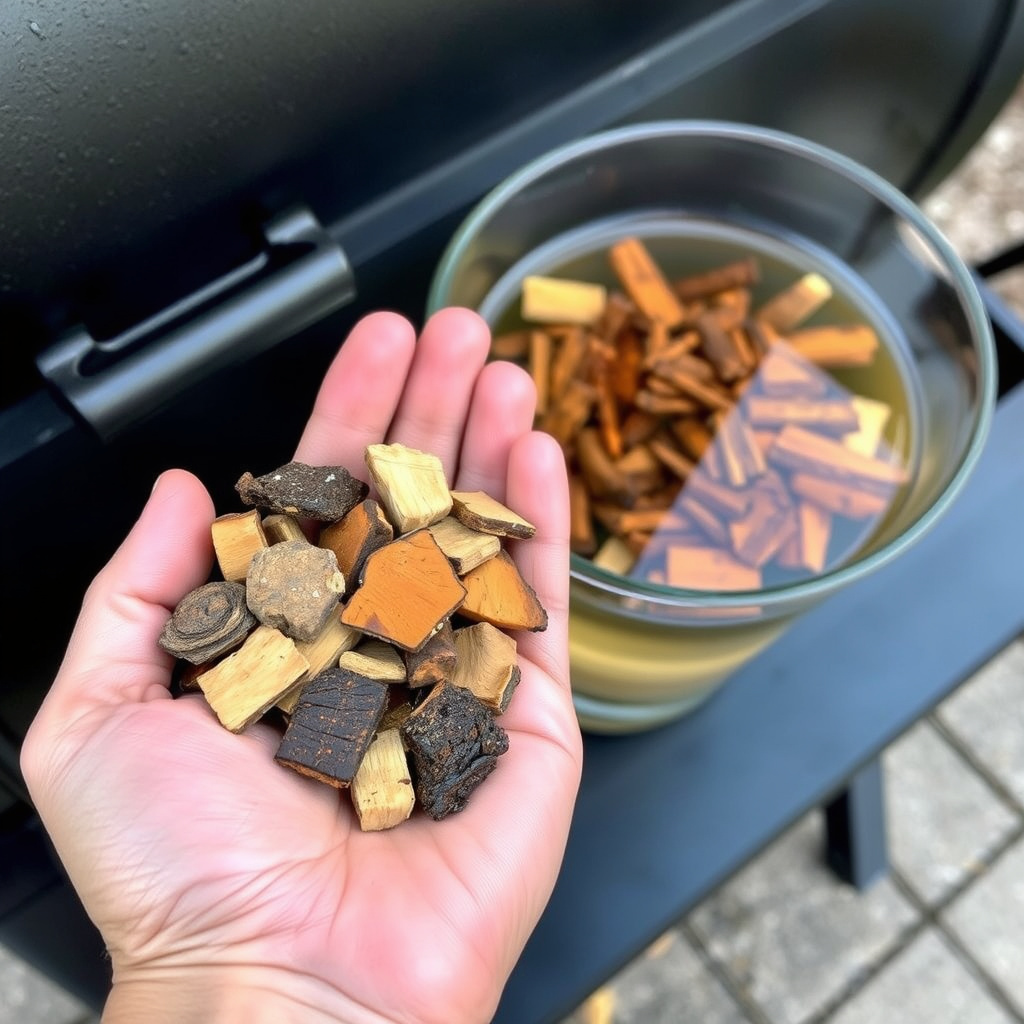
Soaking Wood Chips vs. Dry Wood Chunks
Soaking wood chips in water before smoking is a common practice meant to slow their burn and produce longer smoke output. However, there is debate over its effectiveness, as wet wood can create less consistent smoke and even steam flavor into the meat.
Wood chunks, which burn longer and more steadily, often perform better without soaking. Many pitmasters prefer dry wood chunks for a steadier smoke flow, especially in longer smoking sessions needed for ribs.
- Soaked chips: Shorter, cooler smoke bursts
- Dry chunks: Longer, steady smoke and heat
Mixing Woods for Balanced Flavor
Combining woods is a strategy to balance flavor intensity. For example, mixing hickory with apple wood can temper hickory's strong notes while adding sweetness and fruitiness. This mix works well for traditional Southern-style ribs.
A blend of mild fruit woods with a bit of stronger wood like mesquite or oak allows you to customize the smoke profile to your taste, ensuring ribs have both complexity and approachability in flavor.
- Mild fruit + strong wood blends for layered taste
- Experiment with ratios for preferred smoke intensity
Impact of Wood Species on Ribs Texture and Appearance
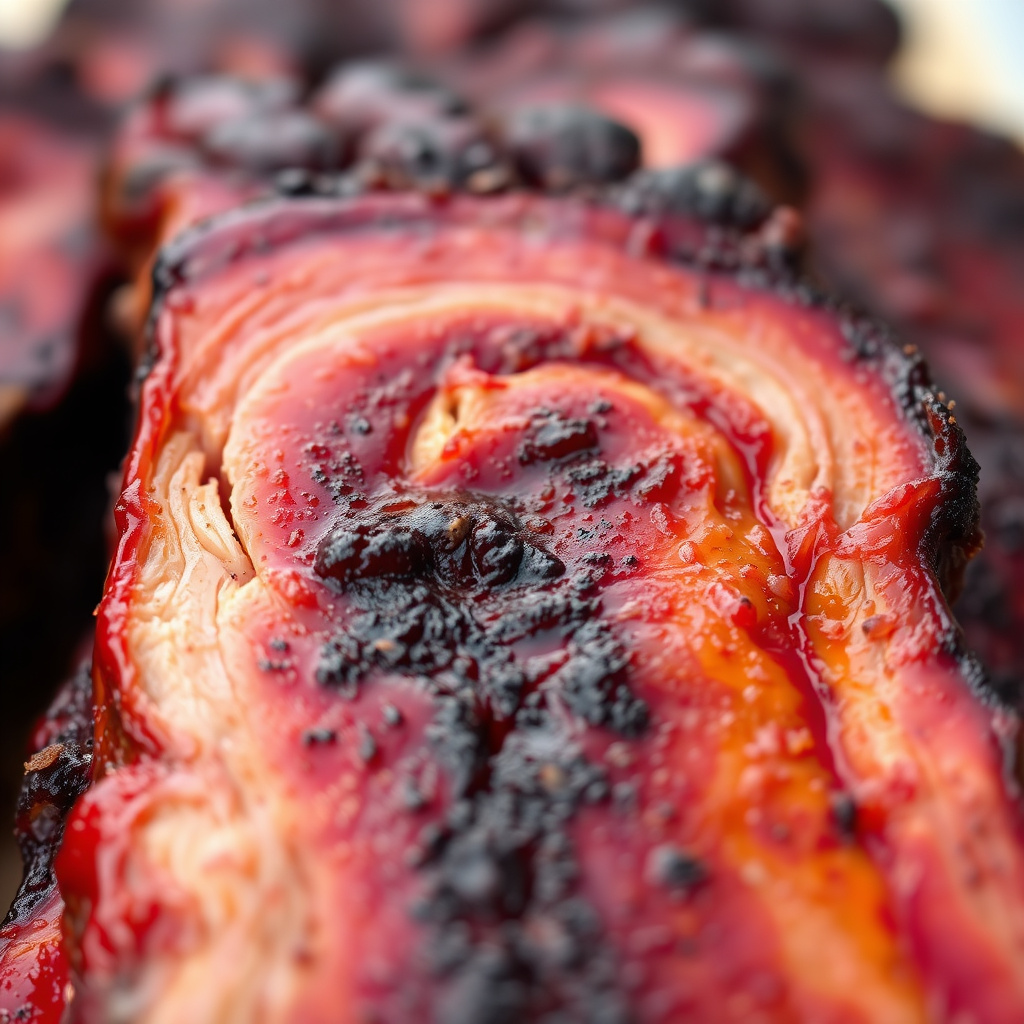
Smoke Ring and Bark Formation
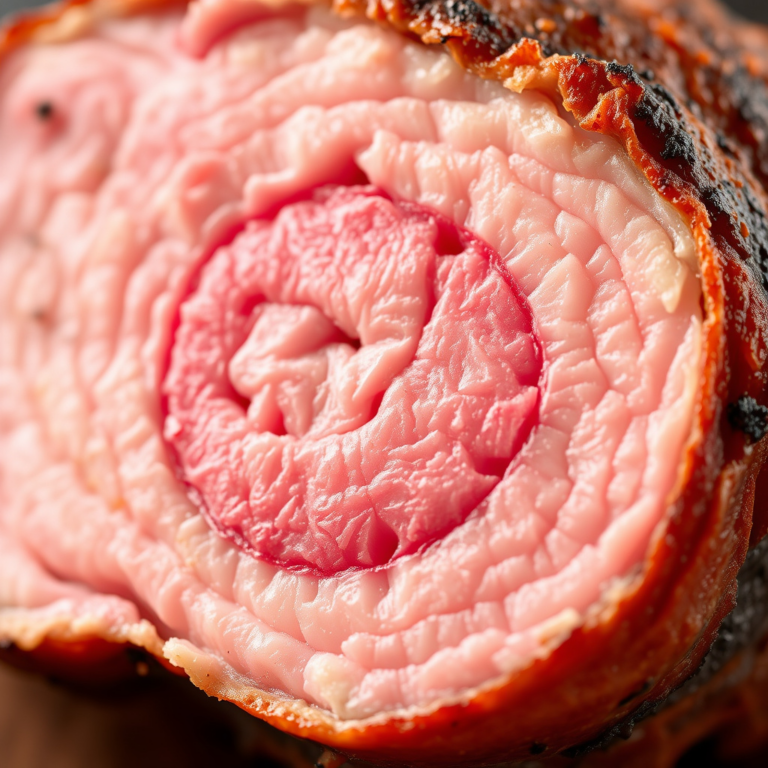
The type of wood affects how smoke chemicals interact with rib meat, influencing the formation of the smoke ring—a pink layer near the surface—and the texture of the bark or crust. Fruit woods generally promote a softer bark and vivid, reddish smoke ring.
Stronger woods like hickory tend to create a thicker, darker bark due to their heavier resin content, which can add a desirable crustiness and contrast to the tenderness inside the ribs.
For more on this, see our related guide: What Temperature to Grill Ribs for Tender, Juicy Results.
Avoiding Harsh Smoke and Off-Flavors
Some woods, especially resinous or softwoods like pine or cedar, should be avoided for smoking ribs because they can produce harsh, unpleasant flavors and unsafe fumes. Hardwood species without resin are preferred to maintain flavor purity.
Even within hardwoods, longer smoking sessions with strong woods require airflow control to prevent creosote buildup, which causes bitterness and an acrid taste on the ribs.
- Avoid resinous softwoods
- Maintain proper airflow and smoke volume
Pairing Wood Smoke with Rib Sauces and Rubs
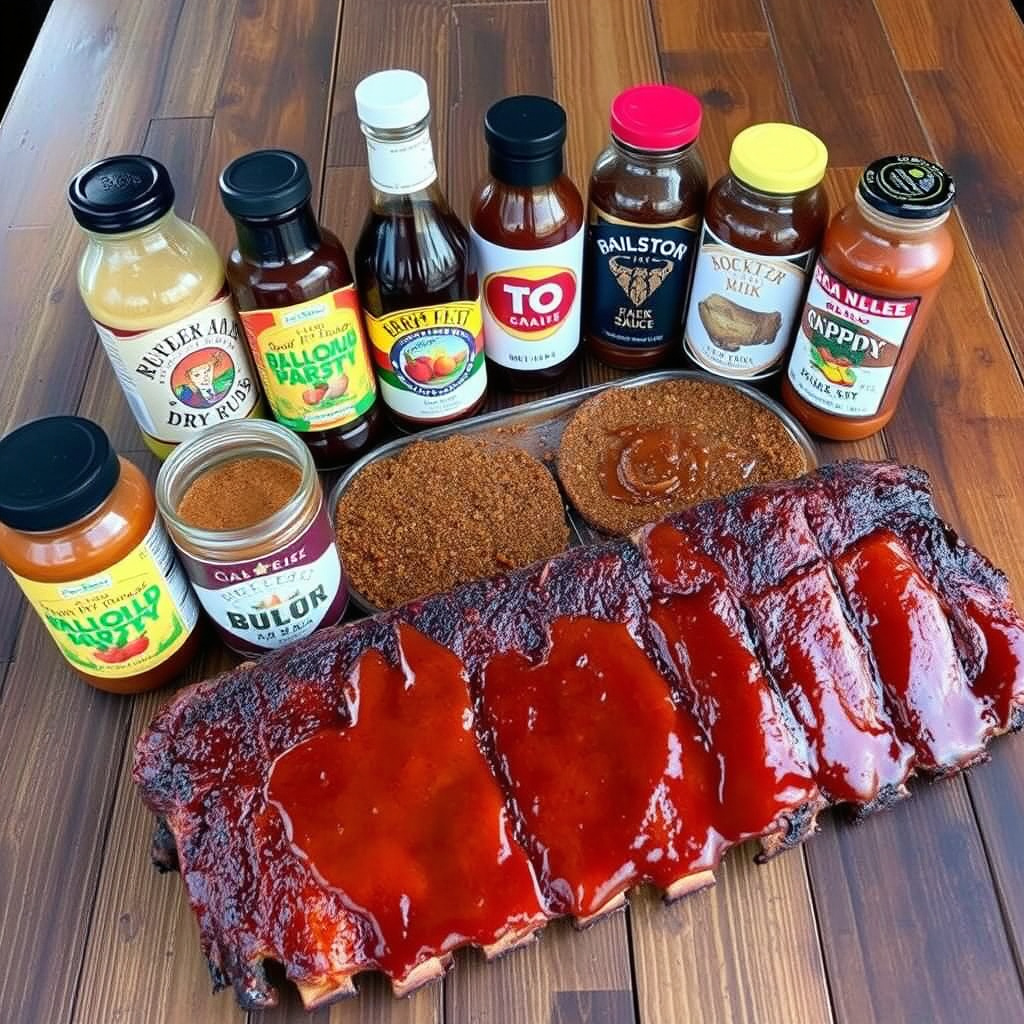
Complementing Sweet and Fruity Sauces with Wood Smoke
Wood smoke from fruit-based woods enhances sweet and tangy barbecue sauces by deepening their flavor without clashing. When using sauces like honey mustard or cherry glaze, mild woods maintain balance rather than overpower the sauce’s nuance.
This synergy creates ribs that feel layered in flavor, with smoke and sauce working together rather than competing for attention.
For a more detailed understanding of smoking meat and how different woods impact flavor, you can visit the informative page on smoking meat. Smoking meat with wood.
Matching Bold Rubs with Strong Smoke Woods
Strong smoke flavors from hickory or mesquite pair well with intensely spiced rubs featuring ingredients like black pepper, paprika, and chili powder. The assertive smokiness enhances the rub’s heat and complexity.
This combination builds a dynamic flavor where the ribs have a robust, smoky backbone, enhancing the savory and spicy elements of the seasoning.
Comparison of Woods for Smoking Ribs
Here is a comparison of popular woods used for smoking ribs, highlighting their flavor strength and best use cases.
| Wood Type | Flavor Profile | Best for Cooking Style | Effect on Meat Color |
|---|---|---|---|
| Apple | Mild, sweet, fruity | Low and slow smoking | Light pink smoke ring |
| Cherry | Sweet, slightly tart | Low and slow with color boost | Deep reddish hue |
| Peach | Mild sweet, subtle fruit | Low and slow smoking | Light to moderate pink |
| Hickory | Strong, bacon-like | Hot smoking or mix blends | Dark, thick bark |
| Mesquite | Bold, earthy | Hot, quick smoking or sparing use | Darkened crust |
| Oak | Medium, balanced | Versatile for many cooking styles | Moderate smoke ring |
Frequently Asked Questions
Can I use any type of wood for smoking ribs?
Not all woods are suitable for smoking ribs. Hardwoods like apple, cherry, hickory, and oak are preferred. Avoid resinous or softwoods like pine as they can give an unpleasant taste and harmful fumes.
Does soaking wood chips improve rib flavor?
Soaking wood chips mostly slows their burn, but it can produce inconsistent smoke and moisture. Many experts prefer dry wood chunks for steadier, cleaner smoke during rib smoking.
How much wood should I use when smoking ribs?
Use small amounts of wood to avoid overpowering the ribs. Start with one or two handfuls of wood chunks or a small smoker box of chips, adding more as needed to maintain steady smoke.
Is mesquite recommended for smoking all types of ribs?
Mesquite is very strong and best used sparingly or blended with milder woods. It works well for pork ribs if balanced properly but can overwhelm them if too much is used.
What wood creates the best smoke ring on ribs?
Fruit woods like apple and cherry tend to create a clearer, reddish smoke ring because of their mild, consistent smoke chemistry, enhancing ribs’ visual appeal and flavor.
Key Takeaways
- Fruit woods like apple and cherry provide mild, sweet smoke perfect for tender ribs.
- Hickory delivers a strong, traditional smoky flavor but should be used carefully to avoid bitterness.
- Wood choice affects not only flavor but also rib texture, bark, and smoke ring appearance.
- Balancing wood types and pairing with sauces or rubs enhances overall rib flavor experience.
Conclusion
Selecting the best wood for smoking ribs means balancing your flavor preferences and cooking style. Mild fruit woods like apple and cherry give you subtle sweetness and attractive coloring, ideal for slow, low-temperature smoking. If you prefer powerful smoky notes, hickory and mesquite add depth but require more cautious use to prevent harshness. Your ribs’ texture, bark formation, and smoke ring are all influenced by wood choice, so experimenting within these options can elevate your barbecue technique.
For those seeking tender ribs with gentle smoke, using apple or cherry wood over a long smoking session is highly recommended. If your style leans toward Southern barbecue with bold smoky flavor, hickory wood or a blend of hickory with fruit wood can deliver a robust profile without overwhelming the meat. Mesquite, while intense, is excellent in smaller quantities or for quicker cooks where a strong smoke kick is desired. Adjust your approach based on how your chosen wood complements your seasoning and sauces to create harmony.
Ultimately, the best next step is to try different woods and combinations to discover what suits your palate and rib recipes. Investing in quality hardwood chunks and testing various smoking techniques will provide the insight needed to craft ribs that consistently impress. With attention to wood selection and smoking methods, you can develop a signature rib flavor that stands out at every cookout.