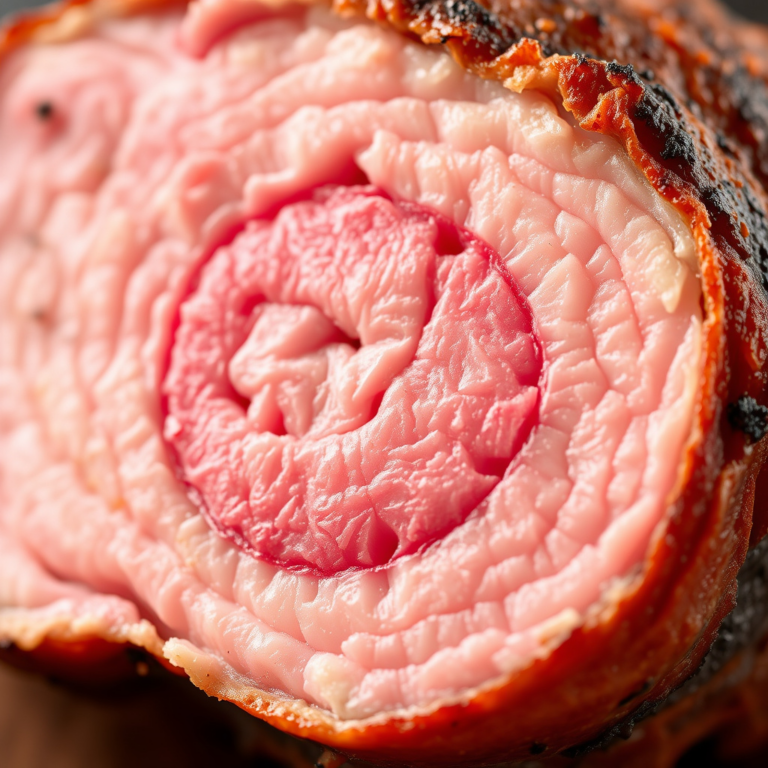
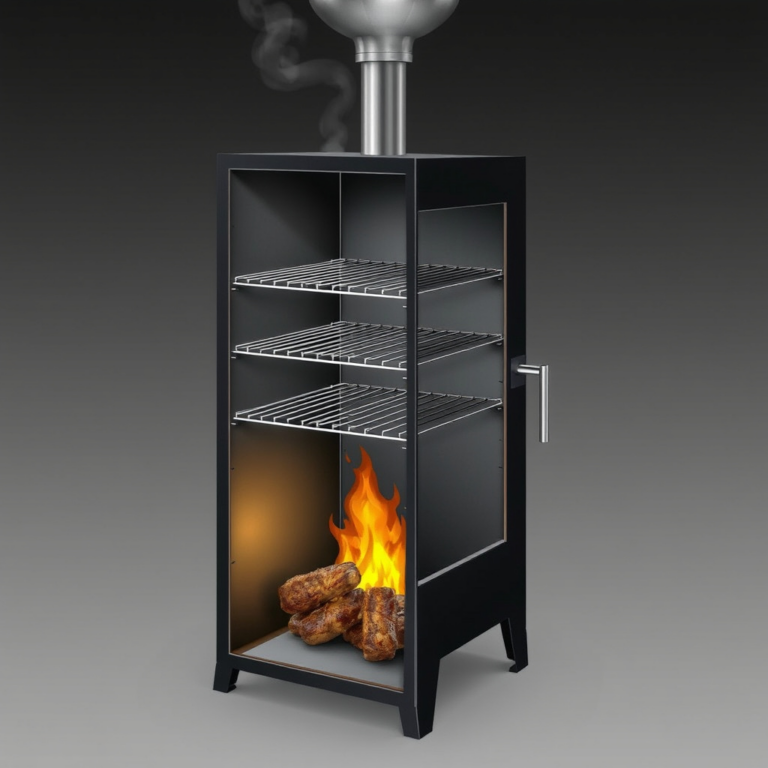
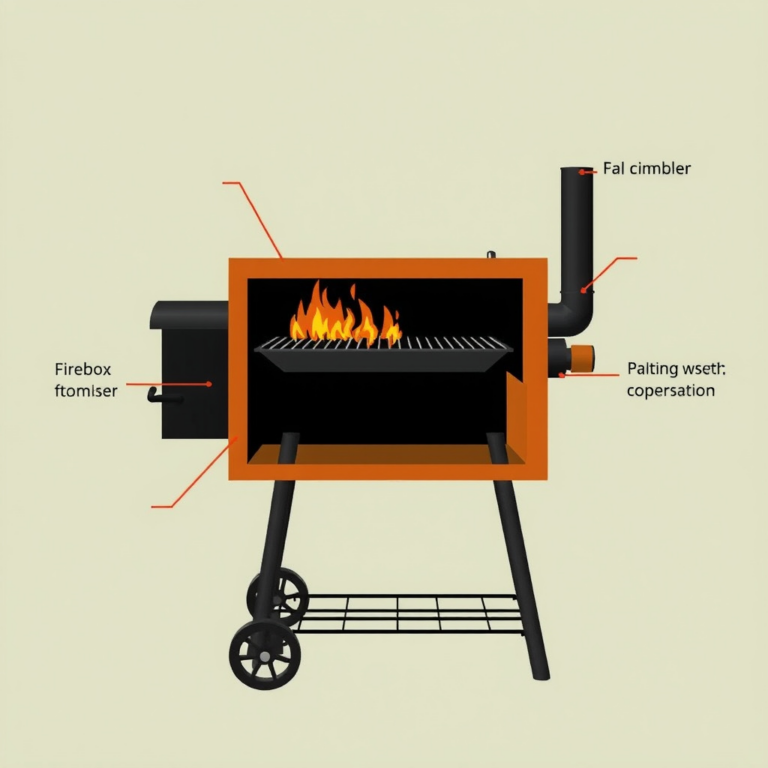
The best wood for smoking depends on the flavor profile you want to achieve, but generally, hardwoods like hickory, oak, and fruitwoods such as apple and cherry are considered top choices. These woods produce steady smoke that enhances the natural taste of meats without overwhelming them. Choosing the right smoking wood can elevate your grilling to professional levels.
Wood type strongly influences the smoky flavor absorbed by the food; hardwoods provide dense, flavorful smoke, while softer woods or resinous woods can impart unpleasant tastes or excessive soot. Understanding which woods pair well with different meats allows you to customize your smoking experience to suit personal preferences and regional traditions.
This article will cover popular hardwood options, their flavor characteristics, how to prepare smoking wood, and tips for pairing wood with various types of proteins. Additionally, it will explore safety concerns and alternatives to guide you in choosing the best wood for smoking your next meal.
Understanding Wood Types for Smoking
Hardwoods vs. Softwoods
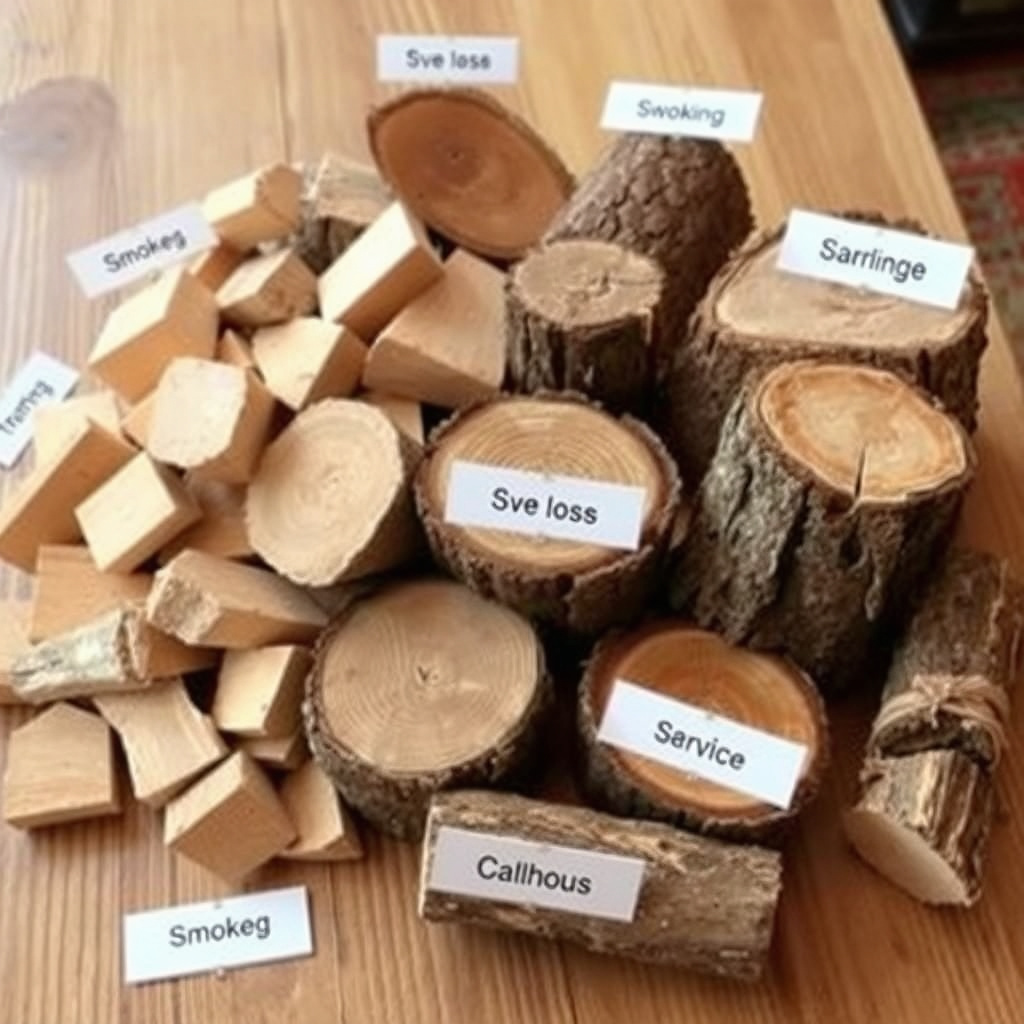
Hardwoods come from deciduous trees and are ideal for smoking due to their dense structure and clean burn, producing flavorful smoke with less resin. Softwoods, derived from conifers, often contain sap that can cause harsh, sooty smoke and are generally avoided for food smoking.
Using hardwoods like oak or hickory ensures a balanced smoke that enhances meat flavors without bitterness. Avoiding softwoods prevents the introduction of unpleasant chemicals and excessive tar that can ruin the taste of your food and create harmful compounds.
Common Hardwood Species Used in Smoking
Popular hardwoods include hickory, oak, mesquite, apple, cherry, pecan, and maple. Each offers distinct flavors: hickory is strong and bacon-like, mesquite is intense and earthy, while fruitwoods like apple or cherry provide mild, sweeter smoke.
The choice of wood can depend on the type of meat and the flavor intensity desired. For instance, fruitwoods complement poultry and pork with their mild sweetness, while oak and mesquite are traditionally favored for beef and game for richer smoky tones.
Flavor Profiles of Popular Smoking Woods
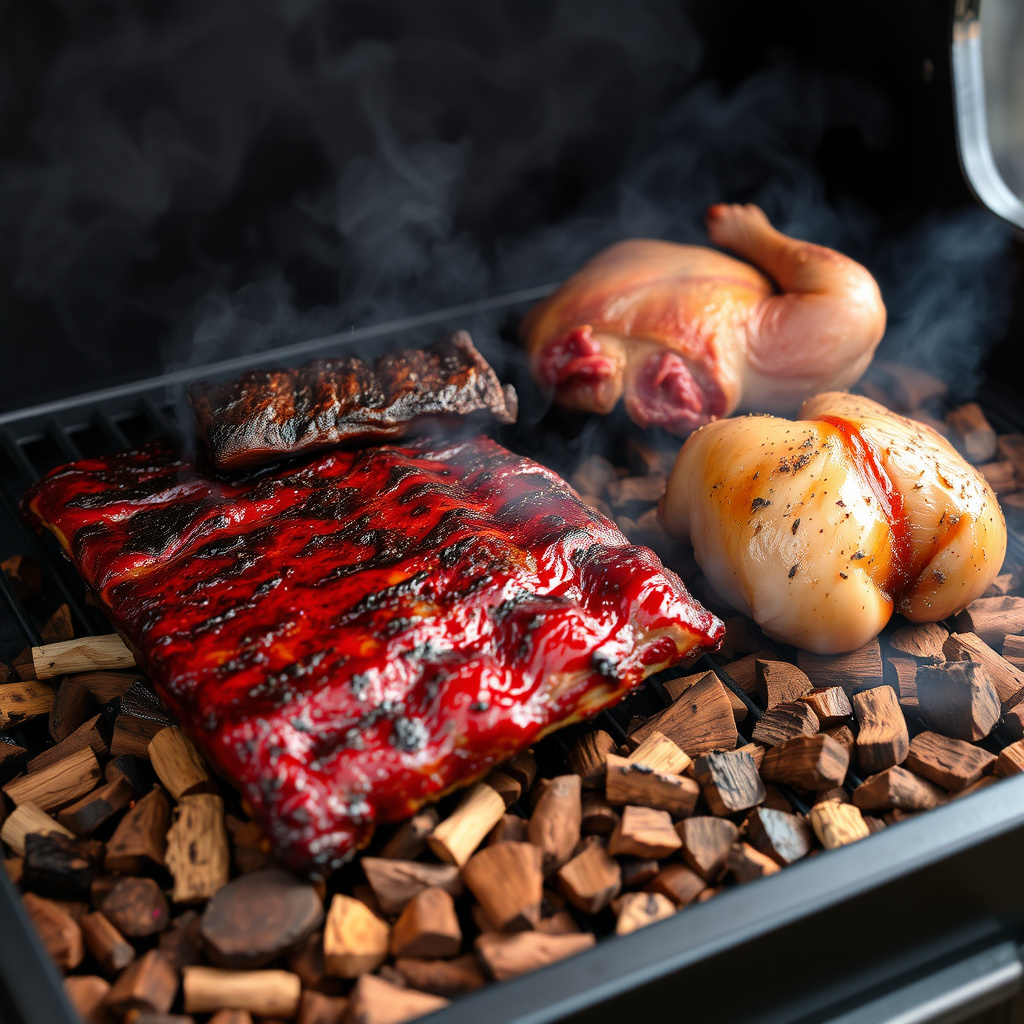
Strong Flavored Woods: Hickory and Mesquite
Hickory is known for its robust, smoky flavor often associated with Southern barbecue. It imparts a slightly sweet and bacon-like aroma, making it excellent for pork shoulders and ribs. Mesquite burns quickly and produces a strong, earthy flavor that is fantastic for bold meats like beef but can overpower delicate proteins.
Both woods should be used sparingly to avoid bitterness; mesquite especially benefits from mixing with milder woods to soften its intense profile. Their intensity makes them a favorite for experienced smokers who desire boldness in their dishes.
- Hickory: Strong, slightly sweet, bacon-like
- Mesquite: Intense, earthy, quick-burning
Mild and Sweet Woods: Apple and Cherry
Apple and cherry woods produce a mild, sweet smoke that works well with poultry, fish, and pork. Applewood provides a subtle fruity sweetness that can enhance delicate flavors without overwhelming them. Cherry wood adds a slightly deeper reddish hue to smoked foods and offers a mild, sweet aroma.
These woods are excellent for longer smoking sessions where a gentle flavor is preferable. They pair well with herbs and marinades, adding complexity without masking natural meat tastes.
- Apple: Mild, fruity, sweet smoke
- Cherry: Mild, sweet with reddish color
Preparing and Using Smoking Wood
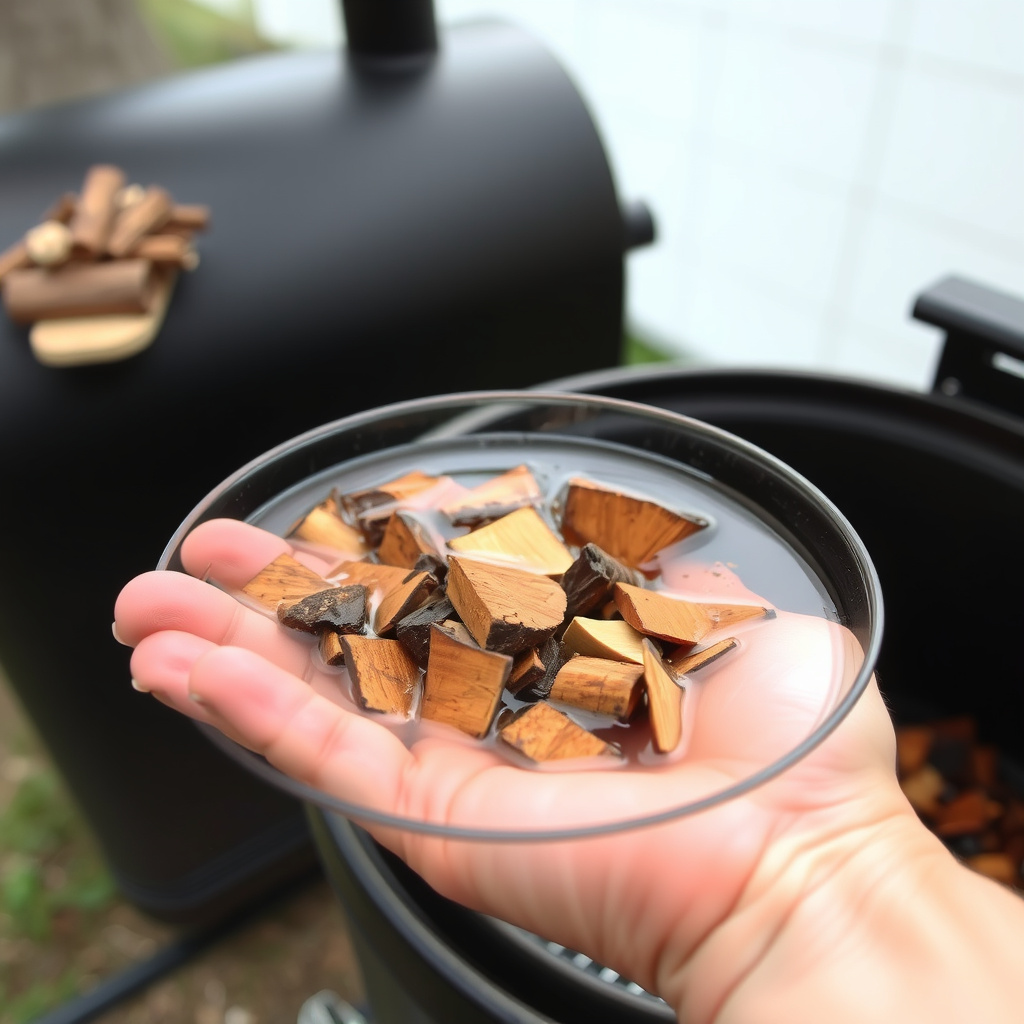
Wood Preparation Techniques
Wood used for smoking is available as chunks, chips, and pellets. Chunks burn longer and produce steady smoke, ideal for low and slow cooking, while chips burn faster for shorter sessions. Soaking chips in water before use can extend burn time and create smoother smoke, although this can reduce smoke temperature.
Dry wood provides hotter fires and more intense smoke, but too dry can cause flare-ups. Many smokers recommend using dry chunks and occasionally adding soaked chips to balance smoke density and heat.
- Chunks: Long burn time
- Chips: Quick smoke
- Pellets: Consistent, automated feed
For more on this, see our related guide: Can You Use Wood in a Charcoal Grill? Tips and Safety Advice.
How Much Wood to Use for Smoking
Excessive wood can create thick, acrid smoke that imparts bitterness. Aim for slow, thin smoke production rather than heavy plumes. Adding small amounts of wood every 30-45 minutes keeps smoke fresh and prevents over-smoking.
The wood quantity also depends on the meat's thickness and smoking time. Larger cuts require a longer smoke duration with intermittent wood additions. Monitoring smoke color—pale blue is ideal, dense white or black signals problems—is a practical way to regulate wood use.
Pairing Smoking Woods with Meats
Best Woods for Beef and Game
Beef and game meats stand up well to stronger wood flavors. Oak is a versatile hardwood with a medium smoky intensity, favored for brisket and venison for its balanced flavor. Mesquite's assertive profile suits short, hot cooks or grill sessions with beef steaks but may overwhelm mild game cuts.
Combining oak with hickory or mesquite can create rich, layered smoke profiles enhancing complex meat flavors. Matching wood strength to meat toughness preserves flavor harmony rather than overpowering.
Woods Complementing Poultry and Fish
Lighter woods like apple, cherry, and pecan are prized for smoking poultry and fish due to their gentle, sweet smoke that enhances but doesn't mask delicate flesh. Pecan adds a nutty undertone ideal for chicken or turkey, while alder is a classic choice for salmon, offering subtle smoky nuances.
Using mild woods prevents overpowering the natural flavors while enabling longer smoking times, ensuring moist, flavorful results without bitterness.
Health and Safety Considerations When Smoking Wood
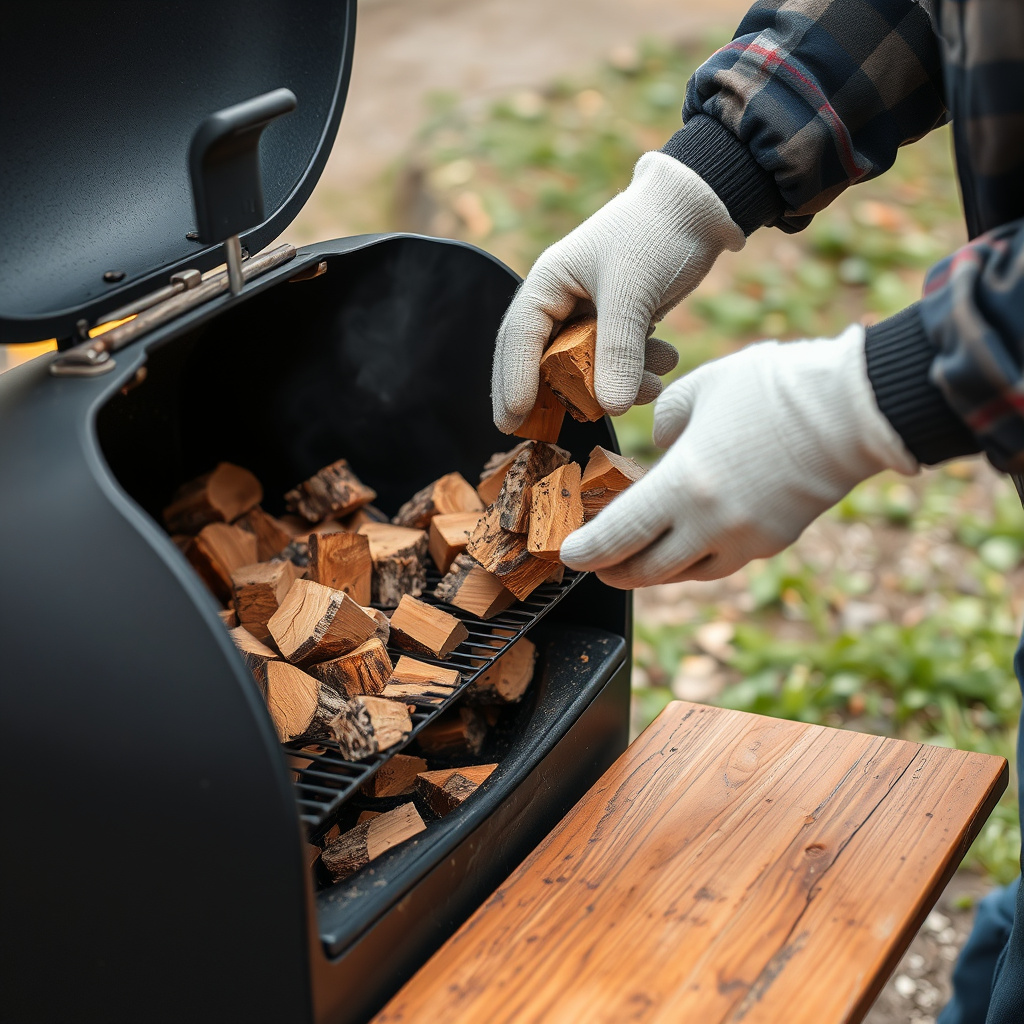
Avoiding Toxic Woods and Contaminants
Certain woods, such as pine, cedar, and other conifers, contain resins and sap that release harmful chemicals when burned, which can contaminate food and pose health risks. Always use untreated, natural hardwoods specifically labeled for cooking to avoid toxins.
Avoid using painted, stained, or chemically treated wood as it can produce dangerous fumes. Ensuring safe wood selection maintains clean smoke and preserves the integrity of your smoked food.
For more on this, see our related guide: How to Use Wood Chips on a Gas Grill for Enhanced Flavor.
Environmental and Fire Safety Tips
Using dry, seasoned wood reduces excessive smoke and creosote buildup, which can cause chimney fires or smoke irritation. Keep smokers and fire pits monitored to prevent flare-ups. Dispose of ashes safely and keep your smoking area clear of flammable materials.
Choosing wood sourced sustainably ensures environmental responsibility. Proper storage prevents mold growth on wood, preserving the quality and safety of your smoking fuel.
Advanced Smoking Wood Techniques
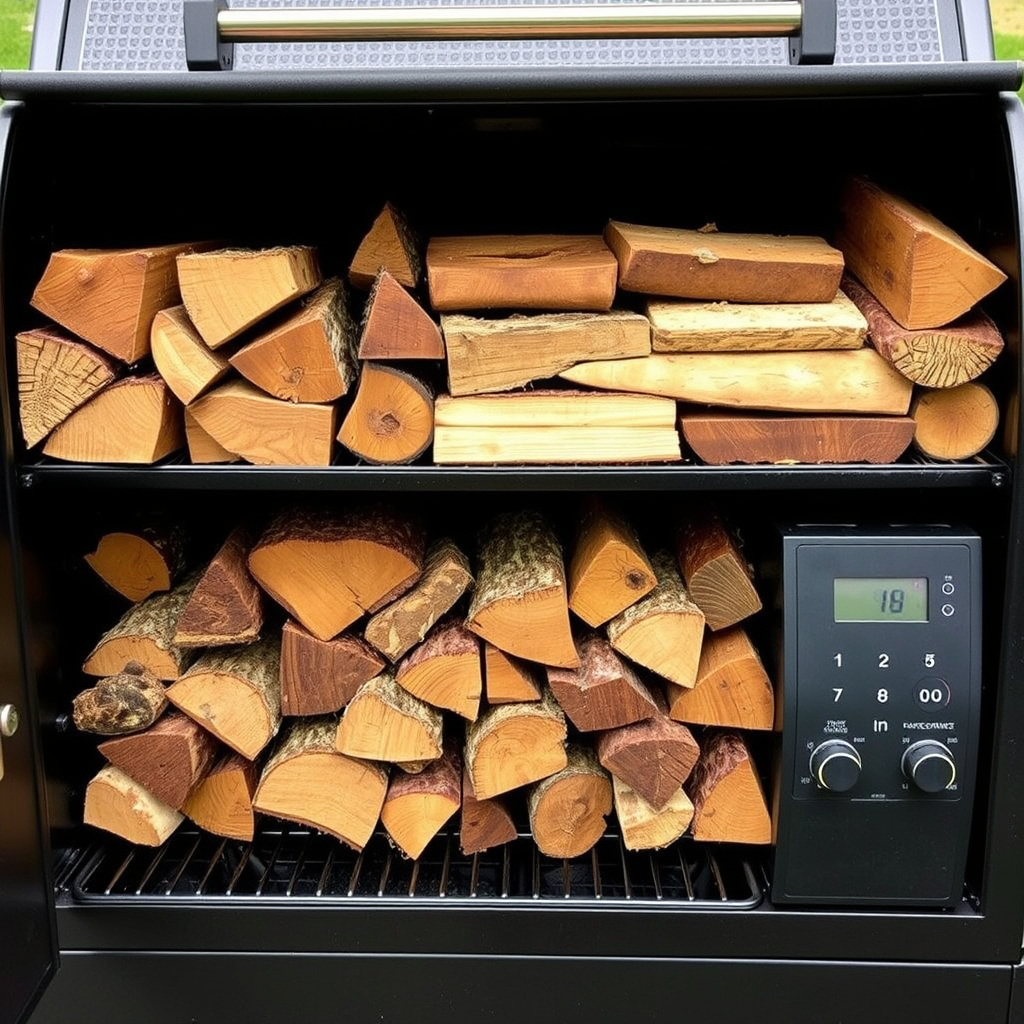
Wood Blending for Customized Flavors
Mixing different woods, such as combining hickory with apple or oak with cherry, offers creative flavor layering to suit personal taste and the specific meat. Experimenting with blends allows fine-tuning aroma strength and sweetness.
Balanced blends keep smoke mellow without losing complexity, ideal for those looking to craft signature smoked dishes that stand out from standard single-wood profiles.
- Combine mild and strong woods
- Adjust ratios for flavor control
For further details on smoking and how different woods affect food flavor, explore this resource on wood smoking techniques. Wood smoking techniques.
Using Pellets and Wood Alternatives
Wood pellets provide consistency for pellet smokers, offering convenience and controlled burn rates. They come in various wood types matching traditional chunks and chips. Compressed sawdust pellets create minimal ash and steady smoke.
Alternatives like wood charcoal briquettes infused with wood flavors or wood-on-coal smoking methods allow for varied smoke intensity while ensuring steady heat for consistent cooking.
- Pellets: uniform smoke and heat
- Charcoal-coal and wood combos
Popular Smoking Wood Types Comparison
This table compares common smoking wood types based on flavor intensity, ideal meat pairings, burn characteristics, and availability.
| Wood Type | Flavor Profile | Best Meat Pairings | Burn Duration | Availability |
|---|---|---|---|---|
| Hickory | Strong, smoky, bacon-like | Pork, Beef, Ribs | Long | Widely Available |
| Mesquite | Intense, earthy, quick-burning | Beef, Game | Short | Common in South TX & Southwest US |
| Apple | Mild, sweet, fruity | Poultry, Fish, Pork | Medium | Seasonal but common |
| Cherry | Mild, sweet, reddish hue | Poultry, Pork | Medium | Widely Available |
| Oak | Medium smoky, versatile | Beef, Game, Pork | Long | Widely Available |
| Pecan | Mild, nutty | Poultry, Pork | Medium | Regional US Availability |
Frequently Asked Questions
Is mesquite wood good for smoking all types of meat?
Mesquite offers a strong, earthy flavor best suited for beef and game meats. It can overpower delicate meats like fish or poultry if used alone but can be blended with milder woods for balanced flavors.
Can I use softwoods like pine for smoking?
Softwoods such as pine generally should be avoided because they contain resins that produce harsh smoke and harmful chemicals, negatively affecting flavor and safety.
Does soaking wood chips in water improve smoking?
Soaking wood chips can extend their burn time and create smoother smoke, but it may lower temperature and reduce smoke intensity. Many experienced smokers prefer dry wood for hotter, cleaner smoke.
Which wood is best for smoking fish?
Alder, apple, and cherry woods are popular for smoking fish because they offer a delicate, slightly sweet smoke that complements the mild flavor of fish without overpowering it.
How do I store wood for smoking to keep it fresh?
Store wood in a dry, ventilated area off the ground to prevent moisture and mold. Properly seasoned wood burns cleaner and produces better smoke for grilling.
Key Takeaways
- Hardwoods like hickory, oak, apple, and cherry are ideal for smoking due to clean, flavorful smoke.
- Strong woods like hickory and mesquite pair well with beef and game; milder woods suit poultry and fish.
- Avoid softwoods and treated wood to prevent harmful chemicals and bad flavors.
- Proper preparation and moderation of wood use help maintain balanced smoke and cooking temperatures.
Conclusion
Choosing the best wood for smoking involves matching wood characteristics to the desired flavor intensity and meat type. Evaluating hardwood options such as hickory, oak, apple, and cherry allows you to tailor smoke profiles from bold to mild. Understanding burn durations, preparation methods, and safety helps make informed decisions to enhance your barbecue results.
For robust smoked flavors, hickory and mesquite lead in strength and are suited for thicker, richer meats like beef and game. If you prefer a sweeter, gentler smoke, fruitwoods like apple and cherry offer nuanced aromas great for poultry and fish. Oak remains a versatile all-around favorite that blends well with other woods, combining steady combustion with balanced taste.
Begin by selecting quality seasoned wood, avoid softwoods, and consider wood blends for custom flavors. Experiment with chunks or chips depending on your smoker style, and apply moderate amounts to maintain clean smoke. With these tips and understanding of the best wood for smoking, you can create mouthwatering meals that impress every time.