The stall in smoking meat occurs when the internal temperature of the meat plateaus and stops rising for several hours during low and slow cooking. This happens because the meat’s surface moisture evaporates, cooling the meat and balancing the heat input, causing the temperature to pause before slowly continuing upward.
This phenomenon is significant because it can delay cooking times and confuse home cooks who expect steady temperature increases. Understanding the stall helps pitmasters plan their cook more effectively and avoid under- or overcooking the meat.
In this article, we’ll explore why the stall happens, how to recognize it, techniques to manage or bypass it, and factors influencing its duration. By mastering the stall, you can improve your smoking meat results and consistency.
Why Does the Stall Occur During Smoking Meat?
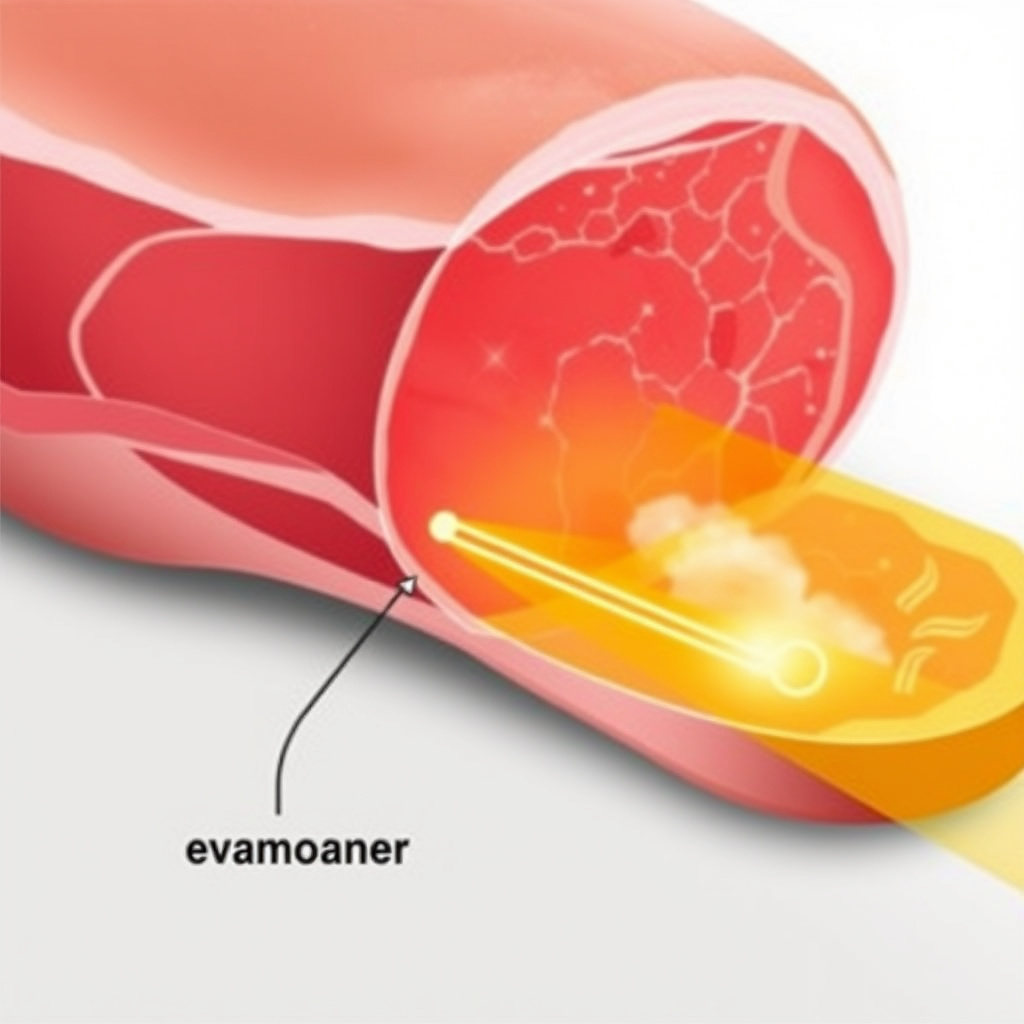
Evaporative Cooling and Moisture Loss
The key cause of the stall is evaporative cooling from the meat’s surface. As the meat heats, its moisture begins to evaporate, which absorbs heat and cools the surface, similar to sweat cooling human skin.
This process creates a balance where the heat input matches the heat loss from evaporation, causing the internal temperature rise to pause. This is why the stall often appears around 150-170°F, when moisture evaporation is most vigorous.
Breakdown of Collagen and Fat Rendering
During the stall, the meat is also converting tough collagen into gelatin and melting fat. These chemical changes require heat energy, which slows temperature increase as the heat is used up in these transformations.
This biochemical activity contributes to the stall duration, making it a vital part of achieving tender, juicy smoked meat.
How to Identify and Monitor the Stall
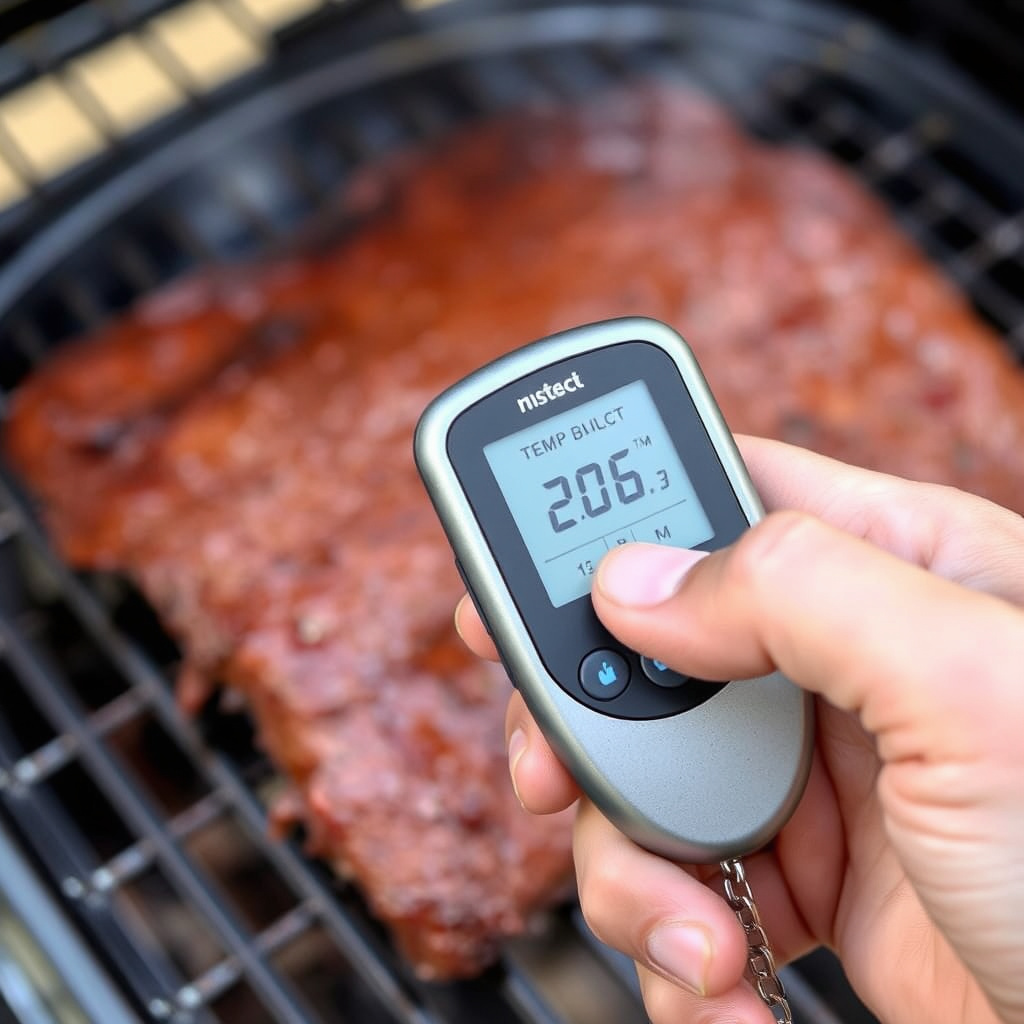
Reading Temperature Patterns
On a temperature graph, the stall shows as a long flat section where the internal meat temperature holds steady despite continuous heat. This typically lasts from one to four hours depending on factors like meat size and smoker conditions.
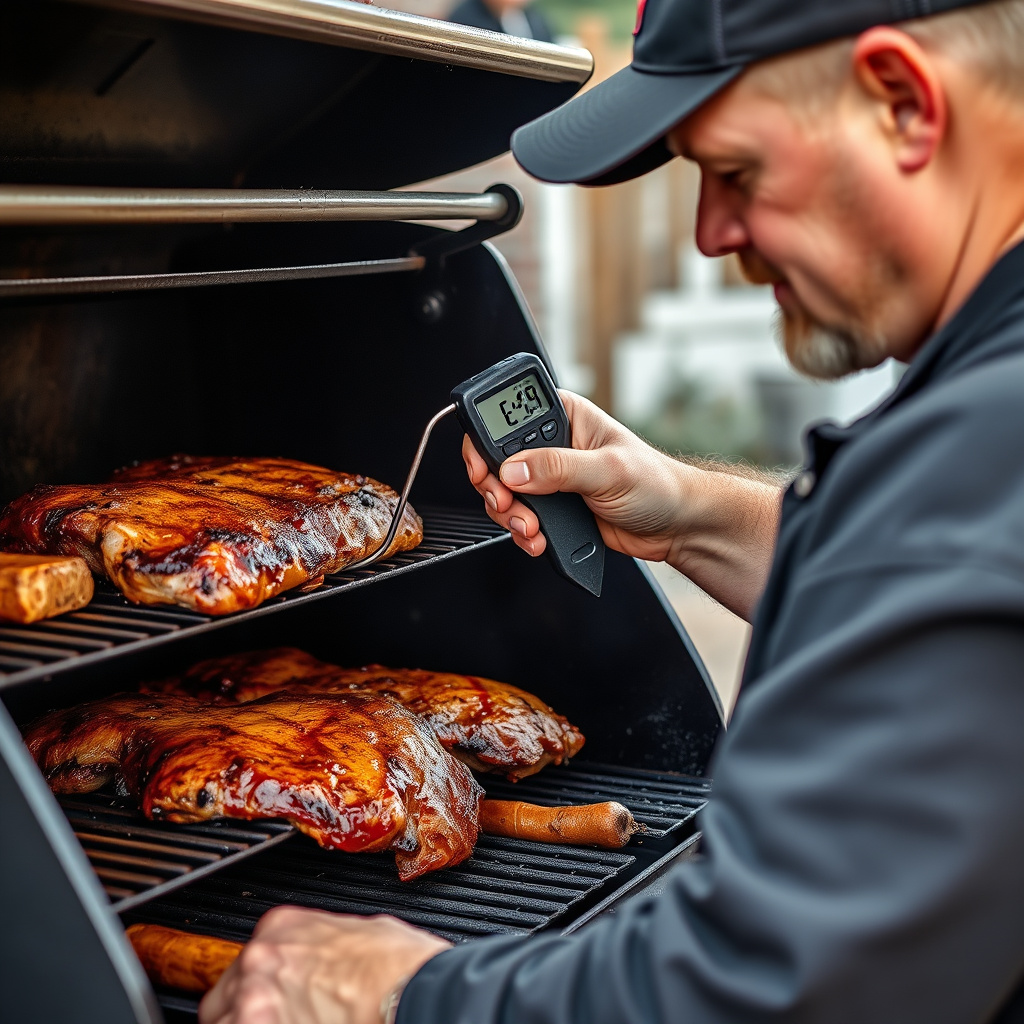
Using a reliable meat thermometer or wireless probe is essential to detect the stall accurately and understand when your meat has moved past this phase.
For more on this, see our related guide: How to Build a Brick BBQ Grill: Step-by-Step Construction Guide.
Common Stall Temperature Ranges
For brisket or pork shoulder, the stall usually occurs around 150-170°F. Some cuts may stall lower or higher based on muscle type and moisture content.
Knowing these ranges can help anticipate the stall and adjust cooking strategies accordingly.
Techniques to Manage or Shorten the Stall in Smoking Meat
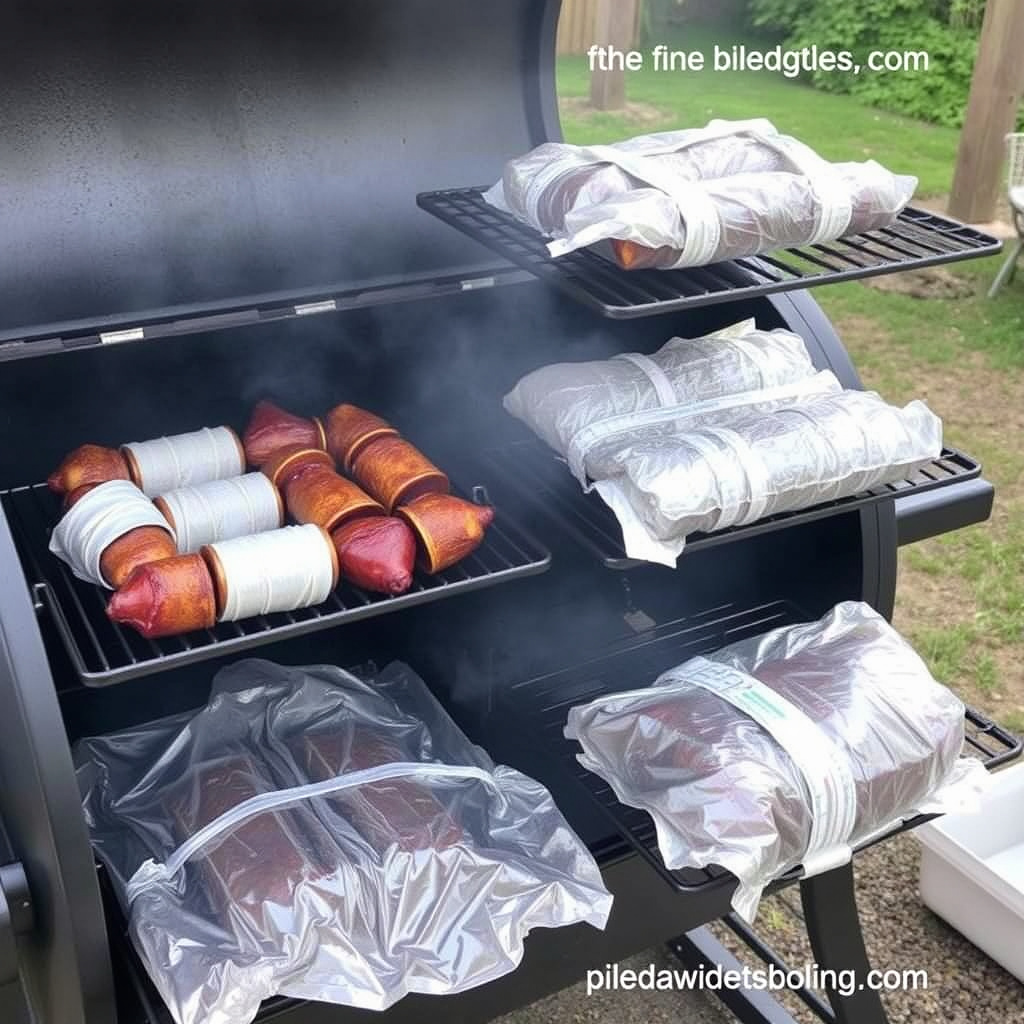
The Texas Crutch: Wrapping Meat
A popular method to bypass the stall is using the 'Texas Crutch,' where the meat is wrapped tightly in foil or butcher paper once the stall begins. This traps moisture close to the meat and reduces evaporative cooling.
Wrapping accelerates the temperature rise, shortening the stall time while still allowing the meat to become tender and juicy.
- Use foil for faster cooking and softer bark
- Use butcher paper for a more bark-friendly finish
- Wrap tightly to trap steam effectively
Adjusting Smoker Temperature and Ventilation
Raising smoker temperature slightly can push through the stall quicker but risks uneven cooking or drying the meat if not managed carefully.
Another approach is controlling airflow and humidity inside the smoker to influence evaporation rates and heat transfer, balancing stall duration and bark development.
- Increase temperature by 10-15°F cautiously
- Add water pans for higher humidity
- Adjust vents for optimal smoke and airflow
Factors Affecting the Stall Duration
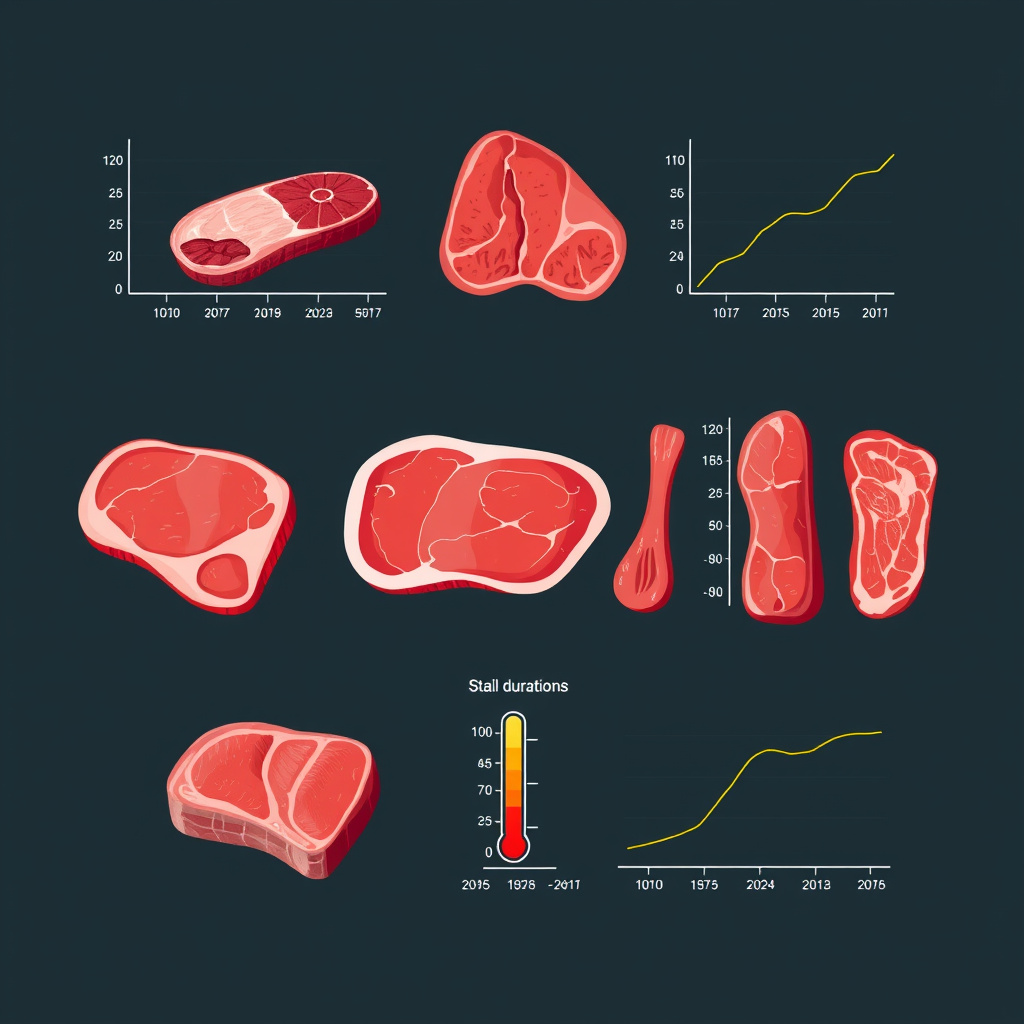
Meat Cut Size and Composition
Larger cuts with higher fat and collagen content tend to stall longer due to greater moisture to evaporate and more chemical changes occurring.
Lean cuts with less connective tissue can have shorter or less pronounced stalls.
Environmental Conditions and Smoker Setup
Ambient temperature, humidity, wind, and smoker insulation all influence how quickly moisture evaporates and how much heat the meat absorbs.
Well-regulated smokers with consistent heat and humidity help achieve more predictable stall behavior.
Why Understanding the Stall Improves Your Smoking Meat Results
Better Time Management for Smoking Sessions
Knowing about the stall helps you plan realistic cooking times and avoid opening the smoker repeatedly to check, preventing heat loss.
Patience during the stall leads to more tender, flavorful meat without rushing or stressing the cooking process.
For a detailed scientific explanation of meat cooking processes including the stall, the Wikipedia article on Meat Cooking provides valuable insights. Wikipedia article on Meat Cooking.
Achieving Ideal Texture and Flavor
Allowing the stall to complete naturally results in proper collagen breakdown and moisture retention, key to juicy and melt-in-your-mouth smoked meat.
Using techniques to manage the stall also lets you control the bark formation and smoke penetration for delicious final results.
Smoking Meat Stall Management Methods Comparison
Here's how various methods to handle the stall compare on factors like time savings and impact on meat quality.
| Method | Time Efficiency | Impact on Bark | Ease of Use | Effect on Flavor |
|---|---|---|---|---|
| No Action (Natural Stall) | Slowest (stall 2-4 hrs) | Thickest bark | Requires patience | Full flavor |
| Texas Crutch (Foil Wrapping) | Fastest (stall greatly reduced) | Softer bark | Easy | Slight bark flavor reduction |
| Butcher Paper Wrapping | Moderate speed | Moderate bark softness | Moderate | Preserves bark better than foil |
| Increasing Smoker Temp | Faster stall end | Risk of burnt bark | Moderate | Potential smoky flavor loss |
| Humidity Control | Moderate stall reduction | Preserves bark | Complex setup | Increased smoke flavor |
Frequently Asked Questions
How long does the stall in smoking meat typically last?
The stall usually lasts between one and four hours, depending on the cut size, fat content, and smoker conditions.
Does the stall affect the tenderness of smoked meat?
Yes, the stall corresponds with collagen breakdown and fat rendering, which contributes to tender, juicy meat.
Can the stall be completely avoided?
You cannot completely avoid the stall naturally, but wrapping the meat or adjusting smoker settings can significantly shorten it.
Should I open my smoker during the stall to check the meat?
Opening the smoker frequently can extend cooking time by dropping the temperature; it's best to use a reliable thermometer and avoid unnecessary checks.
Does the stall happen with all types of smoked meat?
While common with large, fatty cuts like brisket and pork shoulder, leaner cuts might experience a shorter or less noticeable stall.
Key Takeaways
- The stall is a temperature plateau caused by evaporative cooling and collagen breakdown.
- It typically occurs around 150-170°F and can last several hours.
- Techniques like wrapping meat or adjusting smoker temperature help manage stall duration.
- Understanding the stall improves cooking predictability and meat tenderness.
Conclusion
When smoking meat, especially larger cuts like brisket or pork shoulder, anticipating the stall is a central part of planning your cook. The stall represents a physical and chemical balance that is essential for flavor and tenderness development. While it can slow cooking progress, its presence signals important transformations happening inside the meat. Approaching the stall with knowledge helps you avoid frustration by setting realistic expectations about time and temperature changes during smoking.
If you want to speed through or mitigate the stall, wrapped cooking methods such as the Texas Crutch with aluminum foil or butcher paper are practical choices that most pitmasters use. These methods significantly shorten stall time while maintaining juicy results and a desirable bark. On the other hand, controlling smoker temperature and humidity can be effective but requires more experience and equipment. Choosing which method depends on your smoking style, meat cut, and taste preferences.
Ultimately, getting comfortable with the stall will make you a better pitmaster. Start with a reliable thermometer to track internal temps accurately and avoid opening the smoker unnecessarily. Try out wrapping techniques on select cooks to compare results. Build your experience to judge when to let nature take its course versus when to intervene. This approach leads to perfectly smoked meat with rich flavor and tender texture every time.