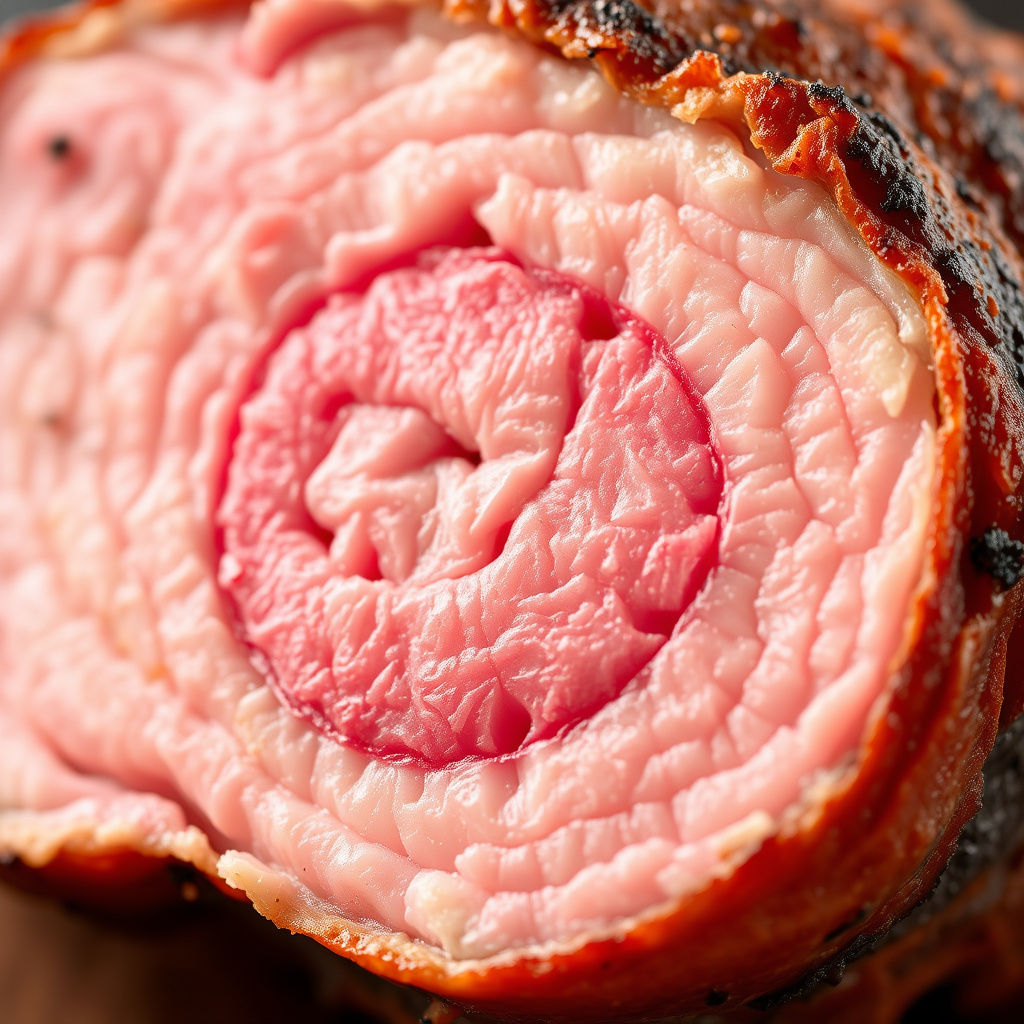
A smoke ring is the pinkish layer just beneath the surface of smoked meats, especially visible in barbecue. It forms during the smoking process when nitric oxide from the smoke bonds with the meat’s myoglobin, preventing it from turning brown as it cooks.
This pink ring is often seen as a sign of well-smoked meat and can indicate authentic low-and-slow smoking techniques. Many barbecue enthusiasts seek to achieve this effect because it adds flavor, visual appeal, and a traditional touch to smoked foods.
In this article, we will explain the formation of the smoke ring, explore the factors that influence it, compare different meats and smoking methods, and share practical tips to maximize your chances of getting a vibrant smoke ring on your next barbecue.
The Science Behind the Smoke Ring
What Causes the Smoke Ring?
The smoke ring develops due to a chemical reaction between nitrogen dioxide in wood smoke and the myoglobin protein in meat. Nitrogen dioxide dissolves in the meat’s moisture and forms nitric oxide, which binds with myoglobin to stabilize its pink color even at high temperatures.
This reaction delays the usual browning that occurs during cooking. The result is a persistent pink layer beneath the surface that is prized by pitmasters. Without this reaction, meat simply turns brown without the distinct coloration.
Role of Myoglobin and Heat
Myoglobin is the oxygen-carrying pigment responsible for red and pink colors in meat. Its reaction with nitric oxide preserves the pink hue despite heat exposure. The intensity of the heat and smoke exposure time influence how well the smoke ring forms.
Higher temperatures can eventually break down myoglobin, so maintaining a low and steady temperature in the smoker preserves the ring. Additionally, faster cooking can result in a less pronounced smoke ring since the reaction has less time to develop.
How to Achieve a Smoke Ring in Barbecue
Choosing the Right Wood and Smoke Conditions
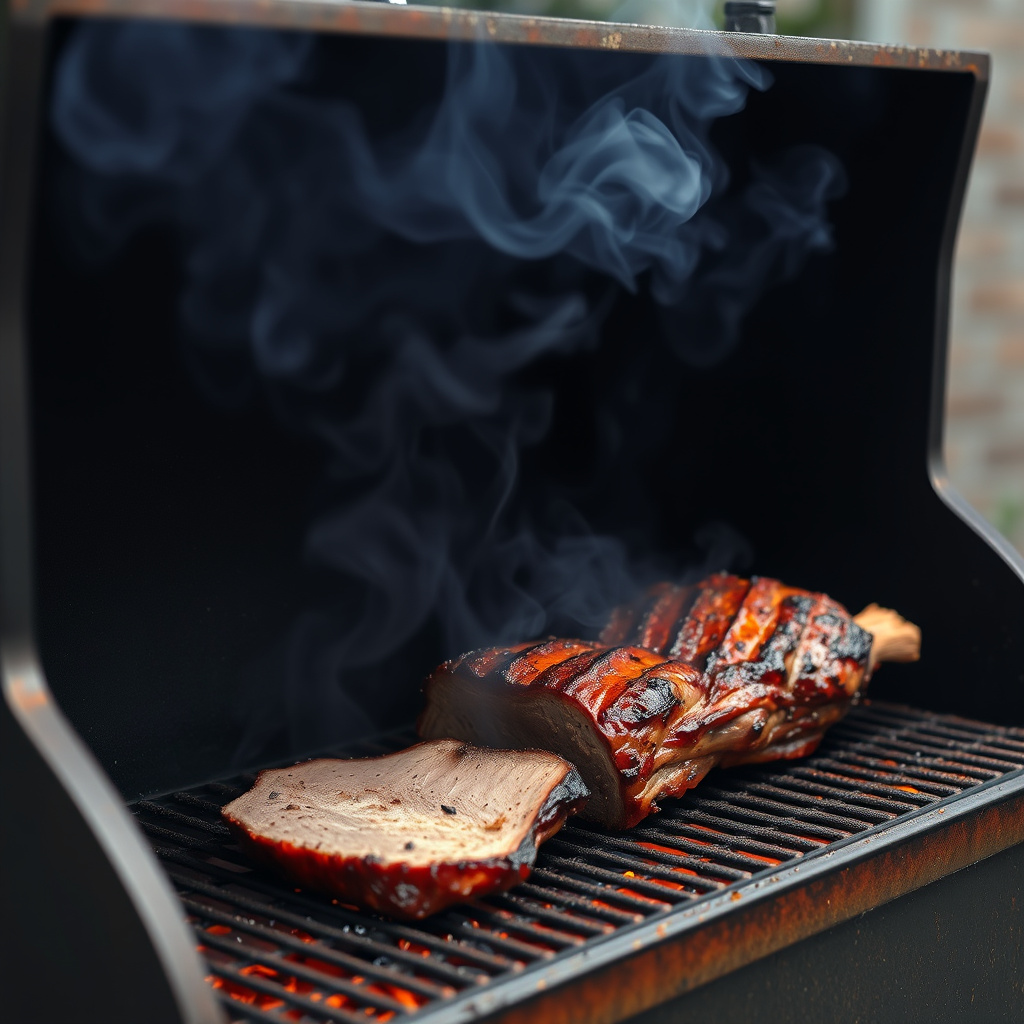
Wood types like oak, hickory, and fruitwoods produce different amounts of nitrogen dioxide, influencing smoke ring formation. Hardwood with proper combustion helps generate consistent smoke rich in gases needed for the smoke ring reaction.
Controlling airflow and maintaining a steady, moderate smoke output prevents incomplete combustion, which can produce harsh or ineffective smoke. The smoke needs to be thin and clean rather than thick and sooty for the best smoke ring results.
- Use dry, seasoned hardwoods
- Avoid excessive smoke buildup
- Maintain good airflow
For more on this, see our related guide: How to Smoke Meat on a Charcoal Grill: A Step-by-Step Guide.
Temperature and Timing Strategies
Keeping smoker temperatures between 225°F and 275°F allows the smoke ring reaction to develop fully without overheating the meat. Prolonged exposure to smoke at these temperatures maximizes nitric oxide absorption.
Starting with a cold or room temperature piece of meat helps the smoke gases penetrate deeper before the meat heats up and myoglobin begins to denature. Wrapping meat too early may also prevent smoke penetration, limiting the smoke ring.
- Slow cook low and steady
- Avoid wrapping too soon
- Start with cool meat
Common Misconceptions About the Smoke Ring
Is the Smoke Ring an Indication of Flavor?
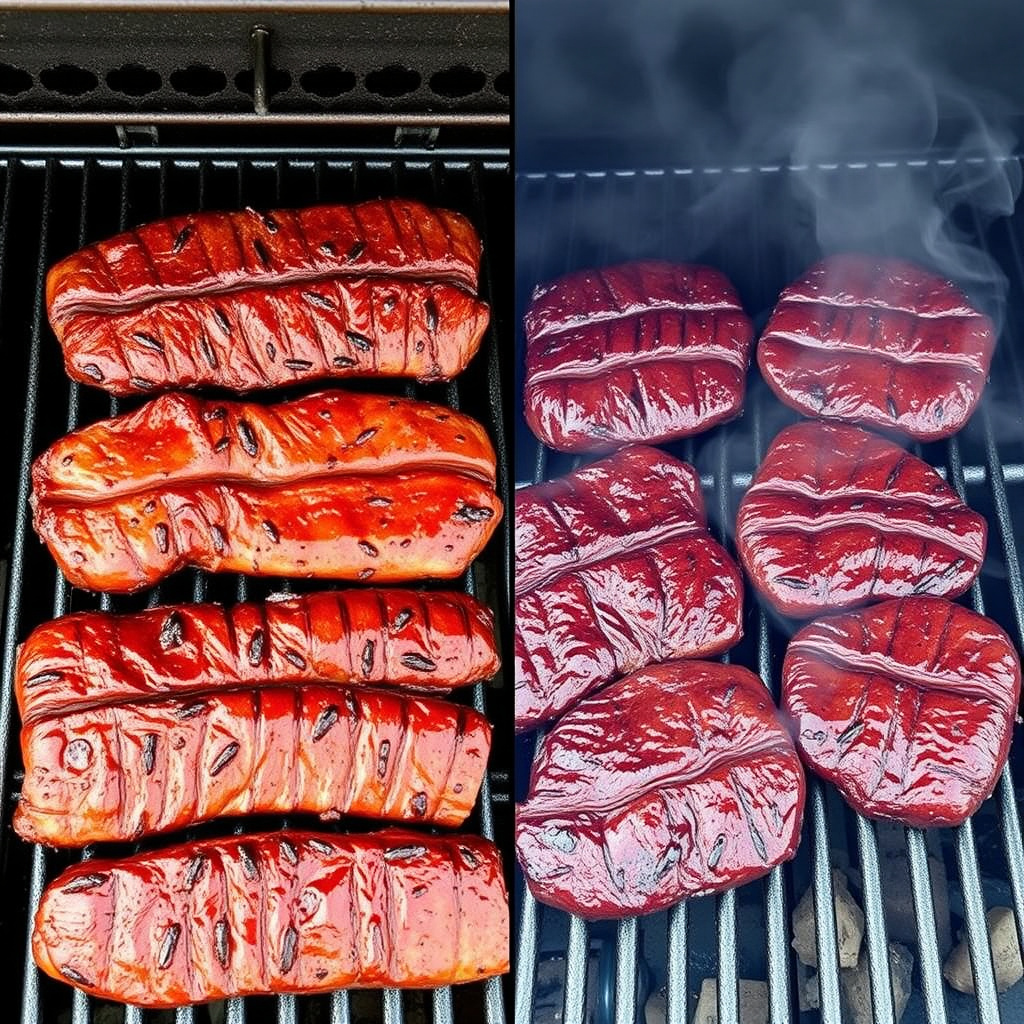
While the smoke ring is visually appealing and often associated with expert barbecue, its color alone does not guarantee superior flavor. Flavor depends more on the type of wood smoke, cooking technique, and seasoning rather than just the smoke ring.
Some methods produce excellent smoky taste without a strong smoke ring. Likewise, a pronounced smoke ring doesn't necessarily mean the meat is juicy or tender, so it should be viewed as one aspect of smoking rather than a definitive quality marker.
Can Smoke Rings Be Artificially Created?
Certain curing agents like sodium nitrate or curing salts can create a smoke ring effect without actual smoking by chemically reacting with myoglobin. This is common in commercial processed meats but differs from natural smoke ring development.
In barbecue, using injected cures or additives can simulate or enhance smoke ring appearance, but purists typically seek the authentic formation through smoke exposure to capture true flavor profiles alongside the pink ring.
Smoke Ring Formation Across Different Meats

Beef Cuts and Smoke Ring Characteristics
Beef brisket and ribs frequently develop strong smoke rings because of their higher myoglobin content and structure, which allows for better smoke penetration. The thick muscle fibers and fat content can also influence how smoke gases interact with the meat.
Tougher beef cuts benefit from long, slow smoking, helping the smoke ring form deeply and evenly, while also tenderizing the meat through collagen breakdown.
For more on this, see our related guide: How to Smoke Meat on a Gas Grill: A Step-by-Step Guide.
Pork and Poultry Variations
Pork shoulder and ribs can show prominent smoke rings, but the effect may be subtler in lean cuts like pork loin or poultry, due to lower myoglobin levels. Poultry’s thinner texture and lower pigment often result in a less visible smoke ring.
Adjusting smoke duration and temperature for these meats is key to enhancing the smoke ring, with longer exposure and lower heat aiding the reaction even in lighter meats.
Tips to Maintain the Smoke Ring During Cooking
Avoiding Factors That Destroy the Smoke Ring
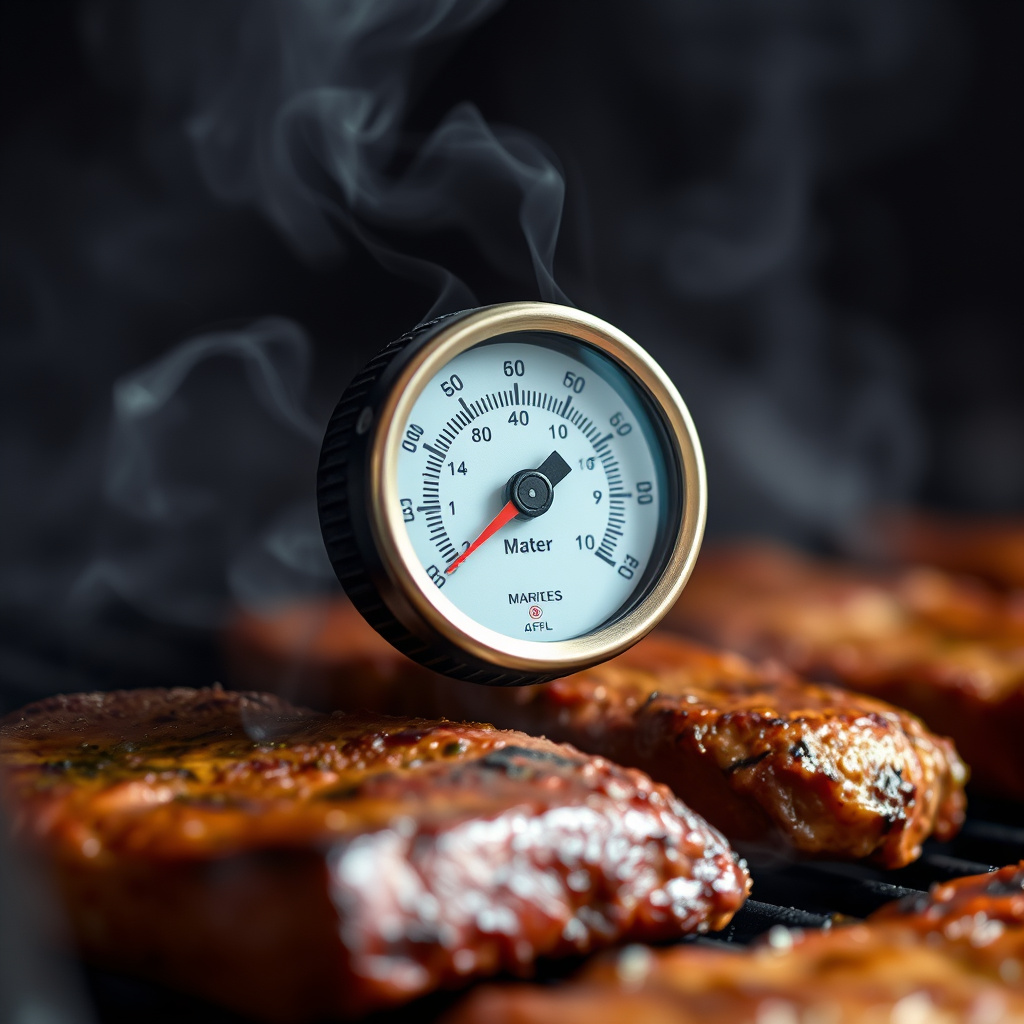
High heat can degrade the nitric oxide-myoglobin bond that creates the smoke ring, so avoid cooking at temperatures above 300°F. Wrapping meat too early traps steam, which can discolor or diminish the ring's visibility.
Resting the meat after smoking without heavy foil wrapping also helps preserve the smoke ring’s color, as excessive moisture can fade the pink layer.
- Control cooking temperature
- Delay wrapping when possible
- Rest meat uncovered briefly
For an in-depth scientific explanation about smoking meat and related processes, the smoking meat Wikipedia article is a valuable resource. smoking meat Wikipedia article.
Enhancing Smoke Penetration Techniques
Using a dry rub or lightly salting the meat before smoking can draw moisture to the surface, helping smoke gases interact fully with the myoglobin. Spritzing with water or apple cider vinegar during cooking can refresh the surface and promote smoke absorption.
Positioning meat closer to the smoke source also increases exposure, but keep it within proper temperature zones to avoid overheating.
- Use dry rubs to draw out moisture
- Spritz periodically during smoke
- Manage meat placement in smoker
Smoke Ring Formation by Meat Type
This table compares how different meats develop and display the smoke ring based on pigment content and typical smoking conditions.
| Meat Type | Myoglobin Content | Typical Smoke Ring Visibility | Recommended Smoking Temp (°F) |
|---|---|---|---|
| Beef Brisket | High | Strong, vivid | 225-275 |
| Pork Shoulder | Medium | Moderate, visible | 225-275 |
| Chicken Breast | Low | Faint or absent | 200-250 |
| Pork Loin | Low | Subtle or faint | 225-250 |
| Beef Ribs | High | Strong, vivid | 225-275 |
Frequently Asked Questions
Does the smoke ring affect the taste of smoked meat?
The smoke ring itself doesn't directly impact flavor; instead, flavor comes from the type of smoke and overall cooking method. The smoke ring is mainly a visual indicator of smoke exposure.
How long does it take for a smoke ring to form?
Typically, the smoke ring begins to develop within the first hour of smoking at low temperatures, continuing to deepen with prolonged exposure.
Can I get a smoke ring without using wood smoke?
No, the smoke ring forms from nitric oxide in wood smoke reacting with the meat. Artificial heating or gas grills without wood smoke won’t produce a true smoke ring.
Is the smoke ring safe to eat?
Yes, the smoke ring is completely safe to eat. It is simply a chemical reaction in the meat and does not indicate undercooking.
Why don’t some smoked meats have a smoke ring?
Factors like high cooking temperatures, insufficient smoke exposure, or lean meats with low myoglobin can prevent a smoke ring from forming.
Key Takeaways
- The smoke ring forms from a chemical reaction between smoke gases and meat proteins.
- Low-and-slow cooking with clean hardwood smoke promotes the best smoke ring appearance.
- Smoke ring color doesn’t guarantee flavor quality but reflects authentic smoking techniques.
- Different meats vary in smoke ring formation based on myoglobin content and texture.
Conclusion
Understanding what a smoke ring is and how it forms helps barbecue enthusiasts evaluate their smoking techniques beyond just flavor. The pink ring is a result of nitric oxide interacting with myoglobin at low temperatures and shows evidence of authentic smoke exposure. To achieve it, focus on controlling your smoker’s heat and smoke output, using seasoned hardwoods, and giving the meat time to absorb smoke before the meat heats too much. By appreciating the smoke ring as one part of the smoking process, you make more informed decisions about your barbecue method and presentation.
If your goal is to create a distinct smoke ring, aim for consistent cooking temperatures between 225°F and 275°F while using woods like oak or hickory that release sufficient nitrogen dioxide. Beef brisket and ribs are the most receptive meats due to their high myoglobin content. Pork shoulders also develop a good smoke ring, while poultry often shows a much subtler effect. Avoid rushing your cook or wrapping meat too soon, as these can weaken the smoke ring’s formation. Tailoring your approach to the meat type helps you balance flavor, moisture, and the desired pink layer.
Practice is key, so start by smoking familiar cuts using the guidelines here and observe how variations in timing, wood choice, and temperature influence your smoke ring and overall results. Over time, you will recognize the conditions that produce the ideal ring along with complementary flavor and texture. If you want to dive deeper into the science and art of smoking, resources like the Wikipedia page on smoking meat offer detailed insights and expanded context.