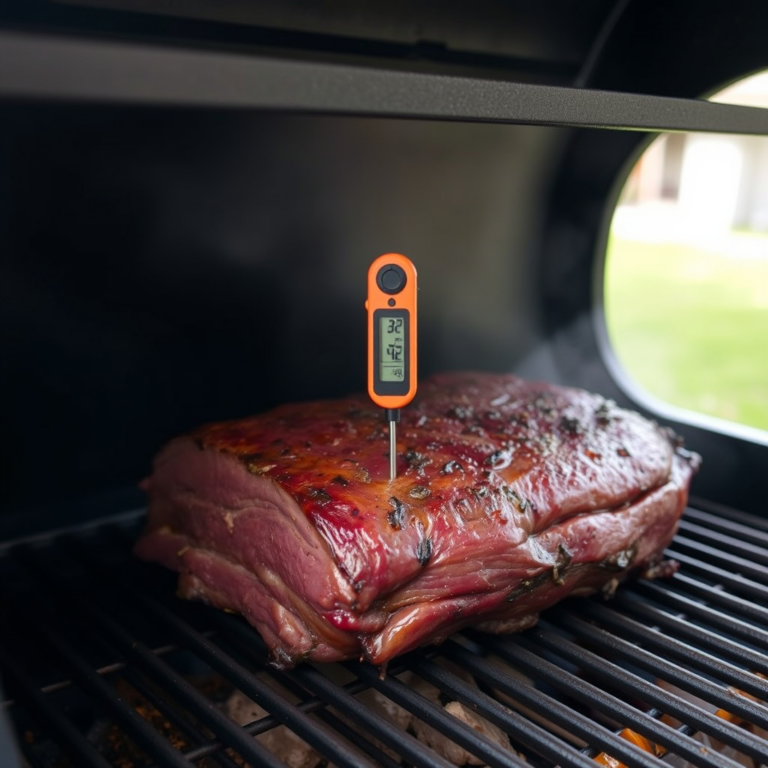
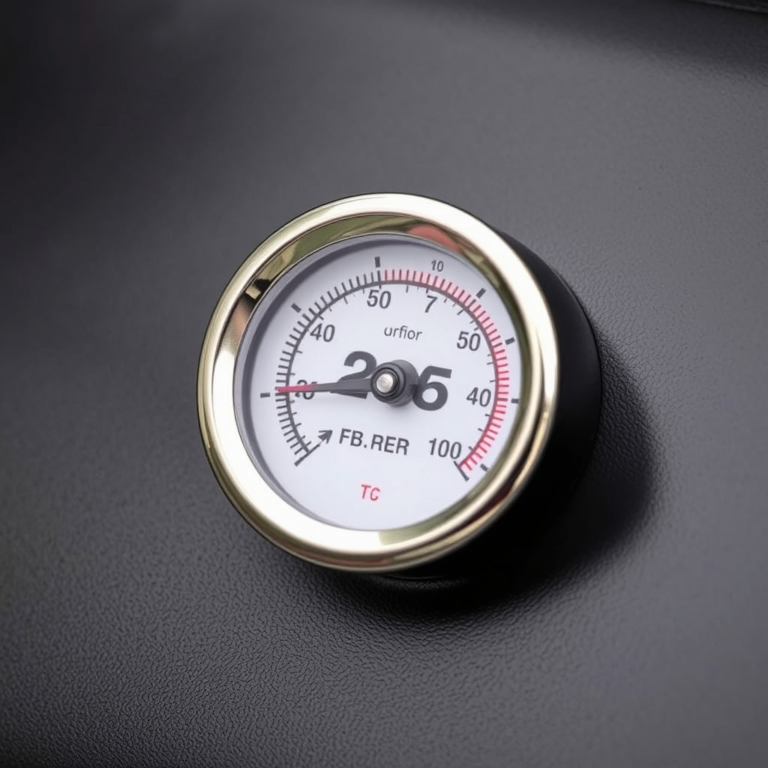
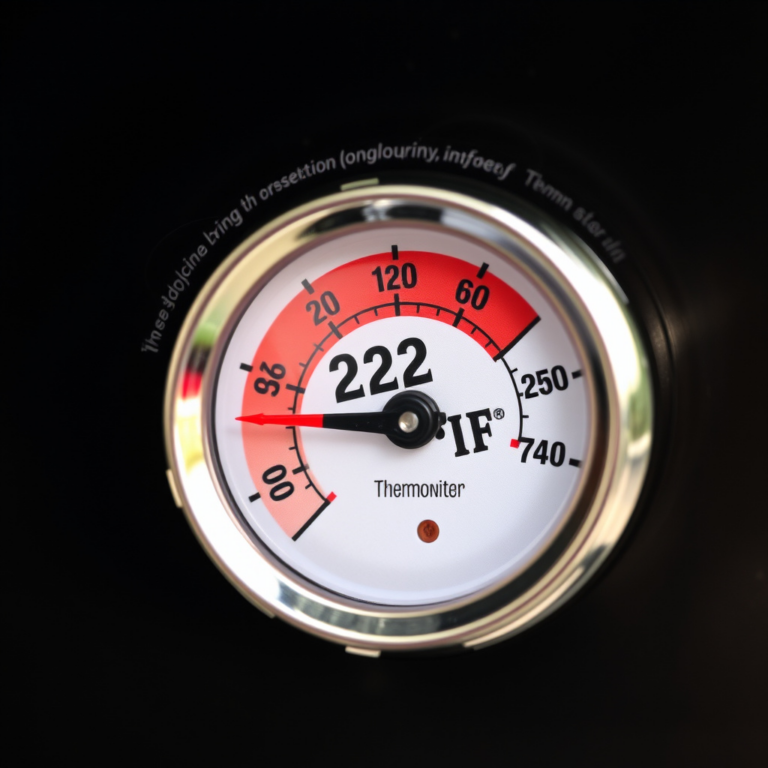
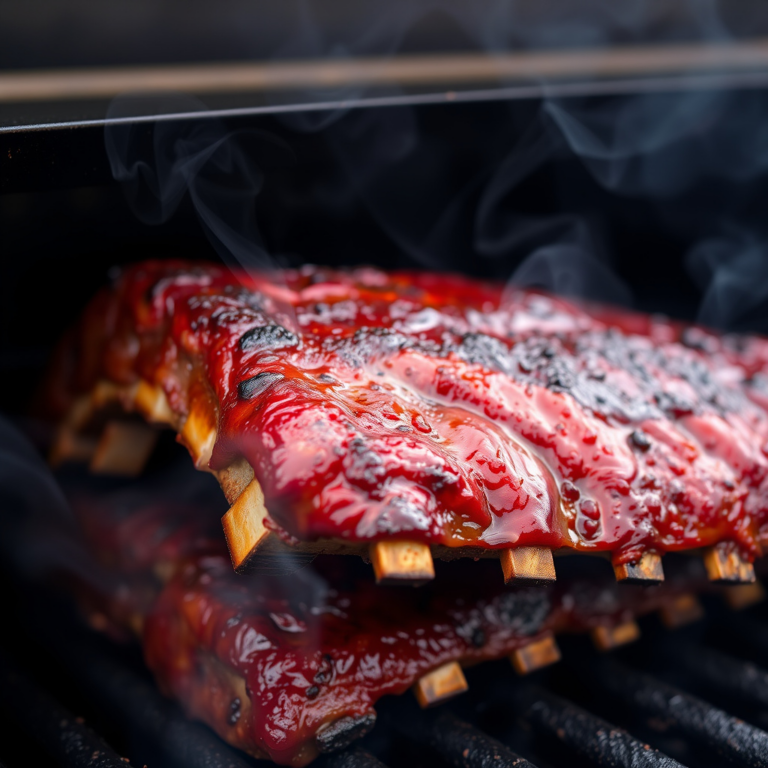
A smoker is a device designed to cook food slowly using smoke from burning or smoldering materials, typically wood, to infuse flavor and preserve the food. It’s widely used for meats like brisket, pork, and fish, producing tender, flavorful results that are difficult to replicate with other cooking methods.
People use smokers to add smoky flavor and tenderness while cooking at low temperatures over several hours. The precise control of heat and smoke levels is essential to achieve the desired texture and taste. Smokers have played a role in culinary traditions worldwide for both preservation and gastronomy.
This article will explain how smokers work, explore the main types of smokers available, and outline key features to consider when choosing one. We’ll also compare different smoker designs and answer common questions about their use and maintenance.
How Does a Smoker Work?
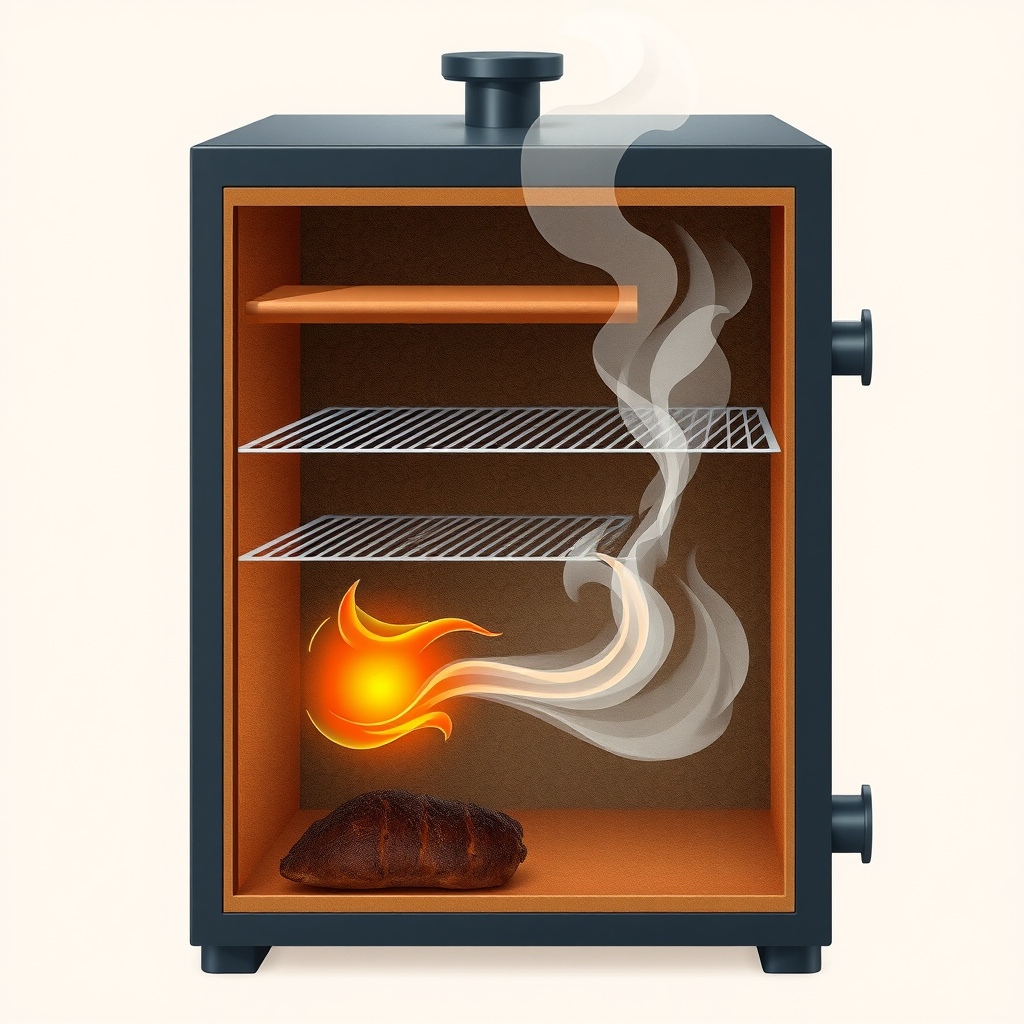
The Smoking Process Explained
Smokers cook food through indirect heat combined with smoke generated by burning wood, charcoal, or pellets. The food is placed away from the direct heat source, absorbing the smoke as it slowly cooks, which enhances flavor and preserves moisture.
Temperature control is critical; most smoking occurs between 200°F and 275°F. This slow cooking time breaks down connective tissue in meats, resulting in most tender, moist dishes while imparting smoky aromas.
Smoke Production and Types of Wood
Different woods produce distinct flavors in the smoke. Hardwoods such as hickory, mesquite, apple, and cherry are popular choices depending on the desired taste. The type of wood affects the intensity and character of the smoke flavor.
Controlled burning of wood chips or chunks generates smoke without excessive heat or ash. Experienced users carefully select and add wood to regenerate smoke throughout the cooking process.
- Hickory – strong, bacon-like flavor
- Mesquite – intense, earthy taste
- Apple – mild, fruity aroma
- Cherry – sweet and mild smoke
Common Types of Smokers
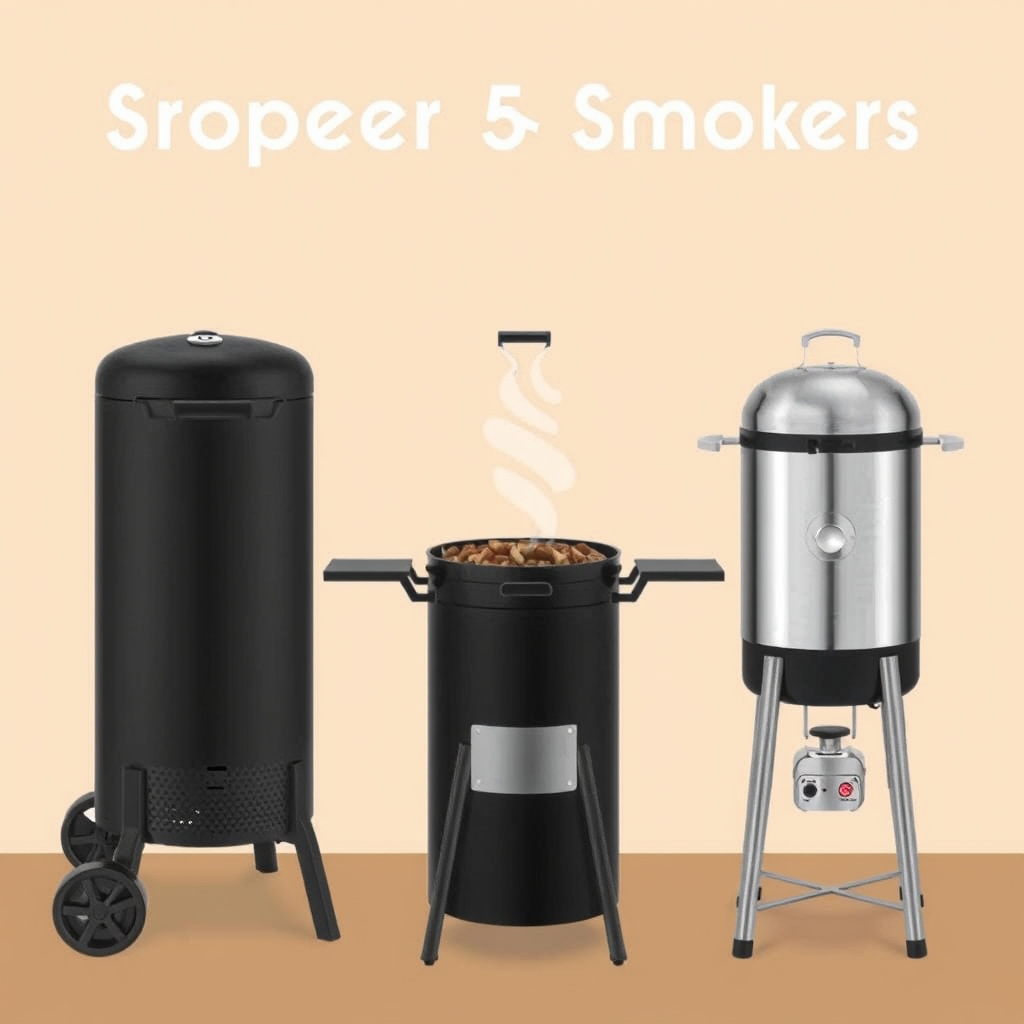
Charcoal Smokers
Charcoal smokers use charcoal briquettes and wood chunks or chips for smoke generation. They offer authentic smoky flavor and versatile temperature control but require careful airflow management for consistent heat.
These smokers are favored by purists who enjoy hands-on fire control. However, they demand more attention throughout the smoking process and a learning curve to maintain steady temperature.
- Affordable and portable
- Classic smoky taste
- Requires manual airflow adjustments
For more on this, see our related guide: What Is a Smoker Grill and How to Use One for Perfect BBQ.
Electric and Pellet Smokers
Electric smokers use heating elements to reach the desired temperature and use wood chips for smoke. They offer ease of use with less active monitoring and cleaner operation, suitable for beginners.
Pellet smokers burn compressed wood pellets fed by a hopper to automate smoke and heat generation. They combine convenience with rich smoke flavor and precise temperature control, making them popular for both novices and experienced smokers.
- User-friendly with temperature control
- Requires electricity
- Consistent smoke and heat production
Choosing a Smoker: Key Features
Size and Cooking Capacity
Smokers come in various sizes from small portable models to large units designed for big gatherings. The preferred size depends on how much food you plan to smoke regularly and available space.
A larger smoker can handle multiple racks of meat simultaneously but takes up more space and may be more expensive. Consider your typical usage and storage options before purchasing.
- Small: suitable for family meals
- Medium: good for parties and varied cooking
- Large: ideal for catering or frequent use
Temperature Control and Construction
Effective smokers provide ways to control airflow and heat, such as adjustable vents and dampers. This feature allows you to maintain stable temperatures for hours, crucial for cooking consistency.
Build quality impacts heat retention and durability. Look for smokers made with heavy-gauge steel and insulated walls if possible. Good seals limit smoke leakage, optimizing flavor and fuel efficiency.
Maintenance and Safety Tips
Regular Cleaning Practices
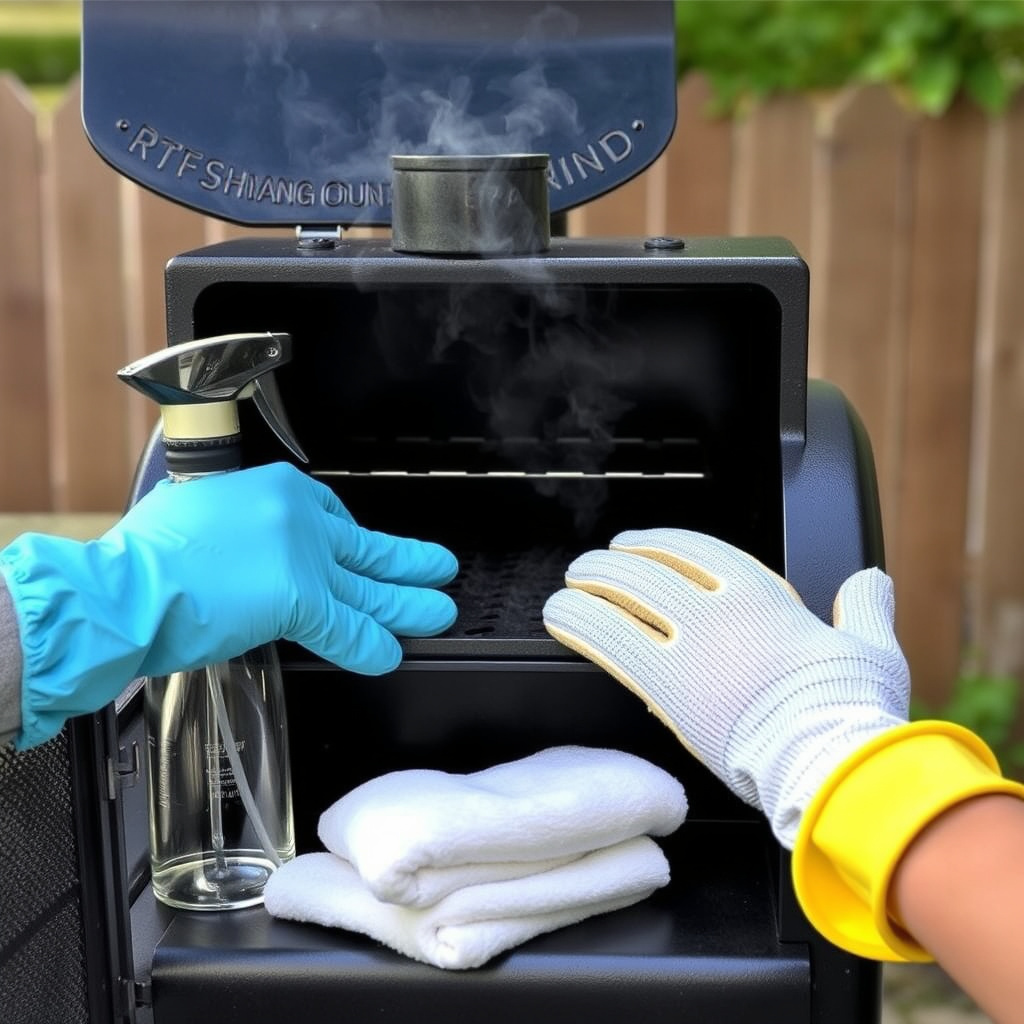
Cleaning your smoker regularly helps prolong its lifespan and ensures better flavor in cooked food. Remove ashes and grease buildup after each use and clean grates thoroughly.
Periodic deep cleaning includes washing the interior surfaces with mild detergent and removing grease traps. Keeping your smoker clean prevents flare-ups and unwanted smells.
For more on this, see our related guide: Can You Use a Gas Grill as a Smoker? Practical Tips and Techniques.
Safe Operation Guidelines
Always operate your smoker in an open, well-ventilated area away from flammable objects. Use heat-resistant gloves when handling hot surfaces and tools.
Never leave a smoker unattended for long periods. Ensure your smoker is stable and secure to prevent tipping. Proper fire safety can prevent accidents and protect your property.
Smoker Accessories and Enhancements
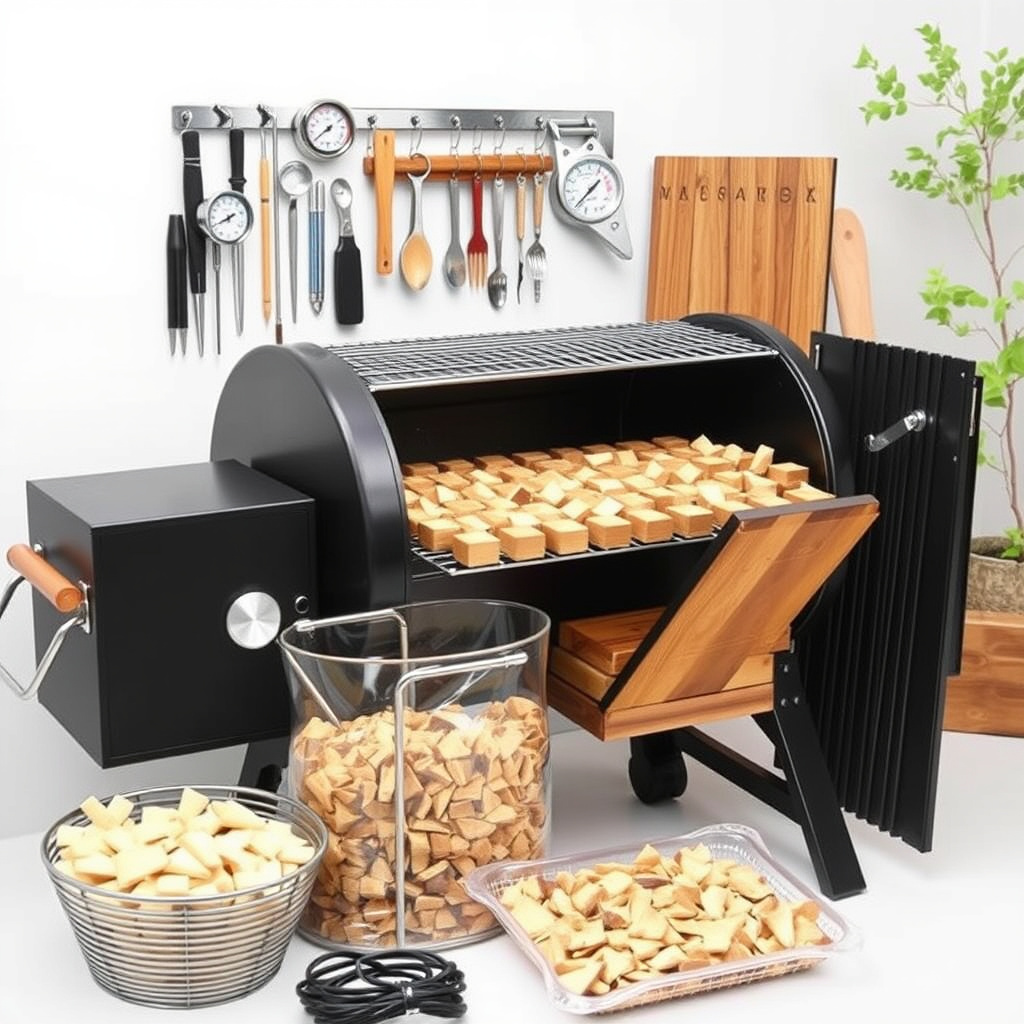
Essential Tools for Smoke Cooking
Thermometers are indispensable to monitor internal meat temperature and smoker chamber heat accurately. Digital probes with alarms alert you when food reaches the target doneness.
Other tools include water pans for moisture control, grill gloves, and specialized racks for different types of food. These accessories help improve the smoking process and final results.
- Meat thermometer
- Water pan
- Heat-resistant gloves
For a broader overview of smoking as a cooking technique, the smoking (cooking) information on Wikipedia offers detailed historical and technical insights. smoking (cooking) information on Wikipedia.
Flavor Boosters and Wood Variations
Enhance flavor with products like wood chips soaked in different liquids, or incorporate herbs and spices on the smoker or in the wood for unique aromas. Experimenting with woods can create custom profiles.
Smoking pellets with added flavorings or combinations of different woods can introduce complex and layered smoke tastes, personalizing your barbecue experience.
- Soaked wood chips for smoother smoke
- Herb-infused smoking techniques
- Pellet blends with flavor additives
Types of Smokers Category Comparison
Here’s a quick comparison of different smoker types to help you identify which suits your needs best.
| Type | Fuel Source | Ease of Use | Flavor Quality | Typical Price Range |
|---|---|---|---|---|
| Charcoal Smoker | Charcoal + Wood | Moderate | High – authentic smoky flavor | $100 – $500 |
| Electric Smoker | Electric + Wood Chips | High – easy temperature control | Moderate – lighter smoke flavor | $150 – $600 |
| Pellet Smoker | Compressed Wood Pellets | High – automated smoke and heat | High – rich smoke flavor | $300 – $1,500 |
| Propane Gas Smoker | Propane + Wood Chips | Moderate to High | Moderate | $200 – $700 |
| Offset Smoker | Charcoal + Wood | Low – requires experience | Very High – deep smoke flavor | $200 – $1,000 |
Frequently Asked Questions
What type of wood is best for smoking meat?
The best wood depends on the flavor you want. Hickory and mesquite provide strong flavors, while apple and cherry are milder and fruitier, suitable for pork and poultry.
How long does it take to smoke meat in a smoker?
Smoking times vary widely based on meat type and weight but generally range from 2 to 12 hours, cooked low and slow between 200°F and 275°F to tenderize and infuse smoke.
Can I use charcoal and wood chips together in a smoker?
Yes, many smokers use charcoal as the heat source while wood chips provide smoke flavor. Proper airflow is needed to keep the charcoal burning steadily and smoke flowing.
Do I need special tools to operate a smoker?
Basic tools like a meat thermometer and heat-resistant gloves are highly recommended for safe, effective smoking. Accessories such as water pans and thermometers improve control.
Is smoking healthier than grilling?
Smoking cooks food at lower temperatures, which can reduce some harmful compounds formed in high-heat grilling. However, smoked foods still contain smoke chemicals, so moderation is advised.
Key Takeaways
- A smoker cooks food slowly using smoke for flavor and tenderness.
- Charcoal, electric, pellet, and offset are common smoker types.
- Wood choice affects the smoke flavor profile.
- Proper maintenance and safety practices extend smoker use and enjoyment.
Conclusion
Understanding how smokers work and the different types available is key to choosing the right one for your cooking style and needs. A smoker’s ability to infuse flavor and tenderize meat comes from its indirect heat and controlled smoke, making it an excellent tool for home cooks and barbecue enthusiasts alike.
For individuals who value traditional smoky flavor and don’t mind a hands-on process, charcoal and offset smokers deliver deep, authentic results. If convenience and consistent temperature control are priorities, electric or pellet smokers offer easier operation with good smoke flavor. Selecting the right size depends on your cooking frequency and the amount of food typically prepared.
Before purchasing, consider your budget, space, and experience level. Start with a model suited to your preferences, then invest in essential accessories like thermometers and quality wood chips. With practice, smoking can expand your cooking repertoire and impress family and friends with flavorful, tender dishes.