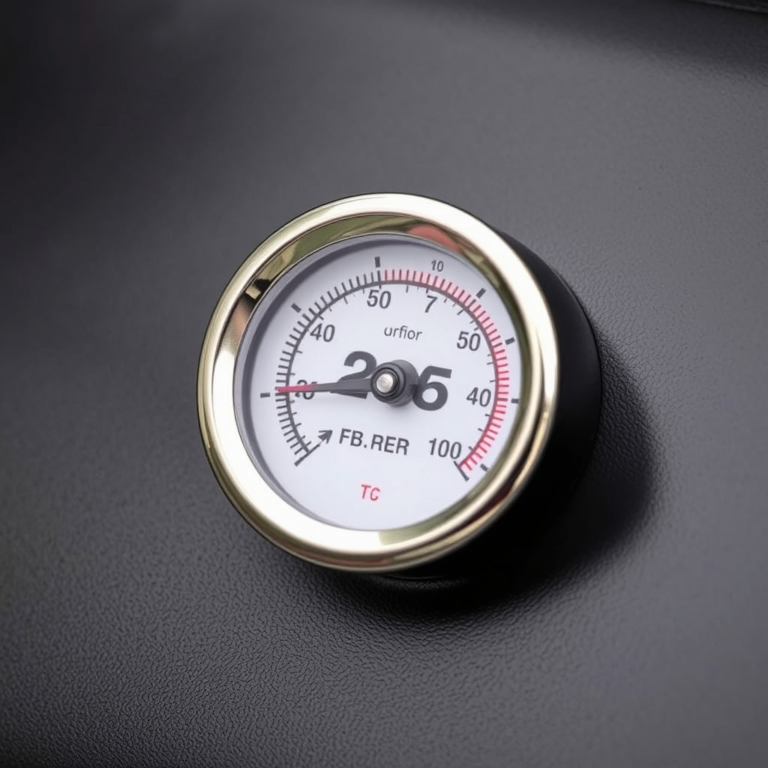
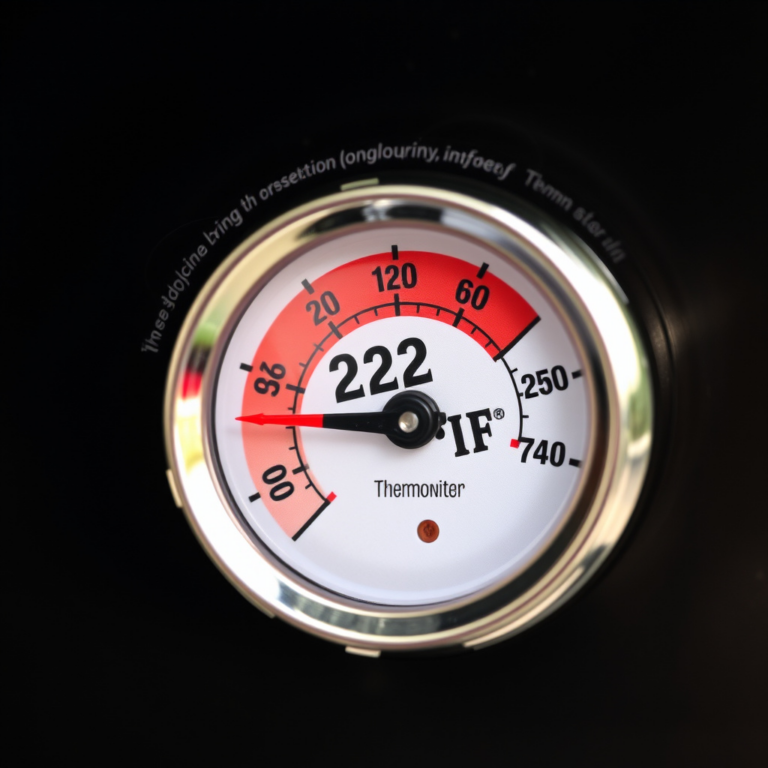
The best temperature for smoking meat generally falls between 225°F and 250°F. This range allows the meat to cook slowly and evenly, breaking down tough connective tissues and infusing smoke flavor without drying out the meat. Staying within this temperature band is key to tender, juicy results.
Smoking meat is a time-honored culinary method that relies on low and slow cooking to enhance texture and flavor. If the temperature is too low, smoke penetration might be insufficient and cooking can take excessively long, potentially leading to food safety concerns. Conversely, too high a temperature risks toughening and drying the meat.
This article will explore the optimal temperature ranges for different types of smoked meats, explain how temperature impacts quality and safety, and provide practical tips on monitoring and controlling smoker temperatures. Additionally, we'll compare categories and answer common questions to help you master smoked meat preparation.
Understanding Smoking Temperatures for Meat
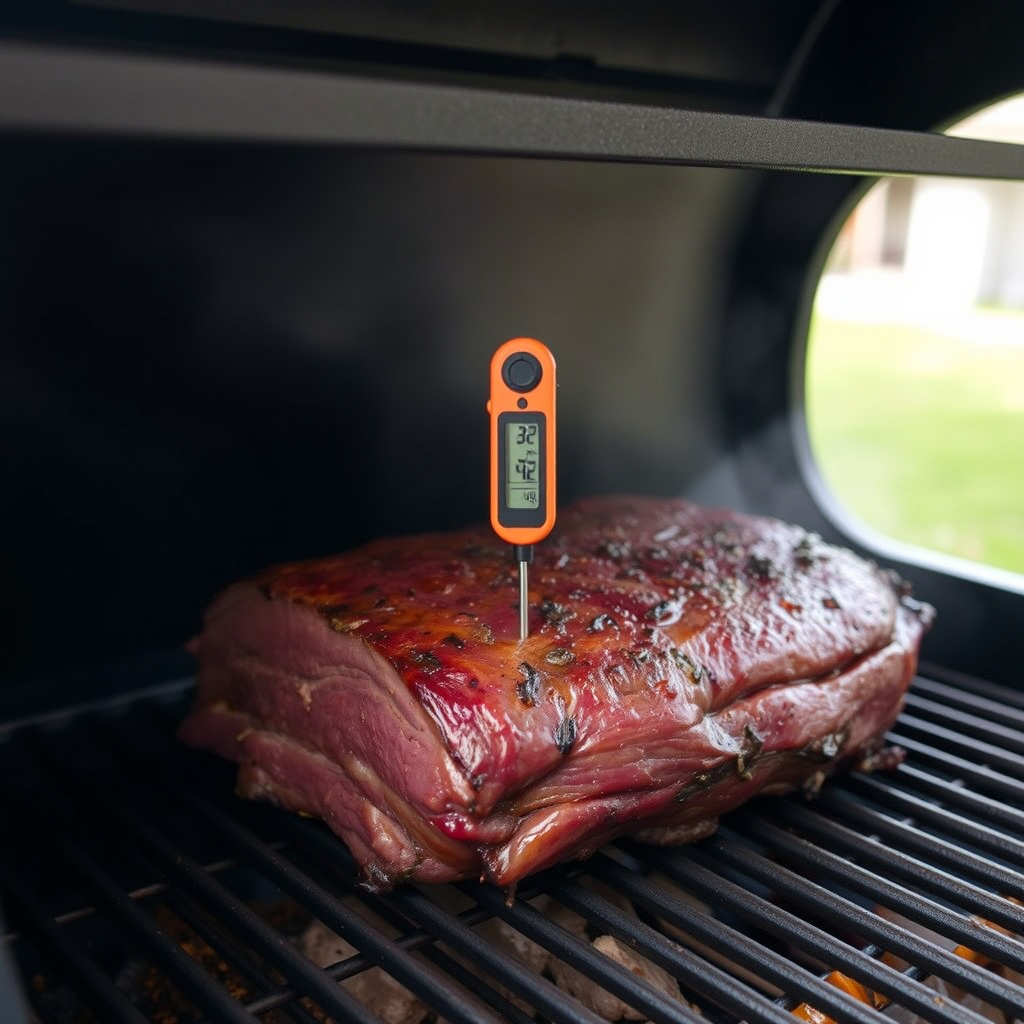
Why Temperature Control Matters
Maintaining the correct temperature during smoking ensures the meat cooks evenly and stays juicy. It influences the Maillard reaction that creates the savory crust and affects collagen breakdown critical for tenderness.
Temperature also influences how smoke particles adhere to meat, impacting flavor and bark formation. Keeping a steady temperature prevents sudden cooking spikes that can dry out or undercook the meat.
Low and Slow Cooking Explained
Smoking meat typically means cooking it at lower temperatures for extended periods, usually several hours. This slow pace allows tough cuts to soften and flavors to develop fully.
Most pitmasters recommend temperatures between 225°F and 250°F because it balances smoke absorption and safe cooking time without burning the surface.
Optimal Temperatures for Different Meats
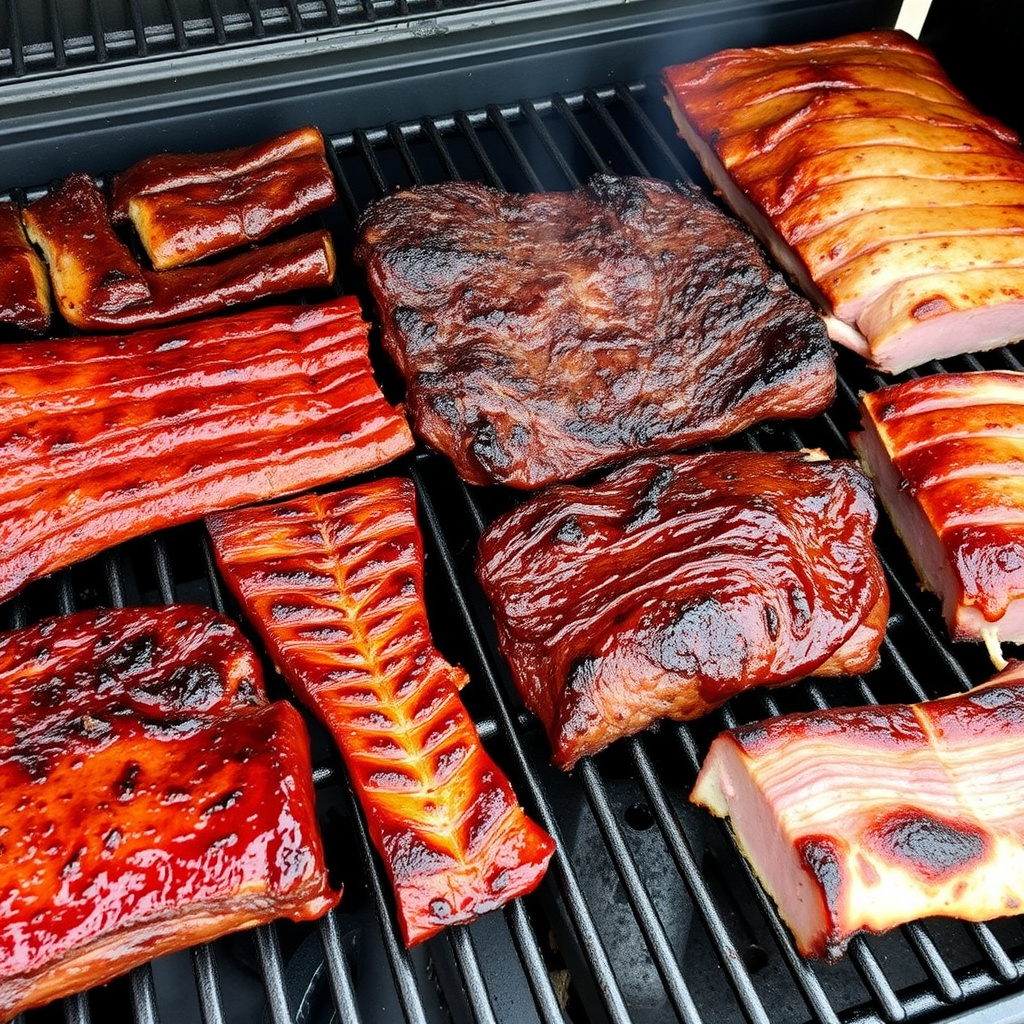
Smoking Beef Cuts
For beef, particularly brisket, the ideal smoking temperature is around 225°F. This allows the tough collagen in the brisket to break down slowly, rendering into juicy tenderness without drying the meat.
Steaks and smaller cuts can handle slightly higher temperatures, but the 225°F to 250°F range generally yields better smoke flavor and texture.
Smoking Pork and Poultry
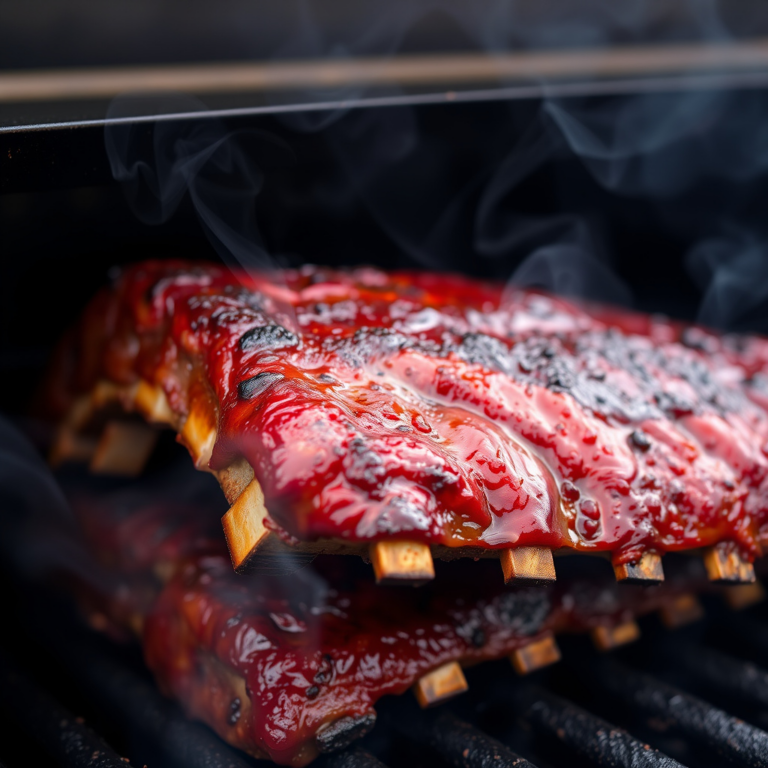
Pork shoulders and ribs benefit from a smoking temperature of 225°F to 250°F to ensure the fatty portions render well and the connective tissue softens.
For poultry, slightly higher smoking temperatures near 250°F help to cook the bird safely without drying the breast meat while still imparting smoke aroma.
Techniques for Maintaining Steady Smoker Temperature
Using Vents and Dampers Effectively
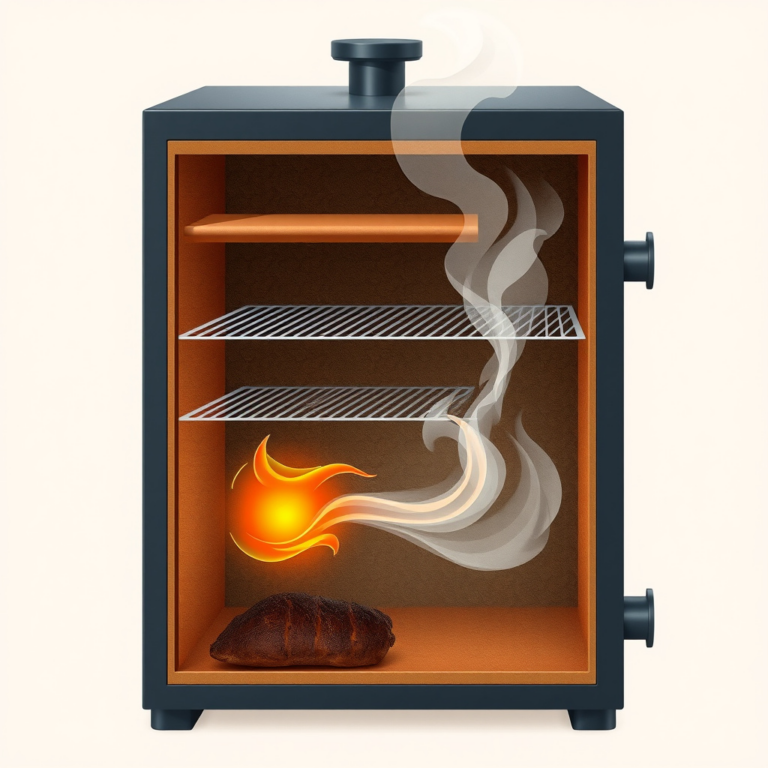
Controlling the airflow through smoker vents is essential to regulate the temperature. Opening vents increases oxygen flow and temperature, while closing them lowers heat.
Adjusting these settings gradually allows you to maintain a steady temperature within the target range without drastic fluctuations.
For more on this, see our related guide: How to Smoke Meat on a Charcoal Grill: A Step-by-Step Guide.
Water Pans and Heat Distribution
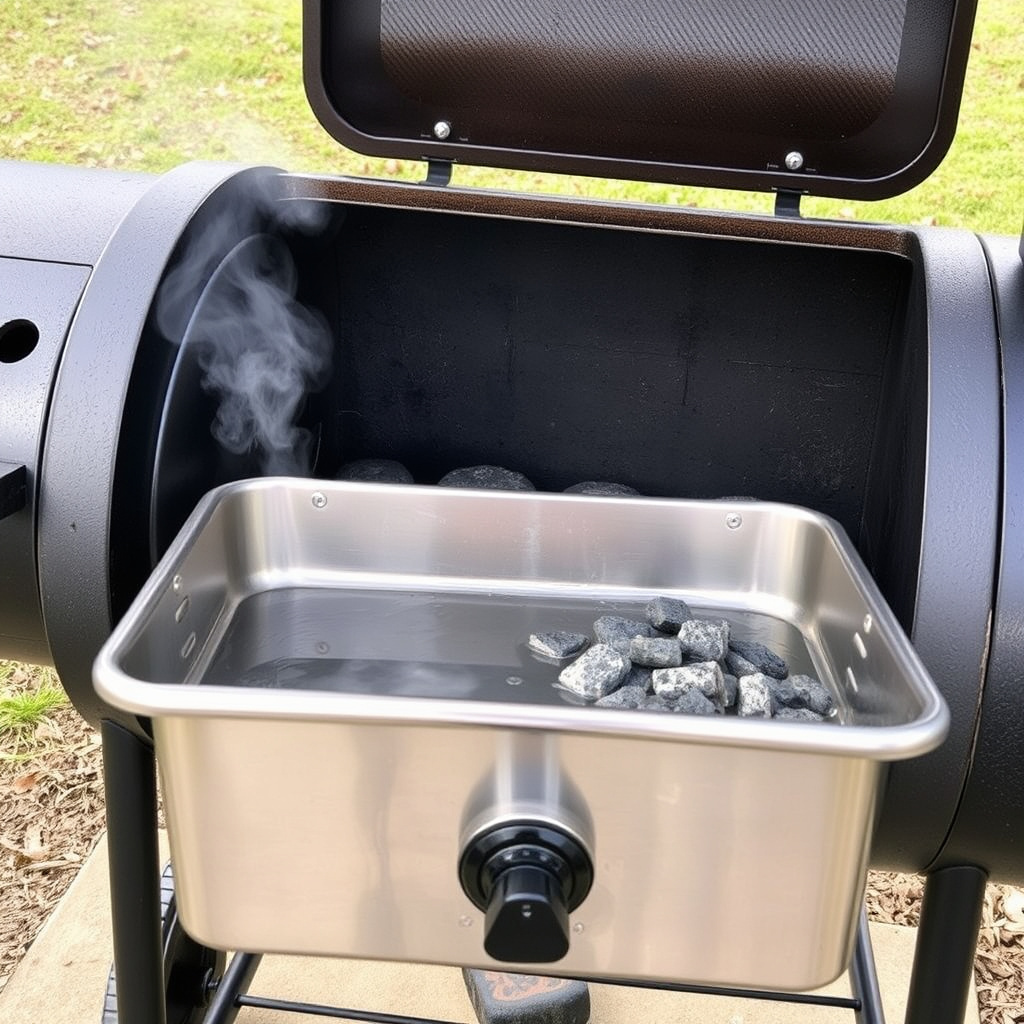
Placing a water pan inside the smoker stabilizes the internal temperature by absorbing heat and adding moisture to the environment.
This helps prevent dried-out meat and moderates heat spikes, making it easier to sustain temperatures between 225°F and 250°F.
Tools and Technology to Monitor Smoking Temperature
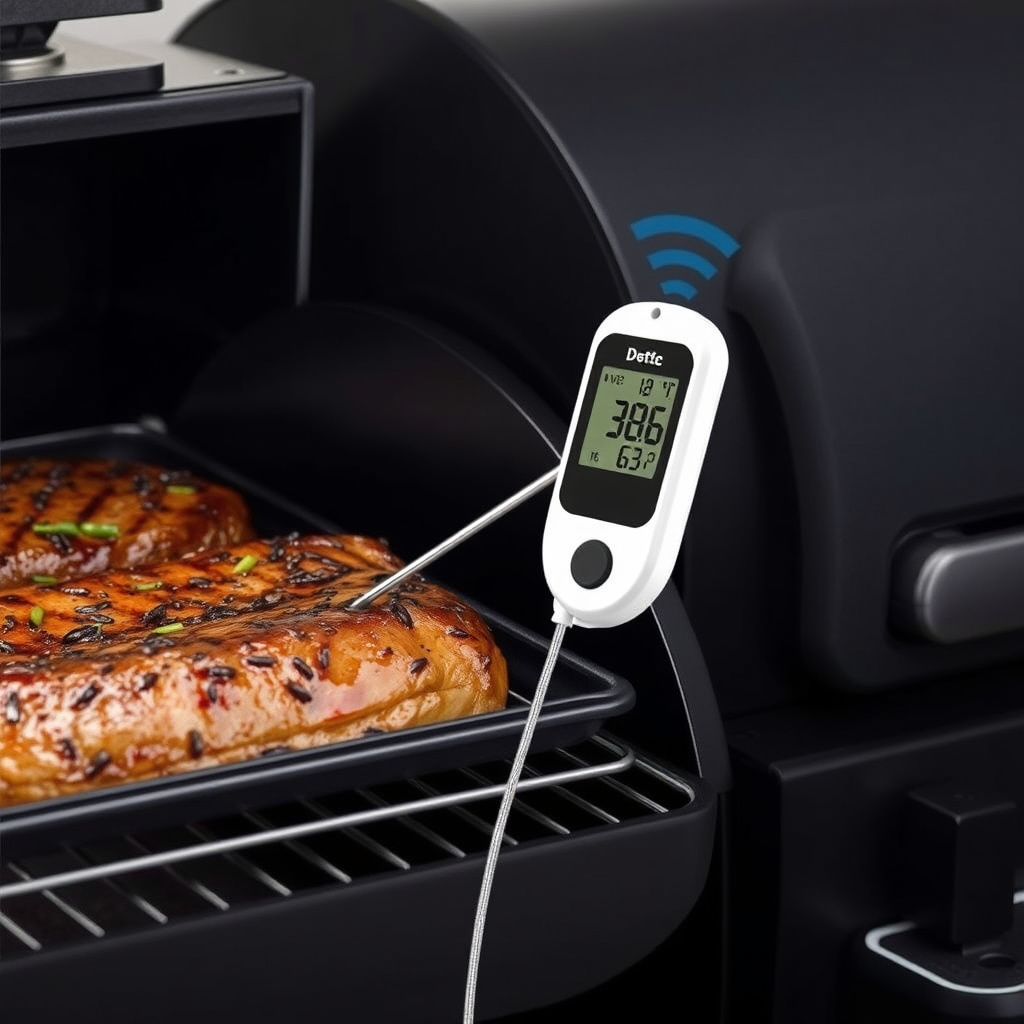
Digital Thermometers and Probes
Modern meat thermometers with dual probes allow monitoring of both internal meat temperature and smoker ambient temperature simultaneously.
This technology makes hitting and maintaining the best temperature for smoking meat much more precise and less guesswork.
Smart Smokers and Temperature Controllers
Smart smokers incorporate electronic controllers and Wi-Fi connectivity to automate temperature regulation throughout the cook.
These systems adjust airflow and fuel supply in real-time to sustain consistent temperatures, ideal for beginners and advanced smokers alike.
Health and Safety Considerations
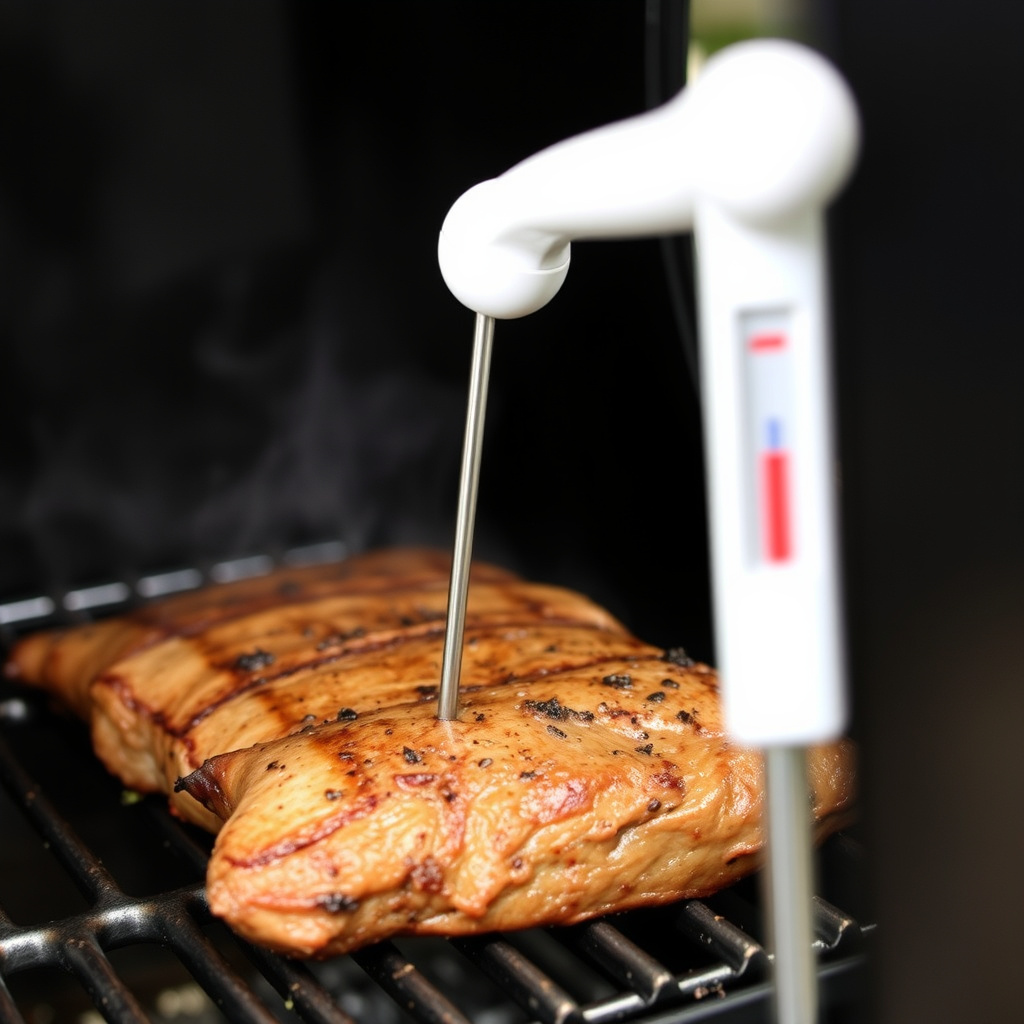
Target Internal Temperatures for Safe Eating
While smoker temperature ranges between 225°F and 250°F, the meat must reach safe internal temperatures based on type: 165°F for poultry and 145°F with rest for beef or pork.
Using a reliable meat thermometer ensures the smoked meat is safe to eat and optimally juicy.
For more on this, see our related guide: How to Smoke Meat on a Gas Grill: A Step-by-Step Guide.
Avoiding Common Temperature Mistakes
Avoid smoking at temperatures below 200°F, which may allow bacterial growth and prolong cooking times dangerously.
Similarly, excessively high temperatures can char the meat exterior prematurely while drying it inside.
Impact of Wood Choices on Smoking Temperature and Flavor
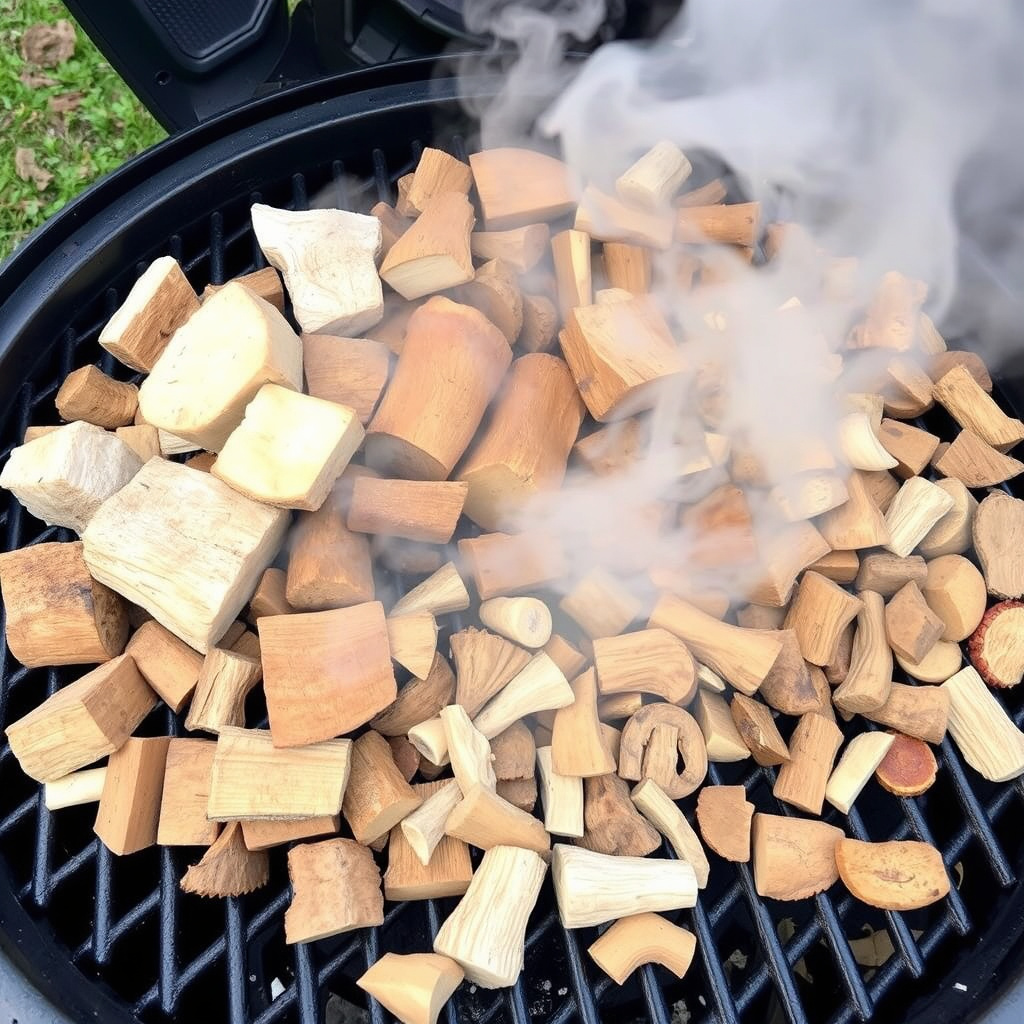
Hardwoods and Their Heat Characteristics
Hardwoods like oak and hickory burn steadily at controlled rates, supporting stable temperatures in the 225°F to 250°F range.
Choosing the right wood helps maintain consistent heat while imparting desired flavor profiles to the meat.
For more detailed information on smoking temperature ranges and methods, see this smoking meat temperature guidelines page. smoking meat temperature guidelines.
Fruitwoods and Temperature Variations
Fruitwoods such as apple and cherry provide mild smoke flavors but can burn faster, requiring closer temperature monitoring.
Balancing wood type with your smoker’s heat tendencies helps keep the ideal smoking temperature steady.
Smoking Temperature Category Comparison
Comparing common smoking temperature ranges to help choose the best approach based on meat type and desired results.
| Temperature Range | Common Meats | Cooking Time | Flavor Profile |
|---|---|---|---|
| 200°F to 225°F | Delicate poultry, fish | Long (6+ hours) | Light smoke, tender texture |
| 225°F to 250°F | Brisket, ribs, pork shoulder | Moderate (5-12 hours) | Balanced smoke, soft bark |
| 250°F to 275°F | Smaller cuts, sausages | Short to moderate (3-6 hours) | Stronger smoke crust, caramelization |
| 275°F to 300°F | Hot smoking – quick meats | Short (1-3 hours) | Bold crust, risk of dryness |
Frequently Asked Questions
Can I smoke meat at temperatures lower than 225°F?
Smoking below 225°F is possible but increases cooking time significantly and may risk food safety if the meat stays too long in the 'danger zone' temperature range.
How do I know when the meat is done while smoking?
Use a reliable meat thermometer to check for safe internal temperatures: 165°F for poultry, 145°F for beef and pork with resting periods.
Does the type of wood affect the smoking temperature?
Yes, hardwoods burn steadier and support consistent temperatures, while fruitwoods tend to burn faster, needing more attention to maintain stable heat.
Is it better to keep the smoker at a consistent temperature or allow fluctuations?
Consistent temperature within the 225°F to 250°F range produces even cooking and optimal smoke absorption, while fluctuations can cause uneven results.
Can I use an electric smoker to maintain the best temperature for smoking meat?
Electric smokers with thermostatic controls maintain steady temperatures easily, making it simpler to stay within the ideal smoking range for various meats.
Key Takeaways
- The best temperature for smoking meat is generally between 225°F and 250°F for balanced tenderness and flavor.
- Different meats require slight adjustments in temperature for optimal results, especially poultry versus beef or pork.
- Controlling airflow and using water pans help maintain steady smoker temperatures.
- Monitoring internal meat temperature is essential for safe, juicy smoked meat.
Conclusion
Selecting the best temperature for smoking meat centers on balancing time, heat, and smoke flavor. Maintaining a steady smoker temperature between 225°F and 250°F allows connective tissues to break down gradually, enhancing tenderness while developing a desirable bark. Proper heat control also ensures consistent smoke absorption, which is vital for taste and texture. This temperature range accommodates various meat types, helping to avoid drying or undercooking while providing predictable, controlled results.
If you smoke brisket or pork shoulder, keeping the temperature near 225°F is ideal for the long cooking times these cuts require. For poultry or smaller cuts, closer to 250°F can ensure safe internal temperatures without sacrificing moisture. Using tools like digital thermometers, adjustable vents, and water pans supports maintaining these temperatures reliably. Wood choice additionally impacts heat consistency, with hardwoods promoting steady burns and fruitwoods needing closer management.
Ultimately, the best approach is to invest in good temperature monitoring equipment and practice controlling your smoker's environment. Once you master the balance between temperature, cooking time, and smoke, you’ll be able to prepare delicious smoked meats with confidence. Starting with the 225°F to 250°F temperature range for smoking meat provides the foundation for success, adaptable to your meats and smoker style.