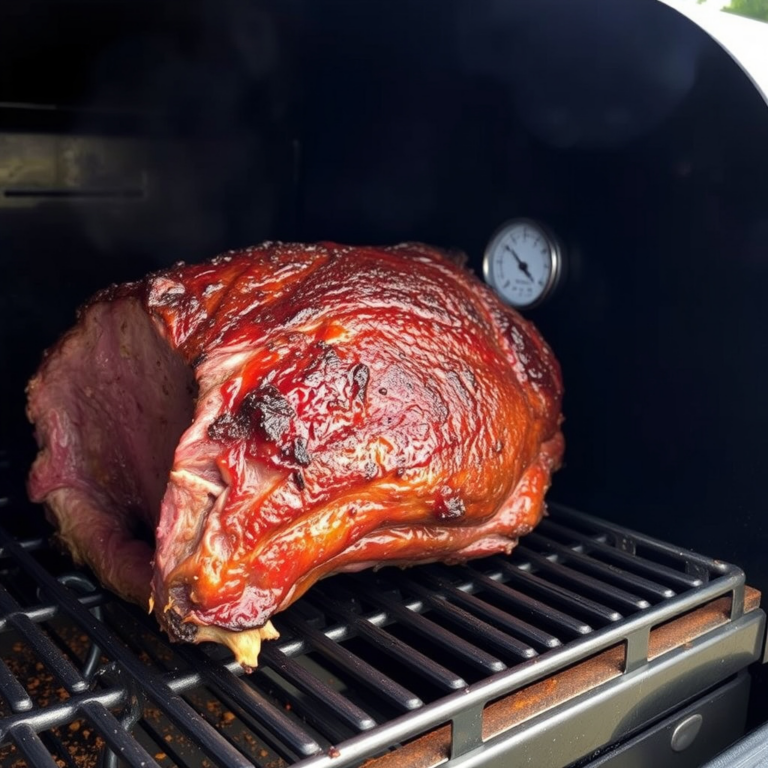
The best temperature to smoke pork butt is between 225°F and 250°F. This low-and-slow method breaks down the connective tissue, making the meat tender and juicy while allowing smoke to infuse deep flavor. Maintaining this consistent temperature throughout the cook is key to achieving the perfect pulled pork.
Smoking pork butt matters because it’s a tough cut packed with fat and connective tissue that need time to break down. Cooking too hot risks drying it out, while too cool slows the cooking unnecessarily, making it inefficient. When done right, smoking at this temperature range transforms the pork into a rich, flavorful centerpiece.
This article outlines the ideal temperature and time for smoking pork butt, how to monitor and control the smoker’s heat, plus tips on wood choices and resting methods. Whether you use a charcoal, electric, or pellet smoker, these pointers will help you achieve the best results.
Understanding the Right Temperature to Smoke Pork Butt
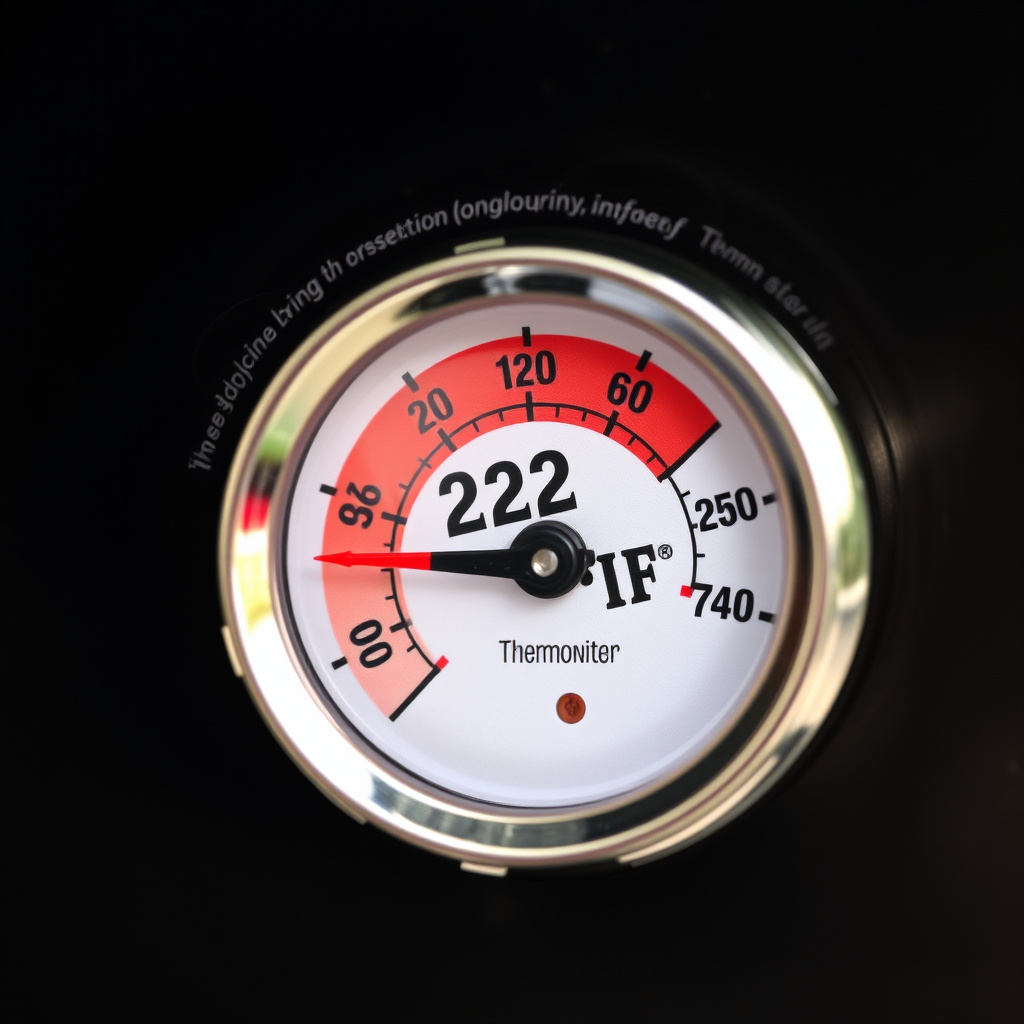
Recommended Smoking Temperature Range
Smoking pork butt at a temperature between 225°F and 250°F provides the ideal balance between cooking speed and tenderness. This temperature allows collagen in the meat to gradually convert into gelatin without drying out the pork, producing a juicy and flavorful bite.
Some pitmasters lean towards the lower end, about 225°F, for a longer cook and deeper smoke penetration. Others prefer 250°F to reduce overall time while still achieving tender results. Both are effective when temperature remains steady.
- 225°F: lower temp, longer cook (~12-16 hours)
- 250°F: higher end, faster cook (~8-12 hours)
- Stay consistent within this range
- Use a quality thermometer for accuracy
Consequences of Incorrect Smoking Temperatures
Smoking above 275°F risks toughening the meat by shrinking muscle fibers and drying it out before the collagen has fully broken down. This results in a chewy, stringy texture that’s harder to pull apart.
Conversely, temperatures below 210°F can stall cooking and increase the chance of food safety concerns. It also extends cook time, causing fuel waste and less effective smoke flavor. Consistency within the target range is crucial.
- Too hot: dry, tough pork
- Too low: long cook, potential safety risk
- Fluctuating temps: inconsistent smoke ring and texture
How to Monitor and Control Smoker Temperature
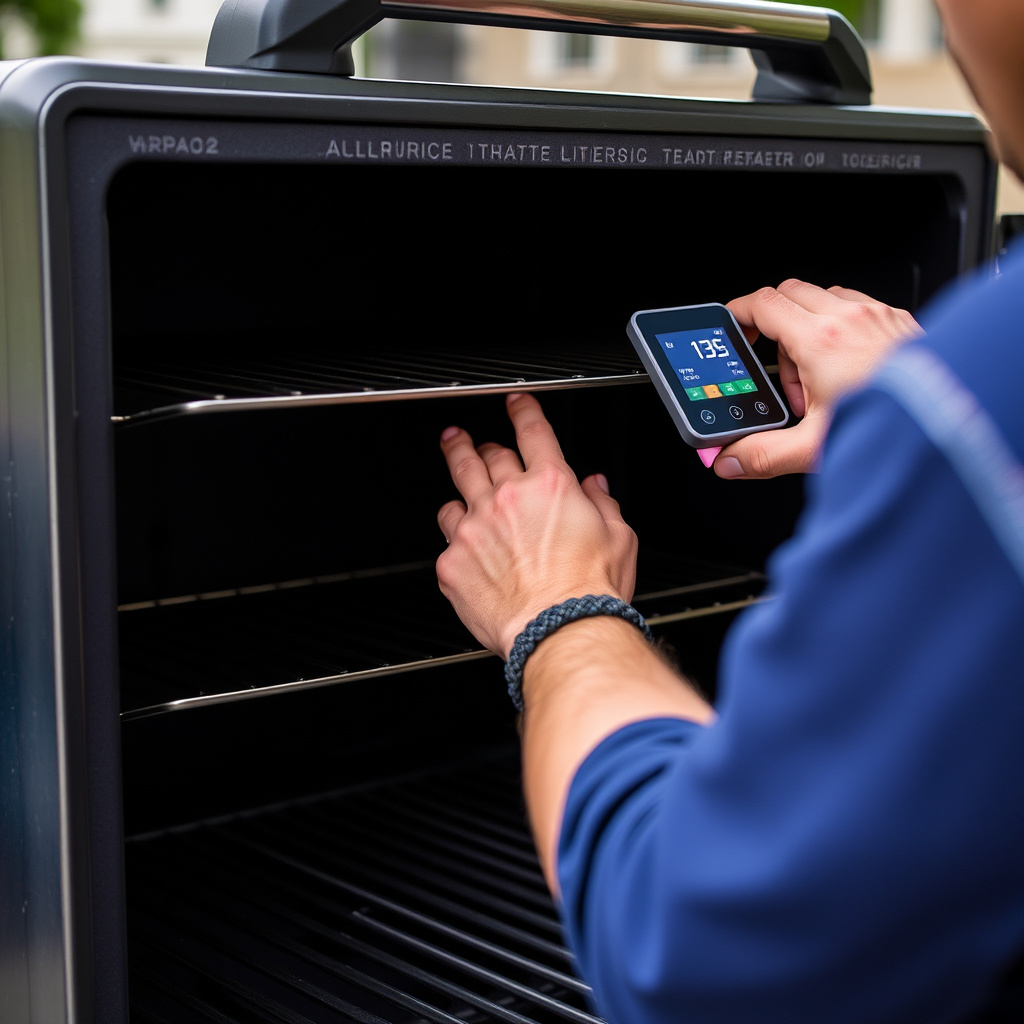
Using Built-in Thermometers vs. External Probes
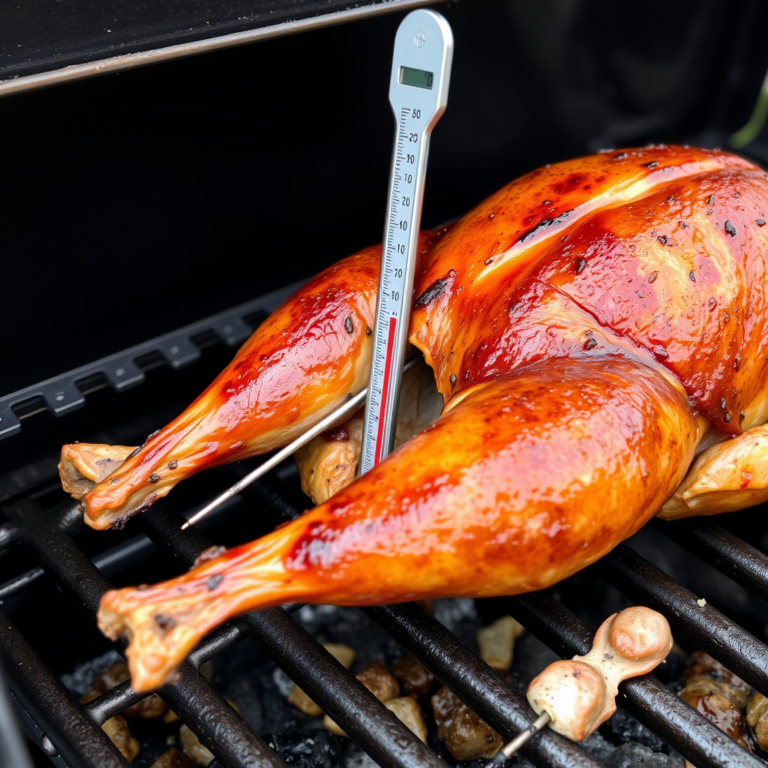
Many smokers come with built-in thermometers, but these often measure ambient air temperature, which can be inaccurate or slow to respond when vents are adjusted. External digital probes placed near the meat or at firebox level offer more precise readings.
High-quality Bluetooth or Wi-Fi thermometer probes let you monitor the smoker remotely, minimizing the need for lid openings that cause temperature swings and heat loss during the smoke.
- Built-in thermometers may have up to 10-20°F error
- Place probes close to meat for accurate temp
- Wireless models enable real-time tracking
For more on this, see our related guide: How to Grill Pork Chops: Expert Tips for Tender, Juicy Results.
Techniques to Adjust Smoker Heat
Control heat by adjusting air vents, fuel quantity, or pellet feed rate depending on your smoker type. Opening vents increases airflow and temperature, while closing them reduces heat. Adding small fuel increments keeps the fire steady without spikes.
Using water pans inside the smoker can help stabilize temperature by regulating humidity, protecting the pork butt from drying out during long cooks.
- Adjust vents slowly and monitor temperature
- Add fuel gradually to avoid flare-ups
- Use water pan to maintain humidity levels
Smoking Times and Doneness Indicators for Pork Butt
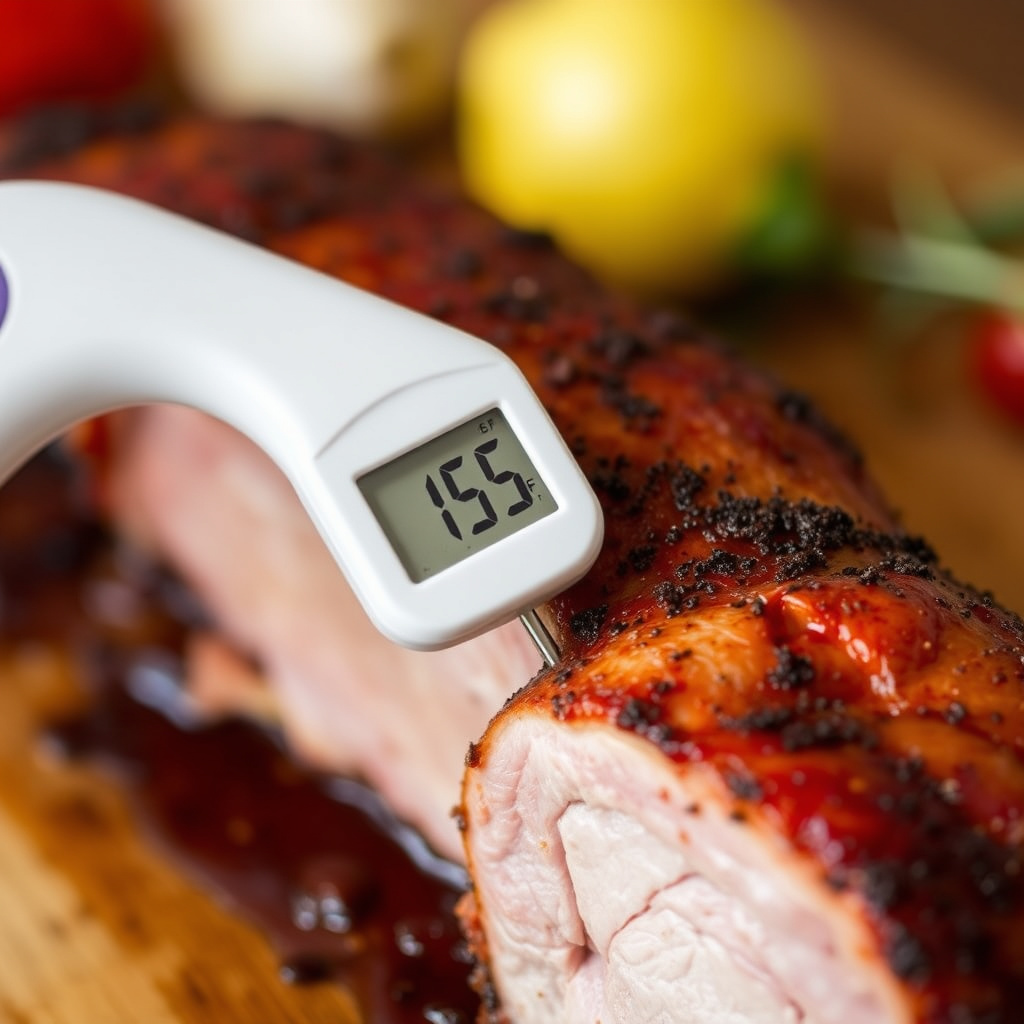
Estimated Cooking Times at Ideal Temperatures
At 225°F to 250°F, pork butt typically takes 1.5 to 2 hours per pound to reach the desired internal temperature and texture. A 6-pound pork butt would generally need 9 to 12 hours under these conditions.
Accurate timing varies based on factors like meat thickness, smoker type, and ambient conditions, so meat temperature and texture are better doneness indicators than cooking time alone.
- 1.5 to 2 hours per pound on average
- Check internal temp starting around 190°F
- Adjust expectations based on experience
Optimal Internal Temperatures for Tenderness
Pork butt is best when cooked to an internal temperature between 195°F and 205°F. At this range, collagen fully breaks down, yielding tender meat that’s easy to shred.
Many pitmasters recommend the 'probe test'—the thermometer probe should slide in and out with virtually no resistance when the pork is done. If it feels tight or rubbery, it needs more time.
- Target 195°F to 205°F internal temp
- Probe should slide in easily
- Rest before shredding for juice retention
Choosing the Best Wood for Smoking Pork Butt
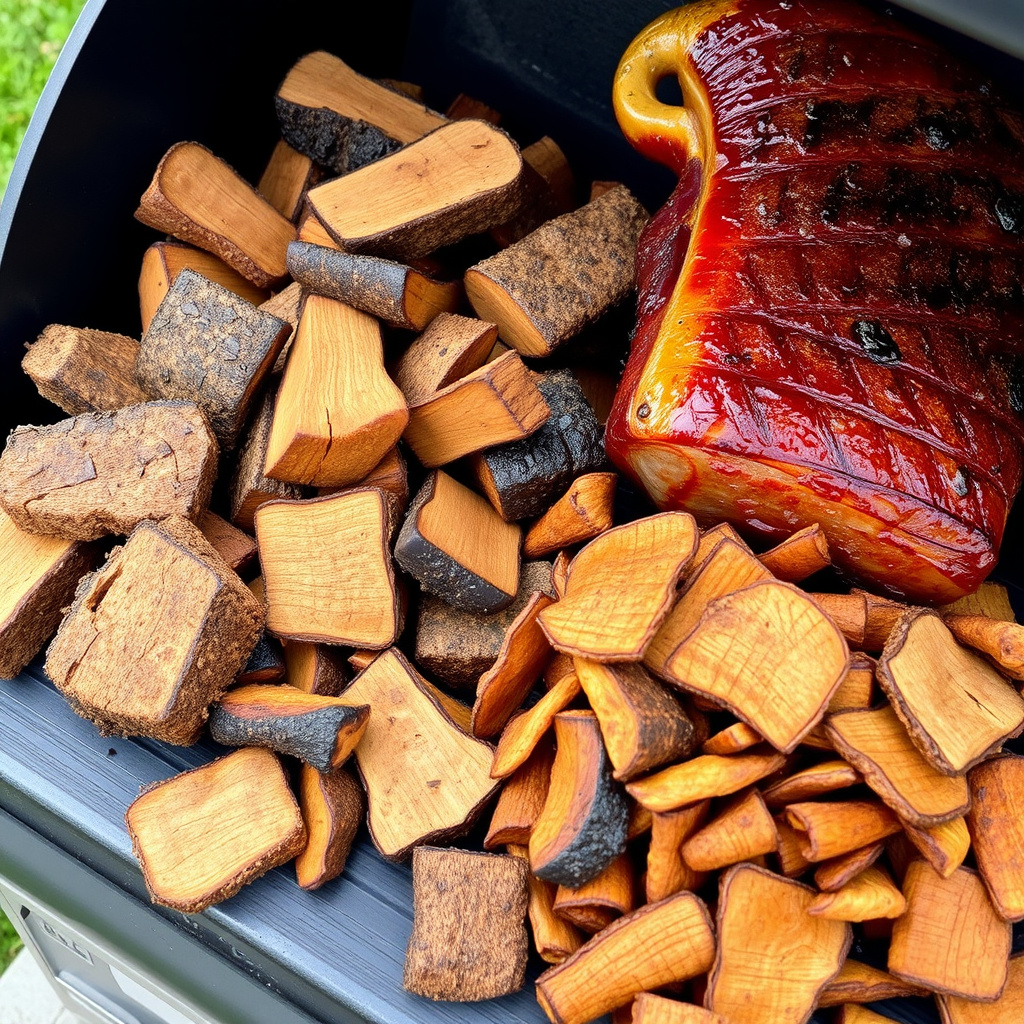
Popular Wood Types and Their Flavor Profiles
Hickory is a classic choice for pork butt, lending a strong, bacon-like smoky flavor that complements the richness. Fruitwoods like apple and cherry offer milder, sweeter smoke that enhances the pork’s natural flavors without overwhelming.
Oak provides a medium smoky flavor, balancing robustness and subtlety, making it versatile. Pecan is another popular wood that adds a slightly nutty, sweet taste.
- Hickory: strong, robust smoke
- Apple: mild, sweet smoke
- Cherry: fruity and slightly sweet
- Oak: medium, balanced smoke
- Pecan: nutty, sweet flavor
For more on this, see our related guide: How to Grill Potatoes Perfectly Every Time: Techniques and Tips.
How to Combine Woods for Custom Flavor
Many smokers blend woods to customize flavor profiles. A common blend is hickory with apple or cherry, which tempers hickory’s intensity while layering sweet notes.
Ensure wood is well-seasoned and properly sized for your smoker. Avoid resinous softwoods like pine, which produce unpleasant flavors and excessive soot.
- Mix hickory with fruitwoods for balance
- Use dry, seasoned wood chunks or chips
- Avoid softwoods like pine or fir
Resting and Serving Your Smoked Pork Butt
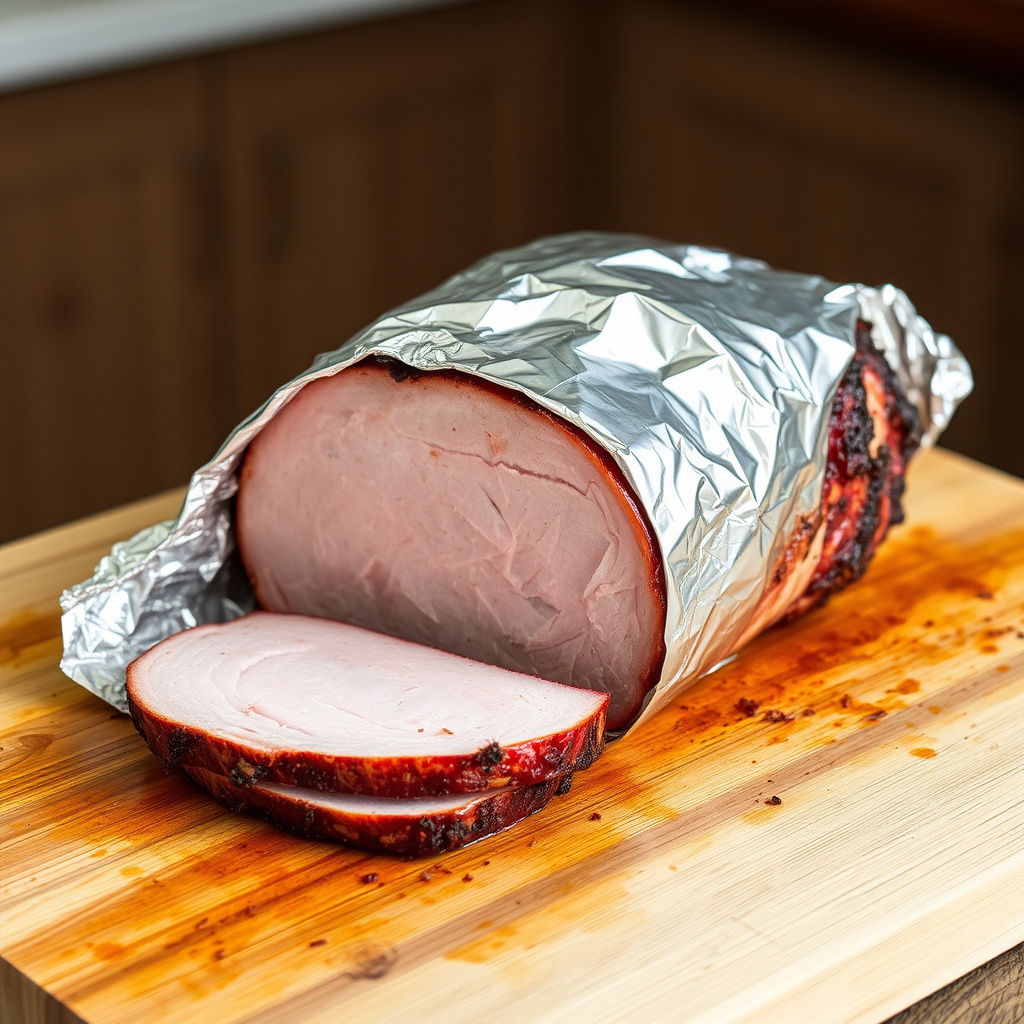
Importance of Resting After Smoking
Resting pork butt for at least 30 minutes after smoking lets juices redistribute throughout the meat, preventing them from running out when sliced or shredded. Resting also allows residual heat to finish tenderizing connective tissue.
Wrap the pork butt lightly in foil or butcher paper and keep it in a cooler or warm place during this rest period.
- Rest 30-60 minutes for best results
- Wrap loosely to retain heat
- Resting improves moisture and flavor
For scientific details on smoke cooking temperatures and effects, see Smoking meat temperatures at Wikipedia. Smoking meat temperatures at Wikipedia.
Tips for Shredding and Serving
Use two forks or meat claws to pull apart the pork butt, separating it into strands. Remove excess fat or bark if desired, though many enjoy the texture and flavor it adds.
Serve with traditional barbecue sauces or on buns with coleslaw for pulled pork sandwiches. Leftovers reheat well and make excellent tacos or chili.
- Shred with forks or meat claws
- Remove large fat caps if preferred
- Pair with BBQ sauce or buns
Smoking Temperature and Wood Type Comparison for Pork Butt
This table compares common smoking temperature ranges and popular wood types to help you select the best combination for your pork butt smoke.
| Smoking Temperature | Average Cook Time | Wood Type | Flavor Profile |
|---|---|---|---|
| 225°F | 12-16 hours | Hickory | Strong, smoky, bacon-like |
| 225°F | 12-16 hours | Apple | Mild, sweet, fruity |
| 250°F | 8-12 hours | Cherry | Slightly sweet, rich fruit flavor |
| 250°F | 8-12 hours | Oak | Medium, balanced smoke |
| 230°F | 10-14 hours | Pecan | Nutty and sweet |
| 235°F | 10-15 hours | Hickory + Apple Blend | Robust with sweet accents |
Frequently Asked Questions
Can I smoke pork butt at a higher temperature to reduce time?
Smoking pork butt above 275°F is not recommended because it can dry out the meat and result in less tender texture. Low-and-slow smoking within 225°F-250°F is best for juicy results.
How do I know when pork butt is done smoking?
The pork butt is done when it reaches an internal temperature of 195°F to 205°F and the probe slides in easily, indicating tender meat ready for shredding.
Is it necessary to use a water pan in the smoker?
Using a water pan adds humidity that helps keep pork butt moist and stabilizes temperature, making it a helpful tool during long smoking sessions.
What type of wood gives the best smoke flavor for pork butt?
Hickory is the most popular wood for pork butt for its strong, traditional smoke flavor, but fruitwoods like apple and cherry provide sweeter, milder profiles.
Should I wrap pork butt during smoking?
Wrapping pork butt with foil or butcher paper halfway through cooking can speed up the process and help retain moisture but may reduce smoke flavor intensity.
Key Takeaways
- Smoke pork butt at 225°F to 250°F for tender, juicy results
- Maintain a consistent temperature to avoid drying or toughening meat
- Choose wood like hickory, apple, or cherry for complementary smoke flavors
- Rest pork butt after smoking to lock in moisture before shredding
Conclusion
Selecting the right smoking temperature for pork butt is a balance between giving the tough cut enough time to break down connective tissues and avoiding the risk of drying the meat. Sticking within 225°F to 250°F creates an ideal environment where the collagen melts into gelatin, yielding that tender, juicy pulled pork texture pitmasters seek. Understanding how to accurately measure and adjust your smoker’s temperature will make a tangible difference in your cook quality.
For those who want classic robust flavor, hickory wood smoked low and slow provides an unmistakable savory depth, especially when paired with proper temperature control. Fruitwoods such as apple or cherry can soften that smoke intensity with hints of sweetness. Whether you choose 225°F for deeper smoke penetration over a longer period or 250°F to speed things up slightly, monitoring internal temperature until the pork butt reaches 195°F to 205°F is the best way to guarantee tenderness.
As your next step, invest in a reliable digital meat thermometer and experiment with different wood combinations to find which match your taste preferences best. Set your smoker to your preferred temperature within the recommended range, keep an eye on the internal pork butt temperature, and rest your meat well before serving. With these steps, you’ll consistently master the art of smoking pork butt.