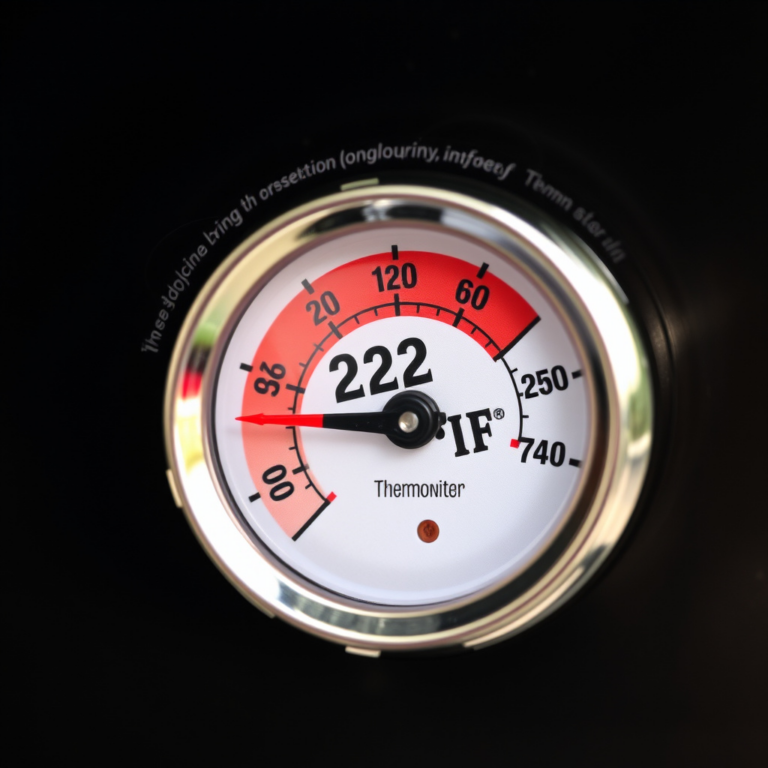
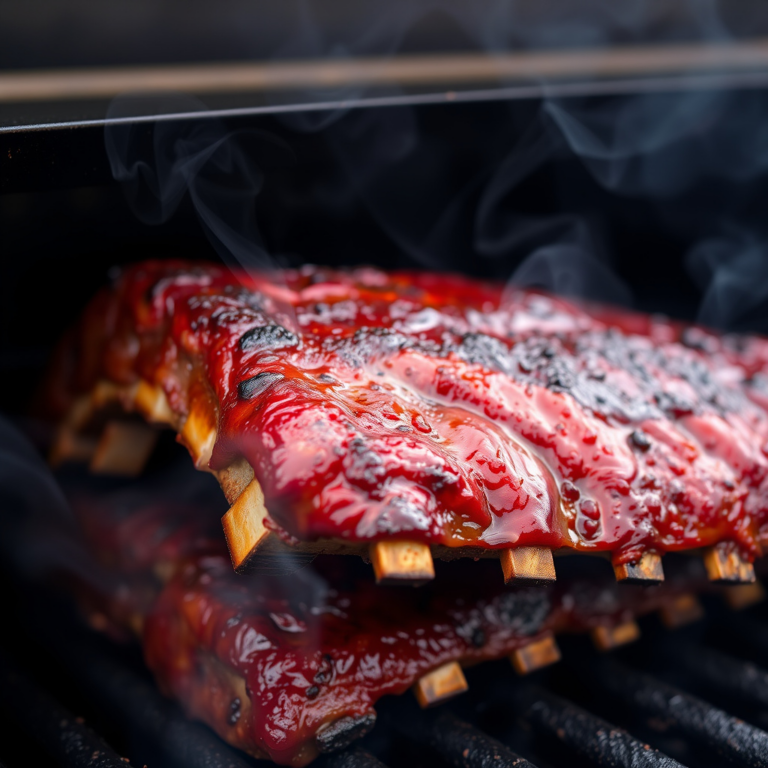
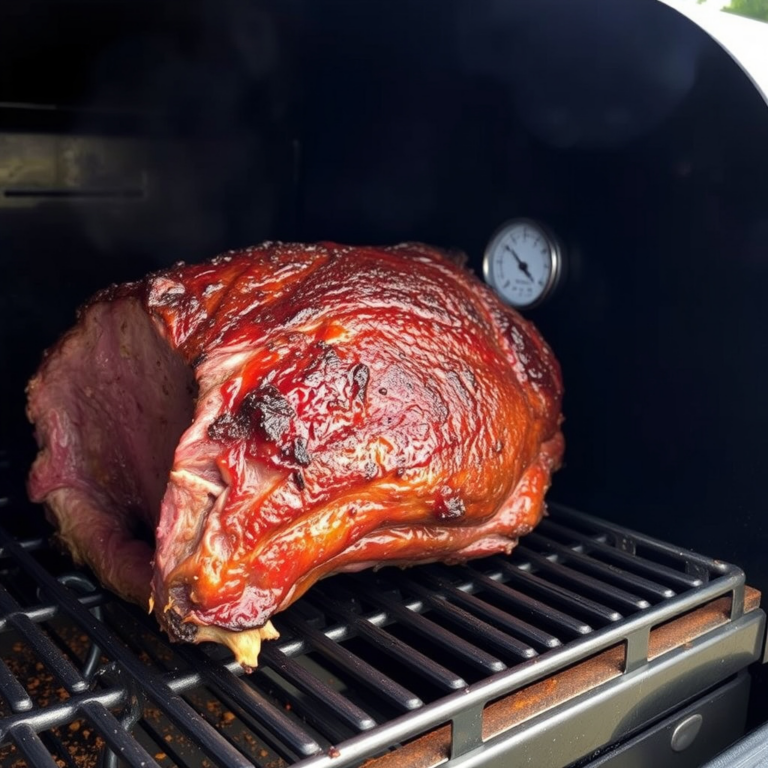
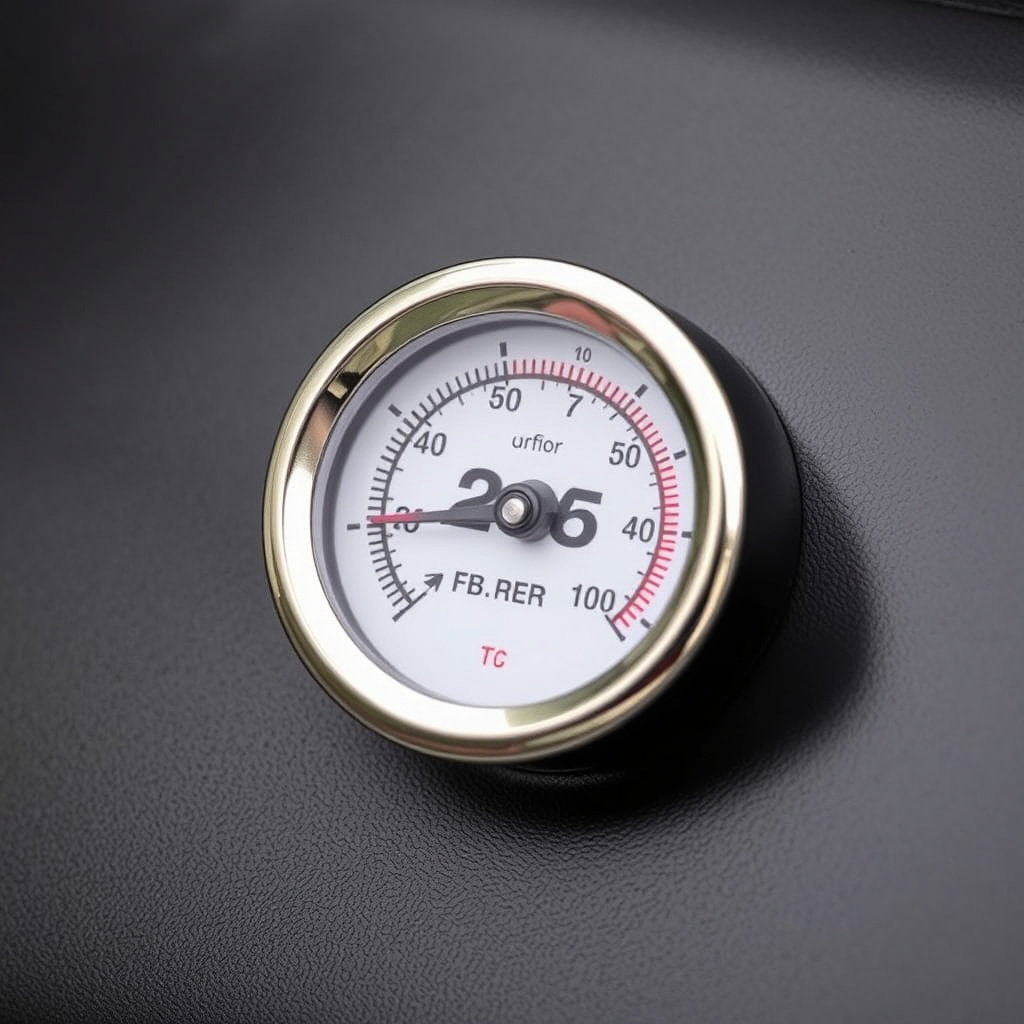
The right temperature to smoke meat typically ranges between 225°F and 275°F, creating a low and slow cooking environment that tenderizes meat while infusing it with smoky flavor. Many pitmasters aim for approximately 225°F as a starting point, adjusting slightly based on the cut and desired cooking time.
Smoking meat at this temperature range converts collagen into gelatin without drying out the meat, which is crucial for cuts like brisket, pork shoulder, or ribs. Controlling smoke temperature ensures that the meat cooks evenly, develops a rich bark, and reaches safe internal temperatures without burning or undercooking.
This article will explore why the temperature to smoke meat matters, how it impacts texture and flavor, and how to set your smoker temperature for various types of meat. We will also cover temperature ranges for different cuts, equipment tips, and troubleshooting temperature issues to help you get consistent results.
Understanding the Ideal Temperature to Smoke Meat
Why Low and Slow Smoking Works Best
Smoking meat at low temperatures between 225°F and 275°F allows tough connective tissues to break down gradually while preserving moisture. This low and slow method promotes tenderness and enhanced smoky flavors that faster cooking methods cannot replicate.
Higher temperatures cook meat quickly but often dry out or overcook the exterior before the interior reaches tenderness. Maintaining a moderate smoker temperature ensures uniform cooking, essential for traditional barbecue cuts like brisket or pork butt.
How Temperature Affects Meat Texture and Flavor
At lower smoking temperatures, collagen within the meat converts to gelatin slowly, creating a juicy and tender bite. The smoke flavor also develops more deeply during extended cook times at these temperatures, resulting in the signature barbecue taste.
Exceeding 275°F risks drying out the meat or developing a burnt exterior. Maintaining precise smoker temperature control is therefore vital to balance the breakdown of connective tissue and smoke infusion without compromising moisture.
Smoking Temperature Guidelines for Popular Meats
Best Smoking Temperature for Brisket
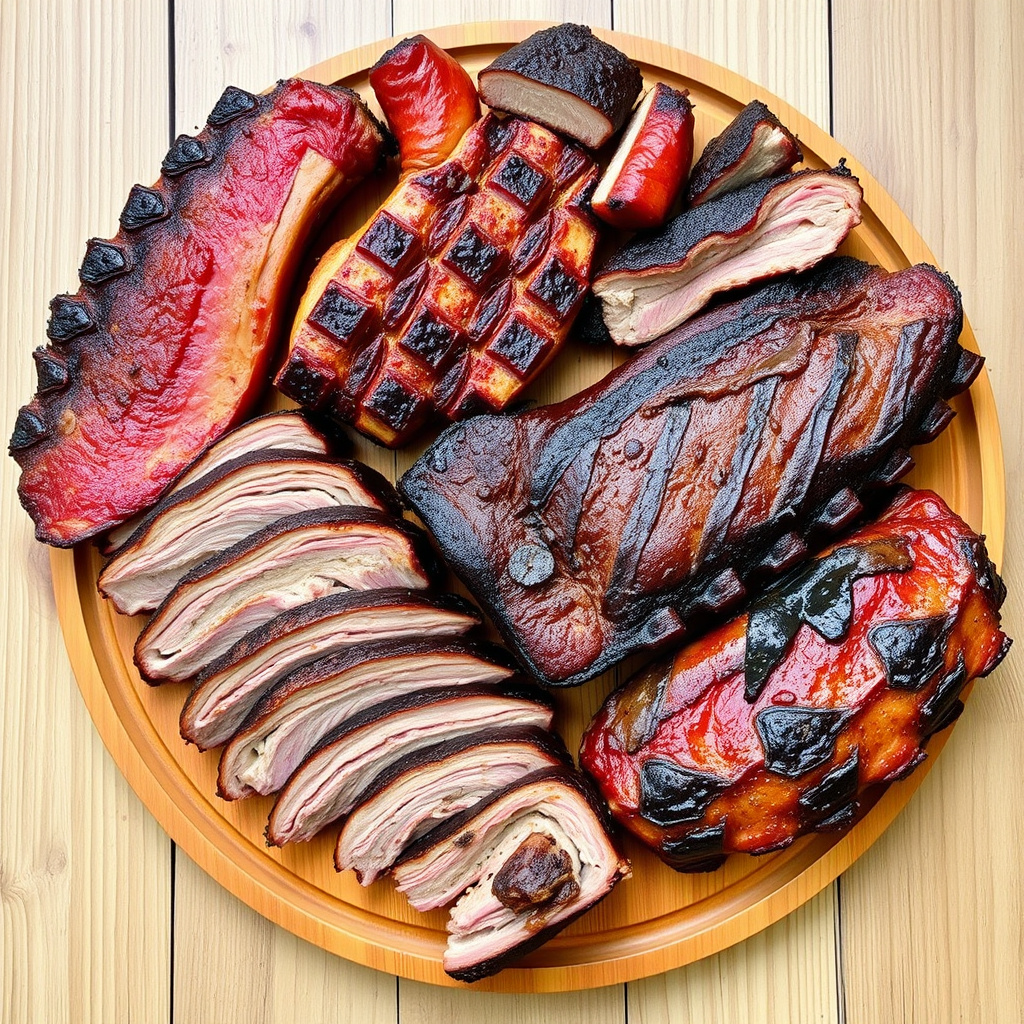
Brisket typically requires smoking at a steady 225°F to 250°F. Cooking brisket at this temperature helps render fat and break down toughness over 10 to 14 hours, allowing smoke to penetrate deeply without drying the meat.
For more precision, some pitmasters start at 225°F and increase to 250°F during the stall phase to speed up the cooking without sacrificing tenderness or smoke flavor.
Smoking Temperatures for Pork Shoulder and Ribs
Pork shoulder responds well to smoking in the 225°F to 250°F range for approximately 8 to 12 hours. This maintains moisture while providing sufficient cook time for connective tissues to dissolve.
Ribs usually smoke best between 225°F and 275°F, depending on whether you prefer a firmer bark or a softer texture. Lower temperatures yield more tender ribs, while higher smoke temperatures can finish them faster with a firmer crust.
Controlling and Monitoring Your Smoker Temperature
Tools to Measure and Maintain Temperature
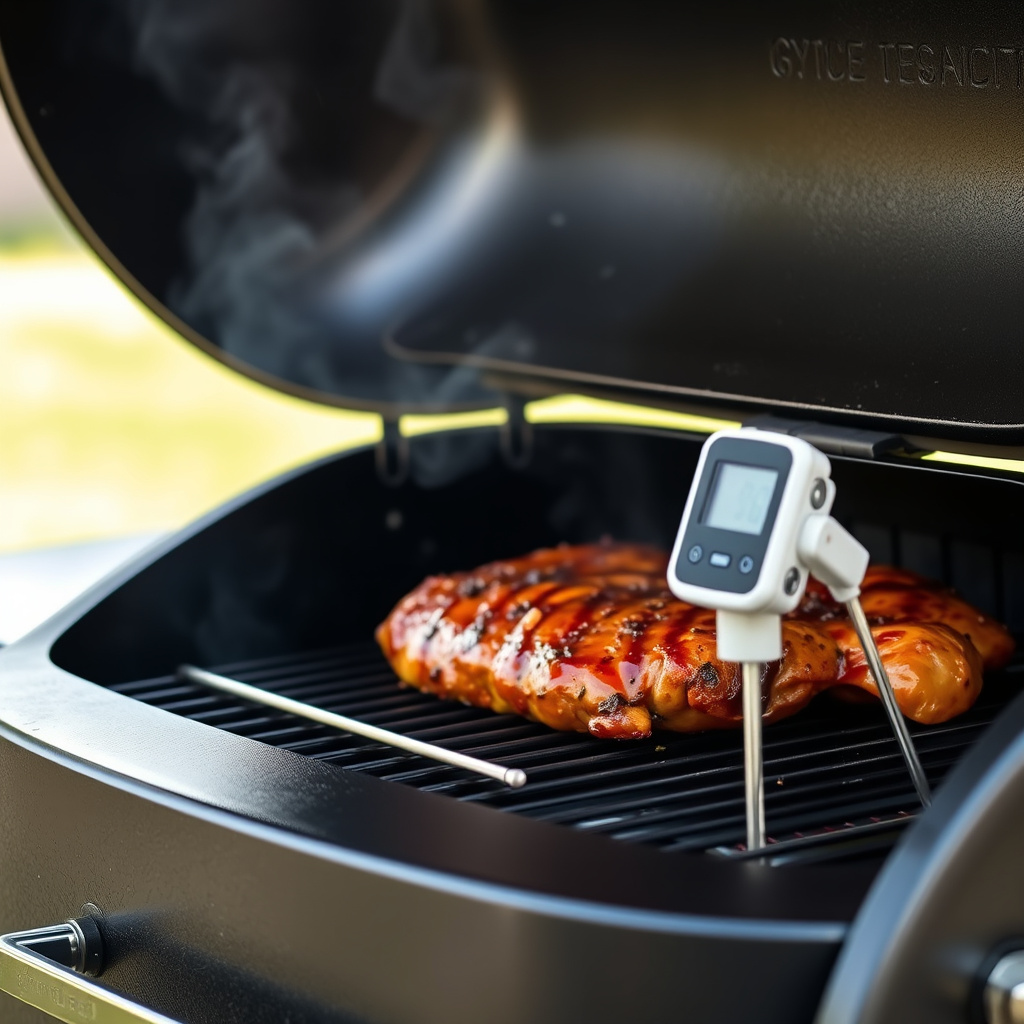
Using a reliable thermometer is essential for tracking the exact temperature to smoke meat. Digital thermometers with dual probes track both the smoker’s ambient temperature and the internal meat temperature for precise control.
Adjusting vents, adding fuel, or using water pans helps regulate the smoker temperature. Consistent temperature control prevents sudden spikes that could dry the meat or stall its cooking.
- Digital smoker thermometer with dual probes
- Adjustable airflow vents
- Water pan to stabilize temperature
- Charcoal or pellet fuel management
For more on this, see our related guide: How to Smoke Meat on a Charcoal Grill: A Step-by-Step Guide.
Common Temperature Issues and Fixes
Temperature fluctuations in the smoker often occur from opening the lid too frequently or inconsistent fuel burning. Avoid opening the smoker unnecessarily to maintain steady heat.
If the temperature rises above the ideal range, increasing airflow or briefly opening vents can cool the chamber. Conversely, adding fuel or closing vents helps if temperature drops too low.
Understanding Meat Internal Temperatures in Smoking
Target Internal Temperatures for Different Meats
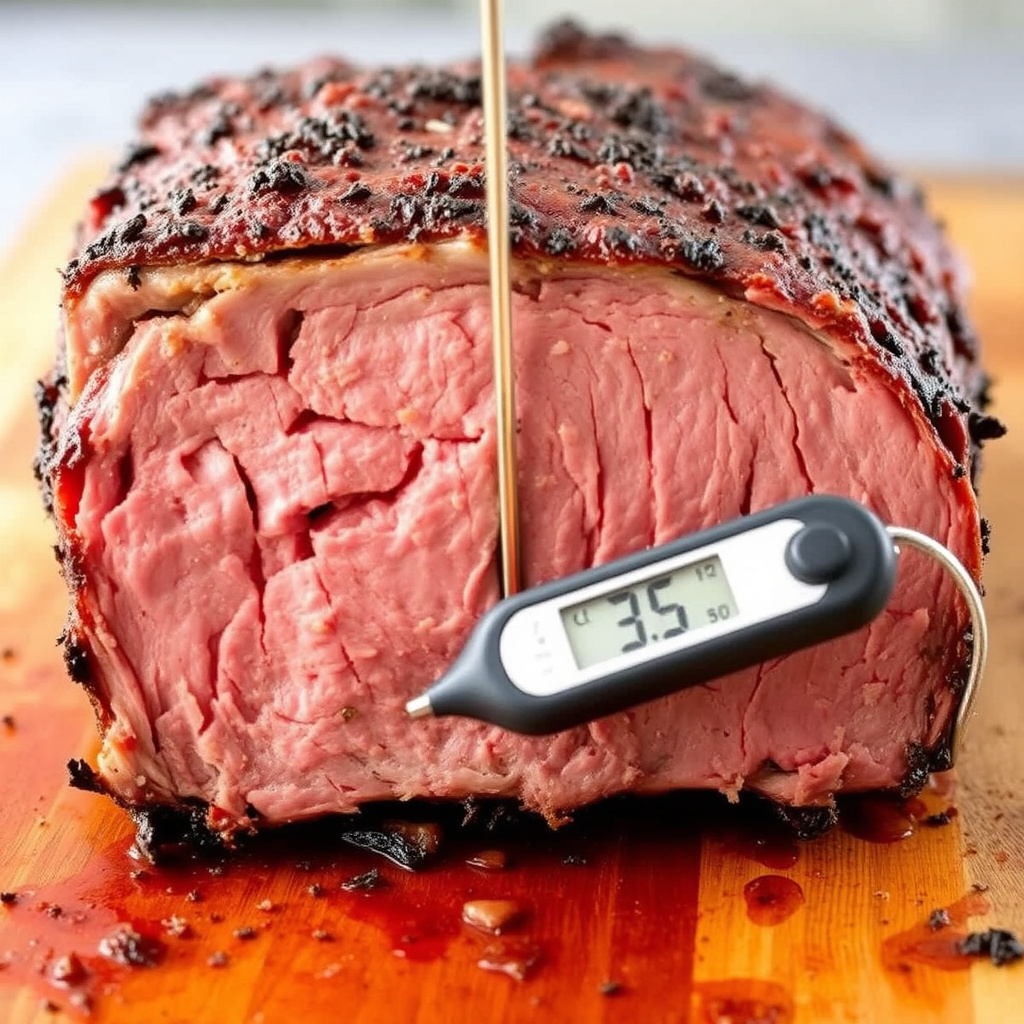
While the smoker temperature to smoke meat hovers between 225°F and 275°F, the internal target varies by cut. Brisket is best cooked to about 195°F to 203°F internal temperature, which achieves tenderness and collagen breakdown.
Pork shoulder reaches optimal texture around 195°F, whereas ribs usually finish smoking at internal temperatures of 190°F. Monitoring internal meat temps ensures food safety and texture consistency.
The Smoke Ring and Its Temperature Formation
A classic pink smoke ring forms in meat when nitrogen dioxide from smoke reacts with myoglobin in the meat at temperatures below 140°F. This adds visual appeal and mild additional flavor.
Maintaining the smoker temperature to smoke meat in the low range promotes smoke ring development. However, it is mostly cosmetic and not necessarily a sign of flavor quality.
Adapting Smoking Temperatures to Different Smoker Types
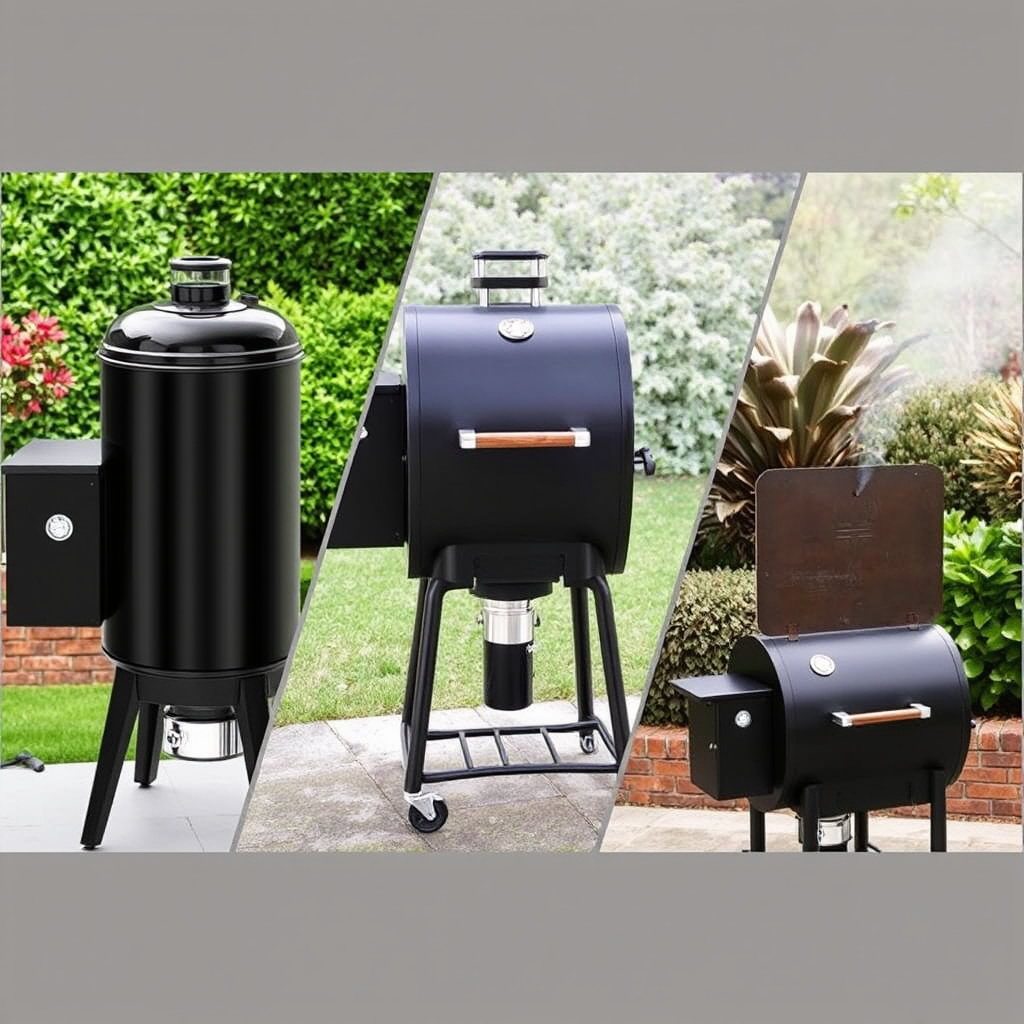
Temperature Ranges for Charcoal and Offset Smokers
Charcoal and offset smokers produce flavorful smoke but require active management to maintain the temperature to smoke meat between 225°F to 275°F typically. Adjusting fuel amount and vents controls heat.
These traditional smokers offer excellent smoke penetration but need frequent monitoring to prevent temperature swings, especially around wind or cold weather conditions.
For more on this, see our related guide: How to Smoke Meat on a Gas Grill: A Step-by-Step Guide.
Electric and Pellet Smokers Temperature Features
Electric and pellet smokers usually have thermostatic controls that maintain the smoker temperature automatically. These range from 180°F up to 300°F or more, providing convenience and consistency.
They are ideal for beginners as they reduce manual adjustments and still allow the temperature to smoke meat within the ideal low and slow range, preserving tenderness and smoky flavor.
Enhancing Flavor and Texture with Temperature Adjustments
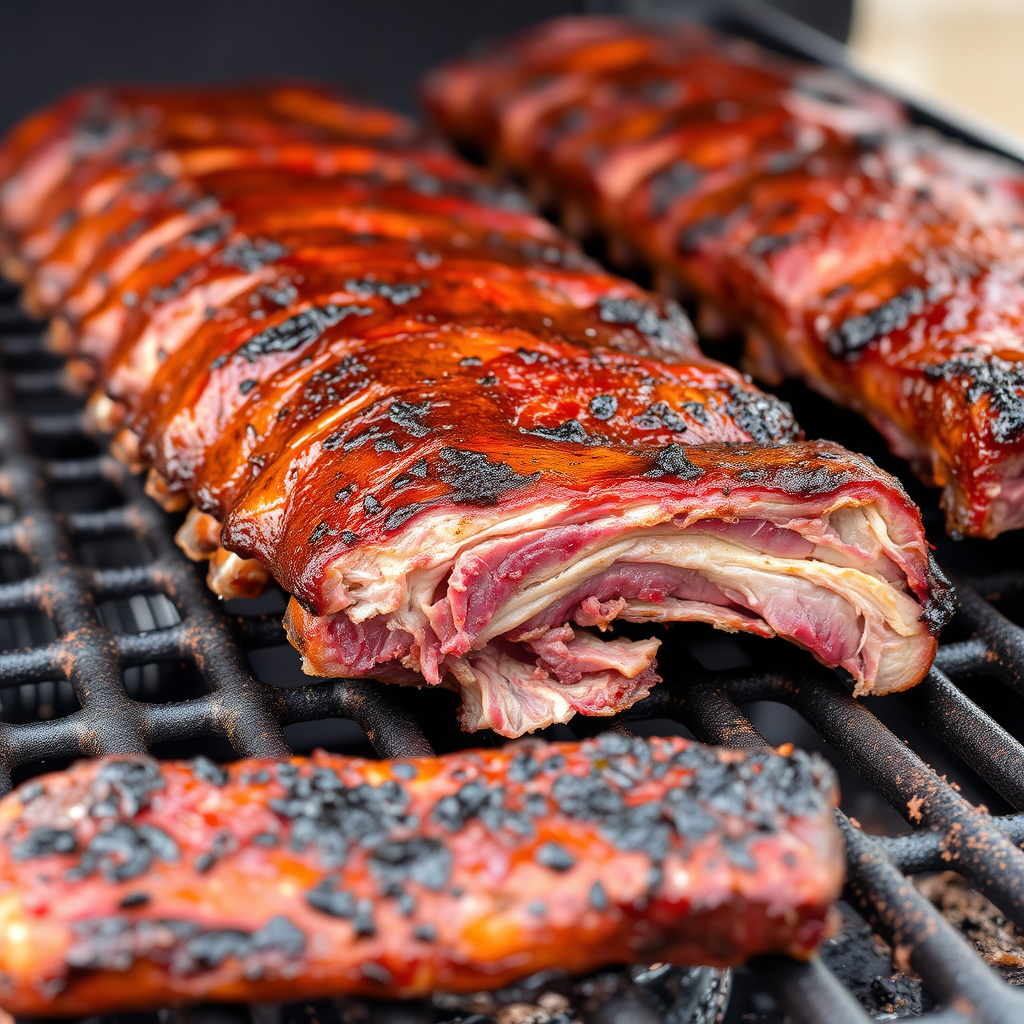
Using Temperature to Develop Bark and Smoke Flavor
Bark forms on meat when exposed to consistent heat and smoke over long periods. Smokers held at about 225°F create a bark that is smoky and firm but not burnt.
Increasing temperature gently during the last hour of smoking can help finish bark development and caramelize rub ingredients without drying meat.
For more detailed information on the smoking process and its history, you can visit the smoking (cooking) page on Wikipedia. smoking (cooking) on Wikipedia.
Adjusting Temperature for Different Wood Smoke Profiles
Different smoking woods burn best at certain temperatures. For instance, fruitwoods like apple or cherry work well at lower temps for subtle flavor, while hickory or mesquite flavors intensify at higher temperatures around 250°F.
Balancing smoker temperature to match wood type enhances smoke flavor without overwhelming the meat’s natural taste.
Smoking Temperature Category Comparison
Here’s a comparison chart summarizing temperature ranges and ideal uses for various smoker types and meat cuts.
| Smoker Type | Ideal Smoking Temperature | Recommended Meat Cuts | Temperature Control Ease |
|---|---|---|---|
| Charcoal/Offset | 225°F – 275°F | Brisket, Pork Shoulder, Ribs | Moderate – requires manual adjustment |
| Pellet | 225°F – 275°F | All Cuts | High – automated temperature control |
| Electric | 200°F – 275°F | Pork, Chicken, Ribs | High – digital thermostat |
| Gas | 225°F – 300°F | Fast smoking of ribs, chicken | Moderate – manual controls |
Frequently Asked Questions
Can I smoke meat at temperatures higher than 275°F?
Smoking above 275°F speeds cooking but risks drying out meat and burning the bark. While possible, higher temperatures usually sacrifice tenderness and prolonged smoke flavor.
How long does it take to smoke meat at 225°F?
Smoking time varies by meat type and size but generally ranges from 1.5 to 2 hours per pound at 225°F, allowing low and slow cooking for optimal tenderness.
Does the smoker temperature affect food safety?
Yes. Smoking at temperatures below 225°F can extend cooking times and potentially keep meat in unsafe temperature zones too long. Maintaining at least 225°F helps reach safe internal temperatures promptly.
How do I prevent my smoker temperature from fluctuating?
Avoid opening the smoker frequently, use quality fuel, adjust vents carefully, and monitor temperature with a reliable thermometer to maintain steady heat.
Is the smoke ring affected by smoker temperature?
Yes. The smoke ring forms better at lower smoking temperatures under 140°F in the outer meat layer. Proper temperature control helps preserve this effect, though it doesn’t impact flavor.
Key Takeaways
- Maintain smoker temperature between 225°F and 275°F for best results.
- Different meats like brisket and pork shoulder have ideal internal temperatures.
- Consistent temperature control requires good thermometers and fuel management.
- Smoker type influences temperature stability and ease of use.
Conclusion
Determining the perfect temperature to smoke meat involves balancing heat for collagen breakdown with the need to preserve moisture and infuse smoky flavor. Sticking to the common 225°F to 275°F range generally produces tender, flavorful barbecue by allowing slow, even cooking that converts tough fibers to gelatin while developing bark. Proper temperature control is essential, whether using a charcoal offset smoker or a more automated pellet smoker, to avoid drying the meat or overcooking it.
Specific cuts demand adjusted approaches: brisket typically shines when smoked between 225°F and 250°F for 10 to 14 hours, allowing ample time for fat rendering and tenderness. Pork shoulder benefits from similar low temperatures to slowly tenderize its rich connective tissue, while ribs can handle slightly higher heat, up to 275°F, for a firmer bark. Beginners may prefer electric or pellet smokers with digital thermostats for easier maintenance of these temperature ranges and consistent, predictable results.
Ultimately, knowing your equipment and monitoring both smoker and meat internal temperatures lets you tailor the smoking process to your preferences and environment. Investing in quality thermometers and learning to adjust vents or fuel will give you reliable control over the temperature to smoke meat, ensuring delicious barbecue every time. Start with the recommended range and specific meat guidelines, then experiment subtly to find your perfect smoked flavor.