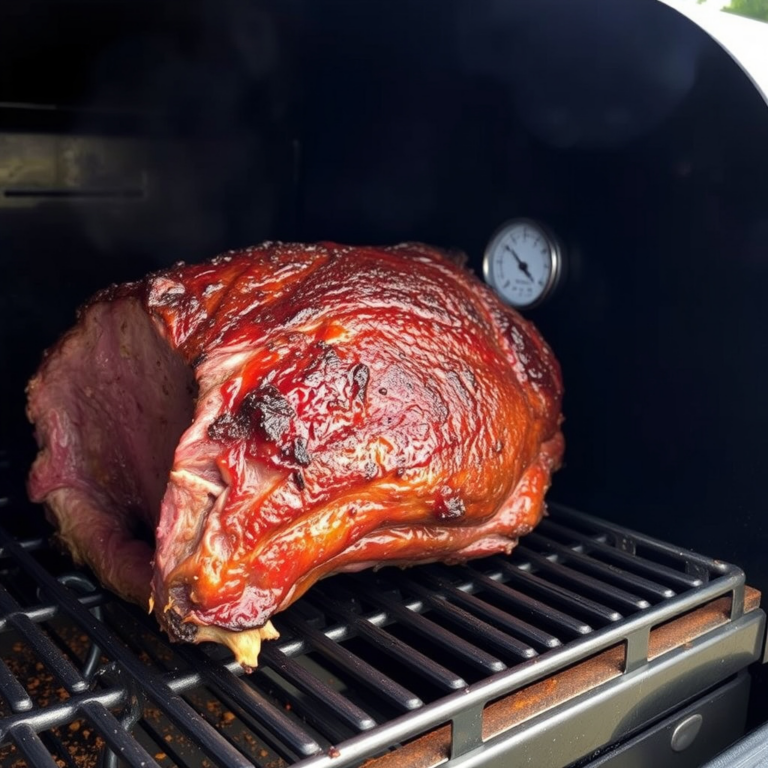
Smoking ribs at the right temperature is key to achieving tender, juicy meat with deep smoky flavor. The ideal smoking temperature for ribs is typically between 225°F and 250°F. This low-and-slow approach allows the connective tissues to break down gently without drying out the meat.
Maintaining this temperature range ensures that ribs cook evenly and absorb smoke flavor properly over several hours. Higher temperatures risk toughening the meat, while lower temperatures might prolong cooking excessively, potentially compromising texture and food safety.
This article guides you through the optimal smoking temperatures for different rib types, explains temperature control methods, and offers tips on monitoring and finishing your ribs for the best results.
Understanding the Ideal Temperature to Smoke Ribs
Why Low and Slow Works Best for Smoking Ribs
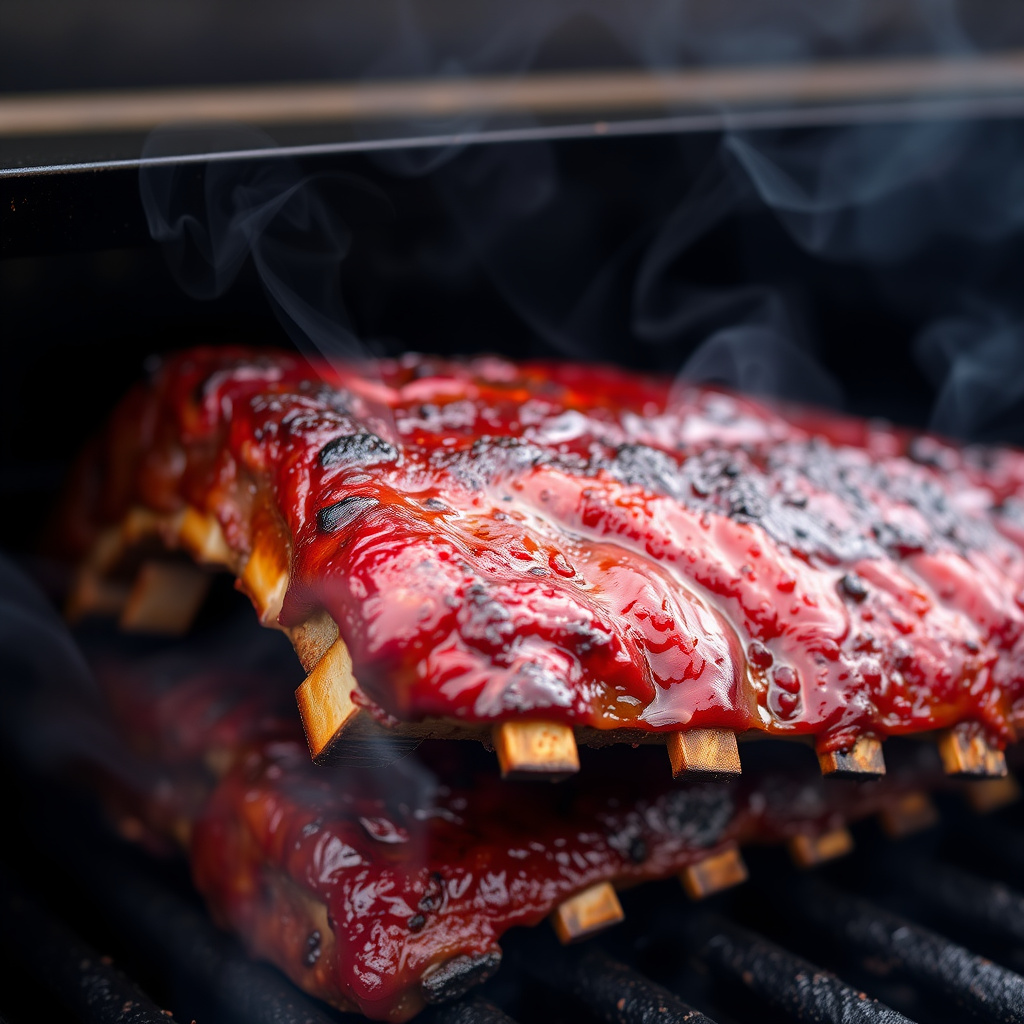
Smoking ribs in the 225°F to 250°F range allows collagen in the meat to melt over time, transforming tough ribs into tender, succulent bites. This temperature range balances the cooking time and smoke absorption to optimize flavor.
Cooking ribs too quickly at higher heat can cause the muscle fibers to contract, squeezing out moisture and resulting in dry meat. A steady, moderate temperature ensures the ribs stay juicy while developing a rich smoke ring and bark.
Temperature Differences for Baby Back vs. Spare Ribs
Baby back ribs are leaner and cook faster than spare ribs, so they respond well to the lower end of the ideal temperature spectrum, around 225°F. Spare ribs have more fat and connective tissue, making 225°F to 250°F suitable for breaking down these tougher cuts.
Adjusting the cooking time based on temperature is crucial: baby back ribs usually take 4 to 5 hours, while spare ribs can take 5 to 6 hours at these temperatures to reach tenderness.
Essential Tools for Monitoring Smoking Temperature
Using Smoker Thermometers Effectively
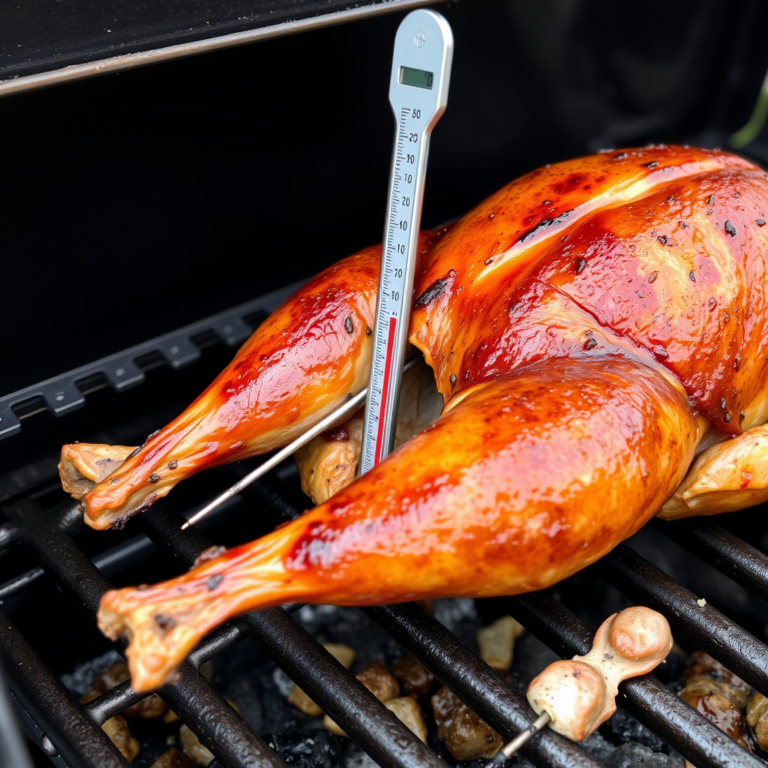
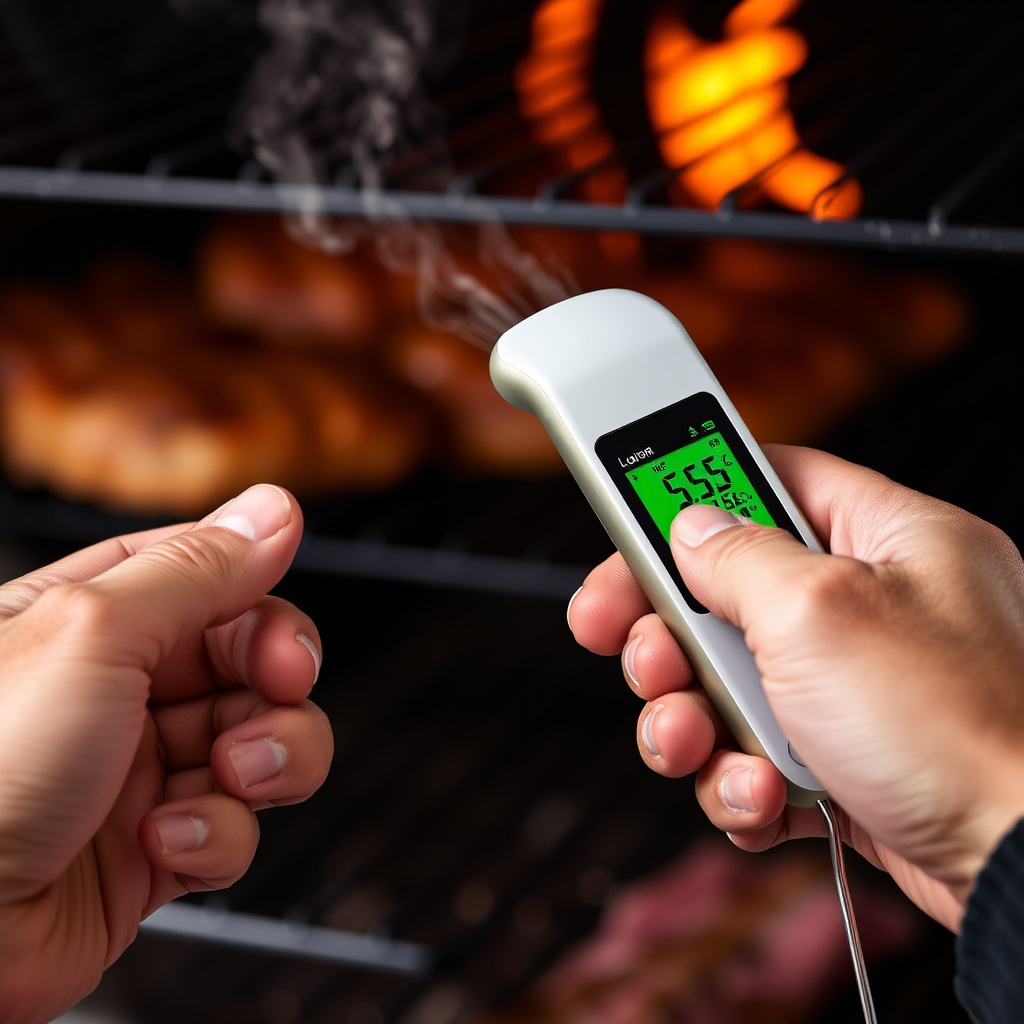
A reliable smoker thermometer helps maintain the steady temperature needed for smoking ribs. Digital probes provide continuous feedback and alerts if temperatures fluctuate beyond the target range.
Place the thermometer probe near the ribs but away from direct heat sources or smoke vents to get an accurate ambient temperature reading inside the smoker.
- Use a high-quality digital thermometer
- Calibrate your thermometer before use
- Monitor temperature at regular intervals
For more on this, see our related guide: How to Smoke Meat on a Charcoal Grill: A Step-by-Step Guide.
Meat Probes to Track Internal Rib Temperature
In addition to smoker temperature, an internal meat probe allows you to check rib doneness. For pork ribs, the internal temperature should reach about 195°F to 203°F for ideal tenderness.
Avoid relying solely on temperature; tactile tests like the bend or “wiggle” test provide cues about the ribs’ texture when smoked at recommended temperatures.
- Insert probe into the thickest part avoiding the bone
- Check temperature towards the end of the cooking cycle
Techniques to Maintain Consistent Smoking Temperature
Controlling Heat Sources in Different Smoker Types
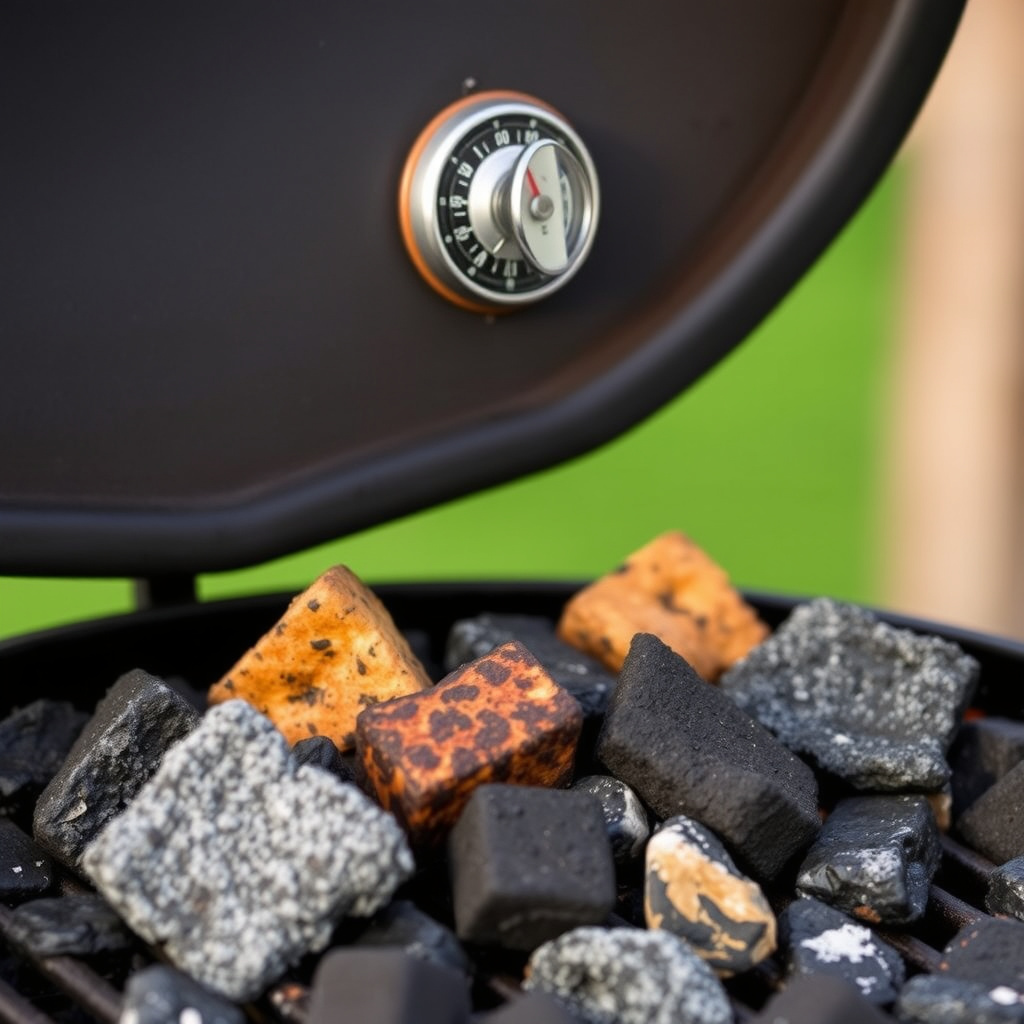
Charcoal smokers require managing airflow through vents to keep the temperature in the 225°F to 250°F range. Opening vents increases oxygen flow and temperature, while closing them lowers heat.
Electric and pellet smokers often have built-in digital controllers that help maintain steady temperatures, making it easier to stick to the best temperature for smoking ribs.
- Adjust vents gradually
- Use indirect heat setups
- Add fuel in small amounts
Avoiding Temperature Fluctuations During Cooking
Sudden temperature spikes or drops can dry out ribs or extend cooking time. Keeping the smoker closed as much as possible preserves heat and smoke flow.
Preheating your smoker and preparing wood or charcoal ahead helps stabilize temperatures quickly, and using water pans can help moderate internal conditions.
- Keep smoker lid closed
- Preheat for at least 20 minutes
- Use water pans inside the smoker
Finishing Ribs: Temperature and Time for the Perfect Bark and Juiciness
The 3-2-1 and 2-2-1 Smoking Methods Explained
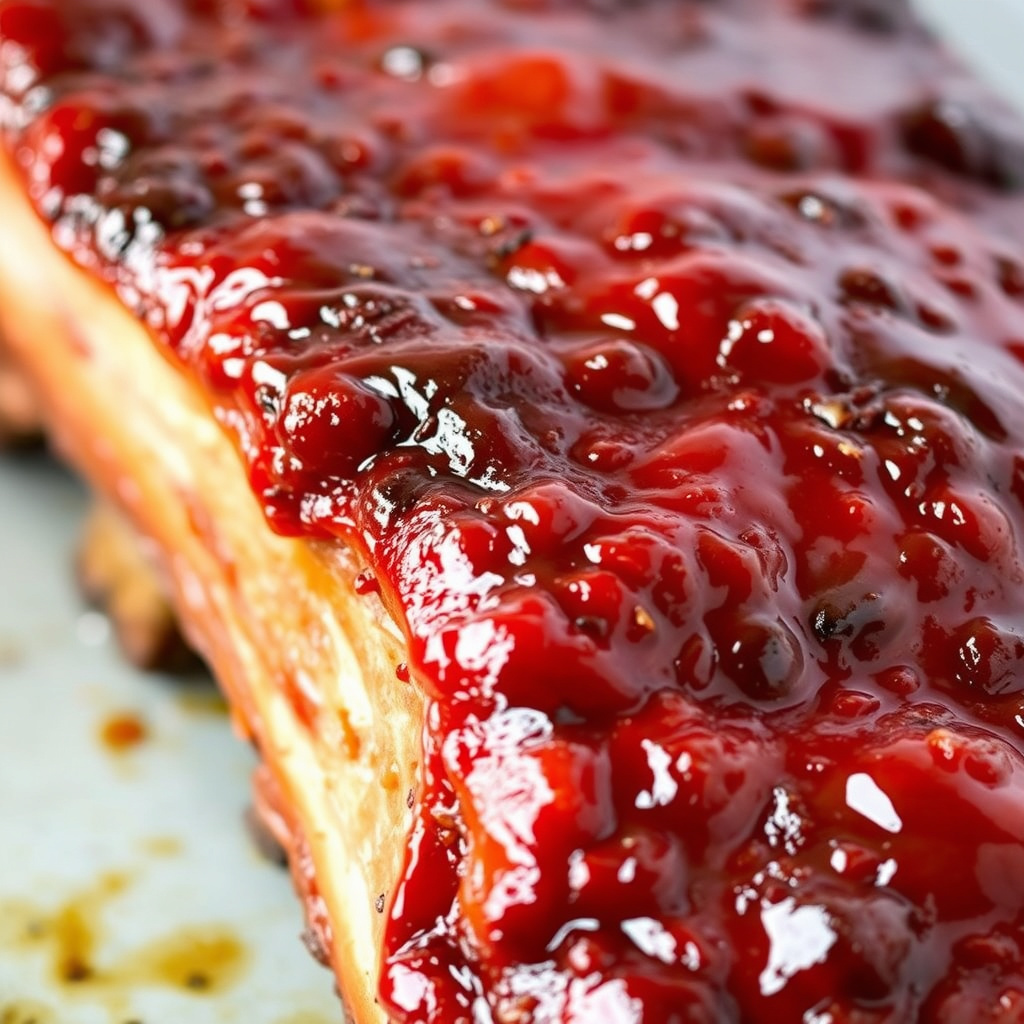
Many pitmasters use the 3-2-1 method for spare ribs, involving 3 hours smoking at 225°F, 2 hours wrapped in foil to tenderize, and 1 hour unwrapped with sauce to build bark. Baby backs usually adapt better to the 2-2-1 pattern due to quicker cooking.
Each stage aligns with temperature control, ensuring ribs cook evenly and develop moisture, flavor, and texture without overcooking.
For more on this, see our related guide: How to Smoke Meat on a Gas Grill: A Step-by-Step Guide.
Resting and Serving Temperature Tips
After smoking, let ribs rest for 10 to 15 minutes to allow juices to redistribute, enhancing tenderness. Serve immediately but avoid cutting too soon to maintain a juicy bite.
Keeping ribs at serving temperature around 140°F to 160°F using warming drawers or heat lamps keeps them perfect without drying.
- Rest ribs before slicing
- Use foil to tent ribs if needed
- Maintain warm holding temperature
Common Mistakes Affecting the Smoking Temperature of Ribs
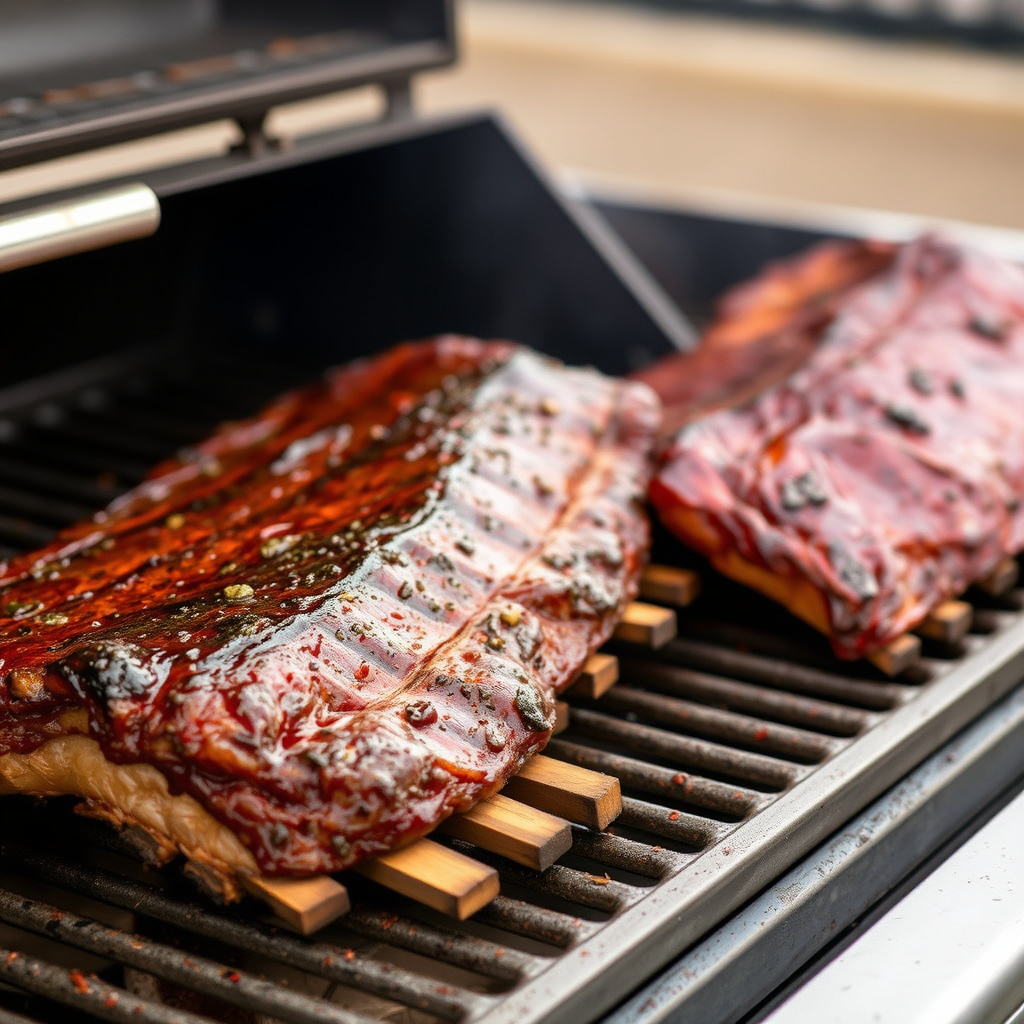
Risks of Smoking at Too High or Too Low Temperatures
Smoking ribs above 275°F causes the meat fibers to tighten quickly, squeezing out moisture and resulting in dry, tough ribs. Conversely, smoking below 200°F can prolong cooking times excessively, risking undercooked meat and food safety concerns.
Sticking to the recommended 225°F to 250°F range balances texture and flavor for the best eating experience.
For more information on the science behind smoking meats, see this Wikipedia article on smoked ribs. Wikipedia article on smoked ribs.
Fuel and Weather Factors Impacting Temperature Consistency
Unseasoned wood or damp charcoal can cause temperature dips, while windy or cold weather might cool your smoker rapidly, requiring more frequent monitoring and adjustments.
Using seasoned wood and monitoring ambient conditions helps maintain the smoker at the right temperature to smoke ribs successfully.
- Use dry, seasoned wood
- Protect smoker from wind
- Check fuel level frequently
Smoking Temperature Approaches for Various Rib Types
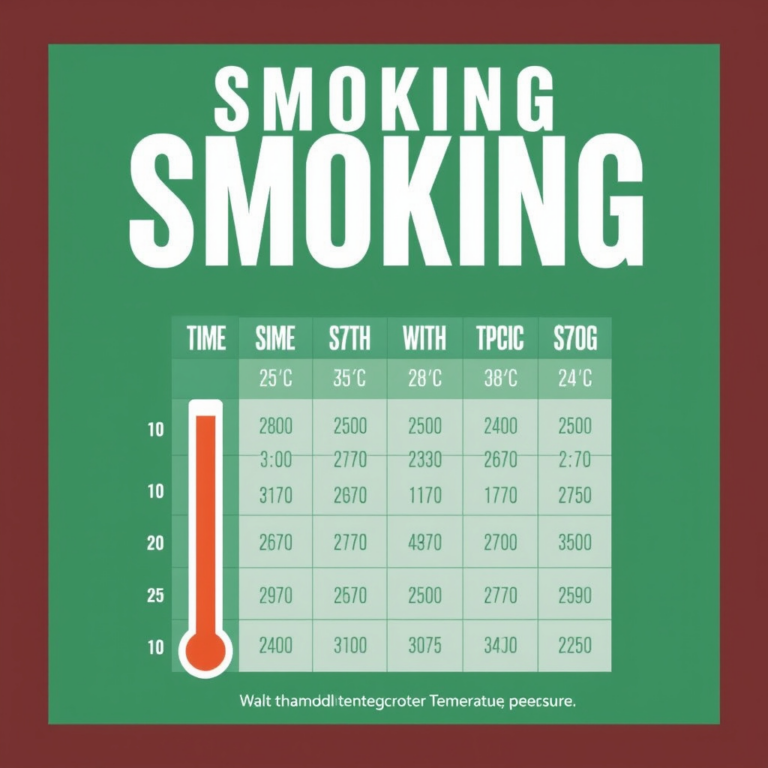
Here's a table comparing smoking temperatures, times, and texture outcomes across common rib varieties to guide your selection.
| Rib Type | Recommended Temperature | Approximate Cooking Time | Texture Result |
|---|---|---|---|
| Baby Back Ribs | 225°F | 4-5 hours | Tender with mild chew |
| Spare Ribs | 225°F-250°F | 5-6 hours | Juicy and rich with more fat |
| St. Louis Style Ribs | 225°F | 5 hours | Evenly cooked with firm bark |
| Country Style Ribs | 225°F | 3-4 hours | Less smoky, leaner texture |
Frequently Asked Questions
Can I smoke ribs at 300°F?
Smoking ribs at 300°F cooks them faster but usually results in drier, tougher meat because higher heat tightens muscle fibers quickly, squeezing out moisture. It's best to stay within 225°F to 250°F for tender ribs.
How do I know when ribs are done if I don’t have a thermometer?
You can test doneness by checking if the ribs bend easily and the meat pulls back from the bones about a quarter inch. Another sign is the ribs bending and cracking slightly when picked up.
Is it necessary to wrap ribs during smoking?
Wrapping, often called the foil or Texas Crutch method, speeds cooking and helps tenderize ribs by trapping moisture. It’s a handy technique but not strictly necessary; unwrapped ribs develop a stronger bark.
What wood is best for smoking ribs at the recommended temperatures?
Popular woods for ribs include hickory, apple, cherry, and pecan. These woods impart balanced smoke flavors without overpowering the pork when smoked in the 225°F to 250°F range.
Key Takeaways
- Smoking ribs between 225°F and 250°F yields the best tenderness and flavor.
- Baby back ribs cook faster and prefer the lower end of the temperature range.
- Using accurate smoker and meat thermometers helps maintain consistent results.
- Avoid temperature spikes to prevent dry, tough ribs and uneven cooking.
Conclusion
Finding the right temperature to smoke ribs centers on low and steady heat between 225°F and 250°F, which allows the meat’s collagen to break down gradually, making the ribs tender and juicy. Keeping within this range provides enough time for smoke flavor to penetrate without drying the meat out. Patience for slow cooking yields flavorful, fall-off-the-bone results that are well worth the wait.
Different rib cuts respond to temperature slightly differently — baby back ribs benefit from the lower end of the range around 225°F and cook in less time, while spare ribs can handle a bit higher heat and take longer due to their fat and connective tissue content. Techniques like the 3-2-1 smoking method work well here, balancing smoke absorption, moisture retention, and bark formation. Depending on your setup, using electric or pellet smokers can help maintain precise temperatures more easily than charcoal setups.
For your next rib smoking session, invest in a reliable smoker thermometer and meat probe to track temperature closely. Plan your cook starting with the low 225°F temperature and have patience to let the ribs reach an internal temperature near 200°F for ideal tenderness. Whether you prefer baby back or spare ribs, controlling temperature carefully guarantees you’ll deliver delicious, perfectly smoked ribs every time.