Smoking a brisket typically takes between 10 to 18 hours depending on brisket size, smoker temperature, and desired tenderness. Start by maintaining a smoker temperature around 225-250°F, and plan about 1 to 1.5 hours of smoking per pound of meat. Monitoring internal temperature rather than just time is key to achieving that perfect, tender brisket.
Understanding how long to smoke brisket matters because brisket is a tough cut that requires low and slow cooking to break down connective tissues. Too little time results in a tough bite, while too much time can dry it out. Temperature control and patience are essential to achieving the right texture and smoky flavor that barbecue lovers crave.
This article will guide you through the critical factors affecting smoking time, including brisket size, temperature choices, techniques for wrapping and resting, and tips for judging doneness. You'll also find a comparison of smoking methods and answers to common brisket smoking questions.
Understanding Brisket Size and Cut
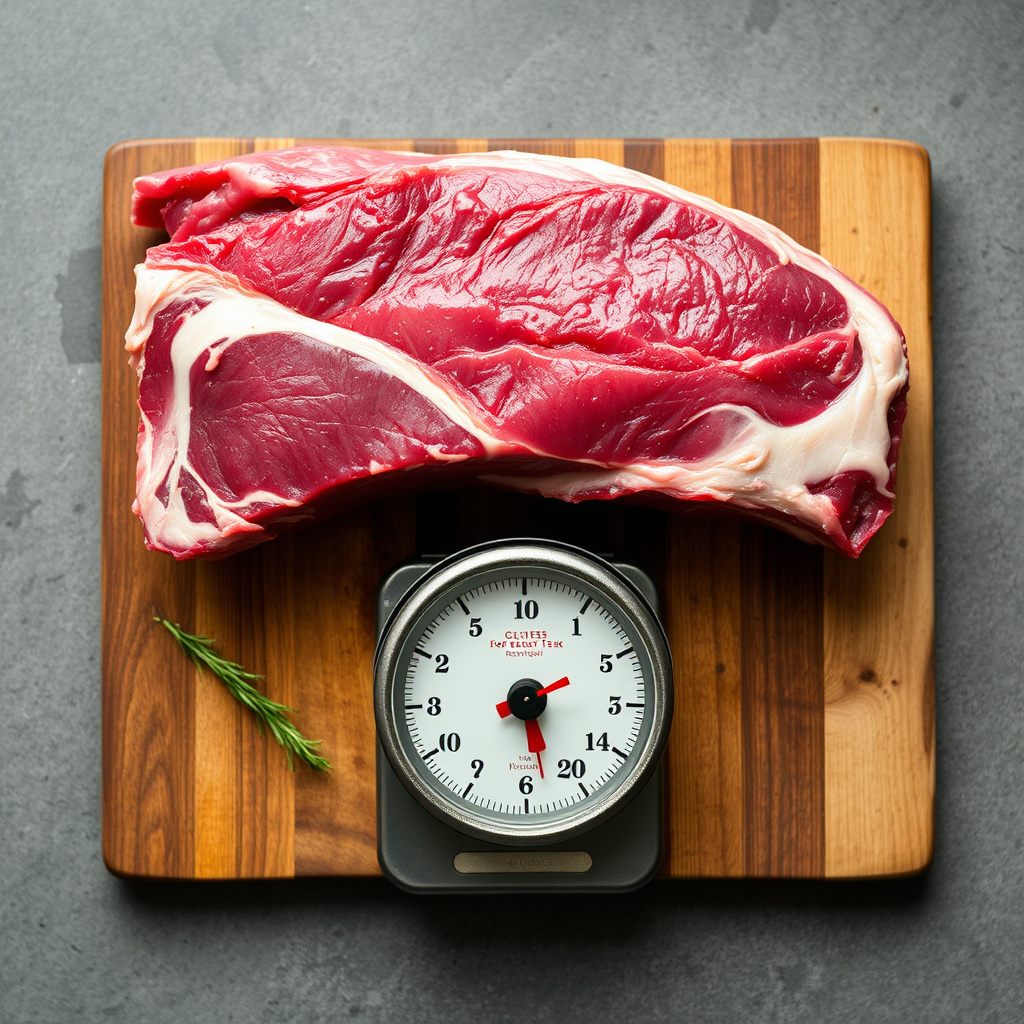
Different Brisket Cuts and Their Impact on Smoking Time
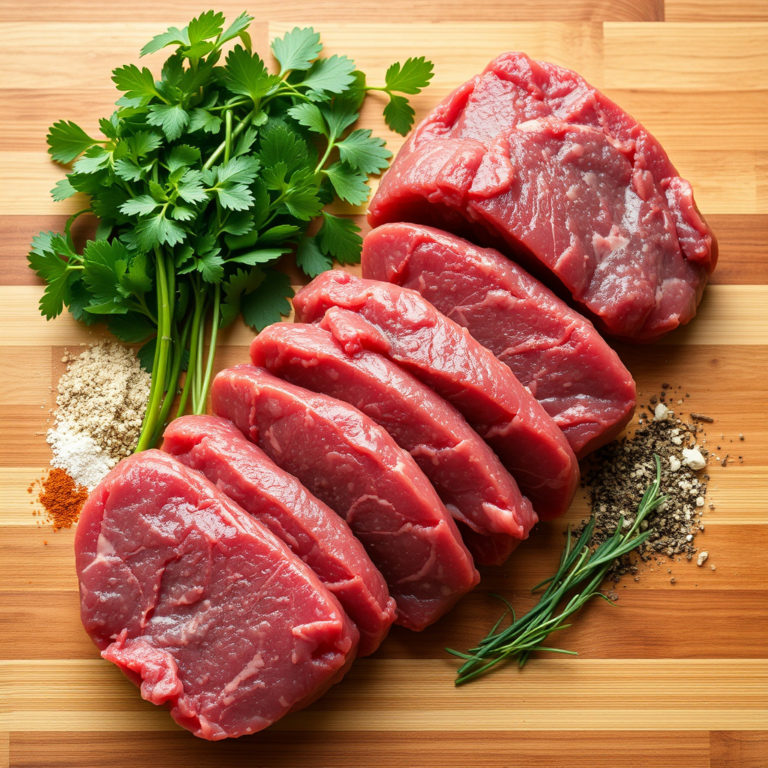
A full packer brisket includes both the flat and point muscles and typically weighs 10-16 pounds. This large size usually requires longer smoking times, often upwards of 12-18 hours. The flat is leaner and thinner, while the point is fattier and thicker, influencing how heat penetrates each area.
If using smaller brisket parts, like just the flat cut, expect shorter smoking durations around 8-12 hours. Knowing what cut you have helps set realistic expectations for how long to smoke brisket and better manage the cooking process.
Estimating Cooking Time Based on Weight
A common guideline is to smoke brisket at 225°F for about 1 to 1.5 hours per pound. For example, a 12-pound brisket could take roughly 12-18 hours. However, this varies with factors such as meat thickness, smoker consistency, and weather conditions, so using a meat thermometer for internal temperature is preferred.
Avoid relying solely on timers; instead, monitor the brisket’s internal temperature reaching about 195-205°F to ensure tenderness. This method reduces guesswork and results in more reliable, delicious brisket.
- 1 to 1.5 hours per pound smoking time guideline
- Consider weight and thickness
- Monitor internal temperature closely
Setting and Maintaining Smoker Temperature
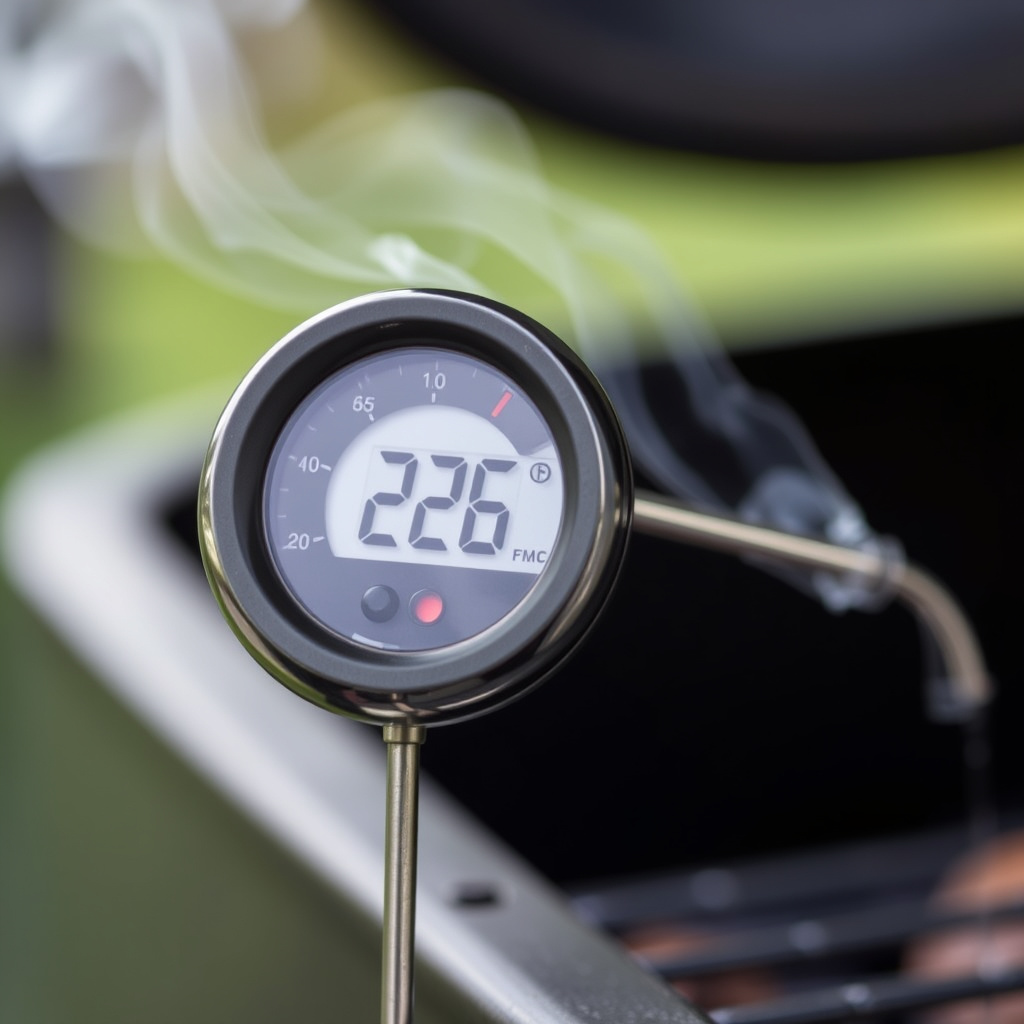
Ideal Smoking Temperatures for Brisket
For smoking brisket, temperatures between 225°F and 250°F are considered optimal for low and slow cooking. This range slowly breaks down collagen and fat without drying the meat. Temperatures above 275°F speed cooking but risk toughness, while below 200°F extends cooking excessively and can cause food safety issues.
Maintaining a steady temperature minimizes cooking fluctuations that can affect texture and taste. Some pitmasters prefer starting at 225°F and increasing slightly toward the finish to push through the stall phase more effectively.
- 225°F to 250°F ideal range
- Avoid temps above 275°F
- Temperature stability critical
Using Thermometers and Managing Heat Sources
Use a reliable smoker thermometer to track internal smoker temperature rather than relying on built-in gauges, which can be inaccurate. Digital probes with wireless monitoring allow continuous observation from a distance.
Controlling heat source—charcoal, wood, or electric—is vital. Charcoal users must add small amounts regularly for consistency, while wood pellets or electric smokers often have built-in controllers. Vent adjustments also help fine-tune airflow and temperature.
How Long to Smoke Brisket: The Importance of Internal Temperature
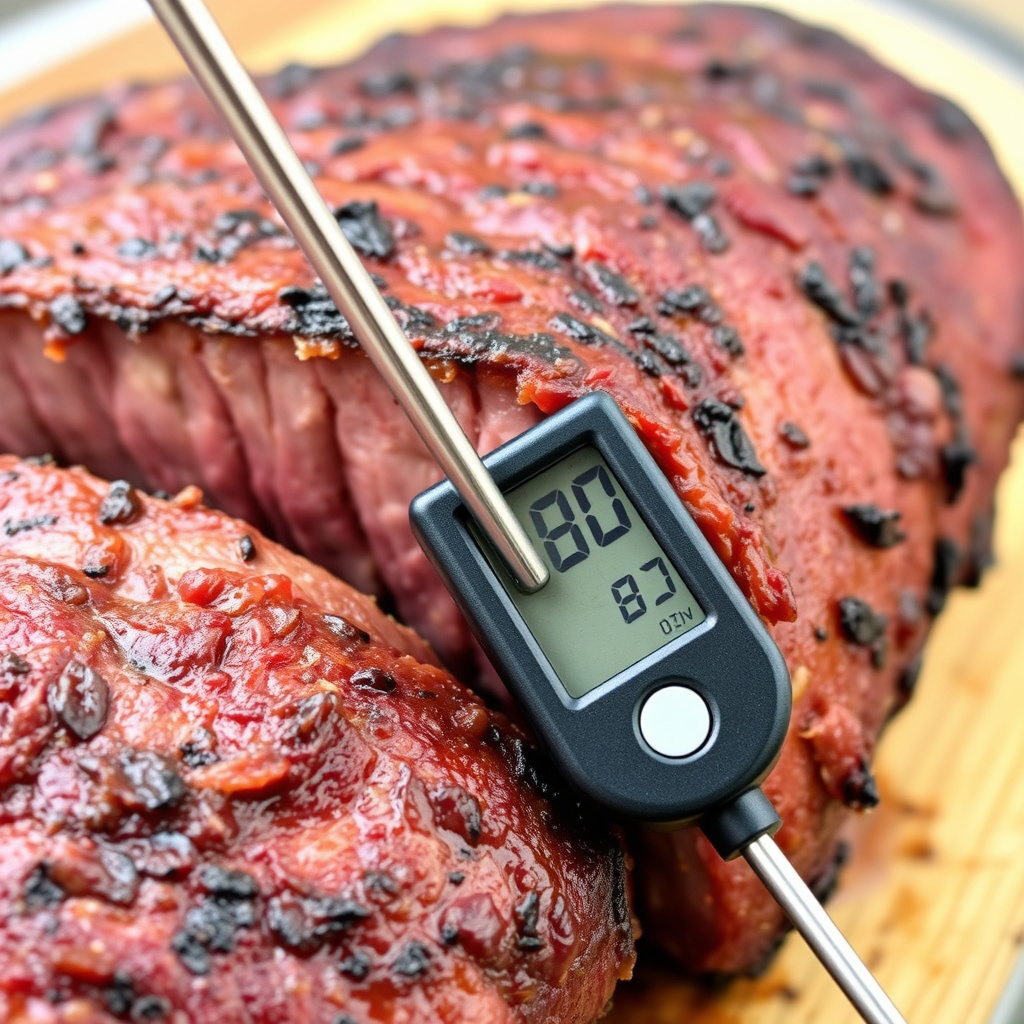
Target Internal Temperatures for Tenderness
Brisket becomes tender when internal temperature reaches the collagen breakdown range of approximately 195°F to 205°F. Below 190°F, the meat will be tough and chewy. After hitting 195°F, some pitmasters continue cooking slightly longer to reach their preferred tenderness.
Using a digital probe thermo inserted into the thickest part of the brisket flat is the most reliable method to determine doneness. Avoid quickly taking the brisket off as soon as it hits this target temperature; resting helps the meat fibers relax.
For more on this, see our related guide: How to Smoke Meat on a Charcoal Grill: A Step-by-Step Guide.
The Stall Phase and Its Effect on Smoking Duration
The stall occurs when brisket internal temperature plateaus around 150°F to 170°F for several hours due to evaporative cooling. This slows cooking and lengthens total smoking time.
Techniques such as wrapping the brisket in foil or butcher paper (the Texas Crutch) help push through the stall faster by retaining moisture, thereby reducing smoking time without sacrificing tenderness.
- Stall lasts hours around 150-170°F
- Wrapping helps reduce stall duration
Wrapping and Resting to Finalize Smoking
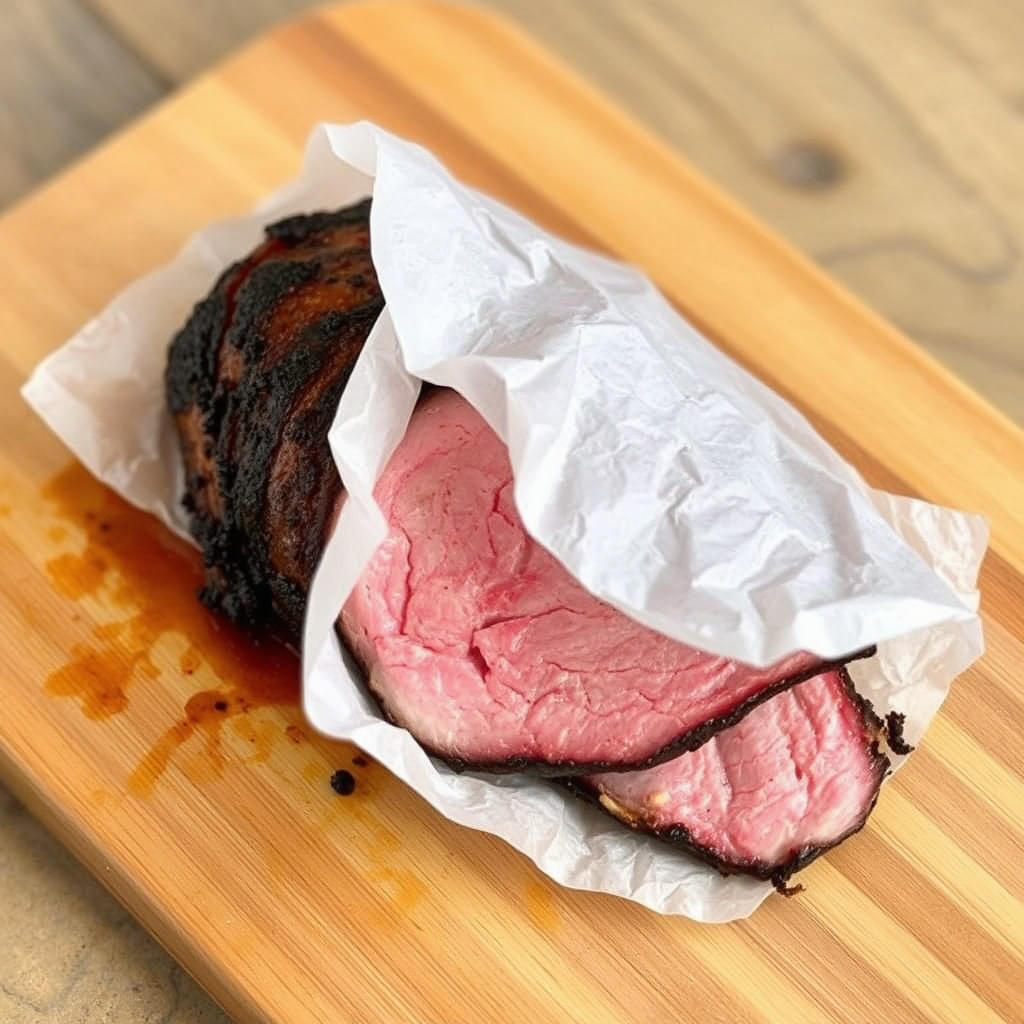
Wrapping Options and Timing
Wrapping brisket in foil or pink butcher paper usually happens once the internal temperature reaches approximately 160°F, often near the stall temperature range. This preserves moisture and accelerates cooking.
Foil wrap creates a tight seal for a softer bark and juicier meat, while butcher paper allows more breathability, maintaining a firmer bark texture. Choice depends on personal preference and desired bark quality.
- Wrap at ~160°F internal temperature
- Foil for softer bark and juiciness
- Butcher paper for firmer bark
Resting Period and Its Effects
After removal from the smoker, brisket should rest for at least one hour, loosely wrapped in a towel inside a cooler or warming box. Resting lets juices redistribute for more even flavor and tenderness.
Skipping an adequate rest can cause the meat to lose moisture as soon as it's sliced, making the brisket seem dry. Treat resting as part of the smoking timeline to finalize the perfect brisket.
- Rest for at least 1 hour
- Use towel and cooler for heat retention
Smoking Methods and Fuel Types
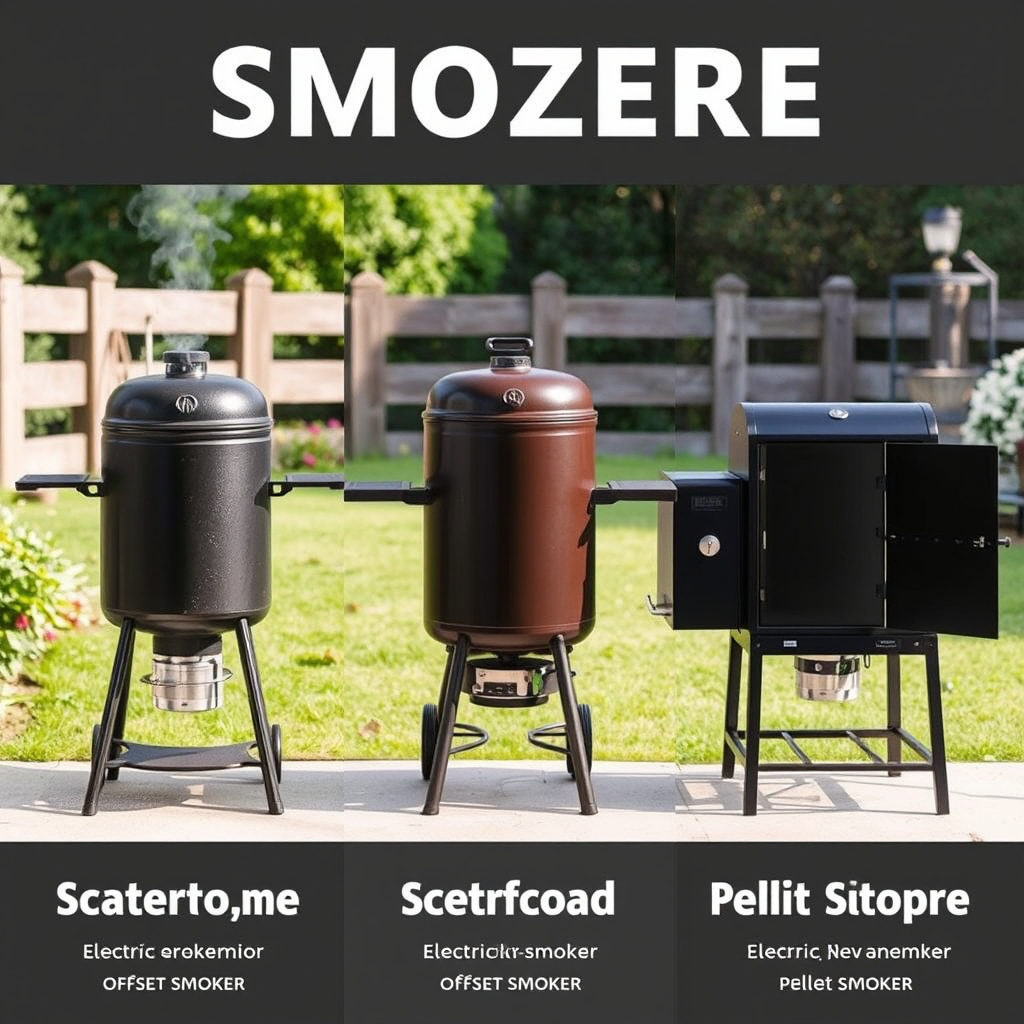
Offset, Pellet, and Electric Smoker Options
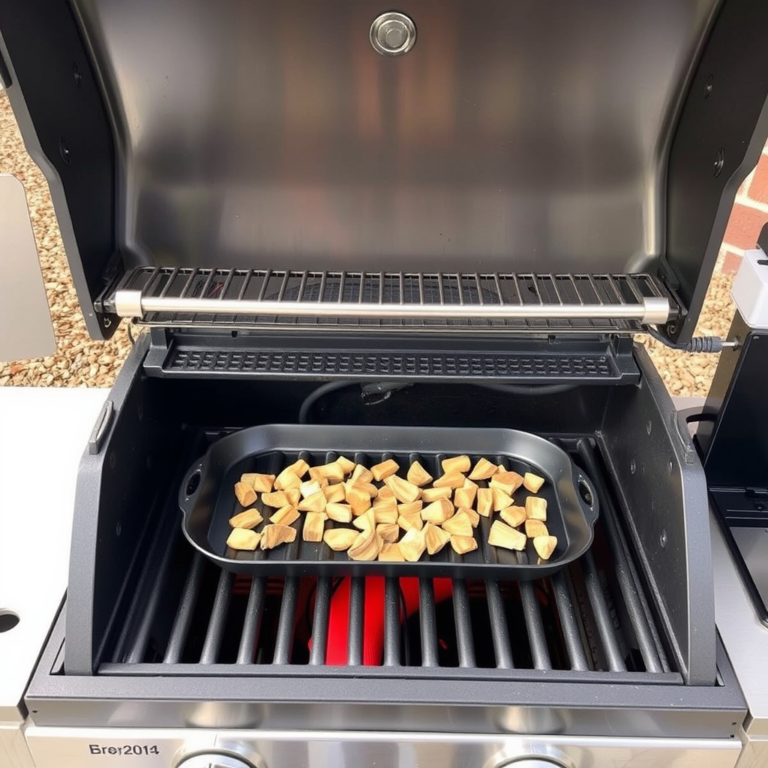
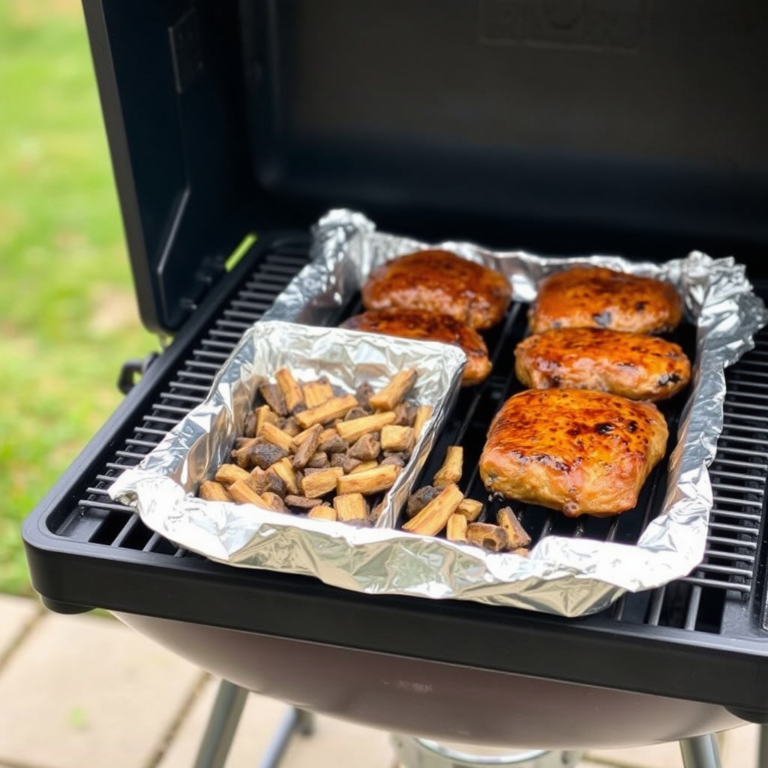
Offset smokers use charcoal and wood for traditional smoky flavor but require constant attention to maintain 225-250°F. They allow wood chunks to add robust smoke profiles but involve more skill.
Pellet smokers automate temperature control using wood pellets fed by an auger, making steady temperatures easier to maintain and simplifying how long to smoke brisket. The smoke flavor is milder but consistent.
Electric smokers offer convenience and precise temperature control but often provide less smoke flavor compared to wood-fueled methods. They suit beginners wanting hassle-free smoking.
For more on this, see our related guide: How to Smoke Meat on a Gas Grill: A Step-by-Step Guide.
Fuel Choices and Their Flavor Impact
Different wood types impact brisket flavor and smoking duration. Hickory, oak, and mesquite are popular choices for strong smoke notes that complement brisket richness. Fruitwoods like apple and cherry add subtle sweetness.
Fuel moisture content and chunk size also affect burn consistency and heat level. Dry wood chunks provide cleaner burns and longer smoke duration, influencing how long the brisket smokes at steady temperatures.
- Hickory, oak, mesquite for bold smoke
- Apple and cherry for sweeter flavor
- Dry wood for consistent smoke
Tips for Judging Doneness Beyond Time
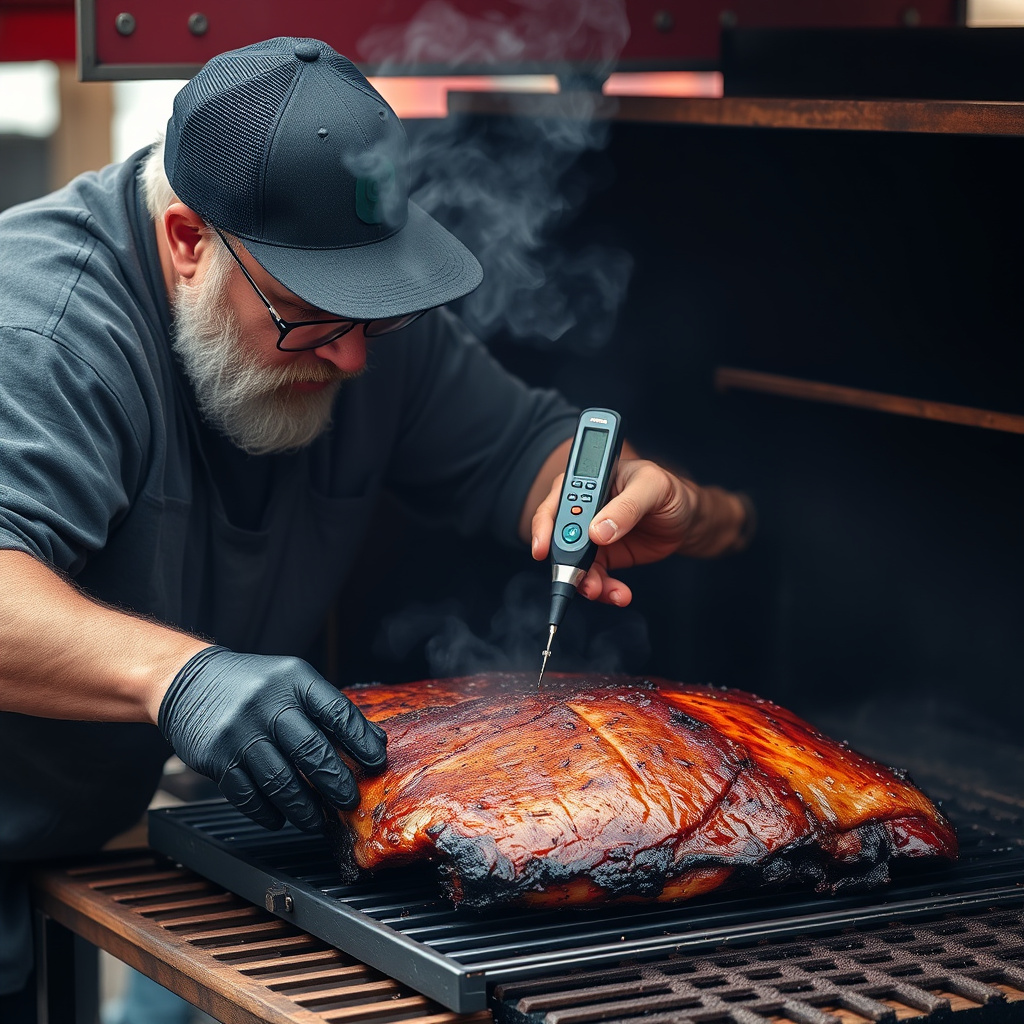
The Probe Test and Meat Texture
Experienced smokers use the probe test, inserting a skewer or thermometer probe into the brisket. It should slide in with gentle resistance, like butter. This tactile feedback often beats relying solely on internal temperature or time estimates.
If the probe meets resistance or feels rubbery, the brisket needs more time. If it slides too easily and the meat lacks firmness, it may be overcooked or too soft to hold slices well.
Further details about brisket smoking techniques and history can be found on Smoking Brisket on Wikipedia. Smoking Brisket on Wikipedia.
Appearance and Bark Characteristics
Visual cues like dark mahogany bark, slight shrinkage from the edges, and a glistening fat cap indicate good doneness. The bark should be firm but not burnt.
Excessively dry or cracked bark may suggest overcooking, while pale, soft bark hints the brisket needs longer smoke exposure to develop depth and flavor.
Brisket Smoking Methods Comparison
This table compares common brisket smoking methods to help you choose based on flavor, convenience, and required attention.
| Method | Flavor Profile | Ease of Use | Temperature Control | Typical Smoking Duration |
|---|---|---|---|---|
| Offset Smoker | Strong, traditional smoke | Requires skill and attention | Manual adjustments | 12-18 hours |
| Pellet Smoker | Mild, consistent smoke | Automated, beginner-friendly | Precise digital control | 10-16 hours |
| Electric Smoker | Subtle smoke flavor | Very easy, low maintenance | Precise digital control | 10-15 hours |
| Charcoal Kettle Smoker | Robust smoke flavor | Moderate management needed | Manual adjustments | 10-18 hours |
Frequently Asked Questions
How do I tell when a brisket is done smoking?
Check the internal temperature—aim for 195-205°F—and use the probe test. The probe should slide in with little resistance, indicating tender meat.
Is wrapping brisket necessary while smoking?
Wrapping at about 160°F helps push through the stall and retains moisture, but some prefer smoking without wrapping for a firmer bark.
What is the stall in brisket smoking?
The stall is when the internal temperature pauses around 150-170°F due to moisture evaporation, slow heat absorption, and can last several hours.
Can I smoke brisket faster at higher temperatures?
Higher temperatures speed cooking but risk drying out and toughening the meat. Low and slow at 225-250°F yields better tenderness and flavor.
How long should I rest a smoked brisket?
Rest the brisket for at least one hour, loosely wrapped in a towel inside a cooler or warming box, to let juices redistribute.
Key Takeaways
- Smoke brisket low and slow at 225-250°F for 1-1.5 hours per pound.
- Monitor internal temperature; target 195-205°F for tenderness.
- Wrapping around 160°F helps overcome the temperature stall.
- Resting after smoking preserves juiciness and flavor.
Conclusion
The length of time to smoke brisket depends on factors like brisket size, cut, smoking temperature, and use of wrapping techniques. Relying solely on time measurements without considering internal temperature can lead to less-than-ideal results. Aim to maintain a steady smoker temperature between 225 and 250°F and use a reliable thermometer to track internal meat temperature, targeting 195°F to 205°F for tender brisket. Taking the stall phase into account and adjusting your approach by wrapping the brisket can significantly influence the cooking duration and overall quality.
If you have a large 12-16 pound full packer brisket, expect to spend 12 to 18 hours smoking at low temperatures for best results. Smaller flats might finish closer to 8-12 hours. Different smoking methods like offset, pellet, or electric smokers offer variety in flavor intensity and temperature stability. For instance, pellet smokers provide automated control that simplifies timing, while traditional offset smokers require more attention but deliver stronger smoky flavors. Understanding these options helps match your available time and desired flavor profile to the right smoking technique.
Practically, start by smoking your brisket around 225°F, monitor the internal temperature with a probe, and be prepared for a long, patient process where resting after cooking matters as much as the smoking time. Whether you opt for foil wrapping or butcher paper, resting properly safeguards juiciness. For your next barbecue session, focus on the internal temperature and don’t rush the process—smoking brisket is about patience and care, which transforms this tough cut into a delicious, melt-in-your-mouth masterpiece.