Smoking a ham involves slow-cooking it over low heat with wood smoke, which imparts a rich, savory flavor and tender texture. To smoke a ham successfully, you’ll need to prepare your ham properly, select the right wood, control your smoker’s temperature, and allow ample cooking time. This method enhances the natural sweetness of the ham while adding complex smoky notes everyone will appreciate.
Smoking ham matters because it transforms an ordinary cured meat into a flavorful center-piece ideal for special occasions and family gatherings. Unlike baking or boiling, the smoking process creates a beautifully caramelized surface and deep aroma. Learning how to smoke a ham opens the door to experimenting with various wood flavors and rubs to suit your taste preferences.
This article covers everything from selecting the type of ham to brining options, wood choices for smoking, temperature control, cooking times, and finishing techniques. You’ll find practical tips and troubleshooting advice to help you achieve a juicy, smoky ham that’s packed with flavor.
Choosing the Right Ham for Smoking
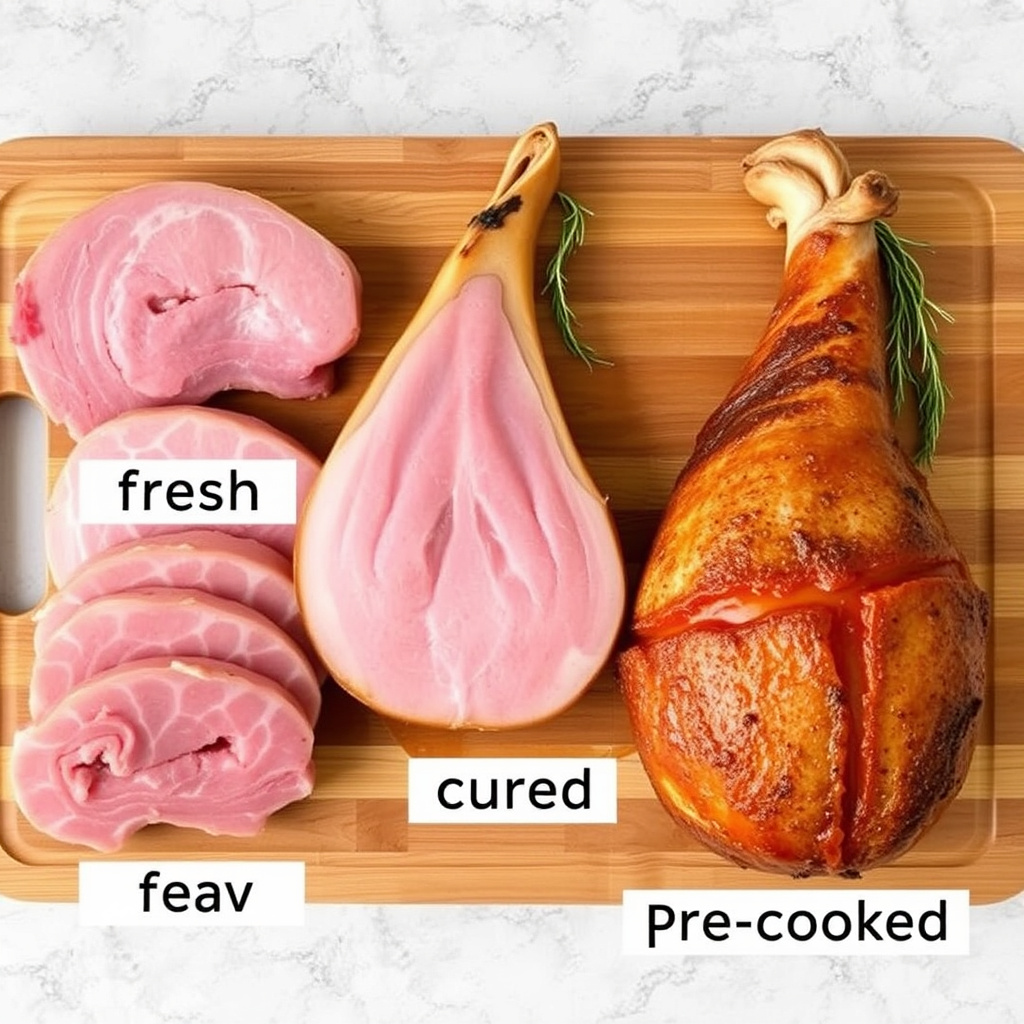
Fresh vs. Precooked Ham
Fresh hams are raw and require smoking until fully cooked, offering more control over flavor development and texture. Precooked hams have been cooked already, so smoking them mainly adds smoke flavor and warms them through, requiring less time.
Choosing between fresh and precooked depends on your patience and the flavor intensity you want. Fresh ham needs longer smoking, generally 30-40 minutes per pound. Precooked ham is quicker but won’t absorb smoke as deeply.
Cured vs. Uncured Ham Options
Cured hams have been treated with salt, sugar, and sometimes nitrates for preservation and flavor. Uncured hams lack these additives, but are less common in smoking and might need brining for optimal taste.
Using a cured ham simplifies the smoking process since it's already salted and flavored, but uncured hams allow custom seasoning with your choice of brine or rub.
Preparing Your Ham for Smoking
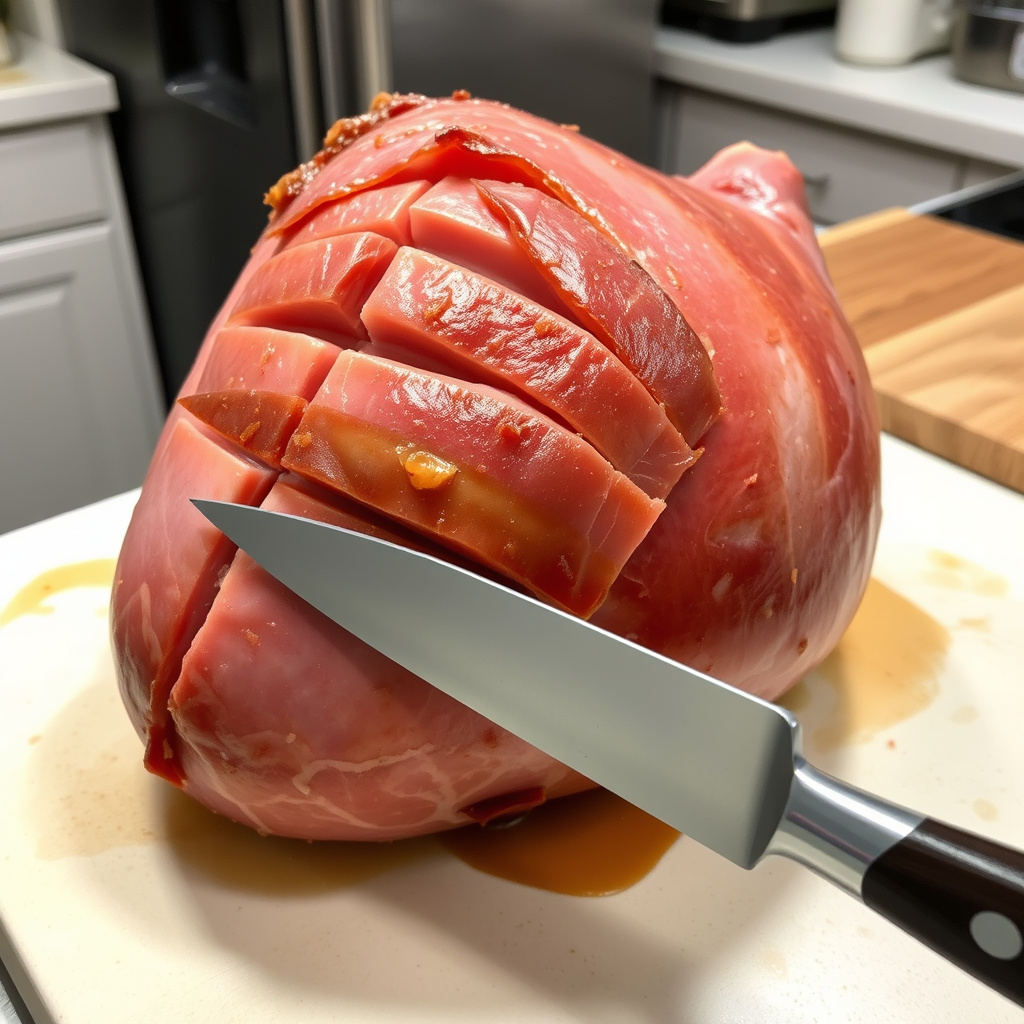
Scoring and Seasoning the Ham
Scoring the fat on the ham surface in a diamond pattern helps seasonings penetrate better and fat to render evenly during smoking. Use a sharp knife and cut about 1/4 inch deep into the fat layer.
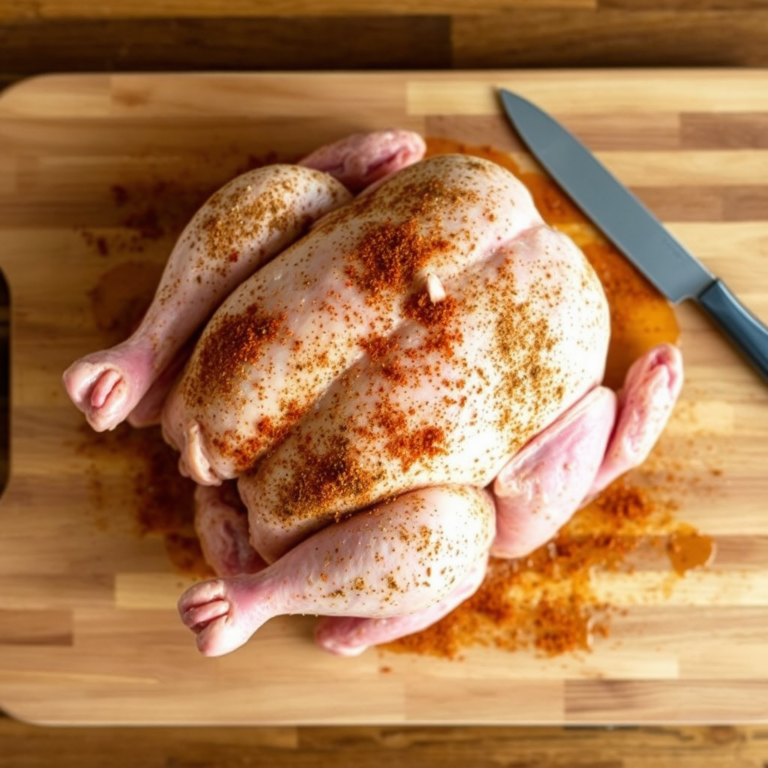
Season your ham with a dry rub or glaze, focusing on salt, sugar, and spices like cloves or paprika. This step adds complexity to the smoke’s natural flavor and aids caramelization.
Brining and Soaking for Moisture
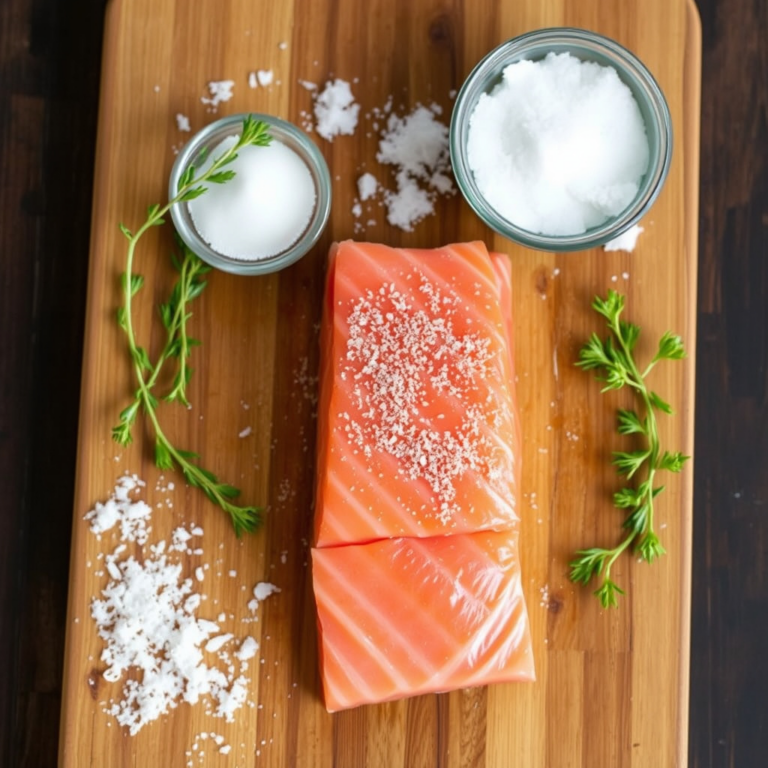
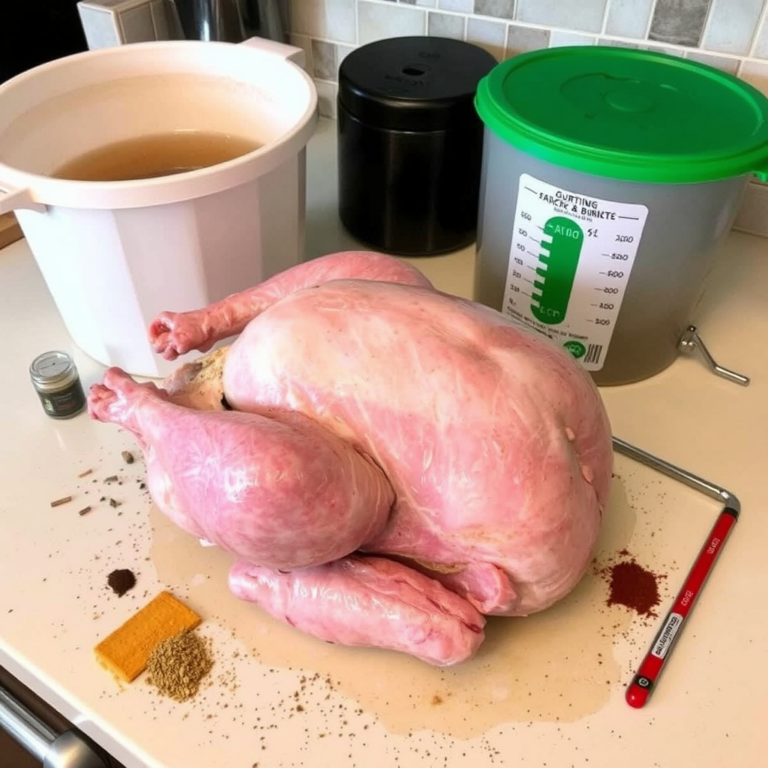
Brining involves soaking the ham in a saltwater solution, which tenderizes the meat and enhances juiciness during smoking. Brines sometimes include sugars, herbs, and spices to boost flavor.
If you don’t brine, consider soaking the ham in water or apple cider overnight to prevent dryness, especially for leaner cuts. Dry hams can become tough when smoked for long periods.
Selecting the Best Wood for Smoking Ham
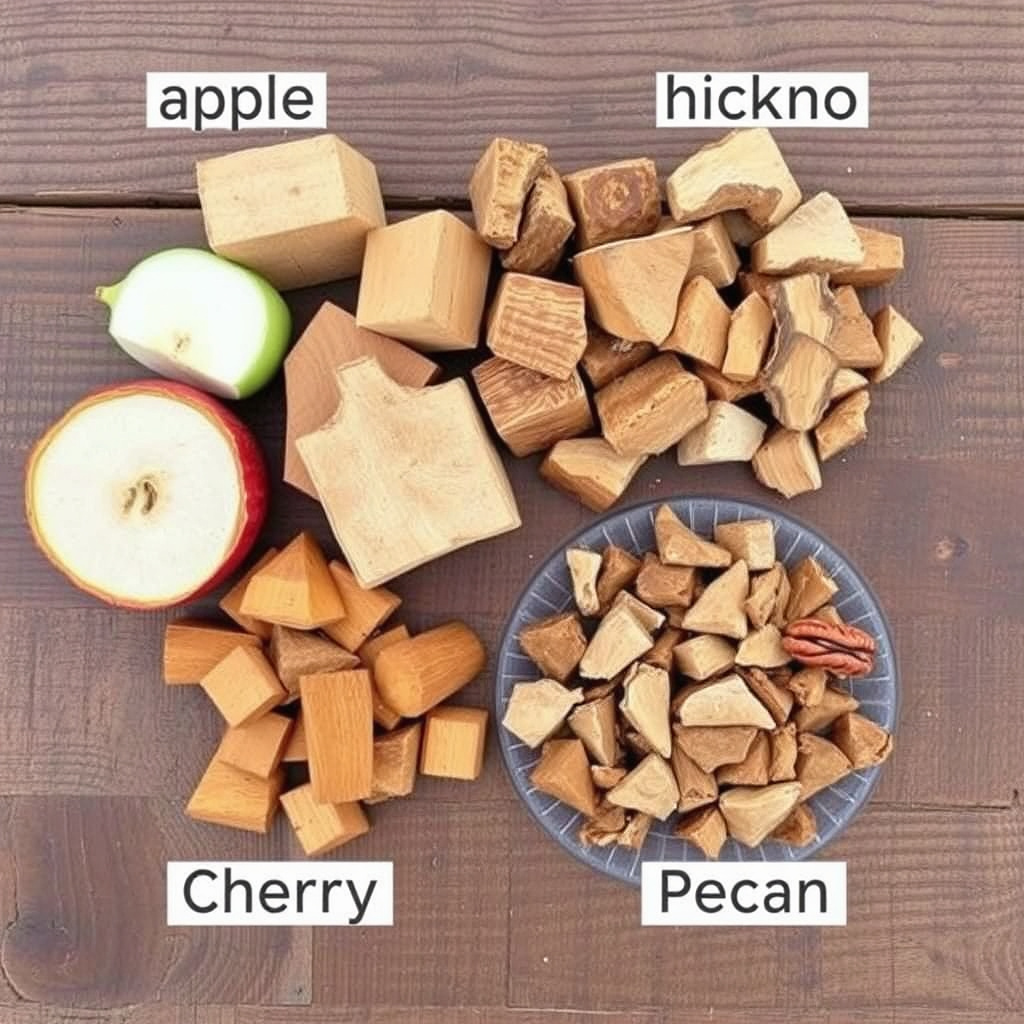
Popular Wood Types for Ham Smoking
Mild woods like apple, cherry, and maple add sweet, fruity smoke notes ideal for ham, complementing its natural sweetness. Hickory and pecan provide a stronger, nuttier flavor.
Choosing the best wood for smoking ham depends on your flavor preference. Mild woods work well for beginners, while stronger woods offer robust taste but require careful control to avoid bitterness.
- Apple wood – sweet and mild
- Cherry wood – slightly fruity and rich
- Hickory wood – strong, smoky, bacon-like
- Pecan wood – nutty and medium-strong
For more on this, see our related guide: How to Smoke Meat on a Charcoal Grill: A Step-by-Step Guide.
Using Wood Chips vs. Chunks
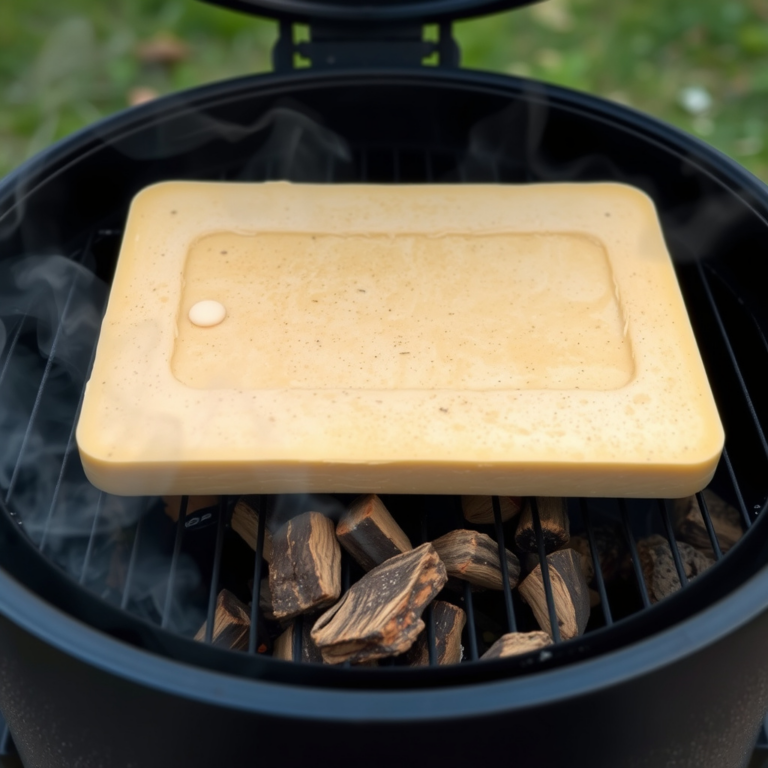
Wood chips ignite quickly and burn out faster, suitable for shorter smokes or when you want intermittent smoke bursts. Chips require soaking in water before use to slow burning.
Wood chunks last longer and provide steady smoke over extended cooking. They’re the preferred choice for smoking a ham because they maintain consistent smoke flavor without needing frequent replenishment.
Controlling Temperature for Perfect Smoking
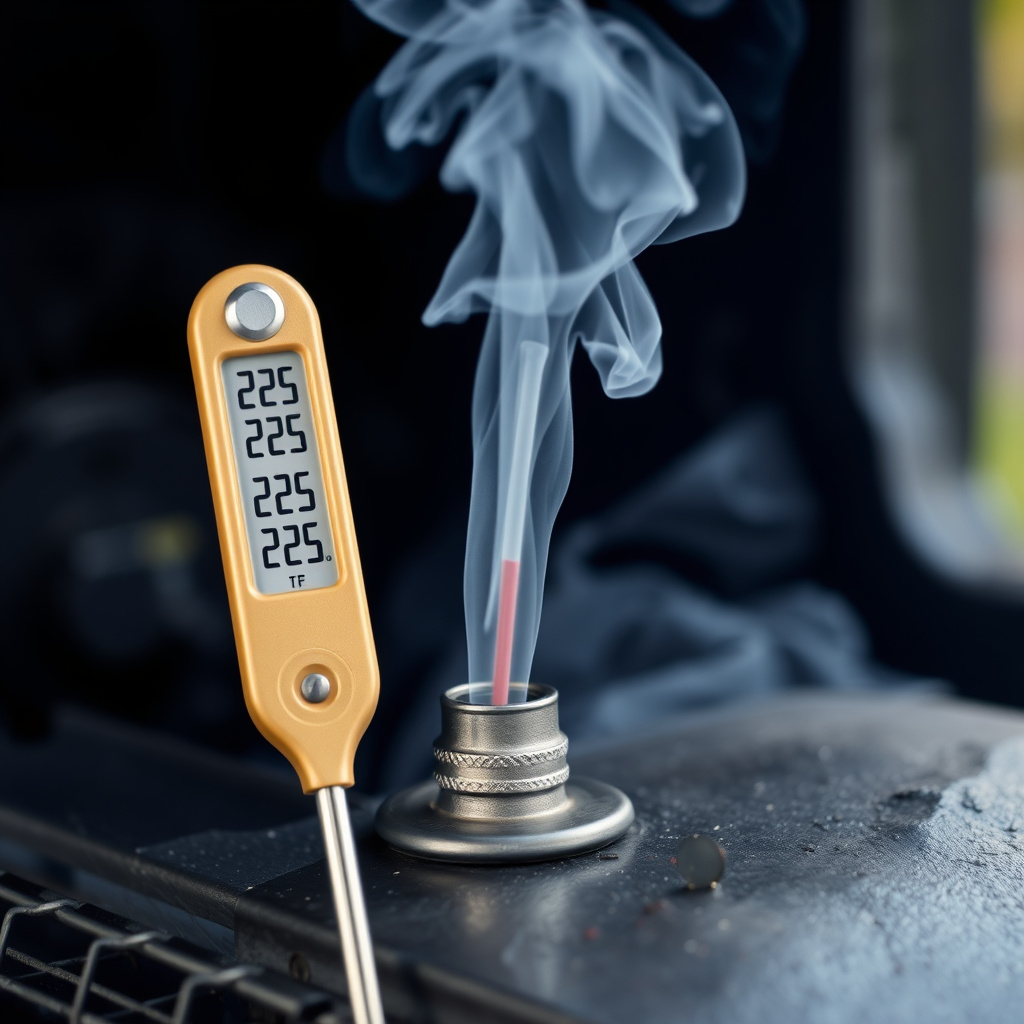
Ideal Temperature Range for Smoking Ham
Maintaining a smoker temperature between 225°F and 250°F provides the ideal slow-cooking environment for ham, allowing the smoke to penetrate deeply and the fat to render without drying out the meat.
Temperatures above 275°F risk toughening the ham’s exterior before the interior cooks through. Low steady heat ensures even cooking and a tender finish.
Monitoring and Adjusting Heat Levels
Keeping your smoker within the target temperature range requires monitoring with a reliable thermometer, checking fuel levels regularly, and adjusting vents or burners to control airflow and heat.
Using water pans inside the smoker helps stabilize temperature and adds moisture, preventing the ham from drying during the long smoking process.
Smoking Time and Finishing Techniques
Estimating Smoking Duration
Smoking times vary depending on ham size, type, and smoker efficiency. Fresh hams generally smoke for 30-40 minutes per pound, while precooked hams may only require 3-4 hours to reheat and absorb smoke flavor.
Using a meat thermometer to check the internal temperature is key. Aim for 145°F for cooked ham safe to eat, followed by a resting period.
For more on this, see our related guide: How to Smoke Meat on a Gas Grill: A Step-by-Step Guide.
Glazing and Resting the Ham
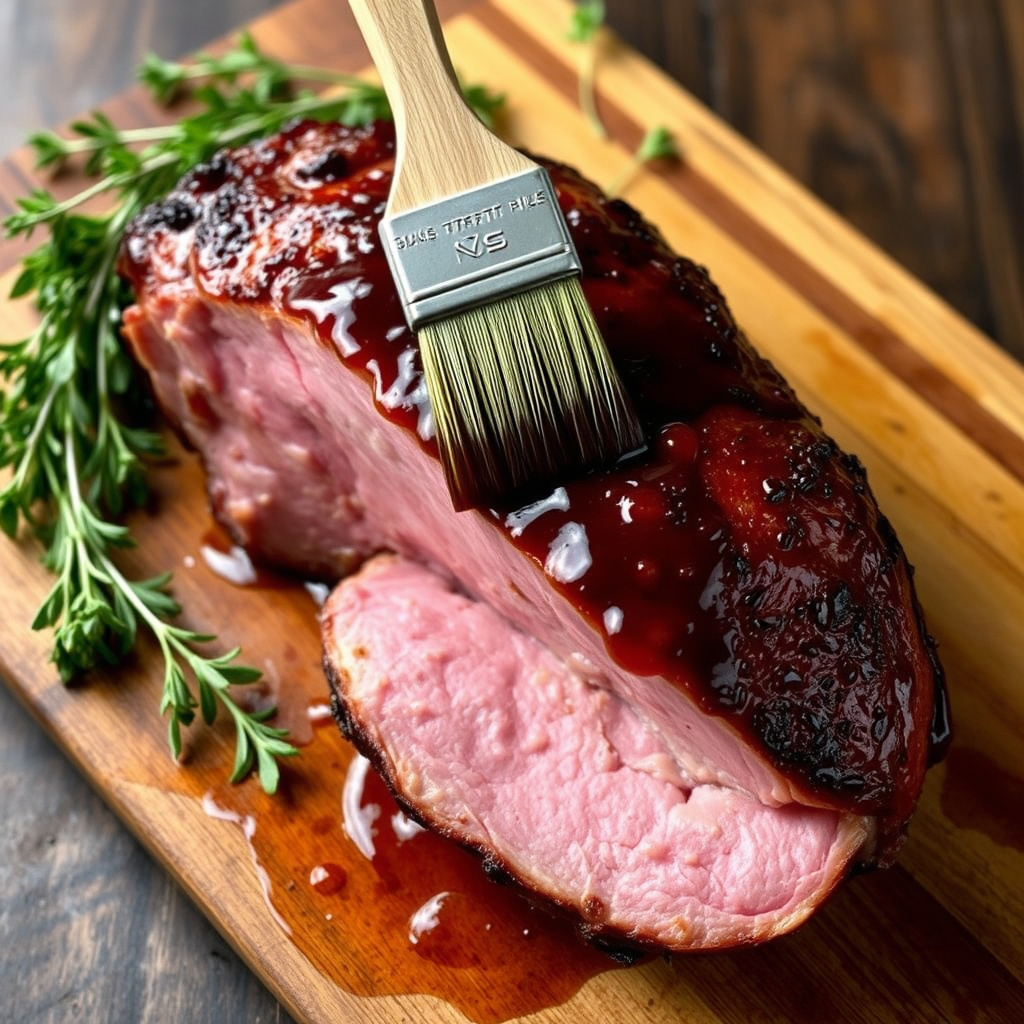
Applying a glaze such as honey, brown sugar mustard, or maple syrup during the last hour enhances flavor and creates a shiny, caramelized crust. Reapply glazes every 20-30 minutes for best results.
Rest the ham after smoking for 20-30 minutes tented with foil. Resting allows juices to redistribute, yielding a moist and tender final product.
Tips for Serving and Storing Smoked Ham
Carving and Serving Suggestions
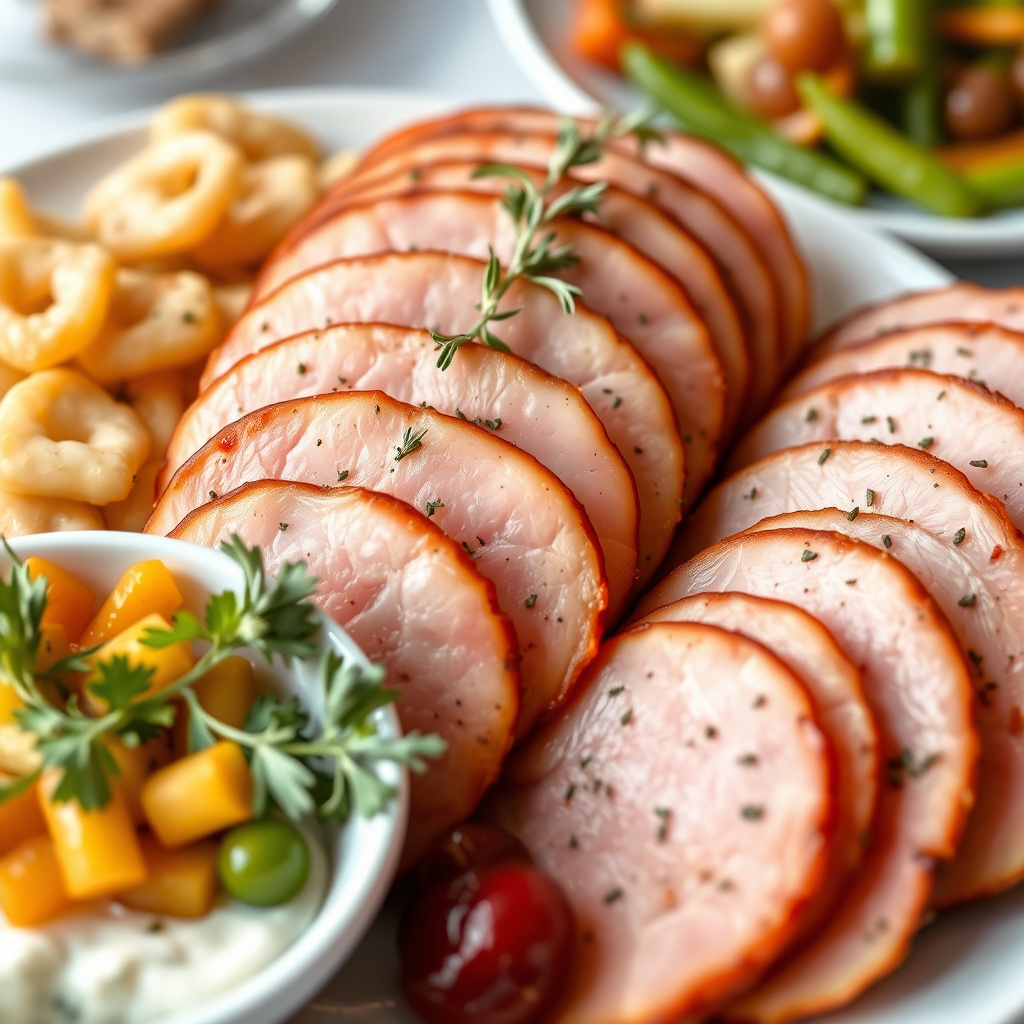
Let the ham rest fully before carving to prevent juices from running out. Slice against the grain to maximize tenderness and arrange slices attractively for serving.
Pair smoked ham with complementary sides such as roasted vegetables, sweet potatoes, or a mustard sauce to balance its smoky richness.
For more detailed background on smoked ham varieties and preparation methods, see smoked ham information on Wikipedia. smoked ham information on Wikipedia.
Proper Storage and Leftover Use
Store leftover smoked ham tightly wrapped in the fridge for 4-5 days or freeze for up to 2 months. Reheat gently to maintain moisture.
Leftovers can be repurposed into soups, sandwiches, or salads, making smoked ham a versatile ingredient beyond the initial meal.
Types of Ham for Smoking: Fresh vs. Precooked
This table compares popular ham types used in smoking, highlighting their preparation needs, flavor impact, and typical cooking times.
| Ham Type | Preparation Needed | Smoking Time | Flavor Intensity | Ease of Cooking |
|---|---|---|---|---|
| Fresh Ham | Requires full cooking | 30-40 min per pound | High flavor absorption | Moderate to difficult |
| Precooked Ham | Only reheating and flavoring | 3-4 hours total | Mild smoke flavor | Easy |
| Cured Ham | Usually pre-salted | Varies, often shorter | Balanced flavor | Moderate |
| Uncured Ham | Often requires brining | Longer smoking time | More control over flavor | Moderate to hard |
Frequently Asked Questions
Can you smoke a frozen ham?
It is not recommended to smoke a frozen ham because uneven thawing can cause unsafe cooking. Always fully thaw ham in the refrigerator before smoking for best results.
How do you know when a smoked ham is done?
Use a meat thermometer to check the internal temperature. Ham is safe to eat when it reaches 145°F. After reaching this temperature, allow the ham to rest before slicing.
What is the best wood for smoking ham?
Mild woods like apple, cherry, and maple are best for smoking ham, providing sweet and fruity smoke that complements the meat's flavor without overpowering it.
Should I brine my ham before smoking?
Brining helps keep ham moist and adds flavor, especially for uncured or fresh hams. It is optional if you use a cured ham but recommended for juicier results.
How long should I let a smoked ham rest?
Resting smoked ham for 20-30 minutes after cooking allows the juices to redistribute, making the meat more tender and flavorful when sliced.
Key Takeaways
- Smoking ham enhances flavor and texture through low, slow cooking.
- Selecting the right ham type affects preparation and smoking time.
- Using mild woods like apple or cherry ensures balanced smoke flavor.
- Maintaining stable smoker temperature around 225°F is critical.
Conclusion
Successfully smoking a ham involves several key decisions: choosing between fresh or precooked, deciding whether to brine, picking complimentary wood types, and managing low, consistent smoking temperatures. The main goal is to infuse the ham with rich, smoky flavors while retaining moisture and tenderness. Understanding these elements helps you tailor the process to your taste preferences and schedule.
If you prefer deep smoke flavor and enjoy a hands-on approach, fresh ham offers excellent results but requires patience and monitoring. Precooked hams simplify the process and are ideal when time is limited but still benefit from smoking to add dimension. Mild woods like apple or cherry provide pleasant, sweet smoke notes that highlight the ham’s natural flavor, while stronger woods such as hickory suit those who want a bold taste.
To start smoking your ham, pick a reliable thermometer to monitor the internal temperature and set your smoker between 225°F and 250°F. Prepare your ham with scoring and seasoning, consider brining for moistness, and add a glaze toward the end for added sweetness and crust. With practice and these steps, smoking ham will become an enjoyable cooking tradition.