You can absolutely smoke meat without a traditional smoker by using common household tools and creative setups, such as charcoal grills, stovetop smokers, or even simple wood chip methods. These alternatives produce a rich smoky flavor that many think requires expensive equipment.
Smoking meat enhances texture and flavor by slowly cooking it with smoke infused from smoldering wood chips. While smokers provide controlled conditions, many people successfully replicate this process using grills, pots, or foil packets, which makes smoky meat accessible beyond dedicated appliances.
This article shows you several practical methods to smoke meat without a smoker, including setup instructions, wood selection, temperature control tips, and safety precautions. You’ll also find comparisons of different approaches and suggestions for various types of meat.
Using a Charcoal Grill to Smoke Meat Without a Smoker
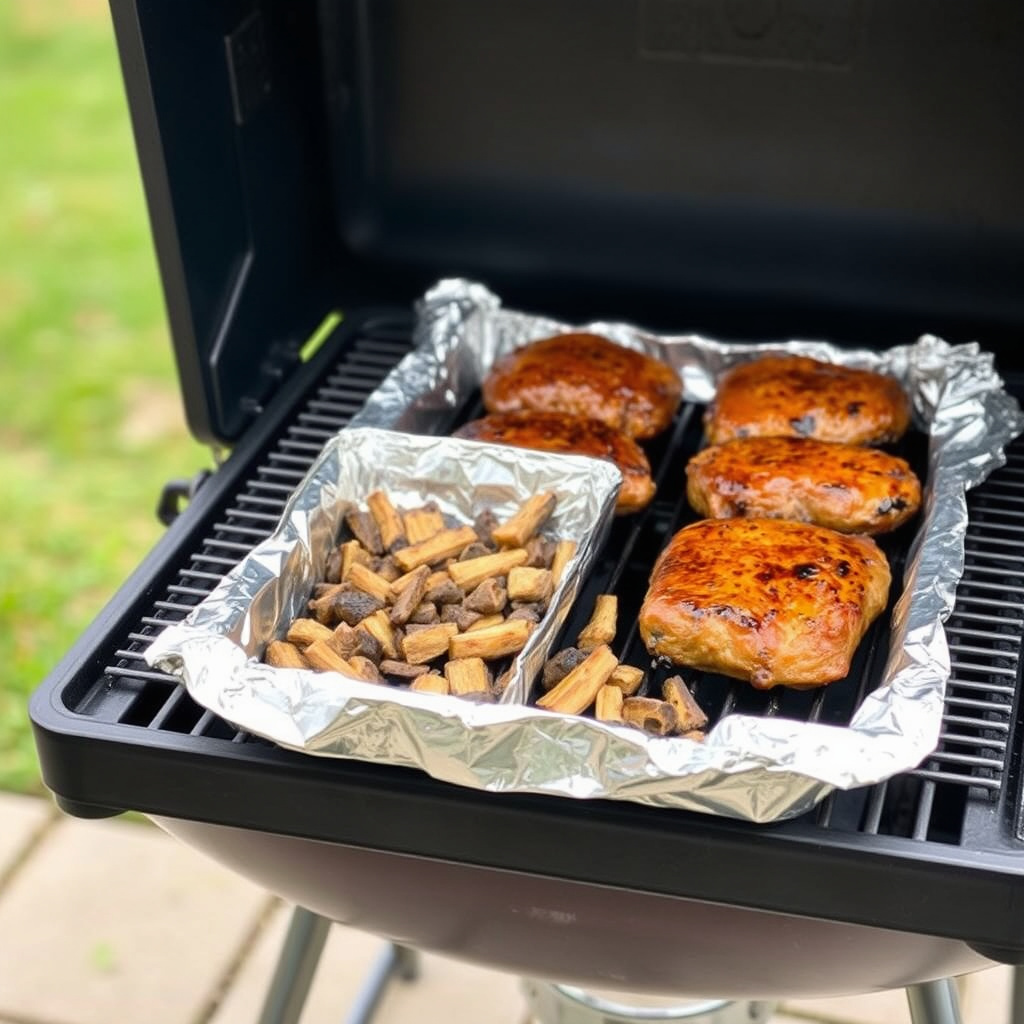
Setting Up Your Charcoal Grill for Indirect Smoking
To smoke meat on a charcoal grill, arrange the coals on one side to create indirect heat. This means the heat source is separate from where the meat sits, allowing gentle cooking. Place a drip pan filled with water on the other side to maintain moisture and stabilize temperature.
Add soaked wood chips directly to the hot coals or place them in a foil packet with holes poked for smoke release. Adjust vents to hold the temperature around 225-275°F for optimal smoking conditions.
- Charcoal arranged on one side only
- Drip pan with water on opposite side
- Soaked wood chips on coals or in foil packet
- Maintain grill temperature between 225°F and 275°F
Tips for Maintaining Consistent Heat and Smoke
Regularly check your grill’s temperature with a reliable grill thermometer, adding charcoal as needed to maintain steady heat. Vent control plays a big role in temperature regulation—opening vents increases heat, while closing them reduces oxygen and lowers temperature.
Replenish wood chips every 30-45 minutes for continuous smoke. Keep the grill lid closed as much as possible to trap smoke and heat, allowing meat to absorb the smoky flavors slowly.
- Use grill thermometer for monitoring
- Adjust vents to control airflow and heat
- Add charcoal and wood chips periodically
- Keep grill lid closed to contain smoke
Stovetop Smoking Techniques for Small Batches
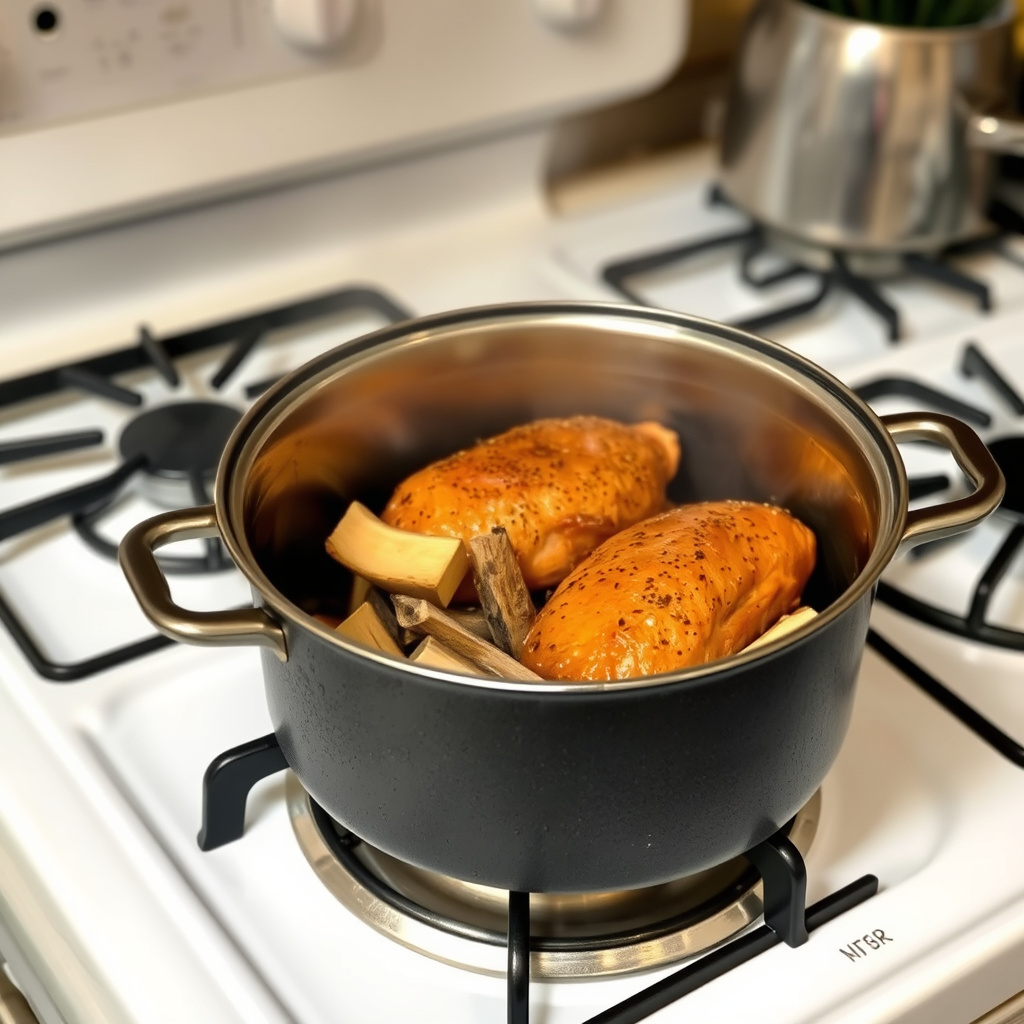
Choosing the Right Stovetop Smoker and Setup
Stovetop smokers are compact pots designed for indoor smoking using wood chips. If you don’t own one, you can improvise by placing a small wire rack inside a large pot with a lid. Spread wood chips at the bottom and sit the meat on the rack above.
Heat the pot gently over low to medium heat, allowing the chips to smolder without catching fire. The trapped smoke infuses the meat’s surface with rich flavor in short sessions, ideal for fish, poultry, or small cuts.
- Specialized stovetop smoker pots available
- Use wire rack inside large pot as alternative
- Low to medium heat to avoid charring chips
- Best for small cuts or delicate proteins
Managing Smoke and Preventing Overcooking Indoors
Because stovetop smoking generates visible smoke, it’s wise to use this method in a well-ventilated kitchen, near a range hood or open window. Keep the lid sealed as much as possible to trap smoke inside the pot.
Monitor cooking time carefully; stovetop smoked meats usually take less time than those smoked outdoors. Remove the meat once it reaches safe internal temperature to avoid drying out or burning.
- Use near ventilation or open window
- Keep lid tight for smoke retention
- Cook smaller cuts to avoid overcooking
- Monitor meat temperature with a probe
Cold Smoking Without a Smoker: Curing and Flavoring
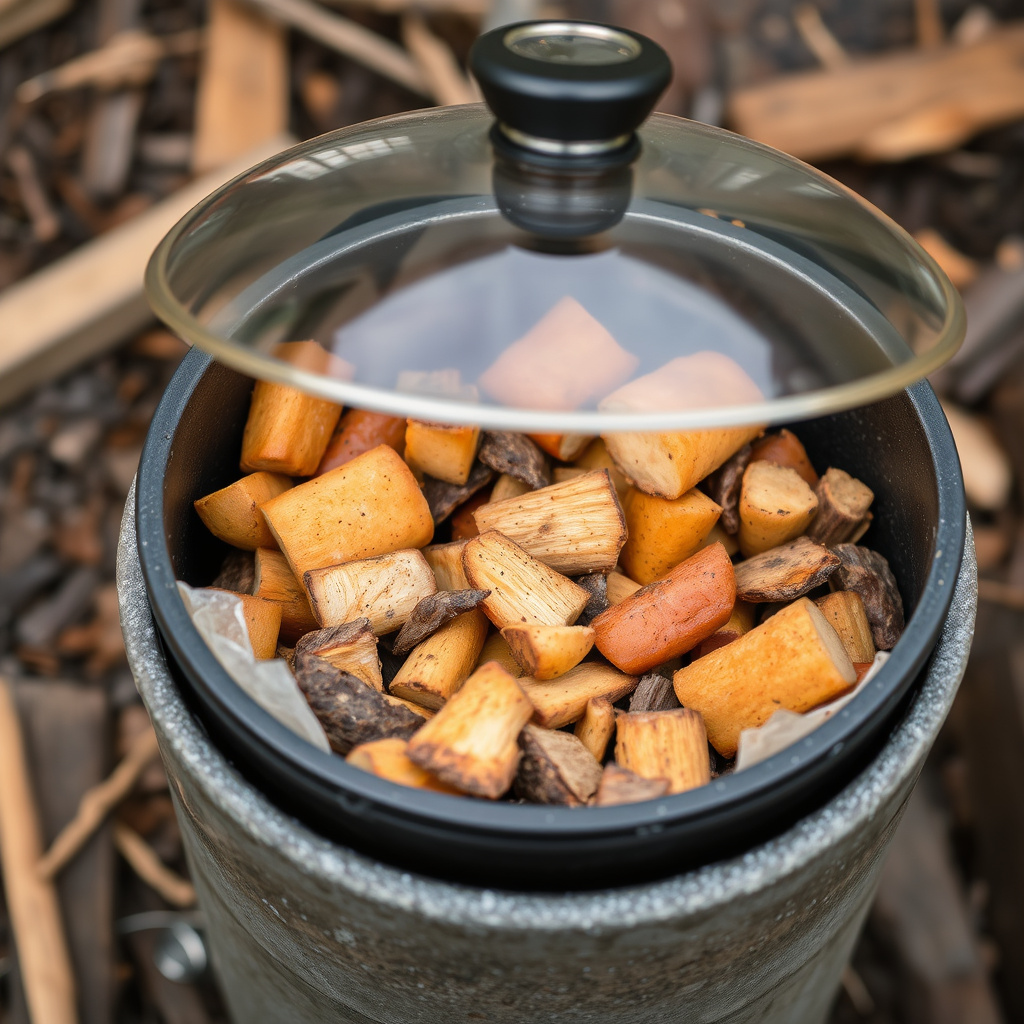
Principles and Safety of Cold Smoking at Home
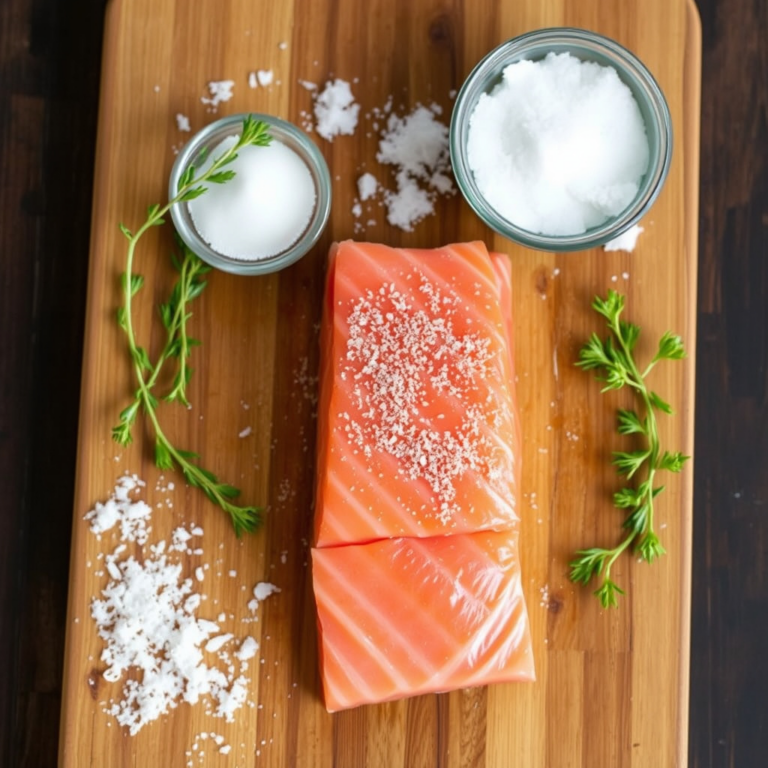
Cold smoking imparts smoke flavor without cooking the meat, typically performed at temperatures below 90°F. This technique requires patience and careful preparation, often involving curing meat first to prevent bacterial growth.
Home cold smoking without a dedicated smoker means creating a smoke source that chills before reaching the meat, such as using a long smoke tube or positioning wood chips outside the main chamber with smoke directed inside.
- Requires curing to ensure safety
- Maintain temperatures below 90°F
- Smoke source physically separated from meat
- Can take several hours or days
For more on this, see our related guide: How to Smoke Meat on a Charcoal Grill: A Step-by-Step Guide.
DIY Cold Smoking Setups and Best Uses
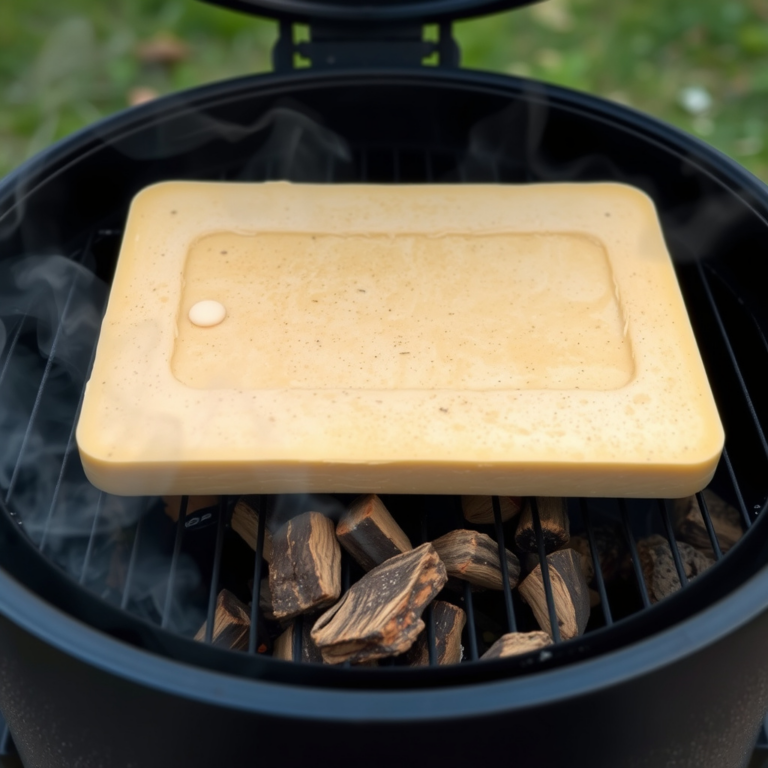
You can arrange cold smoking at home using a smoke generator to produce smoke outside a sealed box or cooler containing the meat. Connecting tubes direct cool smoke inside without heating the contents significantly.
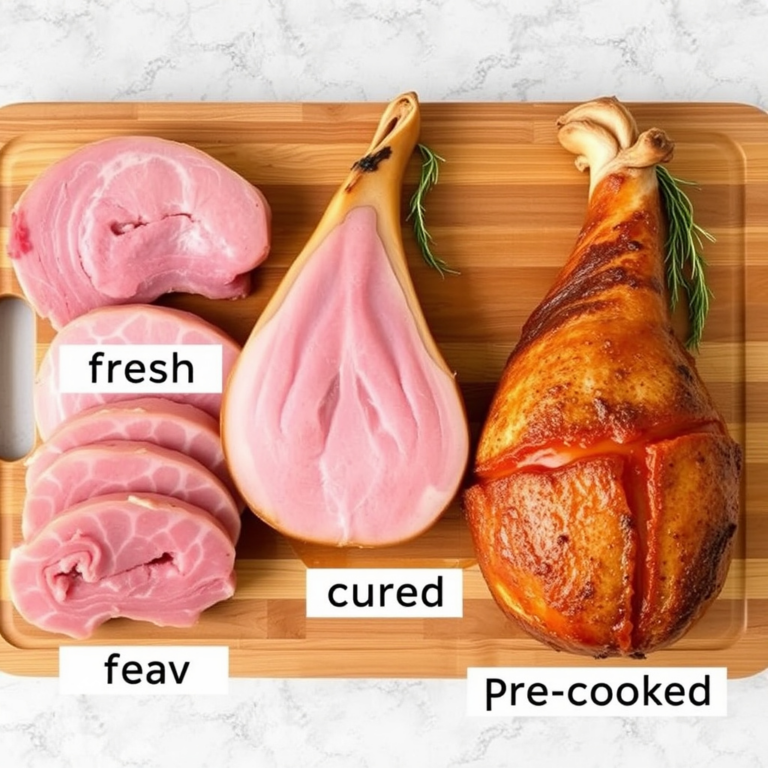
This method works well with cheese, fish, or cured meats like ham or bacon, as it enhances flavor without cooking. Homemade rigs demand close temperature monitoring and airflow control for safety.
- Use insulated containers or coolers
- Smoke generator placed outside container
- Tube or duct guides cool smoke inside
- Ideal for cheese, fish, cured meats
Wood Selection and Preparation for Smoking Meat
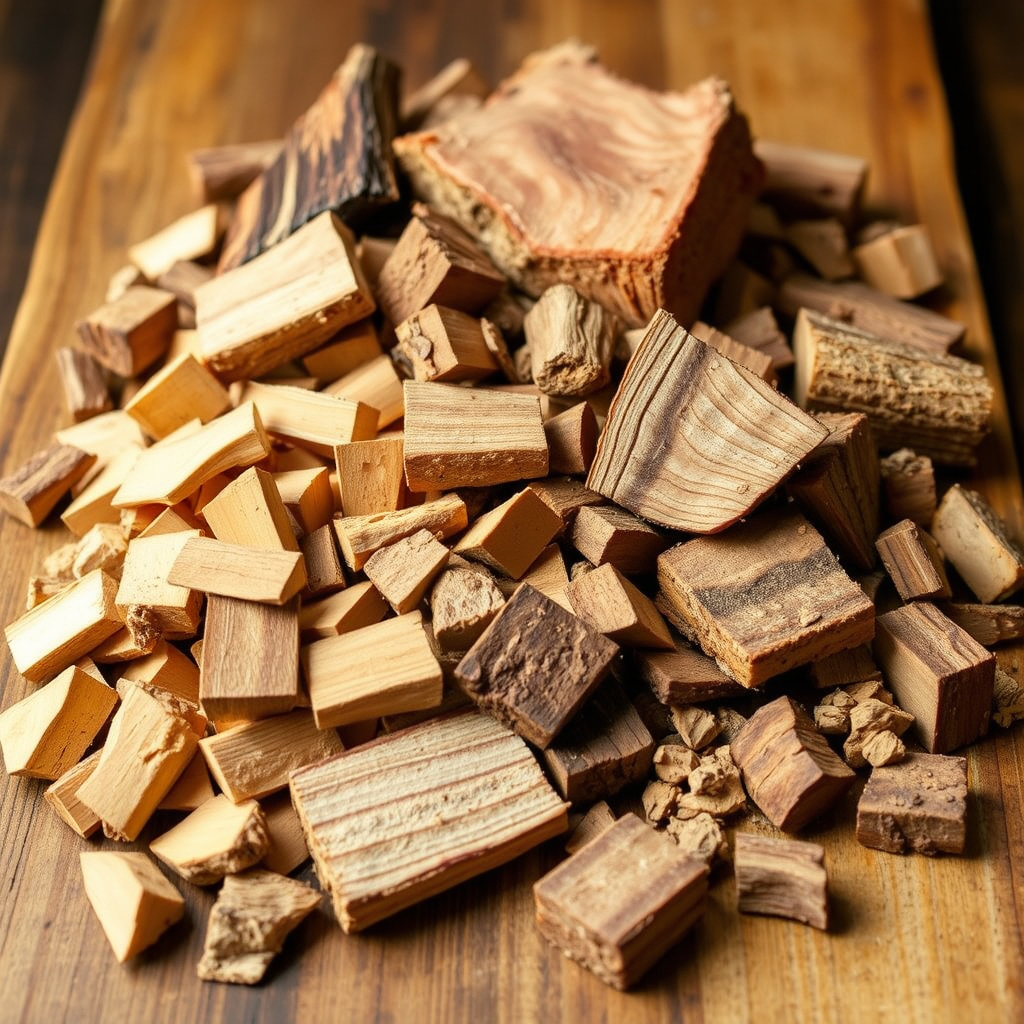
Popular Wood Types and Their Flavor Profiles
Choosing the right wood chips impacts the flavor of smoked meat. Hardwoods like hickory, oak, apple, and mesquite offer distinct tastes — hickory provides strong bacon-like smoke, whereas fruitwoods such as apple and cherry give mild, sweet smoke ideal for poultry.
Avoid softwoods like pine or cedar that contain resins, which produce unhealthy, unpleasant smoke. Experiment with blends to customize your flavor.
- Hickory: robust, hearty flavor
- Apple: sweet, mild fruitiness
- Mesquite: intense, bold smoke
- Avoid resinous softwoods
How to Soak or Prepare Wood Chips for Smoking
Soaking wood chips in water for 30-60 minutes before use helps them smolder longer and produce steadier smoke. Alternatively, soaking in cider or wine can add subtle flavor variations.
For charcoal grills, pack soaked chips in foil with holes poked to slow burning. For stovetop or cold smoking, dry chips may be preferable to avoid excessive smoke or moisture.
- Soak chips in water for 30-60 min
- Soaking liquids can vary flavor
- Use foil packets to control burn rate
- Dry chips better for stovetop smoke
Meat Preparation Steps Before Smoking
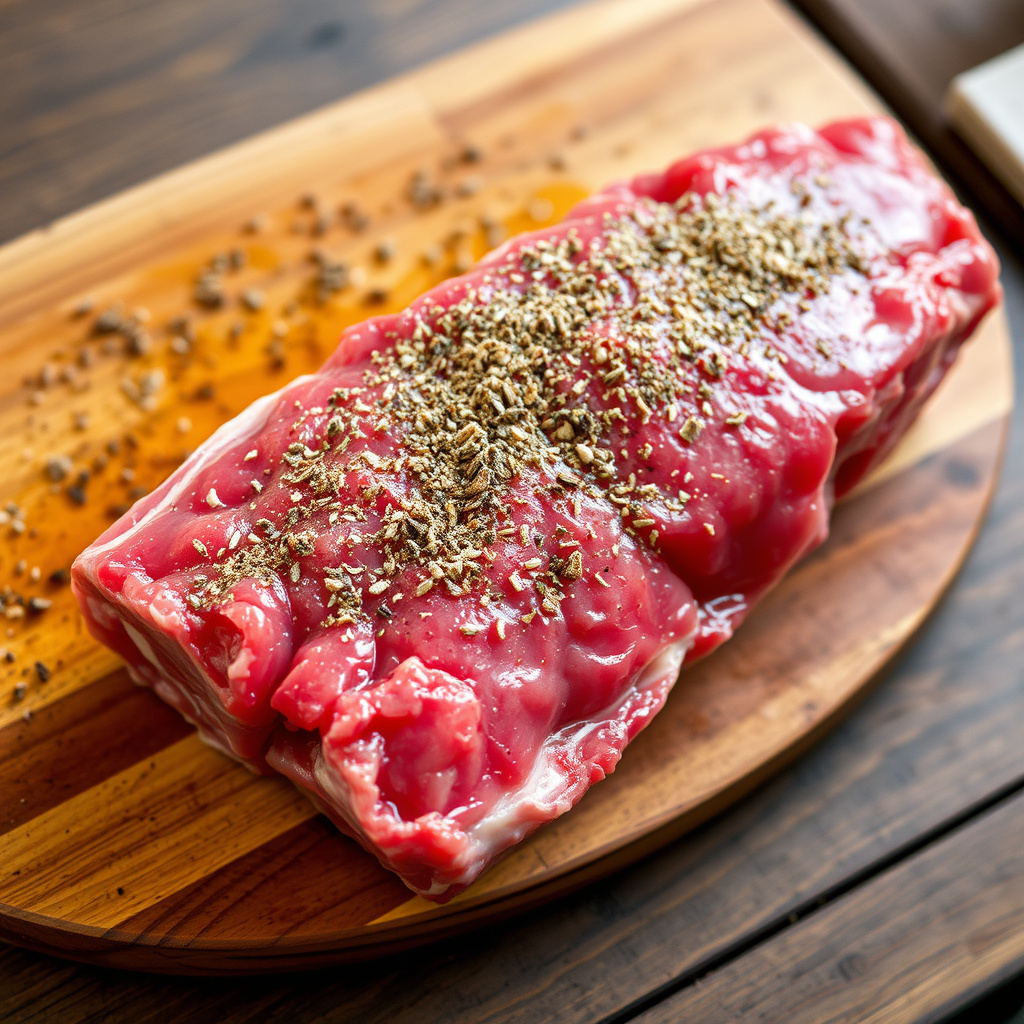
Trimming, Marinating, and Seasoning Meat for Smoking
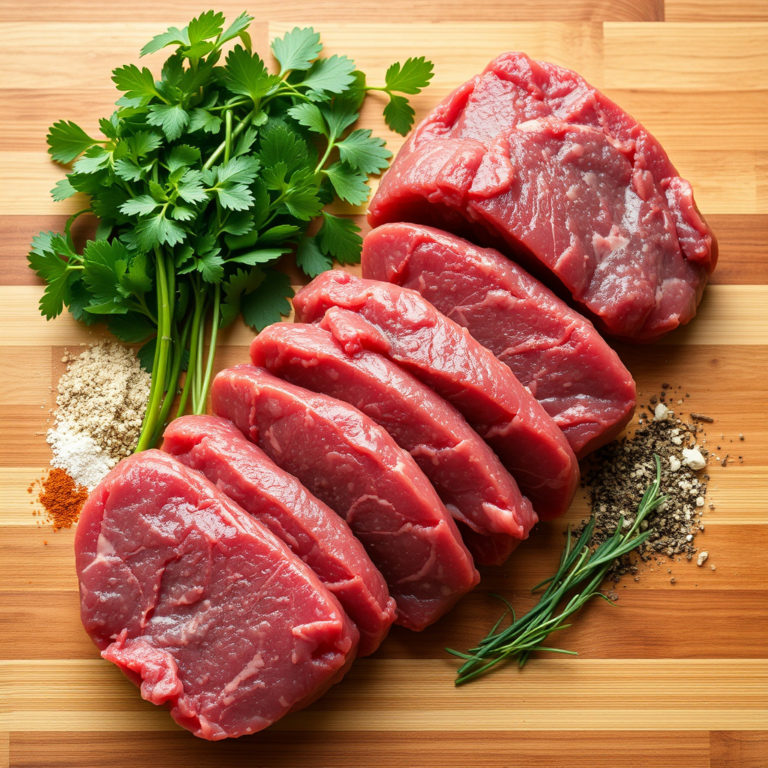
Start with trimming excess fat to prevent flare-ups and uneven smoke penetration. Marinate or brine tougher cuts overnight to lock moisture and tenderize the meat before smoking.
Apply dry rubs or seasonings immediately before smoking for flavorful crust formation. Common rub ingredients include salt, pepper, paprika, garlic powder, and brown sugar.
- Trim excess fat for even cooking
- Use brine or marinade for tenderness
- Apply dry rubs shortly before smoking
- Balance salt and sugar for flavor
For more on this, see our related guide: How to Smoke Meat on a Gas Grill: A Step-by-Step Guide.
Handling and Storing Meat for Safety
Keep meat refrigerated until ready to smoke to avoid bacterial growth. Use clean utensils and surfaces during preparation. After smoking, rest the meat for at least 10-15 minutes before serving to allow juices to redistribute.
Check the internal temperature with a meat thermometer to ensure safe cooking—poultry should reach 165°F, pork 145°F, and beef varies by cut and preference.
- Keep meat chilled before smoking
- Use safe handling practices
- Rest meat after smoking
- Verify safe internal temperatures
Cleaning and Maintaining Your DIY Smoking Equipment
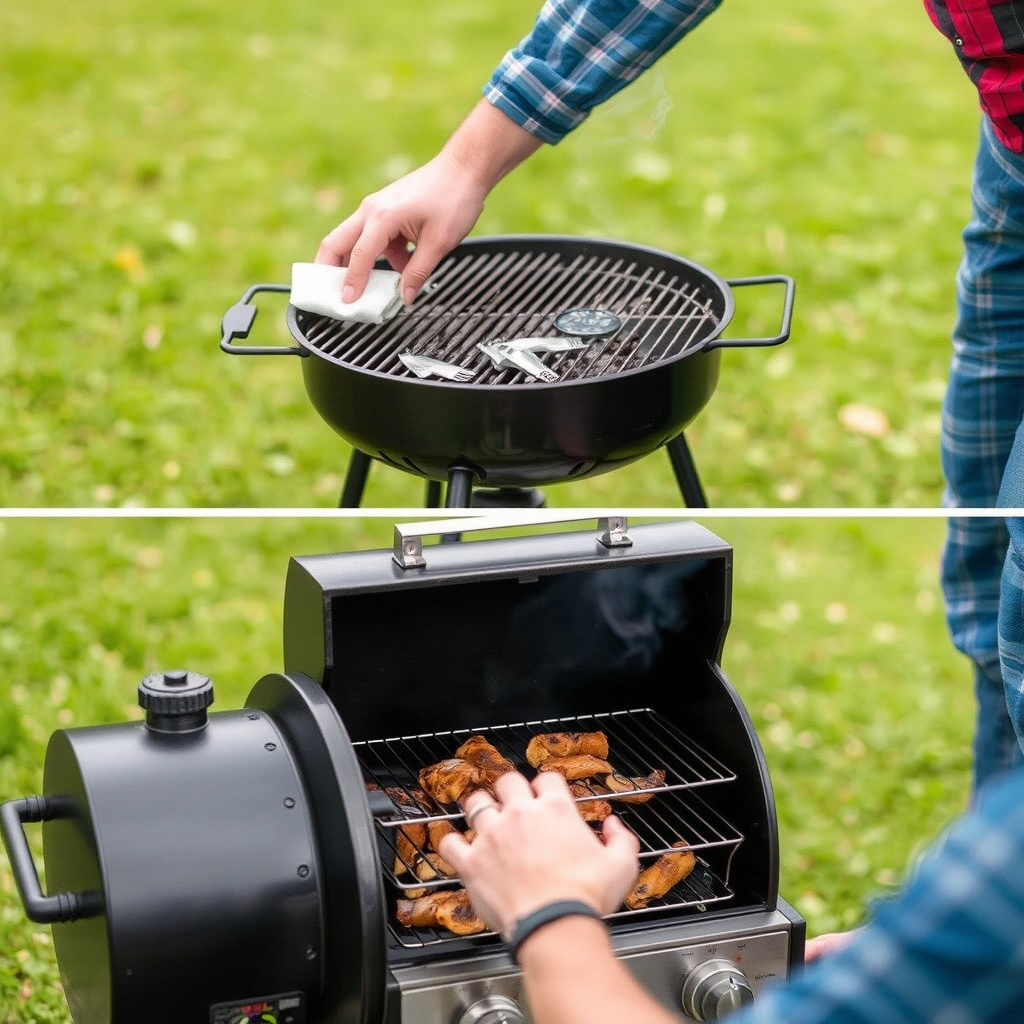
Post-Smoking Cleanup for Charcoal and Stovetop Methods
Residual grease and wood ash can accumulate in grills or pots over time, affecting flavor and safety. After each use, remove ash from grills and wash pot parts with warm soapy water to prevent buildup.
Disassemble components carefully to clean crevices and vents. Ensure all parts are fully dry before storing to avoid rust or mold.
- Remove ash and grease residues
- Wash removable parts thoroughly
- Clean vents and grates carefully
- Dry all components to prevent rust
For an in-depth explanation of smoking as a cooking method, the wood smoking on Wikipedia page provides detailed background and historical context. wood smoking on Wikipedia.
Regular Maintenance Tips for Longevity
Inspect your equipment regularly for wear or rust, and replace worn-out parts as needed. Season cast iron grates or racks with oil after cleaning to keep them in good condition.
Store smoking tools in a dry, covered place. Periodic deep cleaning helps maintain optimal performance and food safety.
- Check for rust or damage routinely
- Oil cast iron parts to prevent rust
- Keep equipment dry and covered
- Deep clean every few uses
DIY Smoking Methods Comparison
This table compares popular DIY smoking techniques by setup complexity, cooking time, smoke intensity, and ideal meat types.
| Method | Setup Complexity | Average Cooking Time | Smoke Intensity | Best For |
|---|---|---|---|---|
| Charcoal Grill | Moderate | 2-6 hours | Medium to High | Large cuts like brisket, ribs |
| Stovetop Smoker | Low | 30-90 minutes | Light to Medium | Small cuts like fish, chicken breasts |
| Cold Smoking | High | Several hours to days | Light, flavor-only | Cheese, cured meats, fish |
| Foil Packet Smoking | Low | 1-3 hours | Low to Medium | Thin cuts, vegetables |
Frequently Asked Questions
Can I use any kind of wood chips for smoking meat?
No, it's best to use hardwood chips like hickory, apple, or mesquite. Avoid softwoods with resins like pine, which produce toxic smoke and unpleasant flavors.
How do I control temperature without a smoker thermostat?
Use the grill or pot vents to adjust airflow, add charcoal incrementally, and monitor cooking temperature frequently with a reliable thermometer.
Is it safe to cold smoke meat at home?
Cold smoking requires curing meat beforehand and maintaining low temperatures below 90°F to inhibit bacterial growth. Proper technique and equipment are essential for safety.
How long do I need to smoke meat for good flavor?
Smoking time varies by method and cut but generally ranges from 30 minutes for small pieces with stovetop smoking to several hours for larger cuts on a grill.
Can I smoke frozen meat without thawing?
It's better to thaw meat completely before smoking to ensure even cooking and proper smoke absorption.
Key Takeaways
- You can successfully smoke meat without a traditional smoker using grills, stovetop smokers, or DIY setups.
- Indirect heat and soaked wood chips are essential for producing steady smoke and flavor.
- Cold smoking requires special care with curing and temperature control to be safe.
- Proper meat preparation and equipment maintenance improve results and safety.
Conclusion
Choosing a method to smoke meat without a smoker depends largely on the equipment you have available, the amount of meat you plan to smoke, and how much effort you want to invest. Indirect charcoal grilling stands out as the most versatile and effective way to create traditional smoked meats but requires attention to temperature control and wood chip management. Stovetop smoking offers a convenient way to impart smoky flavor to smaller cuts indoors with minimal setup. Cold smoking, while more complex and requiring curing for safety, introduces a unique flavor experience suitable for cheeses and cured meats.
For backyard chefs aiming for larger cuts like brisket, ribs, or pork shoulder, using a charcoal grill configured for indirect smoking and filled with properly soaked hardwood chips like hickory or apple is a reliable approach. If you're working indoors or with smaller items like fish or chicken breasts, investing in a stovetop smoker or fashioning a pot-based smoker can produce excellent results without outdoor space. For aficionados interested in flavoring cured foods, creating a cold smoking rig with careful temperature monitoring can add depth without cooking the meat.
Ultimately, the next step is to gather the tools appropriate to your chosen method and practice smoke control, wood selection, and meat preparation to develop your preferred flavors. Practical experience paired with patience will yield smoked meats bursting with rich, satisfying smoky taste—even without a traditional smoker. Happy smoking!