Smoking jerky is an excellent way to add rich, smoky flavor while preserving the meat for long-lasting snacks. The key to smoking jerky successfully lies in controlling temperature and choosing the right wood to infuse your strips with mouthwatering aroma and taste.
Understanding the smoking process helps not only with safety but also with flavor development, since different woods impart unique notes and drying times affect texture. Smoking jerky transforms simple strips of meat into a savory treat that lasts and satisfies cravings anytime.
This guide will walk you through the selection of meat cuts, seasoning options, preparation techniques, ideal smoking temperatures, wood choices, and drying methods. By the end, you'll have clear, actionable steps to smoke jerky that tastes better than store-bought versions.
Choosing and Preparing Meat for Smoking Jerky
Selecting the Right Cut
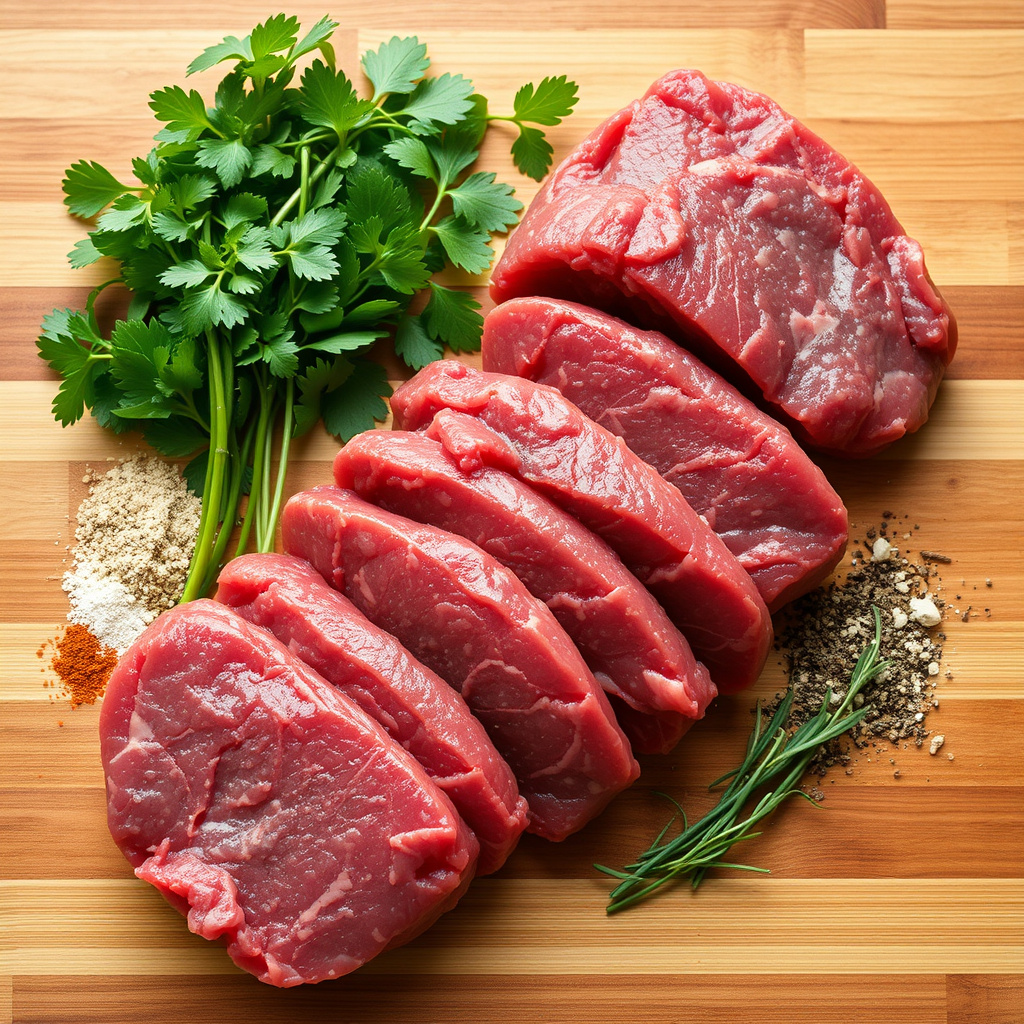
Opt for lean cuts with minimal fat to prevent spoilage and improve drying. Common choices include top round, bottom round, eye of round, or flank steak. Fat doesn't dry well and can turn rancid, so trim all visible fat before slicing.
Slice the meat uniformly against the grain about 1/8 to 1/4 inch thick. Thinner strips will dry faster and be chewier while thicker ones retain more moisture but require longer smoking time. Consistent thickness ensures even drying.
- Top round
- Bottom round
- Eye of round
- Flank steak
Marinating and Seasoning
Marinate your meat to infuse flavor and tenderize it. Common marinades include soy sauce, Worcestershire sauce, garlic powder, black pepper, and smoked paprika. Let the meat soak in the marinade for 4-24 hours refrigerated.
Avoid sugar-heavy marinades prior to smoking, as sugar can burn over low heat and create off-flavors. Instead, add sweet elements after the smoking process if desired.
- Soy sauce-based marinade
- Garlic and onion powders
- Black pepper and smoked paprika
- Avoid excess sugar before smoking
Setting up and Maintaining the Smoker
Choosing Your Smoker Type
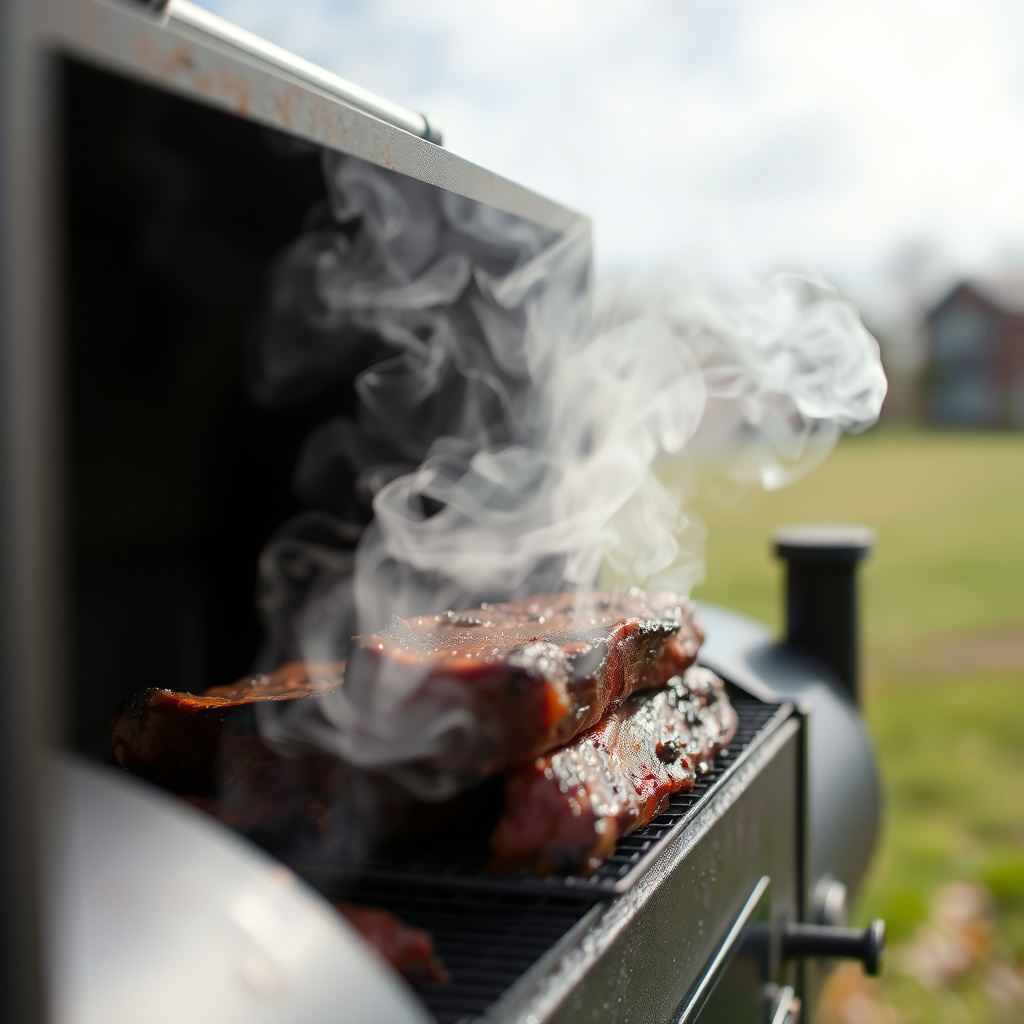
Electric, charcoal, and pellet smokers all work well for smoking jerky, but maintaining steady low heat is critical. Pellet smokers offer precision but charcoal smokers provide desirable smoky flavors with proper monitoring.
If using a grill with indirect heat and wood chips, position the meat away from direct flame to prevent uneven cooking or charring. A vertical or horizontal propane smoker is also suitable if you can keep temperatures low.
- Electric smokers for temperature control
- Charcoal smokers for rich flavor
- Pellet smokers for consistency
- Indirect heat grilling setups
Temperature Control Tips
Keep smoking temperature between 160°F and 180°F (71°C to 82°C). Temperatures above 200°F risk cooking the jerky instead of drying it, resulting in toughness. Use a digital thermometer to monitor internal smoker temperature.
Maintain airflow to avoid moisture buildup, which can encourage spoilage. Regularly check wood and fuel to sustain steady smoke without large flare-ups.
- Maintain 160-180°F temperature
- Use digital thermometer for accuracy
- Ensure consistent airflow
- Avoid flare-ups and temperature spikes
Selecting the Best Wood for Smoking Jerky
Popular Wood Choices
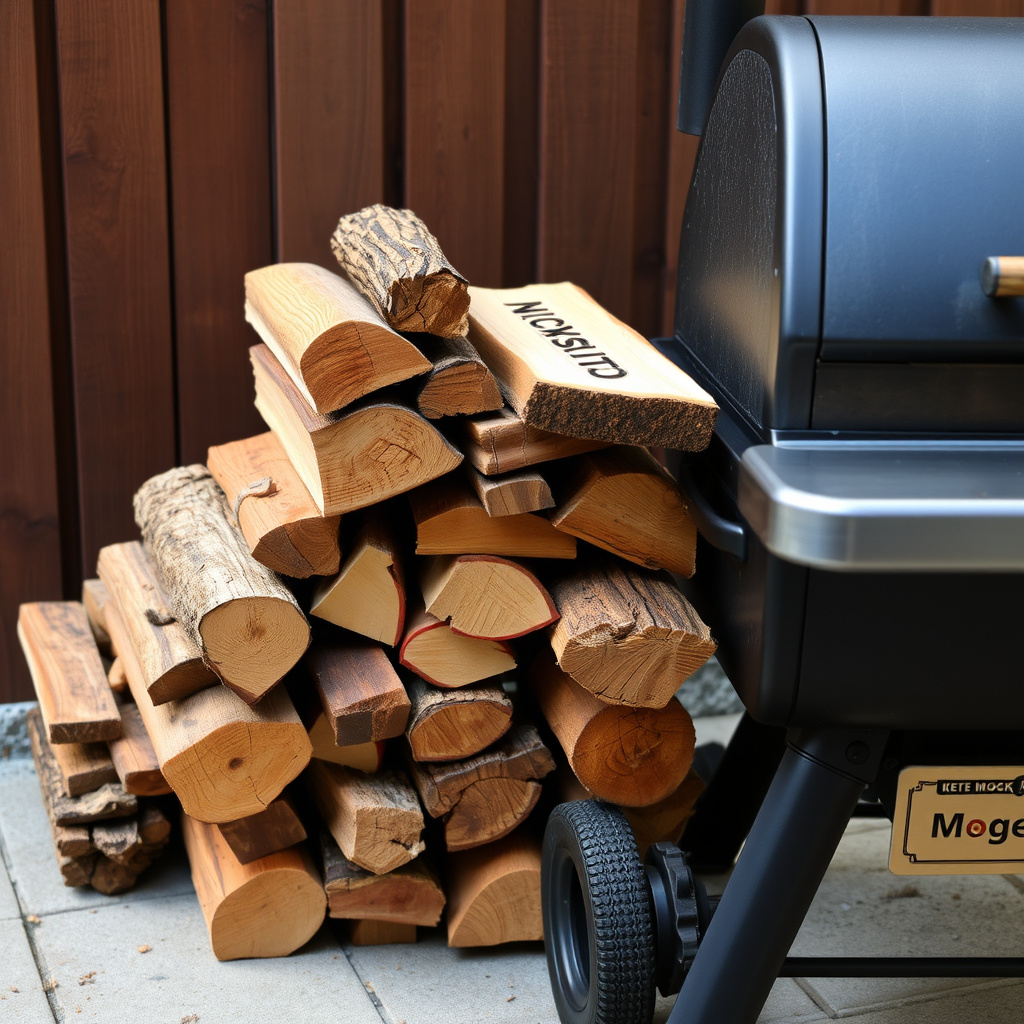
Hardwoods like hickory, apple, mesquite, and cherry are excellent for smoking jerky. Hickory offers a strong, bacon-like flavor, while apple and cherry woods deliver milder, slightly sweet smoky notes that complement beef and poultry.
Mesquite is intense and best for shorter smoking sessions or for those who like a bold flavor punch. Combining woods can add complexity to the flavor profile.
- Hickory for robust flavor
- Apple wood for sweet notes
- Mesquite for strong intensity
- Cherry wood for mild sweetness
Preparing Wood for Smoking
Use wood chips or chunks that have been soaked in water for at least 30 minutes to create slow, steady smoke. Wet wood prevents flames but keeps smoke flowing.
Avoid resinous woods like pine or cedar, which produce unpleasant tastes and harmful fumes. Always buy smoking-grade hardwoods from reliable suppliers.
- Soak wood chips 30+ minutes
- Use hardwoods only
- Avoid softwoods with resin
- Source food-grade smoking woods
Smoking Process and Drying Techniques
Smoking Duration and Monitoring
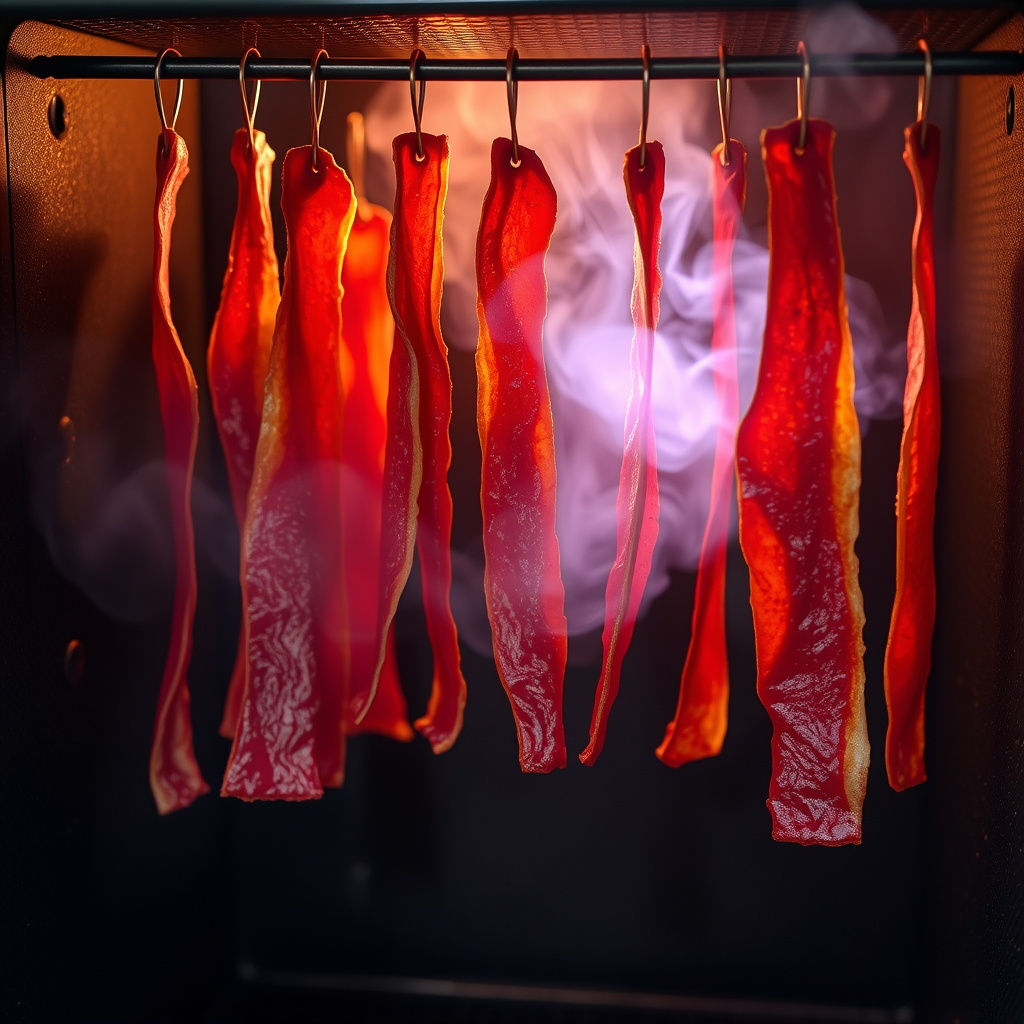
Smoke jerky for 4 to 8 hours depending on thickness and smoker efficiency. Check periodically to avoid overdrying, which leads to brittle jerky. The meat should be dry but still pliable with no visible moisture.
Flip jerky halfway through for even exposure to smoke and heat. If your smoker permits, allow some ventilation to release moisture without drying the jerky too quickly.
- 4-8 hours smoking time
- Flip jerky halfway
- Monitor texture frequently
- Maintain smoker ventilation
Post-Smoking Drying Options
After smoking, some prefer additional drying in a dehydrator or an oven set to about 140°F to achieve firmness without over-smoking. This step evens out moisture and further preserves the meat.
Cooling jerky at room temperature before storing prevents condensation inside packaging. Store in airtight containers or vacuum seal to extend shelf life.
- Use dehydrator or oven at 140°F
- Allow jerky to cool fully
- Package in airtight containers
- Vacuum seal for longer storage
Safety and Storage Tips for Smoked Jerky
Food Safety Guidelines
Meat smoked under 160°F may harbor bacteria if not properly dried, so aim for consistent temperatures and dryness. Using fresh meat and refrigerated marinating reduces contamination risk.
Always wash hands and surfaces thoroughly when handling raw meat. After smoking, freeze any jerky you won't consume within a week to maintain food safety.
- Maintain smoker temperature above 160°F
- Use fresh, properly refrigerated meat
- Sanitize preparation tools
- Freeze excess jerky promptly
For more details on smoking meat techniques, Wikipedia provides a thorough overview of the process and common practices. smoking meat techniques.
Storage Duration and Conditions
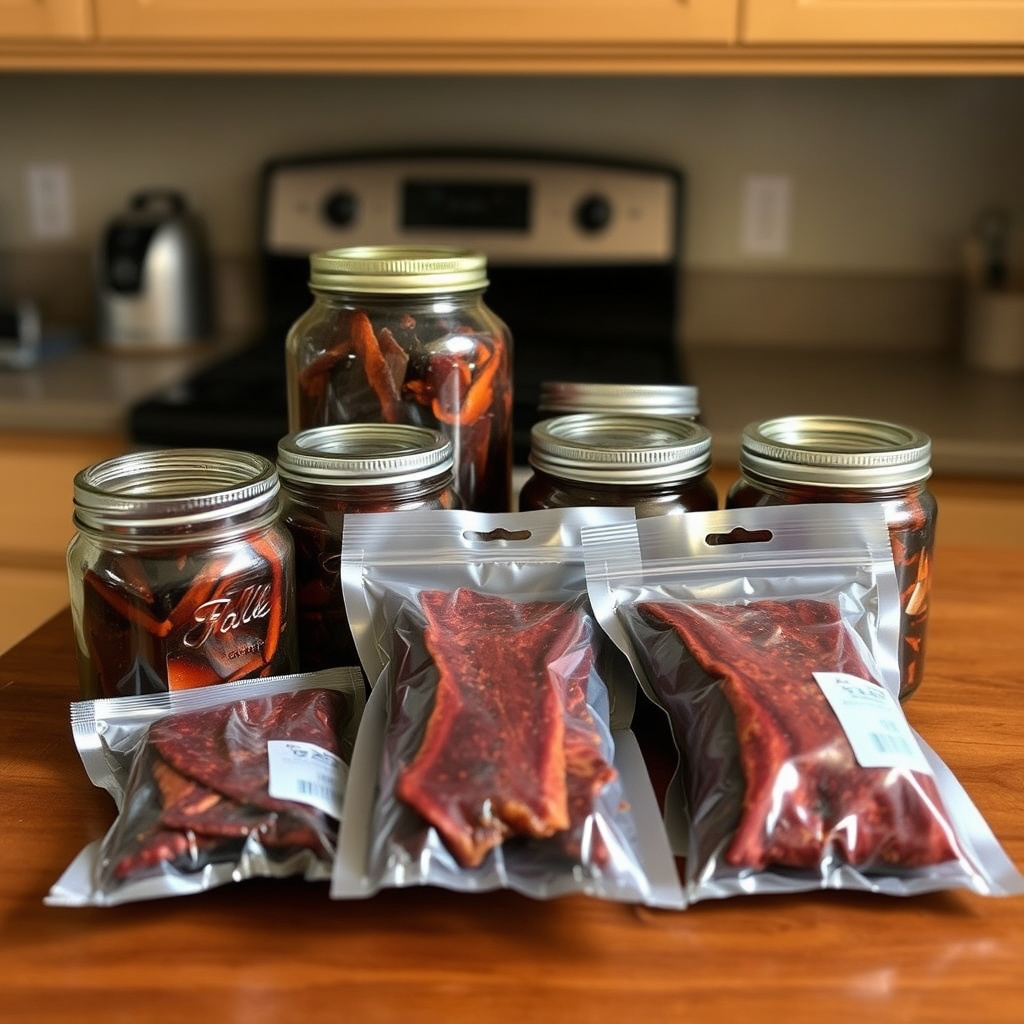
Smoked jerky stored in vacuum-sealed bags and kept in a cool, dry place lasts 1-2 months. Refrigeration extends shelf life to 3-6 months, and freezing can preserve jerky for up to a year without quality loss.
Avoid storing jerky in warm, humid environments to prevent mold growth and spoilage.
- Vacuum seal for longest freshness
- Store in cool, dry area
- Refrigerate to extend life
- Freeze for long-term storage
Comparing Popular Wood Types for Smoking Jerky
The choice of wood affects flavor intensity and aroma. Here's a comparison of common smoking woods used for homemade jerky.
| Wood Type | Flavor Profile | Best For | Smoke Intensity |
|---|---|---|---|
| Hickory | Strong, bacon-like | Beef and pork | High |
| Apple | Mild, sweet | Poultry and beef | Medium |
| Mesquite | Bold, intense | Quick smokes with beef | Very High |
| Cherry | Slightly sweet, fruity | Game meats and poultry | Medium |
Frequently Asked Questions
Can I smoke jerky without a smoker?
Yes, you can use a grill with indirect heat and wood chips to create smoke. Maintain low temperature and control airflow carefully to mimic a smoker's environment.
How long does jerky last after smoking?
Properly smoked and stored jerky can last 1-2 months at room temperature in airtight containers, longer if refrigerated or frozen.
Is it necessary to marinate jerky before smoking?
Marinating adds flavor and can tenderize meat, but it's optional. Dry rubs or seasoning after smoking are alternatives for flavoring.
What is the ideal thickness for jerky slices?
Slicing meat about 1/8 to 1/4 inch thick ensures even drying and good texture; thinner slices dry quickly but are chewier.
Can I use any type of wood for smoking jerky?
Only use hardwoods like hickory, apple, mesquite, or cherry. Avoid softwoods that produce harmful fumes and off-flavors.
Key Takeaways
- Choose lean cuts and slice uniformly for even drying
- Maintain smoker temperature between 160°F and 180°F
- Select hardwoods like hickory or apple for best smoke flavor
- Store jerky in airtight conditions to extend shelf life
Conclusion
Knowing how to smoke jerky well is about balancing temperature, wood choice, and proper meat preparation. Smoking at a steady low heat allows the meat to dry without cooking, creating a chewy yet tender texture. Selecting the right wood enhances flavor ranges from subtle sweetness to bold smokiness, and uniform slicing ensures consistent results. Paying attention to safety during the process safeguards against spoilage and lets you enjoy your jerky for weeks or months.
If you're just starting out, consider using beef top round for your cuts and apple wood for a mild yet flavorful smoke. Electric or pellet smokers simplify temperature control, making the smoking process less tricky. Experienced smokers might experiment with mesquite for a more intense taste or combine woods to customize flavors. The key is to monitor drying times and check jerky texture throughout smoking so it is dry but still pliable.
To begin smoking jerky, start by sourcing quality lean meat and your preferred hardwood chips. Marinate or season the strips, preheat your smoker to around 170°F, and arrange the meat with airflow in mind. Smoke for 4-8 hours depending on thickness, flipping midway and finishing with optional drying in a dehydrator for consistency. Finally, cool thoroughly and store in vacuum-sealed bags. This method will reward you with delicious homemade smoked jerky that's a perfect protein-packed snack.