Smoking meat on a gas grill is achievable with the right technique and equipment. By controlling temperature and adding wood chips or pellets, you can infuse rich smoky flavors into briskets, ribs, chicken, and more. Unlike traditional smokers, gas grills offer convenience and speed while still providing great results.
Many outdoor cooks prefer gas grills for their ease of use and temperature control. While gas grills don’t naturally produce smoke like charcoal or dedicated smokers, using indirect heat combined with soaked wood chips allows you to add authentic smoky aromas. This method makes smoking on a gas grill accessible for casual cooks who want smoky meats without specialized gear.
This guide will break down how to set up your gas grill for smoking, what wood chips work best, how to maintain proper temperature, and which cuts of meat are ideal for smoking on a gas grill. You’ll also find tips on timing, prepping meat, and troubleshooting common issues to master this technique.
Setting Up Your Gas Grill for Smoking Meat
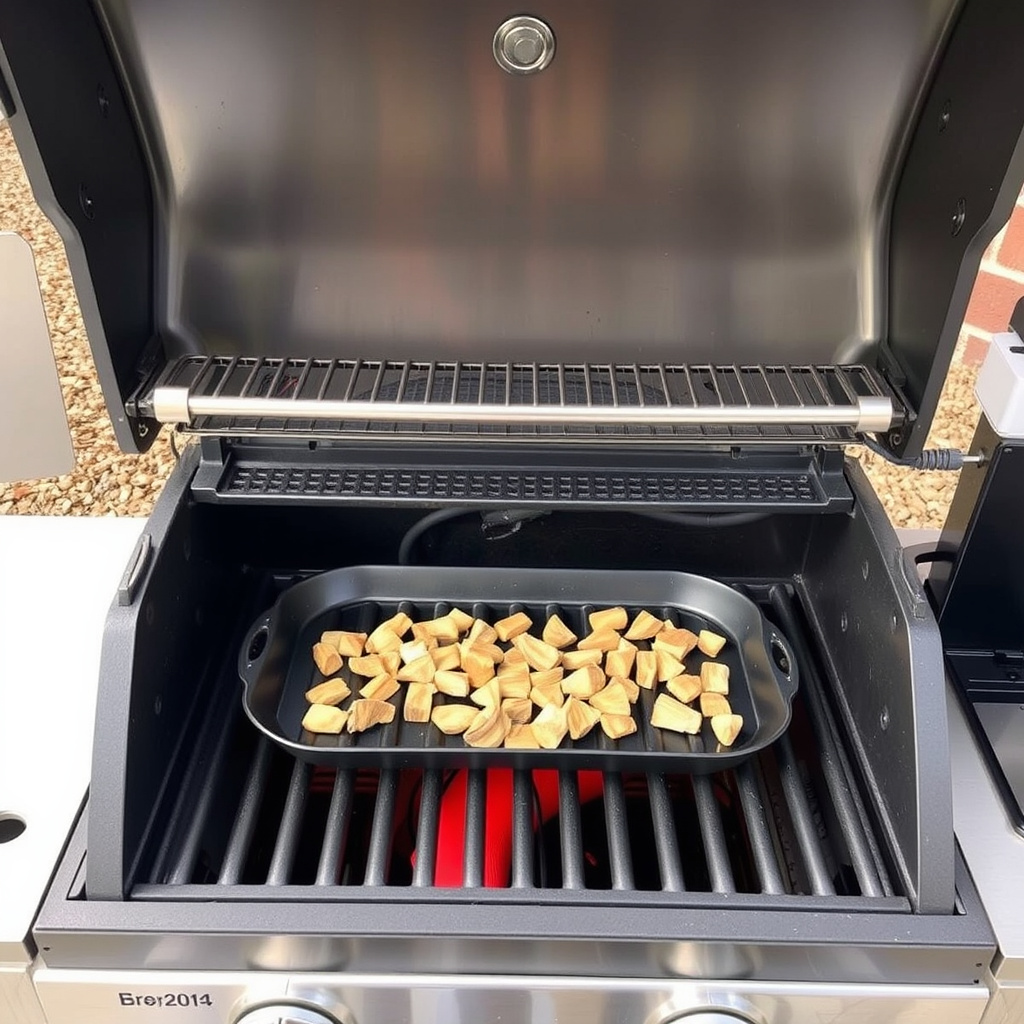
Configuring Burners for Indirect Heat
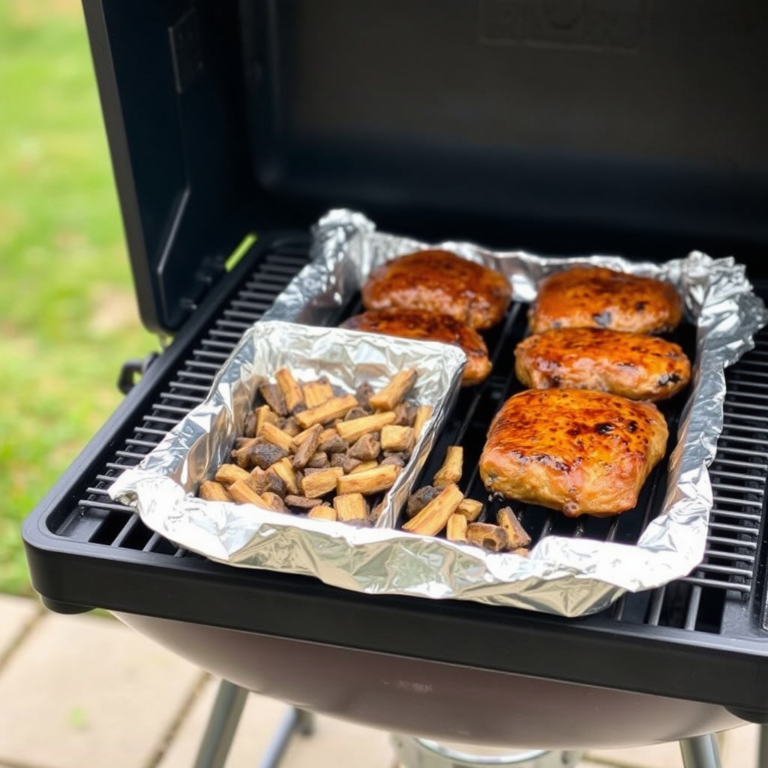
To smoke meat on a gas grill, set up indirect heat by turning on only one or two burners on one side of the grill while leaving the other burners off. This creates a cooler cooking zone where you can place the meat, away from direct flames, preventing burning while allowing slow cooking.
Place a drip pan under the cooking grate on the unlit side to catch fat drippings and stabilize humidity, which helps maintain moisture during the smoking process. This basic setup simulates the environment of a traditional smoker using your gas grill’s controlled heat.
- Turn on one or two burners only
- Place meat on the unlit side
- Use a drip pan beneath the meat
Adding Wood Chips or Wood Chunks
Wood chips or small wood chunks provide the flavorful smoke essential for smoked meat. Soak dry wood chips in water for 30 minutes before placing them in a smoker box or a foil pouch with holes poked in it. The moisture slows combustion, producing smoke rather than burning quickly to ash.
Place the smoker box or foil pouch directly over the lit burners. The heat will cause the wood to smolder and release smoke that circulates inside the grill. Different woods like hickory, apple, or mesquite impart distinct flavors, so pick according to the meat you plan to smoke.
- Soak wood chips for 30 minutes
- Use smoker box or foil pouch
- Place over active burners
Choosing the Right Wood Chips for Gas Grill Smoking
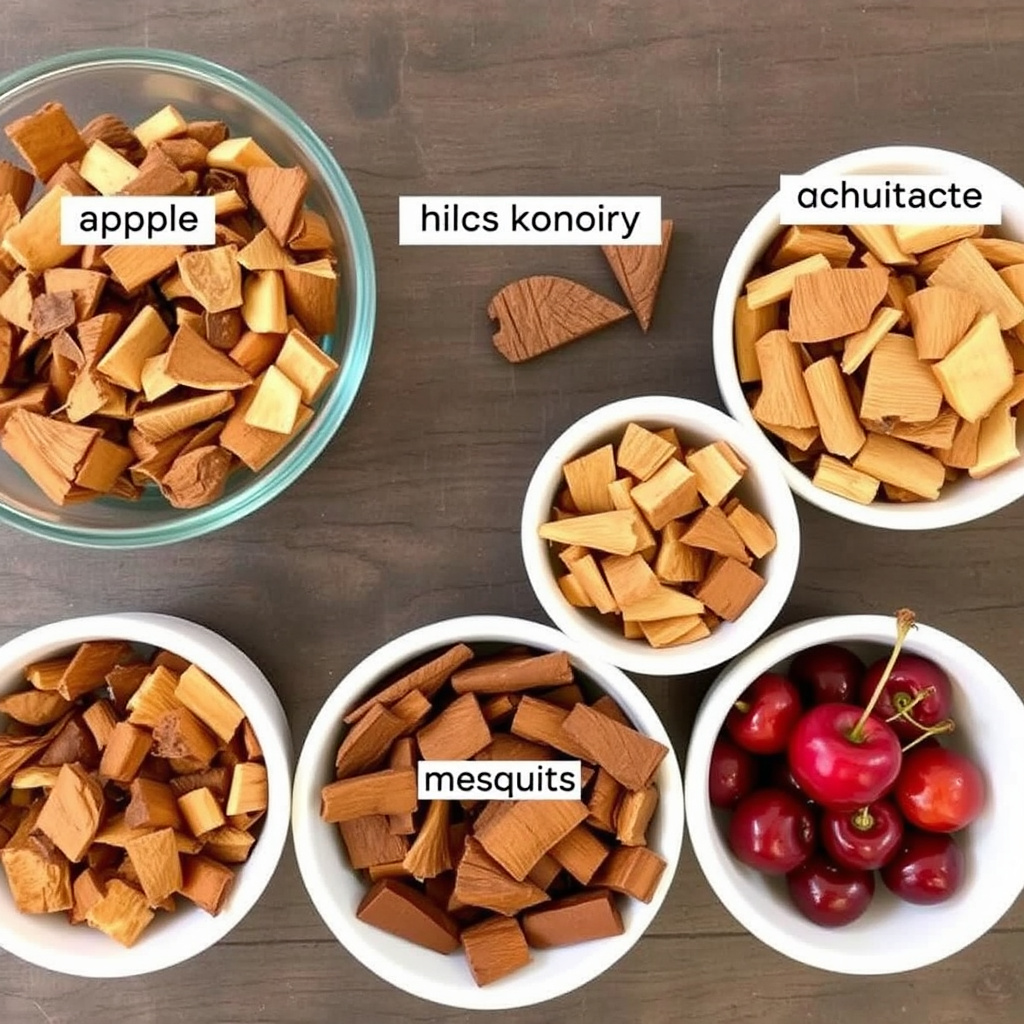
Popular Wood Chip Varieties and Their Flavors
Apple wood chips emit a mild, sweet smoke that's especially good for poultry and pork. Hickory offers a stronger, bacon-like smokiness, which is excellent for beef cuts like brisket. Mesquite produces a bold and intense smoke flavor suited for red meats but can be overpowering if overused.
Cherry wood is balanced with a fruity note, adding a nice red hue to smoked meats and pairing well with chicken or pork. Experimenting with different wood chips lets you tailor the smoke flavor to your taste and the meat’s natural character.
- Apple: mild, sweet, great for poultry and pork
- Hickory: strong, bacon-like, ideal for beef
- Mesquite: bold and intense, best for red meats
- Cherry: fruity, adds color and subtle sweetness
Tips for Using Wood Chips on a Gas Grill
Don’t overload the smoker box; around a half cup of soaked chips is usually sufficient for steady smoke lasting an hour or two. You can add more wood chips during longer smoking sessions in intervals to maintain smoke without overheating.
Avoid dry, fresh chips as they burn too fast and produce harsh smoke. Also, keep the grill lid closed as much as possible to trap smoke and heat, essential for properly infused, tender smoked meat.
- Use about ½ cup soaked chips at a time
- Add more chips gradually for long sessions
- Keep grill lid closed to hold smoke
Controlling Temperature When Smoking Meat on a Gas Grill
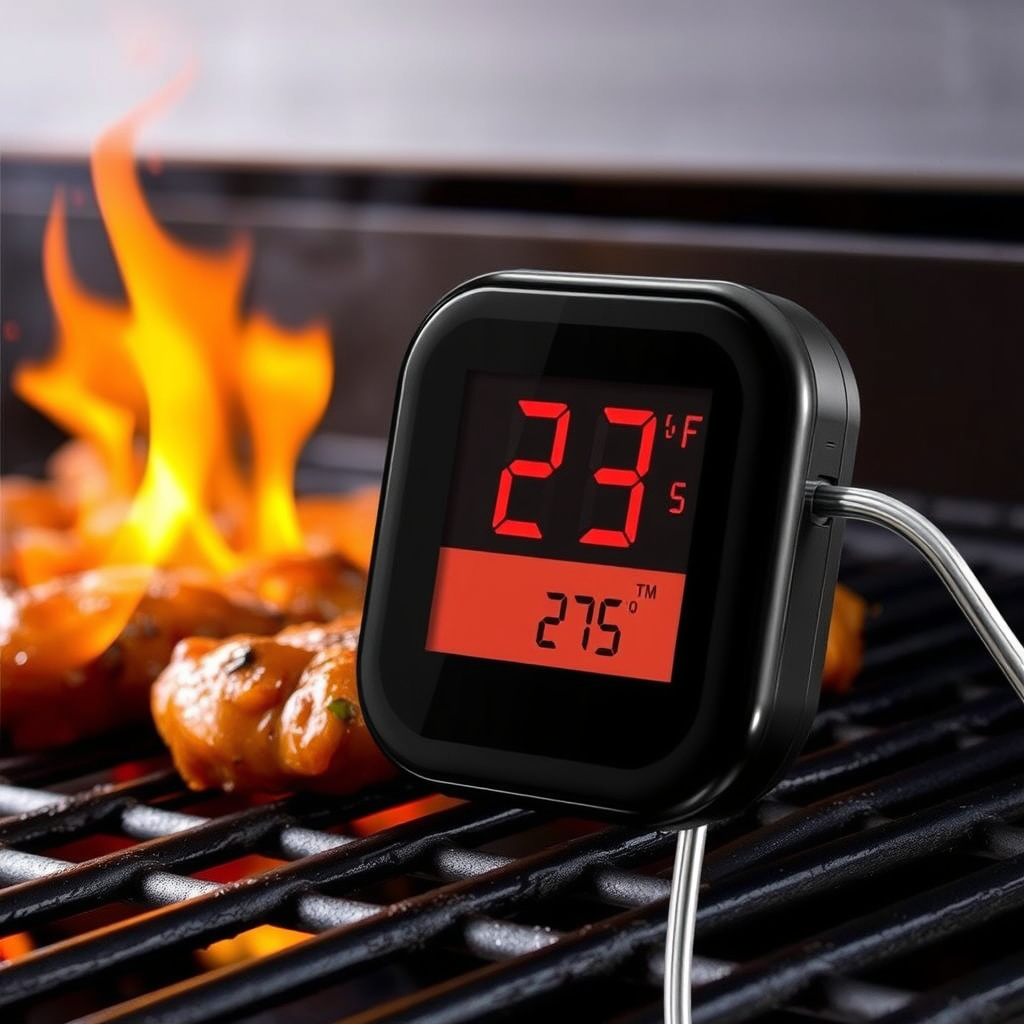
Maintaining a Low and Slow Temperature
The ideal smoking temperature ranges from 225°F to 275°F for tender, flavorful results. Use your gas grill’s burner controls to keep the heat low, typically by lighting just one burner at medium-low. Adding a water pan also helps stabilize internal grill temperature by absorbing and radiating heat evenly.
Invest in a good grill thermometer to monitor ambient temperature inside the grill. Avoid opening the lid often as this causes temperature fluctuations and smoke loss, both detrimental to consistent smoking.
- Target 225–275°F for smoking
- Light one burner on medium-low
- Use water pan to stabilize heat
- Monitor temperature with reliable thermometer
For more on this, see our related guide: How to Smoke Meat on a Gas Grill: A Step-by-Step Guide.
Using Grill Accessories to Enhance Temperature Control
Heat deflectors or ceramic heat diffusers placed above burners help spread heat evenly and prevent hot spots, aiding consistent cooking conditions. These accessories improve indirect heat efficiency in gas grills configured for smoking.
Adjust grill vents and burner settings incrementally, and consider using an electric smoker box for precise smoke generation. Frequent monitoring and minor adjustments keep temperature steady throughout long smoking times.
- Use heat deflectors for even heat
- Adjust vents and burners cautiously
- Consider electric smoker boxes for steady smoke
Best Meats to Smoke on a Gas Grill
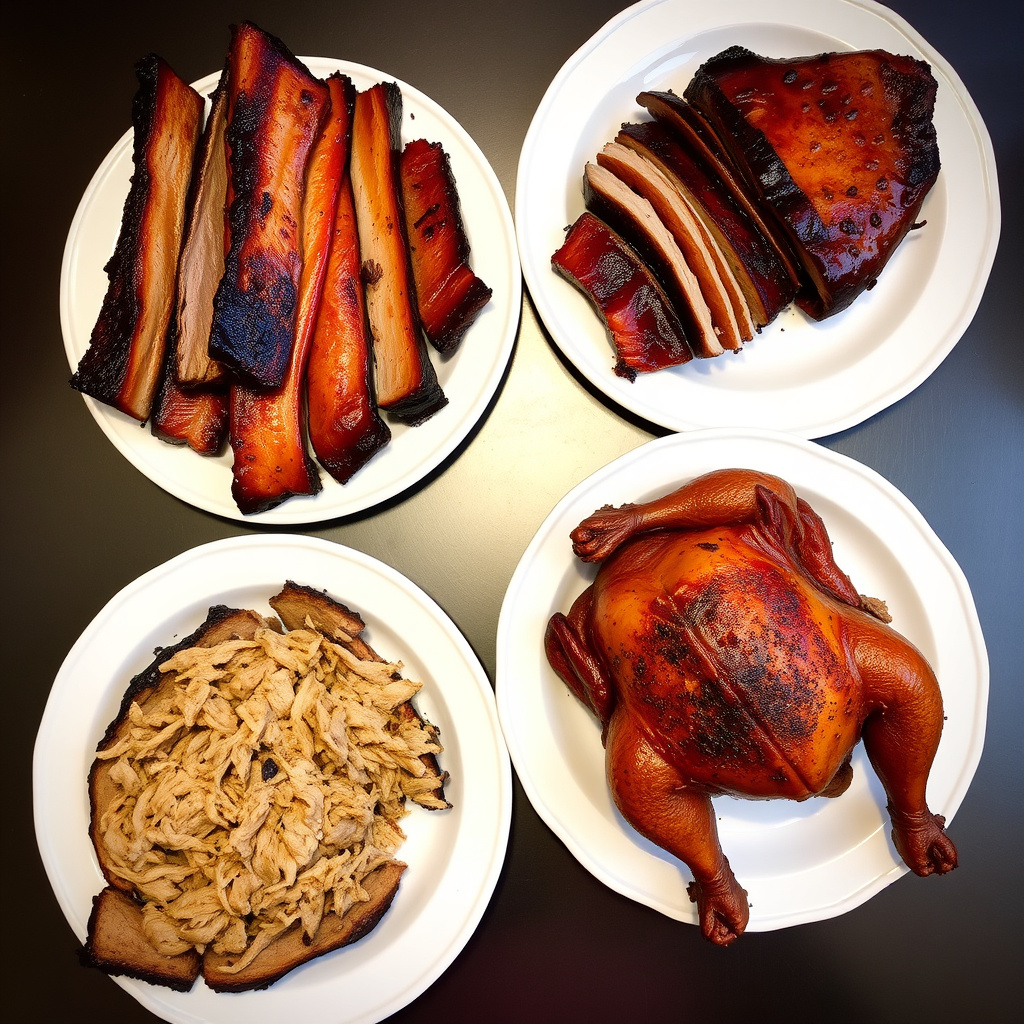
Popular Cuts for Smoking on a Gas Grill
Classic smoked meats like pork ribs, beef brisket, and whole chickens work exceptionally well on gas grills using the smoking method. These cuts benefit from long, slow cooking which breaks down collagen and renders fat, resulting in tender, flavorful meats.
You can also smoke pork shoulder for pulled pork or turkey breasts for smoky yet juicy poultry. The key is selecting cuts that handle extended low heat and can absorb smoke flavors thoroughly.
- Pork ribs and shoulder
- Beef brisket
- Whole chicken and turkey breast
Prepping Meat for Smoking
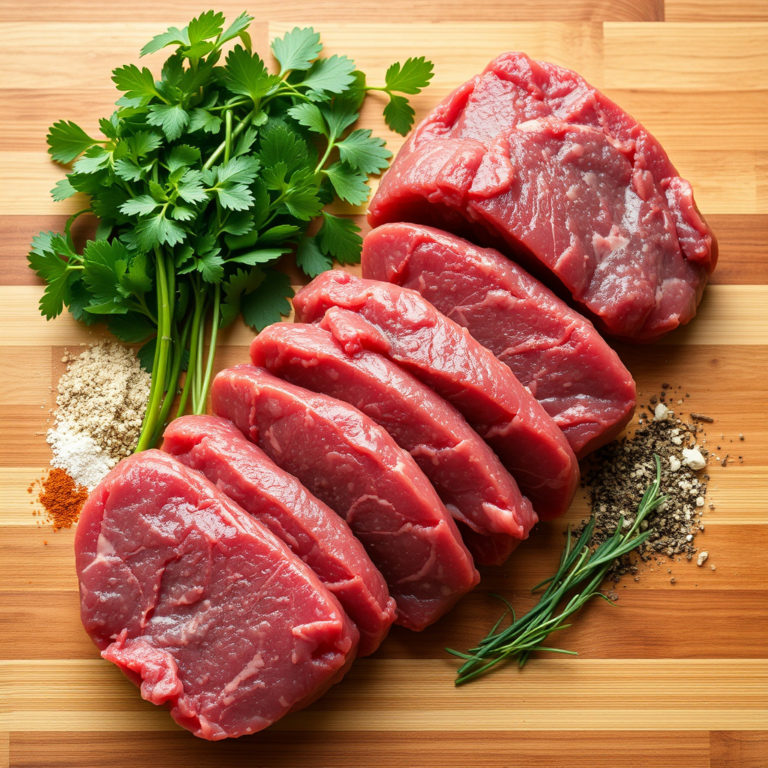
Before smoking, remove excess fat, pat meat dry, and apply a dry rub or marinade to build flavor and form a crust or bark. Bringing meat to room temperature before smoking helps achieve even cooking.
Use a meat injector for large roasts if desired, and allow smoked meat to rest after cooking to redistribute juices for moist, tender results.
- Trim excess fat and pat dry
- Apply dry rub or marinade
- Bring meat to room temperature
- Let meat rest post-cooking
Timing and Monitoring the Smoking Process
Estimating Smoking Times by Meat Type
Typical smoking times vary by cut and weight. For example, pork ribs generally take about 4-6 hours, brisket can require 8-12 hours or more, and whole chickens usually take 3-5 hours. Keep in mind these are rough guides; internal temperature is the best doneness indicator.
Low and slow cooking at consistent temperatures provides more reliable results than strictly timing. Patience pays off with deeply smoked, tender meat that’s worth the wait.
- Pork ribs: 4-6 hours
- Brisket: 8-12+ hours
- Whole chicken: 3-5 hours
For more on this, see our related guide: How Do Electric Grills Work? A Clear Guide to Their Operation.
Using Thermometers for Precision
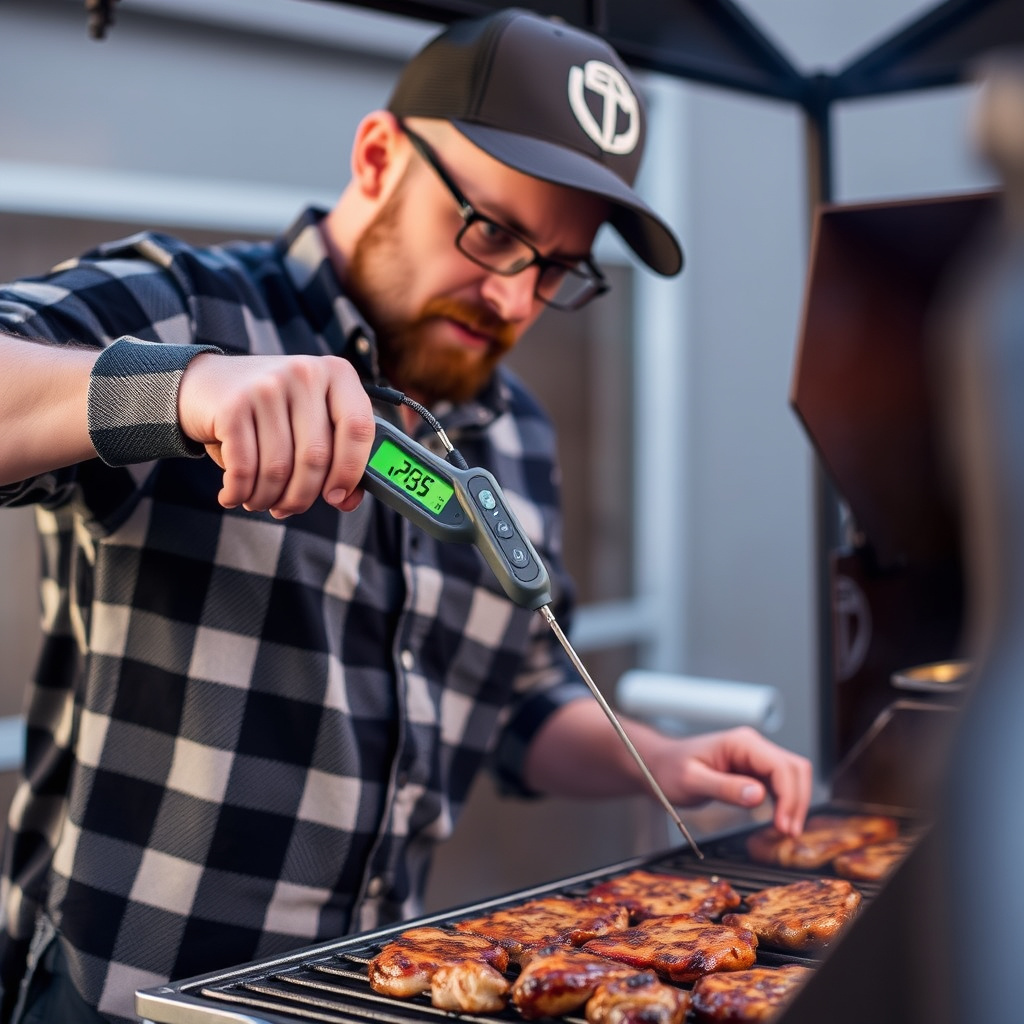
Using a digital probe thermometer with an alarm allows you to track internal meat temperature without opening the grill repeatedly. Ideal target temperatures include 195-205°F for brisket and pulled pork for perfect tenderness, and 165°F for poultry to ensure safe cooking.
Monitoring both grill ambient and meat internal temperature helps you make minor adjustments to burners or wood chip placement along the way, preventing overcooking or under-smoked results.
- Use digital probe thermometer with alarm
- Know target internal temperatures
- Monitor both grill and meat temps regularly
Troubleshooting Common Problems When Smoking on a Gas Grill
Fixing Inconsistent Temperature and Smoke
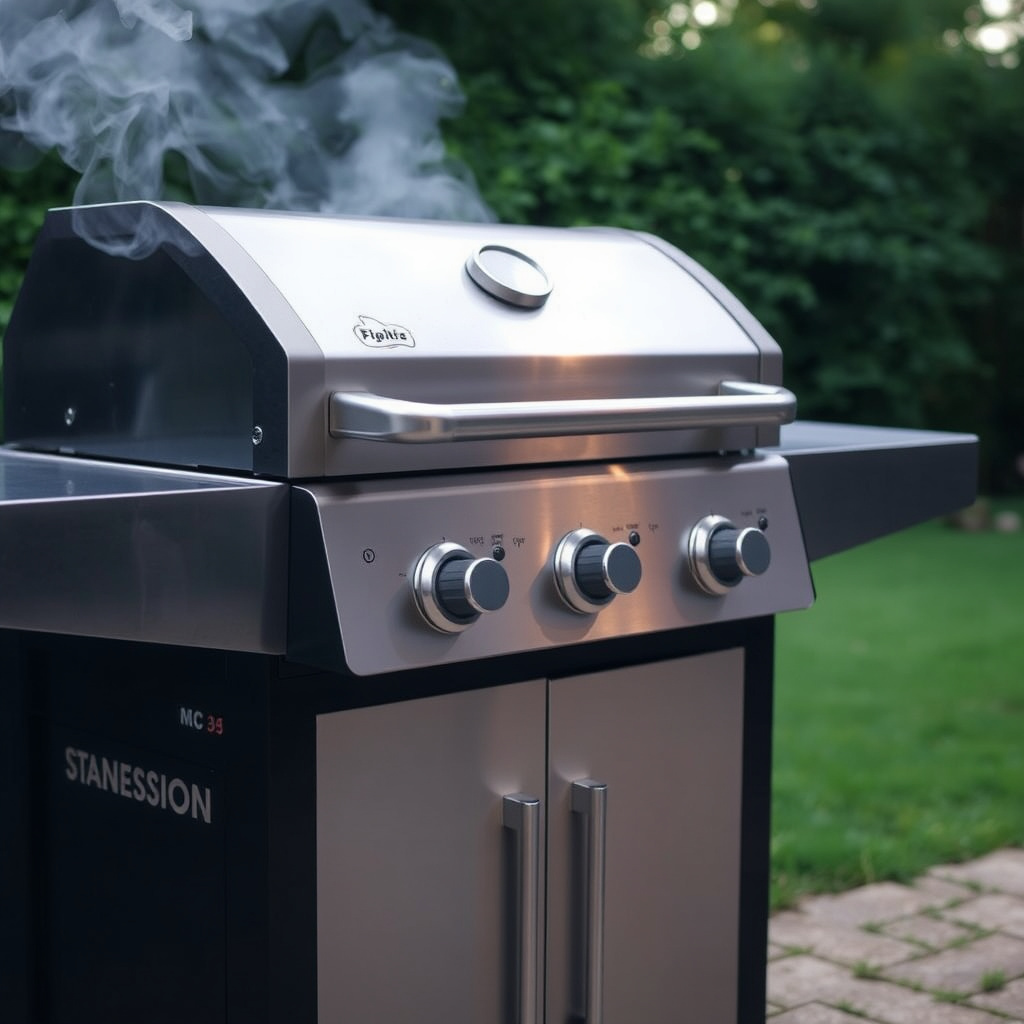
Temperature swings often come from opening the lid too often or burner misconfiguration. Keep the lid closed as much as possible and adjust burners gradually. Make sure the grill vents are not clogged or closed, which can stifle airflow and affect combustion.
Check your gas supply pressure and refill propane tanks if needed. Uneven smoke usually results from insufficient wood chips or improper placement over lit burners, so rearranging the smoker box and replenishing soaked wood chips can improve smoke flow.
- Avoid frequent lid opening
- Check and adjust burner settings
- Keep vents clear and open
- Place smoker box correctly and add chips as needed
For more detailed background on smoking techniques, check out this resource on smoking meat on a grill. Smoking meat on a grill.
Dealing with Dry or Tough Smoked Meat
Dry meat typically comes from cooking at too high a temperature or not using a water pan to maintain moisture. Also, smoking too long can cause meat fibers to dry out. Lower your grill heat if necessary and ensure water pans have enough water throughout the process.
Choosing the right cut and fat content impacts juiciness as well. Resting smoked meat after cooking helps redistribute juices, making the final product tender and flavorful.
- Maintain low temperatures between 225-275°F
- Use water pan to keep humidity
- Don’t over-smoke or overcook meat
- Rest meat before slicing
Gas Grill Smoking Wood Chip Types Comparison
This table compares common wood chip varieties for gas grill smoking based on flavor profile, best uses, and smoke intensity.
| Wood Chip Type | Flavor Profile | Best For | Smoke Intensity |
|---|---|---|---|
| Apple | Mild, sweet, fruity | Poultry, pork | Light |
| Hickory | Strong, bacon-like | Beef, ribs | Medium |
| Mesquite | Bold, earthy, sharp | Red meat | Strong |
| Cherry | Slightly sweet, fruity | Chicken, pork | Light to medium |
| Maple | Sweet, subtle | All meats | Light |
Frequently Asked Questions
Can I smoke meat directly over the gas burners?
Smoking meat directly over gas burners usually results in flare-ups and uneven cooking. Using indirect heat with burners off on one side prevents burning while allowing slow, steady smoke to flavor the meat.
How often should I add wood chips when smoking?
Start with a half cup of soaked wood chips and add more every 45-60 minutes to maintain consistent smoke during long cooking sessions. Avoid adding too many at once to prevent flare-ups.
What temperature should I maintain for smoking on a gas grill?
Aim to keep your grill temperature between 225°F and 275°F. This slow, low heat range is ideal for producing tender smoked meat with good smoke flavor.
Is a water pan necessary when smoking on a gas grill?
A water pan isn't mandatory but highly recommended. It helps regulate grill temperature and adds moisture to prevent the meat from drying out during the extended cooking process.
Which meats are easiest to smoke on a gas grill?
Cuts like pork ribs, brisket, chicken, and pork shoulder are well-suited for smoking on a gas grill because they tolerate low and slow cooking, absorbing smoke flavors while becoming tender.
Key Takeaways
- Set up your gas grill for indirect heat to avoid burning meat.
- Use soaked wood chips placed over lit burners for authentic smoke flavor.
- Maintain low temperatures between 225°F and 275°F for best results.
- Choose meat cuts suited to slow cooking like ribs, brisket, and whole chicken.
Conclusion
Mastering how to smoke meat on a gas grill depends largely on controlling heat and adding the right amount of wood smoke. Establishing a reliable indirect heat zone and using soaked wood chips to produce steady smoke are essential steps. Constant temperature monitoring combined with patience during long cooking times yields richly smoked, tender meat without the need for specialized smokers. With thoughtful preparation, a gas grill can deliver satisfyingly smoky meat for your backyard meals.
Different meat types respond well to various smoking techniques on gas grills. Pork ribs and brisket benefit from longer smoke times at consistent low heat, while whole chickens or turkey breast require slightly shorter sessions but still thrive with wood chip smoke. Experimenting with wood chip flavors such as hickory for beef or fruitier apple and cherry varieties for poultry enhances your smoking experience. Utilizing a water pan and digital thermometer takes guesswork out of your cooking process.
For an easy next step, set up your gas grill using the indirect heat method, soak some wood chips like hickory or apple, and try smoking chicken or ribs on your next backyard cookout. With practice, you will refine your technique and enjoy the flavorful results unique to smoked meat prepared on a gas grill.