Keeping smoker temperature steady is key to achieving perfectly cooked, flavorful barbecue. The simplest way to maintain a consistent temperature is to manage the airflow carefully and monitor your fuel. Adjust the smoker’s intake and exhaust vents slowly to control oxygen and heat without sudden spikes or drops.
Consistent smoker temperature affects the cooking process by allowing smoke to penetrate meat evenly and prevent drying out or charring. If temperatures fluctuate wildly, you risk undercooking or overcooking parts of your food, ruining texture and flavor. Steady heat means less guesswork and more reliable results.
This article covers the fundamentals of smoker temperature management: understanding your smoker's design, mastering vents and airflow, choosing the right fuel, monitoring tools, and weather considerations. Step-by-step tips and troubleshooting advice will help you keep the smoker temperature steady every time you fire it up.
Understanding Smoker Temperature Basics
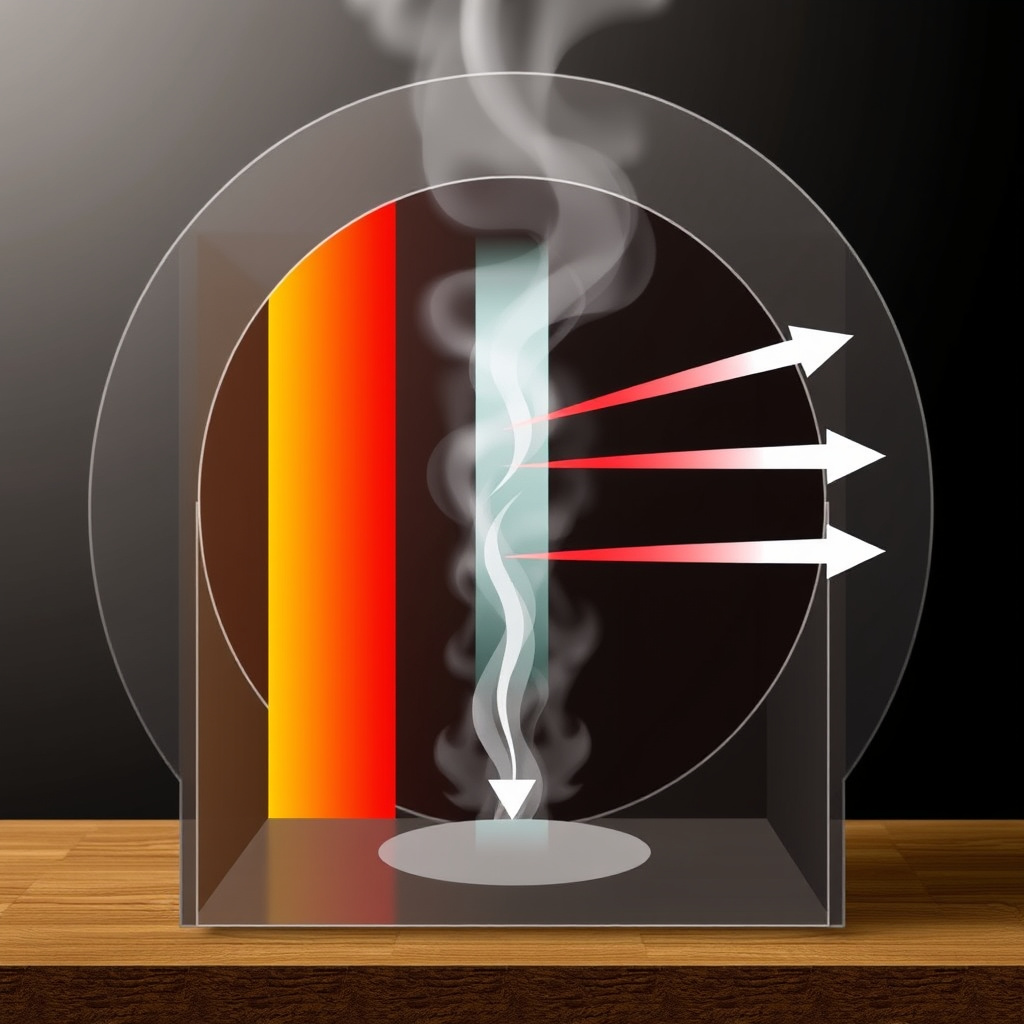
How Heat Circulates Inside a Smoker
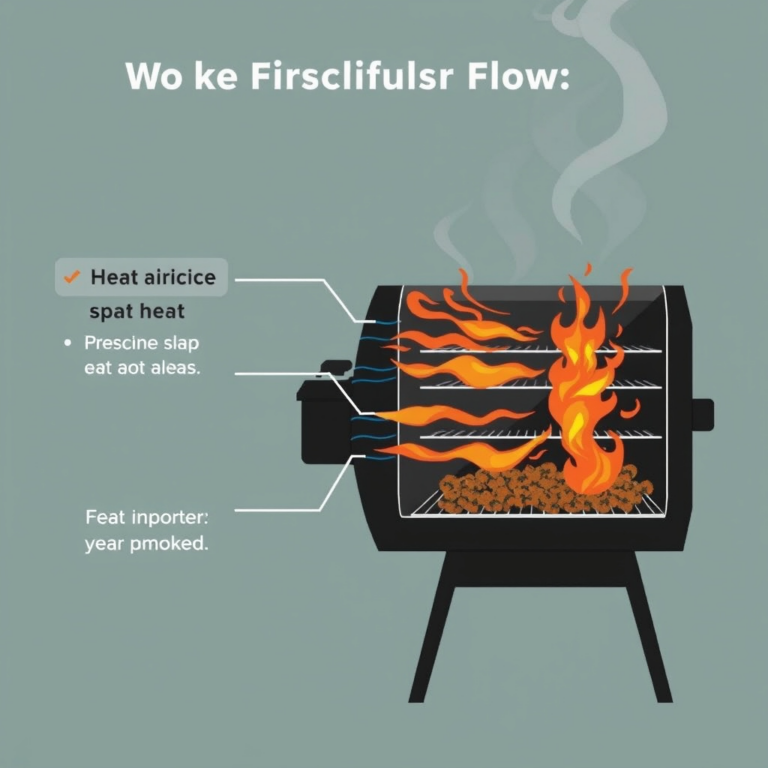
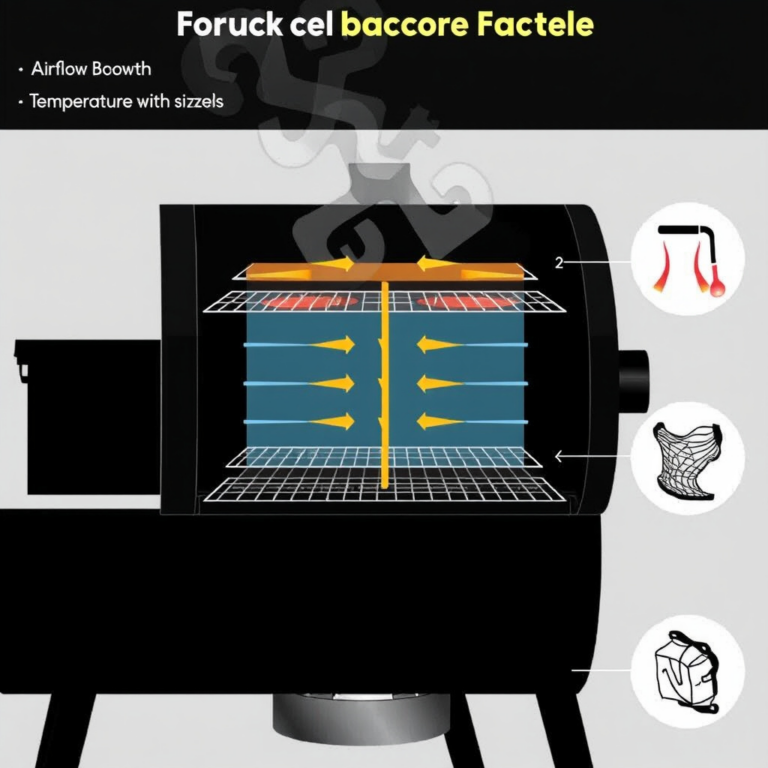
Heat inside a smoker moves primarily through convection, with hot air rising and circulating around the food. The fuel’s burning produces both heat and smoke, which infuse flavor while cooking. Even heat distribution depends on the smoker’s layout and the placement of vents and dampers.
Understanding your smoker’s heat flow helps identify hot spots and areas with less heat, allowing you to adjust where to place your meat or how to tweak dampers for balanced temperatures. Internal baffles or water pans often help moderate heat and stabilize airflow.
Common Temperature Fluctuation Causes
Temperature swings often happen when airflow is too high or too low, causing the fire to burst or smother. Adding too much fuel at once or opening the lid frequently lets out heat and smoke, destabilizing the internal environment. External factors like wind and ambient temperature also impact consistency.
Recognizing these causes is the first step toward controlling smoker temperature. Adjust vents gradually, add smaller fuel amounts more often, and avoid opening the smoker lid unnecessarily to maintain a steady cooking temperature.
- Over-venting and excessive airflow
- Fuel overload or inconsistent fuel size
- Frequent smoker lid openings
- External wind or cold weather effects
Managing Vents and Airflow to Keep Smoker Temperature Steady
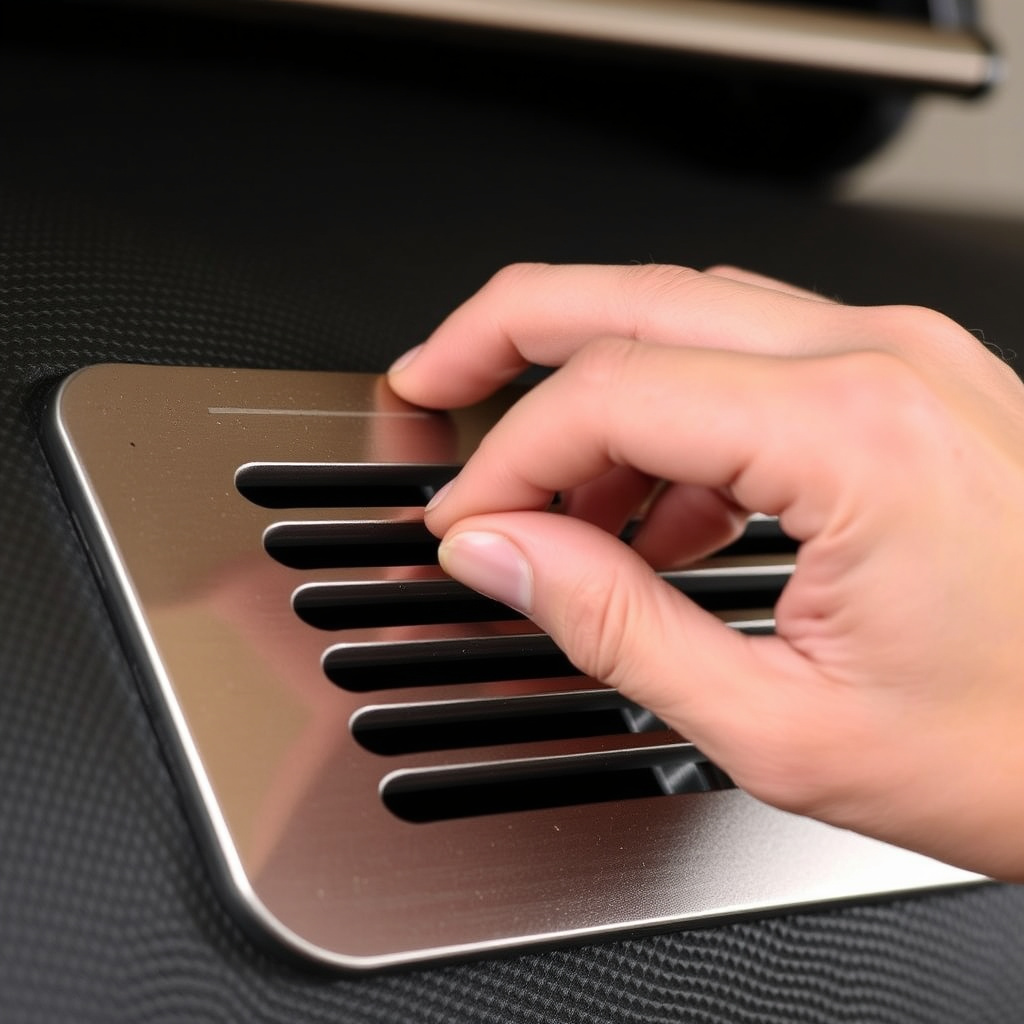
Using Intake and Exhaust Vents Effectively
The intake vent controls how much oxygen reaches the fire, while the exhaust vent releases smoke and heat. Adjusting these vents incrementally lets you fine-tune combustion and airflow, which directly impacts temperature stability. More oxygen means a hotter fire; less oxygen cools it down.
Start by setting both vents about one-quarter open, then adjust slowly. Opening the intake increases temperature quickly; closing it causes the fire to die down. The exhaust vent should stay mostly open to maintain a smooth draft and prevent backdrafting smoke into your cooking area.
- Open intake vent to raise temperature
- Close intake vent to lower temperature
- Keep exhaust vent open for steady airflow
- Make small adjustments, wait 10-15 minutes to observe effect
Techniques to Prevent Temperature Spikes and Dips
Avoid rapid vent changes, which cause the fire to react too aggressively. Gradual tweaks help maintain a steady burn. Also, resist opening your smoker lid during cooking since this releases heat quickly and disrupts airflow.
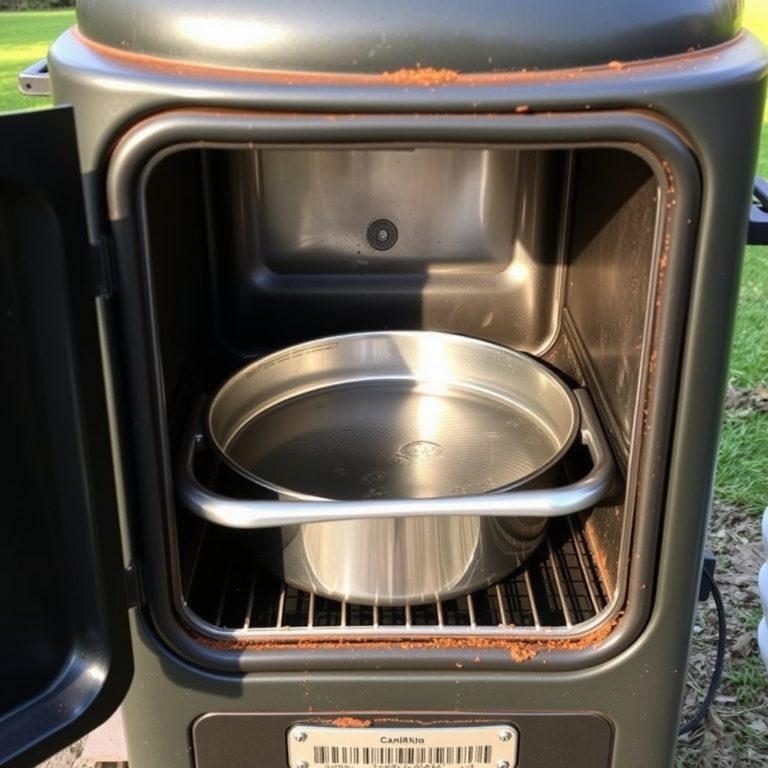
Using a water pan inside the smoker helps regulate temperature by absorbing and releasing heat steadily. It also adds humidity, which prevents meat from drying out and stabilizes internal conditions.
- Make vent adjustments slowly
- Avoid frequent lid openings
- Use a water pan to regulate heat
- Place charcoal or wood evenly for uniform burn
Selecting and Managing Fuel for Steady Smoker Temperature
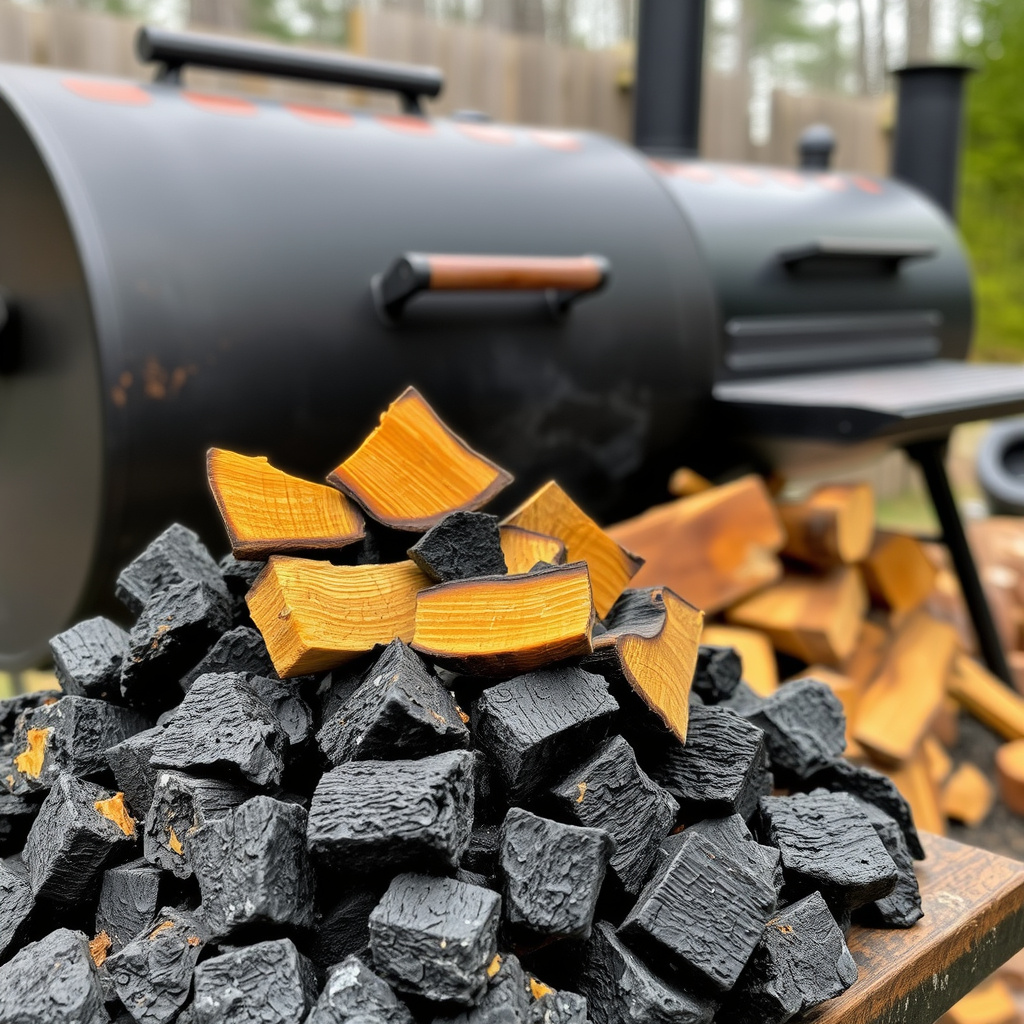
Choosing the Right Fuel Type and Quality
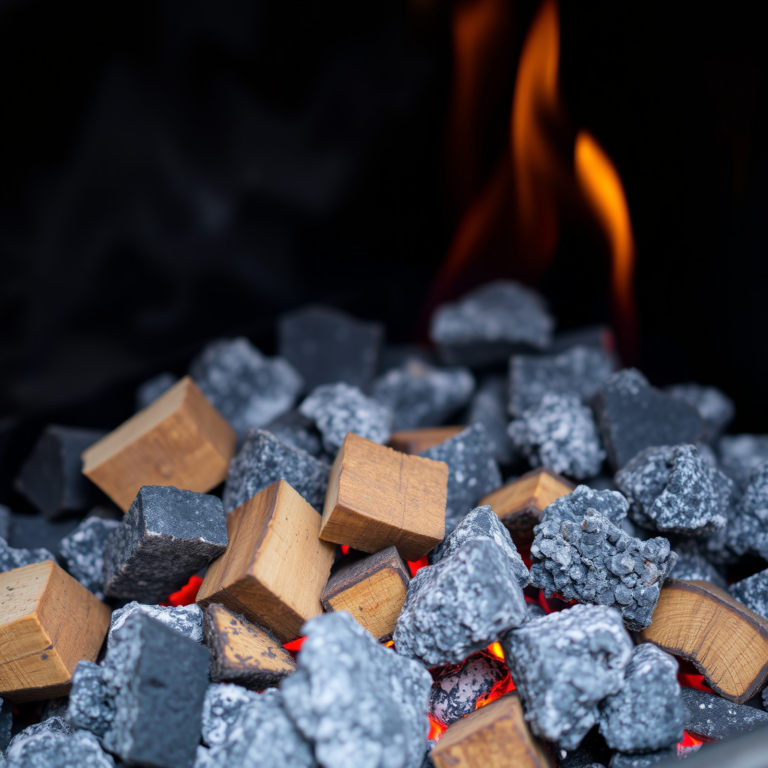
Lump charcoal burns hotter and cleaner than briquettes, with fewer additives, but it can burn unevenly causing fluctuating temperatures. Briquettes provide more consistent heat over time but may include binders that affect flavor. Wood chunks or logs contribute aroma and can supplement charcoal heat.
Pick high-quality, well-seasoned wood without excessive sap for cleaner smoke. Mixing lump charcoal with hardwood chunks balances steady heat and smoke flavor to maintain temperature control and enhance taste.
- Use hardwood lump charcoal for high heat
- Supplement with seasoned wood chunks
- Avoid softwoods like pine which produce creosote
- Store fuel dry to prevent damp burning
For more on this, see our related guide: Can You Use a Gas Grill as a Smoker? Practical Tips and Techniques.
Fuel Arrangement and Replenishment Tips
Arrange charcoal in a controlled pile or in a snake or minion method to slow burn rate. This technique allows coals to ignite gradually, maintaining steady heat over several hours without adding fuel frequently.
Add small amounts of fuel gradually instead of large piles, which create temperature spikes. Monitor your smoker and feed fuel as needed to keep temperature steady, especially during longer cooks.
- Use snake or minion fuel arrangement for consistent burn
- Add fuel in small increments
- Avoid piling fresh charcoal directly on hot coals
- Keep a reserve of fuel nearby for timely additions
Monitoring Temperature and Using Control Tools
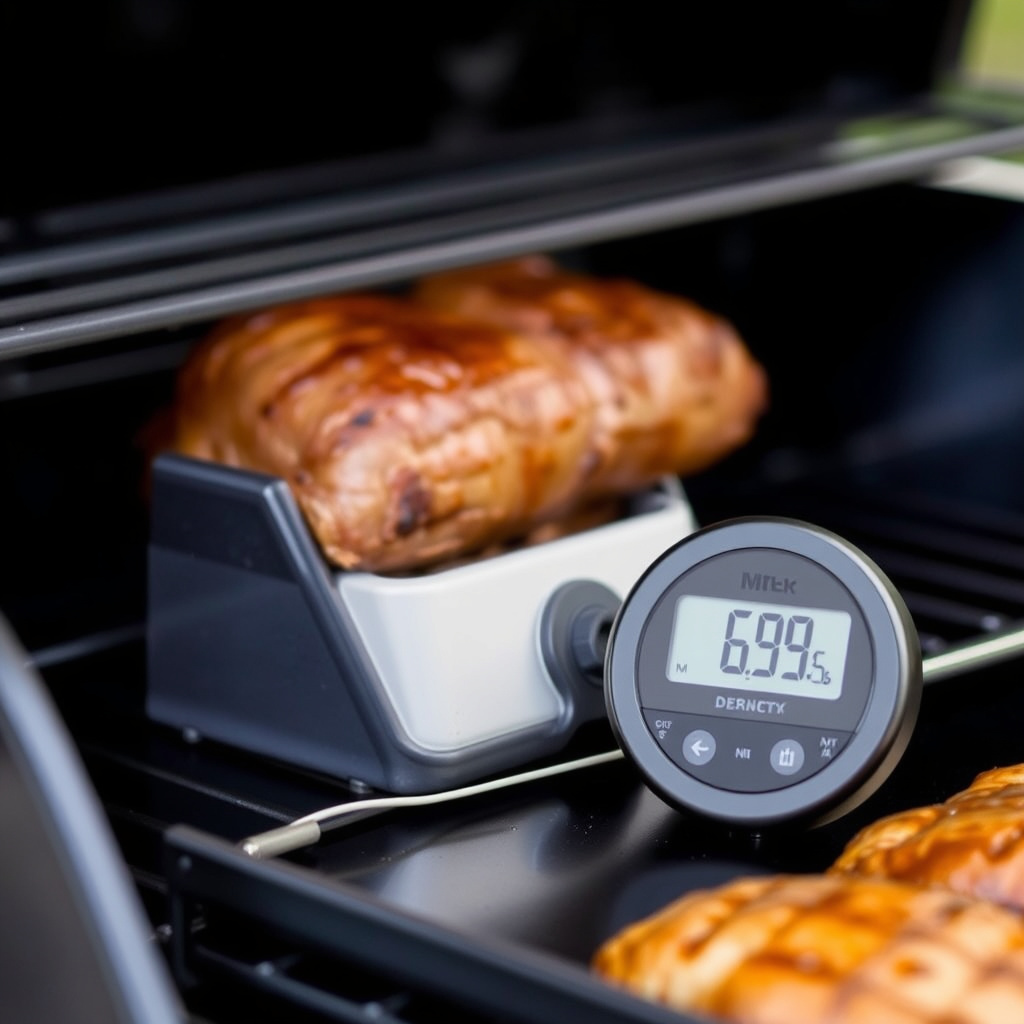
Thermometers: Essential for Steady Smoker Temperature
A reliable thermometer is critical for tracking your smoker’s internal temperature. Built-in smoker gauges can be inaccurate, so using a digital or wireless probe thermometer gives precise readings and alerts.
Place the thermometer near the food for accurate measurements. Many models offer remote monitoring via phone apps so you can check temps without opening the smoker and losing heat.
- Use digital probe or wireless thermometer
- Check temperatures frequently but without opening lid
- Calibrate your thermometers regularly
- Place sensors near cooking area, not just near fire
Automated Temperature Controllers and Fans
For smokers with adjustable fans, temperature controllers automate airflow adjustments to maintain target temps, minimizing manual effort. These devices attach to vents or fan systems and use feedback from thermometers to keep temperature steady.
Though an investment, automated controllers are especially valuable for long cooks or cold weather when maintaining steady heat gets harder. They reduce human error and improve meal consistency.
- Consider controllers for electric or pellet smokers
- Use fan-assisted airflow systems when possible
- Monitor device reliability and battery life
- Manual adjustments still valuable for charcoal smokers
Impact of Weather and Smoker Placement on Temperature
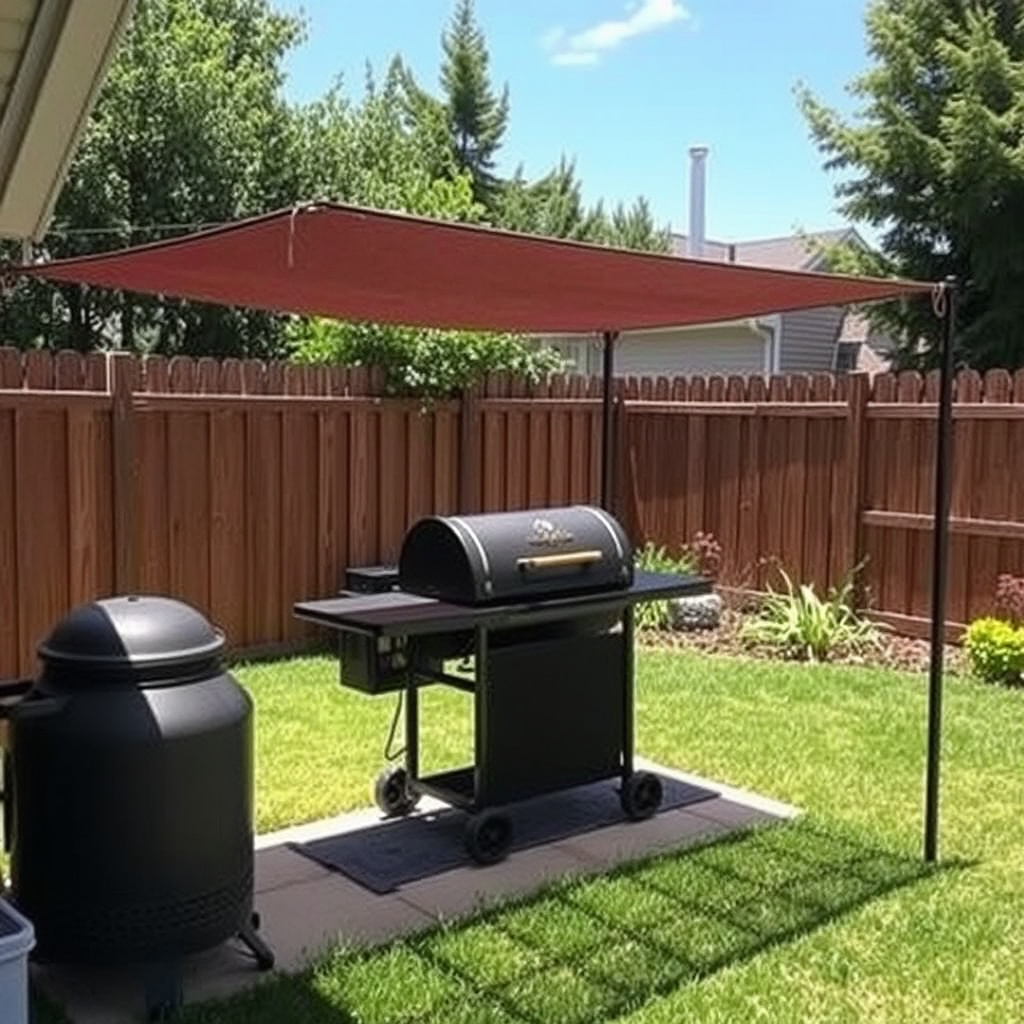
How Wind and Ambient Temperature Affect Smoker Heat
Cold air and wind increase heat loss, requiring more fuel or adjustments to vents. Wind can increase oxygen supply unpredictably, causing temperature spikes. Cold temperatures lower smoker efficiency, making it harder to maintain steady heat during winter or on breezy days.
Sheltering your smoker from wind by placing it near walls, using windbreaks, or positioning it on sheltered sides reduces temperature swings caused by the elements.
- Position smoker away from direct wind
- Use windbreaks or barriers as needed
- Be prepared to adjust vents more frequently when cold
- Consider insulated smoker covers or blankets
For more on this, see our related guide: The Difference Between a Pellet Grill and a Smoker: Which One Suits Your BBQ Style?.
Best Practices for Choosing and Preparing Your Smoking Location
Choose a flat, stable surface for your smoker outdoors with good ventilation but calm air. Avoid placing it on uneven ground where airflows may behave unpredictably or hot ash can scatter.
Set up near a power source if using electronic thermometers or controllers, and keep fuel and tools within reach to reduce interruptions during cooking. Proper preparation simplifies maintaining steady temperatures.
- Level ground for stable smoker setup
- Nearby power supply for tools
- Adequate ventilation without excessive wind
- Easy access to fuel and supplies
Troubleshooting Common Temperature Control Challenges

How to Handle Temperature Fluctuations During a Cook
If temperature suddenly drops, check airflow vents, fuel levels, and lid position immediately. Add small fuel amounts to revive the fire gradually. For temperature spikes, partially close the intake vent to reduce oxygen and slow the burn rate.
Avoid opening the smoker lid repeatedly as this worsens fluctuations. Instead, observe temperature changes and make small corrective vent adjustments with patience.
- React quickly to vent openings or fuel issues
- Make incremental vent adjustments
- Keep the smoker lid closed as much as possible
- Use water pan to stabilize heat spikes
For additional information on smoking methods and their effects on cooking, check out this detailed article on smoking meat techniques. smoking meat techniques.
Identifying and Fixing Common Equipment Issues
Worn or rusted vent controls, damaged gaskets, or warped smoker lids can cause air leaks that destabilize temperature. Inspect your smoker regularly to detect these problems early.
Seal leaks with heat-resistant gaskets or high-temperature silicone. Ensure vents operate smoothly and clean airways from ash buildup to maintain predictable airflow.
- Regular maintenance and cleaning
- Replace worn gaskets or damaged parts
- Check and lubricate vent controls
- Clear ash and debris from air pathways
Smoker Temperature Control Methods Comparison
Here’s a comparison of common smoker temperature control methods and their pros and cons to help you choose what fits your cooking style best.
| Method | Ease of Use | Cost | Temperature Stability | Best For |
|---|---|---|---|---|
| Manual Vent Adjustment | Moderate | Free | Moderate | Charcoal smokers, traditionalists |
| Water Pan Heat Regulation | Easy | Low | Good | All smoker types |
| Automated Temperature Controller | Easy | Moderate to High | Excellent | Electric and pellet smokers |
| Fuel Arrangement Techniques (Snake/Minion) | Moderate | Free | Good | Long smoking with charcoal |
| Wireless Digital Thermometer Monitoring | Easy | Moderate | N/A (monitoring only) | All smoker types |
Frequently Asked Questions
Why does my smoker temperature keep rising uncontrollably?
Uncontrolled temperature spikes often result from too much oxygen entering through vents, causing the fire to burn hotter. Partially close the intake vent and avoid adding large fuel amounts all at once to control the heat.
How often should I add fuel to keep a steady smoker temperature?
Add small fuel amounts as needed rather than large piles. Check every 45 minutes to an hour during cooking, adjusting based on your smoker type and ambient conditions.
Can I keep smoker temperature steady if it’s windy outside?
Yes, by positioning your smoker in a sheltered area or using windbreaks. You may need to check and adjust vents more frequently to compensate for wind-driven airflow changes.
Is it okay to open the smoker lid to check food temperature?
Frequent opening lets heat and smoke escape, disrupting temperature. Use remote probe thermometers to monitor meat without opening the lid and only check in emergencies or near the end of the cook.
What’s the best way to calibrate my smoker thermometer?
Place the thermometer probe in boiling water (212°F/100°C) and see if it reads correctly. Adjust or note the difference to account for inaccuracies during cooking.
Key Takeaways
- Control airflow gradually using intake and exhaust vents to manage temperature.
- Use high-quality fuel and smart arrangements like the snake method for steady heat.
- Employ reliable thermometers and consider automated controllers for precision.
- Account for weather and smoker placement to reduce temperature fluctuations.
Conclusion
Mastering steady smoker temperature is a mix of understanding your smoker's airflow, fuel management, and environmental factors. By controlling oxygen with vent adjustments and employing tools like water pans, you can create a stable cooking environment that enhances flavor and texture. Regular monitoring with quality thermometers lets you respond quickly to temperature changes, providing better control throughout long smokes.
Different methods suit different smokers and cookers. Charcoal enthusiasts benefit greatly from the snake or minion fuel arrangement coupled with manual vent control, while electric or pellet smokers often perform best with automated temperature controllers that adjust airflow precisely. Adding a water pan inside any smoker smooths heat variations and adds helpful humidity. When wind or cold weather pose challenges, setup location and physical barriers make a difference in maintaining consistent temperatures.
Start by improving basic airflow control and thermometer use, adding fuel mindfully and resisting lid openings during cooking. As you become more comfortable, trying fuel management techniques or investing in temperature controllers will simplify your process. Maintaining steady smoker temperature isn’t just about equipment but about timing and attentiveness. These steps lead to predictable, mouthwatering barbecue every time.