Making a dry rub for brisket is straightforward and involves mixing a combination of spices that will both enhance the flavor and tenderize the meat during smoking or grilling. A basic dry rub typically includes salt, black pepper, paprika, and garlic powder, but additional spices can be added for complexity. Applying the rub before cooking gives brisket a savory, smoky crust that locks in moisture and intensifies its natural flavors.
Brisket is a tough cut of beef that benefits greatly from seasoning with a dry rub to break down connective tissues and add layers of flavor. Because brisket is usually slow-cooked over low heat for several hours, the dry rub offers a way to infuse the meat with spices that complement smoky nuances and result in a tender bite. Crafting your own rub lets you customize seasoning levels and ingredients according to your taste preferences.
This guide will cover key ingredients for a dry rub, techniques for applying it evenly, variations to tailor the flavor profile, and tips on pairing rubs with cooking methods. Whether you prefer classic barbecue tones or a spicier kick, you’ll find useful advice for creating a dry rub that transforms your brisket into a standout meal.
Essential Ingredients for a Brisket Dry Rub
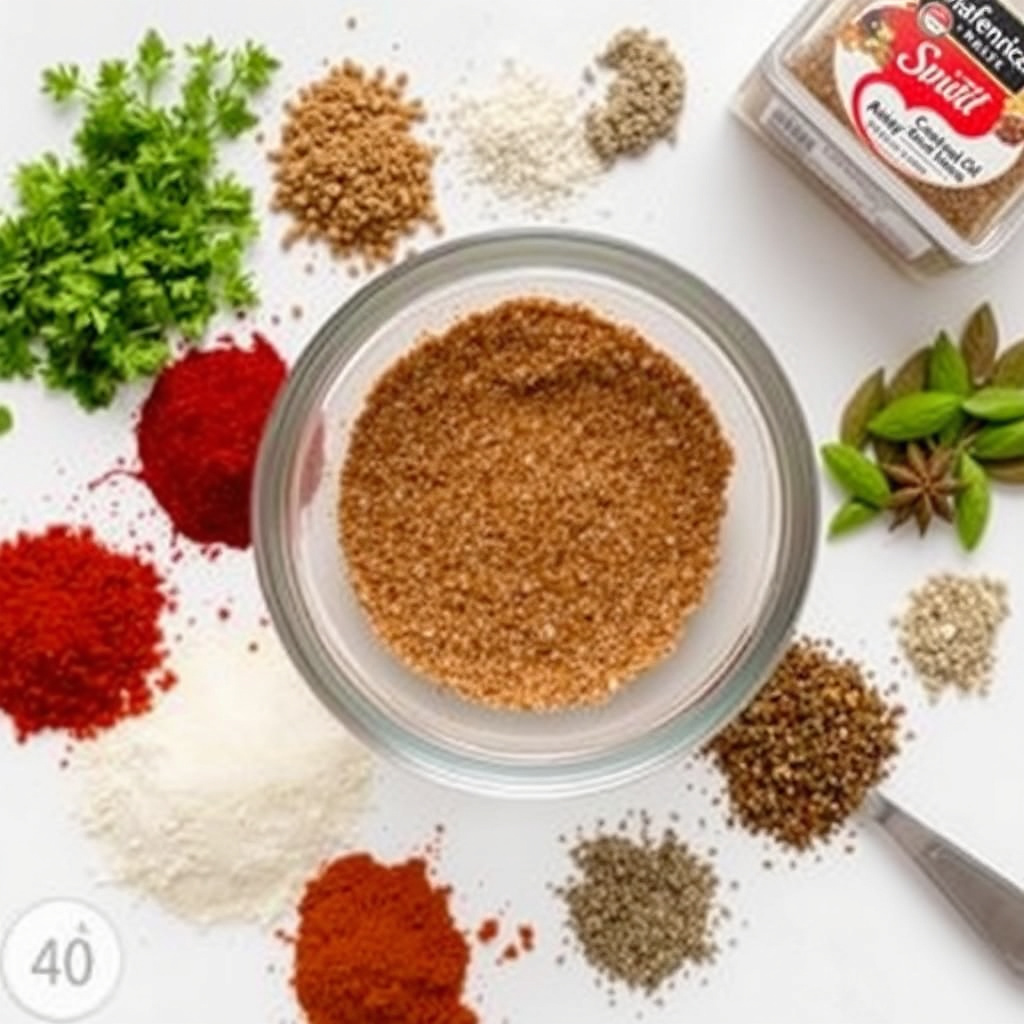
Core spices to include
A fundamental dry rub for brisket starts with salt and black pepper, which are essential for seasoning and drawing out moisture from the meat, creating a flavorful bark during cooking. Paprika provides a subtle smoky note and rich color, while garlic powder adds a savory depth.
Beyond these basics, onion powder, chili powder, and cayenne pepper can be incorporated to build complexity and heat. Brown sugar is often added to balance the spices with sweetness and aid caramelization on the brisket surface.
- Salt – coarse or kosher for texture
- Black pepper – freshly ground
- Paprika – sweet or smoked
- Garlic powder
- Onion powder
- Brown sugar
- Chili powder
- Cayenne pepper
Adjusting spice ratios for flavor balance
The proportions of each ingredient in the dry rub shape the final taste. Salt and pepper are the base, typically making up half the blend. Paprika and brown sugar together compose about a third to deliver color and sweetness, while garlic and onion powders add aromatic layers.
If you prefer a spicier rub, increase cayenne and chili powder gradually to avoid overwhelming the brisket’s natural flavor. For a milder rub, reduce or omit chili components and boost the brown sugar slightly.
Preparing and Applying the Dry Rub
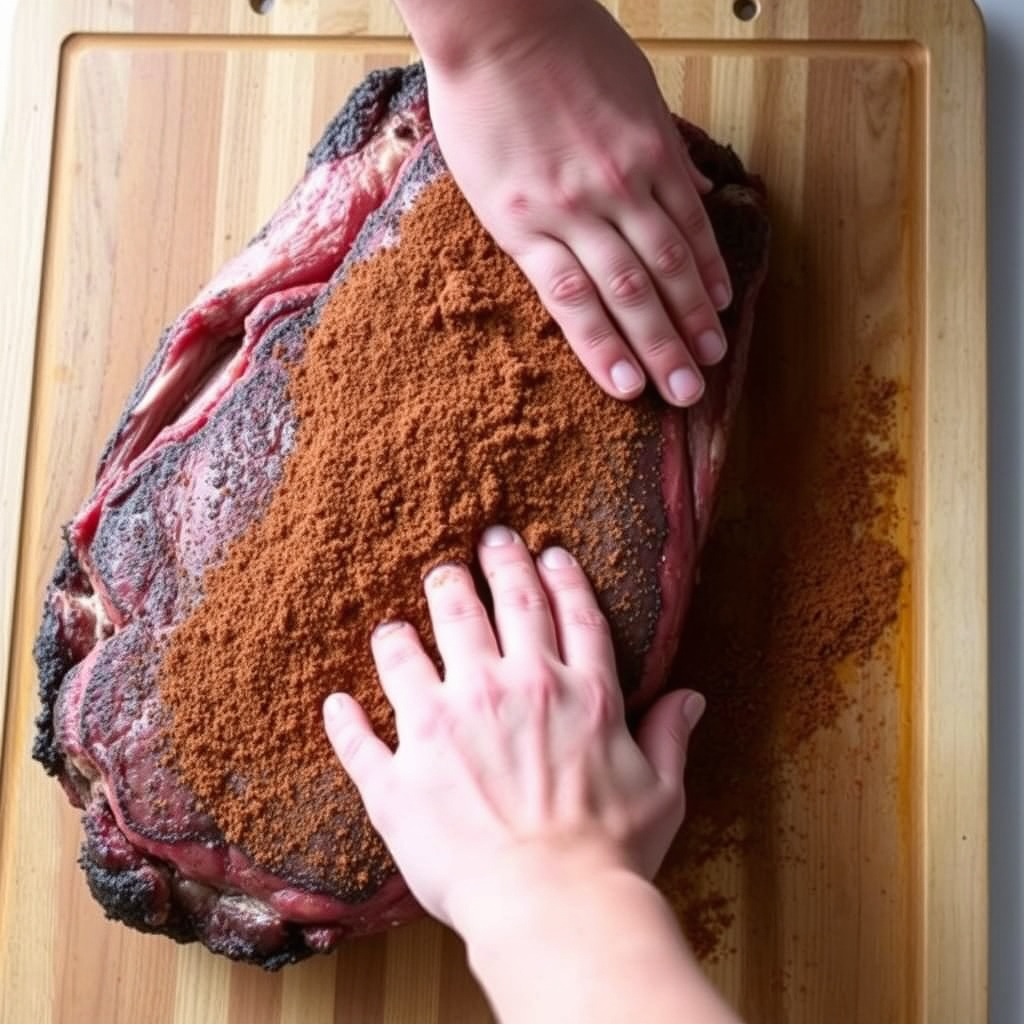
How to mix your dry rub
Combine all dry ingredients in a bowl, ensuring they are evenly distributed. Sifting finer powders like garlic and onion can help achieve a uniform texture. The mixture should feel slightly coarse but not clumpy.
Stir the rub thoroughly before each use since the heavier spices and sugars tend to settle. This helps coat the brisket consistently and promotes even flavor absorption.
- Use a whisk or fork to mix
- Store in an airtight container
- Shake before using after storage
Best practices for applying the rub
Pat the brisket dry with paper towels to help the dry rub adhere better. Generously sprinkle the rub on all sides and evenly massage it into the meat, ensuring thorough coverage.
For deeper flavor penetration, apply the rub several hours ahead or overnight in the refrigerator. Bringing the brisket back to room temperature before cooking permits even heat distribution during smoking or roasting.
- Pat meat dry
- Apply generous coating
- Massage rub into all surfaces
- Allow resting time if possible
Variations of Dry Rubs for Different Taste Profiles
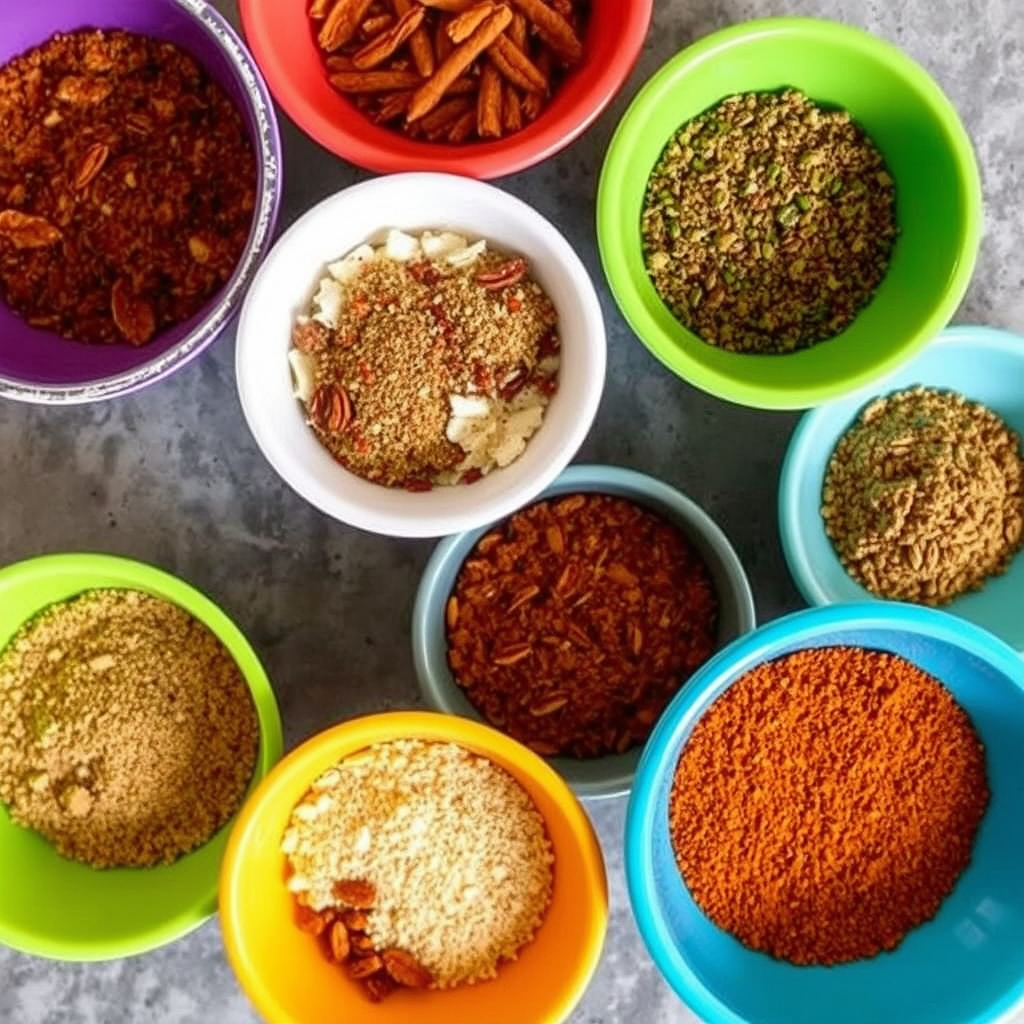
Classic Southern barbecue rub
This rub leans heavily on paprika, sugar, and black pepper to create a balance of smoky sweetness and mild heat popular in Southern barbecue traditions. It emphasizes a rich bark with a slightly caramelized crust when cooked slowly.
Additional additions may include mustard powder and cumin to add earthiness and subtle tang that complements smoky meats perfectly.
- Paprika
- Brown sugar
- Black pepper
- Salt
- Mustard powder
- Cumin
For more on this, see our related guide: Rub vs Marinade: Understanding the Key Differences in Flavoring Techniques.
Spicy Texas-style rub
Texas-style brisket rubs prioritize bold peppery heat and minimal sweetness to highlight the quality of beef. Coarse black pepper and cayenne are leveled up for intense kick, paired simply with kosher salt and a touch of garlic powder to keep the focus on beef’s natural flavor.
This style suits smokers well, developing a pronounced bark while allowing smoke to penetrate without competing sweetness.
- Coarse black pepper
- Kosher salt
- Cayenne pepper
- Garlic powder
Storing and Shelf Life of Your Dry Rub
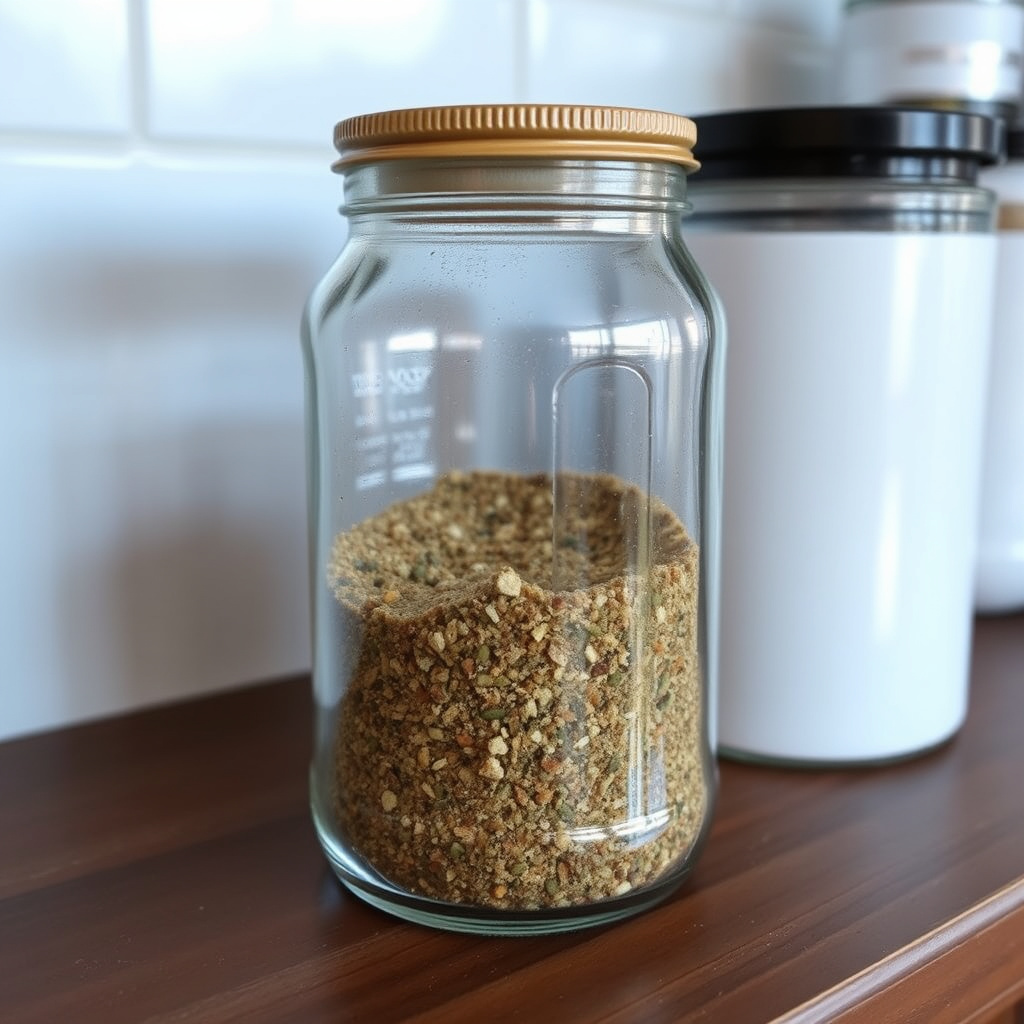
Proper storage techniques
To preserve freshness and potency, store your dry rub in an airtight container away from direct sunlight and heat. Glass jars or sealed plastic containers work well to keep moisture and air out.
Labeling with the preparation date helps track freshness and avoid using expired blends that lose aroma and flavor impact.
- Use airtight containers
- Keep in a cool, dark pantry
- Avoid exposure to humidity
How long dry rubs last
Most homemade dry rubs maintain ideal flavor for up to six months if stored properly. Over time, volatile spices like paprika can fade while sugars may clump, impacting performance on brisket.
To test, smell and visually inspect the rub before using; if aroma is weak or texture has hardened severely, prepare a fresh batch.
Pairing Dry Rubs with Cooking Methods
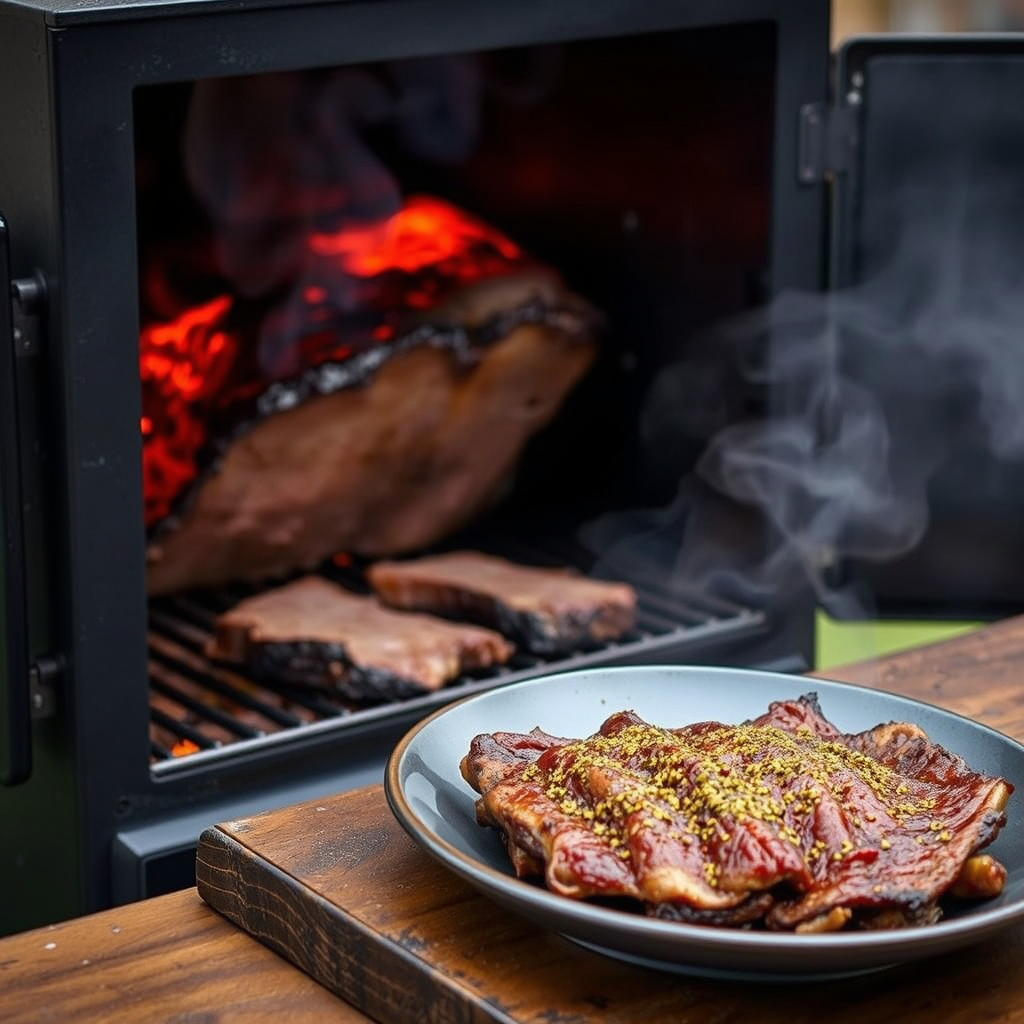
Using dry rubs for smoking brisket
A dry rub enhances smoked brisket by creating a flavorful crust known as ‘bark’ that forms as spices caramelize over low heat and smoke exposure. The rub’s salt also helps retain moisture through the long cooking process.
For smoking, apply the rub at least one hour before placing the brisket in the smoker, which allows spices to meld with the meat’s surface while the slow cooking tenderizes the brisket.
- Rub prior to smoking
- Create bark formation
- Retain moisture during cook
For more on this, see our related guide: How to Cook Brisket in the Oven for Tender, Flavorful Results.
Dry rubs for oven or grill cooking
When roasting brisket in the oven or grilling, dry rubs can still add depth and texture, but timing and temperature adjustments are key. Applying the rub well in advance helps develop flavor in a shorter cook time.
Grilled brisket benefits from coarser rubs that withstand higher heat and grill flare-ups, while oven cooking pairs well with balanced blends suited for steady, even browning.
- Apply rub early
- Choose coarser rubs for grilling
- Use balanced rubs for oven roasting
Troubleshooting Common Issues with Dry Rub Brisket
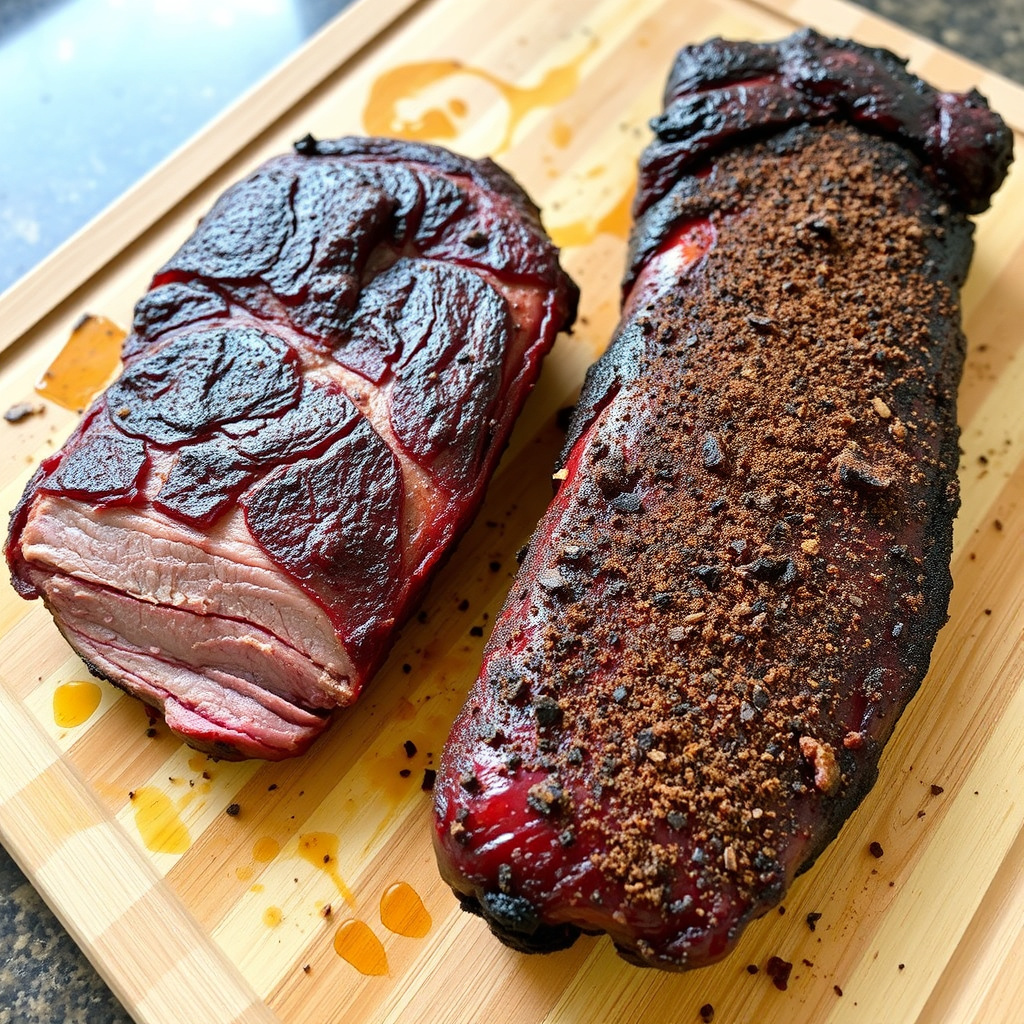
Dry rub not forming a proper bark
If your brisket lacks a good bark, it might be due to insufficient salt in the rub or too much moisture on the meat’s surface. Ensure the brisket is patted completely dry before applying the rub and avoid over-wrapping during cooking.
Also, low smoke and cooking temperatures below 225°F can prevent proper bark development, so maintain consistent heat throughout the process.
For more insights into dry rub seasoning techniques and variations, see the detailed dry rub seasoning on Wikipedia. dry rub seasoning on Wikipedia.
Rub burning or over-spicing
A dry rub that burns during cooking often contains too much sugar or spicy peppers and is exposed to excessively high heat. Reducing sugar content or cooking at lower temperatures can help prevent charring.
If the rub’s heat overpowers the brisket, dial back on cayenne or chili powders, or add sweeter elements like brown sugar to balance the heat.
Dry Rubs for Brisket: Category Comparison
Comparing popular dry rub categories highlights differences in flavor profile, ideal cooking methods, and heat levels to help you select one that suits your taste.
| Rub Category | Flavor Profile | Best Cooking Method | Heat Level | Sweetness |
|---|---|---|---|---|
| Classic Southern | Smoky, sweet, balanced | Smoking, oven roasting | Mild | Medium |
| Texas-style | Peppery, bold, beef-focused | Smoking, grilling | High | Low |
| Sweet and Spicy | Balanced sweetness with chili kick | Smoking, grilling | Medium | High |
| Herb-forward | Earthy, aromatic with herbs | Oven roasting, smoking | Low | Low |
| Dry Heat Friendly | Minimal sugar, salt-forward | Grilling, quick roasting | Medium | Low |
Frequently Asked Questions
Can I make a dry rub without sugar for brisket?
Yes, you can omit sugar to reduce sweetness or for dietary reasons. Keep salt and pepper as the base, and add herbs or spices like cumin or smoked paprika to maintain depth without sugar.
How long should I let the dry rub sit on the brisket before cooking?
Ideally, let the dry rub rest on the brisket for at least one hour, or overnight in the refrigerator, to allow the flavors to penetrate deeply before cooking.
Is it better to use coarse or fine salt in the dry rub?
Coarse or kosher salt is preferred because it dissolves slowly and helps draw moisture out gradually, enhancing the bark formation and flavor layering throughout cooking.
Can I prepare the dry rub in advance and store it?
Absolutely. Homemade dry rubs keep well stored in airtight containers for up to six months, maintaining their flavor if protected from moisture and heat.
Does a dry rub affect the cooking time of brisket?
A dry rub doesn’t significantly change cooking time but helps develop flavor and texture. Temperature and brisket size primarily determine cooking duration.
Key Takeaways
- A simple dry rub includes salt, black pepper, paprika, and garlic powder for classic flavor.
- Applying the rub several hours before cooking enhances flavor absorption and bark development.
- Different rub styles cater to varying tastes, from sweet Southern to spicy Texas rubs.
- Proper storage of dry rubs preserves potency for up to six months.
Conclusion
Selecting the right dry rub for brisket involves balancing saltiness, sweetness, and spice to complement the meat’s rich flavors. Since brisket benefits from slow cooking, the dry rub’s role is to create a flavorful, well-seasoned crust or bark while drawing out moisture to keep the meat tender. Adjusting spice ratios and including components like brown sugar or cayenne allows you to shape the flavor profile to match your preferred barbecue style. Knowing how and when to apply the rub helps ensure even seasoning and maximum flavor development.
For classic Southern barbecue fans, a rub heavy on paprika and brown sugar enhances the brisket with smoky sweetness, ideal for oven roasting or smoking. Texas-style dry rubs focus on coarse black pepper and minimal sugar, emphasizing the beef’s natural richness and working best with grilling or smoking at controlled temperatures. If you want a balanced sweet and spicy rub, mixing brown sugar along with chili powder and cayenne provides a lively kick while maintaining a good caramelized crust. Herb-forward blends offer aromatic variations suited for more delicate cooking methods. Store your rubs properly and experiment with different combinations until you find a favorite.
Once you decide on your dry rub formula, prepping the brisket by patting it dry and applying a generous, even coating is key. Allowing the rub to rest on the meat for several hours or overnight in the fridge enhances flavor penetration. As you cook, monitor temperatures carefully to avoid burning sugar-heavy rubs. With these tips and variations, making a dry rub for brisket can be a rewarding process that elevates your barbecue to new levels of taste and texture.