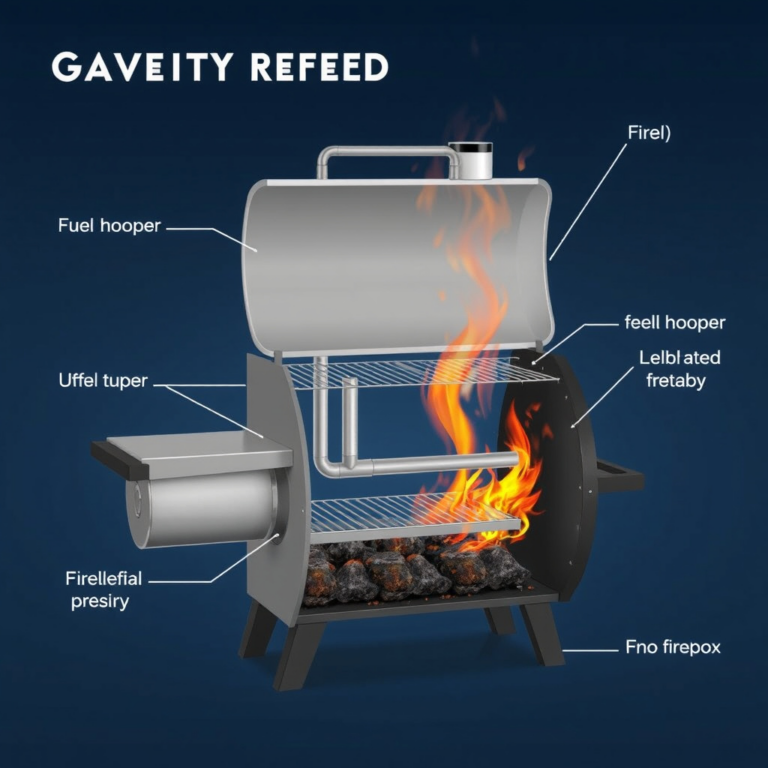
Starting a Traeger grill involves a simple sequence: fill the hopper with wood pellets, turn on the power, set the temperature on the digital controller, and wait for the grill to ignite and reach the desired cooking temperature. The grill uses an electric auger to feed pellets into the firepot where they are ignited by a hot rod, producing a steady smoke and heat source.
Understanding this process matters because Traeger grills rely on wood pellets for both heat and flavor, offering precise temperature control unlike traditional charcoal or gas grills. Mastering the startup sequence ensures you get consistent cooking results and maintain safety by handling pellets and ignition properly.
This article will cover the full startup process, including preparing your grill, troubleshooting common ignition issues, safety tips, and maintenance advice to keep your Traeger grill running smoothly. We'll also compare different Traeger models and share expert tips for efficient pellet ignition.
Preparing Your Traeger Grill for Ignition
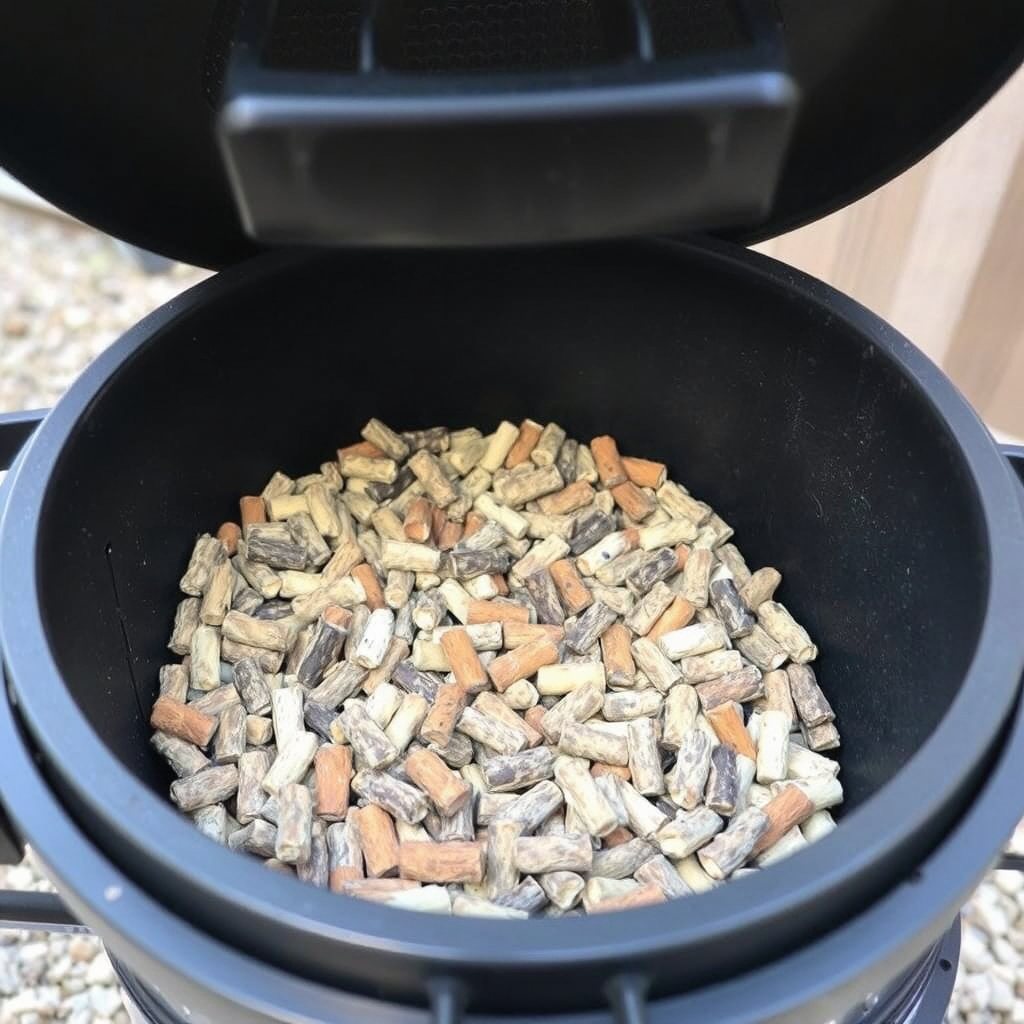
Filling the Hopper with Wood Pellets
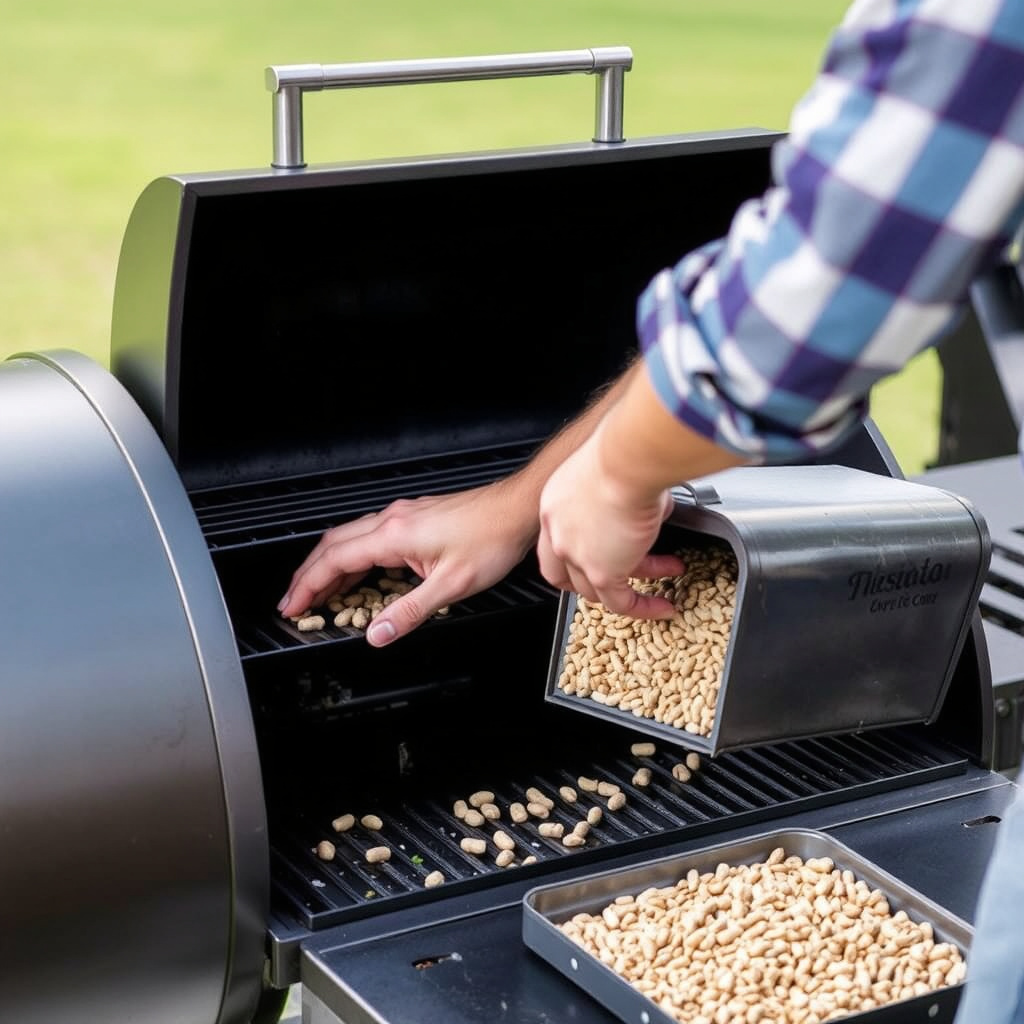
Start by filling the hopper with quality wood pellets designed specifically for Traeger grills. Avoid pellets that are damp or crumbly, as these can clog the auger or cause inconsistent burning.
Fill the hopper only up to its recommended level to prevent pellets from spilling out and to ensure smooth feeding to the firepot.
- Use Traeger-brand or high-quality hardwood pellets
- Avoid mixing pellet types for consistent flavor
- Check pellets for moisture before use
Cleaning the Firepot and Grill Interior
Regular cleaning of the firepot is essential for proper pellet ignition. Ash buildup can smother the fire and interfere with pellet feeding, causing startup failures.
Before starting your grill, remove excess ash using a vacuum designed for grills or a soft brush. Also, clear out any debris from the grill interior to promote airflow.
- Empty ash after every 5-10 uses
- Inspect the auger for jams during cleaning
Step-by-Step Process: How to Start a Traeger Grill
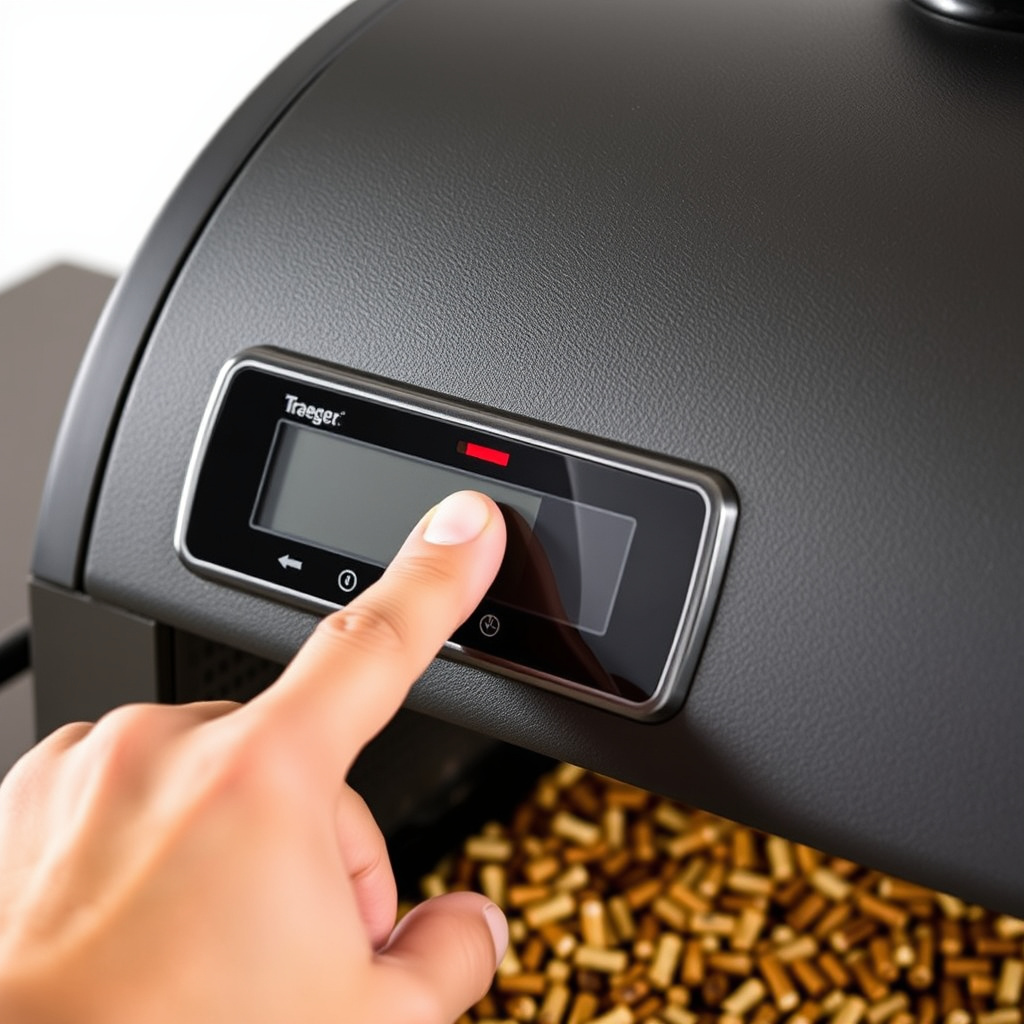
Powering On and Setting the Temperature
Once the hopper is filled and cleaned, plug in the grill’s power cord and press the power button. The fan inside will activate, drawing air through the firepot to aid ignition.
Use the digital controller to set your desired cooking temperature, typically between 180°F and 450°F, depending on your recipe.
- Ensure the grill is plugged into a grounded outlet
- Set the temperature according to food requirements
For more on this, see our related guide: How to Clean a Traeger Grill: Step-by-Step Guide for Best Results.
Ignition and Preheating Phase
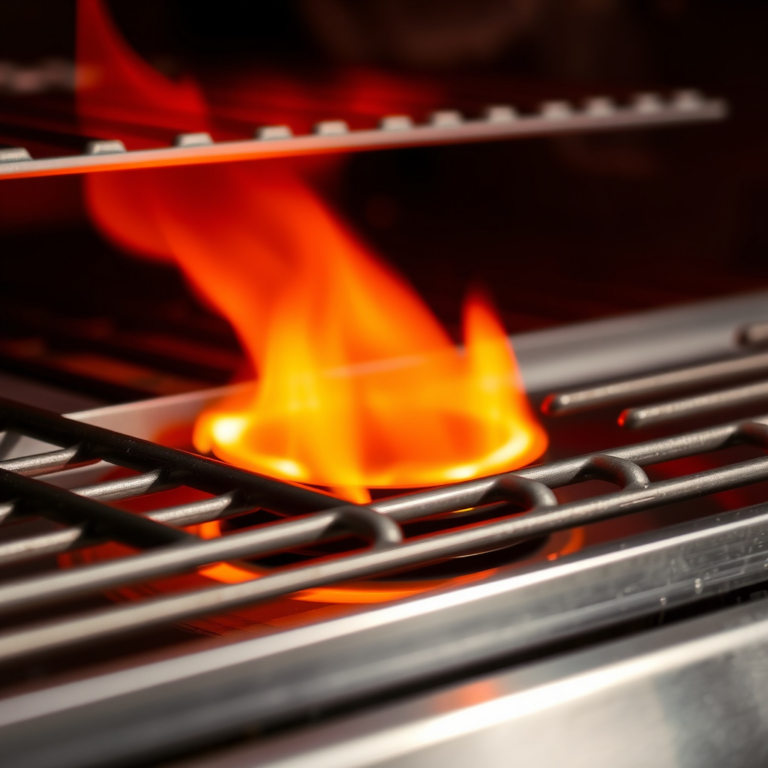
When the temperature is set, the auger starts feeding pellets into the firepot where the hot rod ignites them. This ignition phase takes about 5 to 10 minutes during which smoke and heat build up.
Avoid opening the grill lid during this time as it can disrupt the ignition and extend preheat time.
- Wait for the controller to reach the set temperature
- Be patient; premature lid opening can stall ignition
Troubleshooting Common Traeger Grill Ignition Problems
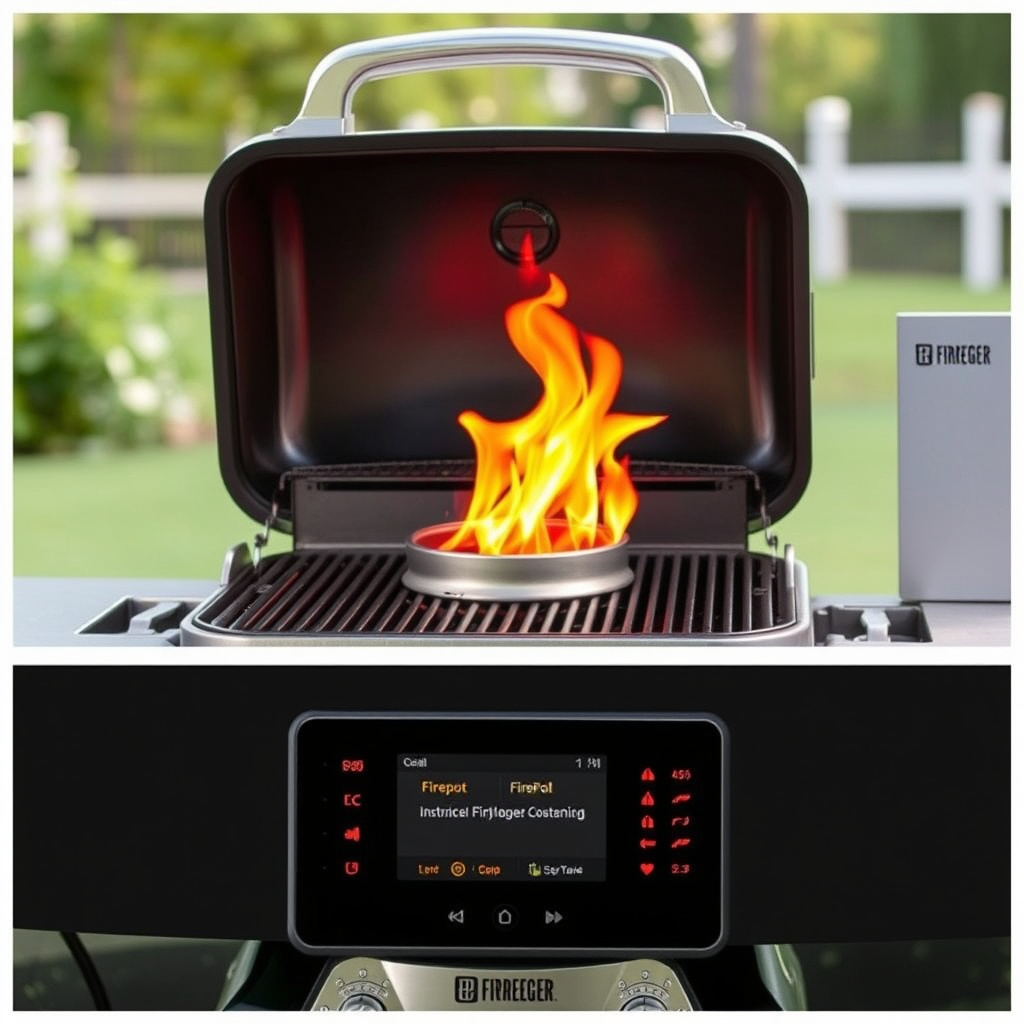
Auger Motor or Pellet Feeding Issues
If pellets are not feeding into the firepot, check the auger motor for jams or failure. Jams often happen due to pellet debris or moisture.
Removing the hopper and verifying pellet dryness can resolve feeding problems. Replace the auger motor if it fails to turn or sounds abnormal.
- Inspect auger for pellet jams
- Use dry pellets only
- Replace auger motor if defective
Hot Rod Ignition Failures
The hot rod ensures the pellets ignite quickly. If the grill does not spark or maintain a flame, the hot rod could be faulty or covered with residue.
Clean the hot rod with a soft cloth and replace it if cleaning does not restore ignition function.
- Regularly clean the hot rod
- Replace hot rod every 1-2 seasons for reliability
Safety Tips for Starting and Operating Your Traeger Grill
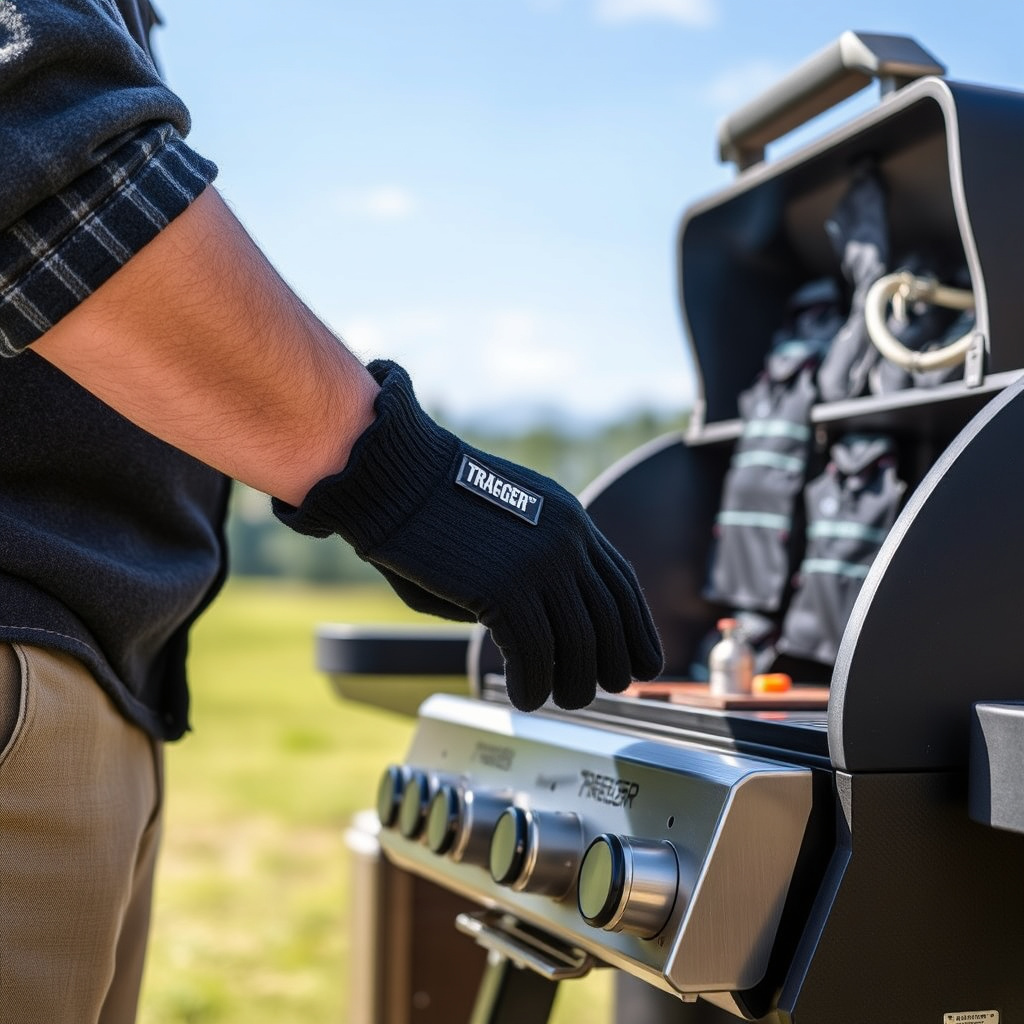
Handling Wood Pellets Safely
Store wood pellets in a dry area to prevent moisture absorption, which impairs ignition and can lead to unsafe grill performance.
Only use pellets recommended by Traeger to avoid chemical additives that can cause unpleasant fumes or flare-ups.
- Store pellets in airtight containers
- Keep pellets away from direct sunlight and humidity
Operating the Grill During Ignition
Keep flammable materials away from the grill when starting it. Maintain a safe distance and never leave the grill unattended during ignition.
Use insulated gloves when handling grill components and avoid touching the hot rod or firepot to prevent burns.
- Never open the lid during preheating
- Keep children and pets away from the grill
Maintenance Tips for Reliable Traeger Grill Ignition
Regular Cleaning Schedule
To keep ignition consistent, clean ash buildup from the firepot and grill interior regularly. This avoids ash clogs and poor pellet burning.
A monthly thorough cleaning during heavy use seasons will extend grill lifespan and improve ignition reliability.
- Use a grill ash vacuum
- Remove grease and food debris from grates
For a detailed overview of Traeger grills and their history, visit the Traeger pellet grills Wikipedia page. Traeger pellet grills Wikipedia page.
Checking and Replacing Components
Periodically inspect the auger motor, hot rod, and firepot for wear signs. Replace parts proactively to avoid ignition failures during cookouts.
Use manufacturer-approved replacement parts to maintain warranty and performance integrity.
- Replace worn hot rods and auger motors promptly
- Monitor pellet hopper seals for damage
Traeger Grill Model Comparison for Pellet Ignition
Here’s a comparison of popular Traeger grill models focusing on pellet ignition features and ease of startup.
| Model | Ignition Type | Hopper Capacity | Digital Controller | Preheat Time |
|---|---|---|---|---|
| Traeger Pro 575 | Hot Rod Electric Ignition | 18 lbs | WiFIRE™ Controller | 10-15 minutes |
| Traeger Ironwood 650 | Hot Rod Electric Ignition | 20 lbs | WiFIRE™ Controller | 8-12 minutes |
| Traeger Timberline 1300 | Advanced Hot Rod with Enhanced Fan | 24 lbs | WiFIRE™ Controller + PID | 7-10 minutes |
| Traeger Ranger | Hot Rod Electric Ignition | 8 lbs | Manual Dial Controller | 12-18 minutes |
Frequently Asked Questions
How long does it take for a Traeger grill to start and reach temperature?
Typically, it takes about 10 to 15 minutes for a Traeger grill to ignite the pellets and reach the desired temperature, depending on the model and ambient conditions.
What should I do if my Traeger grill won’t start?
Check for pellet jams in the auger, ensure pellets are dry, inspect the hot rod for cleanliness, and verify the power supply. Replace faulty components as needed.
Can I use any wood pellets in a Traeger grill?
Using high-quality hardwood pellets designed for Traeger grills is best. Avoid pellets that contain fillers, additives, or are damp to maintain ignition performance.
Is it safe to open the grill lid during startup?
Opening the lid during startup can disrupt airflow and delay ignition. It's best to keep the lid closed during the preheating phase to allow proper pellet ignition.
How often should I clean the firepot for better ignition?
Cleaning the firepot after every 5 to 10 cooks will prevent ash buildup, improve pellet ignition, and help maintain the grill's overall performance.
Key Takeaways
- Fill the hopper with dry, quality wood pellets before starting
- Use the digital controller to set temperature and wait patiently during ignition
- Clean the firepot and grill interior regularly to avoid ignition issues
- Troubleshoot common problems like auger jams and hot rod faults promptly
Conclusion
Knowing how to start a Traeger grill correctly begins with understanding the pellet ignition system. This involves properly filling the hopper, powering on the grill, setting the temperature on the digital controller, and allowing the hot rod to ignite the pellets in the firepot. Following these steps ensures reliable startup and optimum cooking performance without interruptions or flare-ups.
If you are using models like the Traeger Pro 575 or Timberline 1300, their advanced controllers and larger hopper capacities enable faster preheat times and more consistent pellet ignition. For those who prefer simpler setups, the Traeger Ranger provides manual controls and smaller hopper sizes suitable for casual outdoor cooking. Whatever your choice, maintaining a regular cleaning routine and checking components like the auger motor and hot rod will keep your grill starter working smoothly over time.
The next step is to implement these startup tips on your next cookout. Keep your pellets dry, clean the firepot frequently, and follow the manufacturer’s instructions on temperature settings. By doing so, you guarantee your Traeger grill starts efficiently every time, allowing you to focus on preparing delicious smoked dishes with peace of mind.