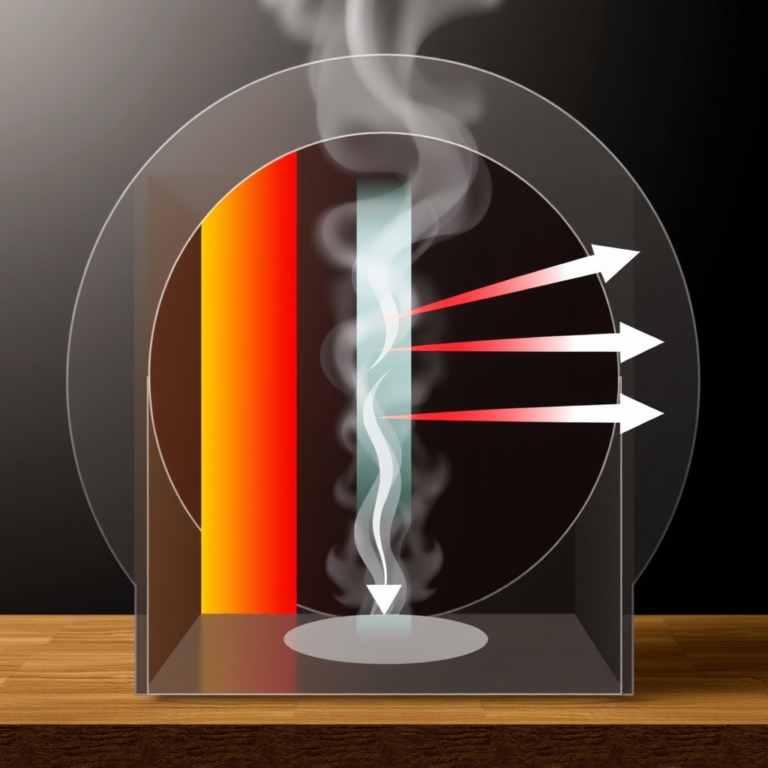
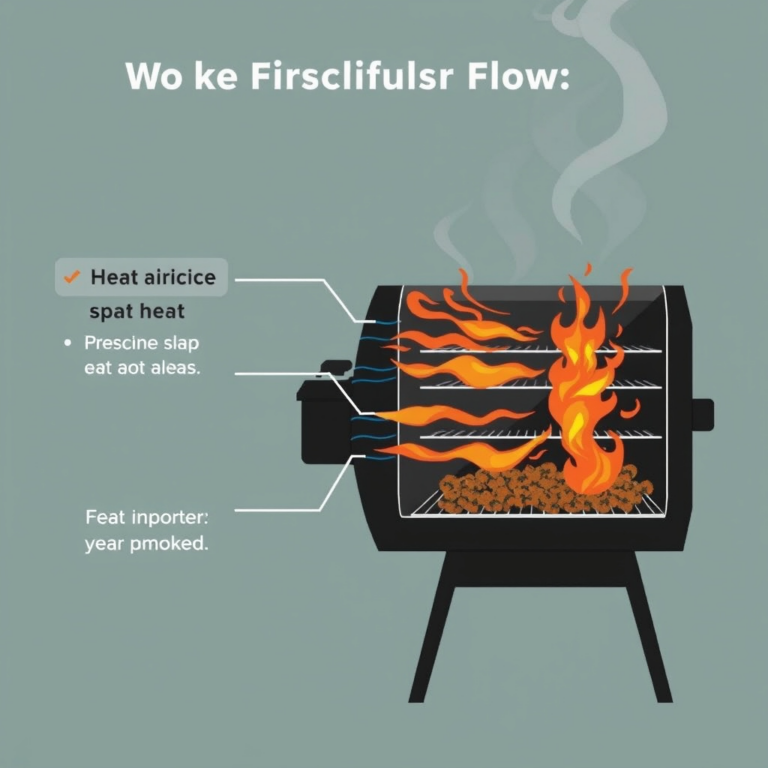
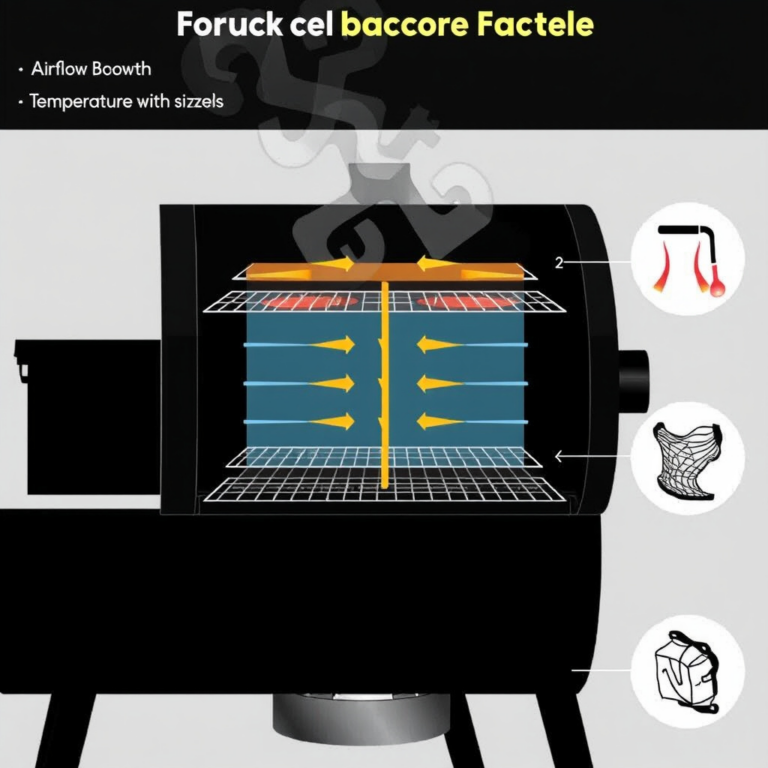
Adding water to a smoker is a simple but essential step to maintain moisture and regulate temperature during smoking. You start by locating the water pan inside the smoker—typically a metal tray or pan positioned above the heat source—and filling it with clean, room-temperature water until it's about three-quarters full. Throughout the smoking process, monitor the water level and refill it as needed to keep a consistent steam environment inside the smoker.
This water pan serves two important purposes: maintaining humidity to prevent meat from drying out, and stabilizing the internal temperature by absorbing and distributing heat evenly. Properly adding and maintaining water in your smoker creates moist heat, which is ideal for breaking down connective tissue and locking in flavors, especially for long cooks like brisket or pork shoulder.
This article covers how to choose the right water pan, effective methods for filling and refilling water during smoking, tips for water temperature, alternatives to plain water, and common mistakes to avoid. Whether you're a novice or experienced pitmaster, mastering water addition can significantly improve your barbecue results.
Selecting and Preparing the Water Pan for Your Smoker
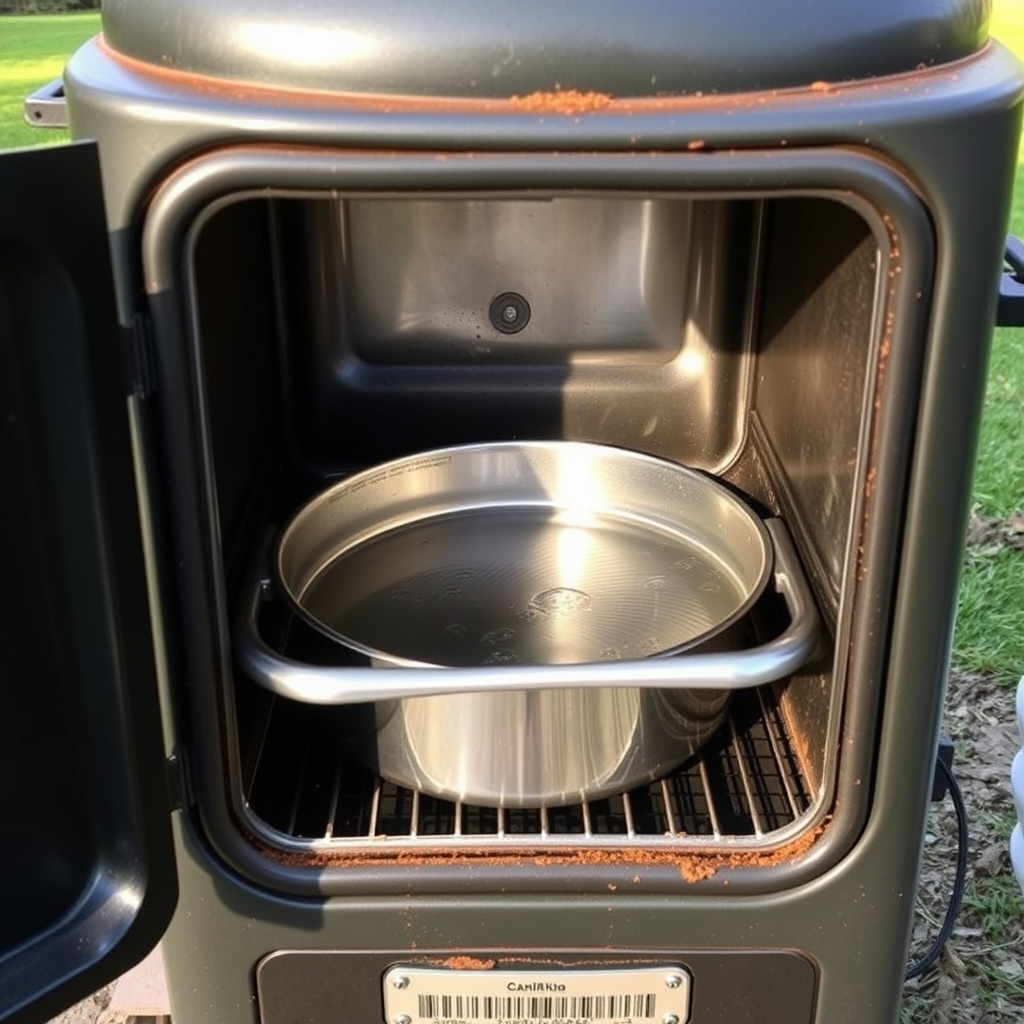
Types of Water Pans
Water pans come in various materials such as aluminum, stainless steel, or cast iron. Aluminum pans are lightweight and conduct heat quickly, while stainless steel pans are durable and resistant to rust. Cast iron can retain heat well but may be heavier and require seasoning.
Choosing the right pan depends on your smoker type and cooking style. Many smokers already include a compatible pan, but aftermarket options allow you to upgrade to larger or more heat-retentive pans to improve humidity and temperature control.
- Lightweight aluminum pans heat quickly
- Stainless steel offers durability and rust resistance
- Cast iron pans retain heat effectively but are heavy
- Size should fit the smoker and pot enough water
Preparing the Pan for Use
Before placing the pan inside your smoker, clean it with hot, soapy water to remove manufacturing residues or dust. Rinse thoroughly to prevent any soap taste affecting your smoke.
Fill the pan about 70-80% full with clean, room-temperature water. Avoid overfilling to prevent water from spilling when you add or remove food from the smoker.
- Clean pan before first use
- Use room-temperature filtered water
- Fill to about three-quarters full
- Place pan securely on smoker racks
Techniques for Adding and Refilling Water During Smoking
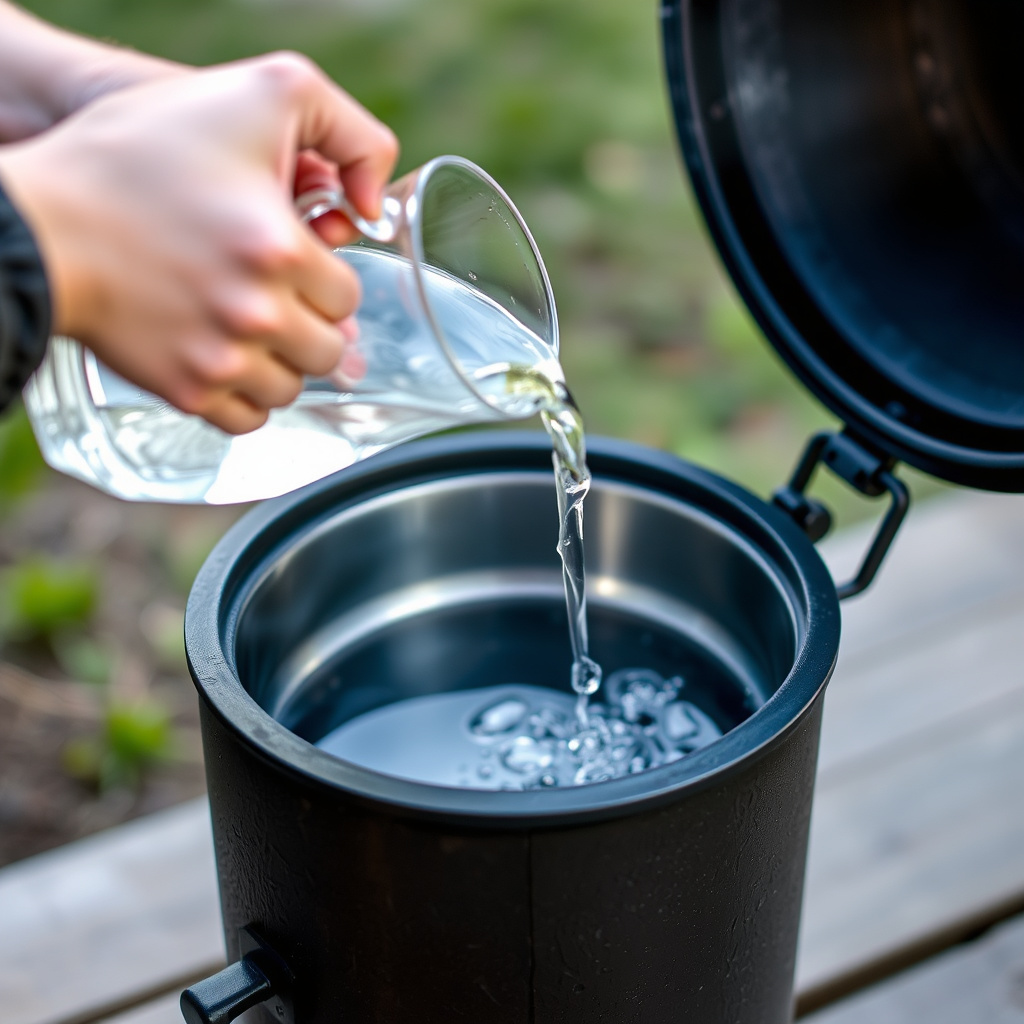
Initial Water Addition
Adding water at the beginning of your smoking session is straightforward: fill the pan after preheating your smoker to ensure even temperature distribution. Let the water settle before introducing food to stabilize conditions inside.
Start with enough water to last the majority of the cook, typically 4 to 6 hours depending on pan size and smoker design.
- Fill pan post preheating
- Use filtered, room-temp water
- Estimate water volume based on cook time
Refilling Without Losing Heat
When the water level drops, refill carefully using a spray bottle, water pitcher with a narrow spout, or a turkey baster to minimize heat loss and smoke escape. Open the smoker door quickly and refill as efficiently as possible.
You can also add hot water if you want to avoid temperature fluctuations, but be cautious to avoid steam burns.
- Use tools like basters or pitchers with spouts
- Minimize smoker door open time
- Add warm water to maintain temperature
Water Temperature and Alternatives for the Water Pan
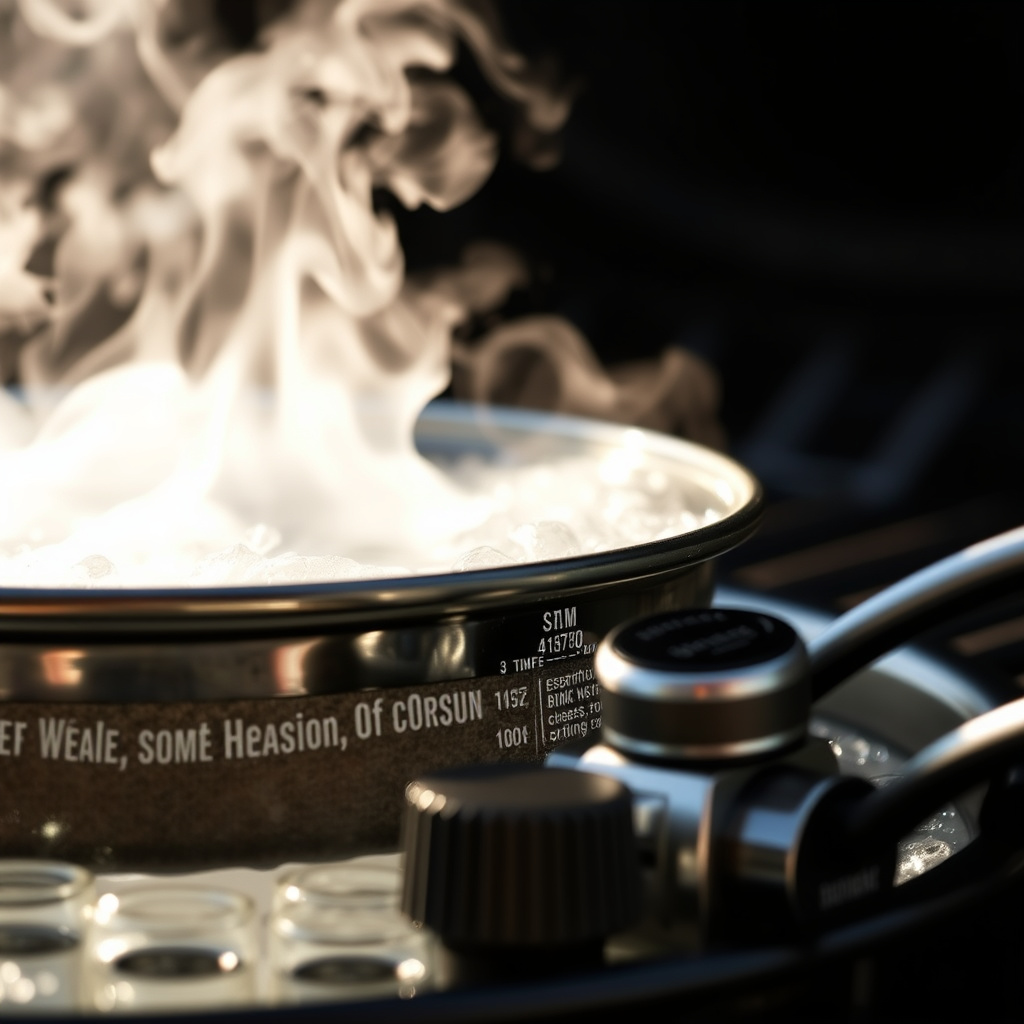
Using Different Water Temperatures
Most people add room-temperature or warm water to keep the cooking environment steady. Cold water can cause a drop in smoker temperature, extending cooking time and possibly affecting smoke flavor.
Warm water added during refills helps maintain stable temperature and consistent steam, supporting better smoke absorption and meat tenderness.
- Room temperature is standard for initial fill
- Warm water preferred for refilling
- Avoid cold water to prevent temperature drops
For more on this, see our related guide: Can You Use a Gas Grill as a Smoker? Practical Tips and Techniques.
Adding Flavor Alternatives to Water
Some barbecue enthusiasts enhance moisture and aroma by adding liquids such as apple juice, beer, wine, or flavored broths to the water pan. These can add subtle complementary flavors to the smoked meat's crust.
However, avoid sugary or thick liquids that can burn and produce unpleasant odors or excessive soot inside the smoker.
- Use diluted apple juice or cider
- Add light beer or broth for aroma
- Avoid sugary syrups and thick liquids
Common Mistakes and How to Avoid Them When Adding Water to a Smoker
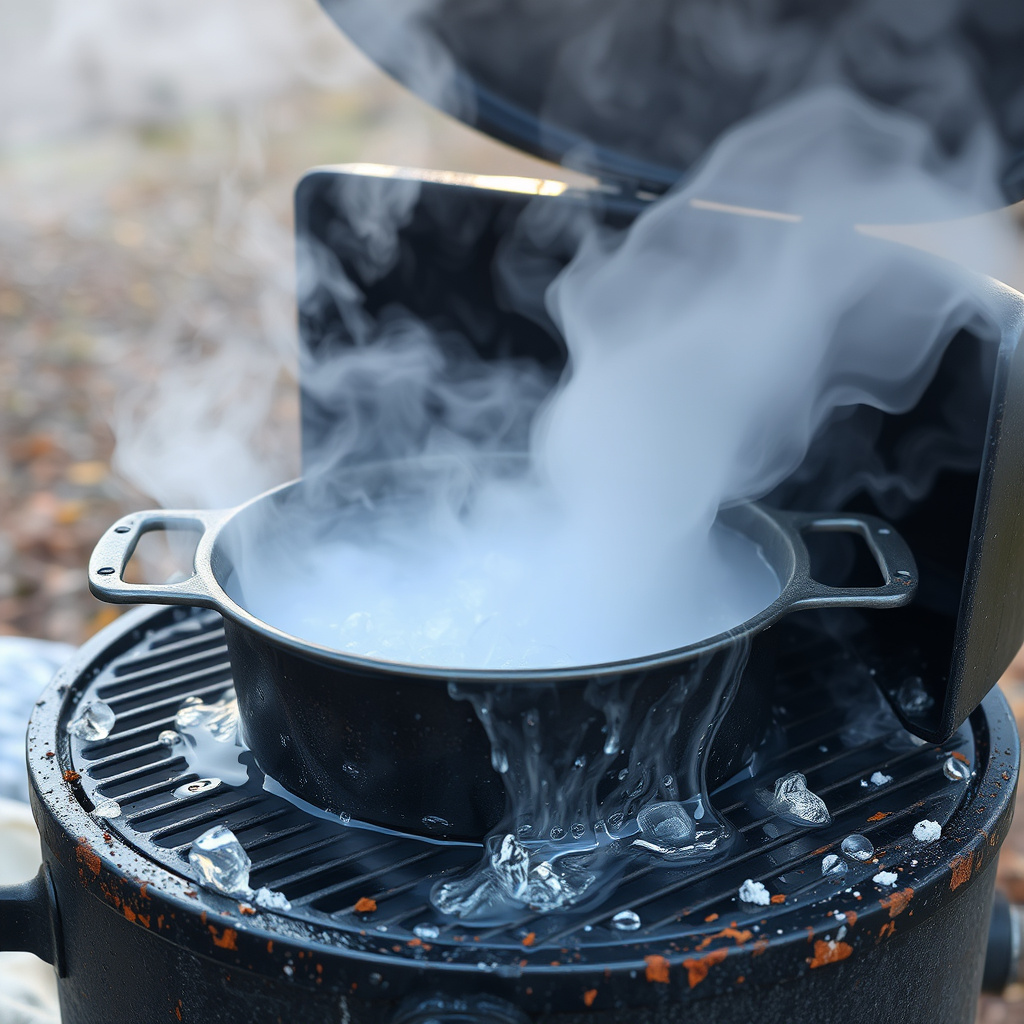
Overfilling the Water Pan
Overfilling the water pan can cause water to spill over when opening the smoker, leading to flare-ups or damage to heat elements. It can also cause inconsistent humidity levels.
Fill water pans only up to about three-quarters full and leave space to handle expansion and movement when adding food or adjusting racks.
- Keep pan 70-80% full max
- Avoid water spills on heat source
Neglecting to Monitor Water Levels
Failing to check the water level during long smokes leads to dry pans, which lose moisture maintenance and temperature regulation. This can dry out meat and overheat the smoker.
Set reminders to check water every hour or use smokers with water pan level windows or external filling ports for easier monitoring.
- Check water hourly for long cooks
- Use smoker features for easier refills
Impact of Adding Water on Smoking Temperature and Flavor
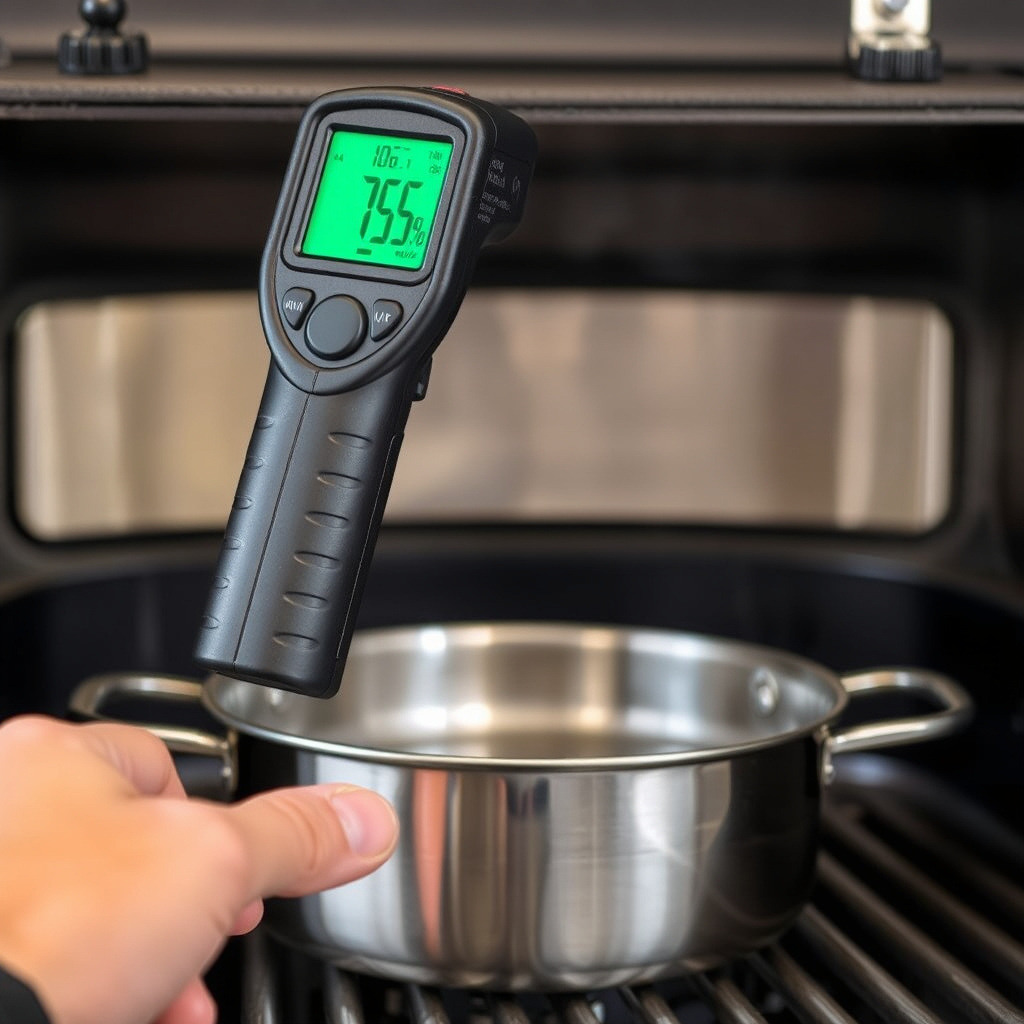
Stabilizing Cooking Temperature
Water in the smoker absorbs and distributes heat evenly, preventing sharp spikes or drops in temperature. This steady heat is essential for slow-cooking tough cuts of meat and achieving tender, juicy results.
Without water, dry heat can volatilize juices rapidly and cause hot spots, making temperature control more challenging and potentially leading to uneven cooking.
- Water acts as a thermal buffer
- Supports gentle, consistent heat
- Prevents combustion spikes
For more on this, see our related guide: Understanding the Difference Between a Grill and a Smoker.
Enhancing Smoke Flavor and Texture
The moisture produced by the water pan creates a humid smoke environment, which helps smoke particles adhere to the meat's surface, enriching flavor and forming a desirable bark.
It also slows evaporation of the meat's own juices, making the texture more succulent and less prone to drying out during hours of smoking.
- Humid environment aids smoke adhesion
- Improves bark formation
- Keeps meat moist and tender
Tools and Accessories for Efficient Water Management in Smokers
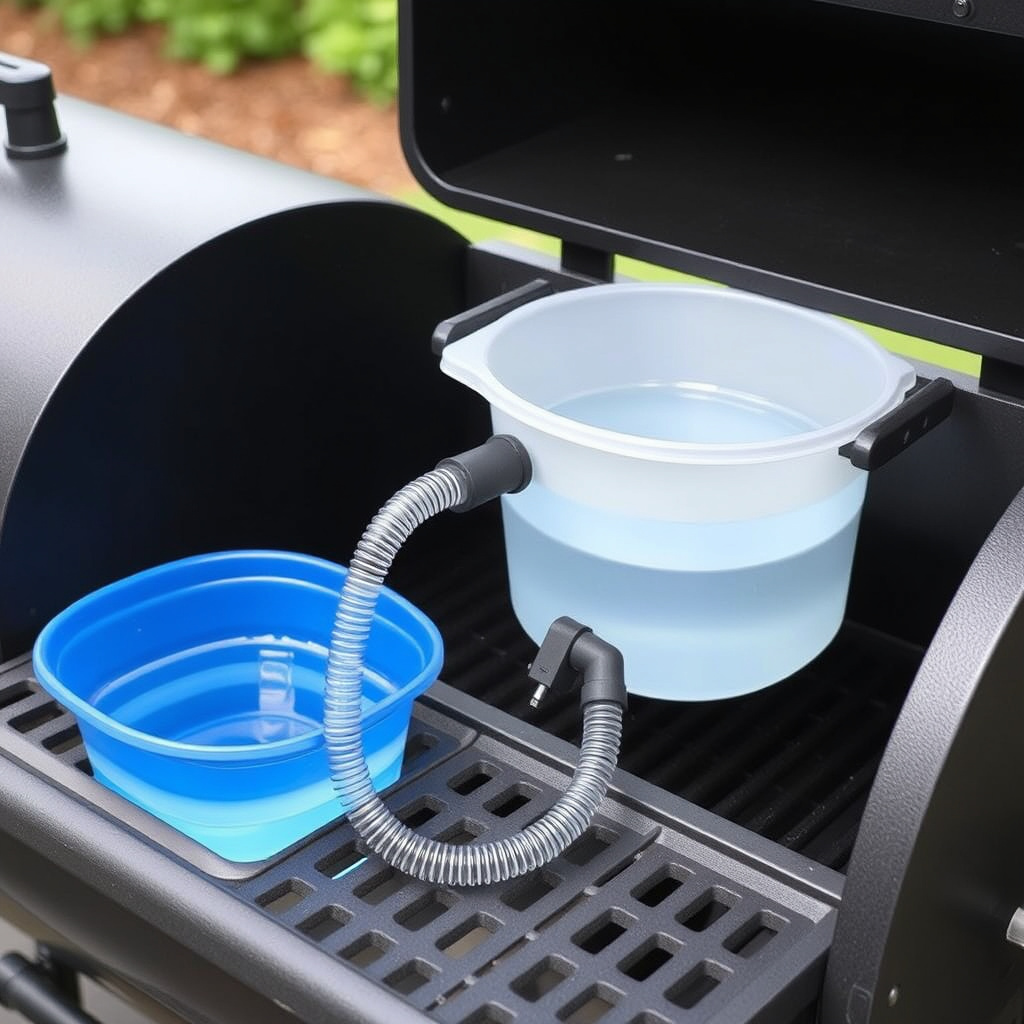
Water Pan Accessories
Some smokers include water pans with attached lids to minimize water evaporation. Others feature water pans with built-in handles or drip trays to simplify removal and refilling.
External water reservoirs equipped with hoses or fill tubes allow refilling without opening the smoker door, reducing heat loss and smoke escape.
- Lidded water pans reduce evaporation
- Handle-equipped pans for easier removal
- External reservoirs for doorless refilling
For a deeper understanding of smoking meat techniques and their history, you can visit this detailed Wikipedia article. smoking meat techniques.
Monitoring Tools
Water level gauges or transparent viewing windows help track the amount of water inside without opening the smoker. Thermometers that measure temperature at the water pan level provide more accurate heat info.
Timers set for water checks and alerts remind pitmasters when refills are needed during multi-hour cooks.
- Water level indicators
- Digital thermometers near water pan
- Timers or alarms for refilling
Water Pan Types and Their Benefits for Smokers
Here is a comparison of common water pan types and their key characteristics including heat retention, durability, ease of cleaning, and typical price range.
| Water Pan Type | Heat Retention | Durability | Ease of Cleaning | Price Range |
|---|---|---|---|---|
| Aluminum | Fast heating, moderate retention | Moderate – prone to dents | Easy – dishwasher safe | $10-$20 |
| Stainless Steel | Moderate heating and retention | High resistance to rust | Moderate – hand wash preferred | $20-$40 |
| Cast Iron | Excellent heat retention | Very durable but heavy | Requires seasoning and careful cleaning | $30-$60 |
| Ceramic | Excellent heat retention | Fragile, can crack | Moderate – avoid sudden temperature changes | $40-$70 |
Frequently Asked Questions
How often should I refill the water pan during a long smoke?
For extended smokes lasting over 6 hours, check and refill the water pan every 1 to 2 hours to maintain consistent moisture and prevent the pan from drying out.
Can I use liquids other than water in the smoker’s water pan?
Yes, you can use liquids like apple juice or beer to add subtle flavors, but avoid thick or sugary liquids which can burn and create unpleasant residues.
Is it necessary to use a water pan in all types of smokers?
Not always. Some electric or pellet smokers maintain humidity without a water pan, but traditional offset and charcoal smokers benefit significantly from one.
Does adding water to the smoker affect cooking time?
Yes, the water pan helps stabilize temperature, which can lead to slightly longer cooking times but improves even cooking and moisture retention.
What happens if I don’t use water in my smoker?
Without water, your smoker will be drier, potentially causing meat to lose moisture faster and increasing the chance of uneven temperature and tougher texture.
Key Takeaways
- Water pans maintain humidity and stabilize temperature during smoking.
- Use a pan that fits your smoker and fill it about three-quarters full.
- Refill water carefully to minimize heat loss and smoke escape.
- Adding liquid alternatives can enhance flavor but avoid sugary substances.
Conclusion
Understanding how to add water to a smoker involves more than just filling a pan; it requires balancing moisture levels with heat regulation to create an ideal environment for slow cooking. The water pan acts as a buffer that keeps the temperature consistent and introduces humidity that prevents meat from drying out. When planning your smoking session, consider the size and material of your water pan, and keep an eye on water levels to avoid sudden dryness that can negatively impact flavor and texture.
For those who enjoy long smokes, such as brisket or pork shoulder, stainless steel or cast iron water pans offer durability and heat retention that help maintain a steady cooking environment. Using filtered, room temperature water at the start followed by warm water refills will reduce temperature fluctuations. Additionally, experimenting with natural liquids like apple juice can provide a subtle aromatic lift. To simplify refilling, accessories such as external reservoirs or basters can save time and safeguard heat inside the smoker.
In practice, the best next step is to assess your current smoker setup and water pan, ensuring it fits your cooking style and length. Start by filling your water pan as recommended and monitor water levels closely during your next smoke to see the difference moisture management makes. With thoughtful attention to water addition, your smoked meat results will become more flavorful, juicy, and tender with every barbecue session.