If your smoker won't heat, the most common causes are either fuel problems, airflow blockages, or faulty components like the thermostat or ignition system. Start by checking if your fuel source is properly loaded and ignited, ensure air vents are clear, and verify electrical parts are functioning.
Getting your smoker to the right temperature is essential for perfectly cooked meats and brisk flavors. When the smoker won’t heat up, it compromises your entire cooking process and can frustrate even the most experienced pitmasters. Understanding the underlying issues that cause heating failures helps you avoid wasted food and time.
This guide covers key areas including fuel type and quality, airflow management, electrical and mechanical component checks, thermostat calibration, and maintenance tips. Each section will offer detailed troubleshooting steps so you can pinpoint why your smoker isn’t heating and get your barbecue back on track.
Fuel and Combustion Essentials for Fixing a Smoker That Won't Heat
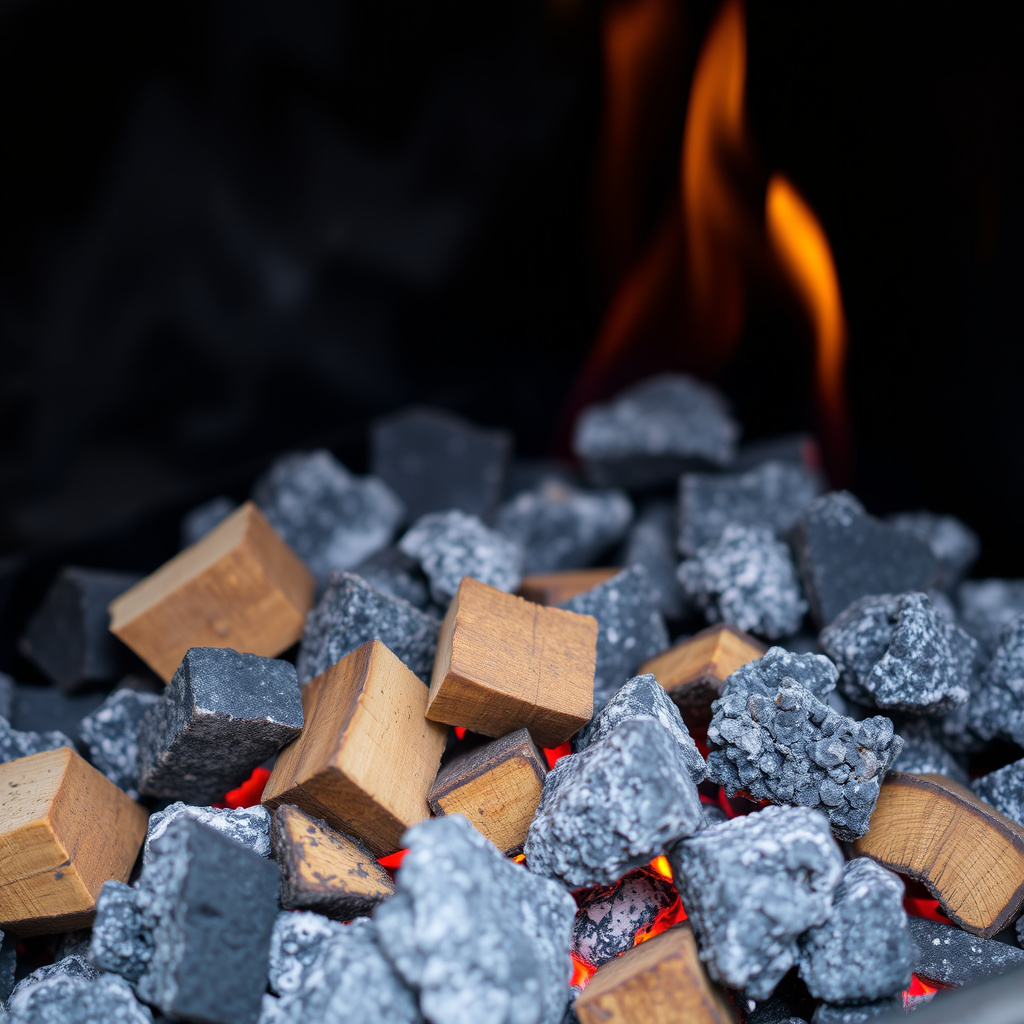
Ensuring Proper Fuel Type and Quality
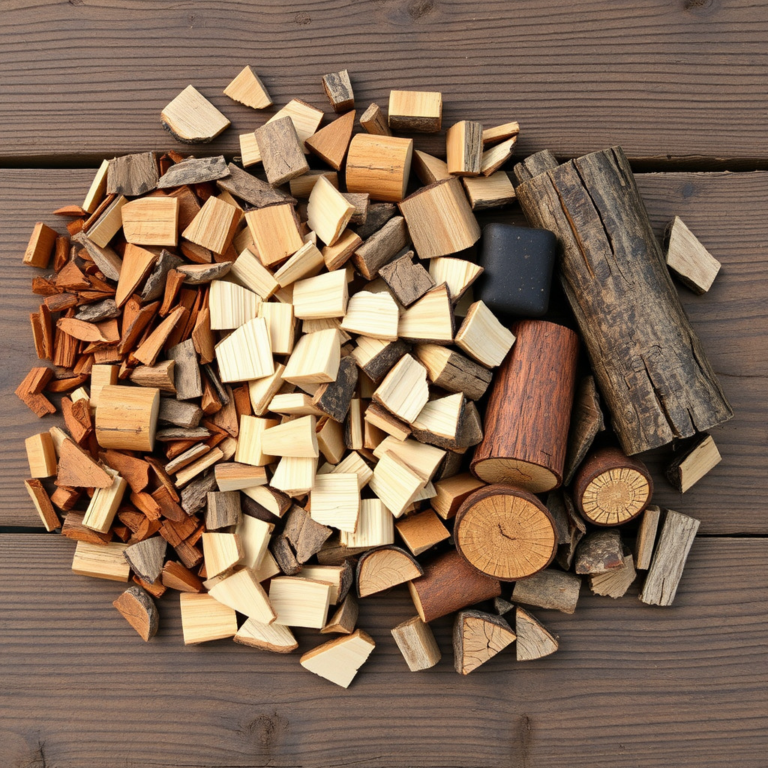
Using the correct fuel type is crucial since different smokers require specific fuels. Charcoal smokers need high-quality lump charcoal or briquettes that burn evenly. Wood pellet smokers demand dry, properly sized pellets designed for the model. Wet or old fuel can smother the flame and reduce heat output.
Inspect your fuel before loading. Charcoal should be dry and free of debris, while pellets must be stored in a sealed container to prevent moisture absorption. If you suspect bad fuel, replace it with fresh stock, as poor fuel alone can prevent your smoker from reaching cooking temperatures.
Starting and Maintaining Combustion
The combustion process depends on getting the fuel properly ignited and sustaining the fire. Avoid simply lighting fuel that is damp or tightly packed, which can restrict airflow. Use fire starters suitable for your smoker type rather than lighter fluid, which can disrupt flavors.
Once lit, maintain a balanced fire by adjusting vents and adding fuel gradually. If flames die out quickly or the firebox cools, check for airflow blockages and improper fuel placement. A strong, steady flame is essential to produce enough heat to warm the cooking chamber.
- Use natural fire starters instead of lighter fluid
- Avoid overpacking fuel for better airflow
- Add new fuel in small increments to sustain heat
Optimizing Airflow and Ventilation in Your Smoker
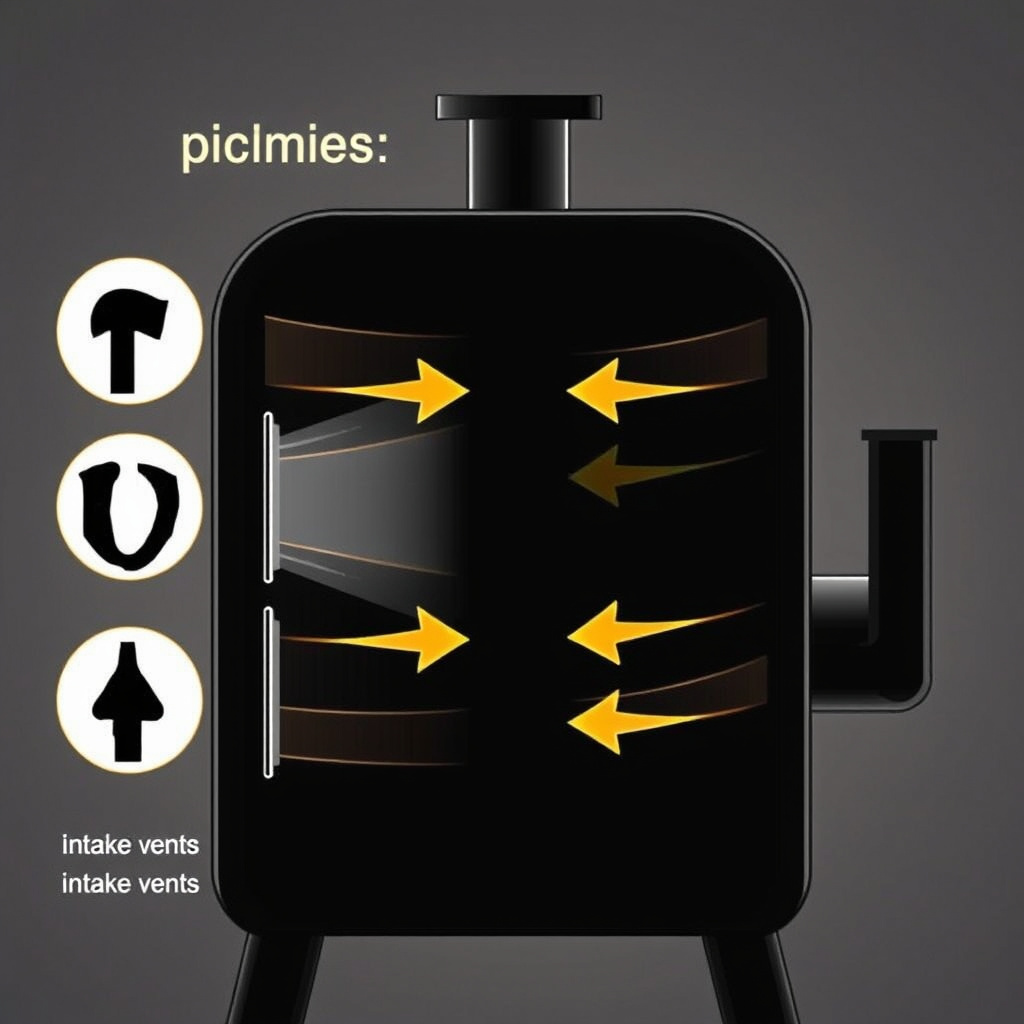
Checking Intake and Exhaust Vents
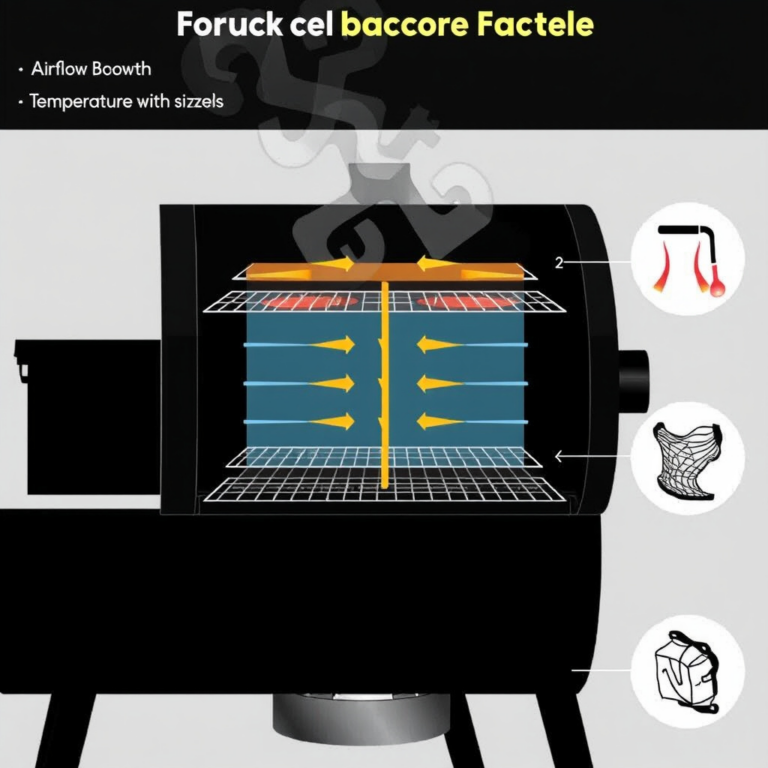
Proper airflow regulates combustion and temperature. Intake vents bring oxygen to the fire while exhaust vents let smoke escape. Blocked or improperly adjusted vents can starve your fire of oxygen and cause the smoker not to heat.
Inspect vents for obstructions like ash buildup, grease, or debris. Clean all passages thoroughly before cooking. Open the intake vents fully at the start of heating, then adjust during use to control temperature while ensuring continuous airflow.
- Clean ash and debris from vents regularly
- Avoid closing all vents during initial lighting phase
- Gradually modulate vents to maintain consistent heat
Understanding the Effects of Airflow on Temperature
Airflow controls how hot your fire burns by supplying oxygen and removing combustion gases. Too little airflow causes incomplete combustion and cool smoke, while too much air burns fuel too quickly, creating temperature spikes.
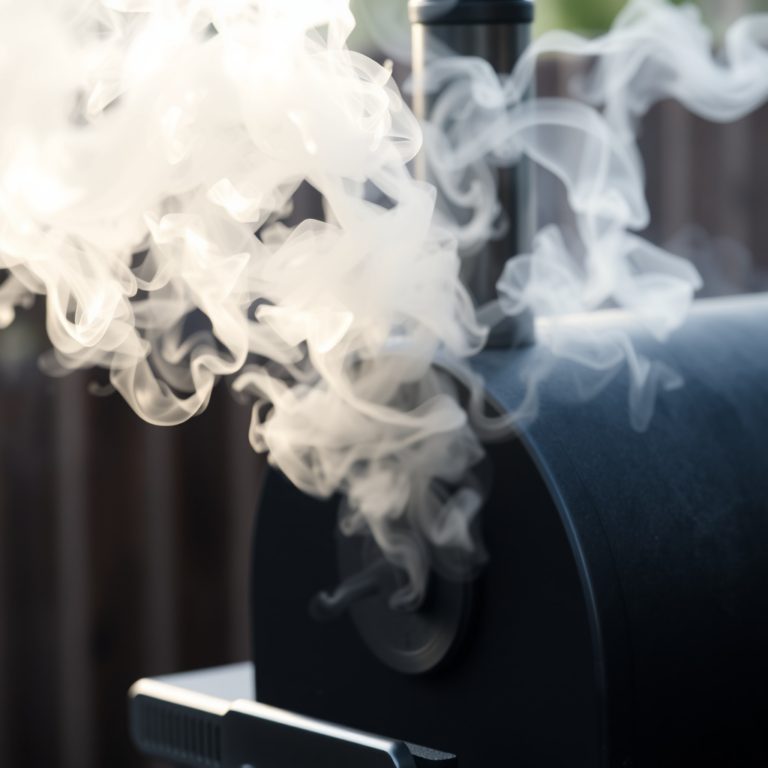
Achieving steady airflow requires balancing intake with exhaust vent openings. Observe smoke behavior—thin, blue-tinged smoke indicates good airflow, whereas thick white smoke suggests incomplete combustion. Mastering airflow lets you fine-tune smoker temperature to your recipe.
Inspecting Electrical and Mechanical Components
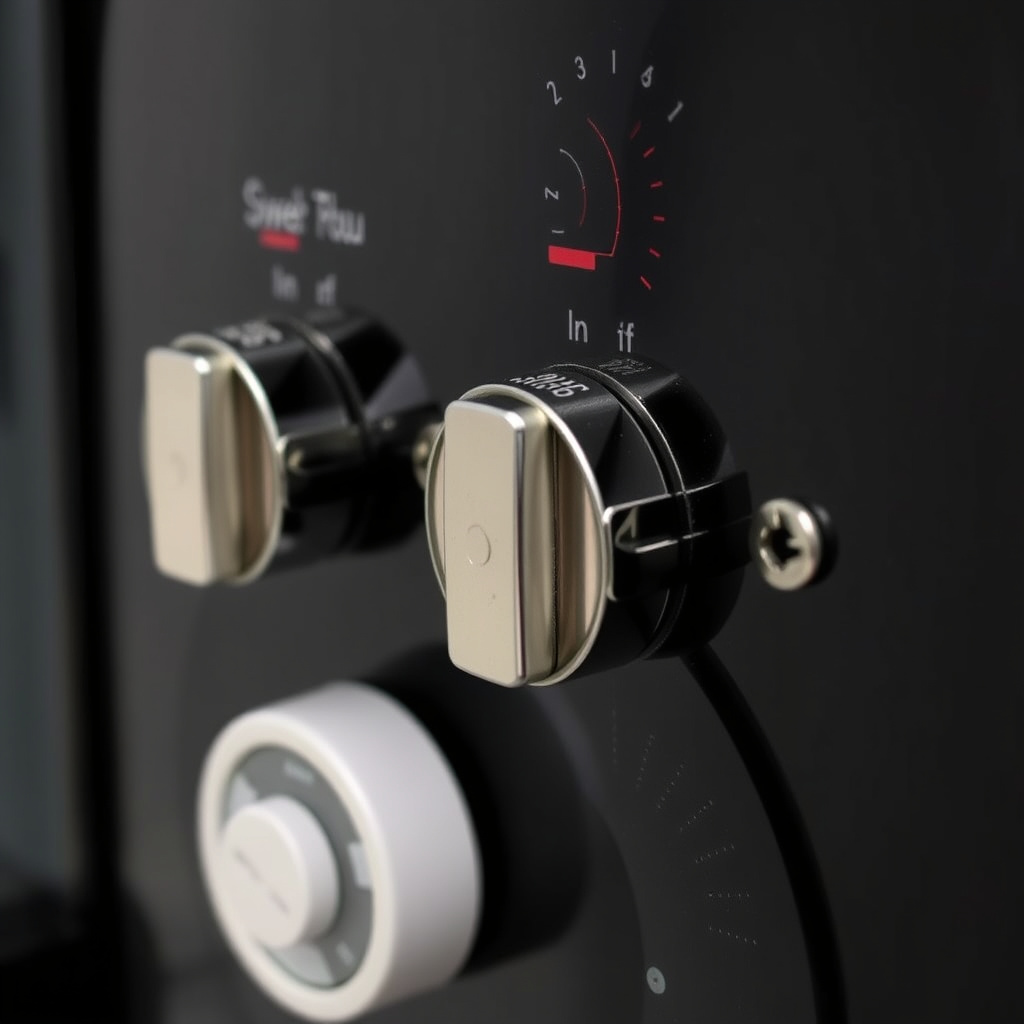
Testing the Ignition System and Heating Elements
Electric smokers rely on heating elements or igniters that can fail over time. If your smoker won't heat, use a multimeter to check for continuity in these parts. A lack of electrical connection means a broken element that needs replacement.
Check wiring connections for corrosion or loose contacts which can interrupt power flow. For pellet smokers, verify the auger motor and fans are operational, as these drive the fuel feeding and airflow essential for heat.
- Use a multimeter to test resistance of heating elements
- Inspect wiring harnesses for damage or corrosion
- Confirm pellet smoker auger and fans are running properly
Calibrating and Replacing the Thermostat
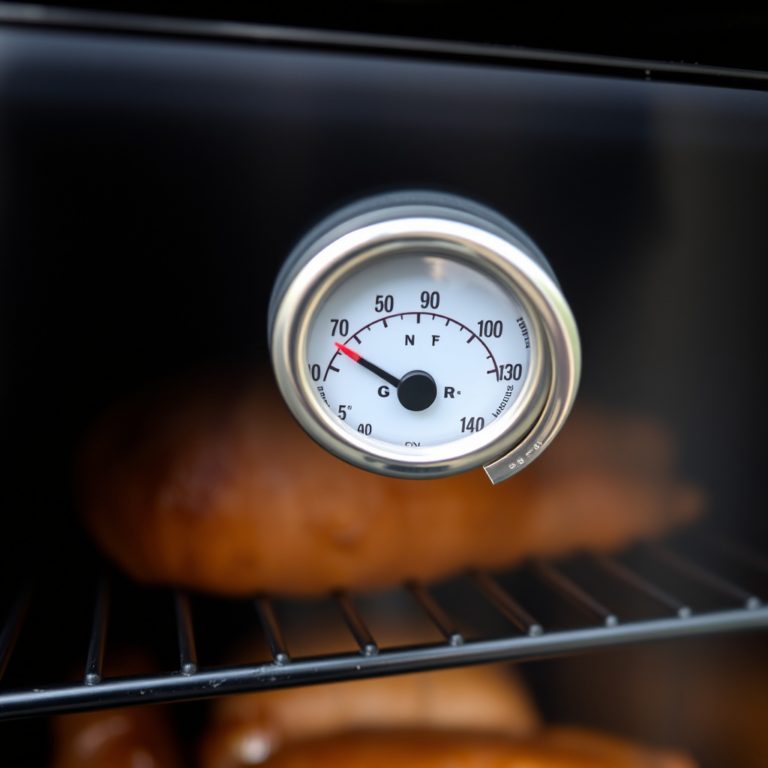
The thermostat controls heating cycles but can become inaccurate, causing the smoker not to reach or hold the desired temperature. Test accuracy with an external thermometer. If there is a large discrepancy, recalibrate the controller according to manufacturer instructions.
If recalibration isn't possible or fails, replace the thermostat module. Faulty sensors can misread temperatures and shut off heat prematurely, so maintaining precise control is key to reliable smoker operation.
Routine Maintenance to Prevent Heating Failures
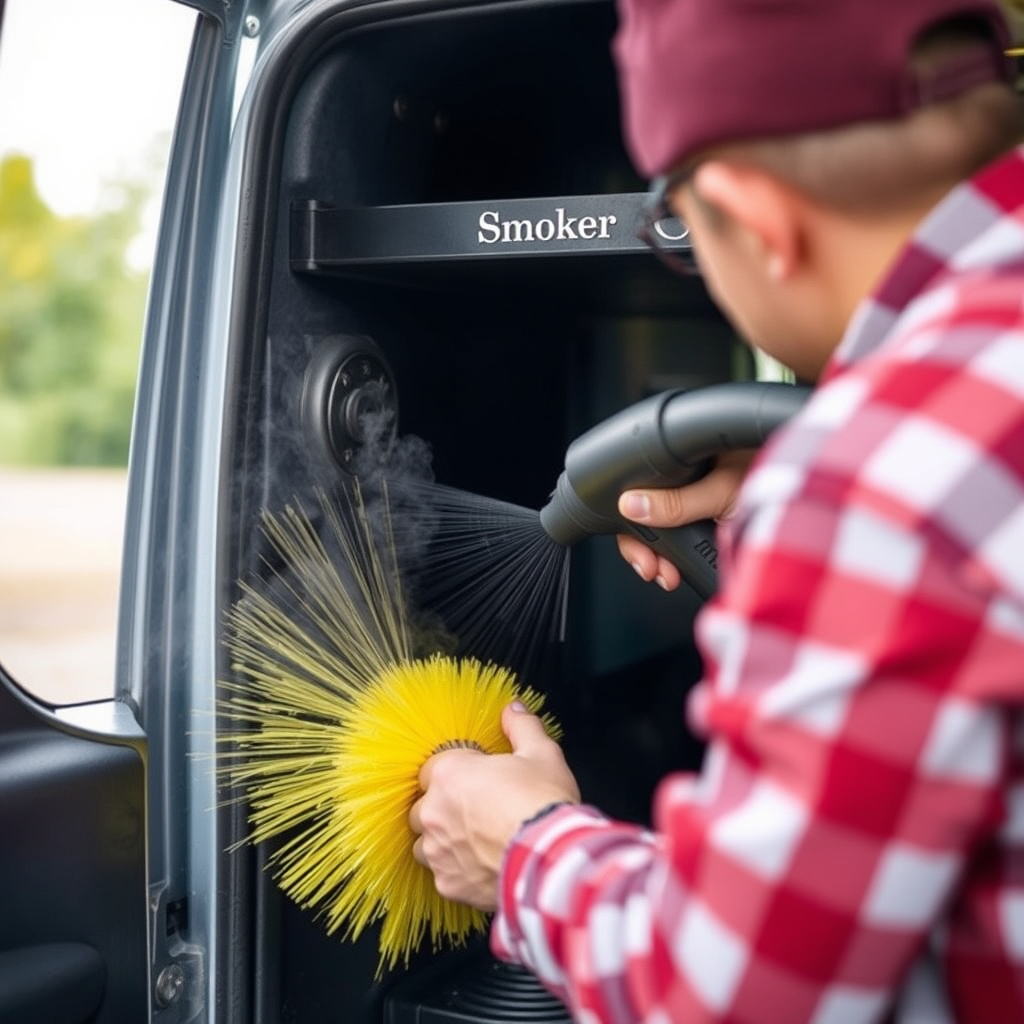
Cleaning Ash and Grease Build-Up
Residue accumulation inside the firebox and cooking chamber can obstruct airflow and insulate heat, lowering temperature. Regular ash removal after each use allows air to circulate properly.
Grease buildup on walls and drip trays can restrict air movement and cause flare-ups. Use degreasers and wire brushes periodically to keep your smoker clean and performing at peak heat levels.
- Empty ash pan after every cook
- Clean grease traps and interior surfaces monthly
- Inspect and remove soot buildup on exhaust flue
Checking Seals and Gaskets
Damaged or worn door seals and gaskets let heat escape, making it difficult for the smoker to maintain temperature. Inspect rubber or silicone seals around doors and lids for cracks or gaps.
Replace faulty seals with exact fit parts to retain heat and improve fuel efficiency. A well-sealed smoker holds heat better and reduces fuel consumption.
Advanced Troubleshooting for Persistent Heating Problems
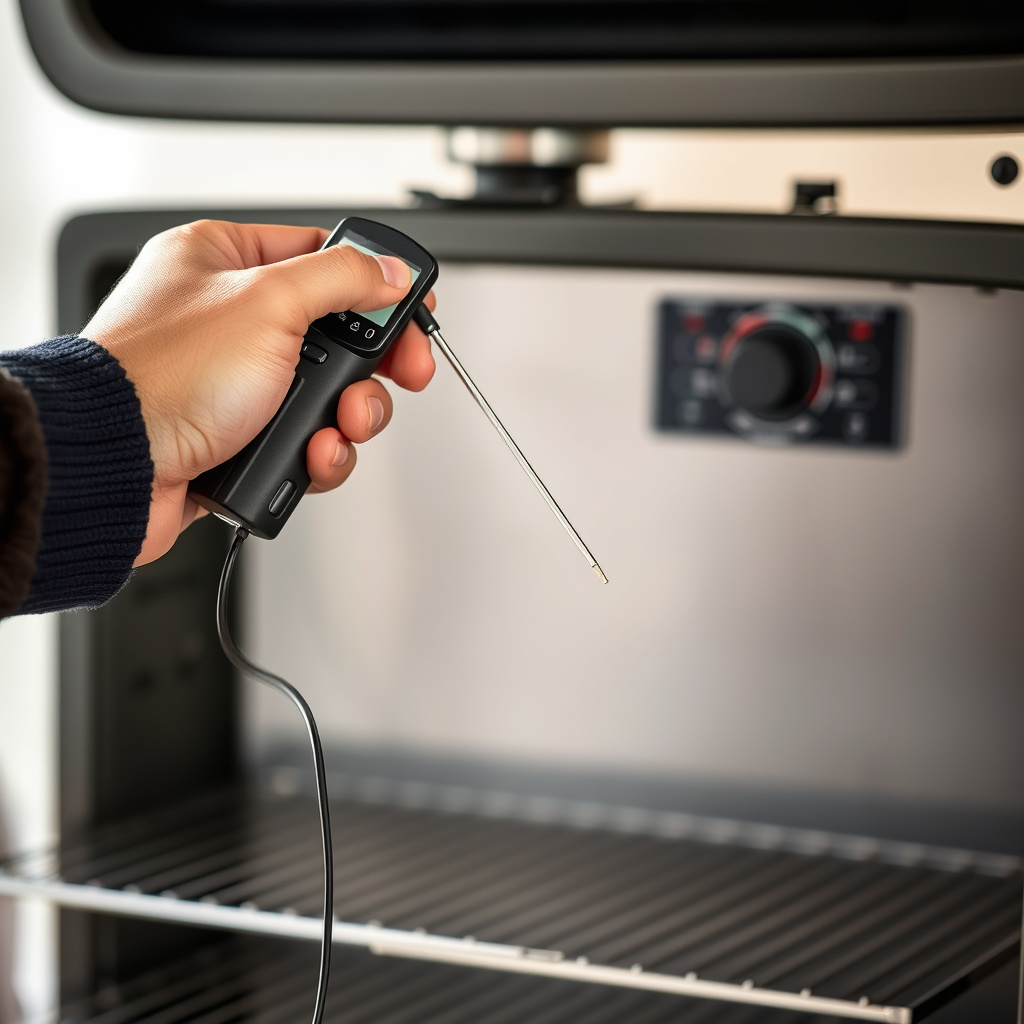
Using Diagnostic Tools and Thermometers
Accurate temperature measurement aids diagnosing smoker issues. Use multiple digital thermometers at different chamber points to identify heat pockets or cool zones indicating airflow problems.
Thermal cameras can visualize heat distribution if available. Gathering data over several cooking sessions reveals patterns related to smoker placement, fuel behavior, and component wear.
For a broader understanding of different smoker types and their mechanisms, refer to this Smoker Wikipedia page. Smoker Wikipedia page.
Consulting Manufacturer Support and Repair Services
If basic troubleshooting fails, contact the smoker's manufacturer for specific technical support. Many brands provide diagnostic flowcharts or repair part lists.
Authorized repair services can safely replace defective electrical components or structural smoker parts. Professional help minimizes risk of damage or injury during complex repairs.
- Keep your smoker model number and purchase info handy
- Follow manufacturer safety instructions for repairs
Comparison of Common Smoker Types for Heating Reliability
Here’s a comparison of popular smoker categories focusing on how they typically perform when experiencing heating issues.
| Smoker Type | Fuel Source | Common Heating Problems | Repair Difficulty |
|---|---|---|---|
| Charcoal Smoker | Charcoal, wood | Fuel quality and airflow blockages | Easy – manual fixes |
| Electric Smoker | Electric heating elements | Element failure, thermostat errors | Moderate – electrical parts |
| Pellet Smoker | Wood pellets | Auger jams, pellet moisture | Moderate – mechanical parts |
| Propane Smoker | Propane gas | Ignition failure, gas leaks | Moderate – gas system repairs |
| Offset Smoker | Charcoal, wood | Airflow mismanagement, fuel issues | Easy – manual fixes |
Frequently Asked Questions
Why is my smoker not heating even after lighting the fuel?
Check for proper airflow as blocked vents or tightly packed fuel can prevent adequate oxygen supply, inhibiting combustion and heat generation. Also verify fuel is dry and fully ignited.
How can I tell if my electric smoker's heating element is broken?
Use a multimeter to test the element for electrical continuity. No reading or infinite resistance indicates the element is faulty and needs replacement.
Can poor gasket seals affect smoker temperature?
Yes, worn or damaged seals allow heat to escape causing temperature drops and inconsistent cooking. Replacing seals improves heat retention.
Why does my pellet smoker keep shutting off and not heating up?
Auger jams or pellet moisture prevent pellets from reaching the firepot, causing the system to shut off. Cleaning the auger and using dry pellets helps.
Is it normal for charcoal smokers to have uneven heat?
Yes, charcoal distribution and airflow affect heat distribution. Adjusting vents and managing fuel placement can reduce hot or cool spots.
Key Takeaways
- Check and use dry, quality fuel suitable for your smoker type
- Maintain proper airflow by keeping vents clean and adjustable
- Inspect electrical components and calibrate thermostats as needed
- Perform routine cleaning and seal maintenance to retain heat
Conclusion
Fixing a smoker that won't heat involves a methodical approach to identifying the root cause. Begin with the basics—validate your fuel quality and ventilation to make sure the fire can thrive. Transition into checking electrical or mechanical components depending on your smoker model. Regular maintenance tasks like cleaning and replacing seals play a vital role in sustaining heat over time. Approaching troubleshooting in phases helps avoid unnecessary repairs and preserves your smoker’s lifespan.
For those using charcoal or offset smokers, focus on fuel condition and managing airflow by adjusting vents and properly arranging coals or wood. Electric and pellet smokers require more attention to heating elements, augers, and electrical connections, so testing with tools like multimeters and thermometers is essential. If thermostat inaccuracies persist, recalibrate or replace sensors to restore temperature control. Propane smokers need careful inspection of ignition and gas flow components to resolve heating failures.
Ultimately, once you narrow down the likely cause of your smoker's temperature issues, you can decide if the repair is a simple fix or if professional service is needed. Routine maintenance prevents many problems in the first place and keeps your BBQ sessions reliable and flavorful. Start with clean fuel and open vents, and then work through more technical checks for a smoker that heats consistently every time you fire it up.